


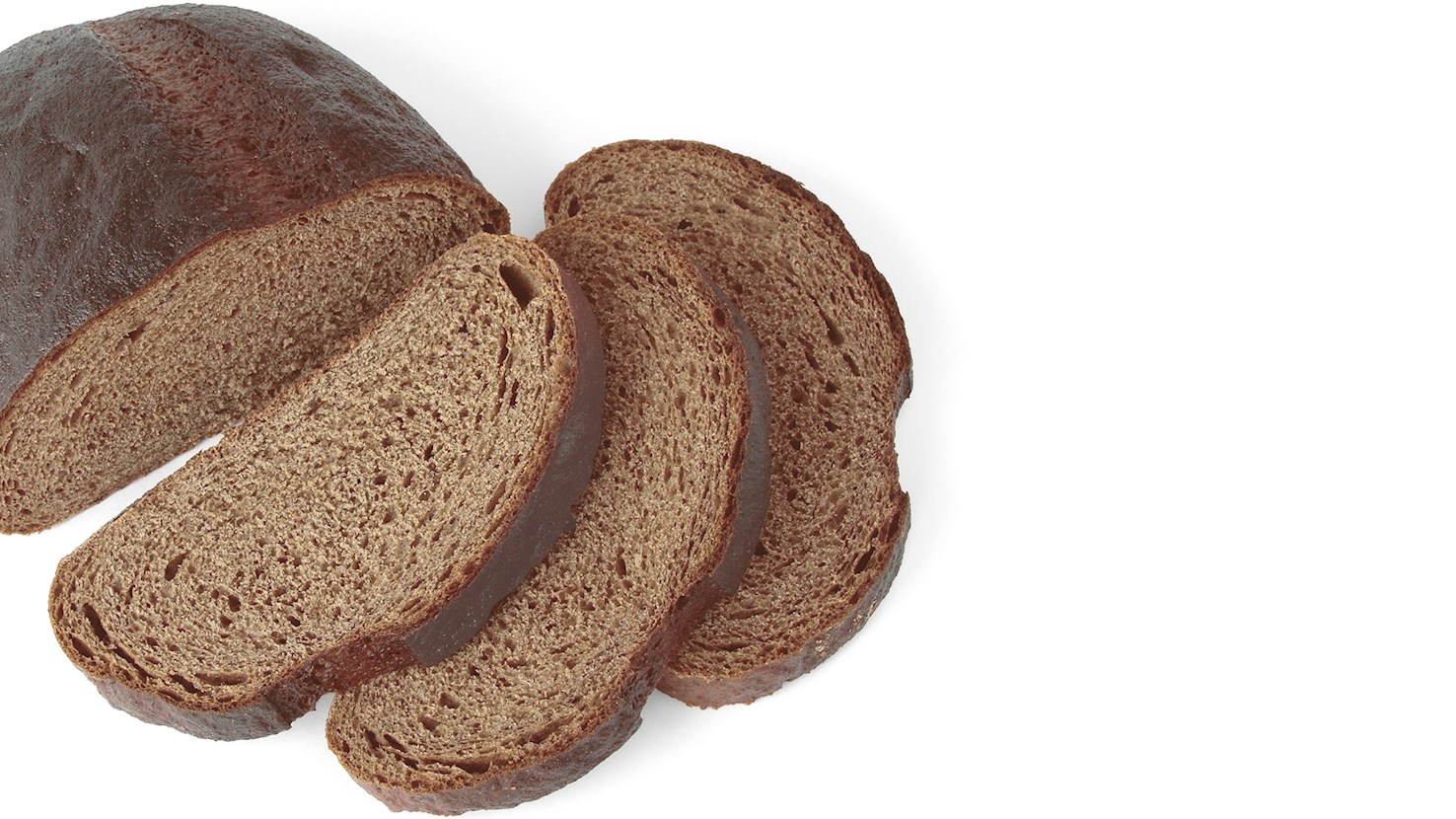
shutterstock

Top 6 Baltic Breads

Last updated on May 15, 2026
01

Juoda duona

4.1 ·

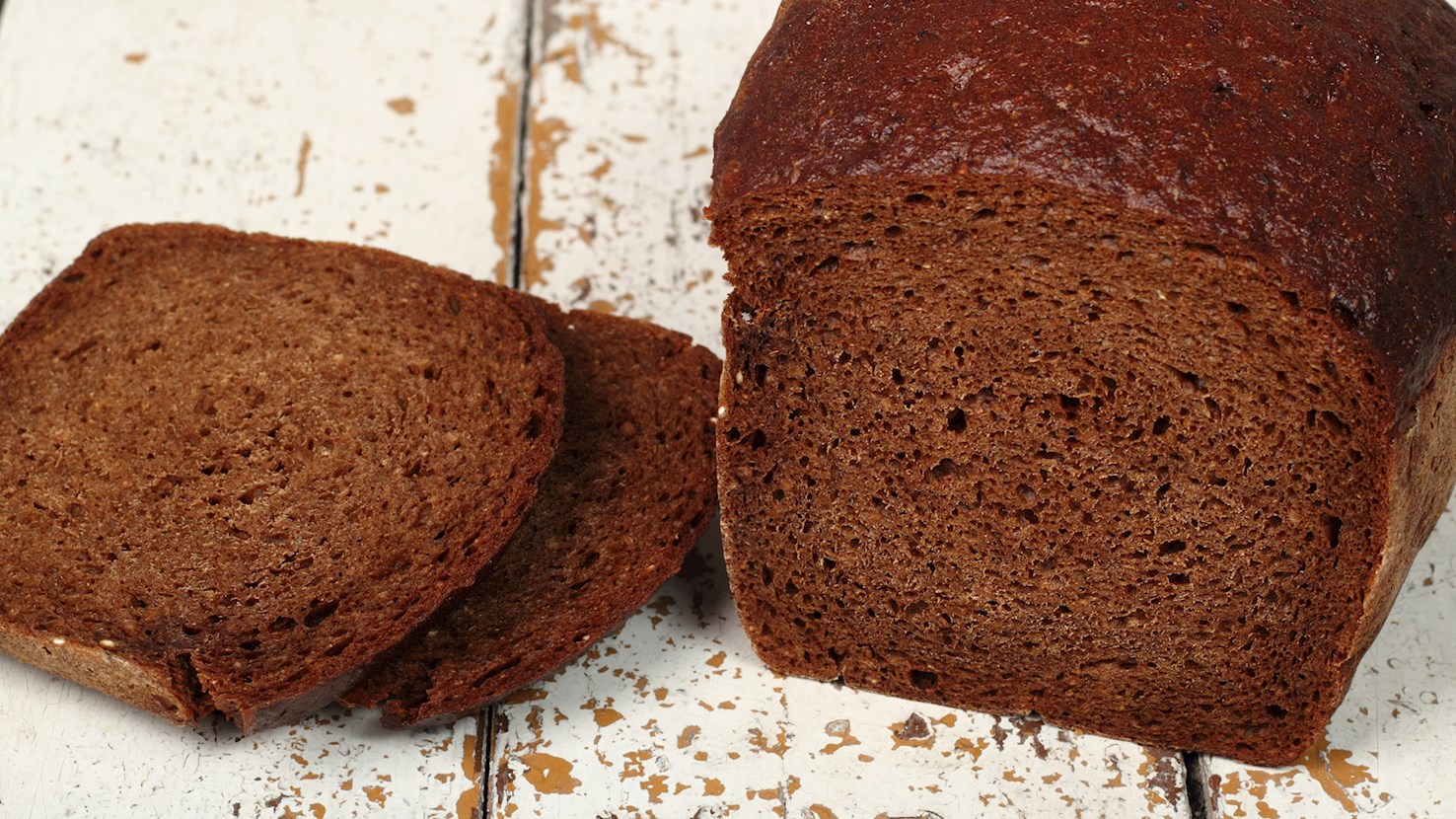
Juoda duona is a traditional bread consisting of ground rye flour, starter, and water. The dough must be kneaded for a long time before baking, and it is always left to ferment overnight. Once it is baked, juoda duona is consumed for breakfast, lunch, and dinner. Traditionally, bread baking in Lithuania is always done by the eldest woman in the house, and if visitors come over, it is a custom that they stay until the baking process is done.

02

Saldskābmaize

4 ·

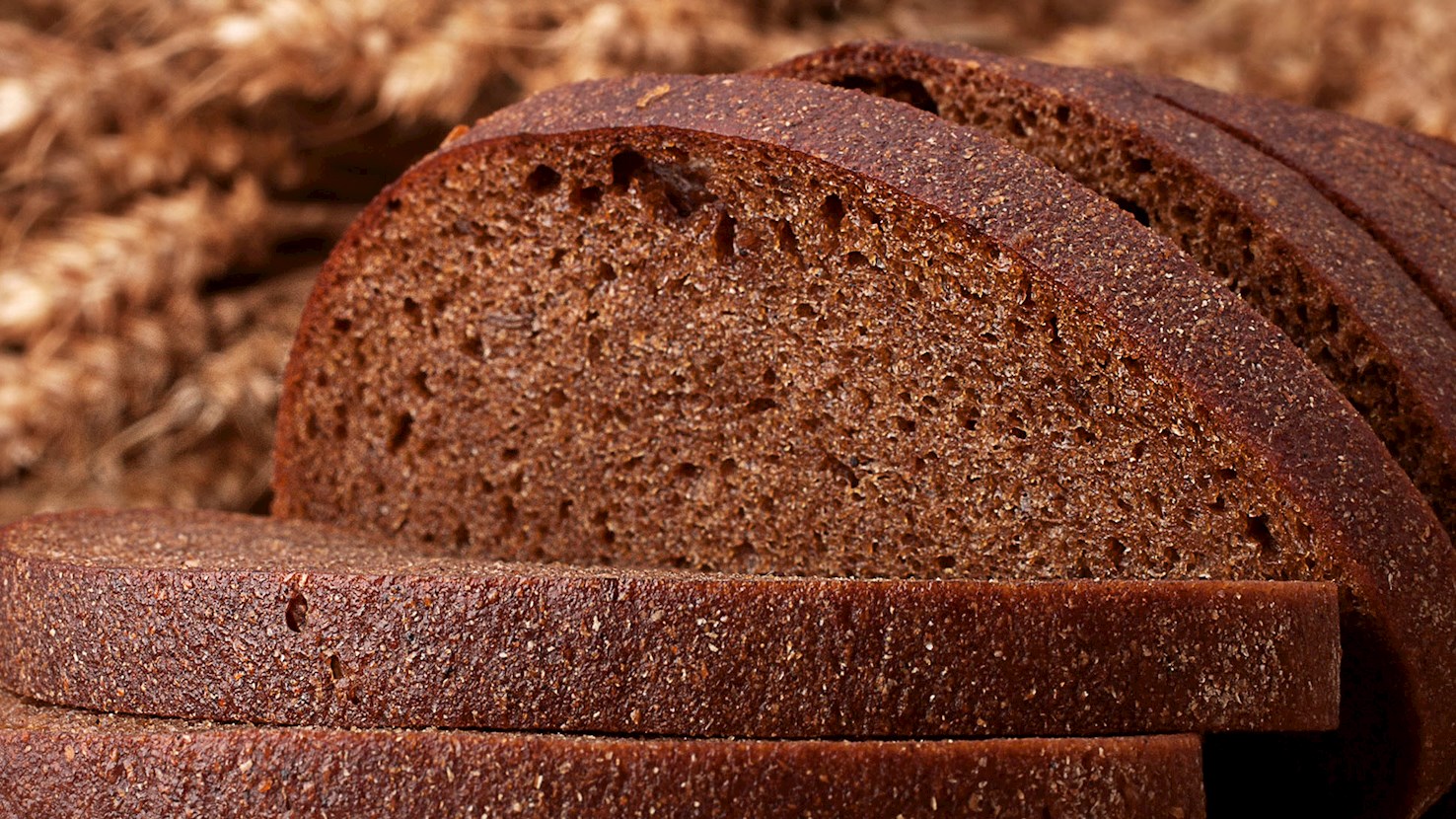
Saldskābmaize is a Latvian term that translates to sweet and sour bread, and it refers to the traditional Latvian rye bread known for its distinct dark color, dense texture, and unique flavor profile that balances both sweet and sour tastes. The sweet and sour flavor is achieved through a fermentation process that can take several days. The ingredients typically include rye flour, water, sugar, salt, and sometimes malt. The fermentation and the use of rye give the bread its characteristic sour taste, while the added sugar or sometimes honey contributes to its sweetness. Saldskābmaize is often enjoyed with butter, cheese, or cold cuts and pairs well with many traditional Latvian dishes. The bread's long shelf life is another reason for its popularity, as it can remain fresh and edible for an extended period when stored properly.

03

Rupjmaize

3.7 ·

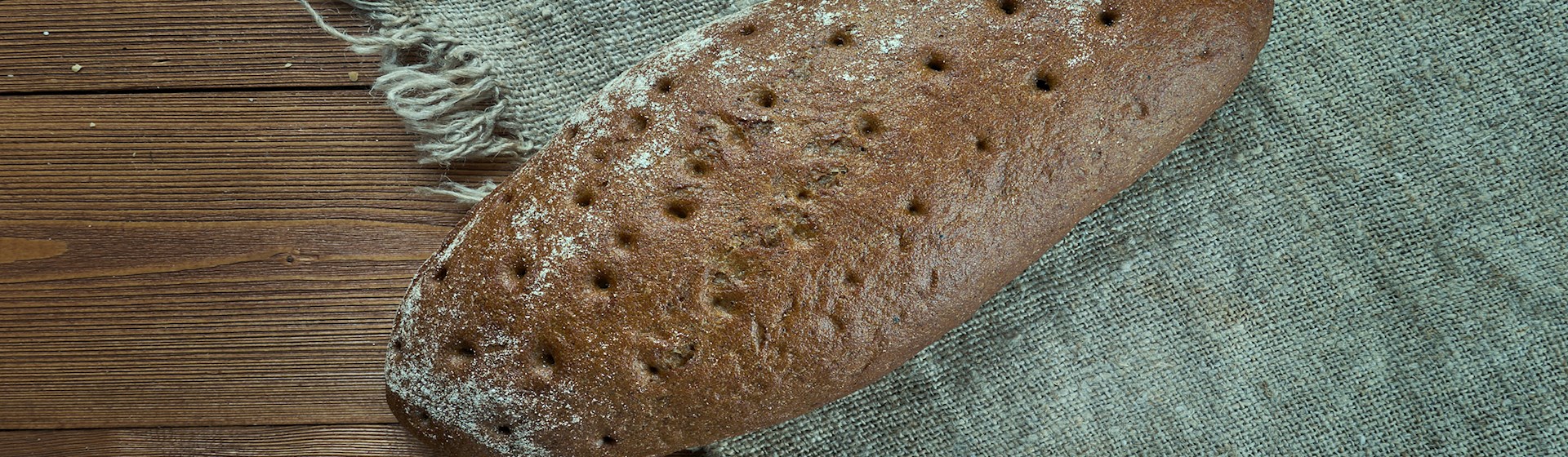
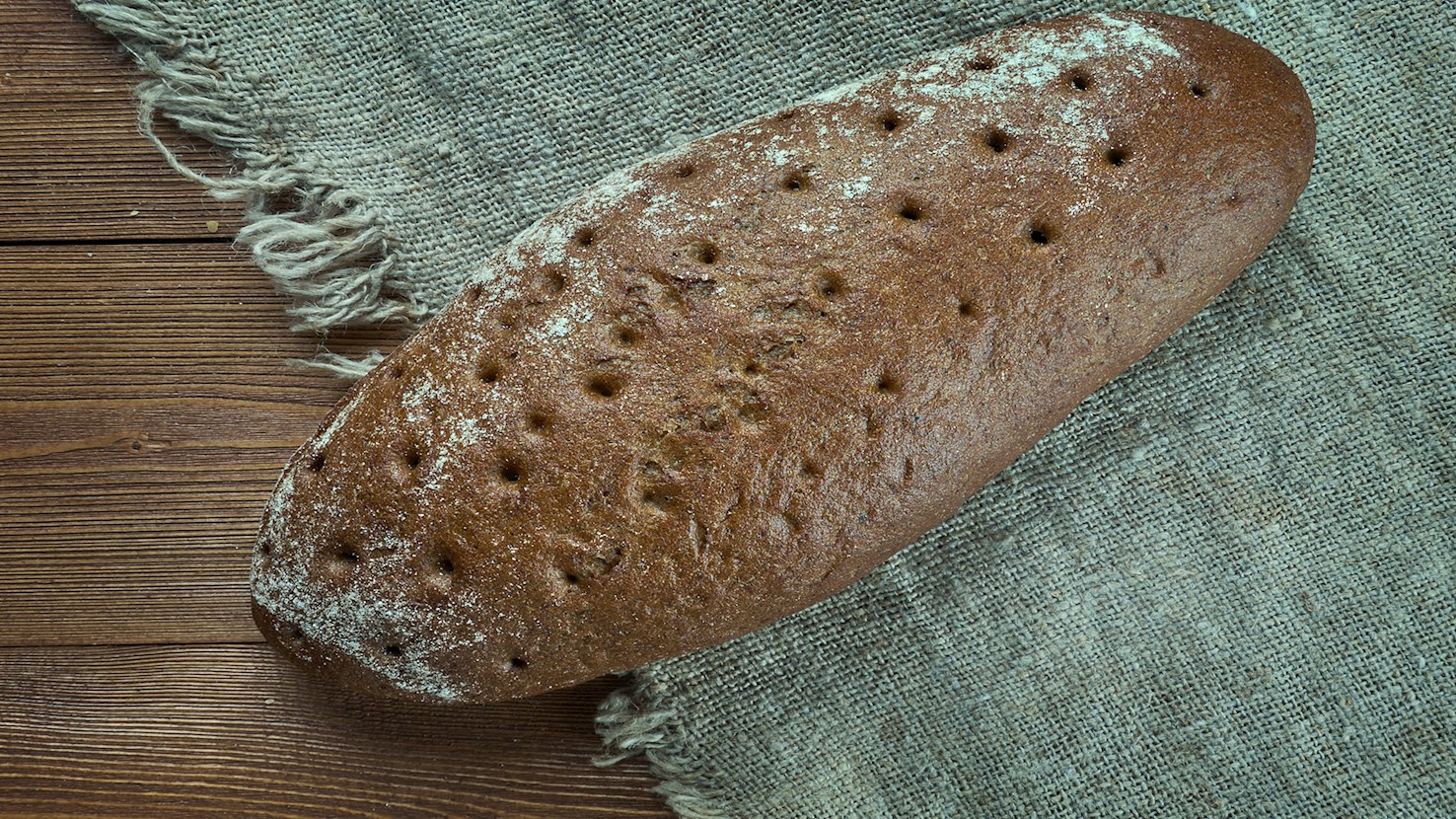
Rupjmaize is a traditional bread consisting of whole-grain rye, baked in a hearth oven and shaped into an elongated loaf. It has a unique flavor that is both sour and sweet. The bread pairs well with smoked fish, cold cuts, and strong, pungent cheeses such as Roquefort.

Best restaurants
04

Salinātā rudzu rupjmaize

3.6 ·

Salinātā rudzu rupjmaize is a bread baked in Latvia from rye flour. It owes its distinctiveness to the traditional recipe and techniques used for its production. The recipe does not allow the baker to use yeast but requires the caraway seeds to be added to the mixture. Before the preparation of the dough, around 30% of the rye flour has to 'be sweetened' then set aside and fermented for at least 12 hours. The distinct sweet taste of Salinata bread comes from breaking down the starch into sugars by the malt, and the sour taste is formed during the fermentation of lactic acid. It is easily distinguished by its hand shaped elongated form with rounded ends, its smooth and glossy dark brown crust that is coated with starch paste, and its aromatic crumb. It is traditionally baked on a hot hearth without using baking trays or moulds. It is a very famous bread that can be found in many cookbooks and publications that describe traditional Latvian dishes since it is considered to be a significant component of Latvian national identity.

05

Daujenu namine duona

3.5 ·

Daujėnų naminė duona is a traditional, homemade rye bread produced in the Daujėnai civil parish in Lithuania since the 17th century. The bread is quite big and comes in either oval loaves weighing from 4 to 4,5 kilograms, or rectangular loaves weighing from 4,5 to 10 kilograms. Rye flour dough is fermented in oak troughs, after which it is baked in a hearth oven or over coals. The loaves have a smooth dark and delicate surface and a pleasant flavor typical of rye bread, with a sweet and sour taste and a rich aroma. Only caraway seeds are added to the flour, water, sugar and salt mixture. The bread has a relatively long shelf life of two weeks and is highly praised by consumers; served at fairs, festivals, weddings and christenings where it is sometimes decorated with ornaments or symbols of strength, fidelity and humility.

06

Must leib

n/a ·

Must leib is a dark rye bread from Estonia. The basic preparation starts with dark rye flour, water, salt, and a sourdough or leaven-starter, often with the addition of sunflower and pumpkin seeds; the dough is mixed and given a prolonged ferment, sometimes 18‐24 hours, before being shaped into loaves, then baked at high heat until the crust is crisp and the interior dense and moist. Common variations include loaves that incorporate wheat or whole wheat flour for a lighter texture, versions studded with additional seeds and oats, and some more modern takes that use added sweeteners or flavouring seeds; what makes must leib distinctive is its deeply coloured crumb, firm chew, and the way it sustains itself in the Northern climate and culture of Estonia. It is eaten widely across Estonia, served in thick slices, often with butter, alongside hearty soups or stews, or as the base for open-faced sandwiches; it pairs well with smoked fish, cured meats, rich cheese, and strong-brewed coffee or dark beer.

Read more
View all
View map
About this ranking

TasteAtlas food rankings are based on the ratings of the TasteAtlas audience, with a series of mechanisms that recognize real users and that ignore bot, nationalist or local patriotic ratings, and give additional value to the ratings of users that the system recognizes as knowledgeable. For the “Top 6 Baltic Breads” list until May 15, 2026, 276 ratings were recorded, of which 135 were recognized by the system as legitimate. TasteAtlas Rankings should not be seen as the final global conclusion about food. Their purpose is to promote excellent local foods, instill pride in traditional dishes, and arouse curiosity about dishes you haven’t tried.

Similar lists