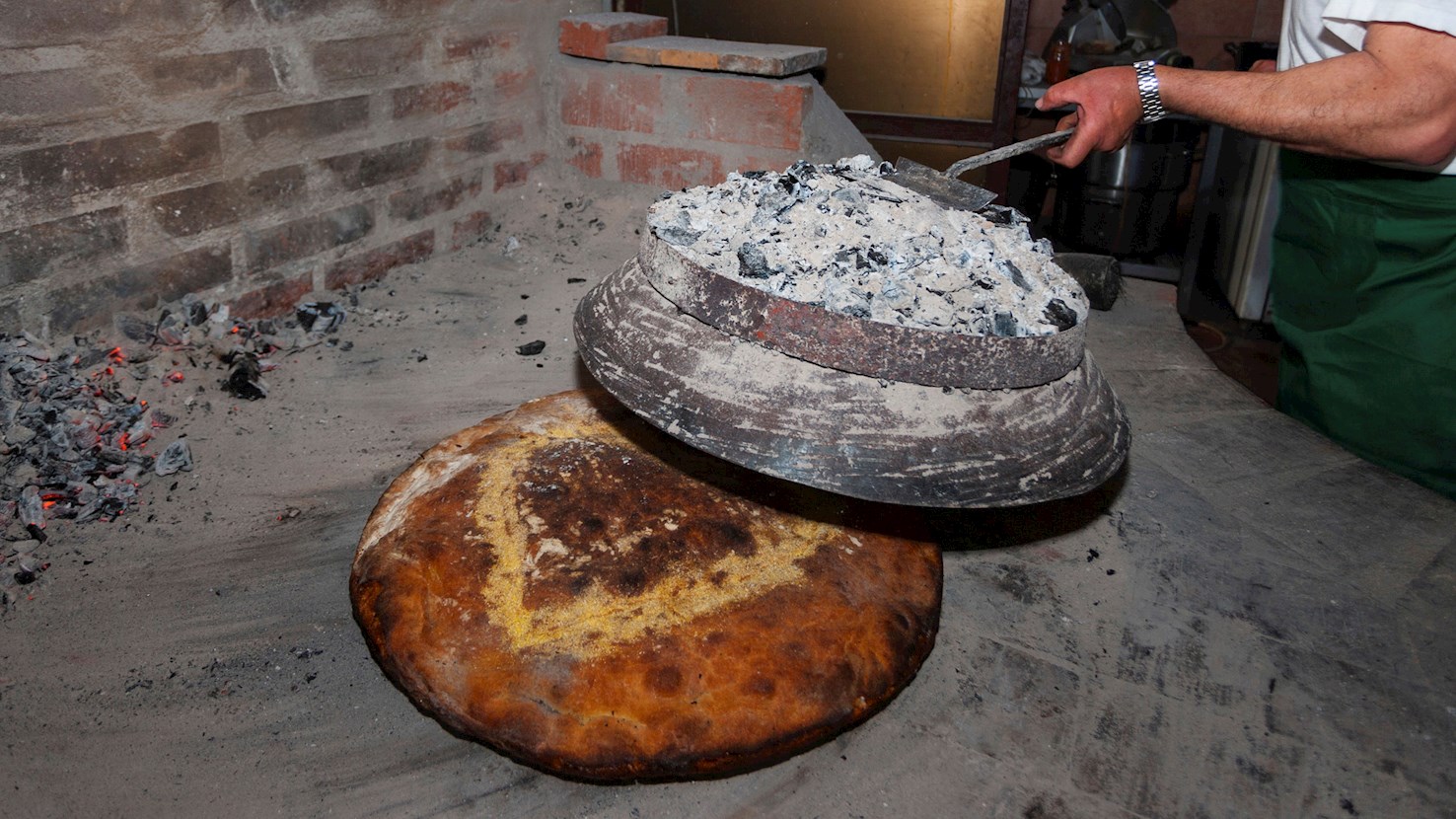
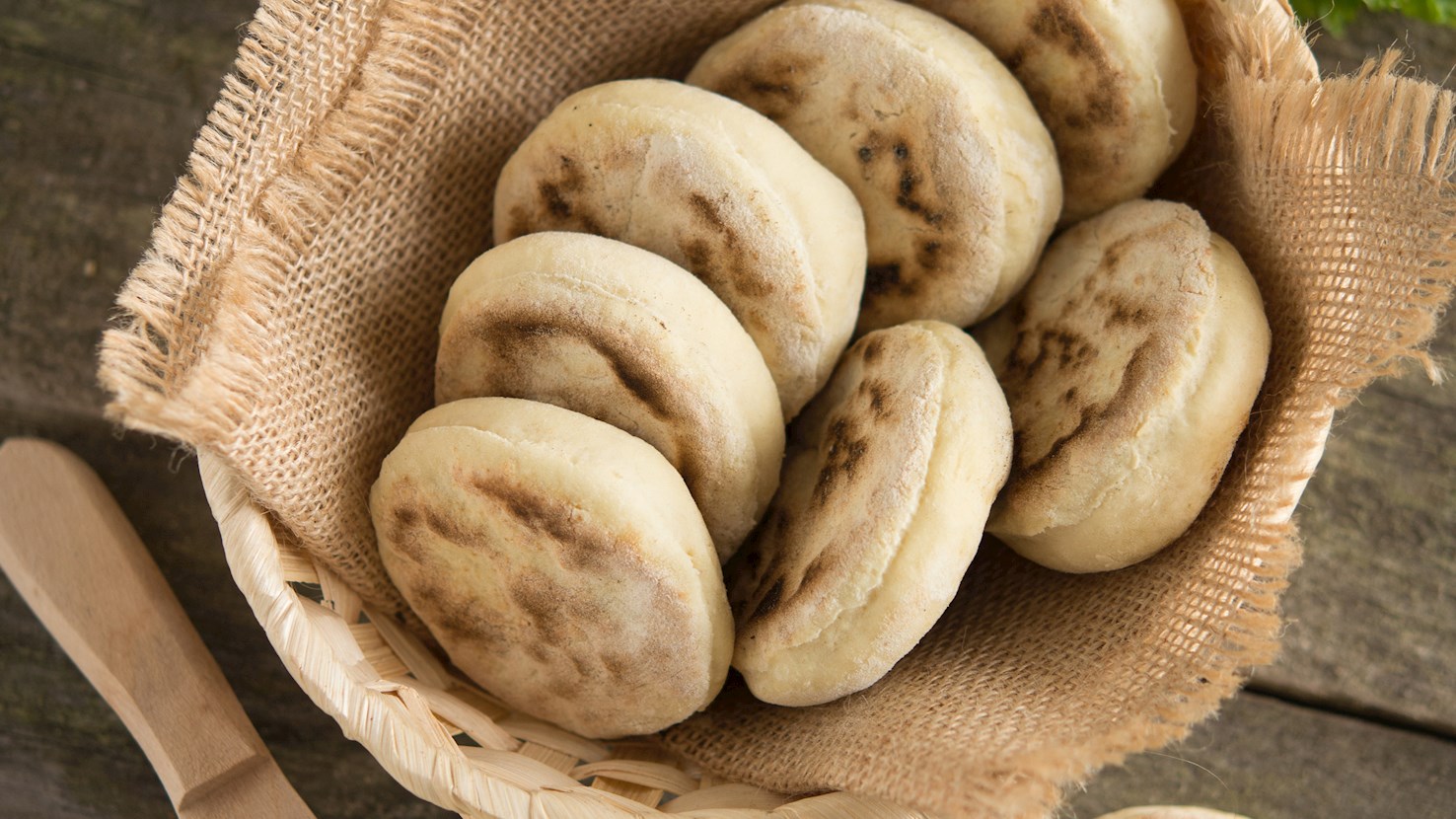
Kruh ispod peke is a traditional method of preparing bread under the lid (peka). The simple dough is prepared with flour, yeast, salt, and lukewarm water. It should be stickier than most other bread doughs and kneaded with hands. When prepared, the circular dough is left to rest and rise. Meanwhile, someone should make a wood fire until only the embers remain. The embers are then removed, and the dough is placed where the embers used to be. It is covered with the lid, and the lid is topped with hot embers. The bread is baked for 45 minutes to an hour, and true masters of peka know exactly when the bread is done by tapping it and listening to the sounds. Once baked, the bread is covered with a cloth and placed vertically to cool down a bit. It is important to wait for the bread to cool down until it's warm, so don't try eating it while it's piping hot. If it's made well, the bread should have holes throughout its interior and it should remain fresh for a long time without becoming crumbly. It is recommended to consume it warm with pork fat and salt or sugar, depending on personal preferences. Alternatively, dunk pieces of kruh ispod peke into a combination of olive oil and garlic.
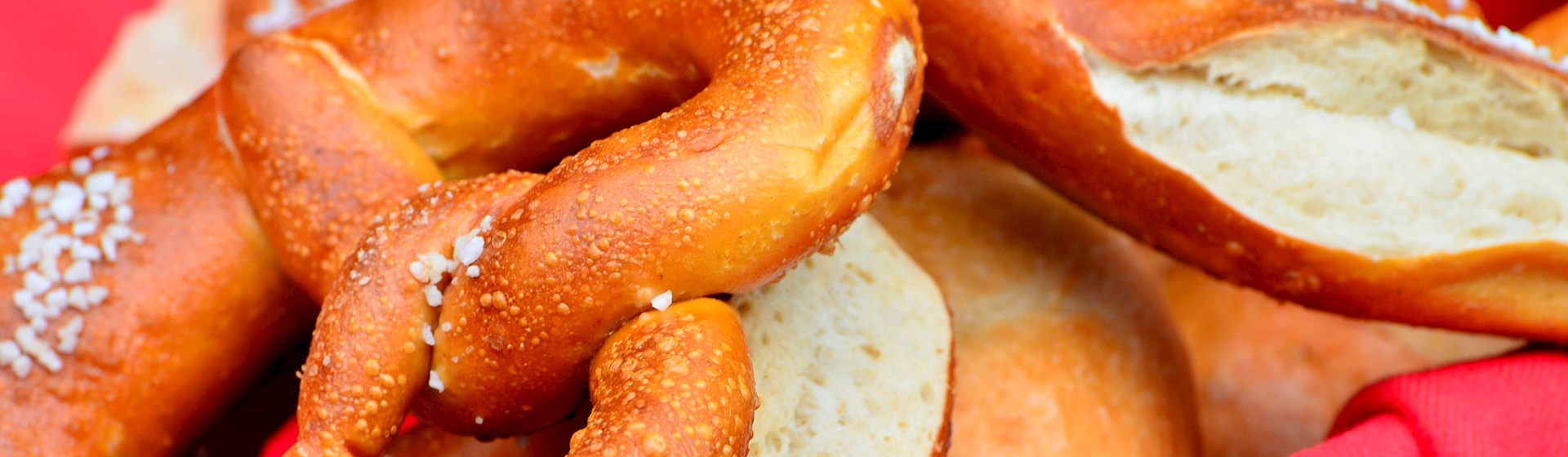
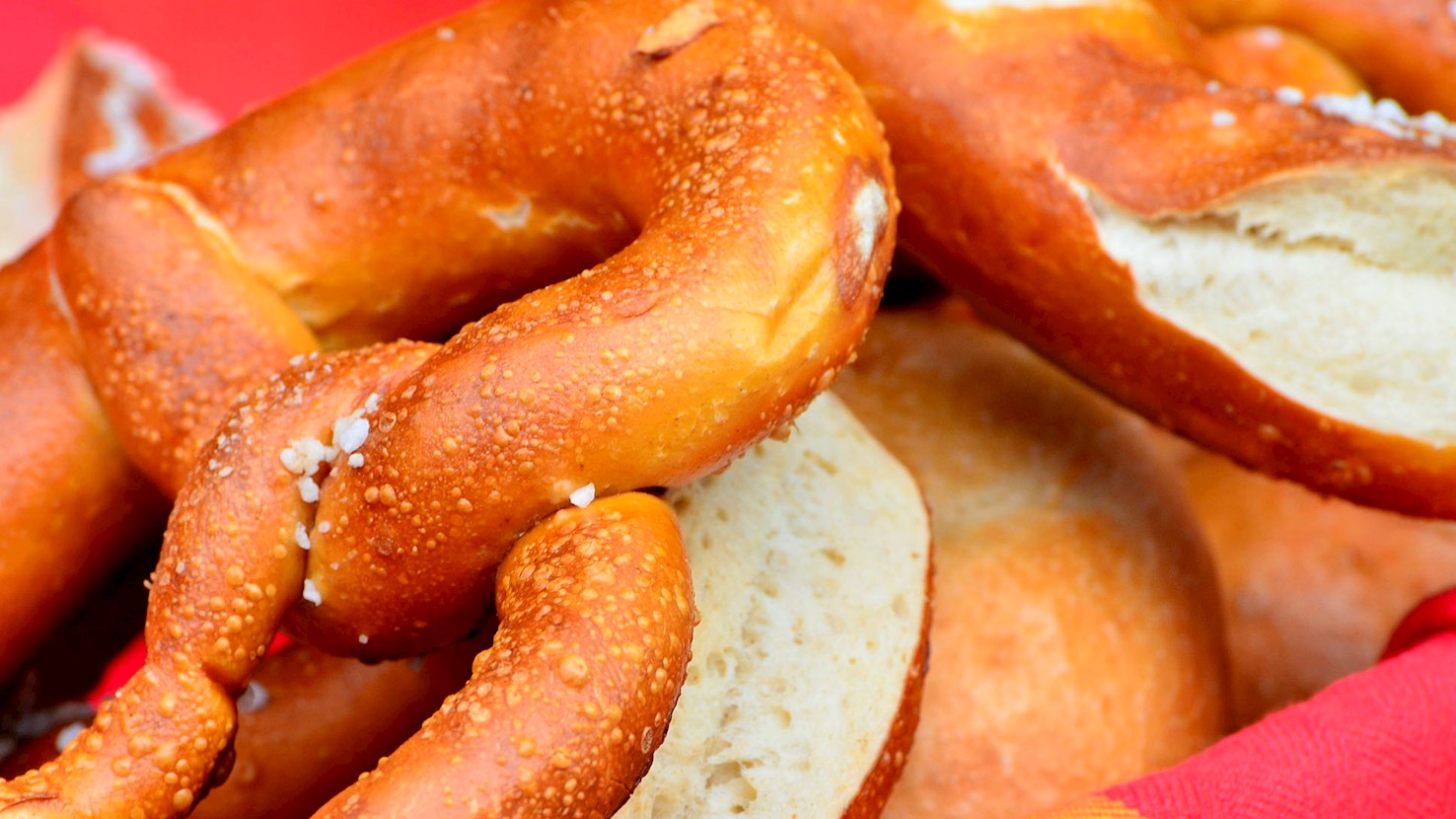
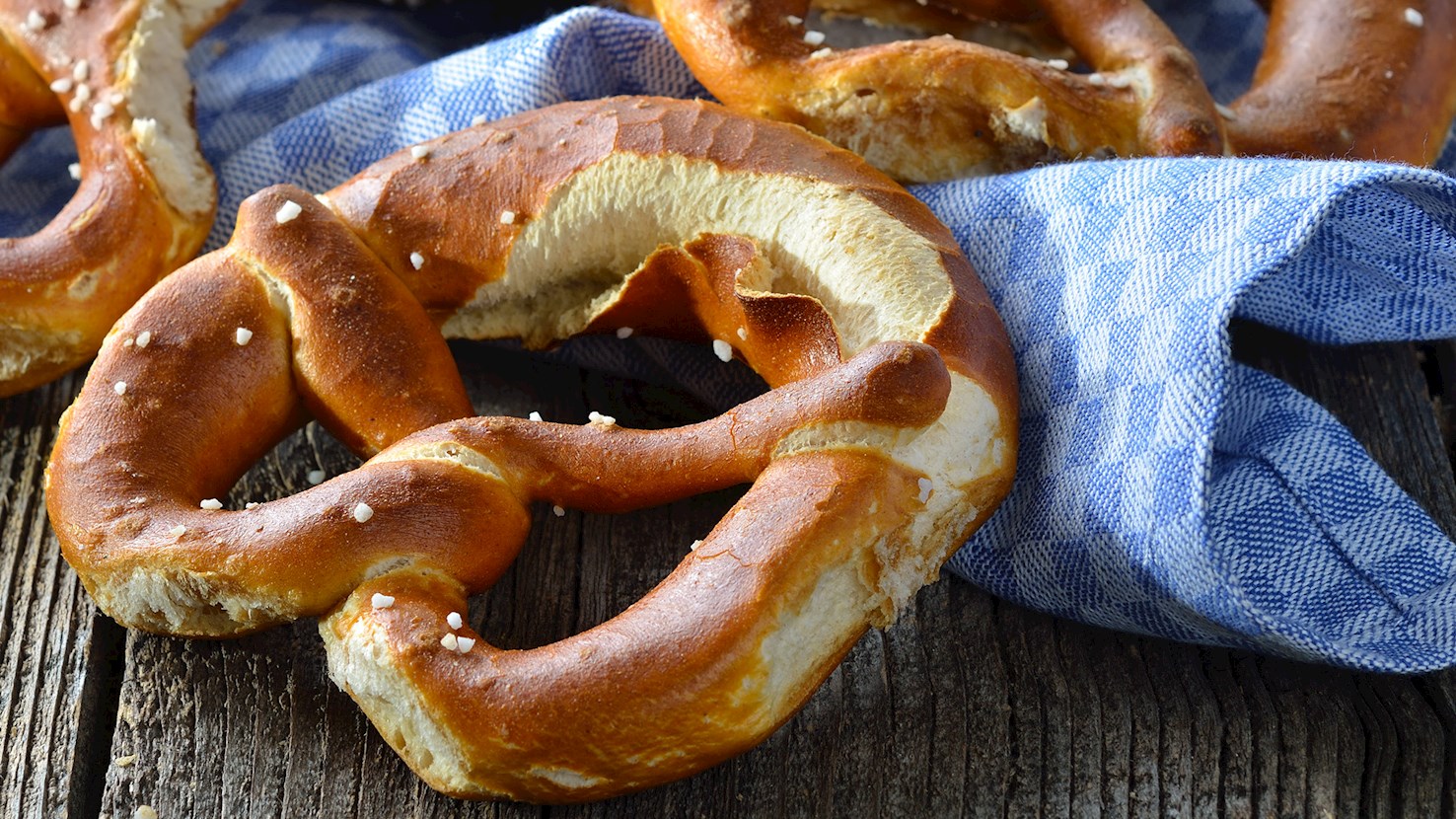
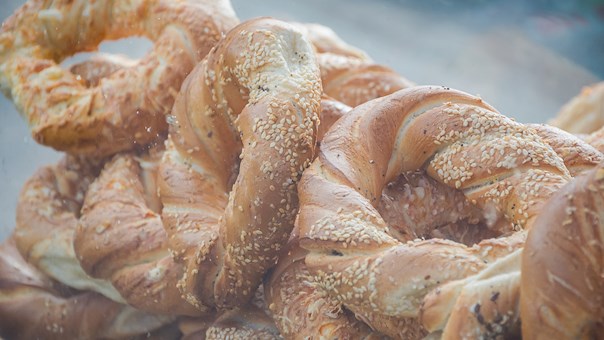
This traditional Bavarian pretzel is shaped to symbolize two arms folded for prayer, and they are available in different versions and sizes, usually topped with a sprinkling with coarse salt. Their crust is thin, dark brown, shiny, and has a cracked surface after baking. The dough, however, is juicy, tender, and light in color. As opposed to Swabian pretzels, Bavarian pretzels are thicker and not sliced lengthwise in the middle. Local differences can be recognized by their various forms. The Bavarian pretzel is a vital part of Bavarian snack culture, and it is especially delicious when buttered or paired with cheese. It is an indispensable accompaniment to Munich white sausage and Bavarian meatloaf.
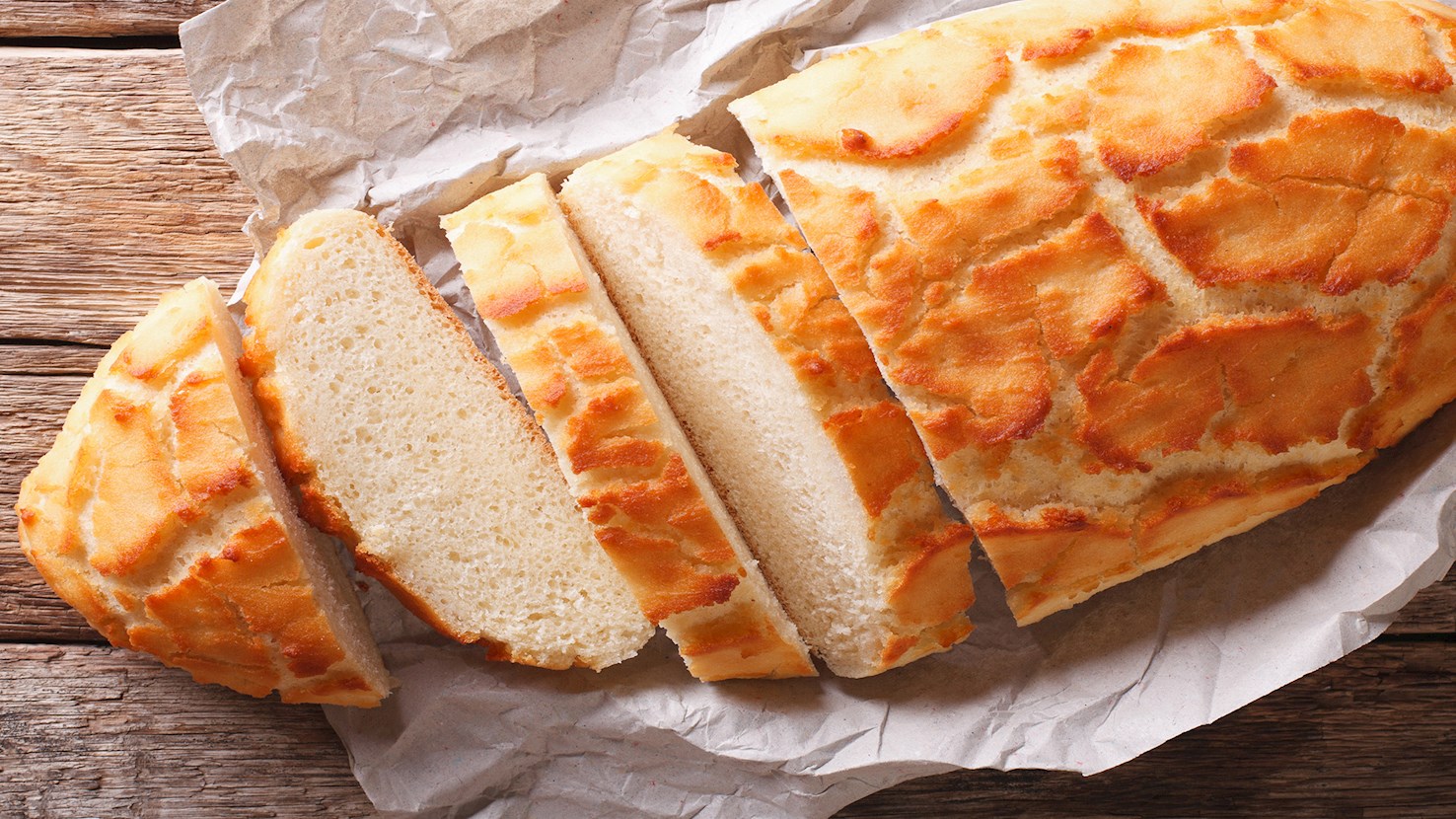
Tijgerbrood is a yeasted loaf or roll recognized by its crisp, mottled crust, created by spreading a rice-flour paste over the dough before baking. Beneath the brittle surface, the crumb remains soft and tender. The name means “tiger bread,” referring to the cracked pattern across the crust. The bread comes from the Netherlands, but its exact inventor and date of origin are unknown. Claims that it developed directly from 17th-century colonial trade with Indonesia are not supported by firm historical evidence. Rice and rice flour were already available in the Netherlands by the 19th century, but no documented source connects their arrival with the invention of tijgerbrood. A newspaper advertisement from Sommelsdijk in South Holland dated June 14, 1901, already offered tijgerbrood for sale, showing that the bread was established by the beginning of the 20th century. The bread later crossed the Atlantic. The earliest known printed reference to Dutch Crunch in the United States appeared in a bakery advertisement in Eugene, Oregon, in 1935. It eventually became especially popular around the San Francisco Bay Area, where Dutch Crunch developed into a standard bread for large deli sandwiches. Small rolls, baguette-shaped loaves, and sandwich rolls are more common there than the large sliced loaves often sold in the Netherlands. The bread is made with a standard yeasted dough made from strong wheat flour, water, yeast, salt, and often butter or another fat. Some formulas use milk for a softer, richer crumb. The defining feature is the separate topping applied after the loaf has risen. The topping combines rice flour, water, yeast, sugar, salt, and oil. Sesame oil is especially common and gives the finished crust a mild toasted, nutty aroma. The mixture should have the consistency of a thick batter or loose paste and is spread generously over the proofed dough shortly before baking. Rice flour contains no gluten, so the topping cannot expand as easily as the wheat dough underneath. In the oven, the loaf rises while the outer paste dries and sets. The expanding dough forces the coating to separate into irregular cracks and islands. Sugar and oil help the exposed surface brown, producing the characteristic dark golden pattern and crisp texture. The technique can also be applied to whole-wheat or rye-based doughs. These versions have a denser, earthier interior while retaining the brittle rice-flour coating. Changing the underlying flour affects the crumb and flavor but does not alter the basic mechanism that produces the cracked surface. Fresh tijgerbrood has a pronounced textural contrast: a dry, crisp, brittle crust over a soft interior. Thick slices and split rolls work particularly well for sandwiches because the crumb absorbs sauces and mayonnaise while the upper crust retains some crunch. Roasted meats, sliced cheese, cold cuts, vegetables, mayonnaise, and other substantial fillings all suit the bread. A simple serving consists of a fresh slice spread generously with butter and covered with hagelslag, or chocolate sprinkles. Warm tijgerbollen can also be torn apart and served alongside thick soups, stews, or meat gravy.
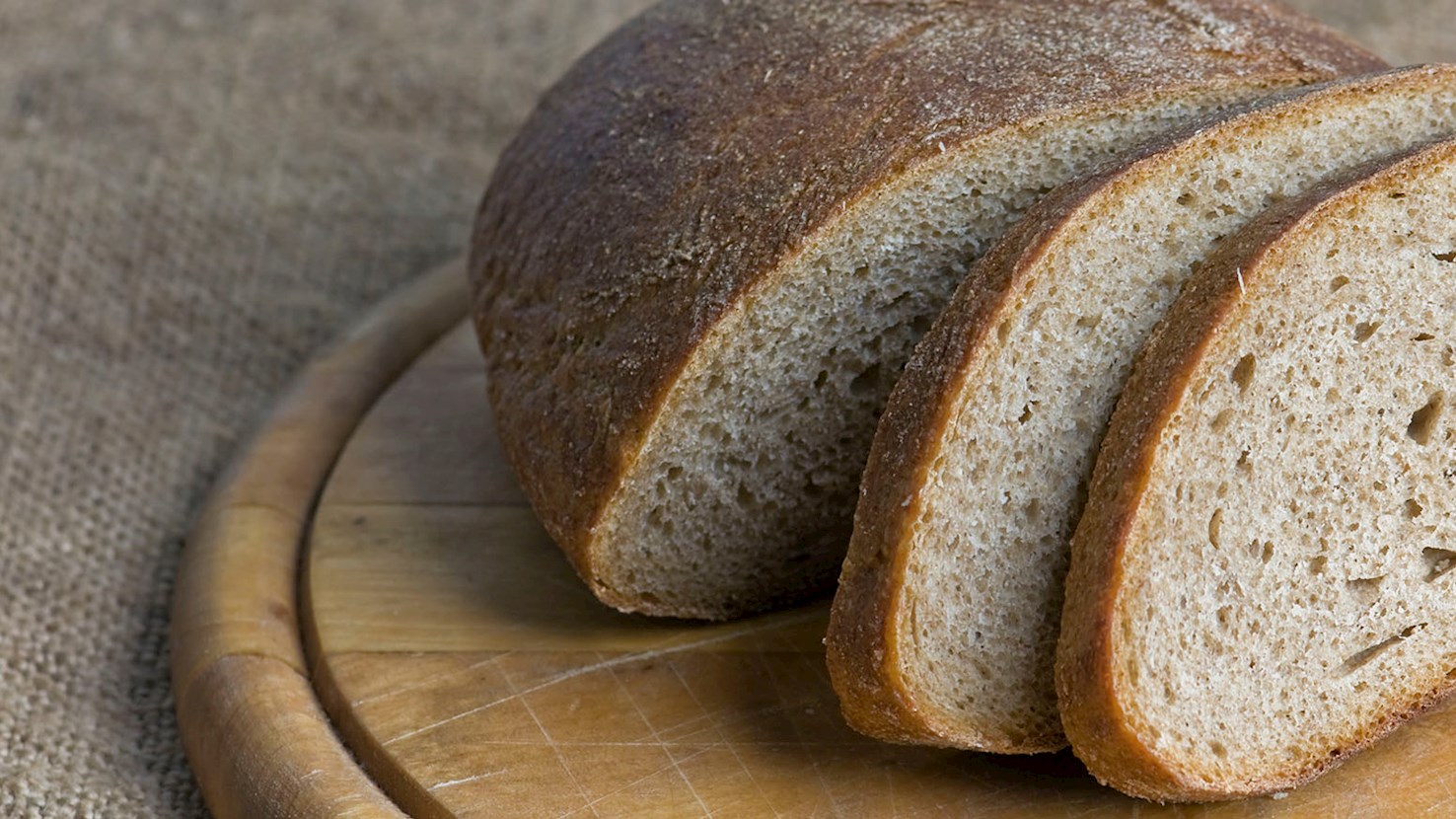
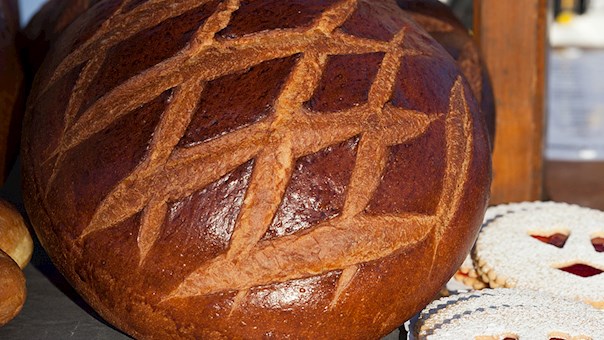
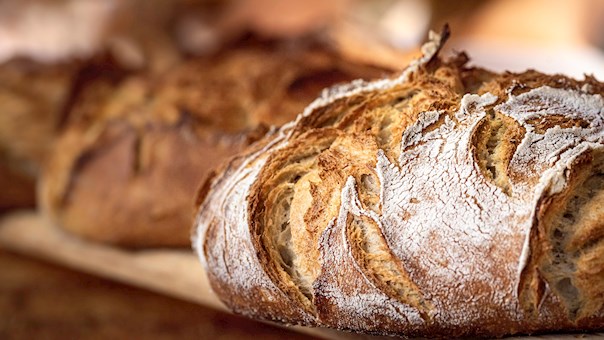
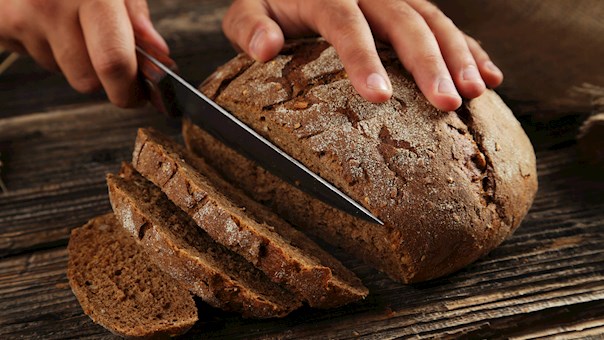
Chleb prądnicki is a traditionally made brown bread produced within the administrative boundaries of the city of Krakow in Poland since the 15th century. It is a huge and unique bread - the loaves weigh 4.5 kilos, its crust is very thick and it has a long shelf life, staying fresh for at least seven days. It has a typical flavor and smell of bread made with fermented rye, and just like some cheeses, it develops its unique organoleptic properties after a period of maturation, its full flavor is best appreciated the second day after it has been baked. Even though it is five times more expensive than standardly-made bread, it is highly popular and during the annual Bread Festival, it is often bought four times more than any other day .
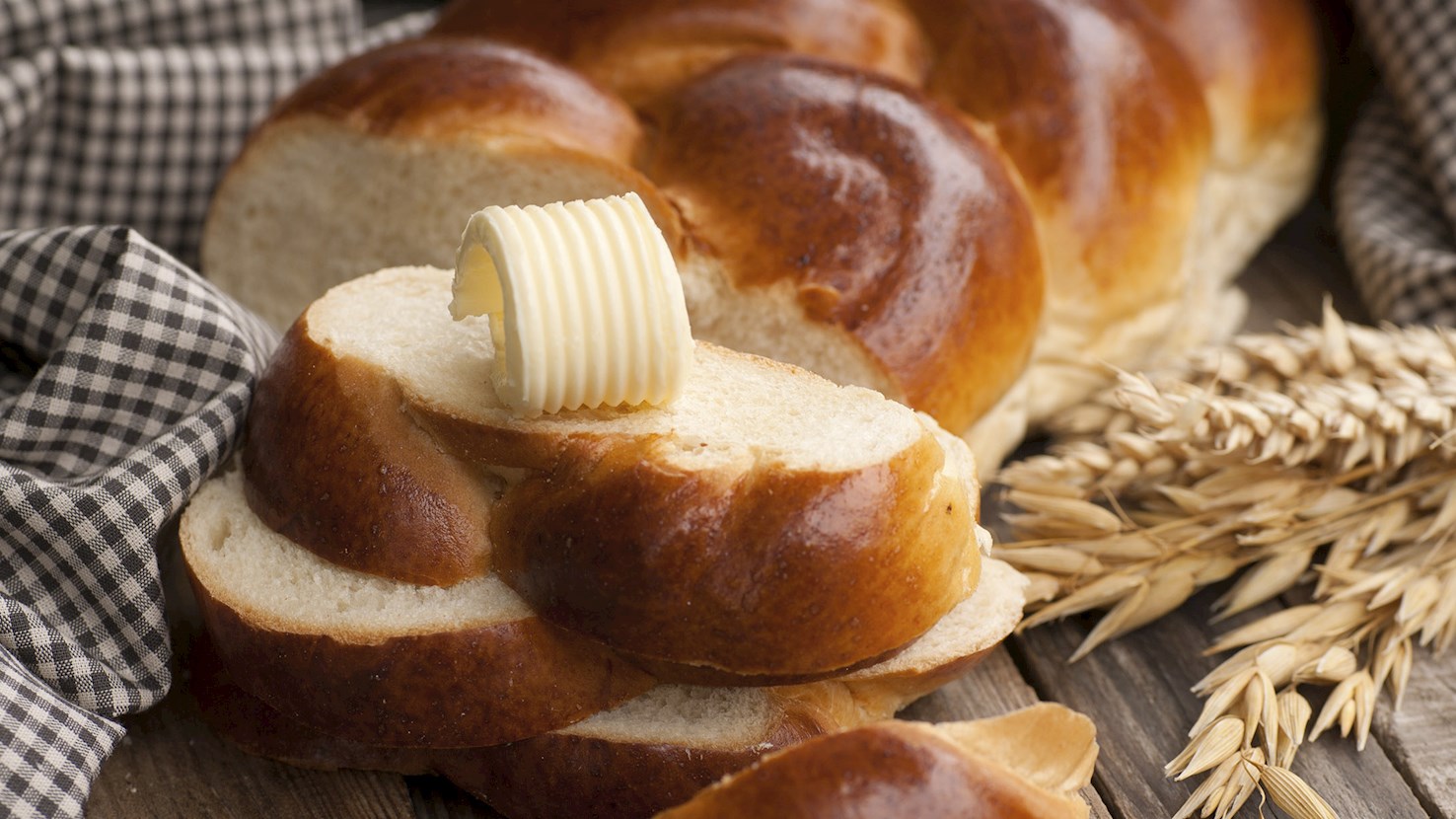
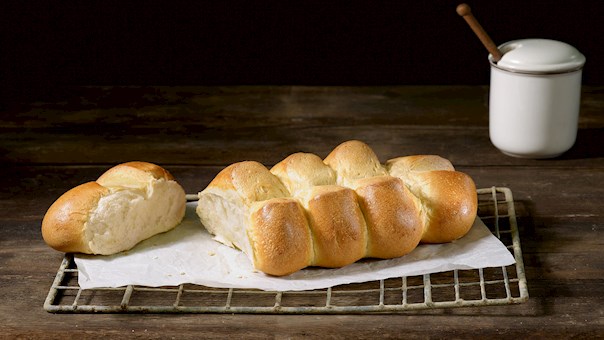
Zopf is a traditional bread consisting of flour, butter, yeast, milk, and eggs. It is characterized by its soft texture and braided appearance, similar to the Jewish bread challah. Traditionally, zopf is prepared during the weekend and consumed on Sundays, usually with butter and fruit jams. It is believed that the bread was invented in the middle of the 15th century. Originally, widows used to cut off their braided hair and bury it with their late husbands. Later on, they baked zopf and buried loaves of bread instead of hair. The name zopf literally means braid, referring to the shape of the bread. Today, zopf can also be bought in stores, although it is still more often prepared at home.
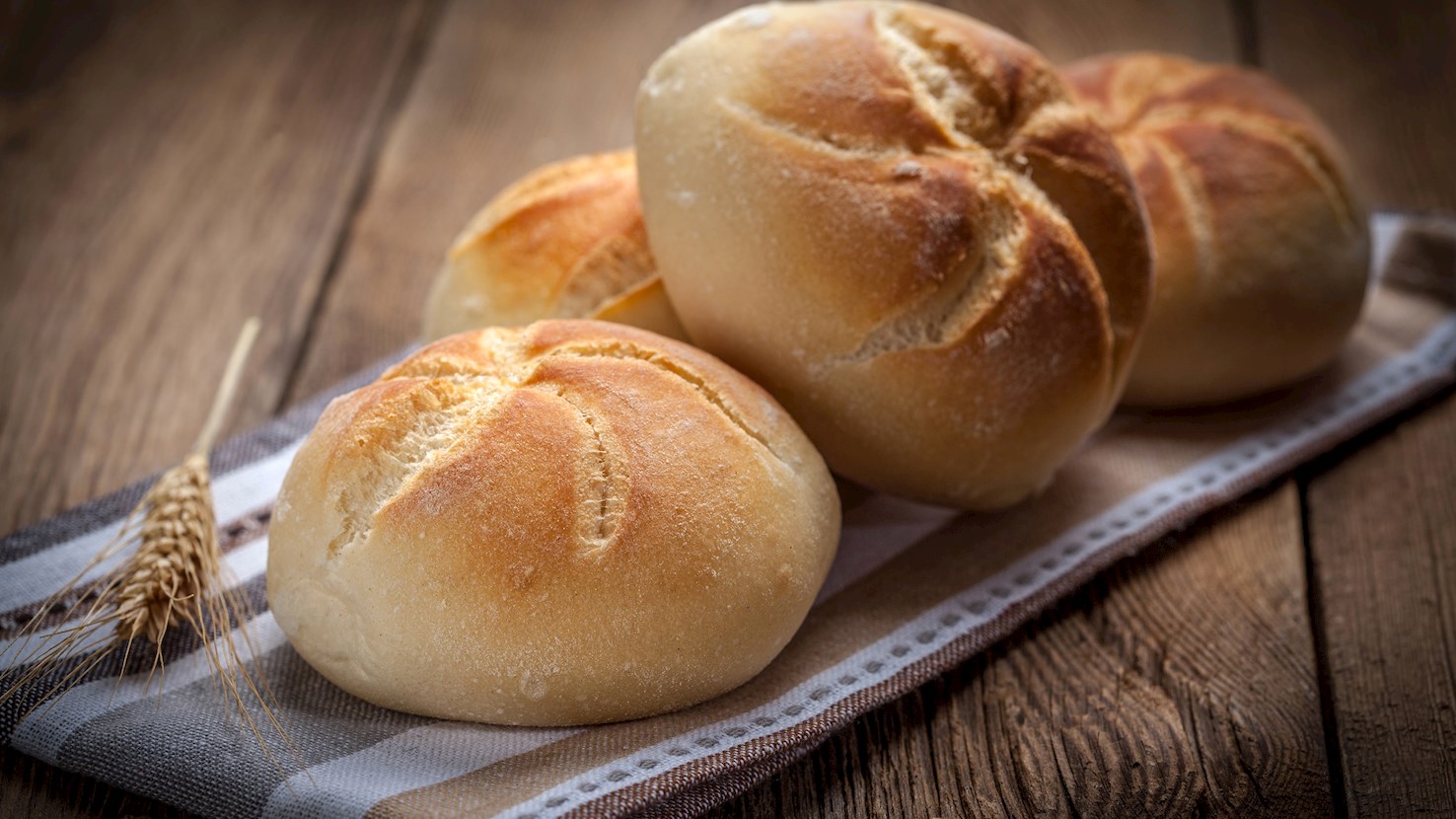
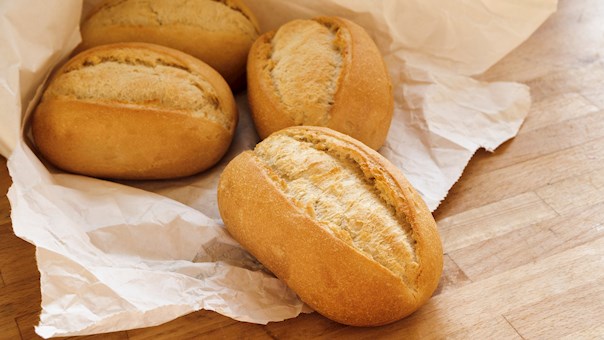
Kaisersemmel is a traditional bread roll originating from Austria. Also known as kaiser roll, it's usually made with a combination of flour, yeast, salt, sugar, and sometimes butter. The dough is shaped into rounds, and the top is divided into five segments so that the overlapping incisions form a crown. Once baked, the rolls should be crusty on the outside and fluffy on the inside. It is believed that they were named after Emperor Franz Joseph I of Austria. Nowadays, kaiser rolls are often topped with sesame seeds, sunflower seeds, poppy seeds, or linseed. They're traditionally eaten for breakfast with jam and butter, but the rolls can also be split open in order to make sandwiches, often with leberkäse in Germany and Austria.
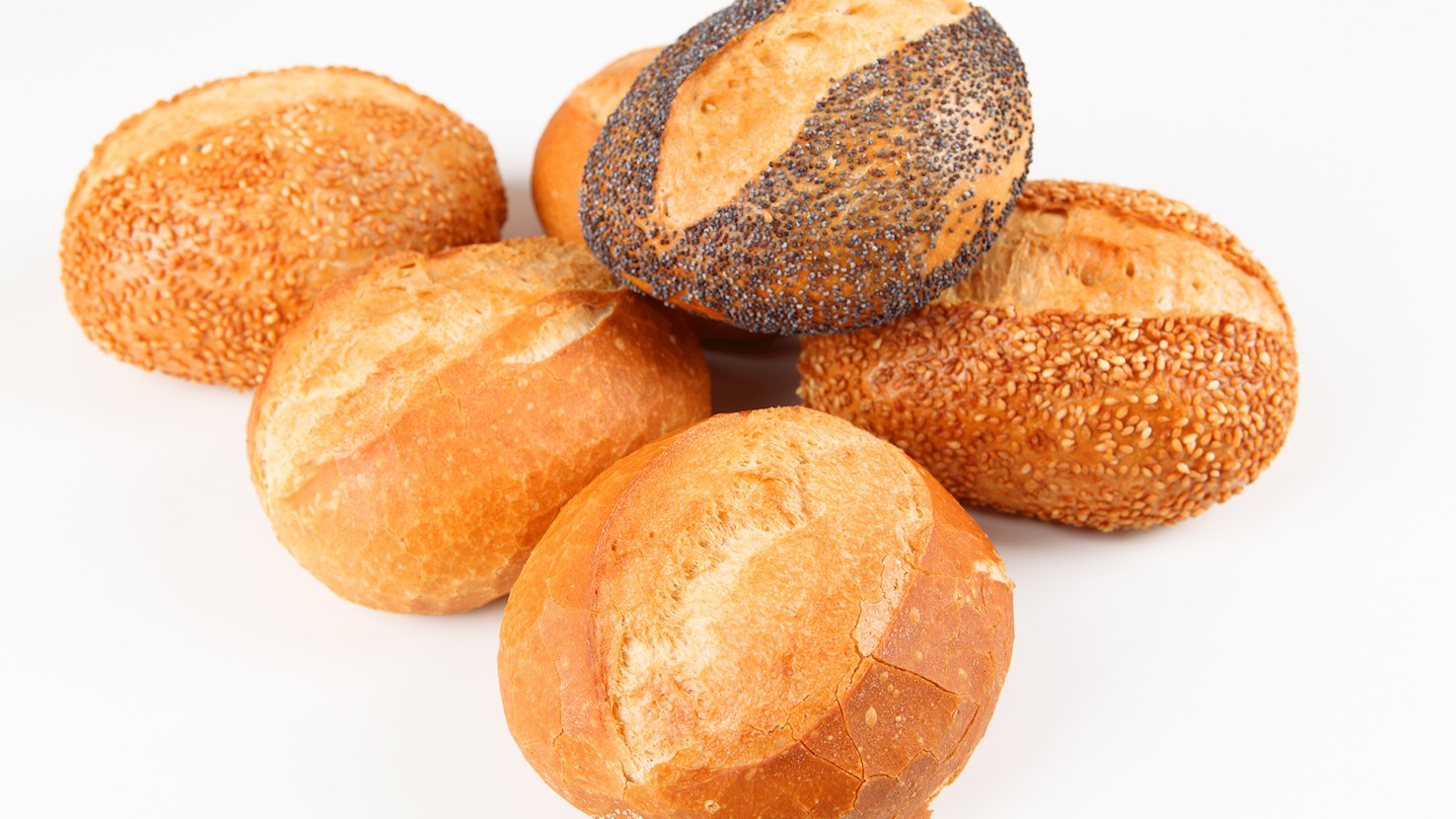
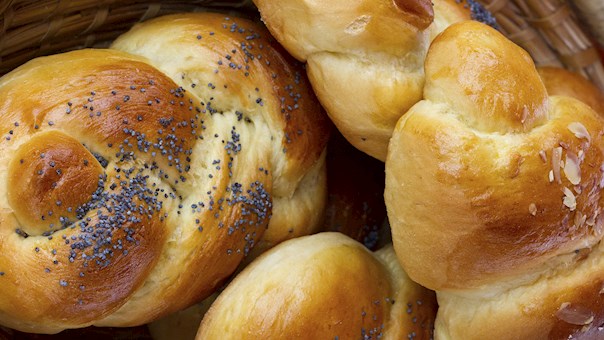
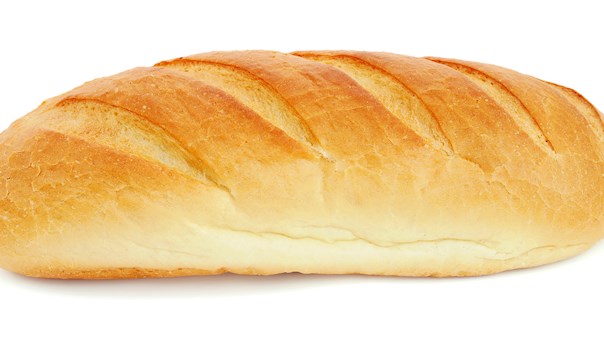
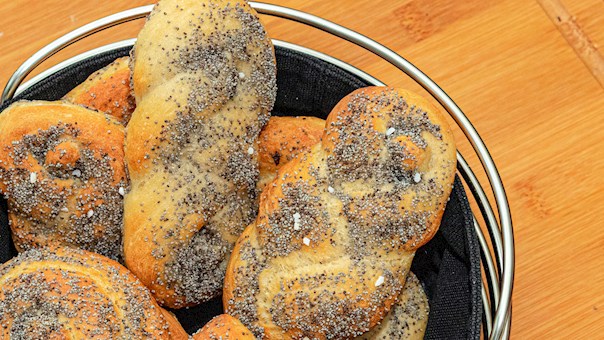
Żymła is the Silesian name for a traditional white bread roll. Known as bułka in Polish, the bread roll typically has an oval shape and is often sprinkled with poppy seeds on top before baking. Apart from its everyday consumption, this bread roll is also an essential ingredient used in the preparation of the traditional Upper-Silesian blood sausage called żymlok.
Incredibly similar to Irish soda bread, the soft proziaki are traditional Polish bread rolls that originally hail from the Subcarpathian region and date back to the 19th century. Though the recipes vary across the region, they typically consist of flour, baking soda (proza), and the choice of milk, sour milk, water, sour cream, buttermilk, or kefir. In the past, they were baked on old-fashioned stove tops, but nowadays they are commonly dry-baked on classic pans. Proziaki can be paired with sweet or savory ingredients such as butter, cheese, or marmalades.
Considered an iconic symbol of Germany, the pretzel is a type of traditional baked good that is made by combining flour, salt, malt, yeast, and water. The resulting dough is then shaped into a well-known knotted shape of a pretzel before it is baked. Pretzels are often dipped in a lye solution (natronlauge in German) before they are baked, and then they are called laugenbrezel, a Bavarian-style pretzel distinguished by a nice, brown, and crispy exterior that surrounds the soft interior. Coarse salt is usually sprinkled over the surface of the pretzels, but other toppings may also be used, including sesame, pumpkin, sunflower, or poppy seeds. Regional variations of the pretzel abound, with some of them using fat to obtain a softer dough and others calling for different types of flour such as whole wheat flour or spelt flour. German pretzels come in both sweet and savory versions, and their texture may range from soft to hard. They are usually enjoyed warm as a snack with butter or along with German wurst sausages and a cold German beer on the side for an authentic German experience. The pretzel is a favorite street snack and a staple at any festival, holiday, and Christmas market in the country. Its versatile nature has given rise to numerous variations including New Year’s pretzels (neujahrbrezel), Oktoberfest pretzels (also called wiesnbrezn), and Lent pretzels (fastenbrezeln), among many others. In Alsace, France, the pretzel is known as bretzel d'Alsace.
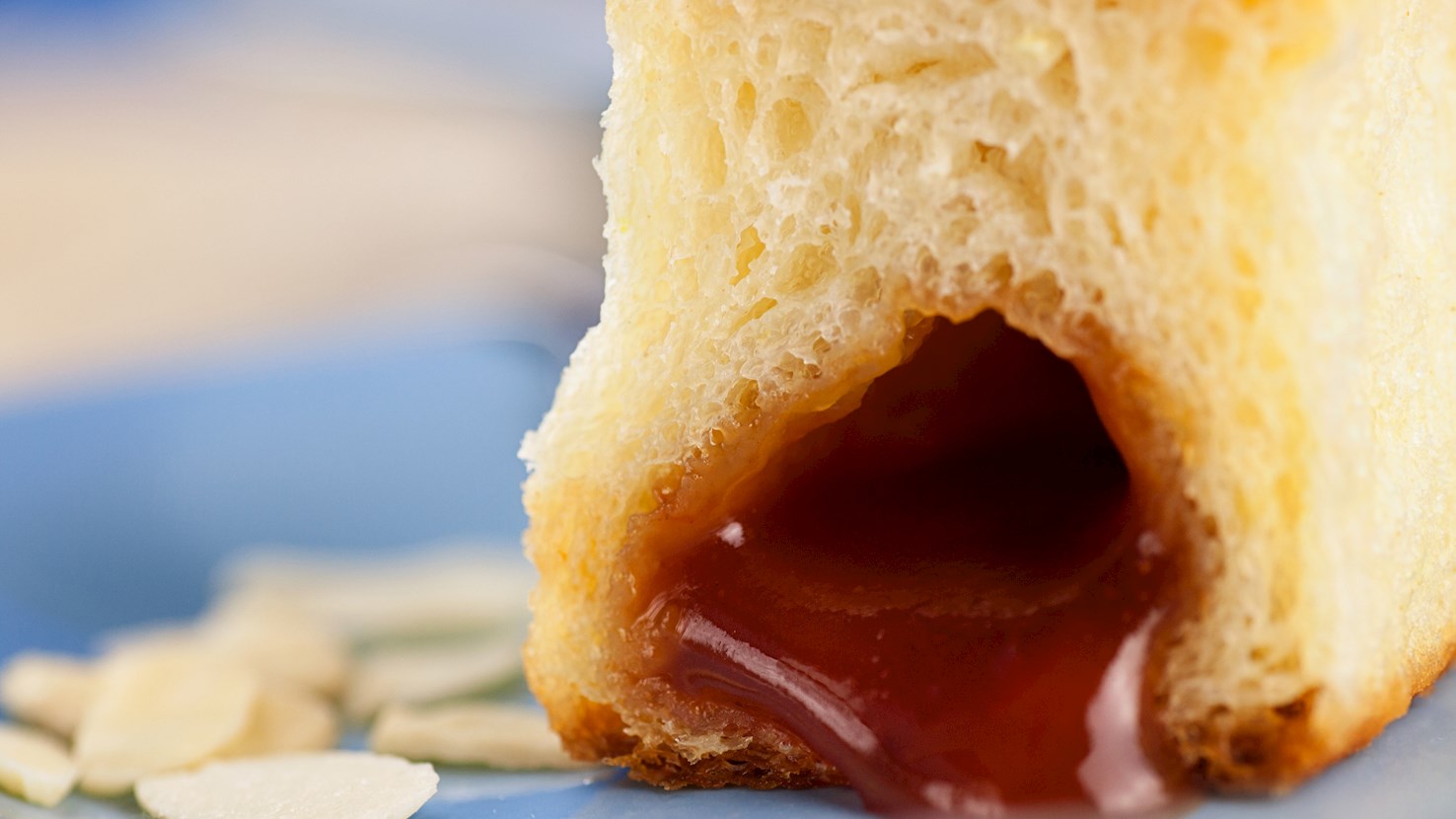
Lekváros bukta is a sweet yeast bun filled with thick fruit preserve, most characteristically plum lekvár. The buns are arranged closely together in a baking dish, so they rise and bake into one connected batch, leaving their sides particularly soft when pulled apart. Bukta belongs to a wider Central European family of filled yeast pastries that includes Czech buchty and Austrian Buchteln. These closely related buns spread across the former Habsburg lands by the 19th century, but the exact origin of lekváros bukta cannot be traced to a single town or date. In Hungary, the pastry became firmly associated with home baking and with the country’s long tradition of preserving fruit as lekvár. The dough is made from wheat flour, milk, yeast, sugar, eggs or egg yolks, butter, and a little salt. Fresh yeast is traditionally dissolved in lukewarm milk with a small amount of sugar before being mixed with the other ingredients. The dough is kneaded until smooth and elastic, then left in a warm place until it has roughly doubled in volume. After rising, the dough is rolled out and cut into squares or rectangles. A spoonful of thick lekvár is placed near the center of each piece. Plum lekvár, or szilvalekvár, suits the pastry particularly well because its dense consistency keeps it inside the bun during baking without running out. The dough is folded around the preserve and sealed carefully. Each bun is brushed with melted butter, including the sides, before being placed seam-side down in a buttered baking dish. The buns are positioned close together rather than spaced apart. They are allowed to rise again briefly before baking. In the oven, the individual buns expand against one another and form a single connected batch with golden tops and pale, tender sides. The butter between them keeps them from sticking too firmly, so they separate easily after baking. A well-made lekváros bukta should have a light, soft, slightly buttery crumb surrounding a concentrated fruit filling. Once baked, the buns are usually allowed to cool slightly and then dusted generously with powdered sugar. They are commonly eaten warm or at room temperature as a sweet breakfast, afternoon pastry, or simple dessert. Although related forms of bukta use other fillings, the classic lekváros version is defined by its thick fruit preserve. Plum remains the filling most closely associated with the dish, reflecting the importance of szilvalekvár, traditionally made by slowly cooking ripe plums into a very thick, dark preserve, sometimes without any added sugar.
TasteAtlas food rankings are based on the ratings of the TasteAtlas audience, with a series of mechanisms that recognize real users and that ignore bot,
nationalist or local patriotic ratings, and give additional value to the ratings of users that the system recognizes as knowledgeable.
For the “Top 66 Central European Breads” list until October 15, 2026, 2,748 ratings were recorded, of which 2,374 were recognized by the system as legitimate.
TasteAtlas Rankings should not be seen as the final global conclusion about food. Their purpose is to promote excellent local foods,
instill pride in traditional dishes, and arouse curiosity about dishes you haven’t tried.






What People Say