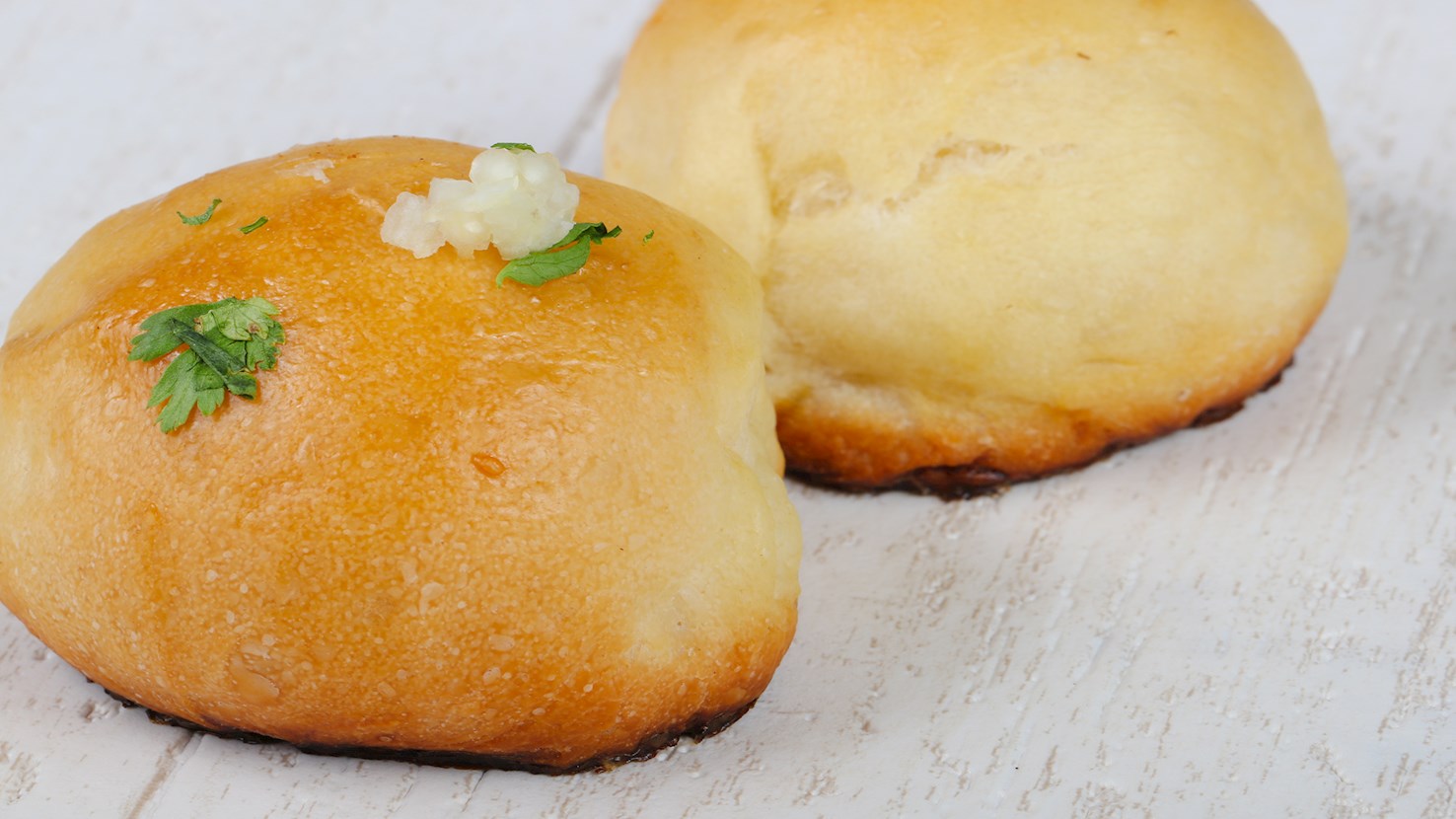
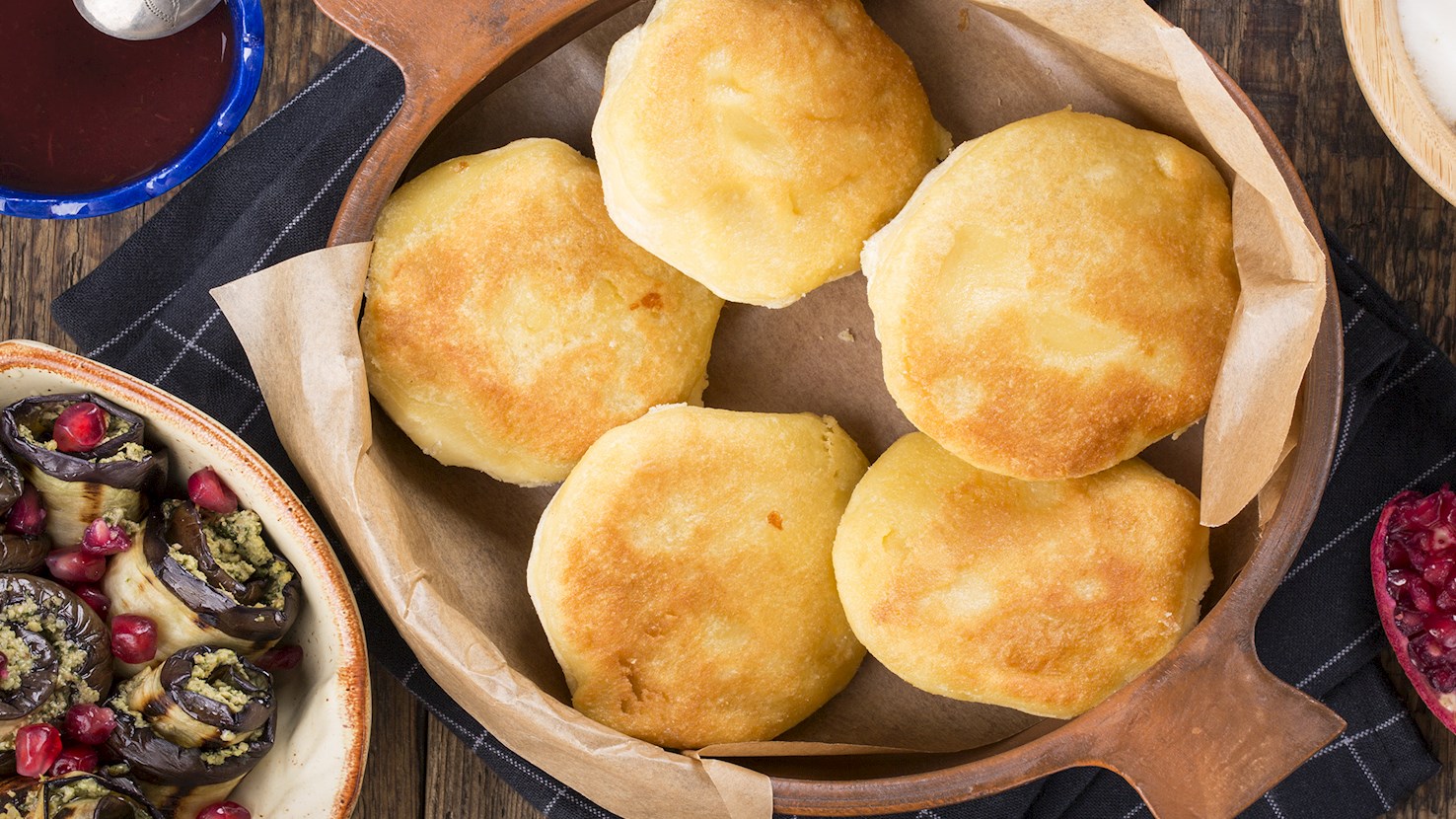
Pampushki are small Ukrainian yeasted buns. They can be prepared in sweet or savory versions. The dough usually consists of milk, flour, eggs, sugar, butter, yeast, oil, and salt, and it is then shaped into small balls. The sweet version is often stuffed with ingredients such as fruit jam, berries, fresh fruit, or cottage cheese, while the savory ones have no filling, but are traditionally flavored with garlic sauce and served alongside borscht.
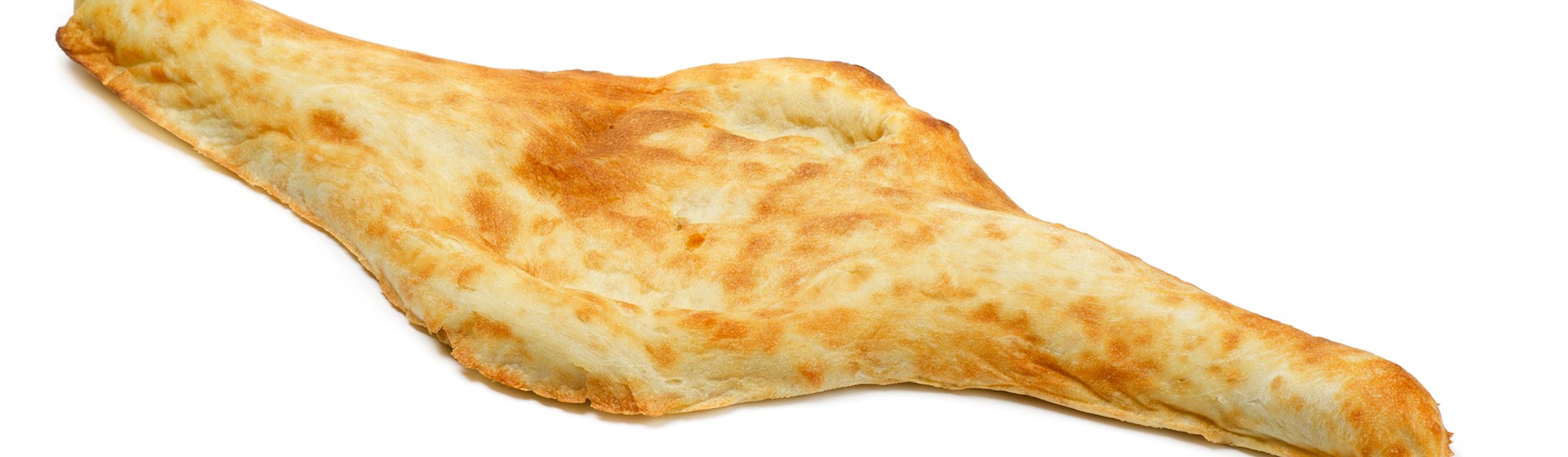
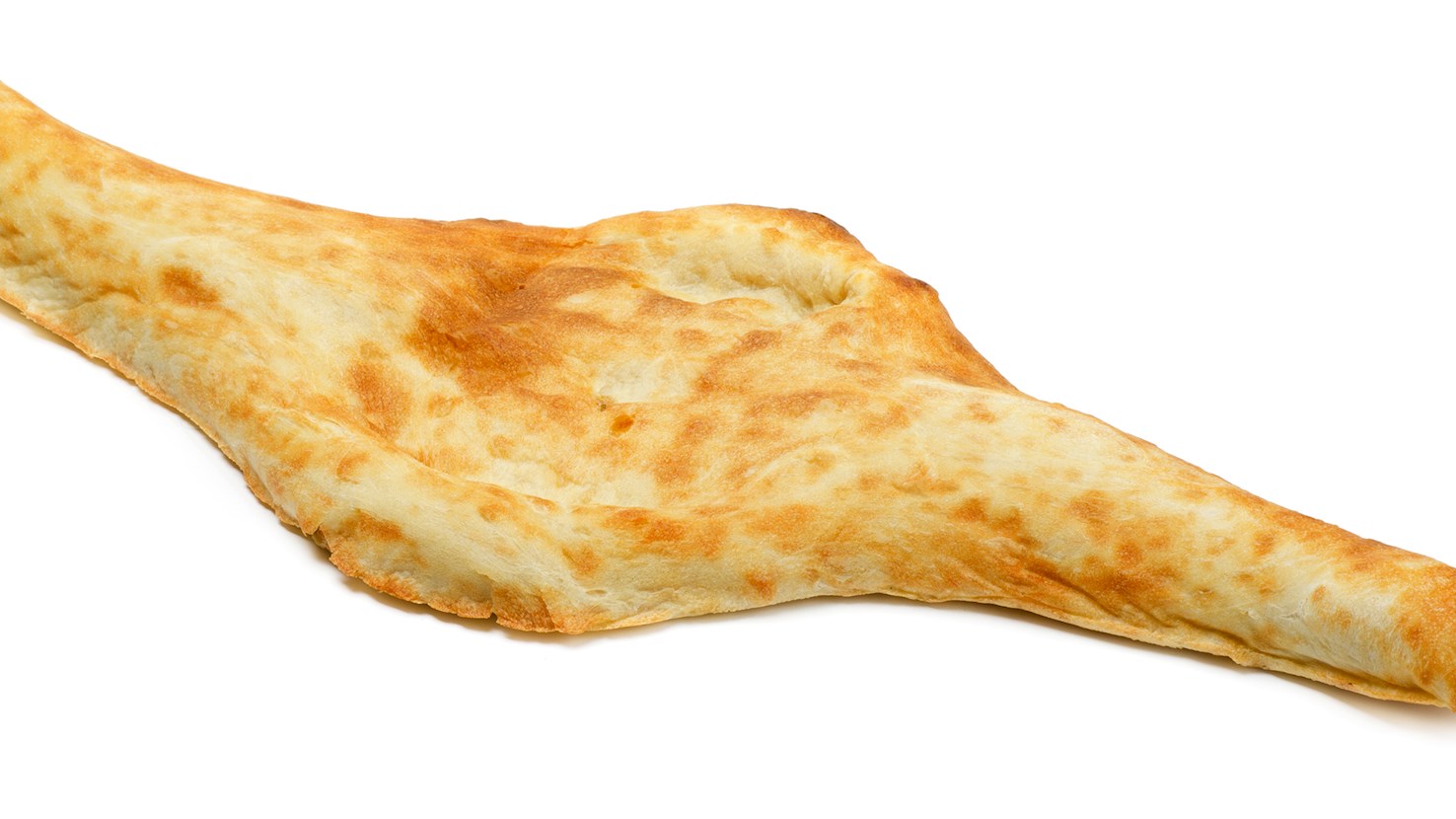
Shotis puri or shoti is a Georgian baton-like bread made with whole wheat flour, salt, water, and yeast. It is traditionally baked until golden brown in a deep, circular oven called a tone. The freshly baked bread is then placed on wooden racks to cool, and it is usually sold wrapped in a sheet of paper. Shotis puri is consumed as an everyday bread, but it is especially popular during festive events such as Easter, Christmas, and birthdays.
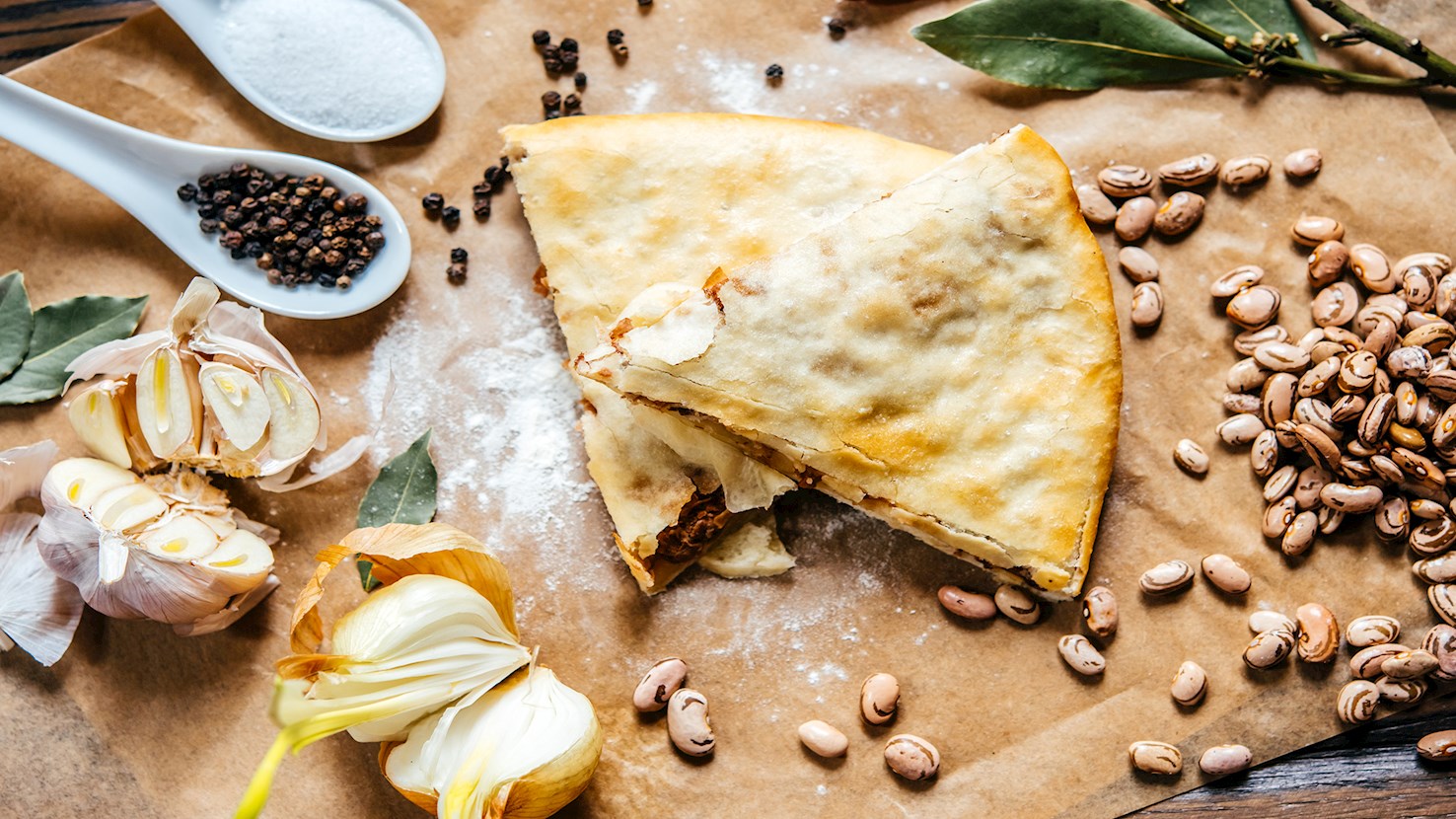
Traditionally consumed at Barbaroba, the feast of St. Barbara, lobiani is a popular Georgian bread that is filled with mashed kidney beans and flavored with onions, parsley, coriander, and black pepper. The dough consists of flour, yeast, salt, and water. There is also a variety of the bread called rachuli lobiani, which is prepared with added bacon for extra flavor. The name lobiani is derived from the Georgian word for kidney beans, lobio.
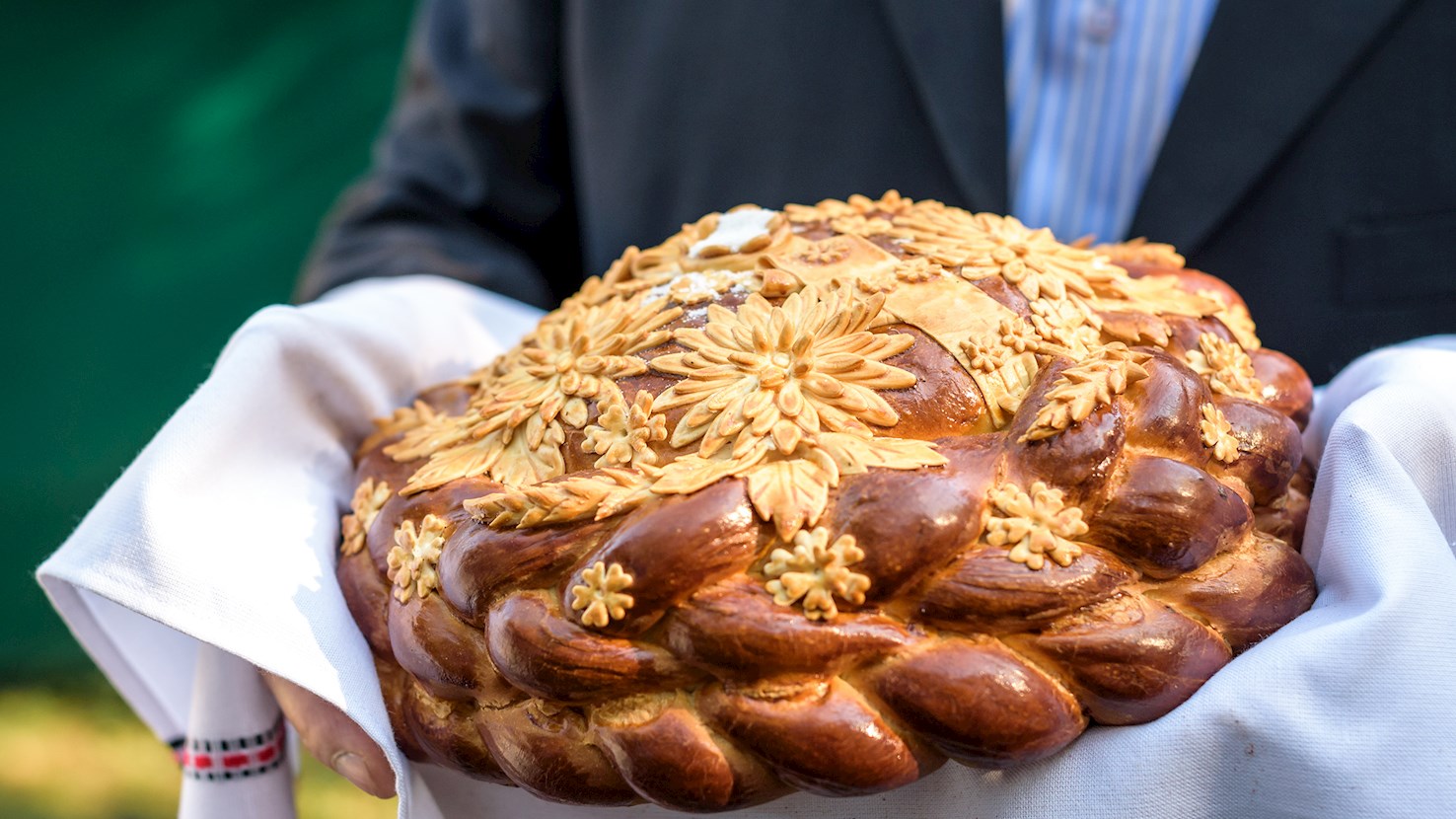
Korovai is a traditional wedding bread that is also popular in countries such as Poland, Bulgaria, Romania, and Russia. Instead of a cake, Ukrainians bake this massive, lavishly decorated bread that is often made by seven married women from seven different places. Participation of widows in the bread-making process is forbidden, since it is believed that a piece of their fate will be forwarded to the prospective couple. There are many superstitions and rituals connected to korovai – for example, if the bread cracks in the oven, the marriage will be doomed. After the wedding ceremony, korovai is cut and shared among guests.
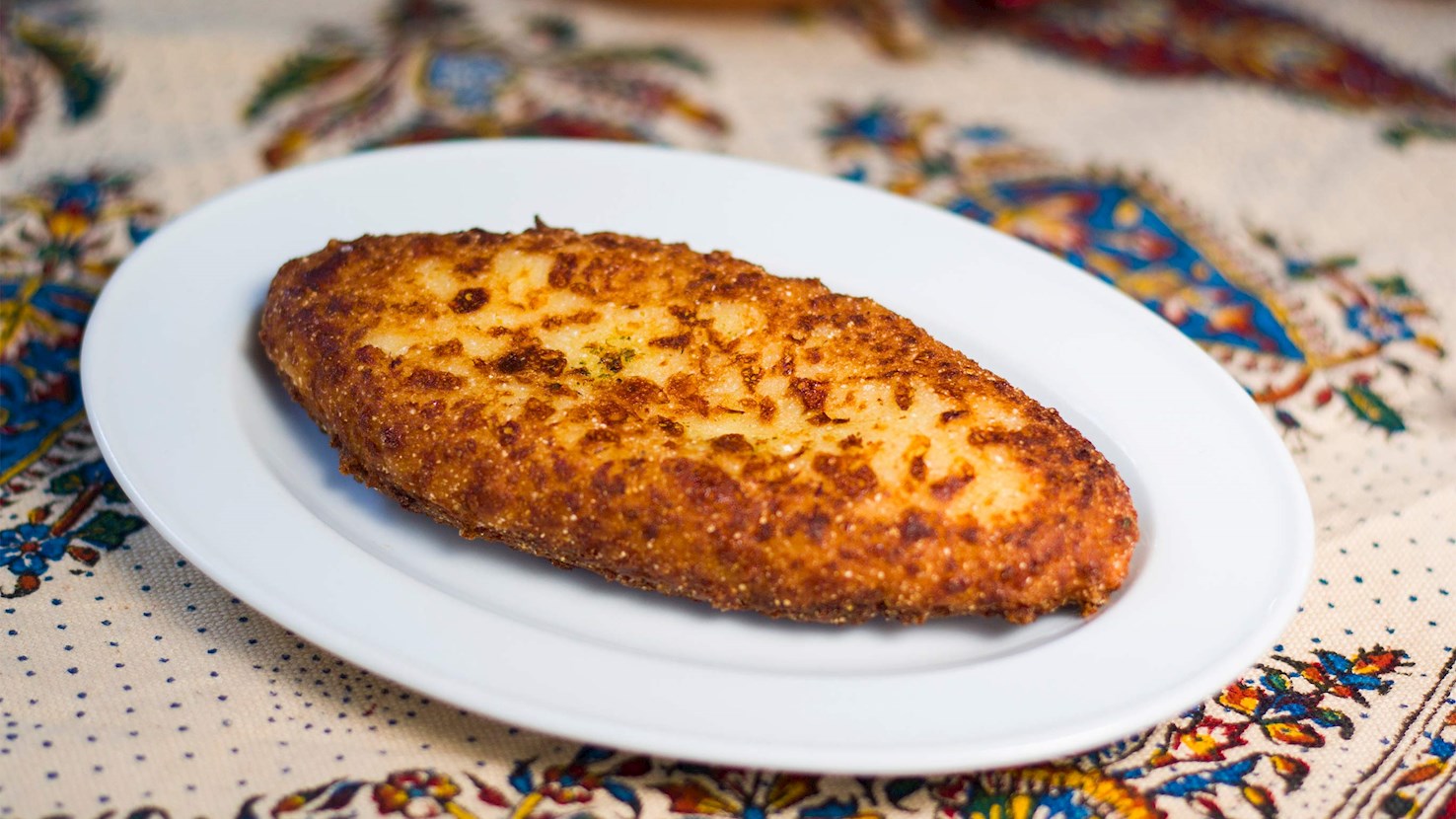
Chvishtari is a traditional cornbread originating from Svaneti. It's usually made with a combination of cornflour, milk, eggs, oil, salt, and sulguni cheese. The dough is kneaded with the cheese until it becomes firm and smooth. It is then flattened and cooked on both sides in a greased frying pan over medium heat until lightly golden. It's recommended to eat chivshtari on the same day that it was made, preferably while still hot.
Mchadi is a popular, traditional Georgian bread consisting of cornmeal, salt, and water. The dough is usually fried in hot oil until golden brown. It is recommended to serve mchadi warm with kidney beans and cheese on the side.
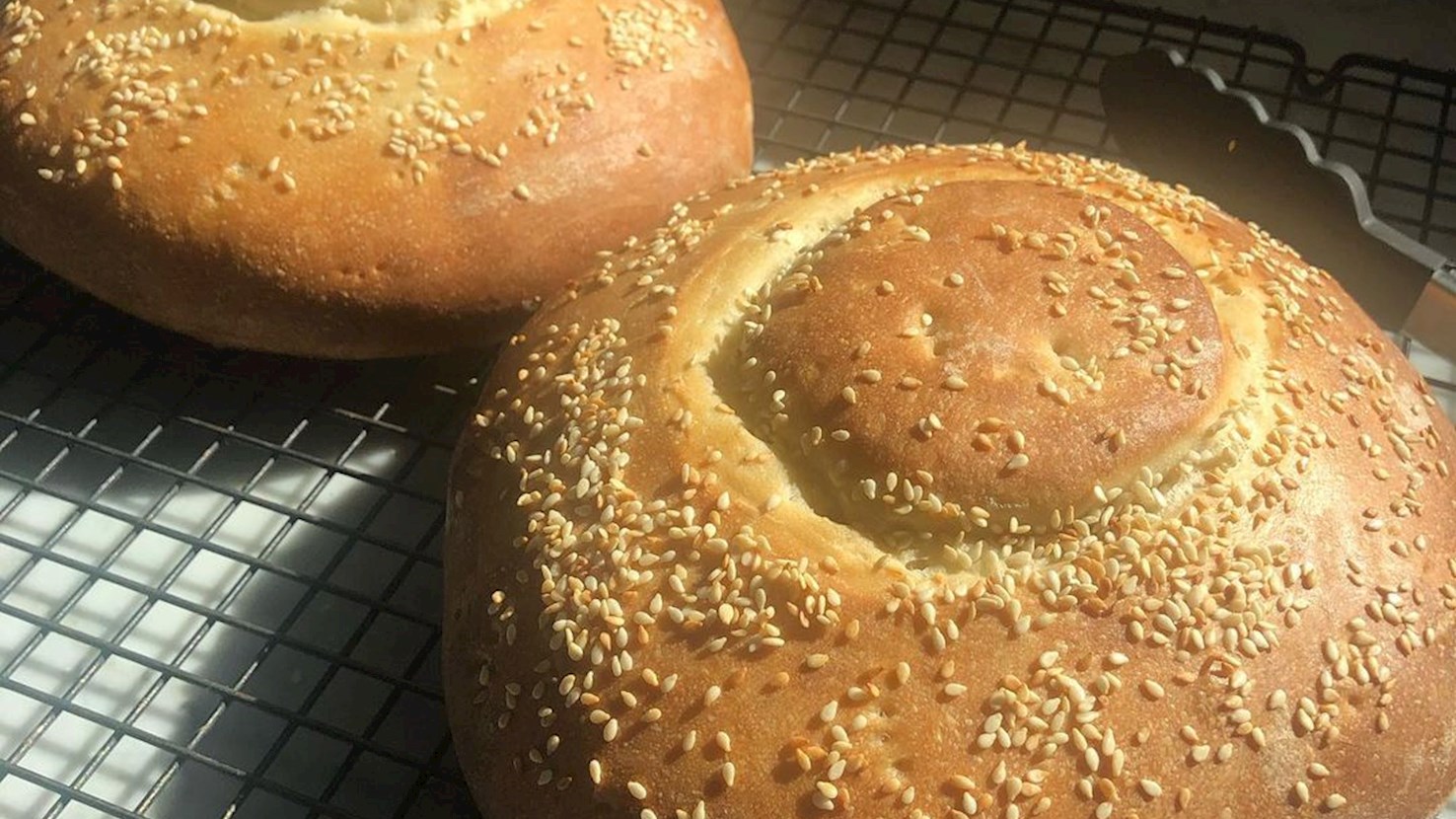
Peda is a traditional type of bread originating from Armenia. The bread is usually made with a combination of white flour, olive oil, yeast, milk, sugar, salt, eggs, and sesame seeds. In order to prepare it, sugar and yeast are added into a warm mixture of water and milk. Once the yeast starts to work, flour, salt, and olive oil are mixed in, and the dough is kneaded until smooth. When it doubles in size, pieces of dough are shaped into balls that are left to rise a bit more before they’re placed on oiled baking sheets, flattened, and a hole is made in each ring. The smaller balls are placed into the holes and flattened. The bread is brushed with whisked egg yolks, sprinkled with sesame seeds, and baked in the oven until it’s nicely golden and browned.
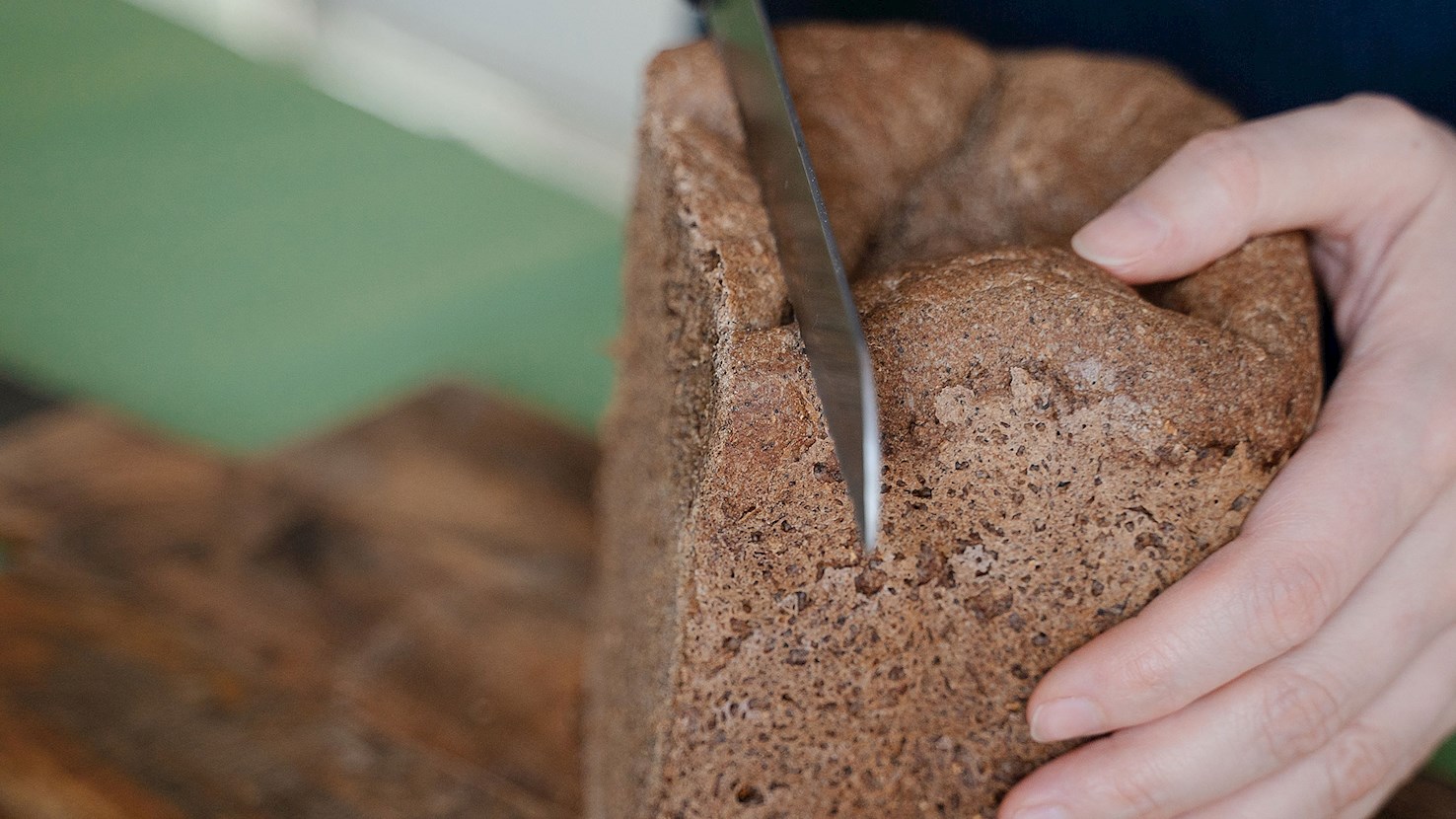
Darnitsky is a rye-and-wheat sourdough bread produced across Russia and neighboring countries. The formula for this daily food staple emerged in 1933 at Bakery Number 11 in Leningrad, now known as Saint Petersburg. An engineer named Georgy Marsakov designed this specific factory using a highly unusual circular spiral layout. This circular design led local residents to nickname the building Darnitsa, and that nickname eventually became the official title of the bread. The facility managed to keep its ovens running continuously throughout the severe military blockade of the city during the 1940s. A strict national standard for the recipe was eventually established by government authorities to push the loaf into mass production. Preparation requires a mixture of roughly 60% rye flour and 40% wheat flour. Water, salt, and a liquid rye sourdough starter are added directly to the dry blend. The wet dough ferments until a bright, noticeable sour taste develops. This sticky mass is then poured into rectangular metal tins to form a brick shape, or it is shaped into round loaves to bake directly on the hot oven floor. The intense heat of the oven creates a solid, dark crust while leaving the inside soft, airy, and moist. This versatile loaf is purchased and consumed daily as a basic household food. Slices are cut to eat alongside regular meals. The plain, slightly sour flavor works exceptionally well with many savory foods. Thick slices are frequently covered with butter or unrefined sunflower oil. It serves as a standard side dish for bowls of hot borsch and hearty meat soups. Sandwiches are easily assembled by topping the slices with cold cuts, salted fish, or poultry. Beverages such as hot black tea or fermented rye kvass are regularly served alongside these meals.
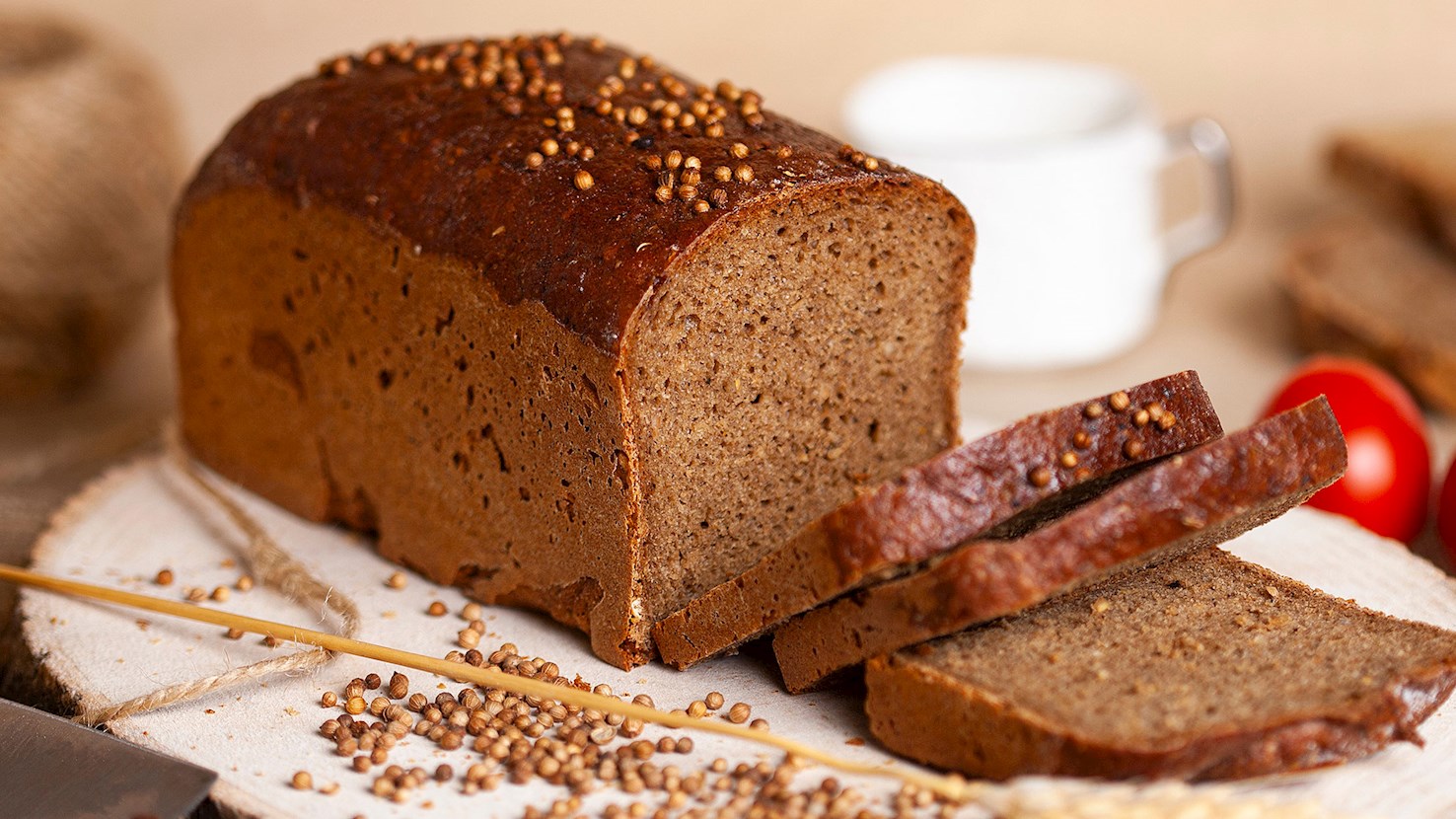
Borodinsky is a dark sourdough rye bread from Russia and other parts of Eastern Europe. The creation of this dark loaf is closely tied to the 1812 Battle of Borodino. Margarita Tuchkova, the widow of a fallen Russian general, built the Spaso-Borodinsky convent on the old battlefield. The nuns living there created the first recipe. They topped the dark dough with whole coriander seeds to resemble grapeshot fired from cannons during the war. Another story says that Moscow bakeries created the exact modern recipe in the early 1930s. Making this bread requires a special method called scalding. Bakers mix rye flour and red rye malt together. They pour boiling water over the mixture and let it rest for a few hours to become naturally sweet. Next, they mix this sweet paste with a rye sourdough starter, a little wheat flour, molasses, sugar, salt, and ground coriander. They put the wet and sticky dough into rectangular metal baking pans. The bakers smooth the top with water, press whole coriander seeds into it, and bake it in a hot oven. This scalding step makes the starches swell up before baking. This gives the bread a very dense, moist interior that stays fresh for a long time. People across Russia and neighboring countries eat this bread every day. They usually cut it into thin slices because it is so heavy and has a strong, sweet, and sour taste. Many people use these slices as a base for salty toppings like pickled herring, cured pork fat, and raw garlic. It is a common side dish for hearty beet soups, such as borscht. People also like to serve it with small glasses of cold vodka or a dark rye drink called kvass.
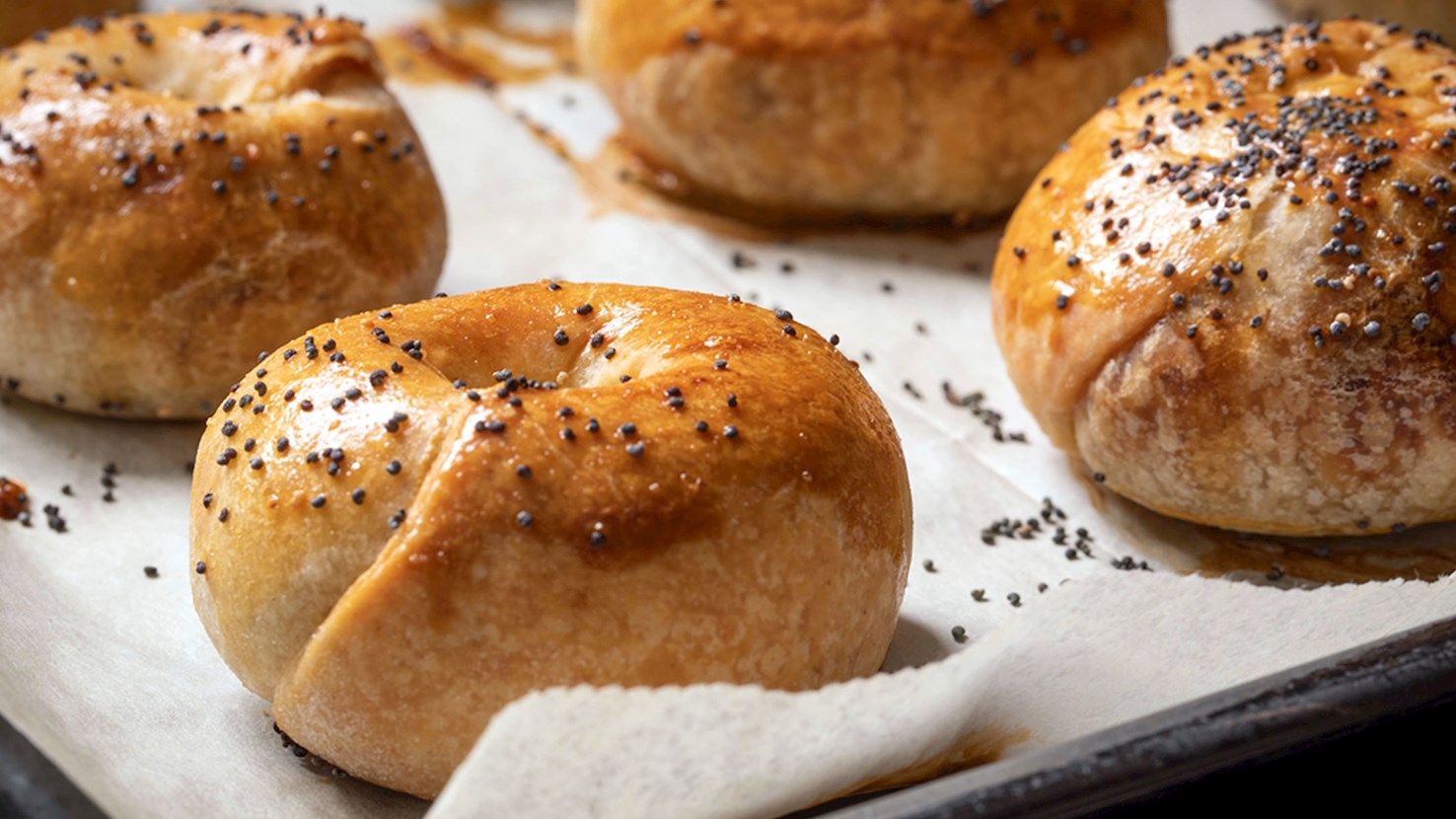
Knysh is a rye bread from Ukraine and Belarus that can also be made with wheat flour. Early Eastern Slavic rural agricultural communities developed this reliable food source to nourish workers during daily labor and supply large group gatherings. The dough is shaped into a smooth, circular flatbread, and a spoon dipped in vegetable oil is pressed firmly along the outer edge to create 5 to 7 distinct sections. These dough segments are then stretched outward, folded back toward the center of the loaf, and pressed down securely. Sometimes, an oiled glass is pressed into the dough surface to make deep grooves that retain the fats during baking. Cooks often add a layer of oil-roasted onions beneath the folded flaps before the bread goes into the oven. In western Ukraine, knysh is an enclosed pastry densely packed with a mixture of boiled mashed potatoes and cooked buckwheat groats. Knysh is also a ritual bread, in which case it has a miniature, secondary dough sphere directly on top of the primary round base, which is referred to as the "soul" of the bread. This dual-layered variation serves a specific ritualistic function during winter solstice observances and memorial services, as people intend for the rising steam and scent from the freshly baked dough to provide sustenance for deceased ancestors. Before eating, knysh is torn into individual chunks or sliced, and families also frequently hand portions to visiting winter carolers. During periods when dietary meat restrictions are lifted, the fresh, warm loaves are paired with thick-cut pan-fried pork fat. For beverage accompaniments, it’s common to pair this bread with syta, a regional drink made from water and honey, alongside bowls of sweet, boiled grain porridge known as kolyvo.
TasteAtlas food rankings are based on the ratings of the TasteAtlas audience, with a series of mechanisms that recognize real users and that ignore bot,
nationalist or local patriotic ratings, and give additional value to the ratings of users that the system recognizes as knowledgeable.
TasteAtlas Rankings should not be seen as the final global conclusion about food. Their purpose is to promote excellent local foods,
instill pride in traditional dishes, and arouse curiosity about dishes you haven’t tried.






What People Say