

shutterstock

Top 5 Georgian Breads

Last updated on June 15, 2026
01

Shotis puri

4.1 ·

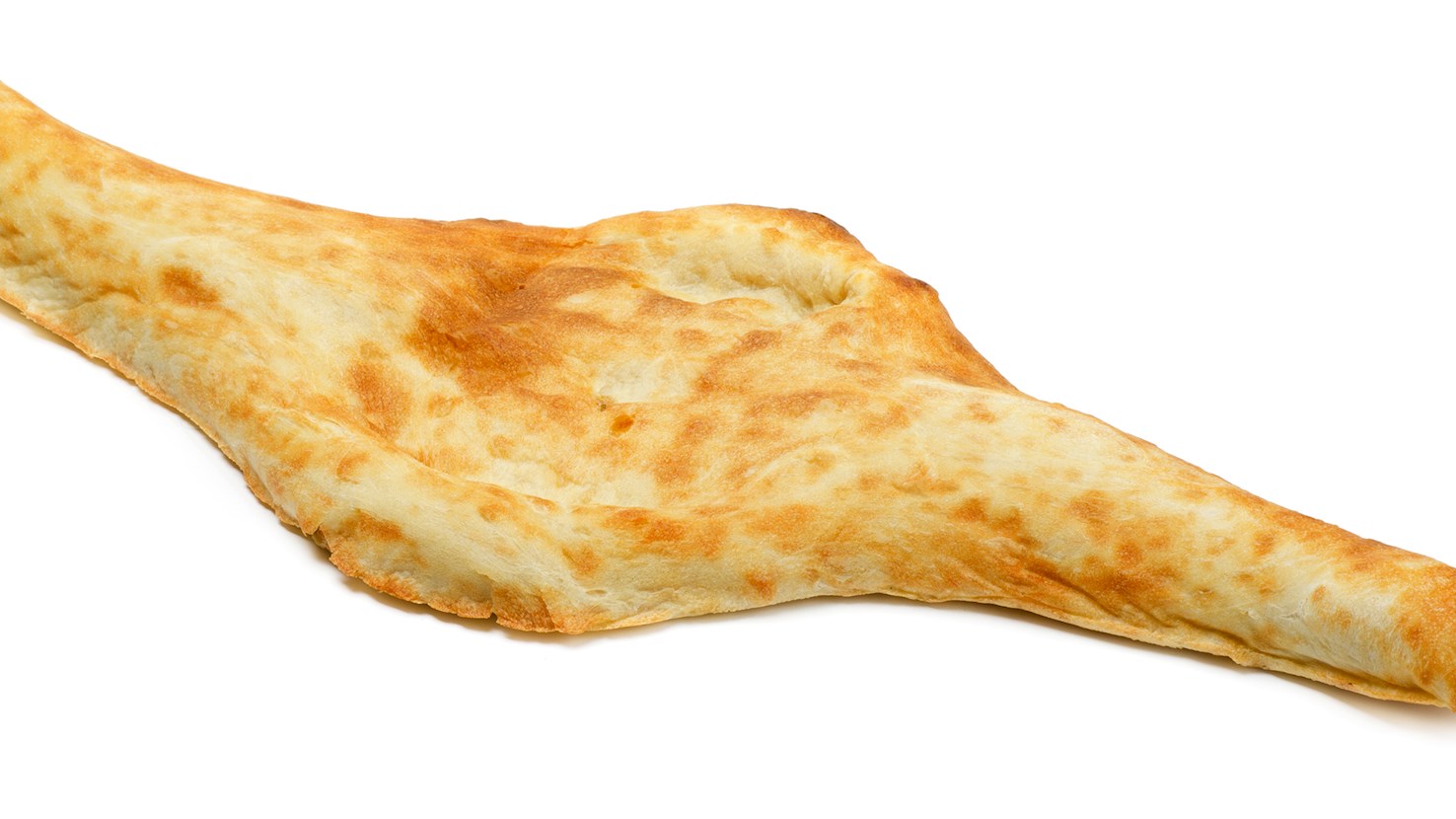
Shotis puri or shoti is a Georgian baton-like bread made with whole wheat flour, salt, water, and yeast. It is traditionally baked until golden brown in a deep, circular oven called a tone. The freshly baked bread is then placed on wooden racks to cool, and it is usually sold wrapped in a sheet of paper. Shotis puri is consumed as an everyday bread, but it is especially popular during festive events such as Easter, Christmas, and birthdays.

02

Lobiani

3.9 ·

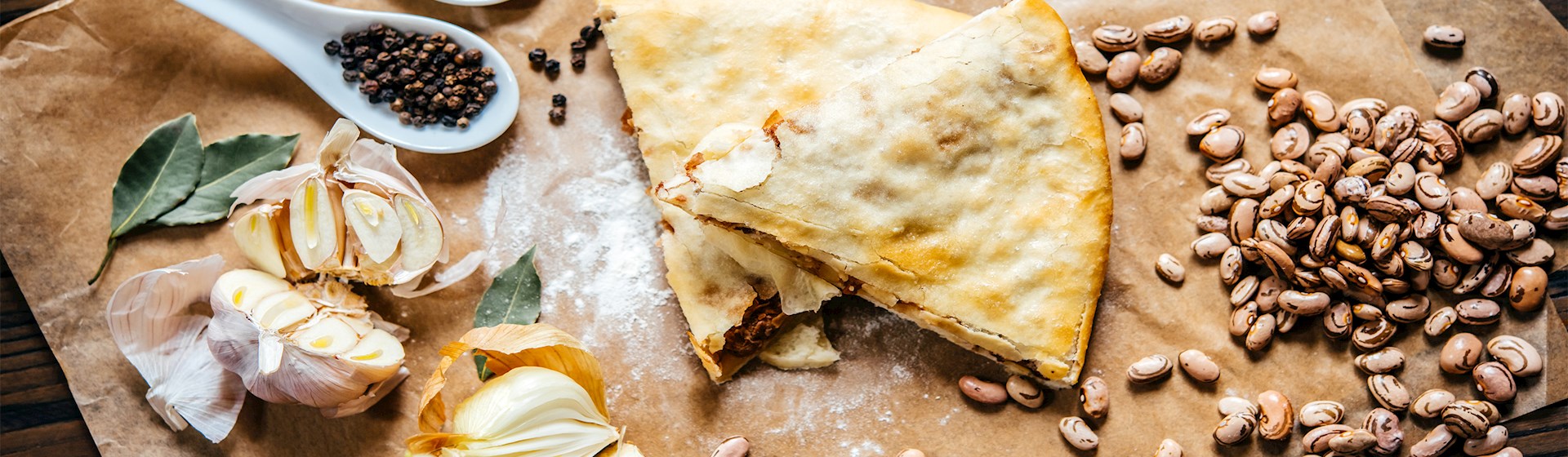
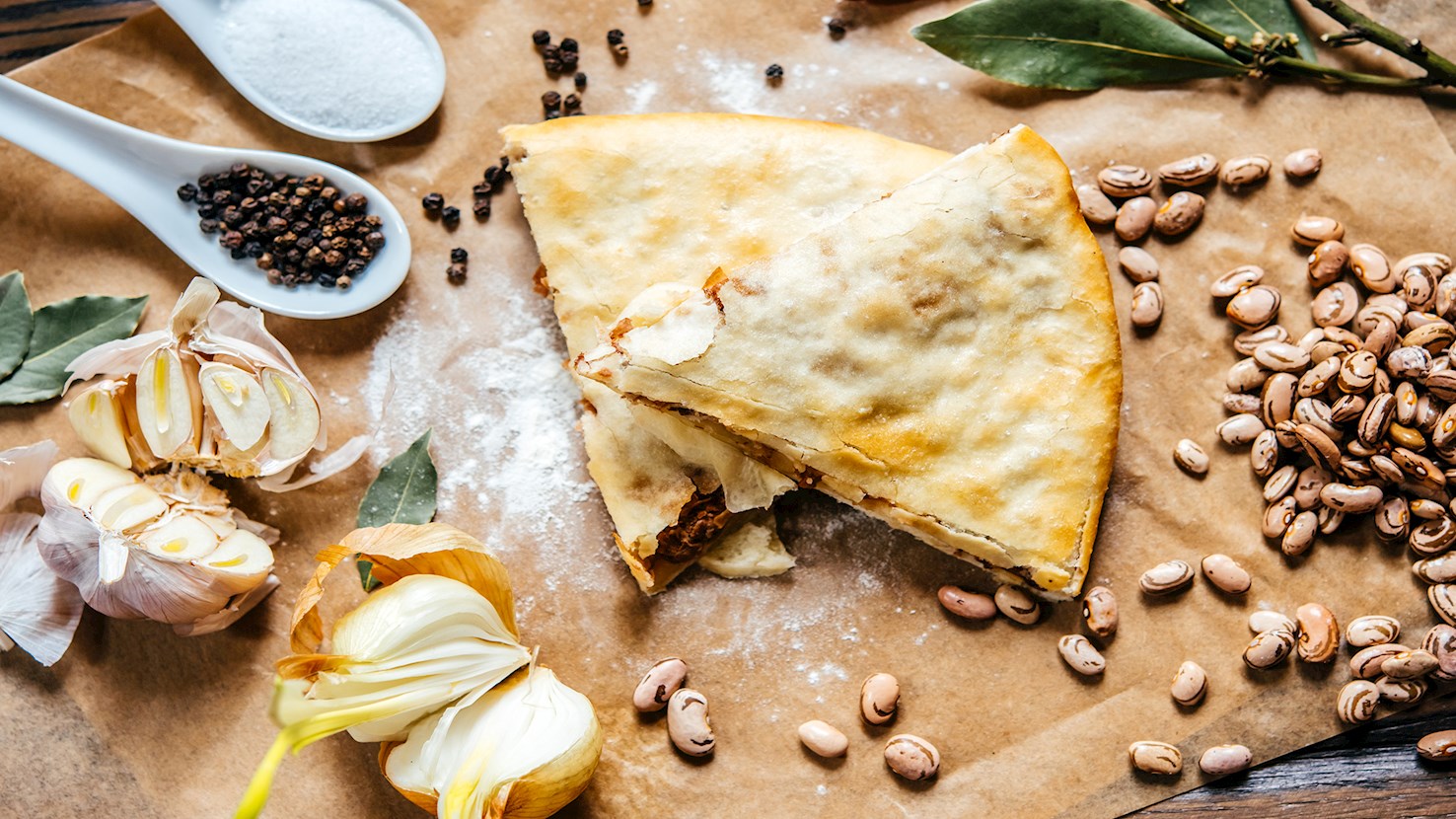
Traditionally consumed at Barbaroba, the feast of St. Barbara, lobiani is a popular Georgian bread that is filled with mashed kidney beans and flavored with onions, parsley, coriander, and black pepper. The dough consists of flour, yeast, salt, and water. There is also a variety of the bread called rachuli lobiani, which is prepared with added bacon for extra flavor. The name lobiani is derived from the Georgian word for kidney beans, lobio.

03

Chvishtari

3.5 ·

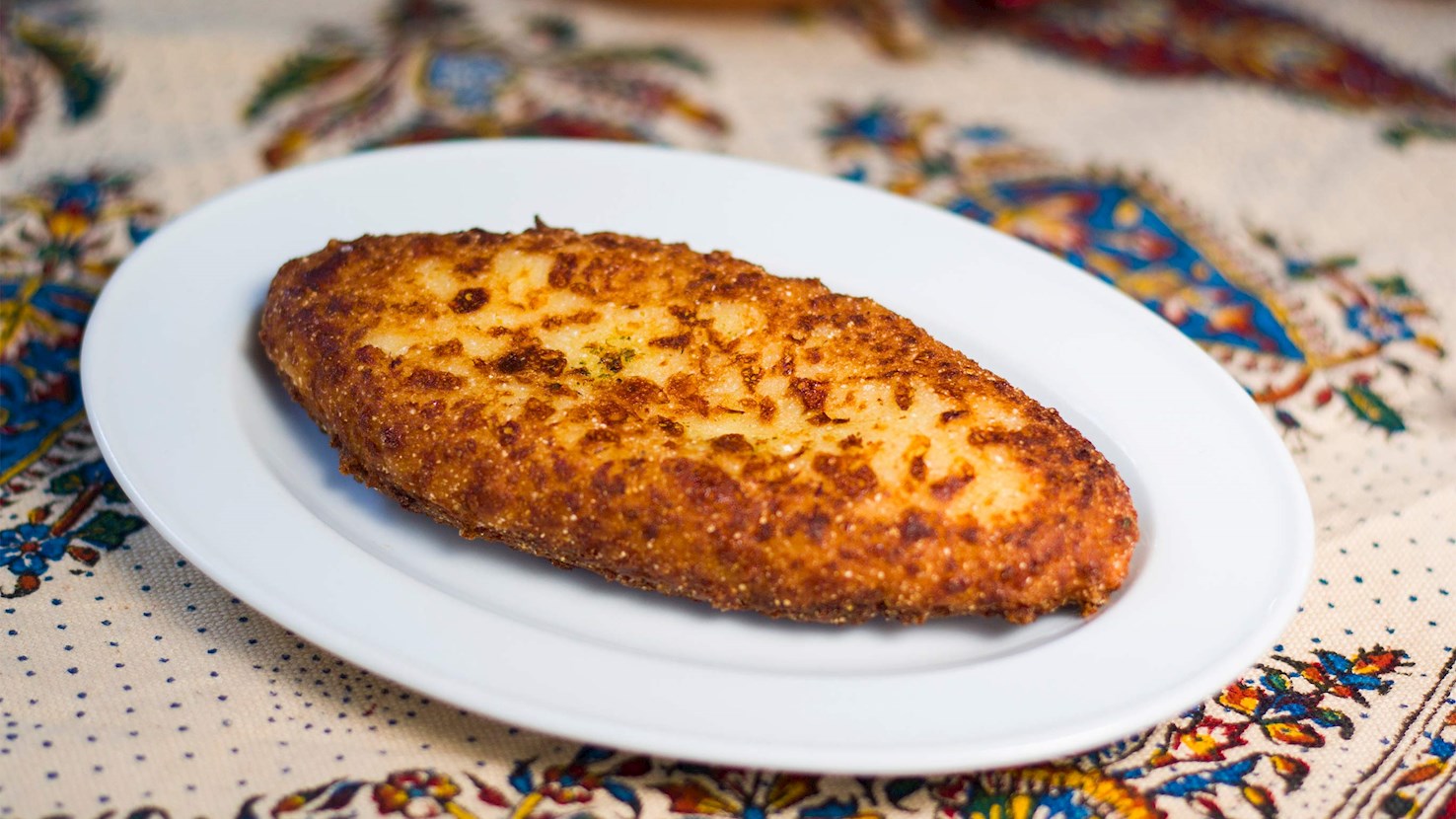
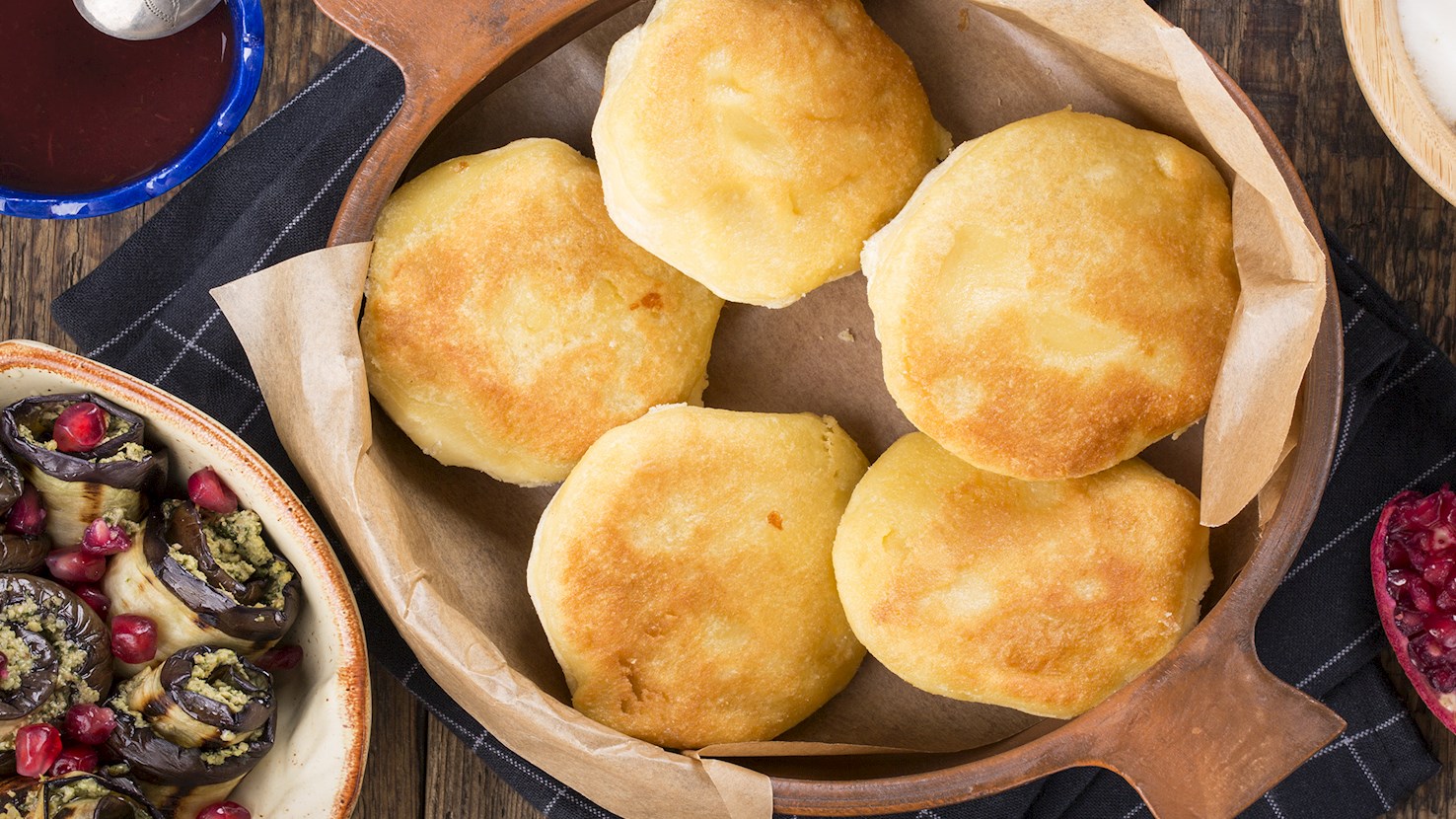
Chvishtari is a traditional cornbread originating from Svaneti. It's usually made with a combination of cornflour, milk, eggs, oil, salt, and sulguni cheese. The dough is kneaded with the cheese until it becomes firm and smooth. It is then flattened and cooked on both sides in a greased frying pan over medium heat until lightly golden. It's recommended to eat chivshtari on the same day that it was made, preferably while still hot.

04

Mchadi

3.4 ·

Mchadi is a popular, traditional Georgian bread consisting of cornmeal, salt, and water. The dough is usually fried in hot oil until golden brown. It is recommended to serve mchadi warm with kidney beans and cheese on the side.

05

Tonis puri

n/a ·

Tonis puri is a type of flatbread from Georgia, specifically characterized by its elongated, canoe-like shape and its production in a vertical cylindrical clay oven known as a tone. This bread variety is a staple across the Caucasus region, with archaeological evidence of the tone oven design dating back to the Bronze Age in the South Caucasus territory. The oven architecture utilizes the thermal retention properties of thick clay walls to maintain consistent high temperatures required for rapid baking. Preparation of tonis puri involves a yeast-leavened dough composed of wheat flour, water, salt, and a small quantity of sugar or oil, which is hand-stretched into a tapered oval form. The baker reaches into the heated tone and slaps the raw dough directly onto the interior pre-heated clay walls, where it adheres and bakes via radiant heat and conduction. A technical attribute of this method is the development of a distinct texture characterized by a crisp, blistered exterior and a soft, aerated interior, resulting from the immediate evaporation of moisture upon contact with the hot ceramic surface. The bread is removed from the oven wall using a long metal hook and scraper once the surface reaches a golden-brown color. A unique feature of tonis puri is the hole often found in the center of the loaf, which prevents the bread from puffing up excessively and ensures it remains flat against the oven wall during the baking process. It is eaten fresh and warm throughout Georgia, often purchased directly from small neighborhood bakeries as a primary accompaniment to daily meals. Tonis puri is frequently paired with salty Georgian cheeses such as sulguni, skewered meats like mtsvadi, and vegetable dishes like pkhali, while beverage pairings typically include dry amber wines (qvevri wines) or regional lemonades.

Read more
View all
View map
About this ranking

TasteAtlas food rankings are based on the ratings of the TasteAtlas audience, with a series of mechanisms that recognize real users and that ignore bot, nationalist or local patriotic ratings, and give additional value to the ratings of users that the system recognizes as knowledgeable. For the “Top 5 Georgian Breads” list until June 15, 2026, 561 ratings were recorded, of which 234 were recognized by the system as legitimate. TasteAtlas Rankings should not be seen as the final global conclusion about food. Their purpose is to promote excellent local foods, instill pride in traditional dishes, and arouse curiosity about dishes you haven’t tried.

Similar lists