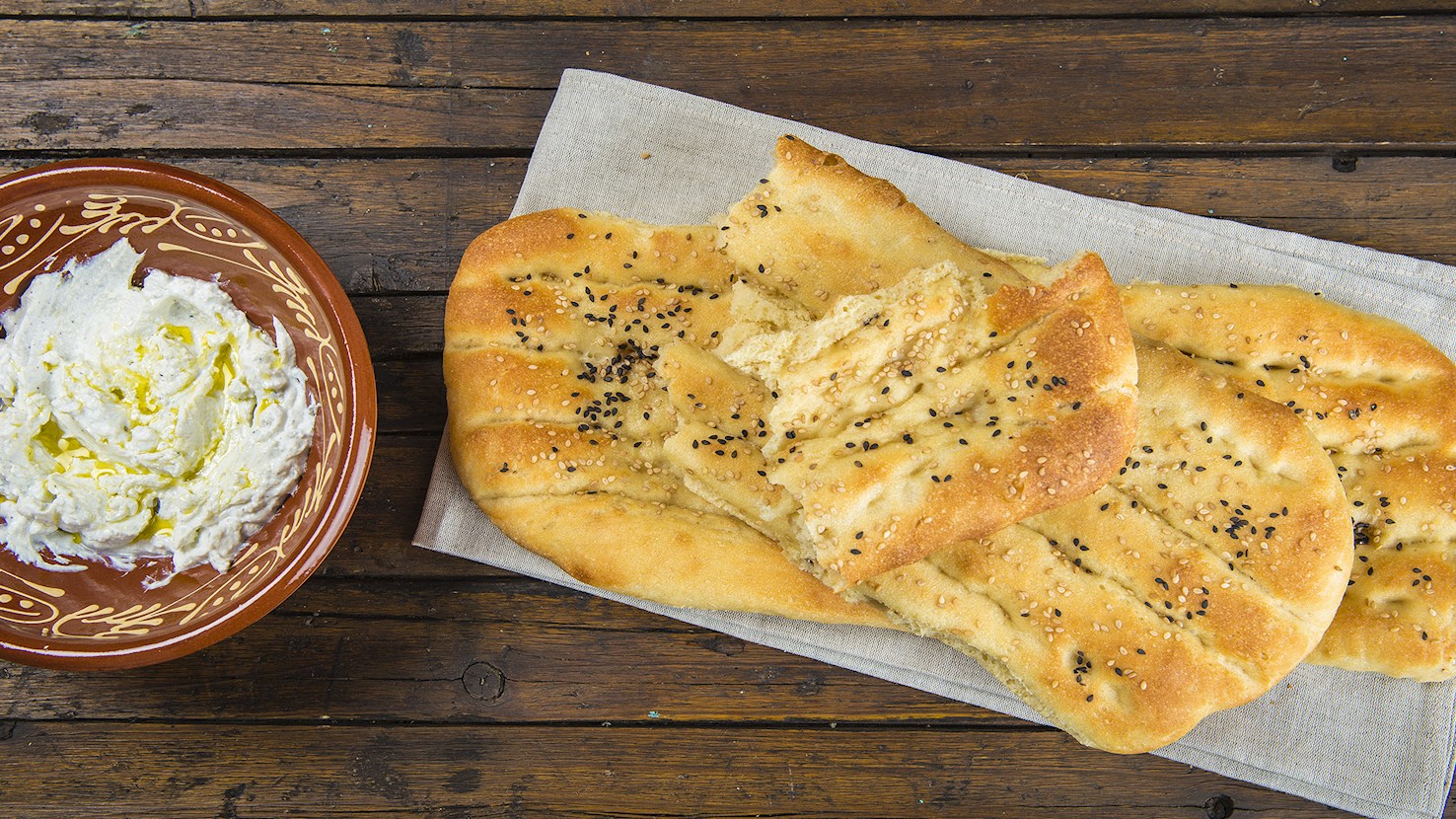
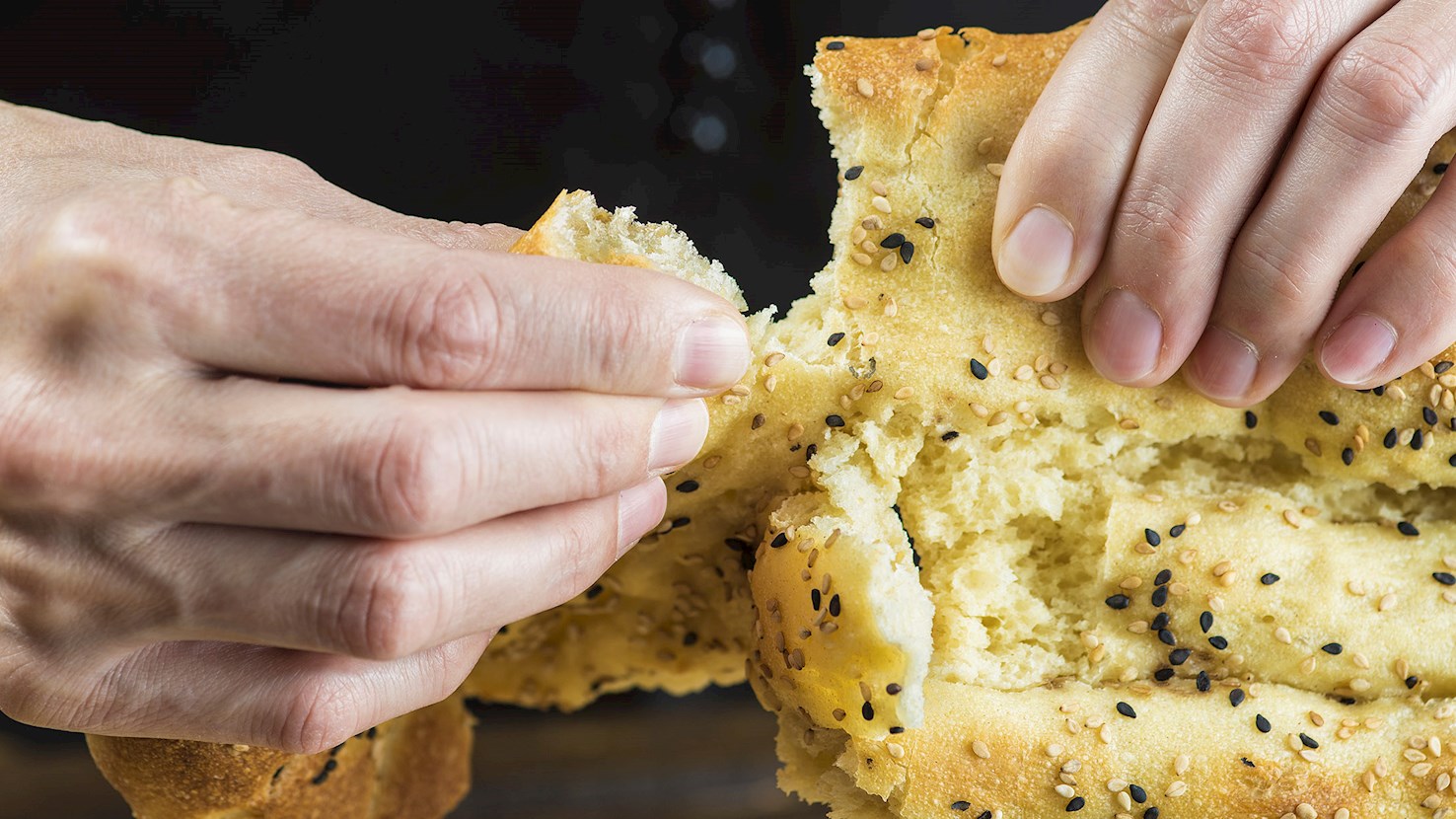
Nan-e barbari is an Iranian flatbread known for its thick, airy crumb and golden crust brushed with a special flour paste called roomal. Originating among the Hazara people who settled in Iran, this bread became especially associated with Tehran and other northern cities, where it is commonly baked fresh each morning and sold in bakeries to accompany breakfast or lunch. Its long, oval shape and characteristic ridged surface make it immediately recognizable on bakery shelves. The history of nan-e barbari reflects Iran’s rich baking culture, which includes many regional breads with distinct textures and preparation methods. The word “barbari” was used historically to describe the Hazara ethnic group, who brought their baking techniques to central Iran. Over time, this bread was embraced by the wider population and became one of the most widespread breads in Iranian cities. Recipes and shaping methods were refined in professional bakeries to achieve the signature crust that stays chewy and moist longer than many thinner flatbreads. Preparing nan-e barbari begins with mixing wheat flour, yeast, water, and salt into a smooth dough that is rested until doubled in size. The dough is then divided into portions and gently shaped by hand into long ovals. Before baking, each piece is brushed generously with roomal, a cooked paste of flour and water that keeps the surface soft while it expands and creates a glossy crust. The baker presses rows of deep ridges along the dough with fingers or the edge of the palm. Sometimes sesame or nigella seeds are sprinkled on top for added flavor. Baked on hot stones or a preheated oven floor, the bread emerges with a crisp base and a tender, chewy interior. One aspect of nan-e barbari is how its preparation has been adapted to modern bakeries. While some home cooks still bake it in gas ovens or on baking stones, many people prefer to buy it fresh from specialized bakeries that produce dozens of loaves each morning. These bakeries often have large gas-fired ovens with conveyor belts that simulate the effect of the hot stones once used in brick ovens. Nan-e barbari is usually eaten warm, torn by hand, and served with feta cheese, fresh herbs, walnuts, and sometimes clotted cream or jam for breakfast. In many Iranian households, it appears alongside stews and kebabs as well.
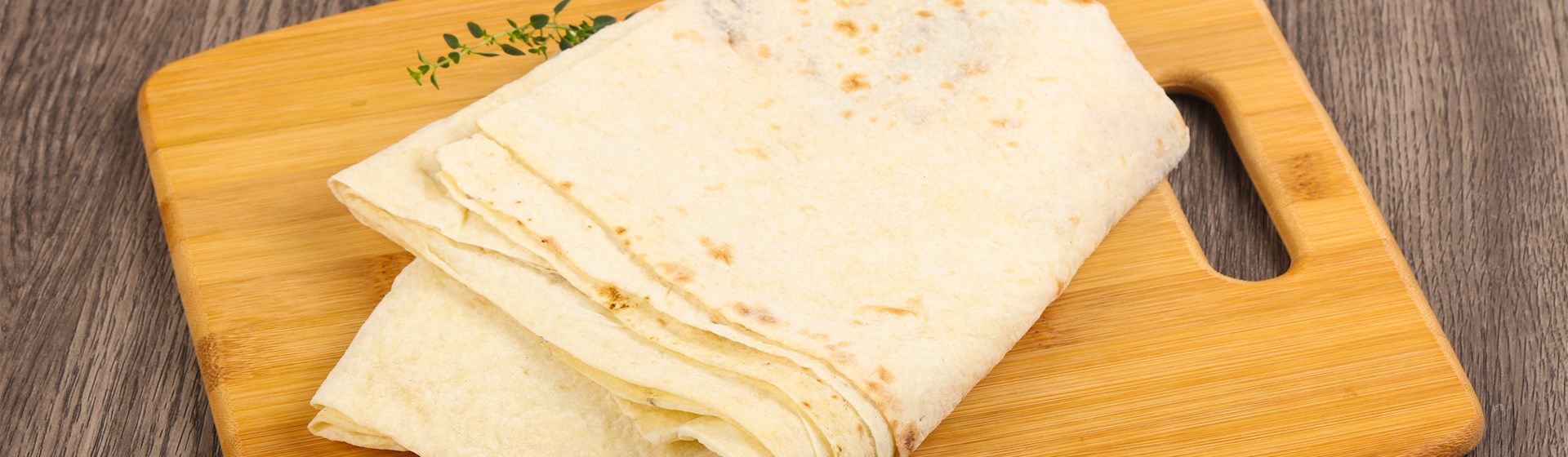
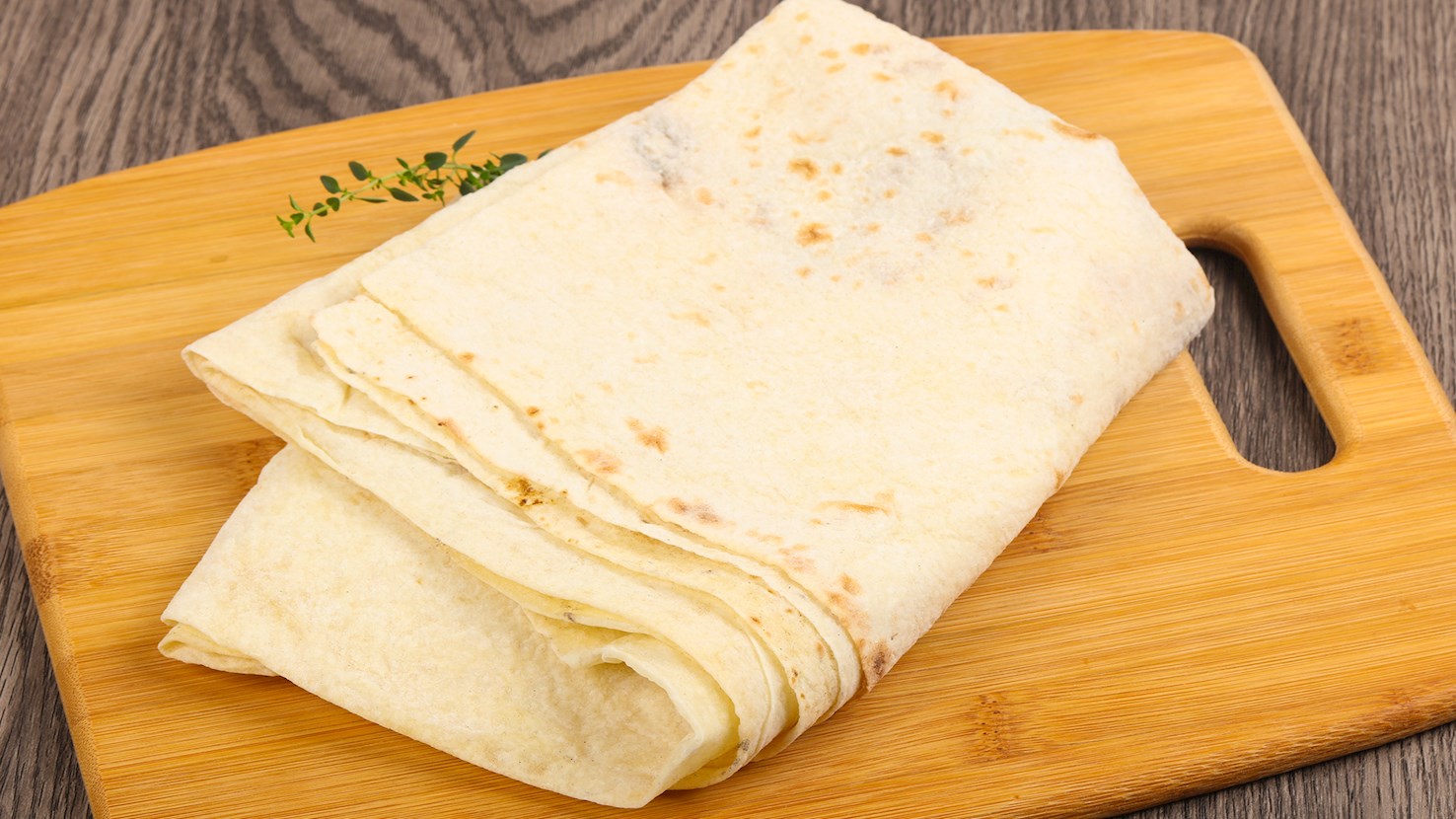
Lavash is a traditional flatbread claimed by many food specialists to be Armenian in origin, but it is well-known and prepared throughout Western Asia (most noteably Iran and Türkiye) and the Caucasus (most noteably Azerbaijan). The dough consists of wheat flour, salt, and water leavened only with a sourdough starter. Once the dough has risen, it is shaped into small lumps that are rolled flat and then slapped against the inside of a clay oven called tonir. Depending on the part or region of Armenia, these flatbreads can vary in thickness, size, shape, and the method of kneading. Because the process of making lavash is so labor-intensive, as well as time-consuming, this flatbread is typically prepared in advance. The baked flatbreads are kept in a dry place and sprinkled with water before use to restore their flexibility. Even to this day, lavash is only torn by hand and can be used either as bread, a wrap, or a spoon. The significance of this flatbread in Armenia is reflected in the ceremonial ritual of its preparation, starting with the choice of women who are fit to make this flatbread, to the sacred and obligatory whispering of blessings or reciting of kind words while making the dough, as it is believed the dough has magical powers to make the whispered wishes come true. As it is considered to be a symbol of fertility and prosperity, lavash has great significance in the Armenian wedding ceremonies, and is also used in traditional medicine since it is believed to have healing properties. In 2016, UNESCO recognized lavash making and sharing culture as an Intangible Cultural Heritage of Humanity.
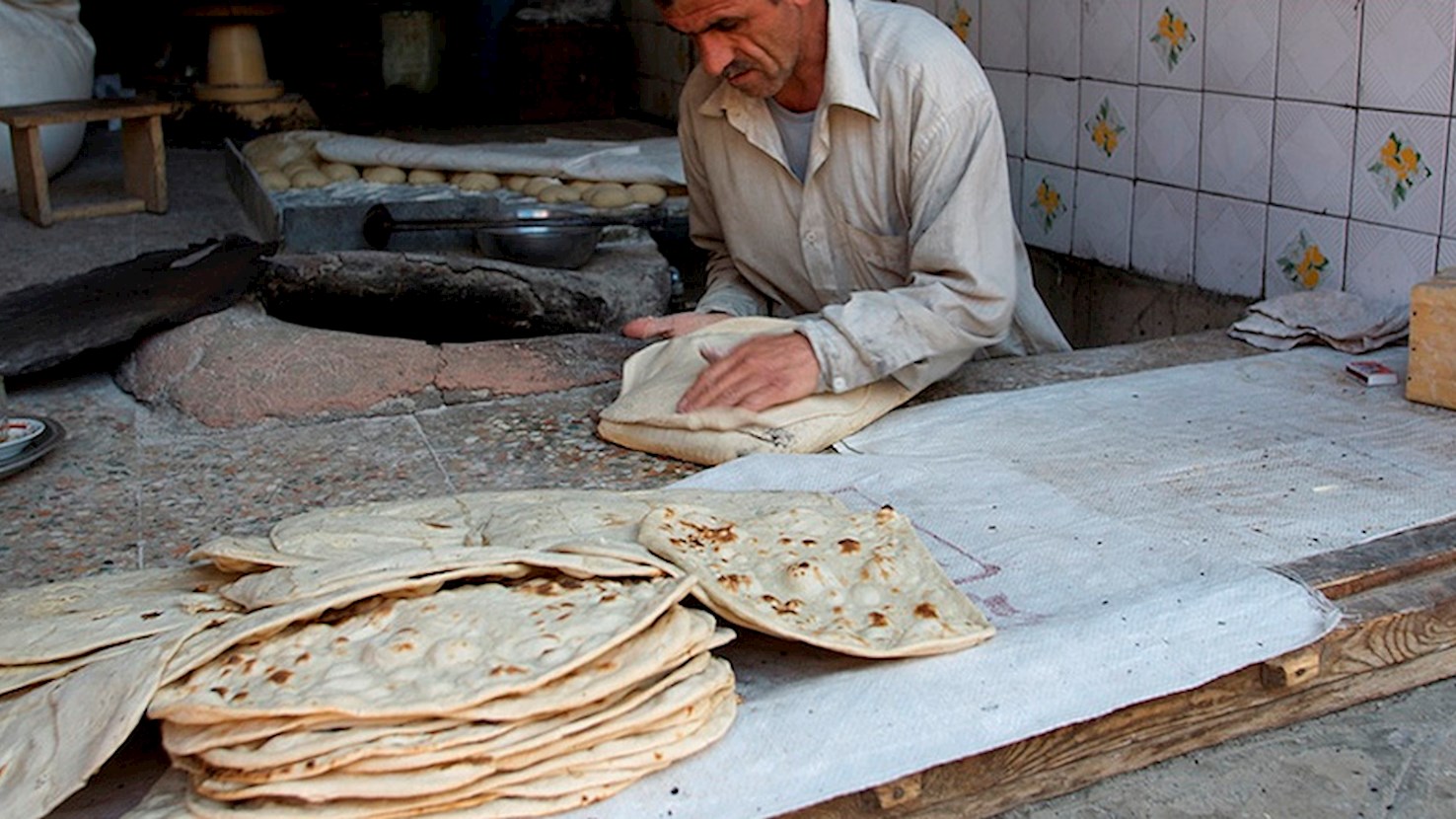
Nan-e sangak is a whole wheat leavened flatbread and the national bread of Iran. Its shape can be either triangular or rectangular, and it comes in two main varieties: plain and special, which is topped with poppy and sesame seeds. The name sangak refers to the old method of baking the bread, meaning little stones, because it is traditionally baked in a dome-shaped oven with a surface full of pebbles and stones. The bread can be prepared in a way that its length is about two feet, which is enough to feed a whole family. In the past, sangak was the main bread of the Persian Army, and each soldier carried a bag filled with pebbles, which were used to cook the bread for the whole army. Today, sangak is often decorated when served, especially at festivities such as weddings and New Year. In Iran, the bread is often consumed with lamb kebabs, and it is a typical accompaniment to kale pache, a dish made with sheep's head and feet.
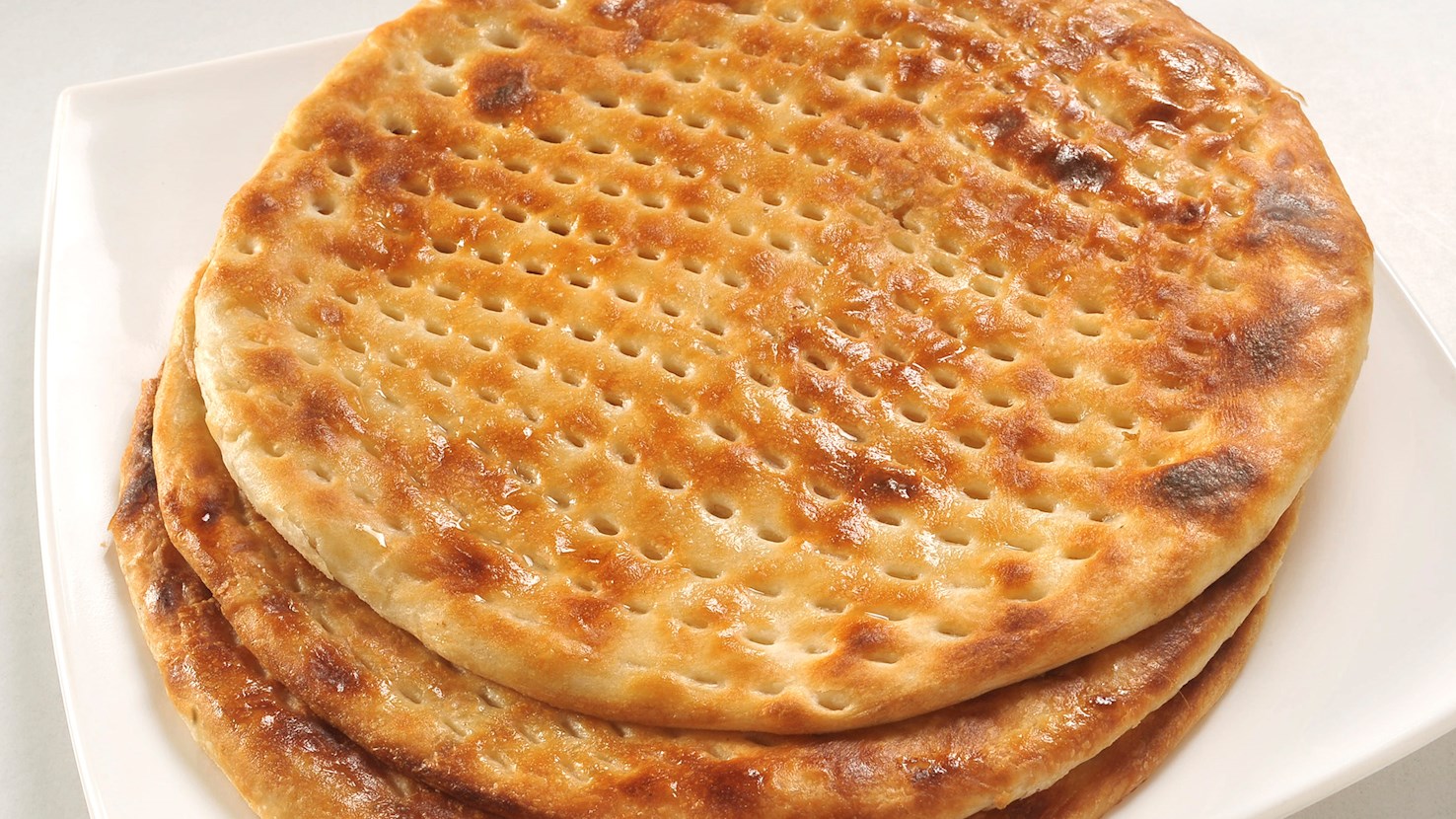
Nan-e shirmal is a type of enriched, slightly sweet Persian flatbread that originates in Iran, where it is often enjoyed with tea or served alongside soft cheeses and clotted cream. Its name comes from the Persian words “shir,” meaning milk, and “malidan,” meaning to rub or knead, referring to the way milk is incorporated into the dough to create a tender, rich texture. Unlike simpler flatbreads such as taftoon or lavash, nan-e shirmal is prepared with sugar, butter or ghee, and sometimes saffron, giving it a light golden color and a faintly aromatic flavor. The history of nan-e shirmal is connected to the development of more refined breads in Persian cuisine, especially those associated with festive occasions and urban bakeries. As access to white flour, sugar, and dairy products expanded in Iran’s cities, bakers began producing richer breads to cater to tastes for softer and slightly sweet baked goods. Nan-e shirmal evolved from earlier milk breads, eventually becoming a recognizable style in bakeries across Iran and in parts of the Indian subcontinent, where similar breads are also popular. Over time, it became known as a bread often served during special gatherings and celebrations. To prepare nan-e shirmal, wheat flour is combined with warm milk, sugar, and a little yeast to form a soft, pliable dough. Some recipes incorporate yogurt for added tenderness, while others add melted butter or ghee directly to the mixture. Once the dough has risen until doubled in volume, it is divided into portions and rolled into rounds or ovals about 1 centimeter thick. Before baking, the surface is brushed generously with a mixture of egg yolk and milk, which helps create a shiny, golden crust. In many bakeries, saffron-infused milk is also used to glaze the bread, contributing both color and aroma. After baking in a hot oven or on the floor of a clay tanoor, nan-e shirmal emerges with a soft interior and a lightly crisp exterior. The bread is often sprinkled with sesame seeds or nigella seeds before baking for additional texture. It is typically eaten warm, torn into pieces, and paired with fresh herbs, cheese, or jams. Nan-e shirmal is common in Iranian bakeries, where it is sold fresh and wrapped in paper. It is usually enjoyed at breakfast or in the late afternoon with strong black tea. In some households, it is reserved for special breakfasts or shared with guests as part of a larger spread of breads and accompaniments.
Nan-e taftoon is a type of Iranian flatbread, baked in clay ovens and served as an everyday accompaniment to a variety of dishes. This soft, slightly chewy bread is round and thin, and it often carries delicate impressions left by the baker’s fingers or a special bread stamp. Its versatility has made it a staple in Persian households, where it is eaten fresh with stews, cheeses, herbs, or grilled meats. The history of nan-e taftoon goes back centuries, with references in Persian culinary records describing flatbreads cooked on hot surfaces or in domed ovens called tanoors. As wheat cultivation spread and baking methods evolved, taftoon emerged as a common bread style alongside lavash, sangak, and barbari. Its name likely derives from the Persian word “taftan,” meaning “to heat” or “to bake,” reflecting the process of sticking the dough to the hot walls of the oven. Over time, regional variations developed in thickness, fermentation methods, and whether the bread was enriched with yogurt or milk. To prepare nan-e taftoon, bakers start with a dough made from wheat flour, water, a little salt, and yeast. Some recipes also include yogurt or milk to soften the crumb and create a more tender texture. After kneading and resting the dough, it is divided into balls and rolled into thin rounds, typically 25–30 centimeters across. The rounds are pricked or stamped with small holes to help the bread bake evenly and prevent bubbles from forming. In commercial bakeries or home kitchens with a tanoor, the dough is slapped against the hot oven wall, where it bakes quickly, developing a pale golden color with brown spots and a lightly smoky aroma. When serving, taftoon is often wrapped in cloth to keep it warm and pliable. It is used to scoop up khoresh (stews), wrap kebabs, or accompany fresh herbs and cheese for breakfast and light meals. The bread can be folded or torn easily, and because of its mild flavor and soft bite, it pairs well with many foods without overpowering them. Nan-e taftoon remains one of the most widely consumed breads in Iran, found in bakeries throughout cities and villages. While some families still bake it in home ovens, many rely on neighborhood bakers who produce fresh batches each day. Unlike thicker breads such as barbari, taftoon’s thinness allows it to be reheated quickly over an open flame or in a toaster, which is helpful in households where bread is purchased in large quantities and stored for several days.
TasteAtlas food rankings are based on the ratings of the TasteAtlas audience, with a series of mechanisms that recognize real users and that ignore bot,
nationalist or local patriotic ratings, and give additional value to the ratings of users that the system recognizes as knowledgeable.
TasteAtlas Rankings should not be seen as the final global conclusion about food. Their purpose is to promote excellent local foods,
instill pride in traditional dishes, and arouse curiosity about dishes you haven’t tried.



What People Say