




Top 4 Midwestern American Breads

Last updated on June 15, 2026
01

Frybread

3.8 ·

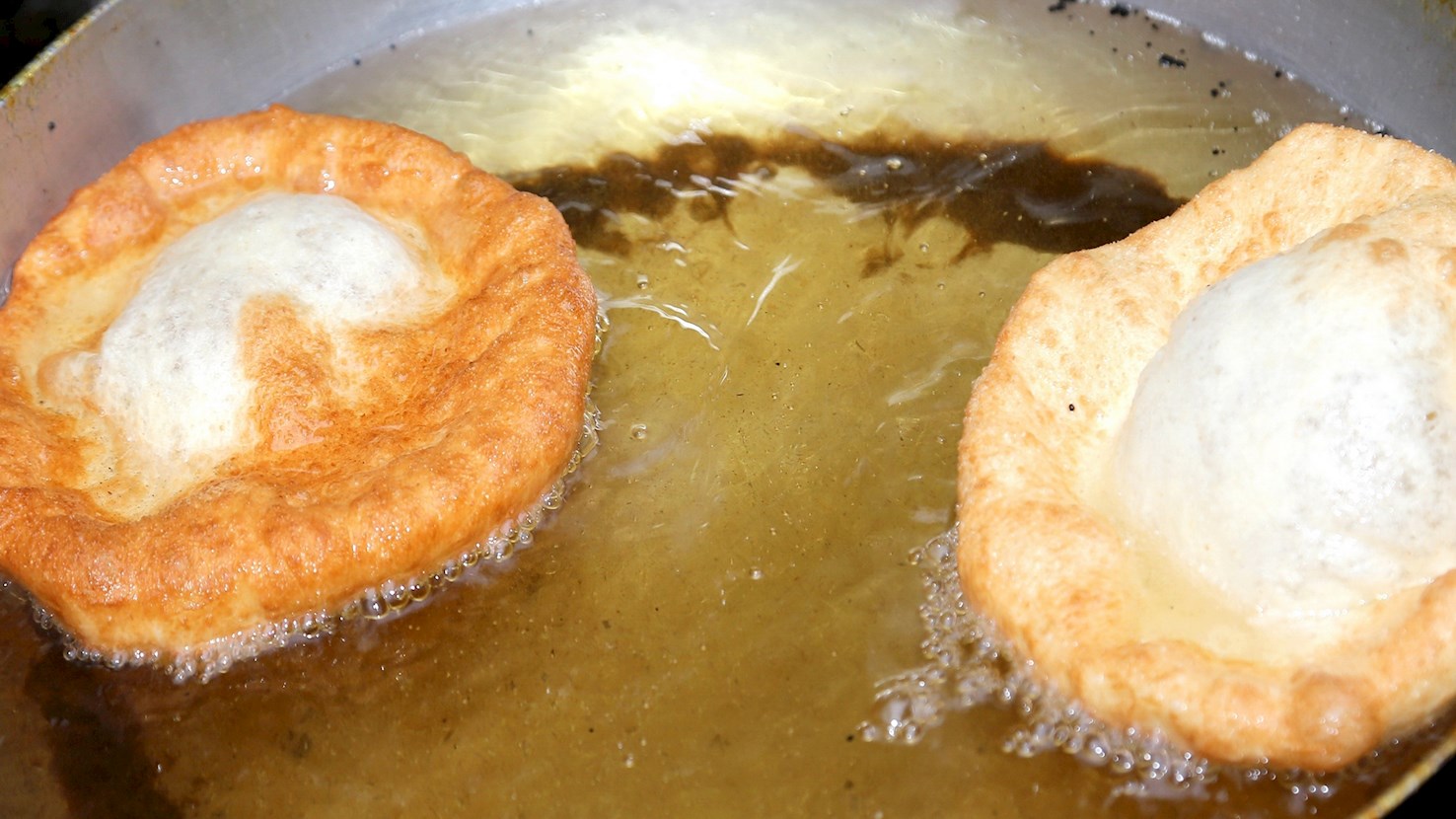
Named as the official state bread of South Dakota in 2005, frybread is a flat dough that is fried or deep-fried in oil or lard. Originally, it is a Native American Navajo tradition, invented at a time when the Natives were in captivity and attempts were made to starve them out. The government supplied them with lard, flour, salt, sugar, yeast, and powdered milk, which were often spoiled, so fry bread originated from those few foods provided during the four years of captivity. What ensured the Navajo's survival in the past is now consumed either on its own, or with numerous topping and accompaniments such as honey, jam, or beef. Frybread can also be made into tacos, called Navajo or Indian tacos, consisting of frybread that is topped with numerous ingredients usually found in tacos, such as lettuce, tomato salsa, grated cheese, and chopped meat.

02

Trenary toast

n/a ·

Trenary toast is a twice-baked, spiced cinnamon sugar rusks-style bread originating from the small town of Trenary in Michigan’s Upper Peninsula, produced by the Trenary Home Bakery since the early 1930s and recognized for its extremely dry texture and long shelf life. It developed as a practical bakery item suited to the region’s cold climate, made by local Finnish-American communities who were accustomed to hard rusks that could be stored for extended periods and carried easily by workers and travelers, which helped establish the bakery’s version as a consistent regional staple. It is prepared by slicing loaves of plain, lightly sweetened bread, coating the pieces with cinnamon and sugar, and baking them until they become rigid and crisp throughout, creating a result that does not soften quickly and can be kept for months without spoilage; the process yields a distinctive breakable texture that sets it apart from softer biscotti. It is usually eaten by dipping into coffee, tea, or hot cocoa, sometimes crumbled over yogurt or ice cream, and it is sold widely across Michigan and in shops that feature Upper Peninsula foods, often packaged in paper bags that reduce moisture exposure. It pairs well with dark roasted coffee, milder black teas, hot chocolate, and cold dairy drinks that soften the toast slightly without obscuring the cinnamon coating.

03

Gabubu

n/a ·

Gabubu is a traditional bread from the Lakota Sioux people of the Great Plains, particularly associated with South Dakota. It is a variation of fry bread, a staple in Native American cuisine, known for its simplicity and distinctive preparation. Made from basic ingredients—flour, baking powder, salt, and water or milk—the dough is gently mixed, rolled into flatbreads, and cooked in a hot cast iron skillet with a small amount of oil or lard. This method uses less oil than traditional fry bread, giving Gabubu a unique texture and flavor. The term "gabubu" is believed to be a Sioux word, with interpretations varying from "fat" or "grease" to a family-specific term. Regardless of its exact meaning, Gabubu holds cultural importance among the Lakota Sioux as a reflection of their culinary traditions and adaptability. Versatile and mild in flavor, it can be enjoyed as a side with soups or stews, topped with spreads like butter, honey, or jam, or used as a base for sandwiches and other toppings. Gabubu bread is a beloved part of Native American cuisine and a testament to the rich heritage of the Lakota Sioux people.

04

Dilly Casserole Bread

n/a ·

Dilly casserole bread is a traditional bread originating from Crab Orchard, Nebraska. Dating back to the 1960s, this airy, chewy, herb-flecked bread is usually made with a combination of cottage cheese, grated onions, butter, sugar, salt, baking soda, eggs, flour, yeast, and dill. The cottage cheese is mashed and mixed with water, sugar, grated onions, and butter. The mixture is heated and an egg is whisked into the mixture until well-combined. Flour is mixed with yeast, dill, salt, and baking soda, and the cottage cheese mixture is then whisked into it. The dough is left to rise until doubled in size and the bread is baked until golden brown. The bread is brushed with dill and butter and left to cool before it's cut in wedges and served.

Read more
View all
View map
About this ranking

TasteAtlas food rankings are based on the ratings of the TasteAtlas audience, with a series of mechanisms that recognize real users and that ignore bot, nationalist or local patriotic ratings, and give additional value to the ratings of users that the system recognizes as knowledgeable. For the “Top 4 Midwestern American Breads” list until June 15, 2026, 65 ratings were recorded, of which 60 were recognized by the system as legitimate. TasteAtlas Rankings should not be seen as the final global conclusion about food. Their purpose is to promote excellent local foods, instill pride in traditional dishes, and arouse curiosity about dishes you haven’t tried.

Similar lists