

shutterstock

Top 7 Northeastern American Breads

Last updated on May 15, 2026
01

New York City Bagels

4.1 ·

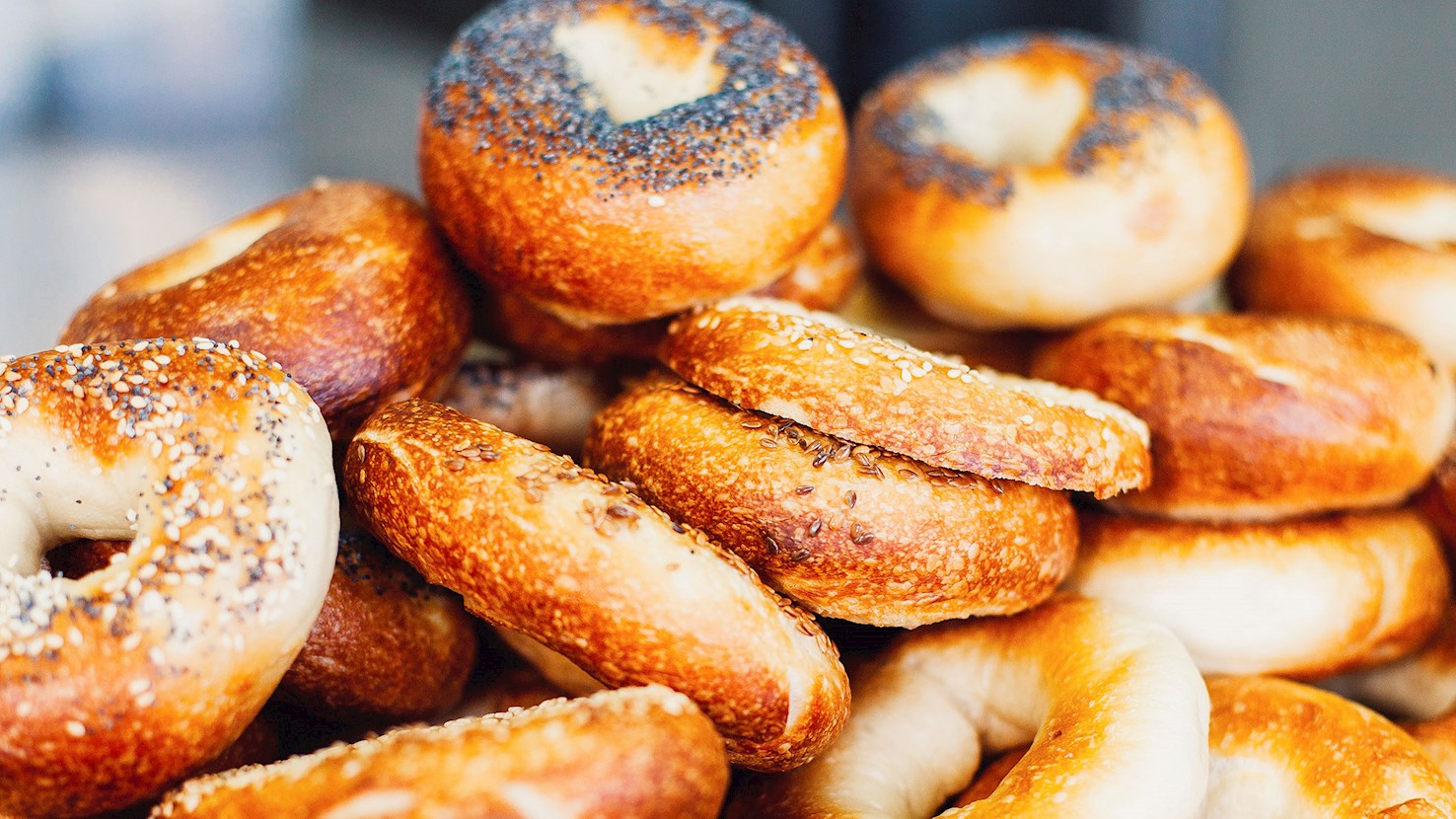
Bagels are an iconic New York City food: boiled, then baked hand-shaped, round rolls with a hole in the middle. It is a small and dense bread with a malty flavor and a dark, shiny, and crunchy exterior which should snap when bitten into it. Originally, they were brought to the United States by Jewish immigrants from Eastern Europe. There is a theory that bagels were popular in the Jewish community because the dough needs to rest for twelve hours before being baked, so it was convenient for Jews to let it rise during the Sabbath, when work is forbidden. New Yorkers claim that their bagels are the best due to the water's softness, as there are low levels of calcium and magnesium that could toughen the dough when combined with gluten. In the past, bagels were made in four original varieties: plain, poppy, salt or sesame, but nowadays they are made with garlic, onion, cinnamon, and raisins, best enjoyed fresh out of the oven and paired with butter, scallions, lox, and cream cheese.

02

Johnnycake

3.7 ·

Johnnycake is a cornmeal flatbread, similar to a pancake, consisting of fried cornmeal, salt, and hot water or milk. It is a staple food in the Rhode Island area, where they are consumed at all times of the day - for breakfast, when they are drizzled with butter and syrup or broken up and combined with milk and sugar, or for other meals, when they act as a substitute for rice or potatoes, and sometimes even get served as a dessert. The name is likely based on jonakin, a word that is derived from another word, jannock, which is the term used by the slaves to describe a cake made of Native American corn. Another theory says it derives from journeycake, an English term referring to durable cornmeal cakes made with no butter or eggs which were carried in saddlebags and on ships during long journeys. It is believed that johnnycakes were invented by the corn-growing Native American tribes that were once the dominant group around Rhode Island. In addition to being popular in the United States, the modern version of the dish is still consumed in Colombia, Bermuda, and Saint Croix.

03

Parker House Roll

3.6 ·

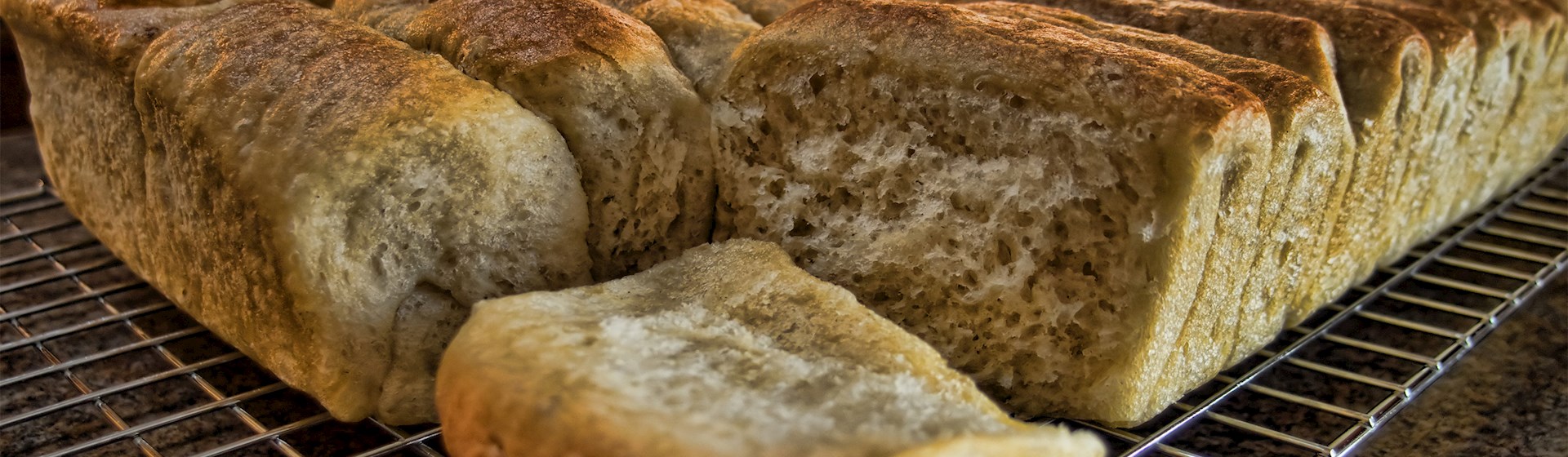
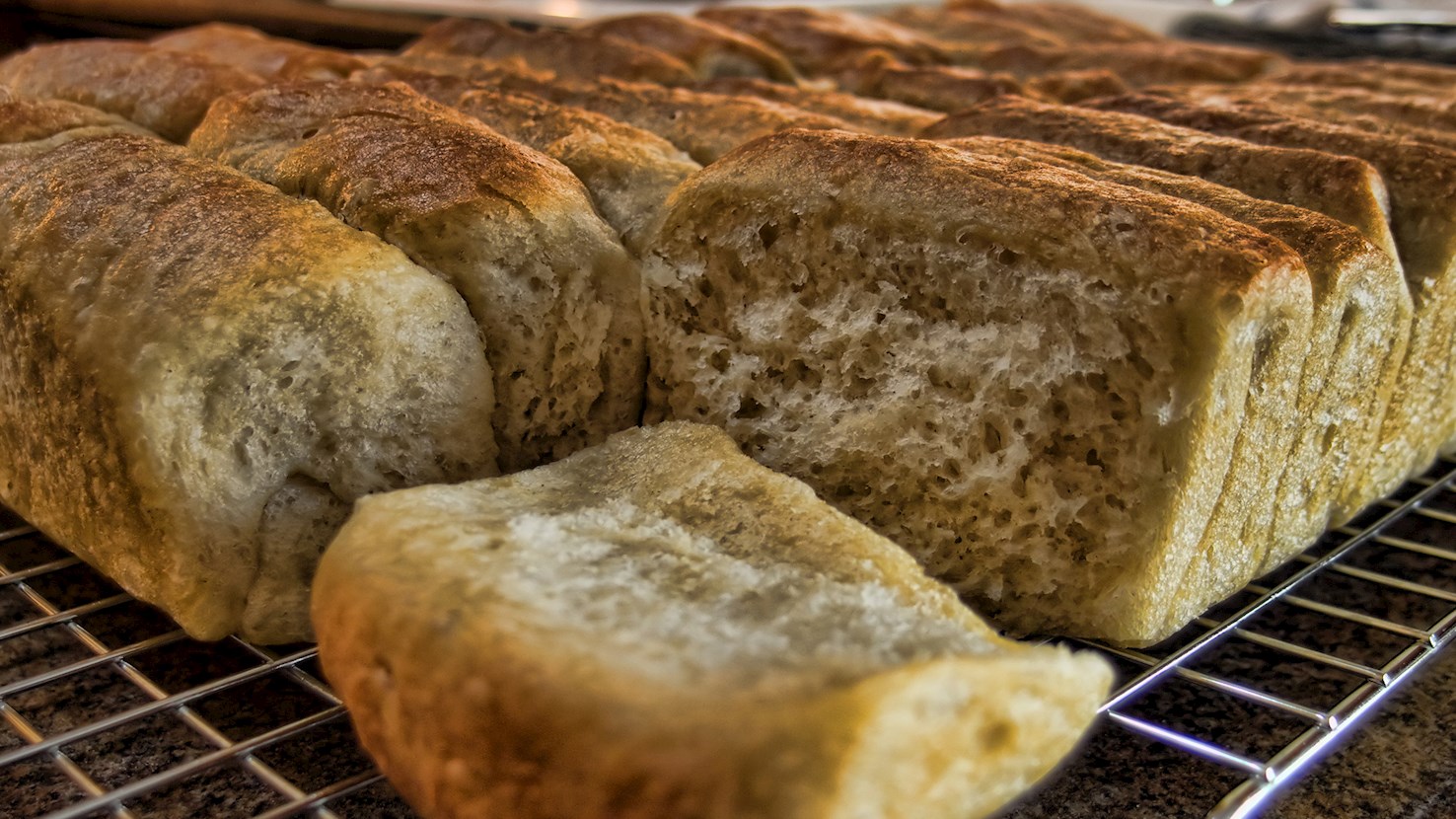
Invented by the Parker House Hotel during the 1870s, the Parker House roll is a butter-rich, soft, and delicate bread roll that is tender on the inside and crisp on the outside. An interesting fact is that these bread rolls are somewhat sweet, which has been a feature of American rolls during the 19th century. Before baking, the oval pieces of dough are folded in half and dipped in butter. However, the dough can be cut into triangles and shaped into crescents, or cut into strips and braided.

04

English Muffin

3.6 ·

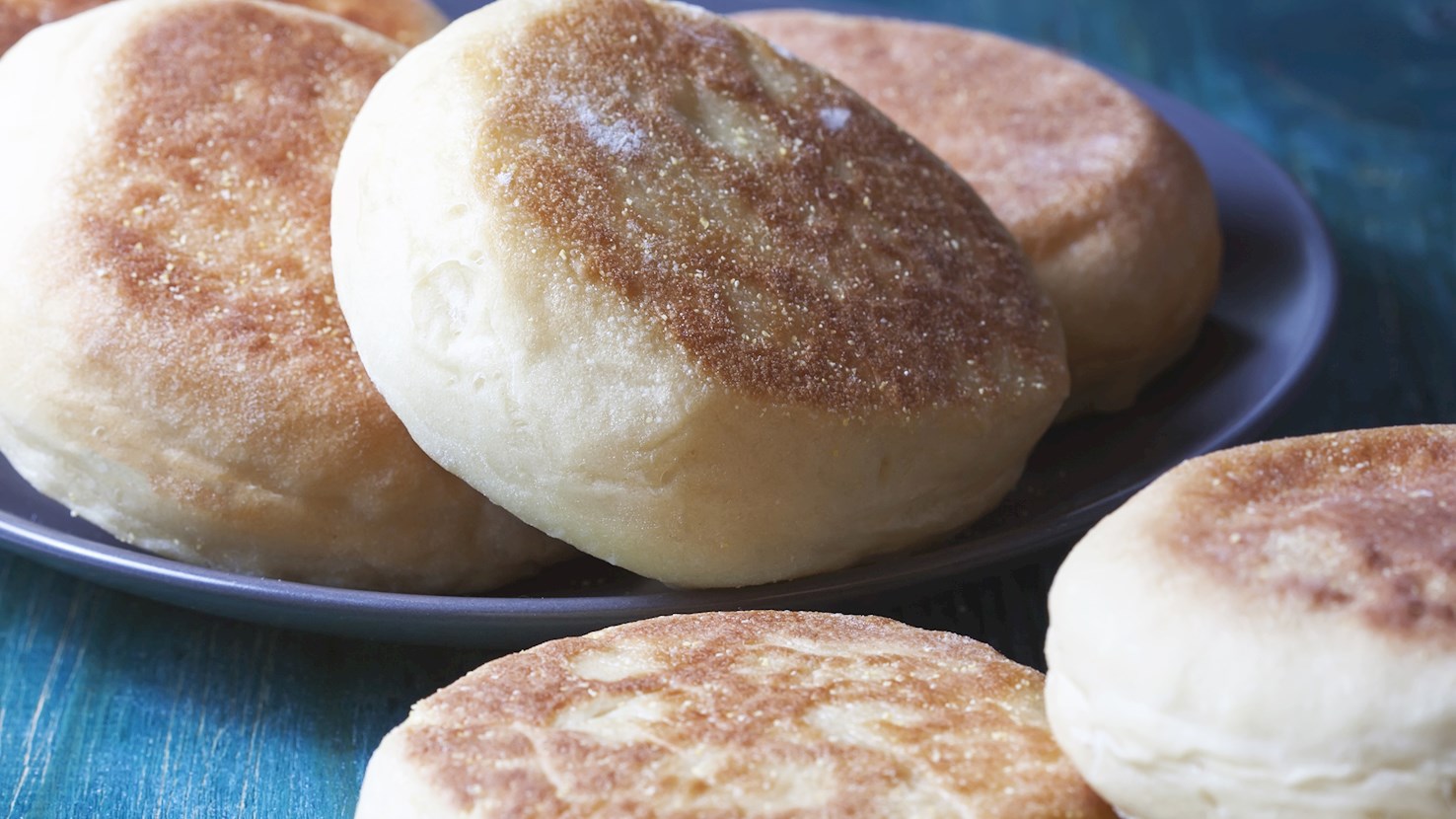
English muffin is a small, round, and flat bread that's made from a soft yeasted dough. Once shaped into rounds, either by hand or with crumpet rings, the English muffin is baked on a griddle. Before toasting, they are halved, and once toasted, they're buttered, then served for breakfast with sweet or savory toppings. These muffins are an essential part of eggs Benedict. It's not recommended to use a knife to cut them in half – most cooks agree that they should be split with a fork and gently pulled apart in order to create a surface with small peaks and craters, which gives them a crunchy texture and provides many pockets for jam and butter. The muffins can be made at home or bought in stores, where they are available in various flavors including cornmeal, cinnamon, whole wheat, raisin, and sourdough. It is believed that the first English muffin was invented in 1894 by a British immigrant to New York, Samuel Bath Thomas.

05

Scali Bread

3.3 ·

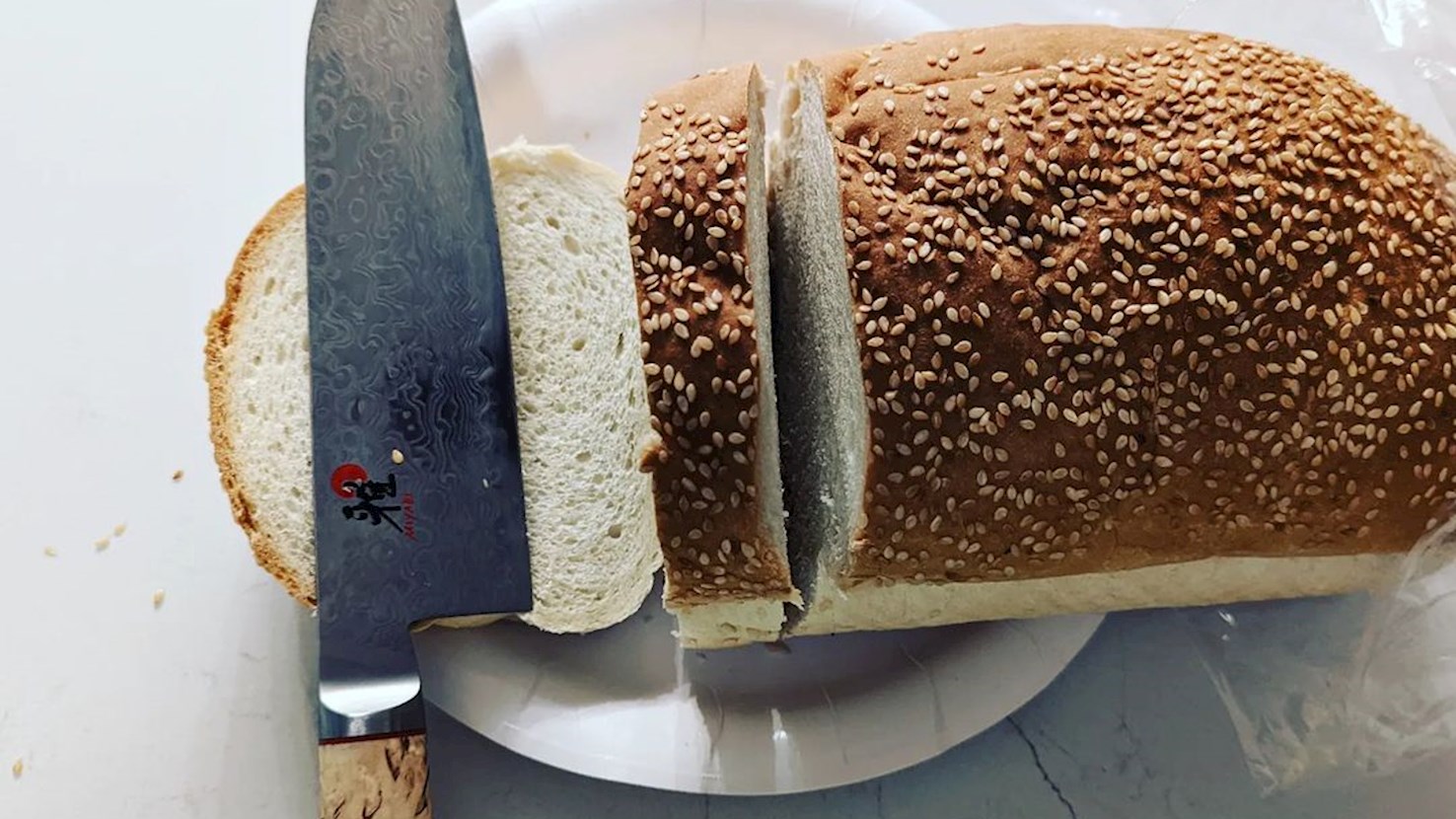
Scali bread is a staple of Boston-area supermarkets and bakeries. The bread is shiny, mahogany-brown in color, braided, and coated with lots of sesame seeds which give it a nutty flavor and a nice visual appearance. In order to make it, a simple combination of flour, yeast, and water is left to transform into a bubbly dough overnight, and the next day it's combined with water, milk, olive oil, salt, and flour. The dough is divided into three strips which are brushed with beaten eggs and topped with sesame seeds before being braided and baked. Once done, the bread is used for sandwiches, and it's also a staple at dinner tables in Boston, usually used to mop up the sauce after eating pasta or meatballs (or both).

06

Bulkie Roll

2.8 ·

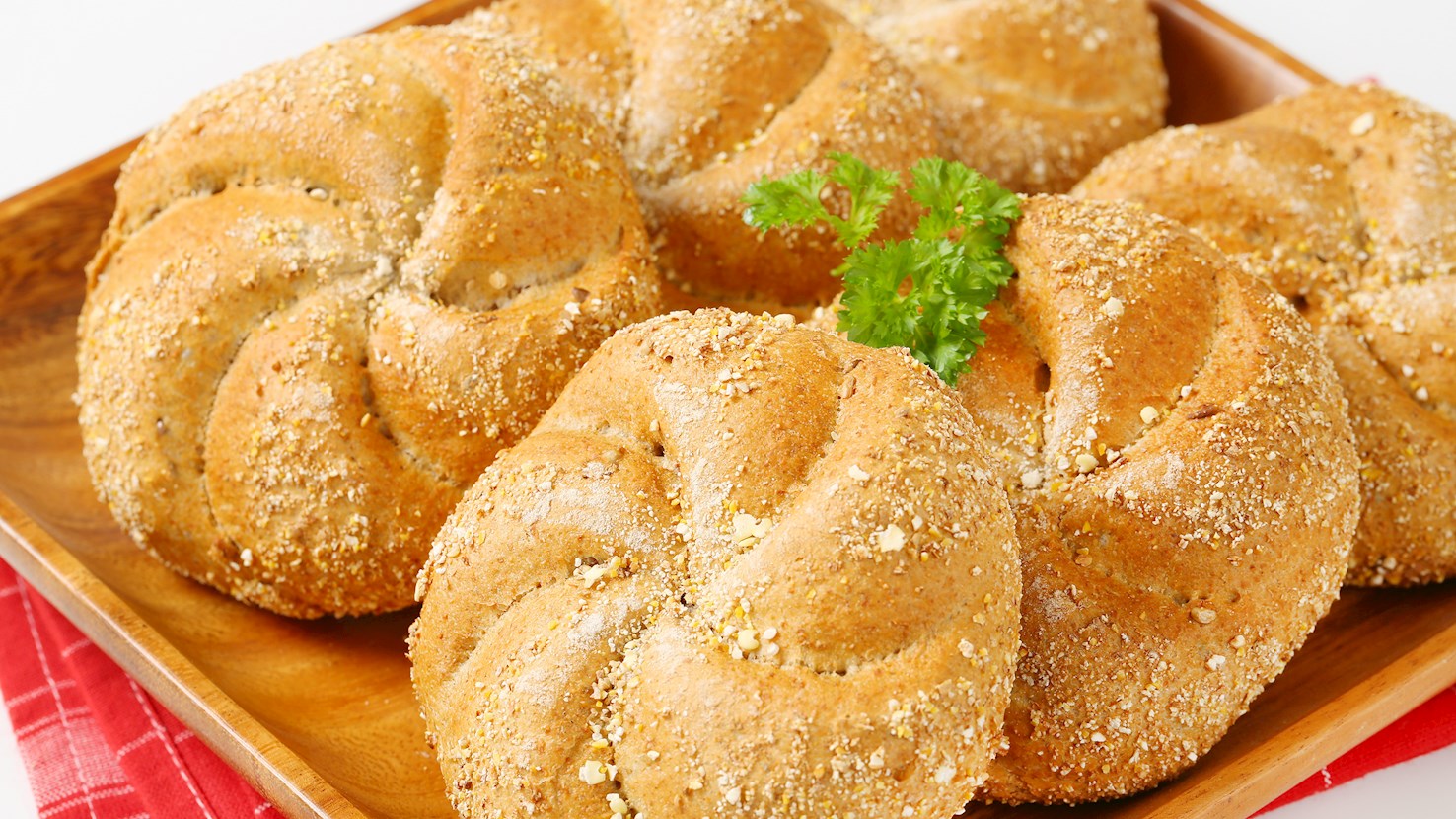
A bulkie roll is a sandwich bun that is commonly found throughout New England. It is characterized by its petaled, rose-shape design. Although some people may confuse these sandwich buns with kaiser rolls, bulkies are not as sweet as them, and kaiser rolls are more commonly sprinkled with poppy seeds on top. The word bulkie is derived from the Polish bulki, referring to a thick sandwich bun brought to the New England area by Polish immigrants in the early 20th century. Today, bulkie rolls are commonly used in sandwiches filled with roast beef, seafood cakes, ham, cheese, and vegetables, but they are also ideal as buns for hamburgers.

07

Anadama Bread

n/a ·

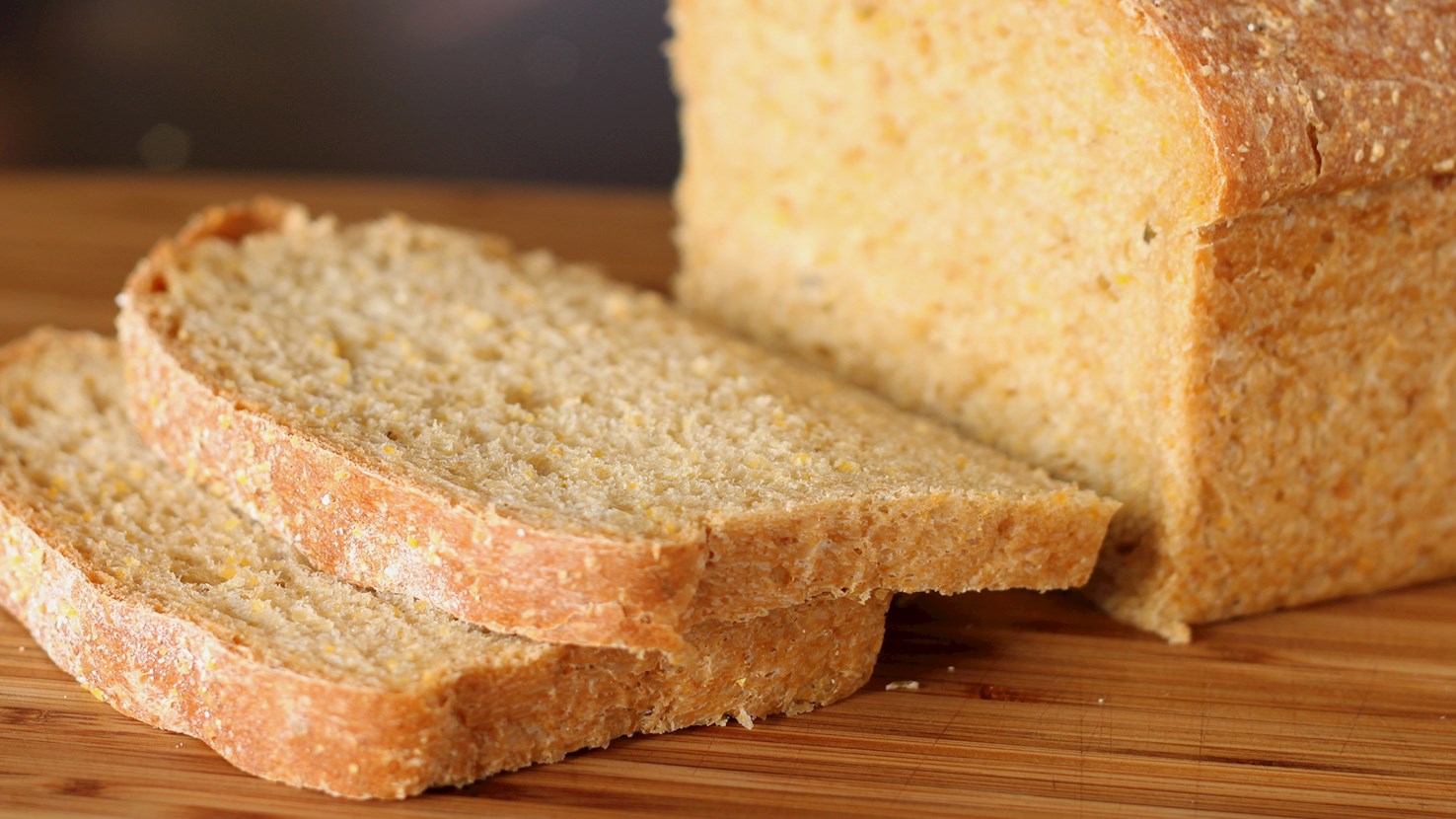
Anadama bread is a yeast bread made with butter, cornmeal, molasses, and either wheat flour or rye flour. The origins of the bread can be traced back to Rockport, Massachusetts, either to the town’s fishing community or to the Finnish community of stonecutters. Molasses and cornmeal in the bread are typical New England cooking ingredients; molasses gives the sweetness and color to the bread, while cornmeal gives it a nutty flavor and aroma.

Read more
View all
View map
About this ranking

TasteAtlas food rankings are based on the ratings of the TasteAtlas audience, with a series of mechanisms that recognize real users and that ignore bot, nationalist or local patriotic ratings, and give additional value to the ratings of users that the system recognizes as knowledgeable. For the “Top 7 Northeastern American Breads” list until May 15, 2026, 675 ratings were recorded, of which 631 were recognized by the system as legitimate. TasteAtlas Rankings should not be seen as the final global conclusion about food. Their purpose is to promote excellent local foods, instill pride in traditional dishes, and arouse curiosity about dishes you haven’t tried.

Similar lists