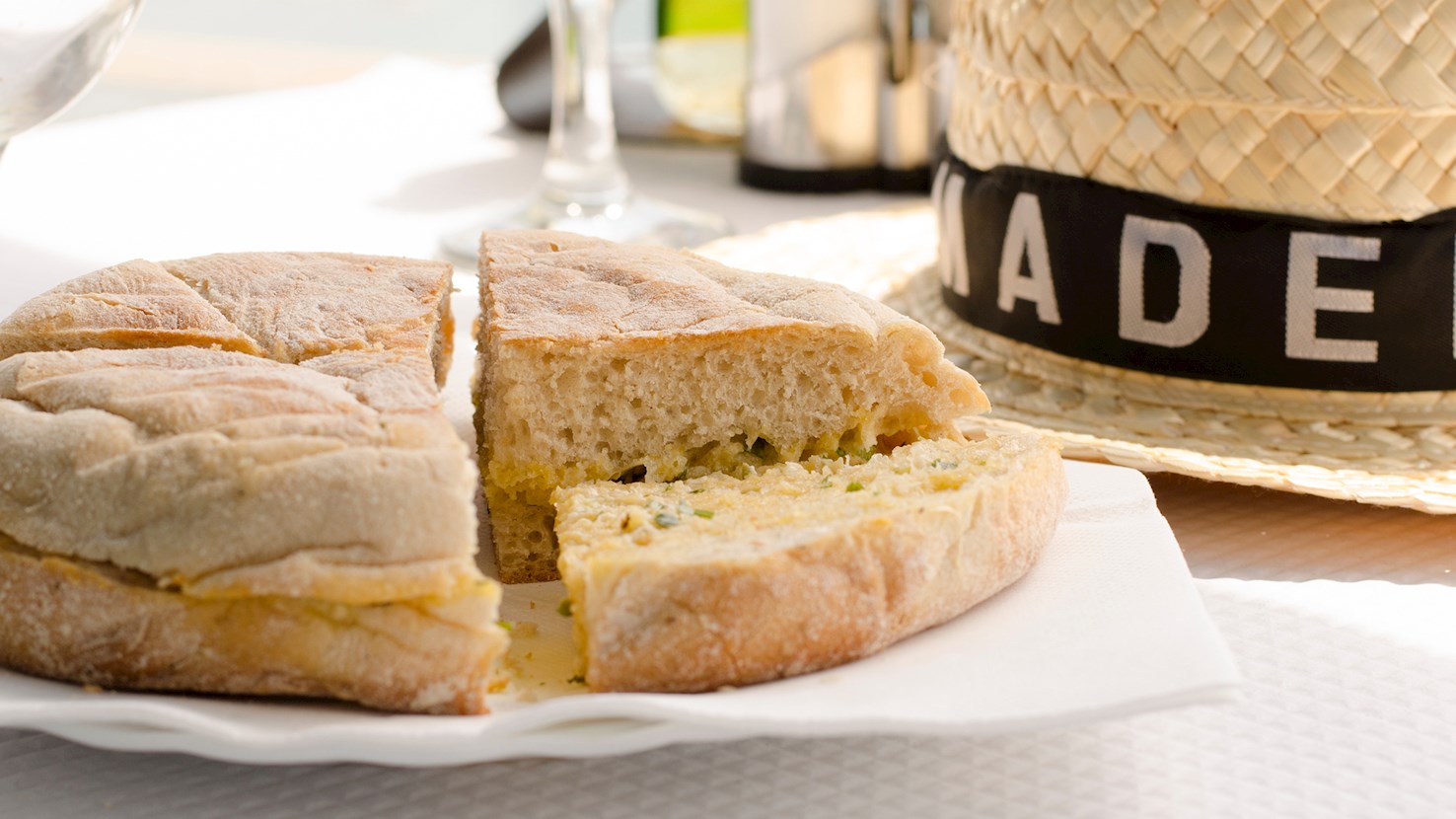
Hailing from Madeira, this rustic, leavened bread is prepared with wheat flour, mashed sweet potatoes, water, and salt. Traditionally baked on large basalt stone slabs, bolo do caco is typically flat and round, though it can vary in size. It is the most common bread variety on Madeira that is usually served as a warm appetizer with garlic butter spread, but it can also be enjoyed as a sandwich or an accompaniment to various traditional Portuguese dishes.
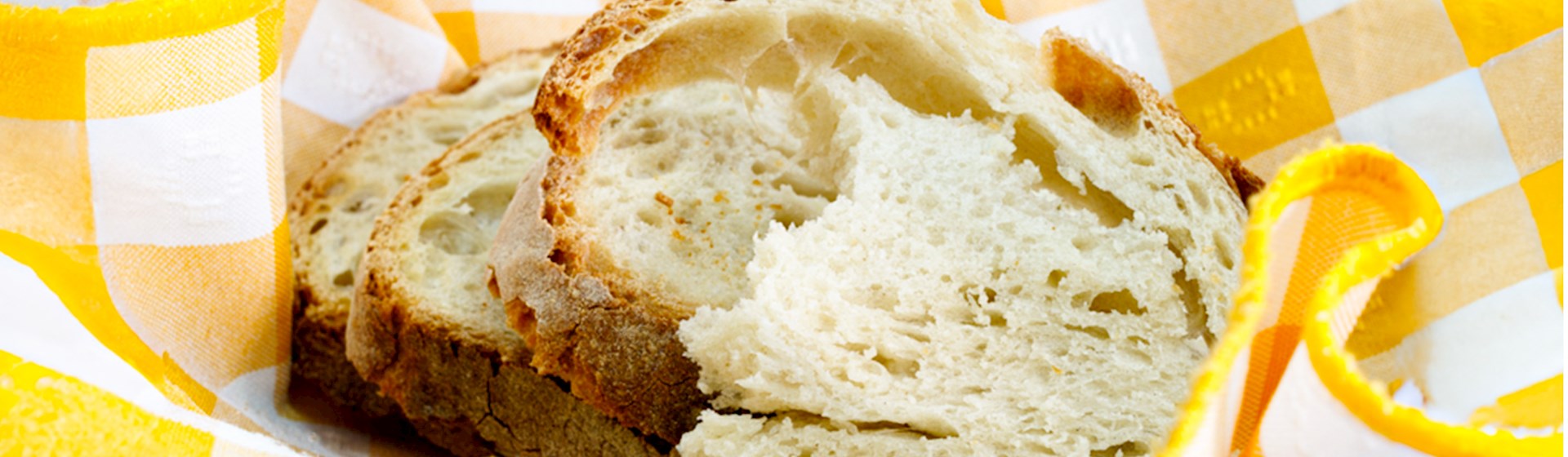
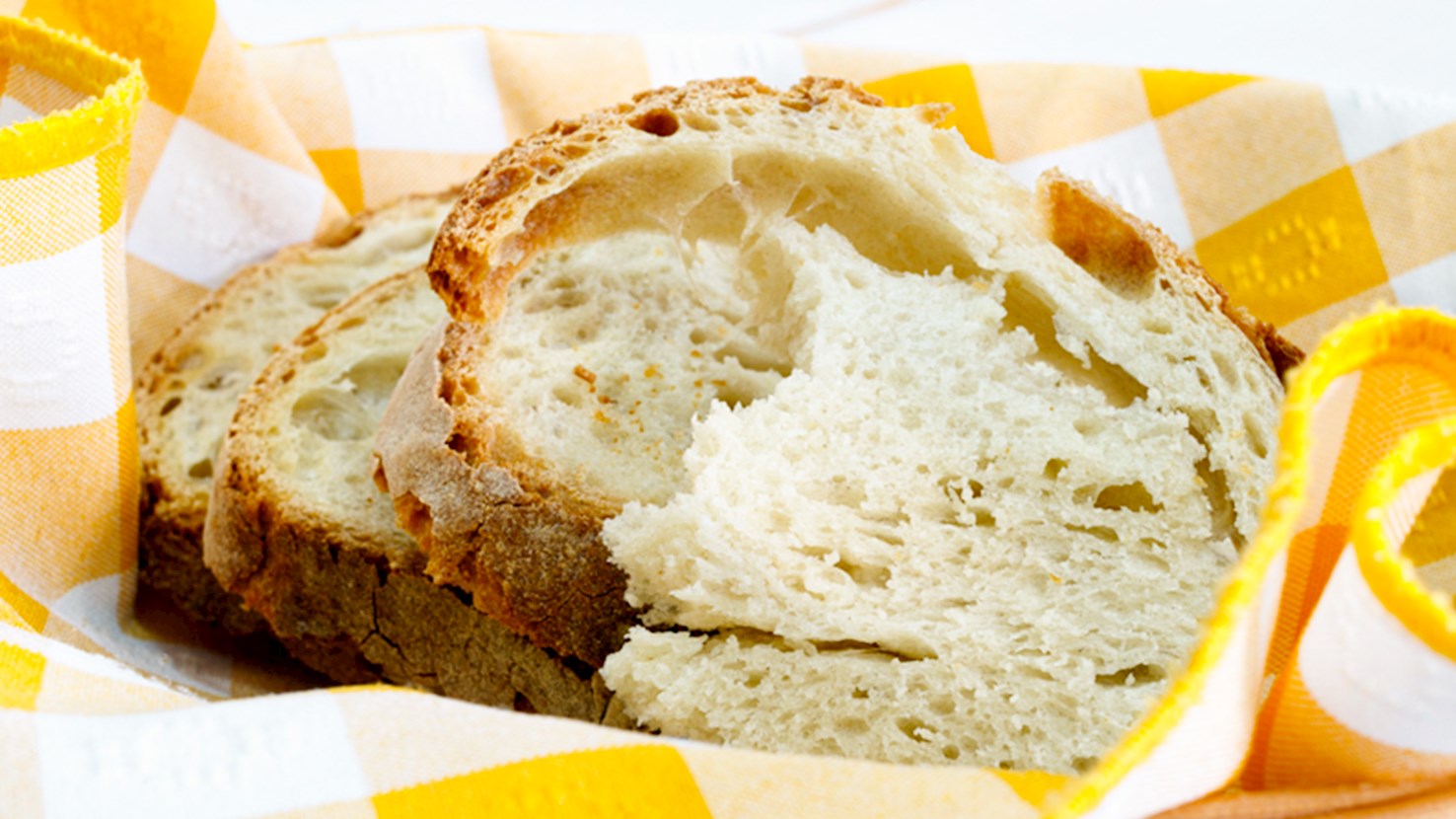
Pão alentejano refers to a traditional Portuguese bread originating from the Alentejo region of Portugal. Recognized for its round shape and distinctive crust, this bread is made with a mix of different types of wheat flour and sometimes incorporates a sourdough starter, which lends it a slightly tangy flavor. Its thick, rustic crust contrasts beautifully with the soft, airy crumb inside. The bread's unique taste and texture make it a perfect accompaniment to Portuguese meals, particularly when paired with cheeses, olives, or the region's famed cured meats.
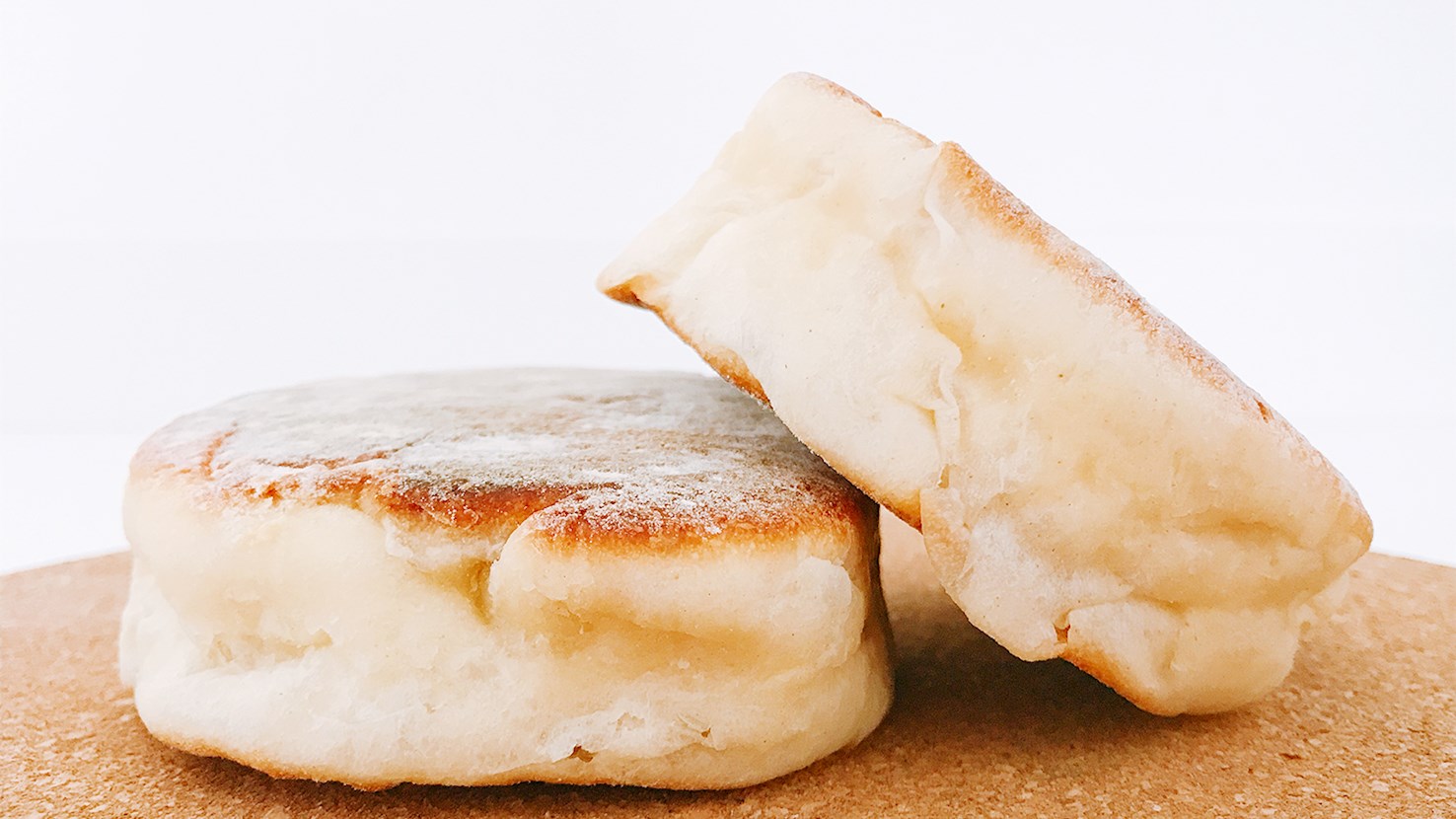
Bolo lêvedo is a traditional bread originating from the Azores. These sweet muffins are made with a combination of water, flour, sugar, eggs, butter, salt, milk, and yeast. The dough is shaped into small balls that are dusted with flour, then cooked over low heat. As soon as one side turns golden brown, bolo lêvedo is turned over and cooked on the other side. They're best served hot, then slathered with butter or fruit jams. It's recommended to pair them with a cup of coffee on the side.
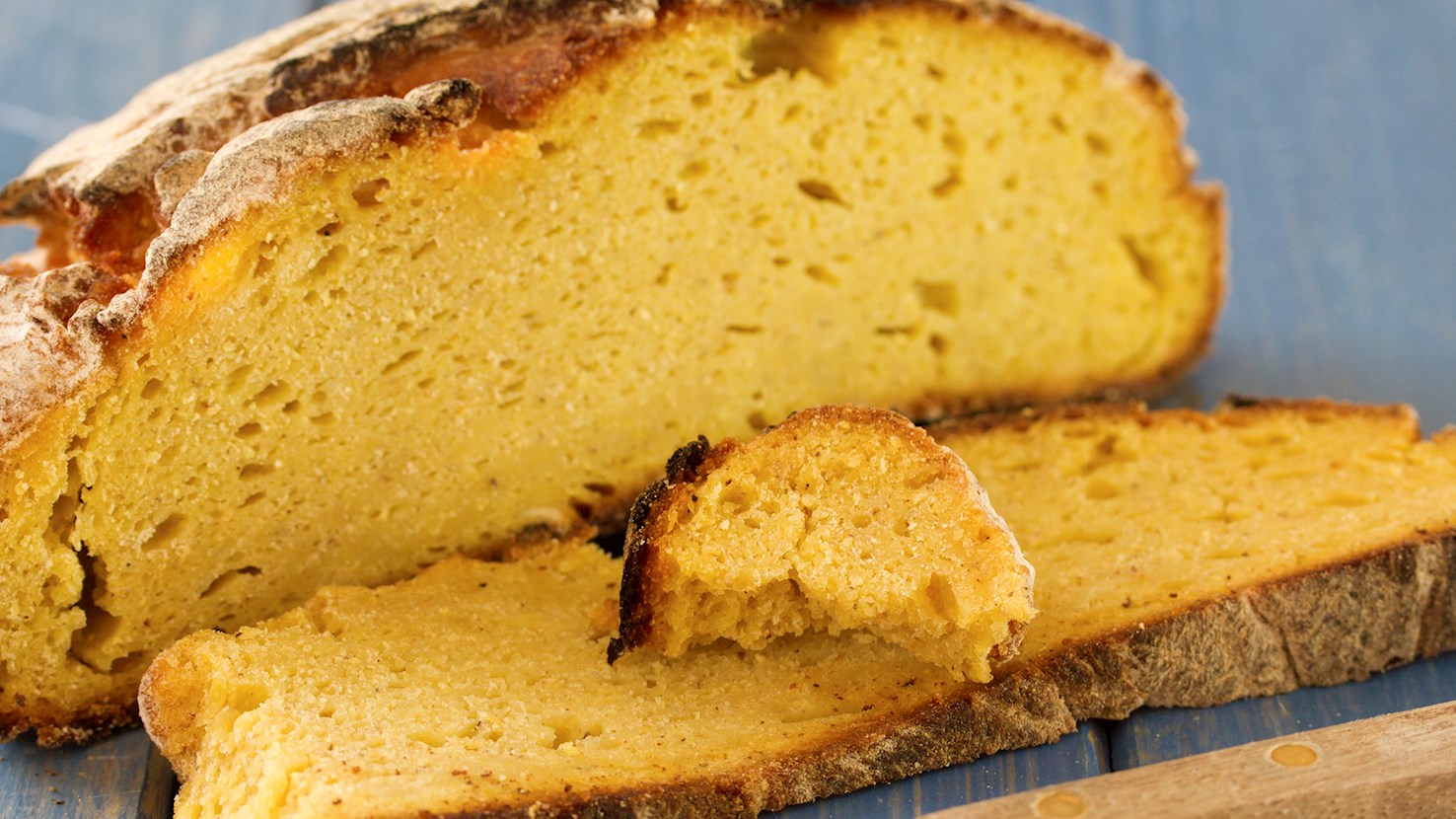
Broa de milho is a Portuguese corn bread consisting of plain flour, cornmeal, yeast, water, milk, sugar, salt, and butter. It is characterized by its fine, moist texture, making it an ideal pair for soups and stews, when it is often used for dipping. The bread is especially popular in Northern Portugal and the Azores. In the past, broa de milho was considered a poor man's food, but today it is enjoyed by all tiers of society.
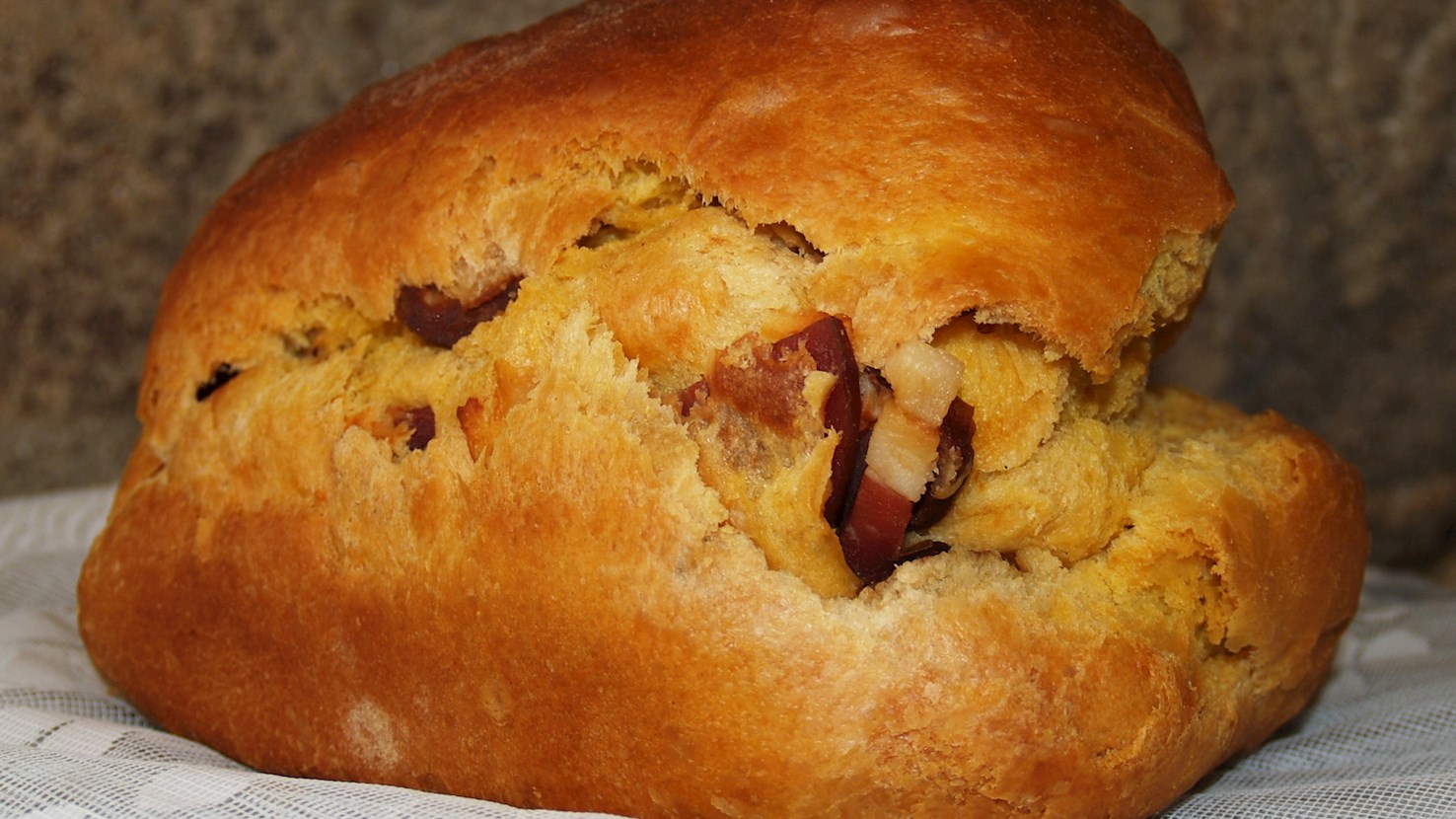
Folar de Chaves is a traditional stuffed bread. It is made with leavened dough that incorporates a hefty amount of eggs, lard or butter, and olive oil. The fillings may vary, but they usually include cured or smoked pork products such as presunto (ham), sliced sausages, or bacon. The bread is traditionally prepared for Easter, but it is also commonly made for other festivities and various special occasions. As it is evident from the name, it originates from Chaves, but nowadays it is popular throughout the country.
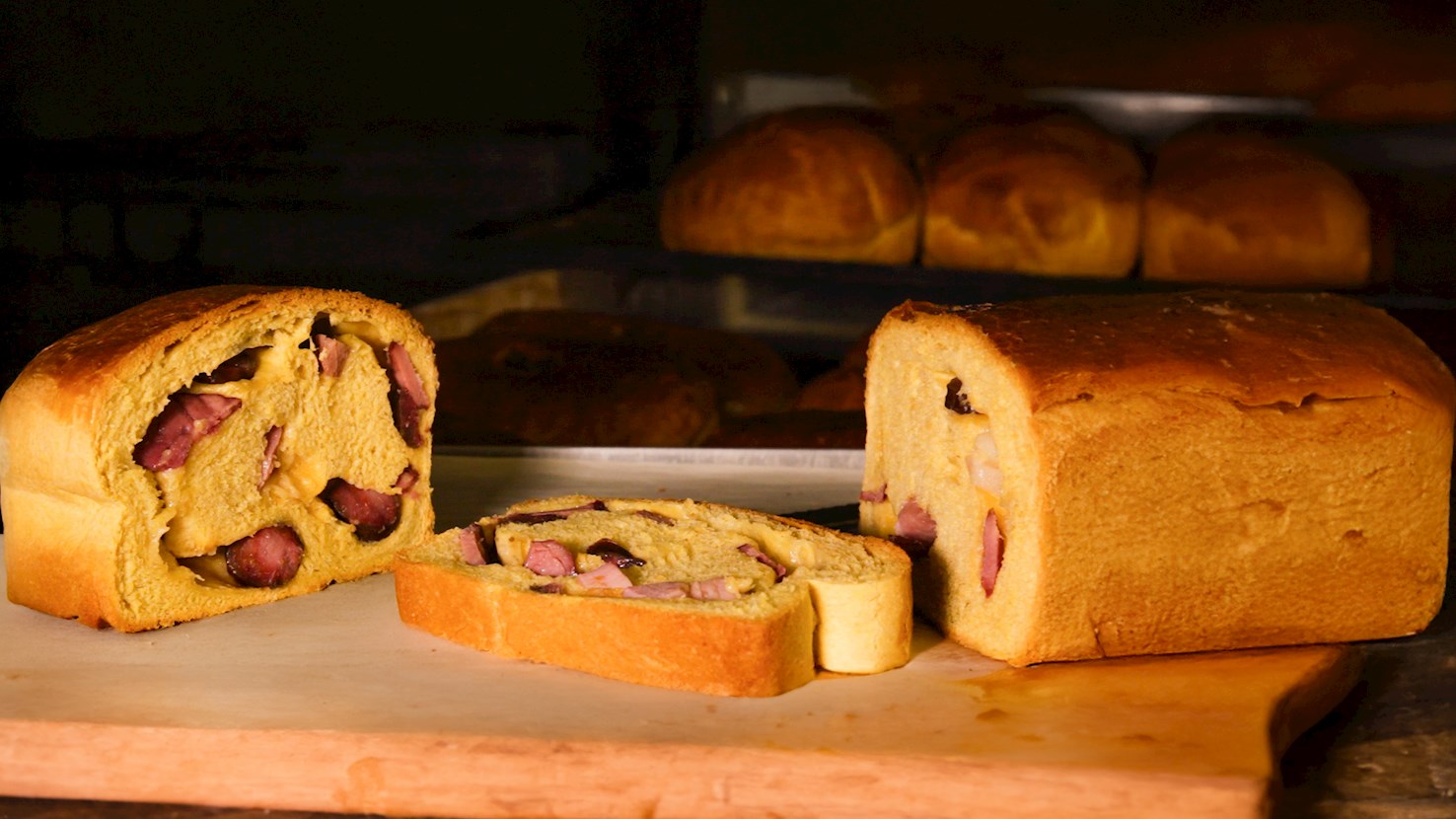
This traditional Portuguese Easter bread consists of flour, eggs, and local Trás-os-Montes olive oil. It is traditionally filled with various pork products such as pork meat, bacon, sausages, ham, or shredded pork shoulder. Folar was first mentioned in print in 1959, and in 2016 it has been awarded the Protected Geographical Indication status by the European Commission. Though it is traditionally associated with Easter, this delicacy is also commonly enjoyed on various special occasions.
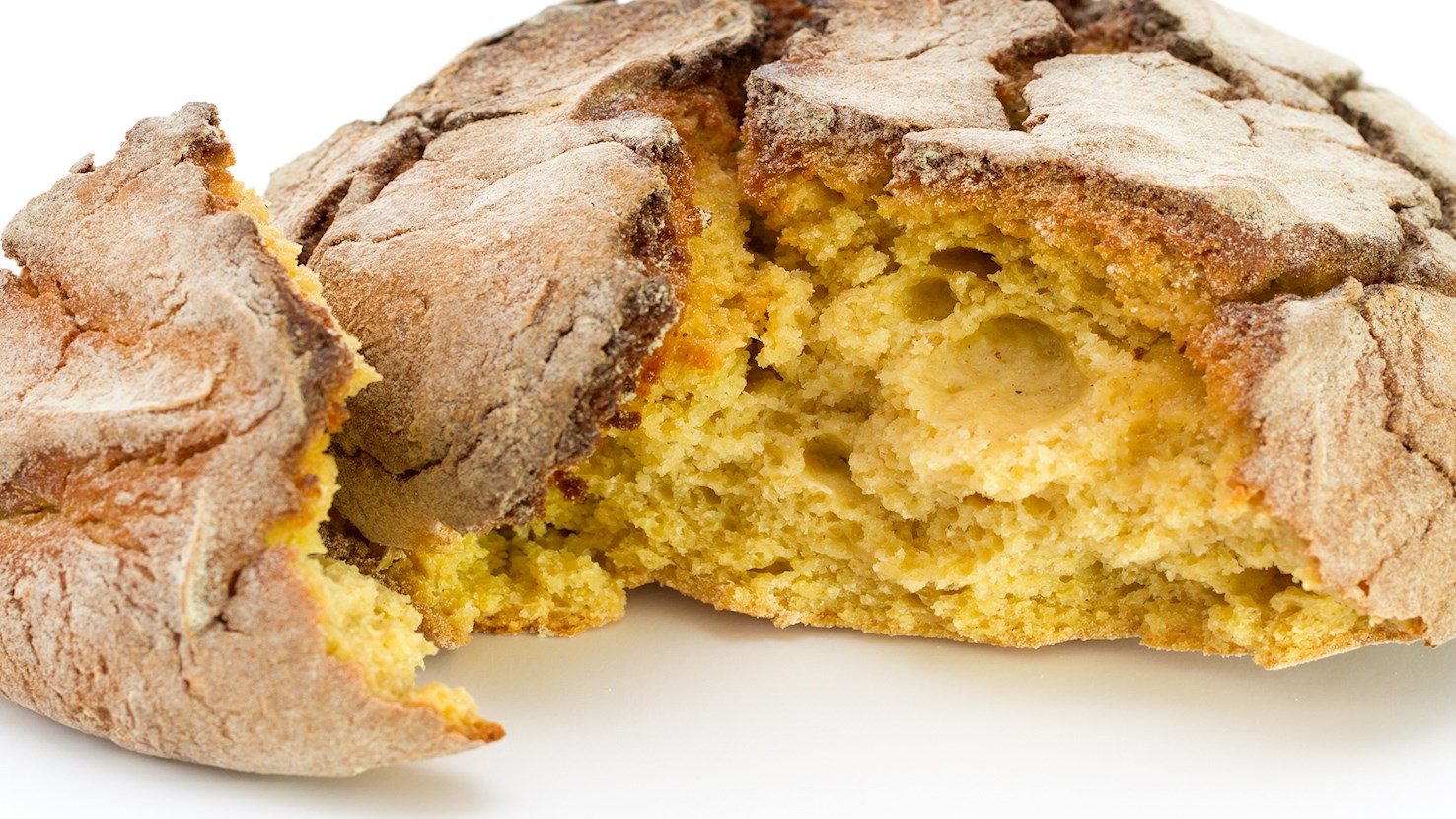
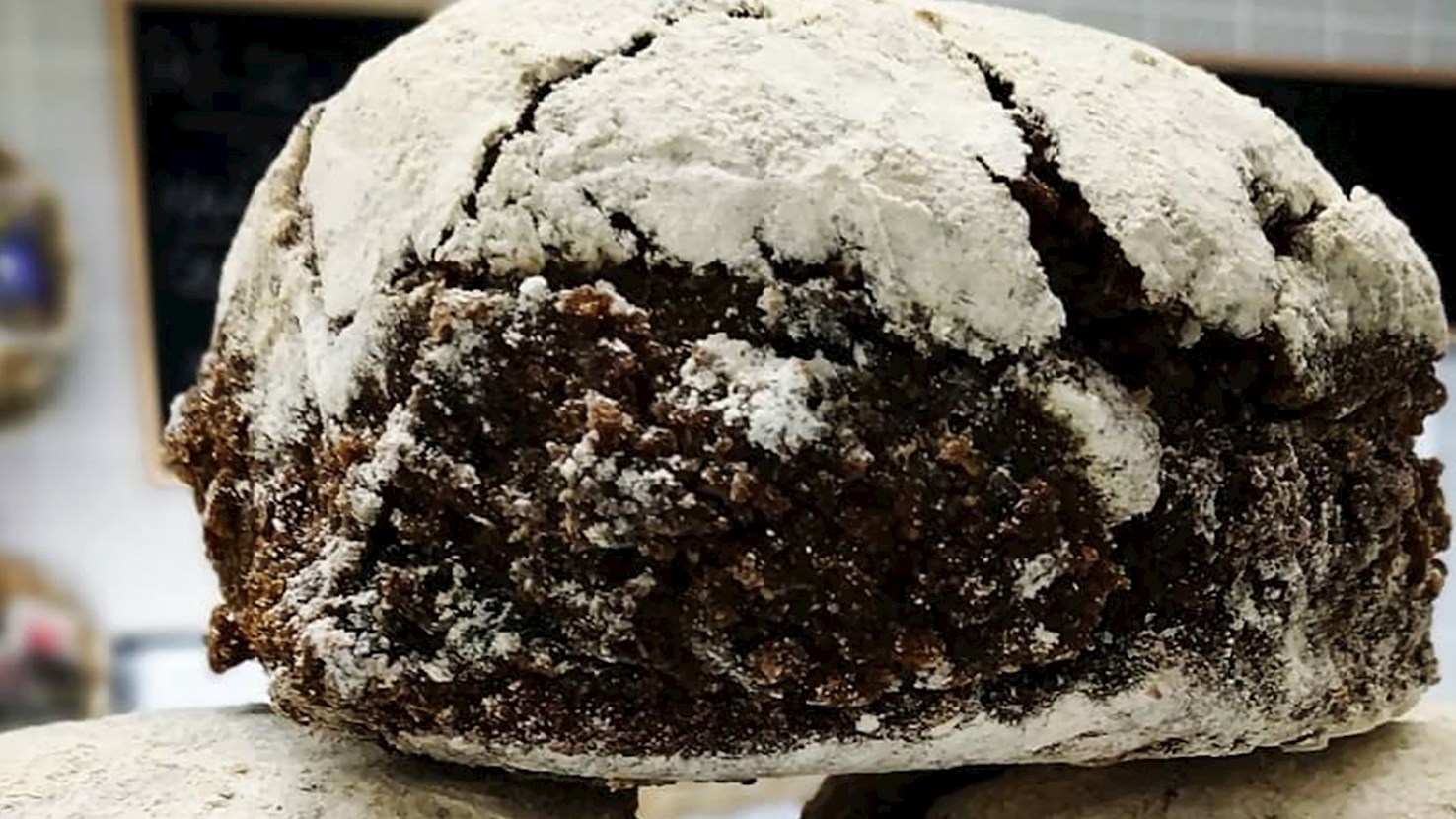
Broa is a rustic bread made from a mixture of cornmeal and either wheat or rye flour, characterized by its dense texture, deeply cracked crust, and slightly sweet, earthy flavor. Tracing its origins back to the rural northern regions of Portugal, such as Minho, as well as the neighboring Spanish region of Galicia, the bread became a vital dietary staple following the introduction of maize to the Iberian Peninsula from the Americas in the 16th century, replacing earlier, coarser versions made from millet or acorn flour. The authentic recipe relies on a simple yet specific ratio of ingredients, typically utilizing two parts finely ground white or yellow cornmeal to one part wheat or rye flour, bound together with water, salt, and natural yeast or a sourdough starter known locally as isco. The preparation is an artisanal process that begins by scalding the cornmeal in boiling water to soften the tough grains and release their starches, a crucial step before incorporating the wheat flour and yeast. Once the dough has been thoroughly kneaded and allowed to ferment and rise, it is portioned and shaped into round loaves by tossing it repeatedly in a specialized wooden or clay bowl called a gamela, which is dusted generously with flour to prevent sticking. The shaped dough is then traditionally baked directly on the stone floor of a scorching wood-fired oven, a harsh thermal shock that rapidly expands the dough and forces the top to split, creating the bread's signature cracked, rustic appearance. While the classic broa de milho (cornbread) remains the national standard, regional and cultural variations exist, including the famous Broa de Avintes from the Porto district—a dark, dense, slowly baked cylinder made primarily from rye flour and corn—as well as the Brazilian broa, which evolved into a smaller, sweeter biscuit often flavored with fennel or anise. In terms of serving style, this robust bread is incredibly versatile and is historically served thickly sliced alongside hearty, traditional dishes such as caldo verde (a pureed potato and collard green soup) or rich stews, where its dense crumb acts as a perfect sponge for soaking up savory broths. It is equally celebrated when served simply, either torn into chunks to accompany roasted meats, grilled sardines, and salted cod (bacalhau), or enjoyed warm with a generous smear of butter, regional cheeses, or a drizzle of high-quality olive oil.
Broa de Avintes is a dark Portuguese bread with a dense texture and an intense, bittersweet flavor. It consists of white corn flour, yellow corn flour, rye flour, malt flour, hot water, yeast, and salt. The bread is considered to be a comfort food staple in the north of Portugal, and it is often served with sweet jams, soups, and grilled fish dishes.
Papo secos, also known as Portuguese rolls, are light and airy bread rolls popular in Portuguese cuisine. These rolls are made from common bread ingredients including yeast, sugar, flour, salt, water, and butter, with a little milk brushed on top before baking. In Portugal, these rolls are ubiquitous in bakeries and homes and are often referred to as carcaça. They are distinguished by their oblong shape and a characteristic crease down the middle, making them perfect for sandwiches, toasties, or as a delicious accompaniment to meals, especially the famous bifanas, which is a type of Portuguese sandwich.
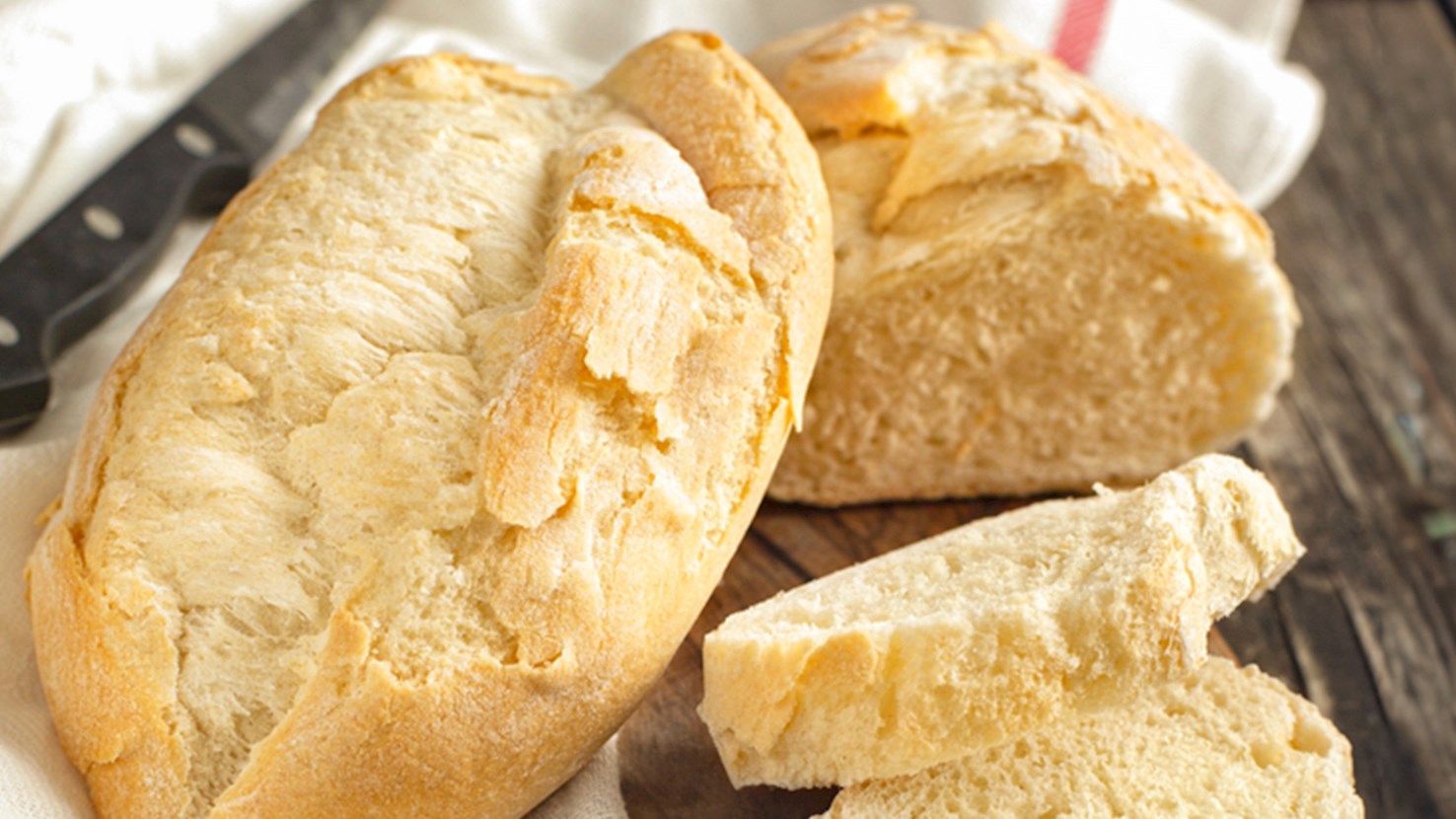
Caralhotas de Almeirim are small round wheat breads, that have a crisp brown crust and a pale, rustic crumb with small to medium-sized air pockets. A finished caralhota is usually about 15 centimeters in diameter and is sold as an individual loaf. The basic ingredients are wheat flour, water, salt, baker’s yeast, and sometimes a portion of fermented dough retained from the previous day. The bread is especially associated with Almeirim’s restaurants and with Sopa da Pedra, the rich bean-and-pork soup for which the town is known. In June 2025, caralhotas de Almeirim received Protected Geographical Indication status in the European Union, meaning that the protected name can be used only for breads whose key production stages take place within the municipality. The bread appears to have developed in Almeirim during the nineteenth or early twentieth century, although household bread baking in the area is much older. Rural families commonly baked enough bread to last several days, and wasting dough was avoided whenever possible. The name is linked to this household baking practice. In Almeirim, caralhotas was a popular word for the small bobbles that form on woolen clothing. According to the explanation preserved locally and included in the PGI documentation, pieces of dough left stuck to the sides and bottom of the large earthenware bowl used for kneading were gathered rather than discarded. These scraps were shaped into small balls and baked. Their irregular appearance was compared with the woolen bobbles called caralhotas, and the name eventually became associated with the breads themselves. Modern caralhotas de Almeirim are prepared as a product in their own right rather than from leftover dough, but they retain the small size and rustic character connected with that earlier practice. The protected specification allows wheat flour, water, salt, baker’s yeast, and optionally fermented dough from the previous batch. This old dough contributes additional fermentation and aroma but is not compulsory. The dough is mixed and kneaded until elastic and capable of pulling away from the sides of the bowl. It is then left to ferment, divided into small portions, and formed into round loaves. Shaping is relatively simple and does not aim for perfect uniformity, which helps preserve the characteristic handmade appearance. Baking takes place at high temperature, historically and often still in a wood-fired oven. The strong heat produces the firm, brittle crust that distinguishes the bread. The interior remains pale, slightly dense but still light, with a crumb sturdy enough to absorb soup, meat juices, and sauces without immediately falling apart. The bread’s modern reputation developed closely alongside Sopa da Pedra. As Almeirim became known as a gastronomic destination during the second half of the twentieth century, restaurants serving the soup also began baking and serving caralhotas. This restaurant culture helped make the bread known beyond local households. The pairing remains one of the clearest ways to eat it. Sopa da Pedra is made with beans, potatoes, pork, and sausages, and the bread’s firm crumb works well for soaking up the thick broth. Caralhotas are often served slightly warm with the soup. Another established use is to split the bread and fill it with a thin grilled or fried pork steak. This combination is widely served in Almeirim restaurants and at the town’s annual Sopa da Pedra festival. The bread is particularly suited to the filling because it can absorb the meat juices while retaining enough structure to be eaten by hand. Caralhotas are best eaten fresh, when the contrast between the crisp crust and soft interior is strongest. Their most characteristic accompaniment remains Sopa da Pedra, but they also work well with pork, stews, sausages, cheeses, cured meats, and butter. A fresh white wine from the Tejo region suits the bread when served with soup, while a young red works well with pork or sausages. Beer is also a natural pairing with a pork-filled caralhota.
TasteAtlas food rankings are based on the ratings of the TasteAtlas audience, with a series of mechanisms that recognize real users and that ignore bot,
nationalist or local patriotic ratings, and give additional value to the ratings of users that the system recognizes as knowledgeable.
For the “Top 10 Portuguese Breads” list until October 15, 2026, 723 ratings were recorded, of which 530 were recognized by the system as legitimate.
TasteAtlas Rankings should not be seen as the final global conclusion about food. Their purpose is to promote excellent local foods,
instill pride in traditional dishes, and arouse curiosity about dishes you haven’t tried.




What People Say