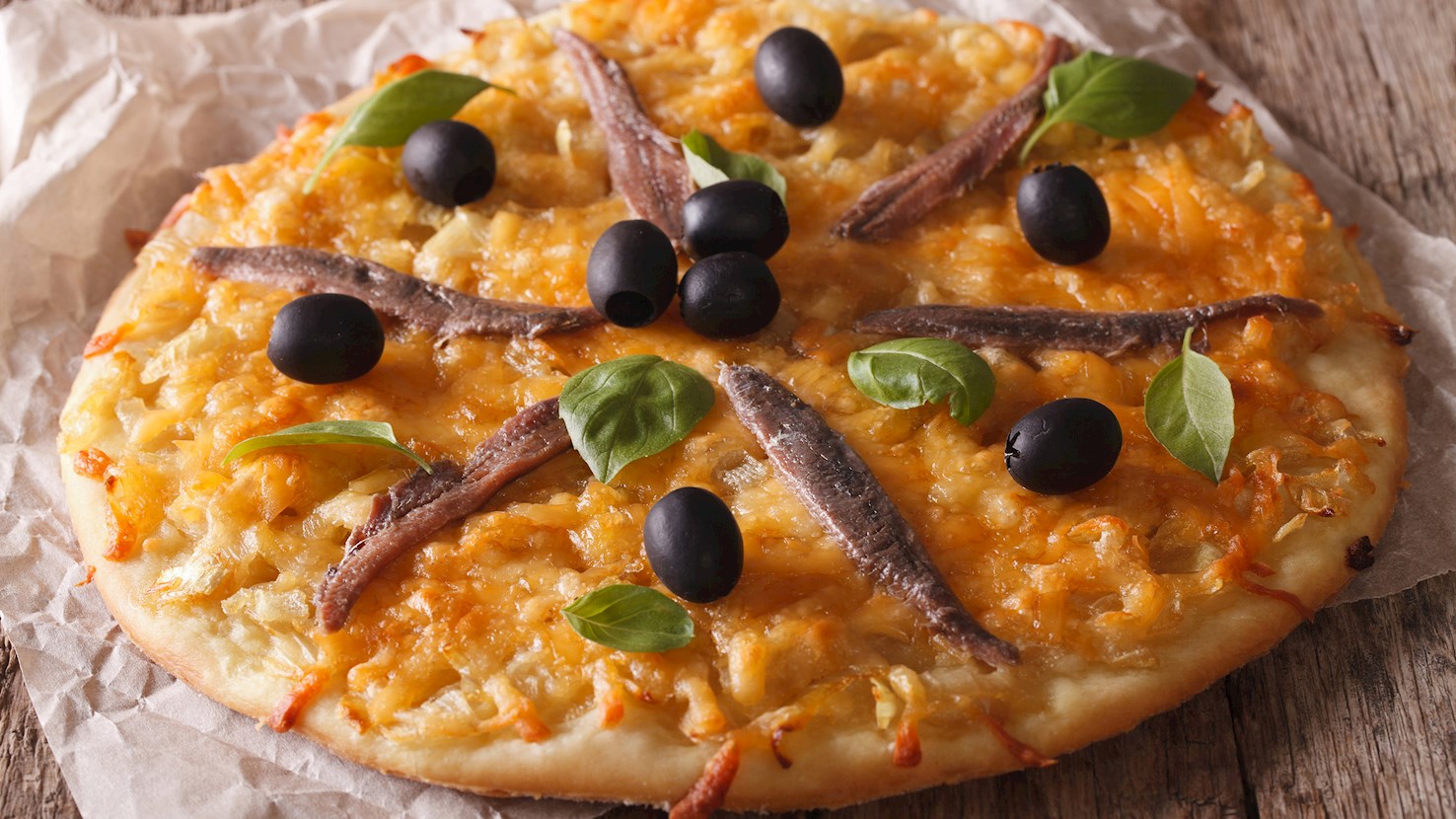
Originating from the French city of Nice, pissaladière is a baked tart that is similar to a pizza, but thicker. In the past, it was usually baked and sold each morning, but today it is traditionally served as an appetizer or a snack, consisting of a doughy base that is topped with anchovies, olives, caramelized onions, and fresh herbs. The name of the dish comes from the French phrase pèi salat, which translates to salted fish, one of the key ingredients used in the preparation of pissaladière. It is believed that the dish was invented between 1305 and 1377, during the Avignon Papacy. Pissaladière is best paired with a glass of chilled white wine.
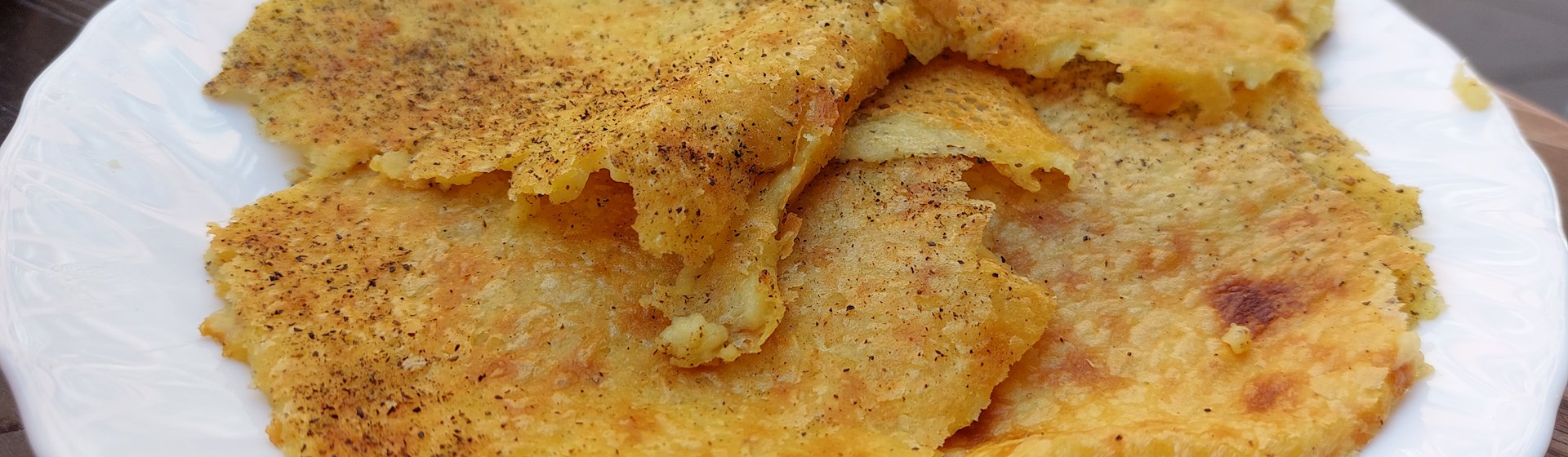
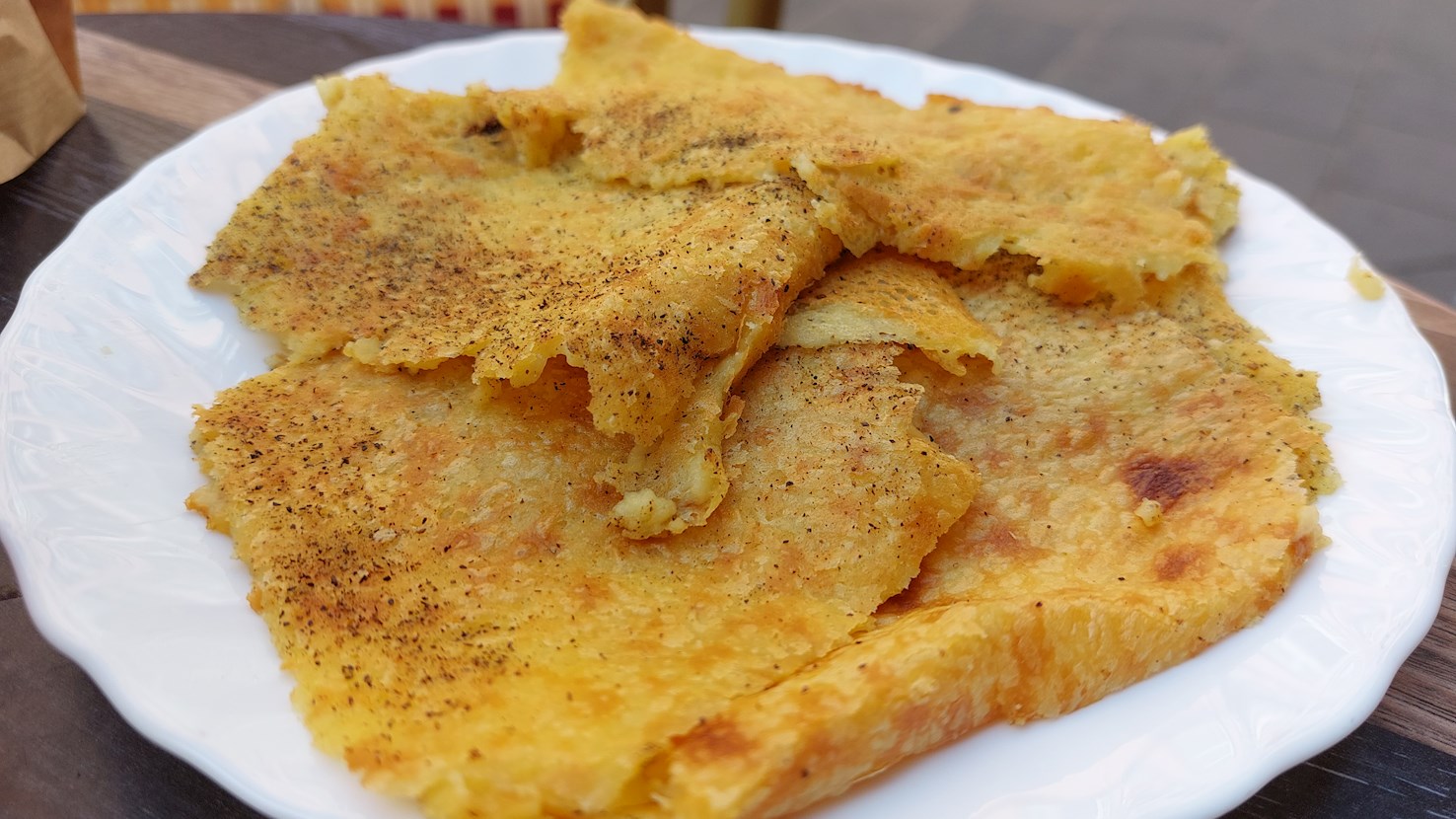
Originally derived from the Genovese farinata, socca eventually became the specialty of Nice, France, where it is a street food staple. This traditional flatbread is made with chickpea flour, olive oil, salt, and pepper. Once the batter is prepared, it is transferred to a wide pan or a skillet, which is placed in the oven at very high temperature. The batter is then baked until the socca hardens and begins to slightly burn on the edges. Once baked, socca is sliced into pieces and seasoned with salt, pepper, and a drizzle of olive oil. It can be served as an appetizer with cheese, olives, and a glass of rosé on the side.
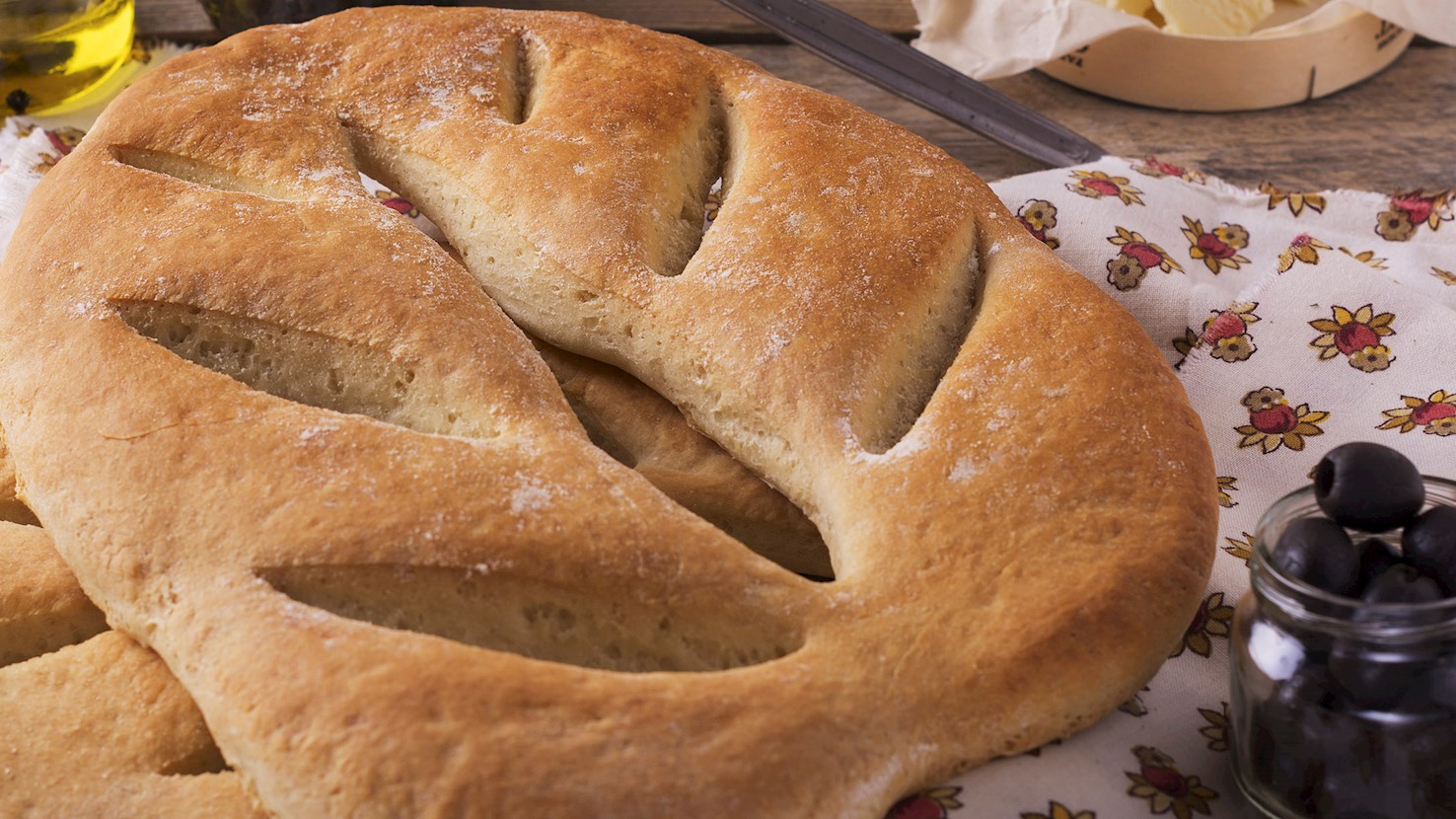
Fougasse is a flatbread that is typically sweetened with sugar and orange-flavored water. It can commonly be found in Provence and throughout southern France, and it is easily recognizable by its shape. Fougasse is usually shaped like a wheat grain, with cuts that form a veiny, leafy outline. Originally, this bread has been baked since Roman times, and it was mainly used to test the temperature of the oven. Today, there are several variations of the bread, while olives, cheese, and figs are often incorporated into the dough. It provides a perfect accompaniment to a number of dishes, but it can also be used to make a variety of sandwiches.
Pichade is a savory tart originating from Menton, made with a bread dough base and tomato-onion sauce, black olives, and anchovy fillets as a topping. It evolved in Menton’s local bakeries, where abundant summer tomatoes and anchovies informed this regional variant of flatbread, and over time, it became a marker of the area’s culinary identity. Making a dough is the first step. Flour is combined with water, olive oil, yeast, and a pinch of salt, kneaded until smooth, and left to rise until doubled. Meanwhile, the sauce is prepared by sautéing finely sliced onions and garlic in olive oil, then adding ripe, peeled, and chopped tomatoes, seasoning with salt, pepper, thyme, laurel, and sometimes oregano, then cooking gently until the mixture thickens. Once the dough has risen, it is rolled into a rectangle on a well-oiled baking sheet, and then the tomato-onion sauce is spread evenly over it. Anchovy fillets are arranged across the surface, and black olives are scattered before baking in a hot oven until the crust is golden and crisp. There also exists pichade au maqué, in which, instead of tomato sauce, a paste of crushed anchovies, garlic, and parsley is spread on the dough, and fresh tomato slices are laid on top. However, some versions omit anchovies entirely and substitute smoked bacon or other cured meats for a milder taste. Pichade is best served warm or at room temperature, typically cut into squares for communal sharing or as part of an antipasti spread, and pairs well with a crisp, dry white wine or a chilled rosé from Provence, whose freshness balances the richness of olive oil and the saltiness of anchovies.
Pain du Luberon is a rustic wheat loaf crafted in Provence, specifically utilizing the ancient heirloom grain known as blé Meunier d'Apt. Farming communities in the surrounding villages historically cultivated this specific crop to produce a highly characterful flour, ultimately designing the loaf to highlight the distinctive agricultural heritage of the area. Bakers make dough by combining milled Apt wheat—or a similarly robust substitute—with water, salt, and either commercial yeast or a natural sourdough starter. After kneading the mixture into a smooth mass, the dough rests until it doubles in size. Once fully risen, the baker forms the mass into an oval or round shape, scores the surface, and transfers it into a high-temperature oven. Injecting a sudden burst of steam during the bake ensures the exterior develops a golden, crusty finish while the interior remains moist and aerated. A defining characteristic of this regional bake is its reliance on local Apt wheat, which naturally imparts a subtle, nutty undertone and extends the crumb's shelf life far beyond a single day. The bread is used to scoop up savory Provençal stews like daube or is spread heavily with olive tapenade before a meal.
Pain de la Sainte-Agathe is a small hemispherical bread from Provence, made with just flour and water and historically baked in honor of Saint Agatha on February 5th. It arose from local customs in which households baked these small loaves in the days before the feast of Saint Agatha and brought them to church to be blessed, a ritual aimed at protection against fire and lightning. The dough consists of flour (wheat flour) and water, mixed and kneaded, shaped into a small round roll with a bump on top, then allowed to rest before baking in a hot oven until the crust lightly browns. Some bakers include minor variations: a slight addition of yeast for a faster rise or a small pinch of salt, though the core ingredients remain unchanged. The distinctive feature of this bread is its religious and communal origin: it is made and blessed specifically for Saint Agatha’s feast and sold after the mass in some Provençal villages. It is best eaten fresh, often on the day of the feast or shortly thereafter, and pairs well with simple Provençal fare—such as a glass of rosé wine or a light goat cheese.
Cade is a flatbread-like dish from Toulon, a port city in southern France on the Mediterranean coast. It is made from chickpea flour, water, olive oil, and salt, baked in large pans until crisp on the outside and soft inside. Its flavor is simple yet hearty, shaped by the use of chickpeas that were long a staple in Mediterranean cooking. The origins of cade are tied to the wider culinary practices of the Ligurian and Provençal regions, where similar chickpea-based preparations such as farinata and socca were already common. Toulon, with its close maritime connections to Italy and Liguria in particular, adopted and adapted the dish into its own version. Over time, cade became closely associated with Toulon’s street food culture, especially in working-class neighborhoods and at local markets, where vendors sold it hot in slices. The preparation of cade begins by mixing chickpea flour with water, olive oil, and salt into a smooth batter. This batter is poured into wide, shallow copper or metal pans and baked in wood-fired ovens. The high heat creates a characteristic texture: a golden, slightly blistered crust with a tender, custard-like center. Once baked, it is cut into generous wedges or squares and sprinkled with black pepper before serving. The simplicity of the ingredients highlights the quality of the flour and the olive oil, and the method of baking gives cade its distinctive appeal. Today it is eaten primarily in Toulon and the surrounding Var region, often purchased from street vendors who still prepare it in large pans and sell pieces wrapped in paper. It is enjoyed warm, either as a snack while walking through the city or as a light meal at home.
TasteAtlas food rankings are based on the ratings of the TasteAtlas audience, with a series of mechanisms that recognize real users and that ignore bot,
nationalist or local patriotic ratings, and give additional value to the ratings of users that the system recognizes as knowledgeable.
For the “Top 7 Provençal Breads” list until May 15, 2026, 161 ratings were recorded, of which 138 were recognized by the system as legitimate.
TasteAtlas Rankings should not be seen as the final global conclusion about food. Their purpose is to promote excellent local foods,
instill pride in traditional dishes, and arouse curiosity about dishes you haven’t tried.