Fatoot is a traditional Arabian bread often served as a side dish or breakfast item, especially during Ramadan. Originating from the Medina region, it has been a staple in households for generations. Fatoot is known for its unique preparation and distinctive flavor. It's a type of unleavened bread made primarily from wheat flour, water, and salt, and it's typically baked on a hot griddle or saj, a convex metal cooking surface. The bread is thin, soft, and flexible, making it a perfect accompaniment for various dishes or to be enjoyed on its own.
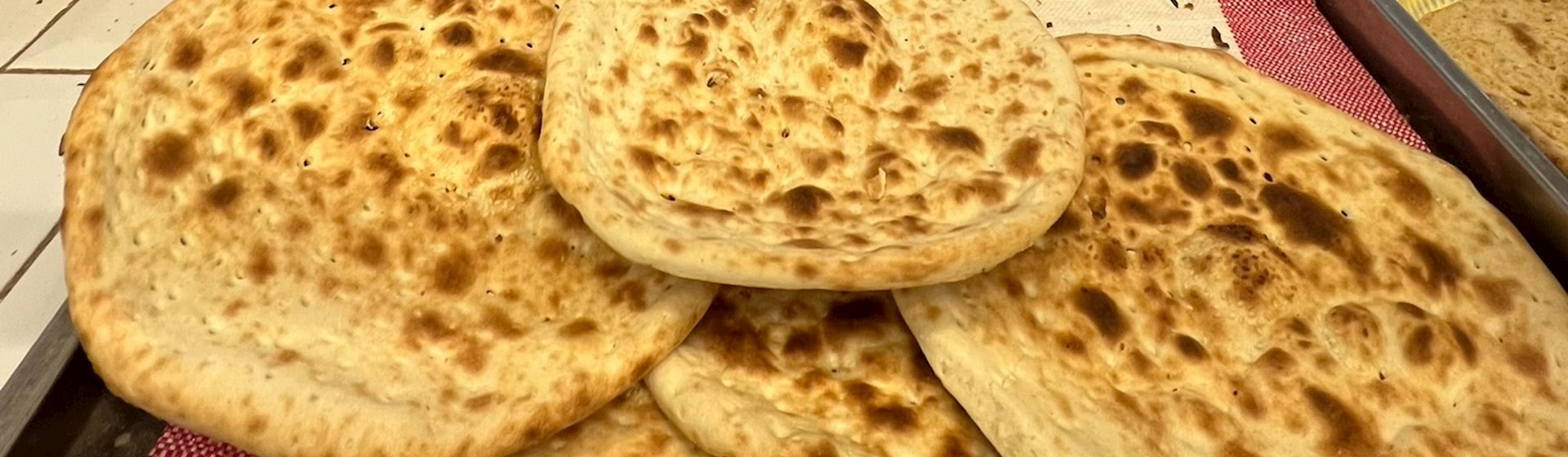
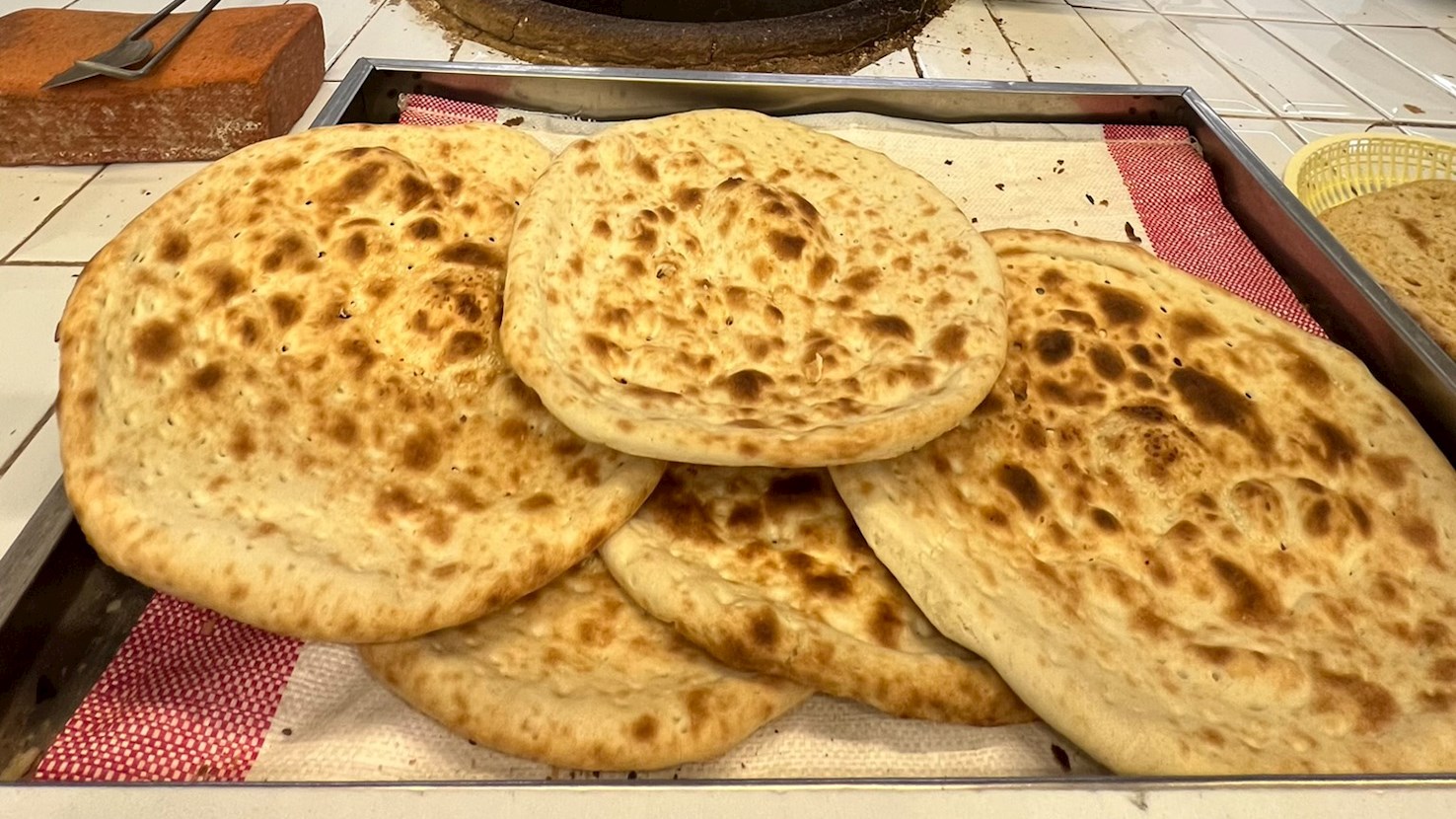
Tamees is a traditional flatbread that is widely popular in Saudi Arabia and other parts of the Arabian Peninsula, as well as in some South Asian countries like Afghanistan and Pakistan. This bread is known for its soft, fluffy texture and slightly chewy consistency. Tamees is typically made from basic ingredients such as wheat flour, water, yeast, and salt, with addition of milk to enrich the dough. The preparation of tamees involves mixing the ingredients to form a smooth dough, which is then allowed to rise. After the dough has risen, it is divided into portions and rolled out into large, flat rounds. The rounds are then baked in a wood-fired stone oven, which gives the bread its distinctive texture and slightly smoky flavor. The high heat of the oven causes the bread to puff up, creating a light and airy interior. Tamees is often enjoyed with a variety of accompaniments. It is commonly served with beans, cheese, or honey for breakfast, and it can also be paired with savory dishes such as meat stews and curries.
Shuraik bread is a traditional bread popular in the Arabian Peninsula, particularly in Saudi Arabia. This bread is known for its soft, slightly sweet flavor and fluffy texture, making it a favorite for both everyday meals and special occasions. The dough for shuraik bread typically includes basic ingredients such as flour, water, yeast, sugar, salt, milk to enrich the texture and flavor, and crushed chickpeas. The inclusion of sugar gives the bread its characteristic slight sweetness, and it is additionaly brushed with mixture of milk and honey. After the dough is mixed and kneaded until smooth, it is allowed to rise until it doubles in size. It is then shaped into round or oval loaves and allowed to rise again before baking. Shuraik bread is usually baked until it develops a golden-brown crust while remaining soft and airy on the inside. Its mild sweetness makes it versatile, allowing it to be paired with both savory and sweet accompaniments. It is commonly enjoyed with butter, honey, or cheese for breakfast, and can also be served alongside soups, stews, or grilled meats.
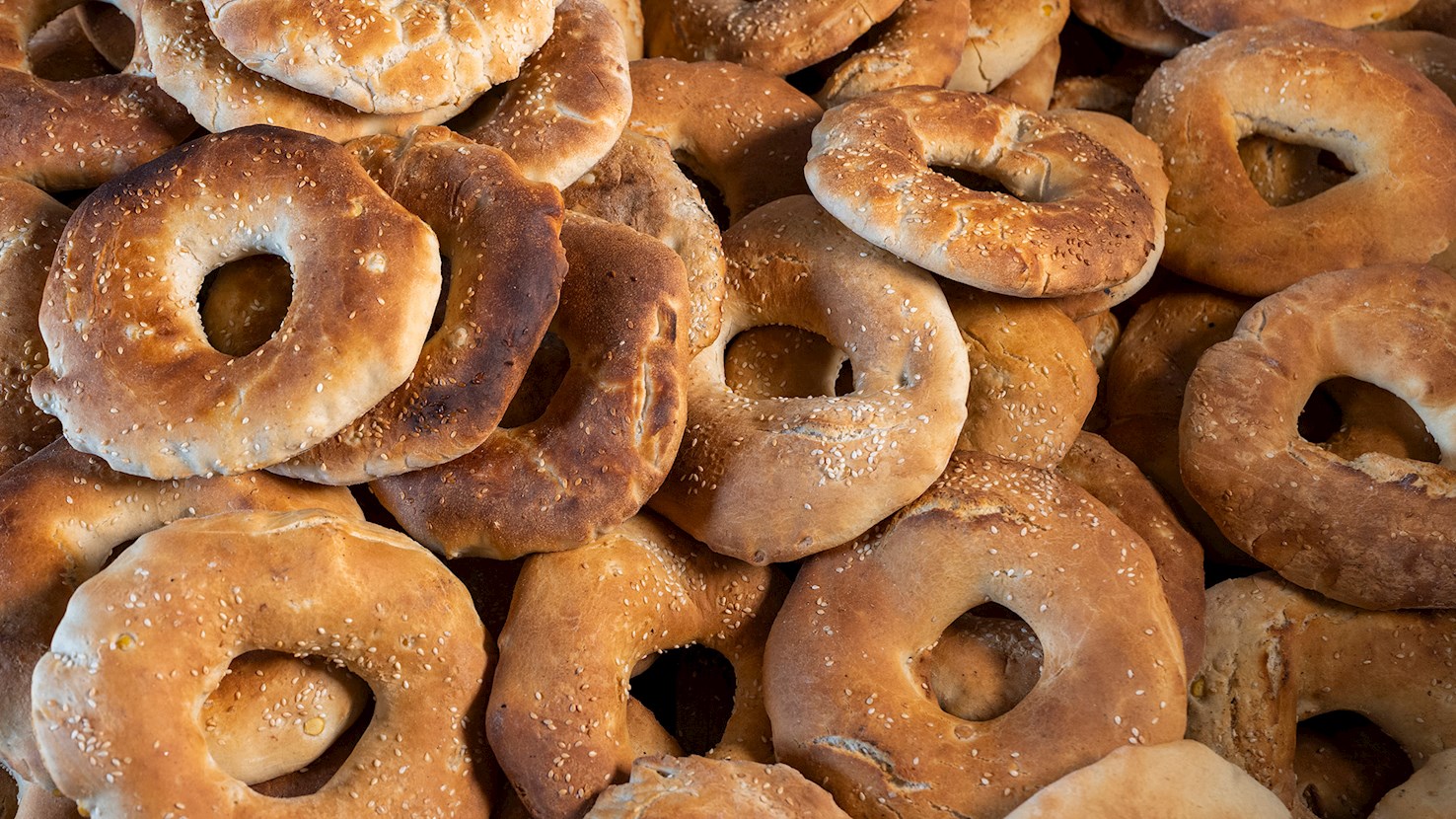
Mifa or meyfa bread is a traditional bread from the 'Asir region, that is distinctive for its unique cooking method and flavor. This bread is typically prepared using simple ingredients like flour, water, salt, and oil, but what sets it apart is the way it is cooked, traditionally using a "mifa", which is a large oven heated by firewood. The dough for mifa bread is kneaded until smooth and then allowed to rise. Once the dough has risen, it is divided into portions and rolled out into thin, round discs. These discs are then placed on the hot mifa walls. The bread cooks quickly, developing a slightly crispy exterior while remaining soft and tender on the inside. The high heat and unique shape of the oven impart a distinctive flavor and texture to the bread. Mifa bread is a versatile staple in Saudi cuisine and is often served with a variety of dishes. It pairs well with stews, soups, and salads, and can also be enjoyed on its own or with dips and spreads.
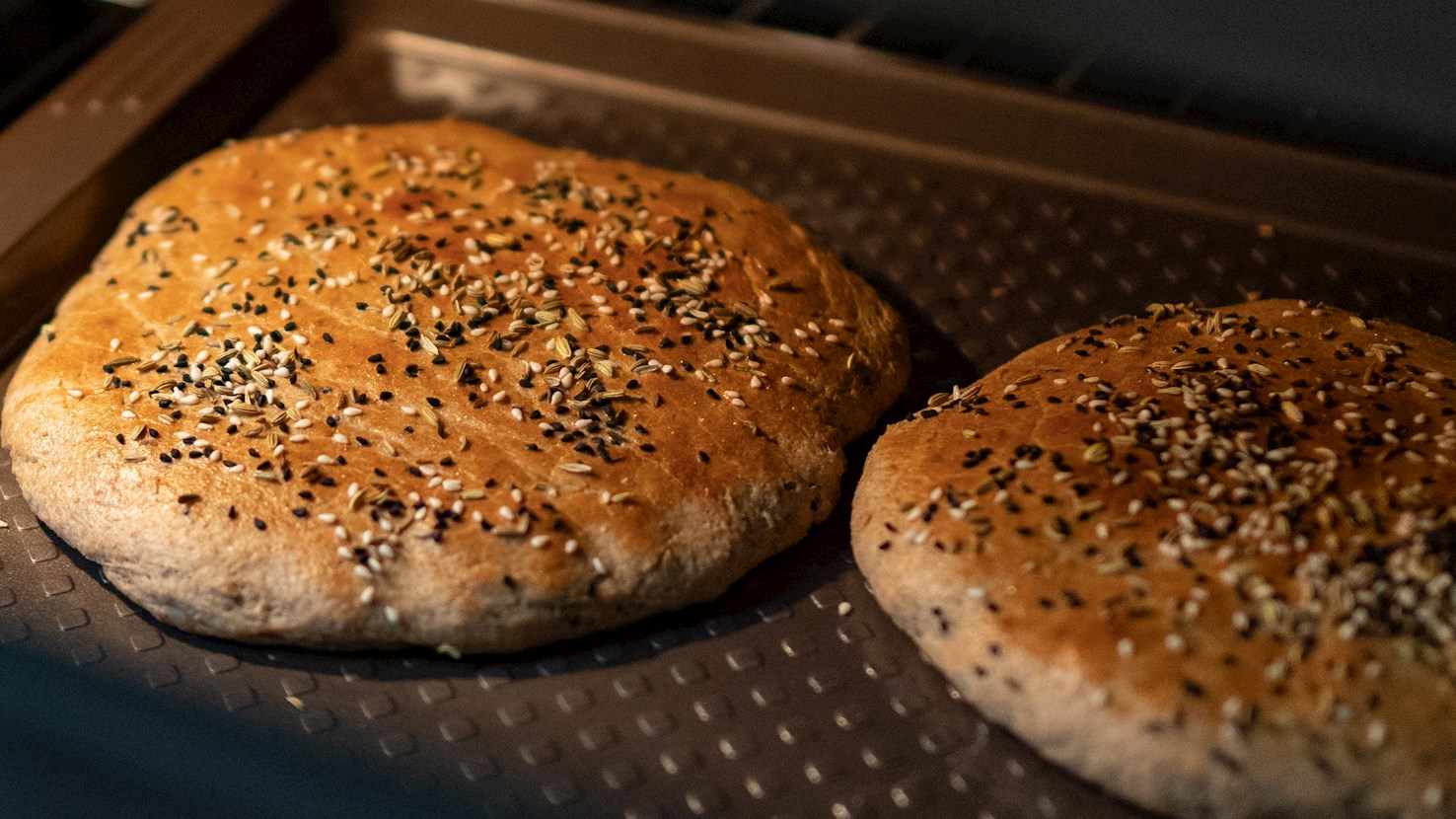
Khubz ahmar, commonly known as "red bread" in Arabic, is a traditional bread from the al-Ahsa Governorate, distinguished by its reddish hue. This color is typically achieved by incorporating dates into the dough. The bread can vary in texture from soft and fluffy to slightly denser, depending on the recipe and baking method. It is usually round and flat, similar to other Middle Eastern breads like pita or naan. The main ingredients in khubz ahmar include wheat flour, dates, cardamom, saffron, seeds, salt, and water. The dough is traditionally baked in a pottery oven lined with palm trunks, which imparts a unique, smokey flavor to the bread. Khubz ahmar is often enjoyed as part of traditional meals, served alongside a variety of dishes such as stews, dips, and salads.
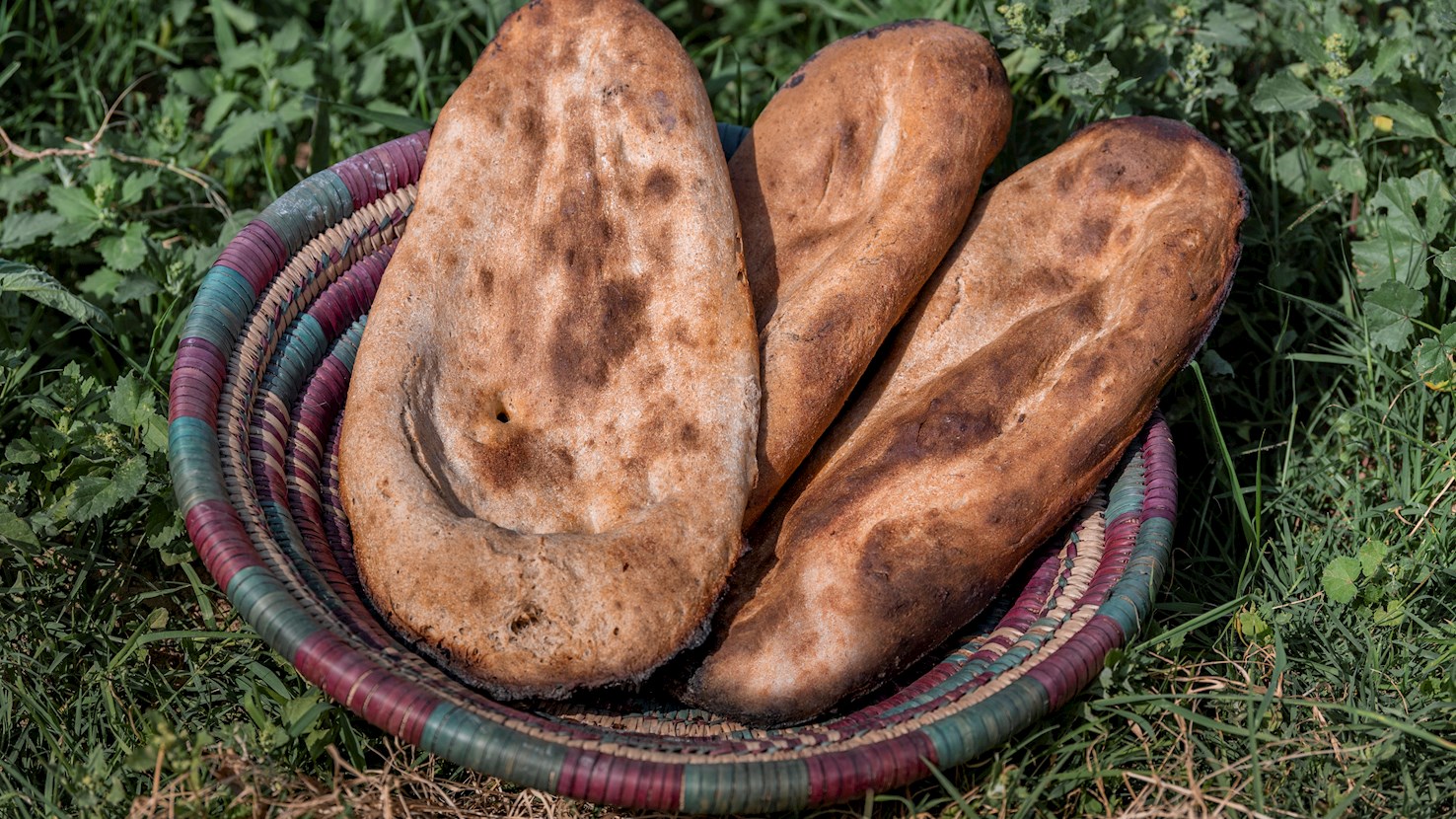
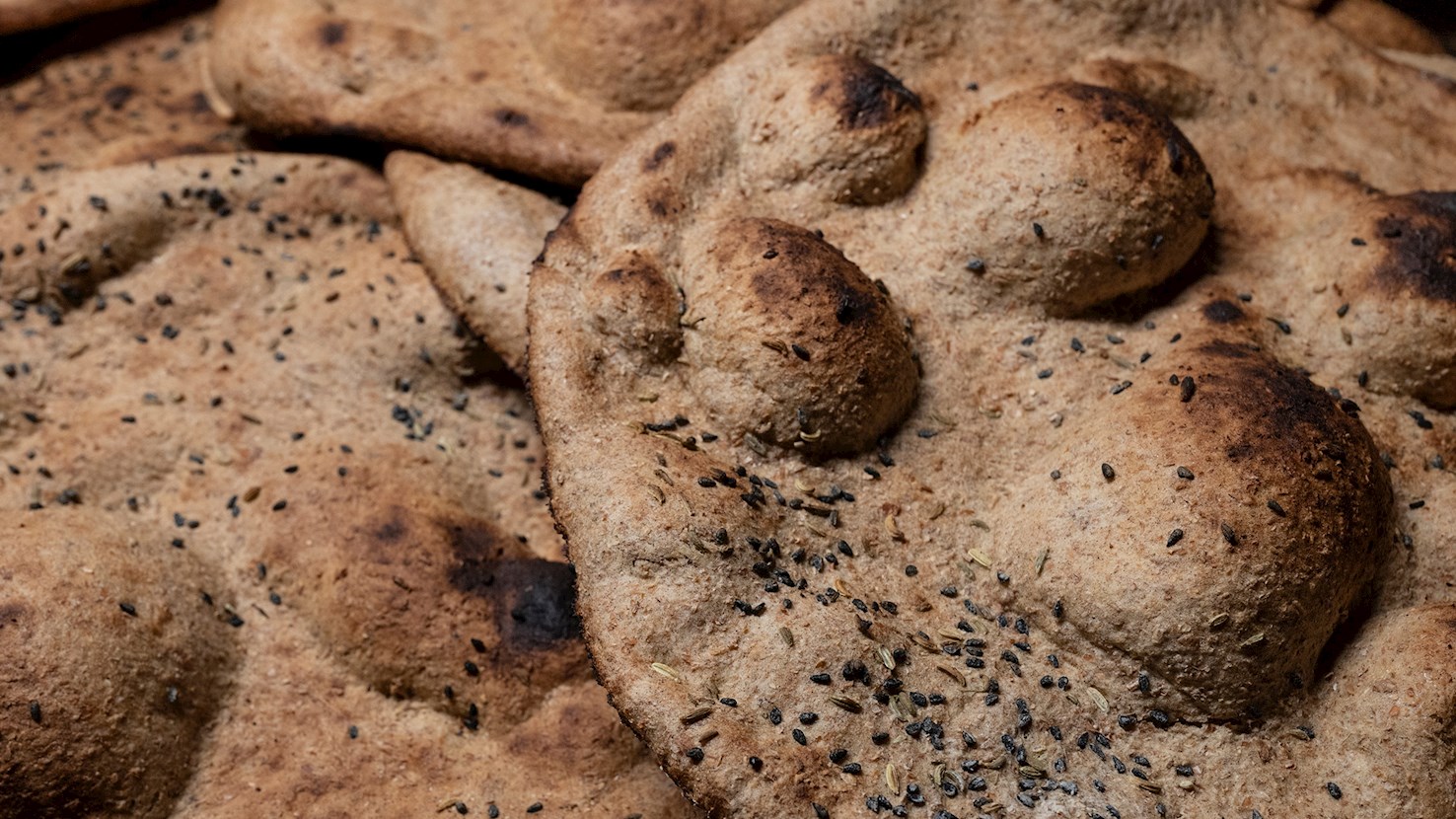
Khubz al-jamri is a traditional type of bread in Saudi Arabia, especially popular in the southern regions. The name translates to "coal bread" or "ash bread" in English, referring to the traditional method of baking this bread directly on hot coals. The dough for khubz al-jamri is typically made from simple ingredients such as wheat flour, water, and salt. The dough is kneaded and then left to rise. Once ready, small portions of the dough are flattened into round shapes and placed directly onto charcoal ashes. The bread cooks quickly, developing a distinct smoky flavor and a slightly charred, crispy exterior while remaining soft on the inside. Khubz al-jamri is often enjoyed as part of a traditional meal and is commonly served with a variety of dishes such as grilled meats, stews, and vegetable dishes. It is particularly valued for its unique taste, which comes from the method of cooking it on hot coals, imparting a rustic and authentic flavor. This bread can be eaten on its own, often dipped in olive oil or served with honey for a simple yet delicious snack. It is also used to scoop up other foods, complementing the rich and diverse flavors of Saudi cuisine.
Mullah bread is a traditional flatbread known for its soft, pillowy texture and slightly chewy consistency. It is typically made from basic ingredients such as flour, water, salt, and sometimes a bit of sugar or oil to enhance its texture and flavor. The dough is kneaded until smooth and then left to rise, which helps create its characteristic light and airy structure. After rising, the dough is divided into portions, rolled out into flat rounds, and cooked on a hot griddle or baked in an oven until puffed and lightly browned. Mullah bread is versatile and often used as an accompaniment to a variety of dishes, including stews, soups, and grilled meats. It can also be enjoyed on its own, dipped in olive oil or spread with butter and honey.
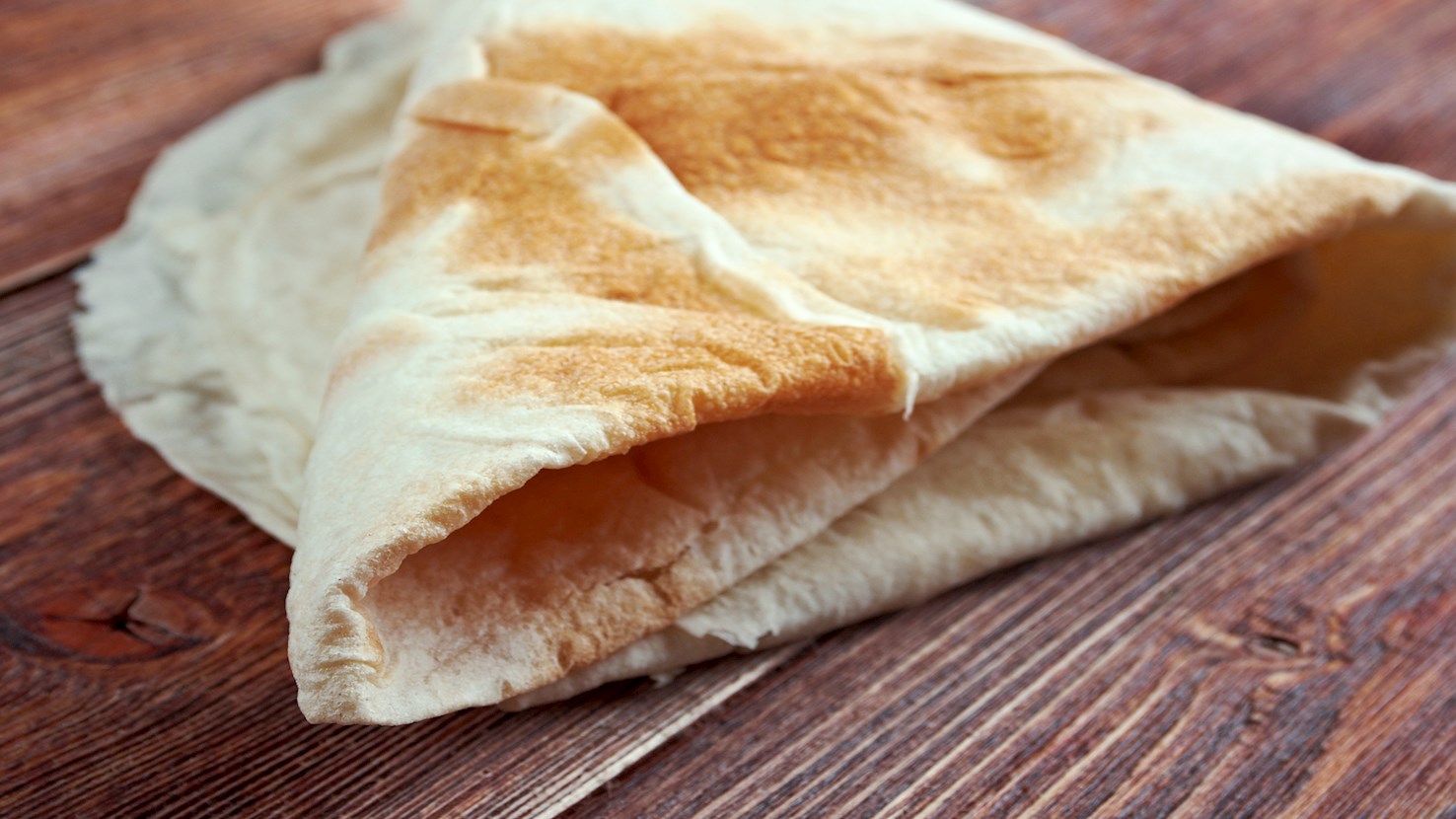
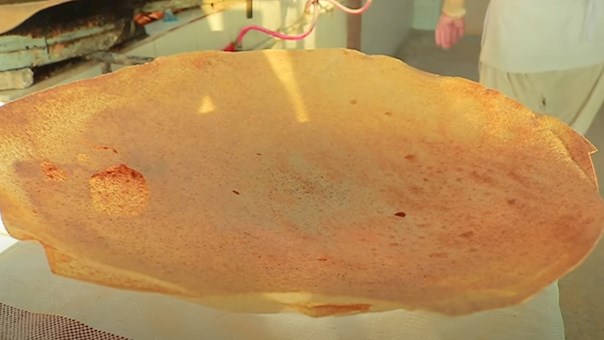
Markook is a traditional Middle Eastern flatbread particularly popular in Saudi Arabia and other Arab countries. It is known for its large, thin, and flexible texture, which makes it quite distinct from other types of bread. Markook is extremely thin, almost paper-like, and requires skillful handling during preparation and cooking. It is typically larger than other flatbreads, often baked in large rounds. Despite its thinness, Markook is quite flexible, making it ideal for wrapping around various fillings. It has a soft yet slightly chewy texture, perfect for a variety of culinary uses. The basic ingredients of Markook include wheat flour, water, salt, and sometimes a bit of yeast or baking powder. The dough is kneaded until smooth and then left to rest. It is divided into small balls and rolled out very thinly. Traditionally, Markook is baked on a convex metal griddle called a saj, which gives it its characteristic thinness and large size. The dough is draped over the saj and cooks quickly, often within seconds. Markook's flexibility makes it an excellent choice for wraps, often filled with meats, vegetables, and spreads. It can be served alongside dips such as hummus, baba ghanoush, and labneh, or enjoyed simply with a drizzle of olive oil, a sprinkle of za'atar, or folded with cheese.
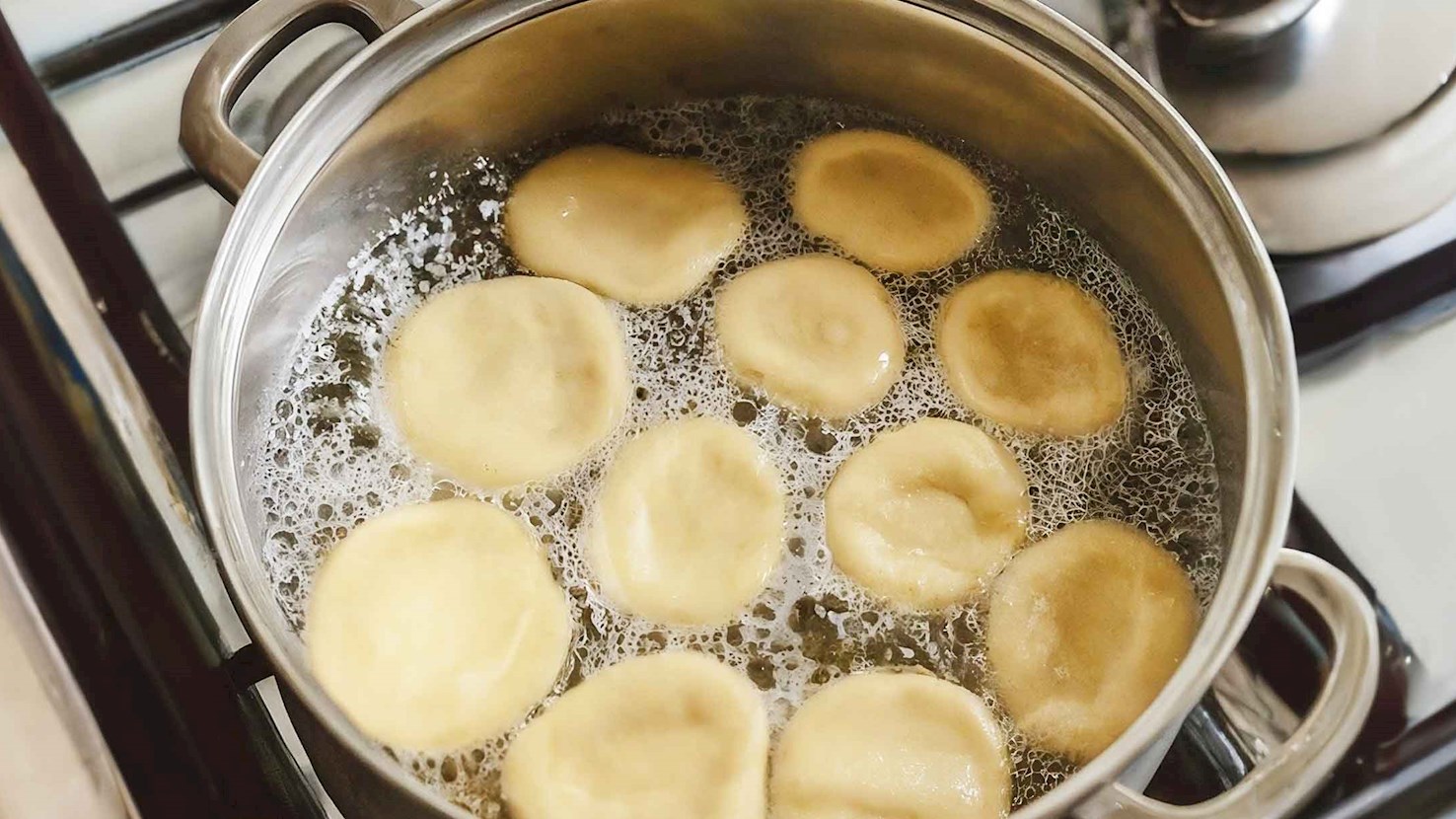
Daghabees is a bread from the Al-Baha Region, typically enjoyed for lunch or dinner, that has been present in the region for at least 80–100 years and a staple dish of the Al-Ghamdi Tribe. To prepare daghabees, various flours (wheat or millet) are mixed with water to create a paste-like mixture. This dough is shaped into rounds that are dropped into a boiling broth full of meat and an array of spices and simmered for 15 minutes. Often served with vegetables, ghee, and honey, it's a hearty dish traditionally relished in winter for its warming qualities but available year-round. Despite its cultural significance, daghabees faces challenges due to changing preferences and the potential loss of traditional recipes.
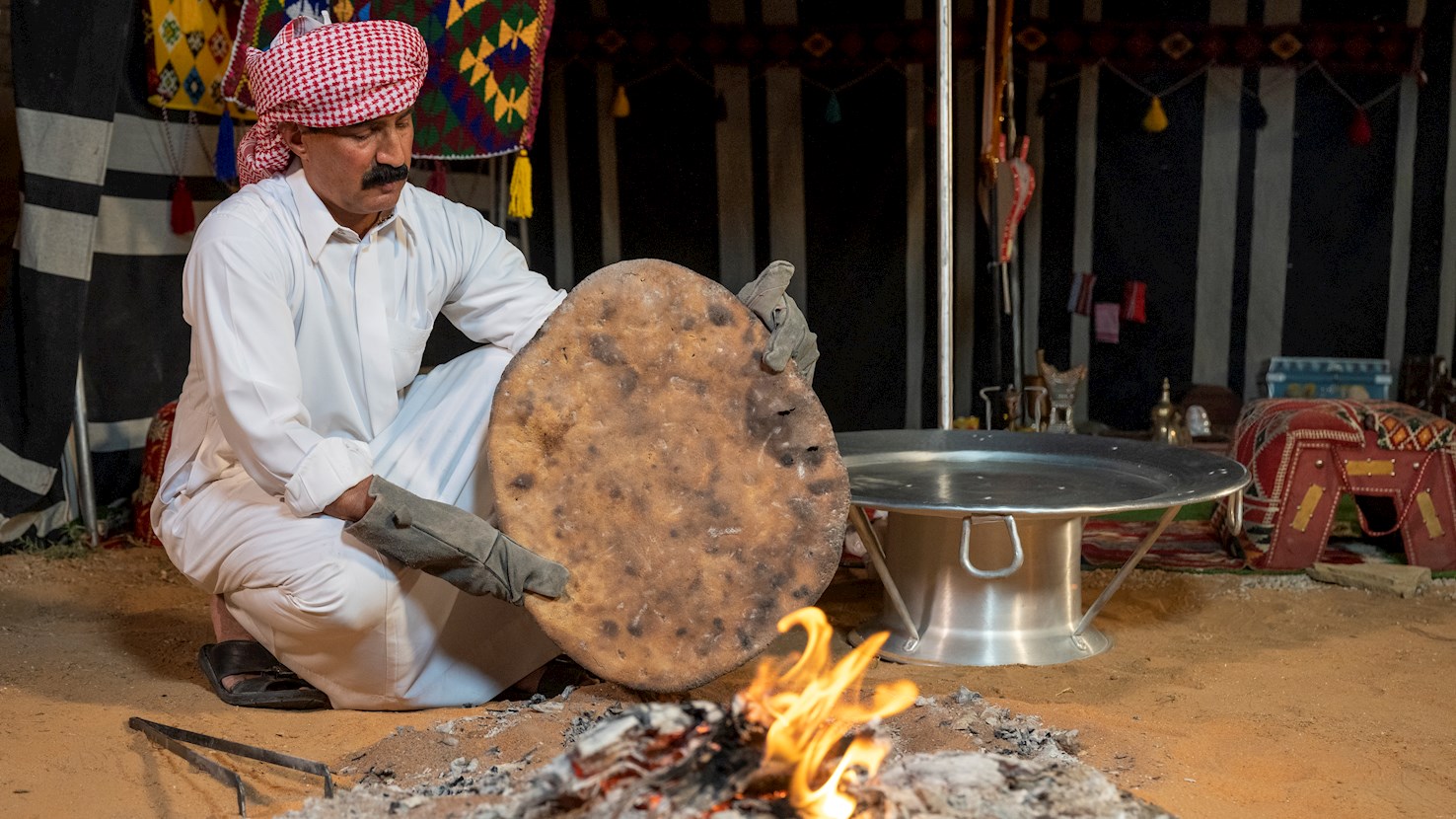
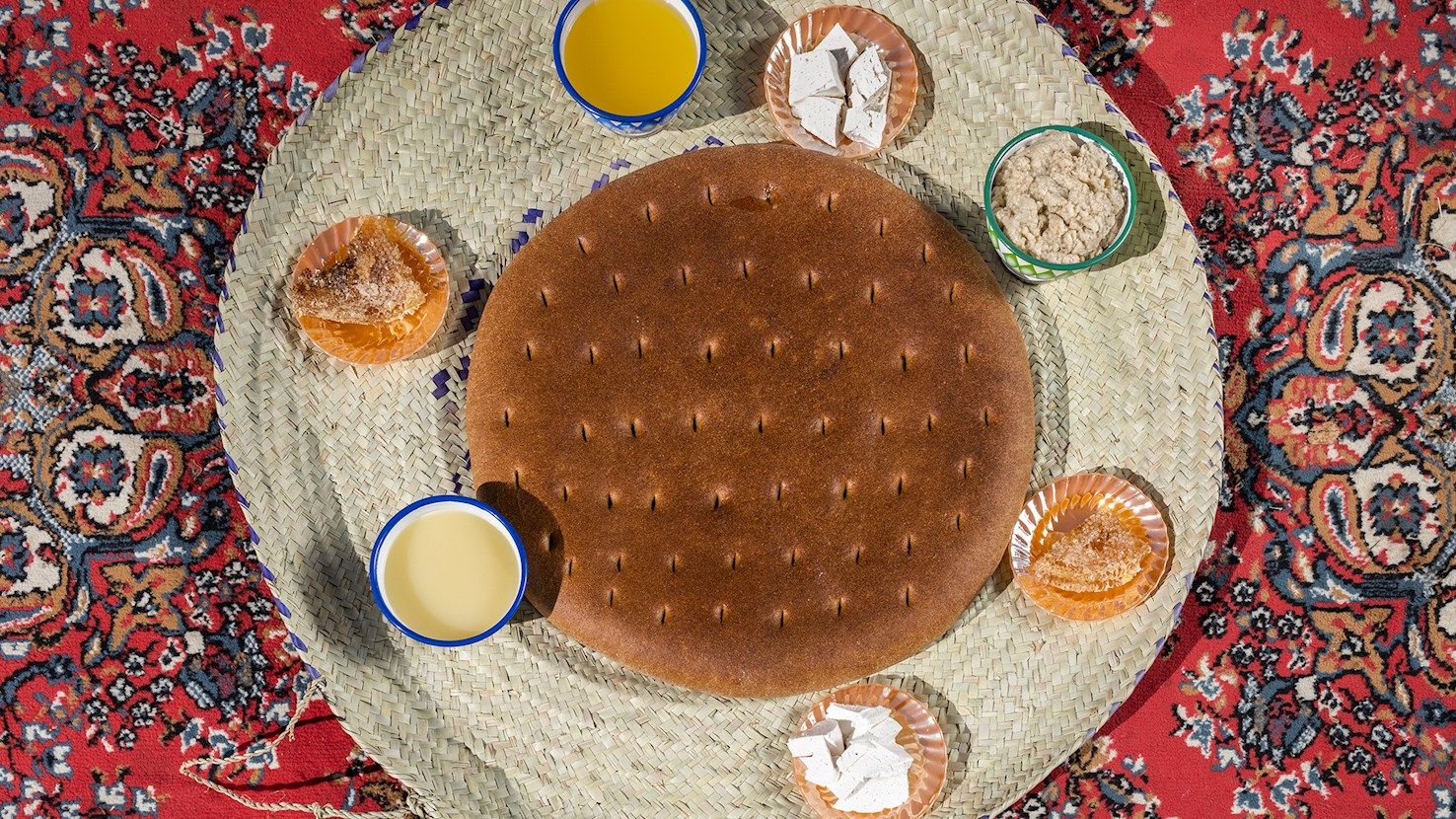
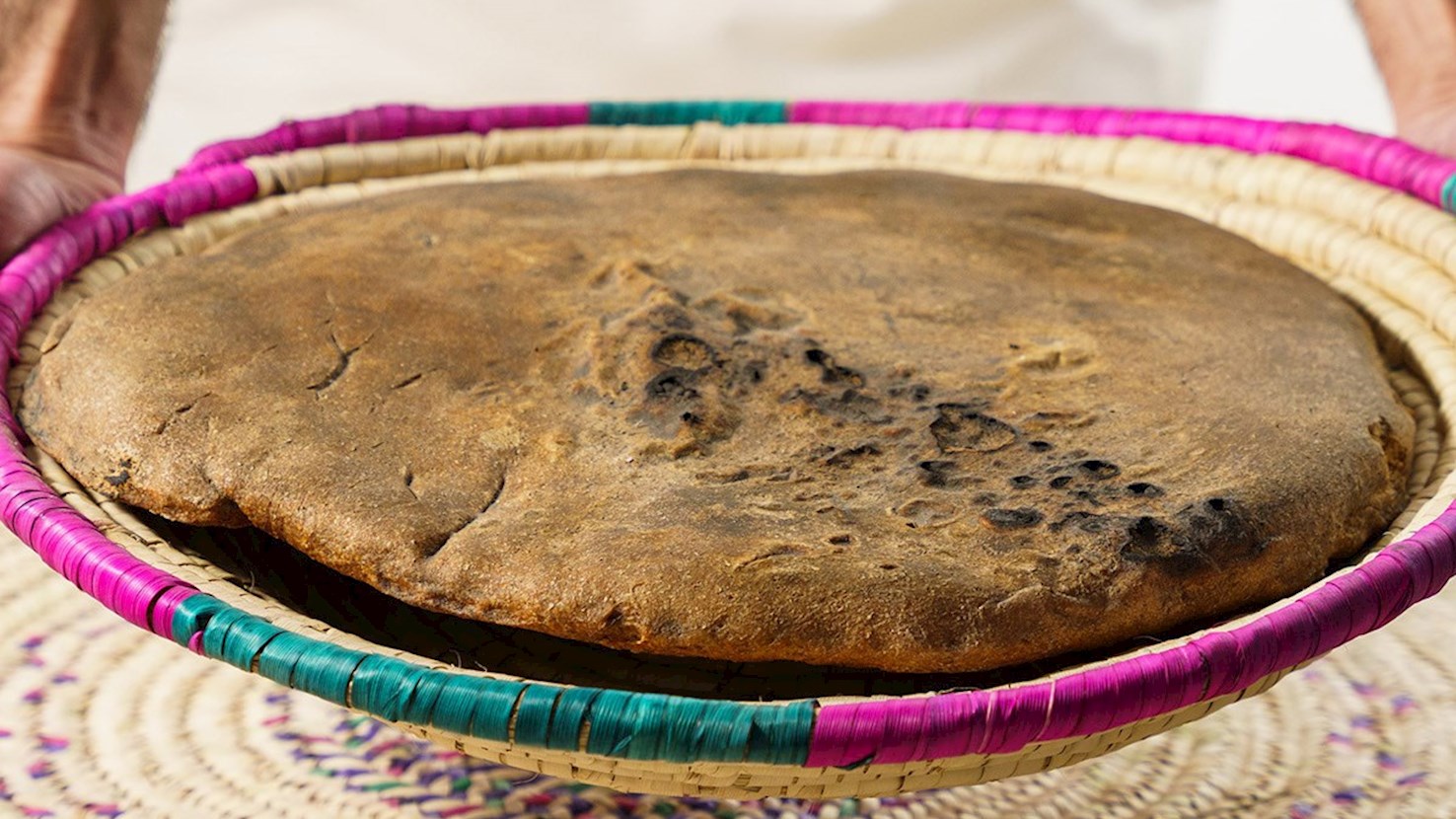
Muqana bread, a staple in the Al-Bahah region, is a traditional dish deeply ingrained in local culture. It is made with whole wheat flour, salt, and water, and once kneaded, it is left to ferment before baking. Traditionally, approximately 7 kilograms (15 lbs) of flour are needed, and a group of women kneads it. Since pines and saffron are usually grown together with wheat, they are often added. The dough is placed on a large, round stone known as the "prayer" stone that was previously heated over an open flame. Palm tree fronds and shrub bushes are burned over the dough so the bread gains a crust, and then embers are placed over it. The bread is baked, cleaned from ashes and cut into smaller portions, called shitra. It is served with ghee, honey, or meat broth.
TasteAtlas food rankings are based on the ratings of the TasteAtlas audience, with a series of mechanisms that recognize real users and that ignore bot,
nationalist or local patriotic ratings, and give additional value to the ratings of users that the system recognizes as knowledgeable.
TasteAtlas Rankings should not be seen as the final global conclusion about food. Their purpose is to promote excellent local foods,
instill pride in traditional dishes, and arouse curiosity about dishes you haven’t tried.



What People Say