

shutterstock

Top 4 Serbian Breads

Last updated on May 15, 2026
01

Lepinja

4.3 ·

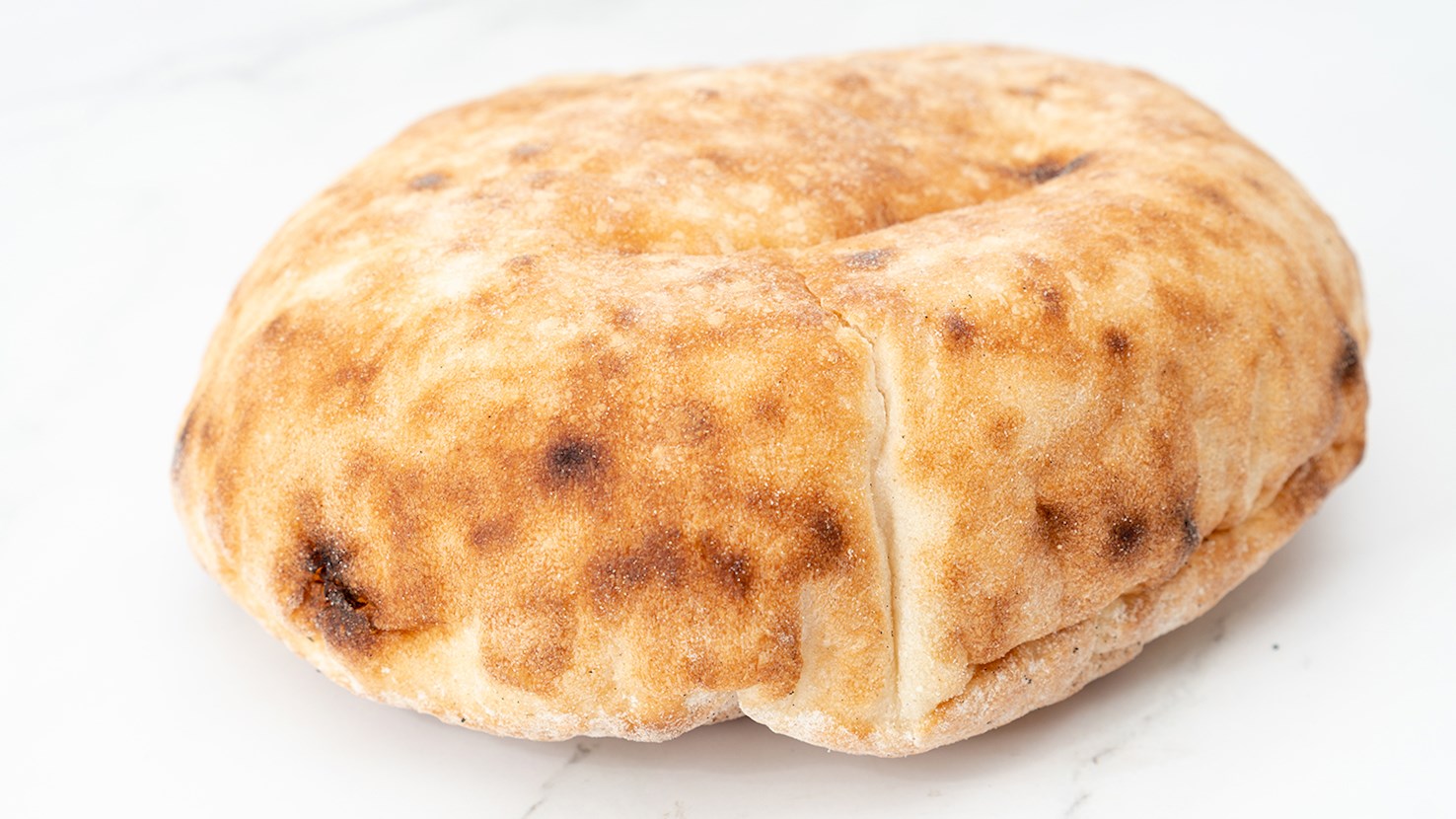
Lepinja is a yeast-raised, spongy flatbread that's popular all over the Balkans and similar to pide or pitta. It's usually made with a combination of flour, water, salt, and yeast. Once the dough has been prepared, it's baked in the oven at high temperatures. The flatbread is mostly used as a vessel for ćevapi – small minced meat sausages that have a cult following in the Balkans. When compared to its cousin, somun, lepinja is slightly tougher and not as aromatic as somun. The somun also has greater melt-in-the-mouth properties than a regular lepinja.

02

Proja / Projara

3.9 ·

Proja is a traditional cornbread made with a combination of cornmeal, salt, and water. As soon as milk, beaten eggs, and butter or oil are added to this peasant dish, it's no longer a cornbread but a savory pie called projara, projanica, razlevak, or muruzara, depending on which part of Serbia you find yourself in. After it has been baked in a pan, projara is typically cut into squares and served warm. It should be crusty on all sides, and since it's a bit dry, it is recommended to pair it with cheese, yogurt, pavlaka, pasulj (bean stew), sauerkraut, sarma, or cracklings. Proja was a peasant staple back in the day, but nowadays it's a common everyday meal.

03

Česnica

3.7 ·

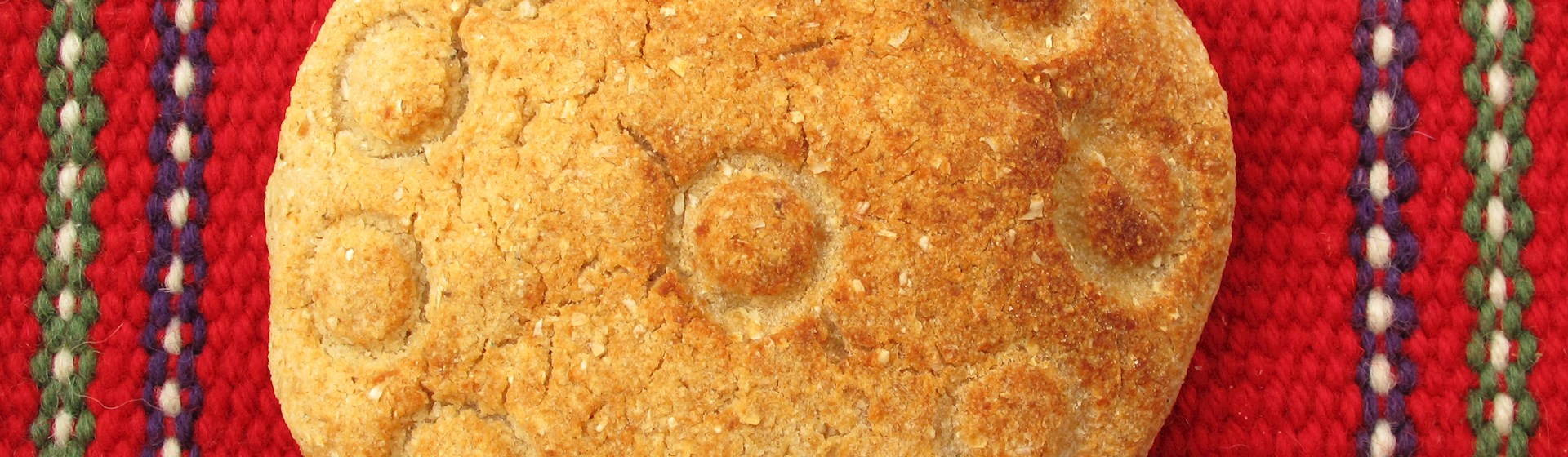
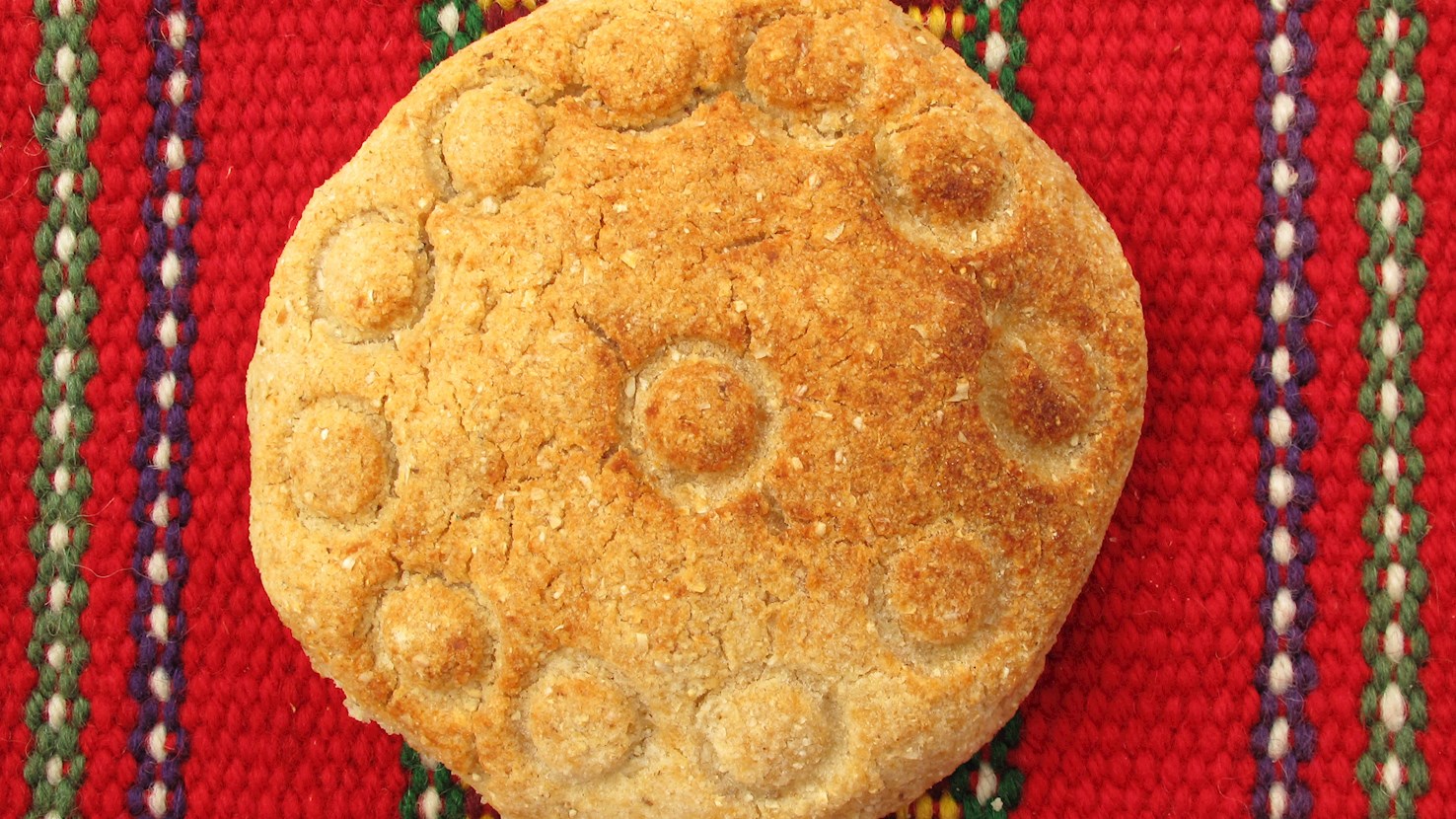
Česnica is a Serbian round-shaped bread consisting of flour, salt, water, and yeast. Traditionally, it is prepared on Christmas Eve, with a coin baked inside the loaf. The name of the bread is derived from the word čest, meaning to share, referring to the fact that it is shared communaly on Christmas morning. The bread is typically rotated three times counterclockwise before each consumer is allowed to tear of a piece and consume it.

04

Slavski kolač

n/a ·

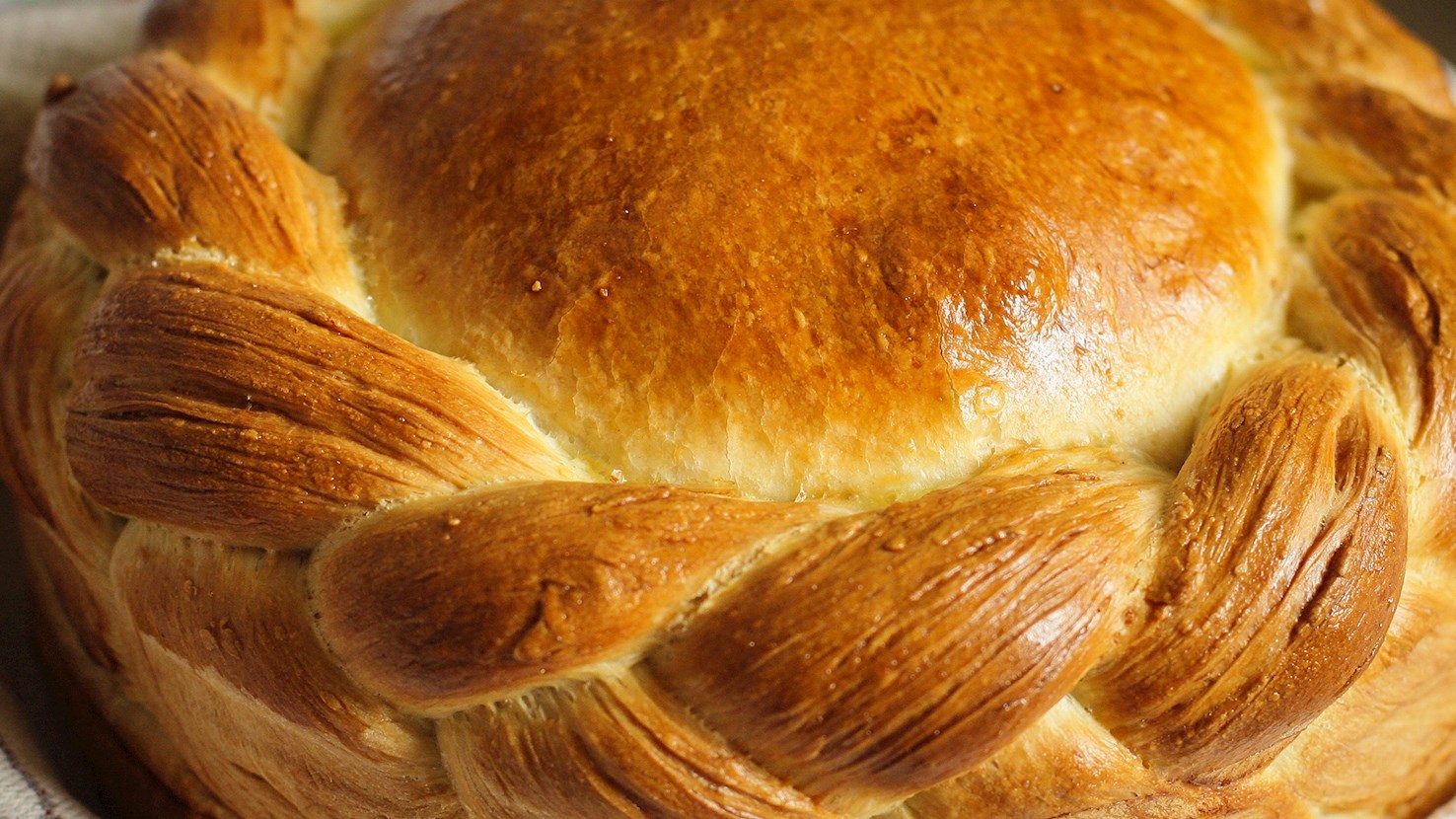
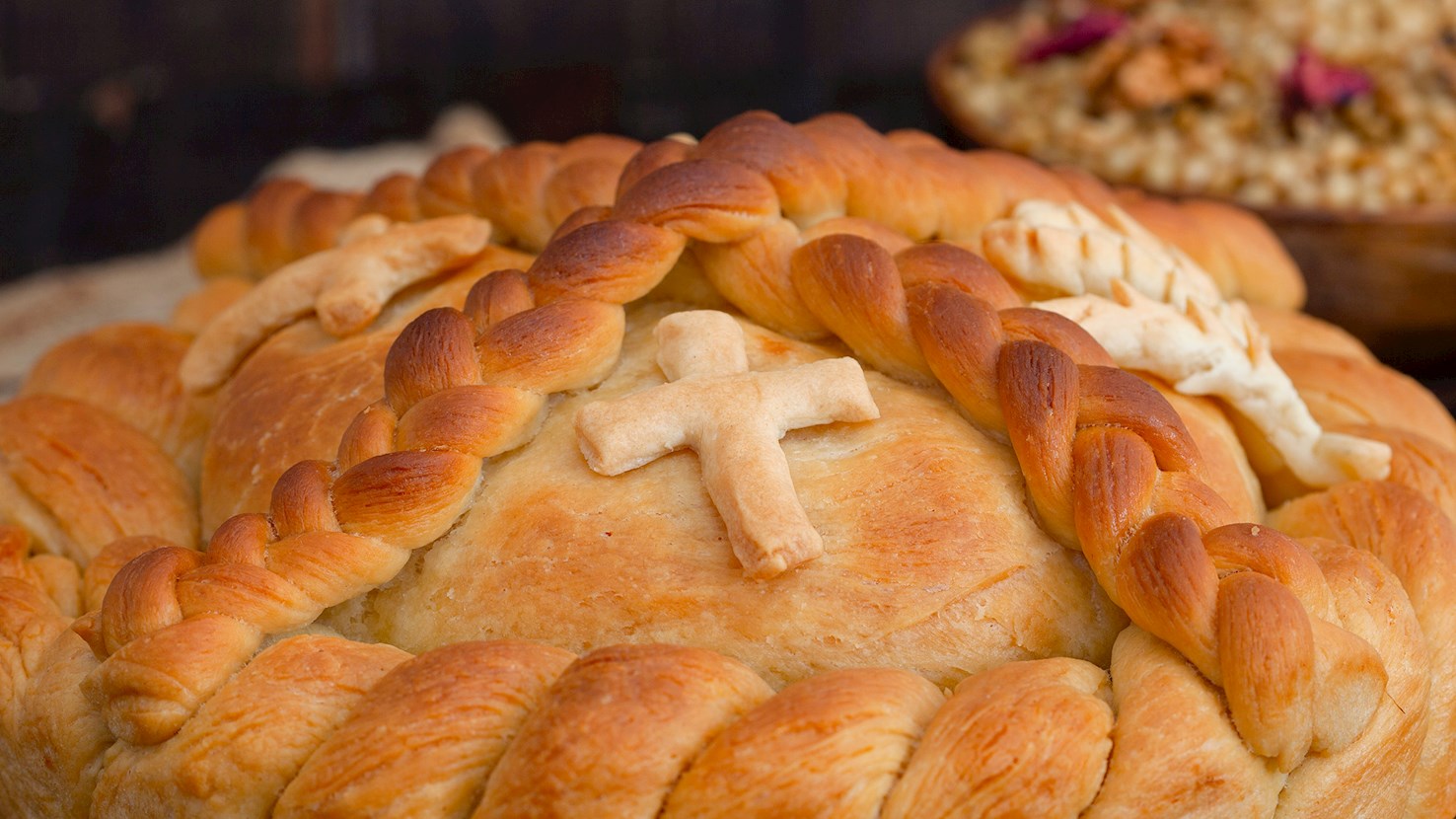
Slavski kolač is a traditional bread, also known as Slava bread, that plays a central role in the celebration of Slava, a Serbian Orthodox Christian feast honoring a family's patron saint. Each family celebrates its Slava annually, and the Slavski kolač is a symbolic element of this religious occasion. The bread is typically round and decorated with intricate designs made from dough, including Christian symbols such as the cross, doves, or wheat, representing faith, peace, and prosperity. The bread is often made with ingredients like flour, yeast, water, and salt, but sometimes milk, butter or oil, and eggs are added for richness. During the Slava ceremony, the bread is blessed by a priest, and the head of the household breaks the bread, often sharing it with family and guests while offering prayers. The breaking and sharing of the Slavski kolač symbolize unity, family, and the bond with their patron saint. This ritual is deeply rooted in Serbian culture and is an important spiritual tradition.

Read more
View all
View map
About this ranking

TasteAtlas food rankings are based on the ratings of the TasteAtlas audience, with a series of mechanisms that recognize real users and that ignore bot, nationalist or local patriotic ratings, and give additional value to the ratings of users that the system recognizes as knowledgeable. For the “Top 4 Serbian Breads” list until May 15, 2026, 248 ratings were recorded, of which 127 were recognized by the system as legitimate. TasteAtlas Rankings should not be seen as the final global conclusion about food. Their purpose is to promote excellent local foods, instill pride in traditional dishes, and arouse curiosity about dishes you haven’t tried.

Similar lists