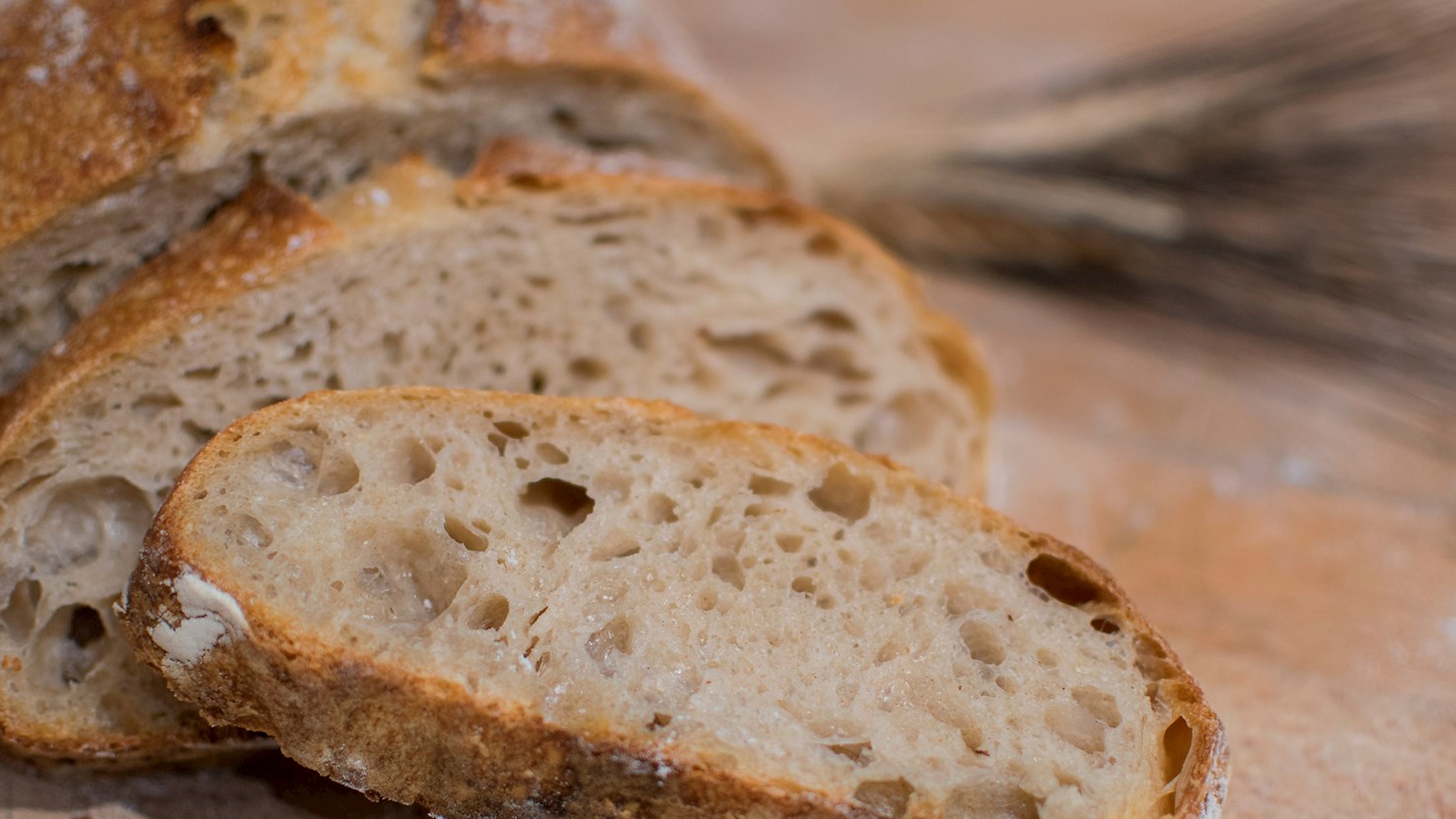
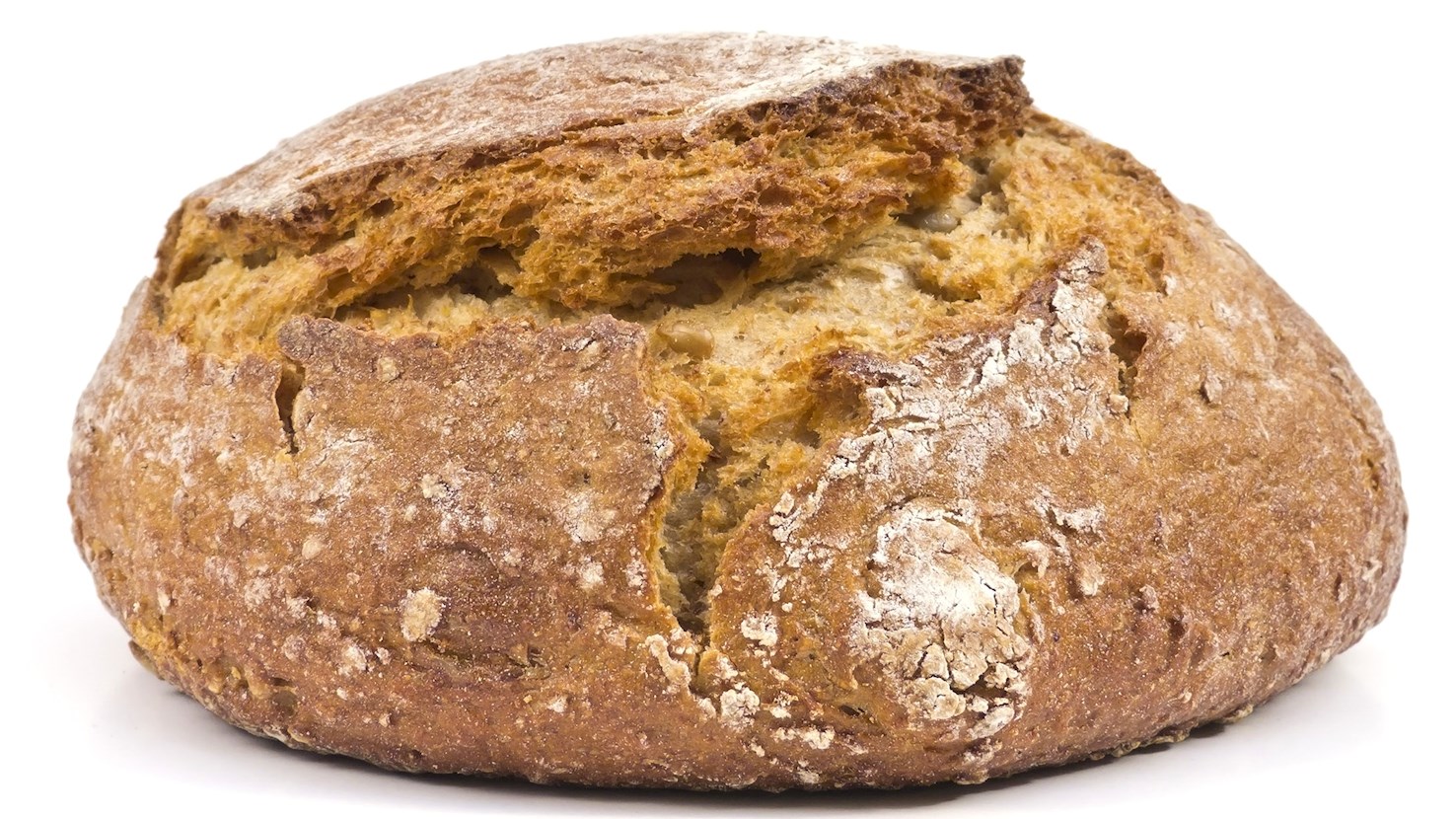
Prepared in the same traditional way for hundreds of years, the Sicilian pane a l'antico rustico or simply pane rustico is a type of homemade sourdough bread. The slightly flattened pane rustico is typically baked in a wood-fired oven, and pairs perfectly with many dishes of Sicilian cuisine, particularly soups and stews. Crusty on the outside and wonderfully tender on the inside, it is also great as an accompaniment to cold cuts and cheese. In Sicily, pane rustico is often enjoyed fresh from the oven, generously drizzled with extra virgin olive oil and simply seasoned with salt and coarsely ground black pepper.
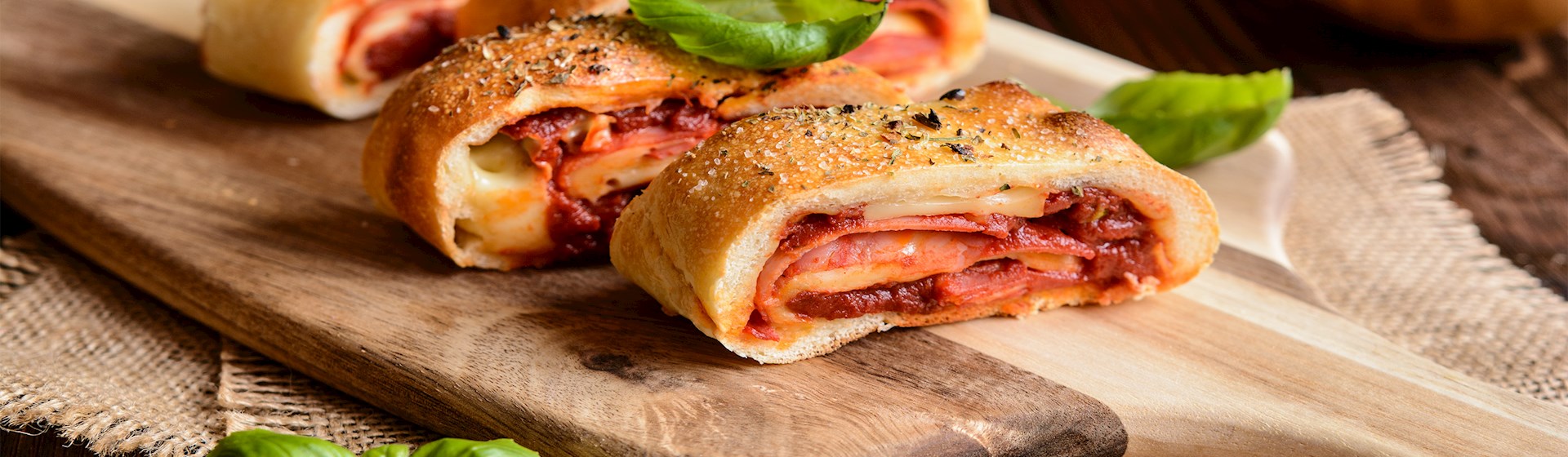
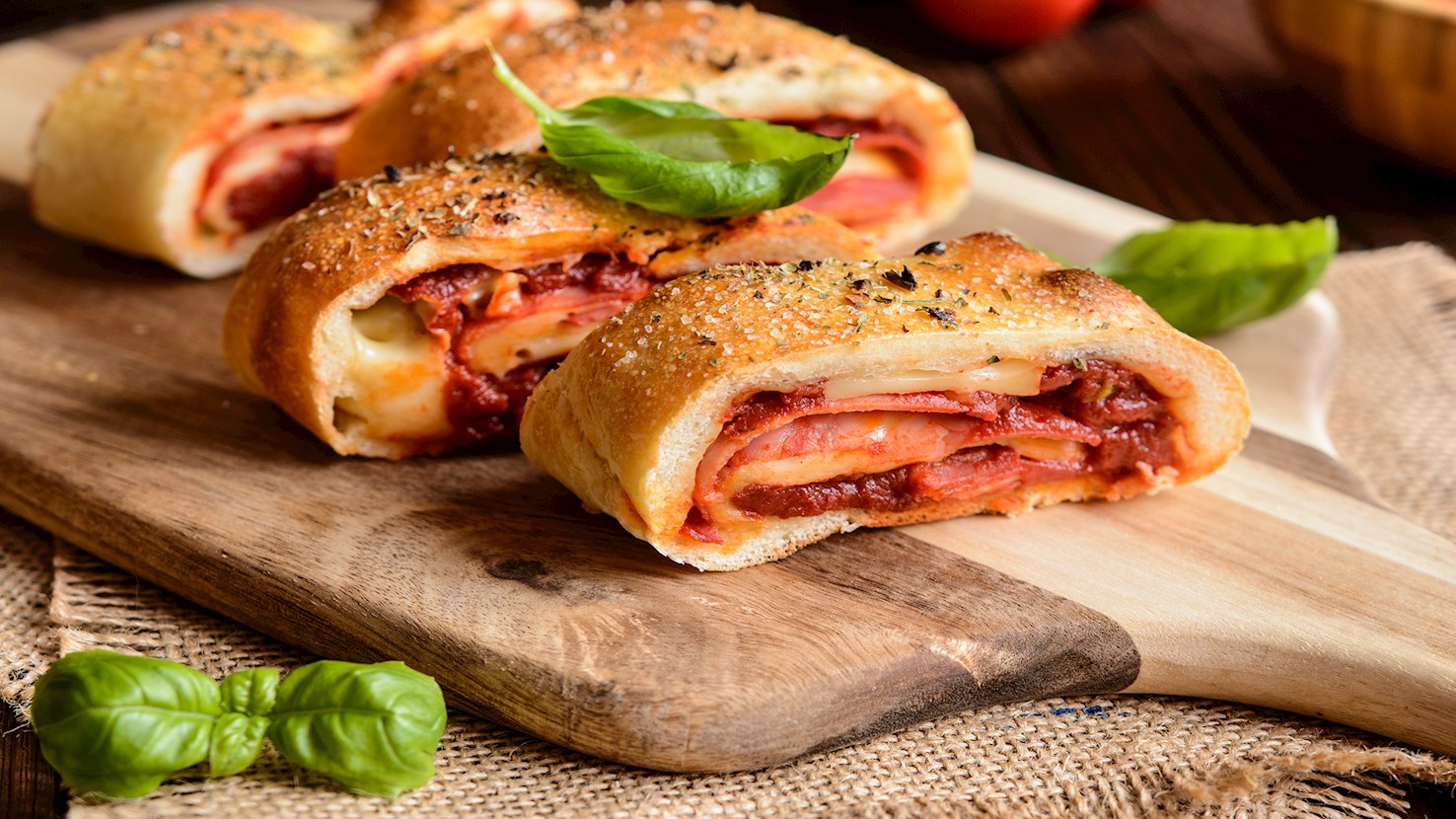
Scaccia is a unique dish from the Sicilian province of Ragusa that can either be described as a cross between lasagna and calzone pizza or a stuffed flatbread. It's prepared by topping the thinly rolled dough with various ingredients, then folding it over itself so that it resembles a strudel. These long, rectangular stuffed flatbreads are traditionally sliced in pieces, revealing the flavorful layers of dough, sauce, and cheese. There are several regional varieties of scaccia, so in some places it is topped only with sauce and cheese, while in other places it is topped with potatoes, cottage cheese, sausages, and different vegetables.
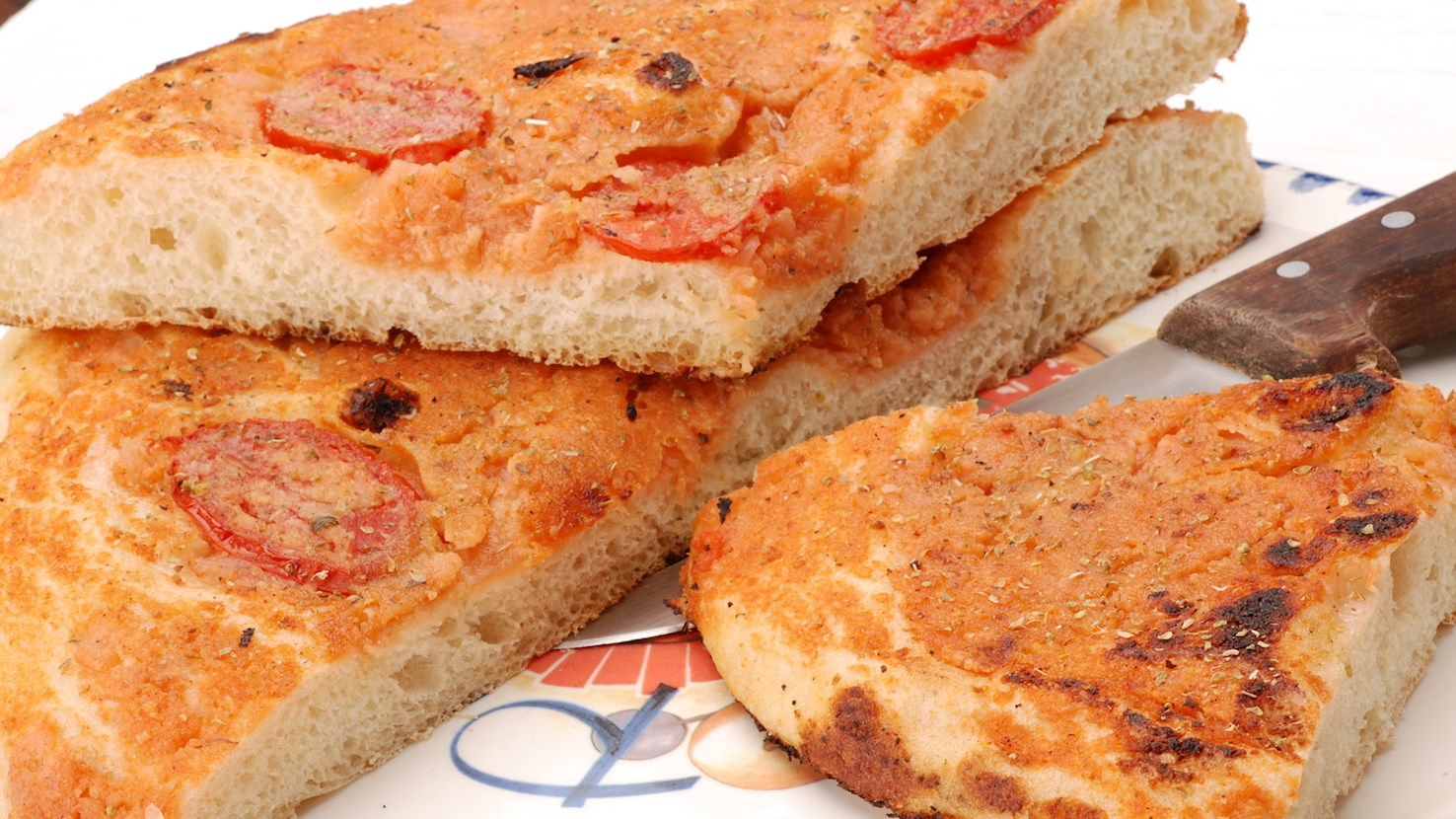
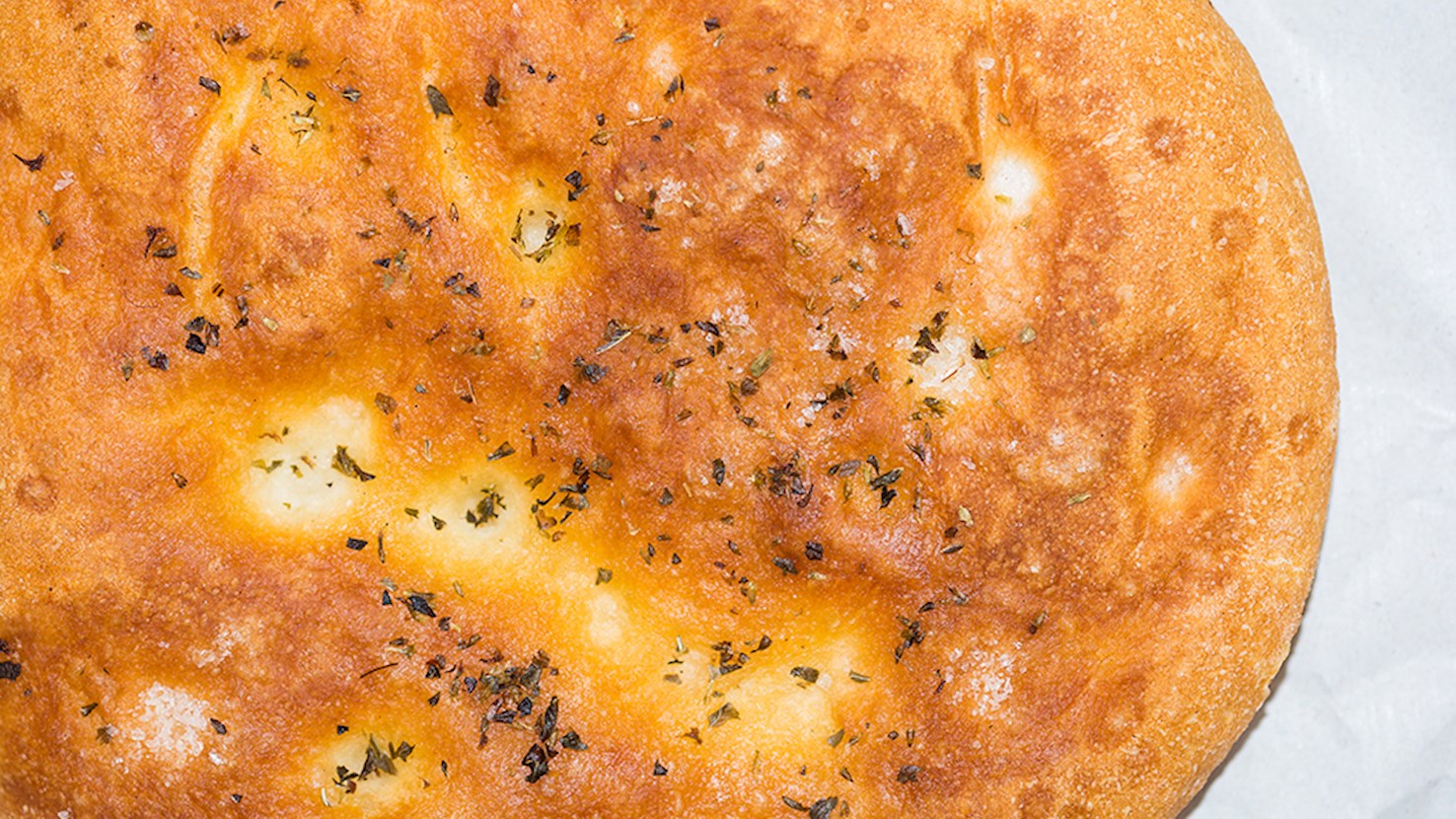
This traditional Sicilian focaccia is an oven-baked flatbread topped with an oregano-flavored tomato sauce made with the addition of onions, anchovies, breadcrumbs, and local cheeses such as caciocavallo, provolone, tuma, or ricotta. Sfincione is one of the island's favorite street foods, especially in Palermo, where street vendors are often seen driving around in their three-wheeled Piaggio Ape food trucks shouting "Scairsu r'uogghiu e chin'i pruvulazzu" (lit. little oil and lots of dust), referring to the crusty breadcrumb topping. The name sfincione is derived from the Arab word asfanaj and Greek sfoungári, both meaning sponge, which this flatbread resembles in appearance and texture.
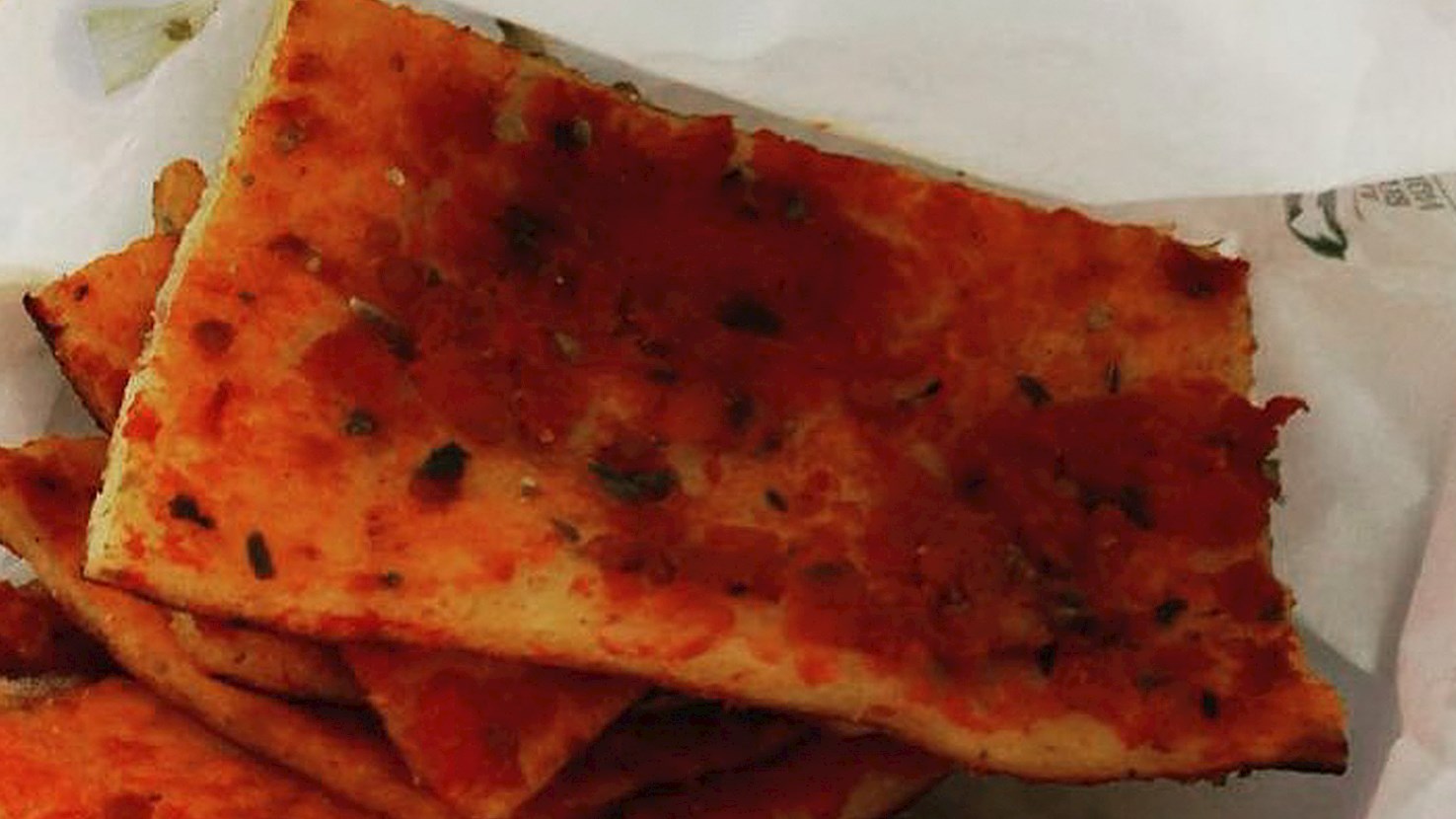
Pizza secca, meaning dry pizza, derives its name from the crunchy, crispy texture it develops once it’s baked. It is not a regular pizza but a type of schiacciatina, a very thin flatbread with a topping that resembles a pizza in visual appearance and flavor. Consisting of flour, water, olive oil, salt, and (sometimes) yeast, the dough is rolled out very thinly before it is cut into rectangular or square-shaped slices and brushed with a combination of tomato sauce, oregano, salt, and olive oil. The topping can also be enriched with other ingredients such as finely sliced onions, olives, eggplants, dry salami, or marinara sauce, while some versions may omit the tomato sauce altogether. Pizza secca is a specialty of the Sicilian town of Catania and the surrounding area, where it is available in almost every local bakery at any time of the day. Slices of this crunchy, pizza-like flatbread make for an excellent snack or an appetizer that can be enjoyed warm or chilled.
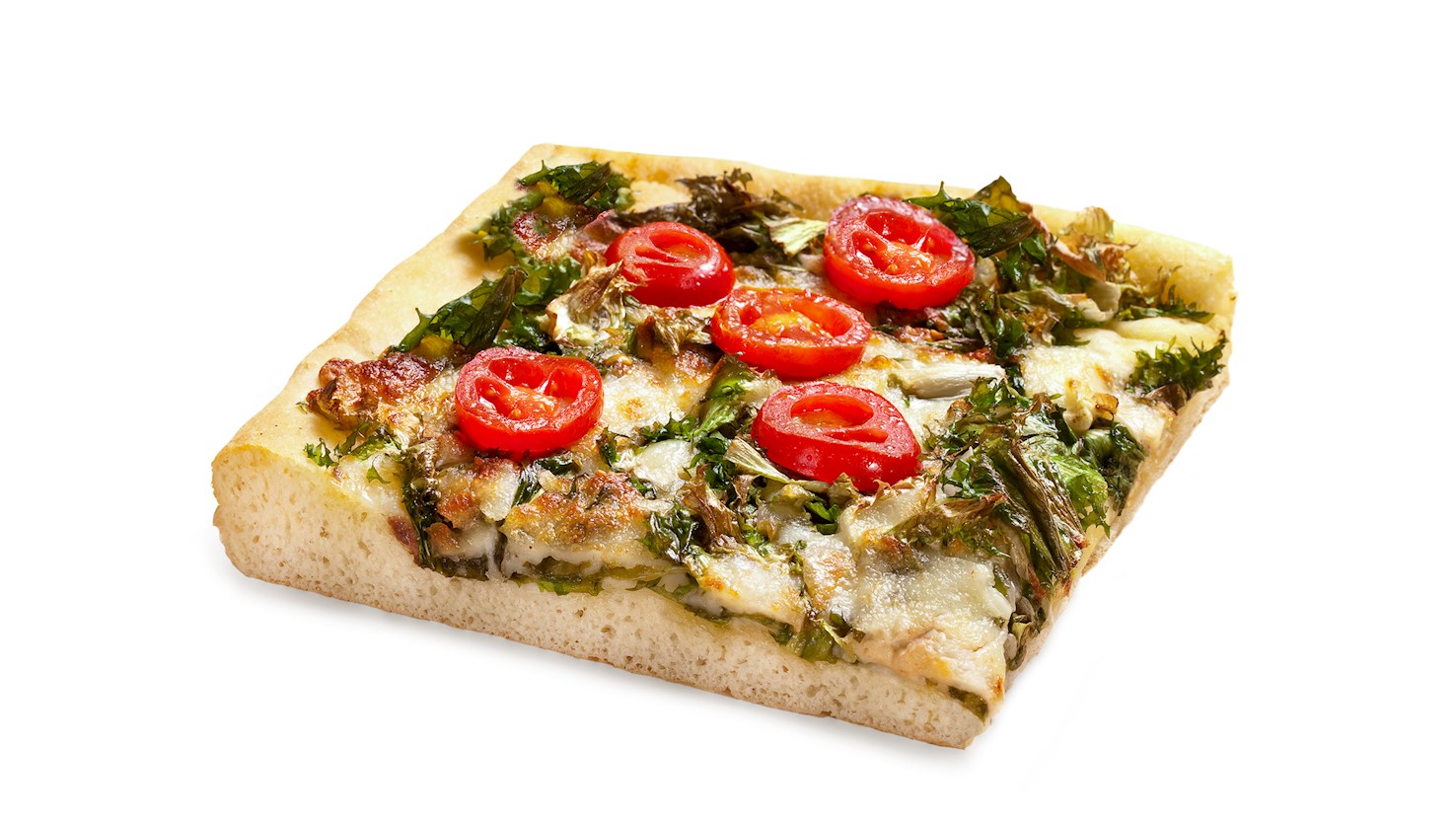
This variety of Italian focaccia originates from Messina. The focaccia dough is made with flour, semolina, yeast, lukewarm water, olive oil, salt, and sugar. The toppings are what differentiates this focaccia from all other varieties – it is topped with anchovies, tuma cheese, curly endive, and tomatoes. Before baking, the focaccia is seasoned with freshly ground black pepper, salt, and a drizzle of olive oil. You probably won't find this focaccia outside of the region. In the area of Parco dei Nebrodi, on the northwestern side of Messina, cooks like to use provola instead of tuma cheese because it gives the focaccia a more savory flavor.
Pane nero di tumminia is a traditional Sicilian round loaf bread, known as "vastedda", made from a blend of stone-ground Sicilian durum wheat flour and ancient tumminia (or timilia) wheat flour, with a distinctive dark coffee-colored crust sprinkled with sesame seeds and a soft, wheat-yellow crumb. This bread is a cornerstone of Sicilian culinary heritage, famous for its rustic appearance, nutty, earthy flavor, and production process that follows ancient artisanal methods. The flour blend is key to its unique character, as Tumminia wheat—a rare, ancient grain with low gluten content—is responsible for the bread's dark color and its signature sweet, toasted aroma. The dough is made with only a few simple ingredients: Sicilian durum wheat flour, tumminia flour, water, salt, and a natural sourdough starter known as "lu criscenti". After a slow, natural fermentation process, the bread is baked in wood-fired stone ovens, where the flames are fueled by dried olive branches. This ancient baking method infuses the bread with a subtle smoky aroma and produces its crisp, hard crust. The traditional baking process begins by heating the oven to approximately 300°C (572°F) using a lively fire. Once the flames are extinguished, the oven's interior is swept clean with a curina, a long-handled broom made from dwarf palm fronds. The bread is then placed inside, baking slowly as the oven's heat gradually decreases, creating an even cook and developing its characteristic texture and flavor. The final product is a rustic, aromatic loaf with a hard, dark, sesame-coated crust and a soft, moist crumb. Its flavor profile is rich and multi-layered, with notes of toasted grain, malt, almonds, and the faint aroma of olive wood smoke. The bread's deep flavor is enhanced by the slow fermentation process, while the use of Tumminia flour lends it a slightly sweet, nutty taste. Pane nero di tumminia is not only prized for its unique flavor and appearance but also for its health benefits, as Tumminia wheat is high in fiber, low in gluten, and considered a more digestible ancient grain. Traditionally, pane nero di tumminia is eaten warm and fresh from the oven. Sicilian custom calls for the bread to be split open and topped with local extra virgin olive oil—typically the fruity, peppery Nocellara del Belìce olive oil—then seasoned with salt, oregano, fresh basil, and tomatoes. It is often paired with primosale cheese or Vastedda cheese (a Sicilian PDO-certified sheep’s milk cheese) and sometimes topped with anchovies or boned sardines, creating a simple yet flavorful meal. This preparation is a quintessential Sicilian breakfast, snack, or light meal, reflecting the region's philosophy of simple ingredients prepared with care. Pane nero di tumminia is not just a bread but a symbol of Sicily’s agricultural, culinary, and cultural identity. It embodies the island's reliance on traditional stone-ground grains, slow fermentation, and ancient baking techniques. However, due to its labor-intensive production and the reliance on wood-fired ovens, the bread faced near extinction. Efforts to protect and preserve its heritage have led to its recognition as part of the Slow Food movement, which seeks to safeguard traditional foods and promote biodiversity. Today, it is produced by artisanal bakers in towns like Castelvetrano, where this bread remains a culinary treasure. While once at risk of disappearing, Pane Nero di Tumminia is now celebrated as a symbol of Sicily's sustainable farming and ancient bread-making traditions, offering a rich taste of Sicily's past in every bite.
Sicilian mafalda bread, known for its crusty exterior and soft, airy crumb, is typically shaped into an elongated or serpentine form and sprinkled generously with sesame seeds. The bread is made with durum wheat flour, which gives it a slightly yellow hue and a unique flavor. Mafalda is often enjoyed as a sandwich bread or served alongside meals. It has become a beloved staple in Sicilian cuisine due to its distinctive texture and nutty taste from the sesame seeds.
Vastedda is a traditional bread originating from Sicily. This round loaf of bread without a hole in the middle is typically sold in Palermo. However, a bread with the same name is also prepared in the town of Ramacca in Catania, where it's made in the shape of a loaf or donut. In the province of Enna, there are the vastidduni, which are larger and have a thicker crust. The vastedda from Palermo is mostly used for pani ca meusa sandwiches, when the bread buns are filled with veal spleen and often caciocavallo or ricotta cheese.
Cudduruni is a traditional focaccia-style bread originating from Lentini, Syracuse. The bread is made with a combination of beer yeast or mother dough, hard wheat flour, salt, and water. Once prepared, the dough is shaped into a disk and half of it is covered with the filling, then folded into a half-moon. The edges are pinched and sealed, and the edge looks similar to a rope. The basic filling is made with onions or wild beet greens, black broccoli, tomatoes, fresh sheep's milk cheese, and olive oil. Cudduruni is traditionally baked in a wood-fired oven. Nowadays, the original recipe is often modified with ingredients such as prosciutto, cheeses, mortadella, and sausages from different regions of Italy.
This country-style sourdough bread made with durum wheat dough, natural yeast, water, and salt is traditionally prepared in the Sicilian provinces of Enna and Catania. Thanks to the quality of wheat cultivated in the fertile plains of the Dittaino River, this delicious bread remains fresh for up to a week, keeping its delicate aroma and rich flavor. Dittaino bread is typically used for preparing bruschettas, but it is also a perfect accompaniment to Sicilian cheeses and charcuterie.
TasteAtlas food rankings are based on the ratings of the TasteAtlas audience, with a series of mechanisms that recognize real users and that ignore bot,
nationalist or local patriotic ratings, and give additional value to the ratings of users that the system recognizes as knowledgeable.
For the “Top 10 Sicilian Breads” list until June 15, 2026, 217 ratings were recorded, of which 147 were recognized by the system as legitimate.
TasteAtlas Rankings should not be seen as the final global conclusion about food. Their purpose is to promote excellent local foods,
instill pride in traditional dishes, and arouse curiosity about dishes you haven’t tried.