




Roland Zumbuehl (CC BY 3.0)

Top 16 Swiss Breads

Last updated on July 15, 2026
01

Zopf

3.9 ·

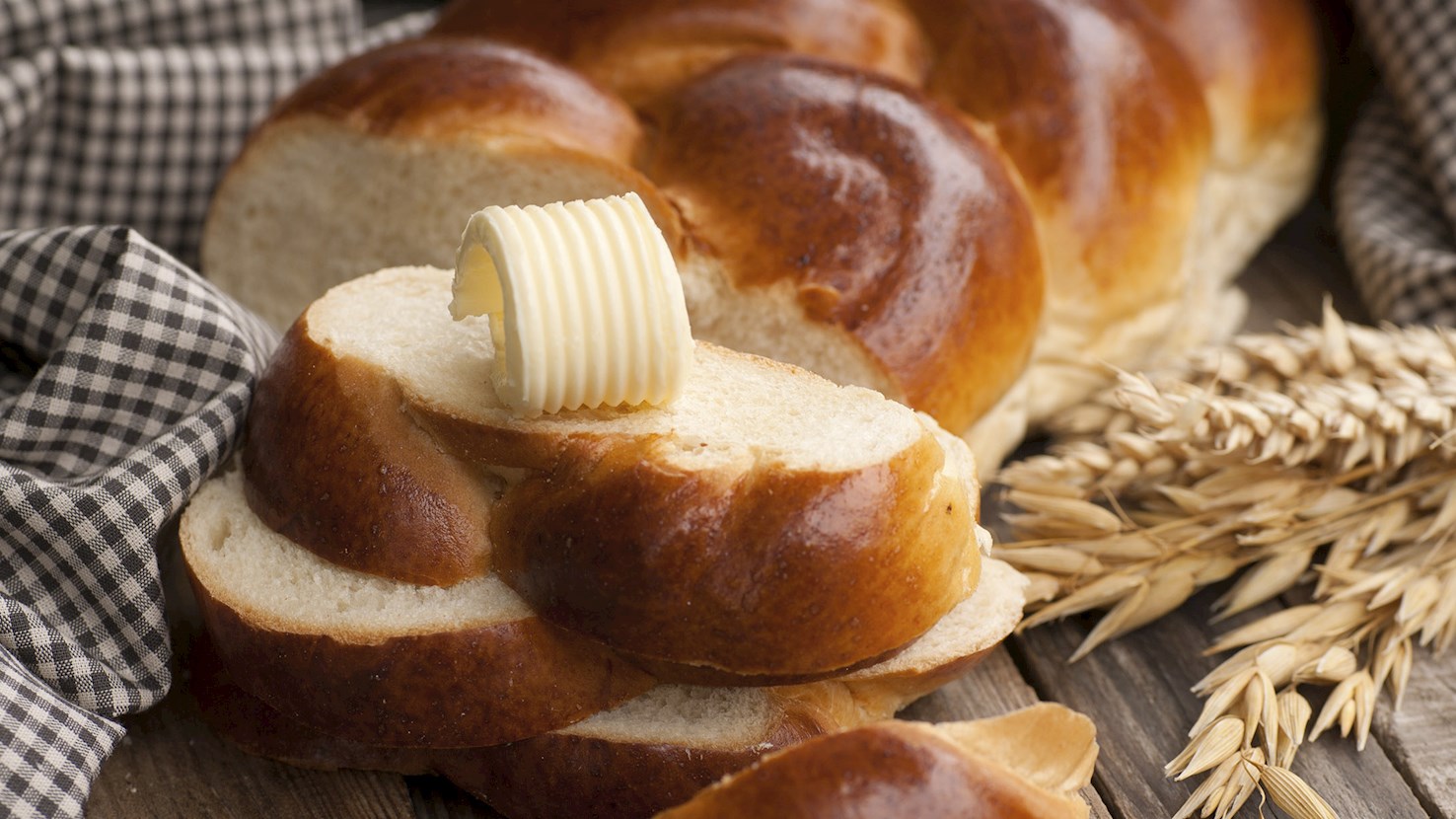
Zopf is a traditional bread consisting of flour, butter, yeast, milk, and eggs. It is characterized by its soft texture and braided appearance, similar to the Jewish bread challah. Traditionally, zopf is prepared during the weekend and consumed on Sundays, usually with butter and fruit jams. It is believed that the bread was invented in the middle of the 15th century. Originally, widows used to cut off their braided hair and bury it with their late husbands. Later on, they baked zopf and buried loaves of bread instead of hair. The name zopf literally means braid, referring to the shape of the bread. Today, zopf can also be bought in stores, although it is still more often prepared at home.

02

Cuchaule

3.7 ·

Cuchaule is a Swiss brioche-type bread with an amber color and a unique flavor. This specialty of the Fribourg region is made with flour, milk, sugar, butter, yeast, salt, eggs, and a pinch of saffron. It is typically baked for the Bénichon harvest festival, when it is traditionally spread with Bénichon mustard and butter. The mustard is made with candied sugar, vin cuit, and spices such as cinnamon, cloves, and star anise. However, cuchaule can be consumed with anything sweet or savory – from jams and honey to cheese and peanut butter.

03

Pane Ticinese

3.6 ·

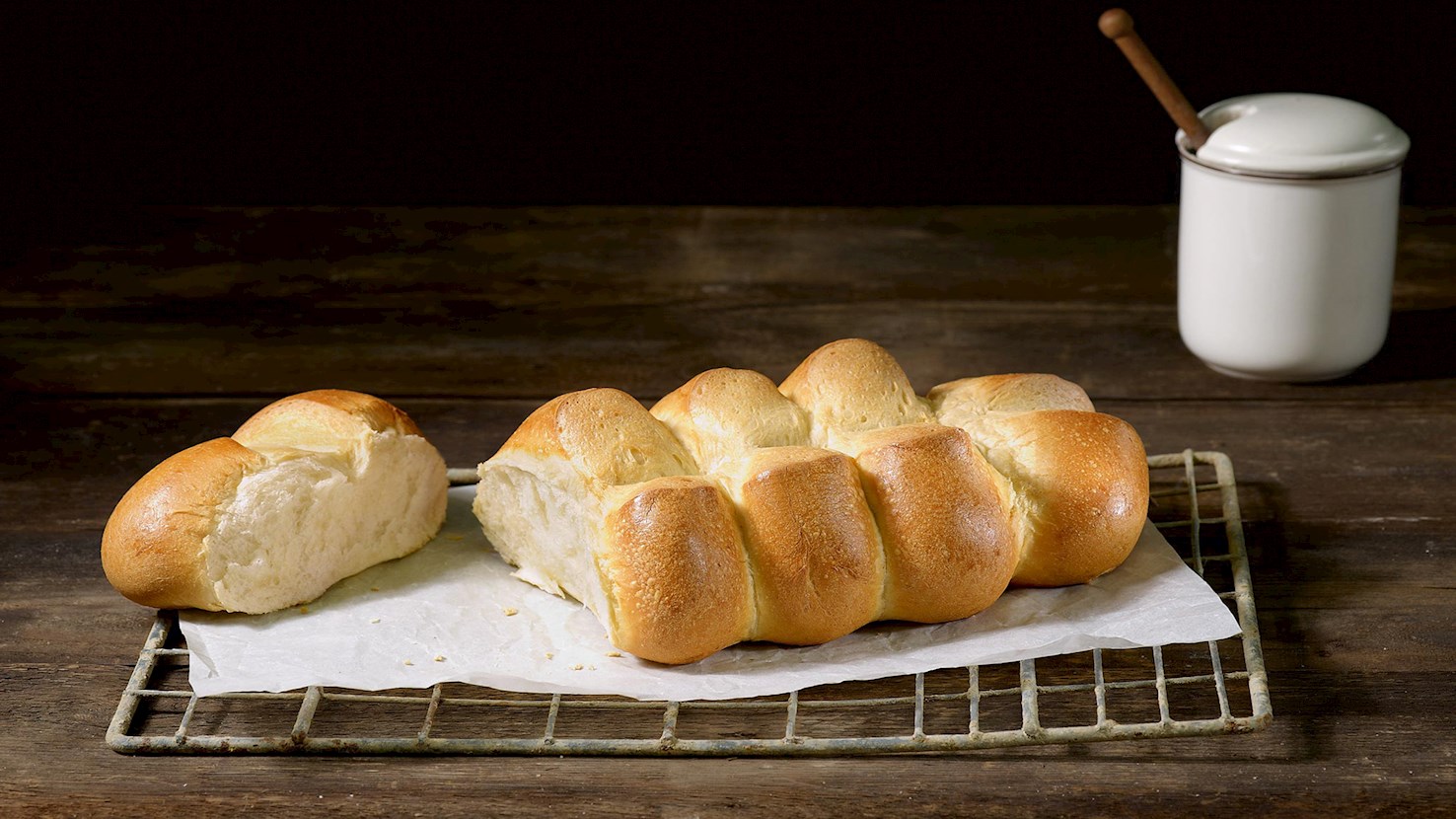
A loaf of this traditional Ticino bread usually consists of five sections which are meant to be broken apart with your hands and shared. It is traditionally made with flour, water, yeast, salt, and oil. Before baking, the dough is often brushed with milk or egg wash, resulting in a nice golden brown crust once baked. It is believed that the shape of this bread was brought over to Ticino from Italy, but it became popular throughout Switzerland in the 1950s.

04

Pane Valle Maggia

3.5 ·

Pane Valle Maggia is a traditional bread originating from Lugano in Switzerland. The dough is prepared with a combination of water, yeast, rye flour, wheat flour, sourdough starter, and sea salt. The dough is shaped into a boule and it's then baked until it develops a crispy crust. The crumb should not be very open, but not too dense either. It's recommended to cut the bread into thick slices and serve it with cold cuts and olives on the side.

05

Walliser Roggenbrot

3.3 ·

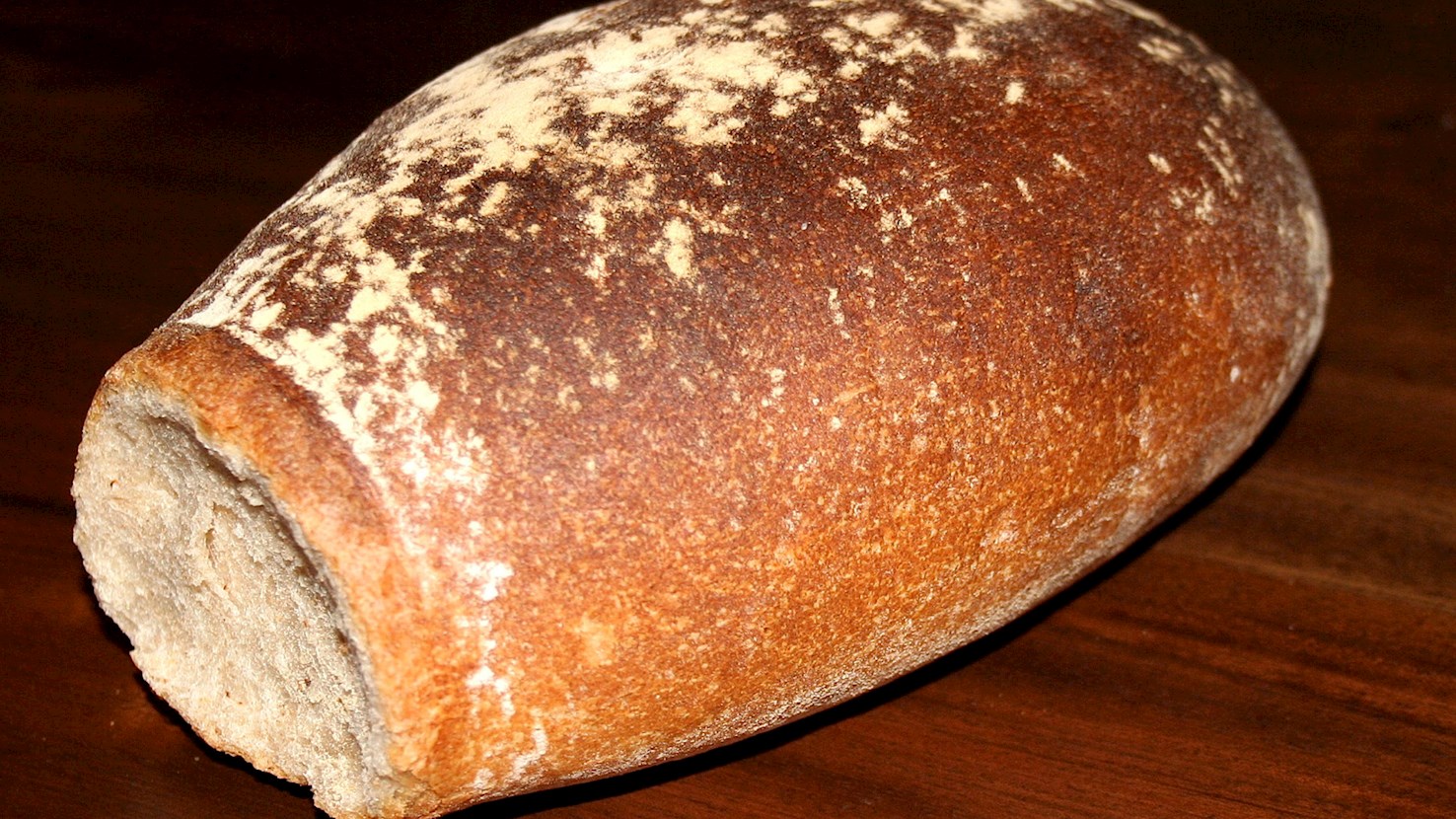
Walliser roggenbrot is a Swiss rye bread produced in the Valais region. The rustic loaf with a dense crumb must contain at least 90% whole rye flour, and it is typically made with a sourdough starter. The bread keeps for a long time, and traditionally, it used to be baked in village ovens which were fired only a few times per year, so it was quite important that the bread lasted for a few months. Nowadays, walnuts and dried fruits can be added to the bread, if desired. When consumed, the bread is thinly sliced, and it is recommended to serve it with cheese, cold cuts, and gherkins.

06

Burebrot

3.2 ·

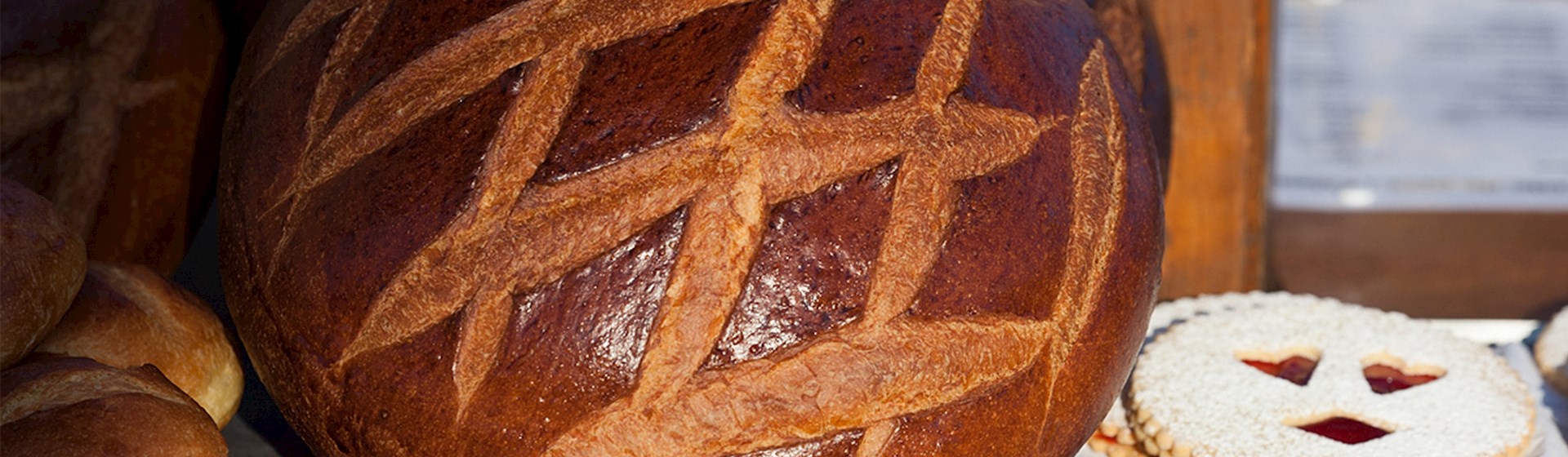
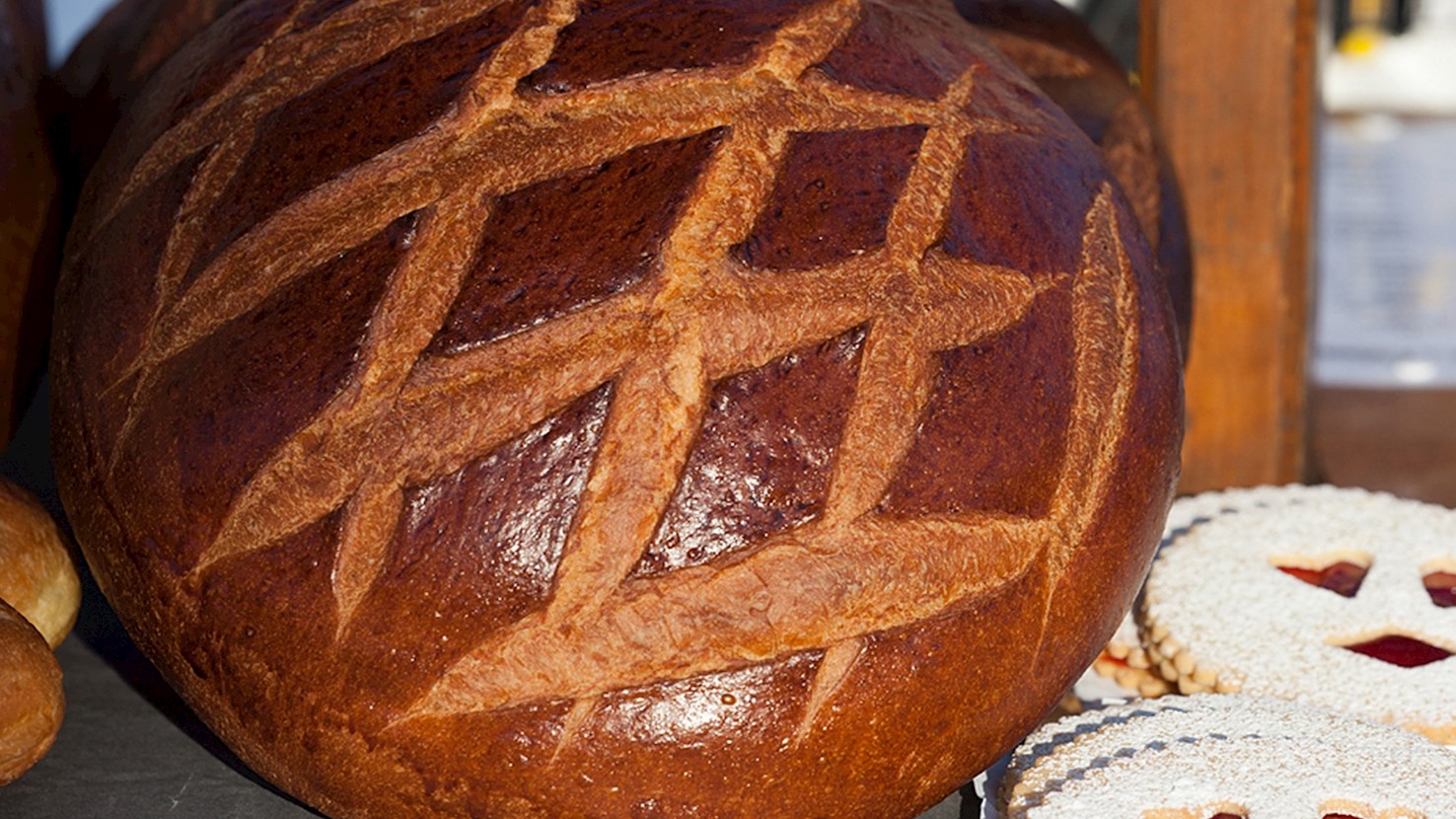
Burebrot is a Swiss bread made with a combination of rye flour, wheat flour, yeast, water, and milk. The round-shaped dough is typically cut with a knife before baking in order to create a rhombus pattern on top. The dough is first baked at a high temperature, then at a moderate temperature, creating a nice crunchy crust in the process. It is believed that burebrot was invented in 1955 by the Professional School of Richemont and Swiss Bakers’ Association as a way to use leftover milk.

07

St. Galler Brot

3.2 ·

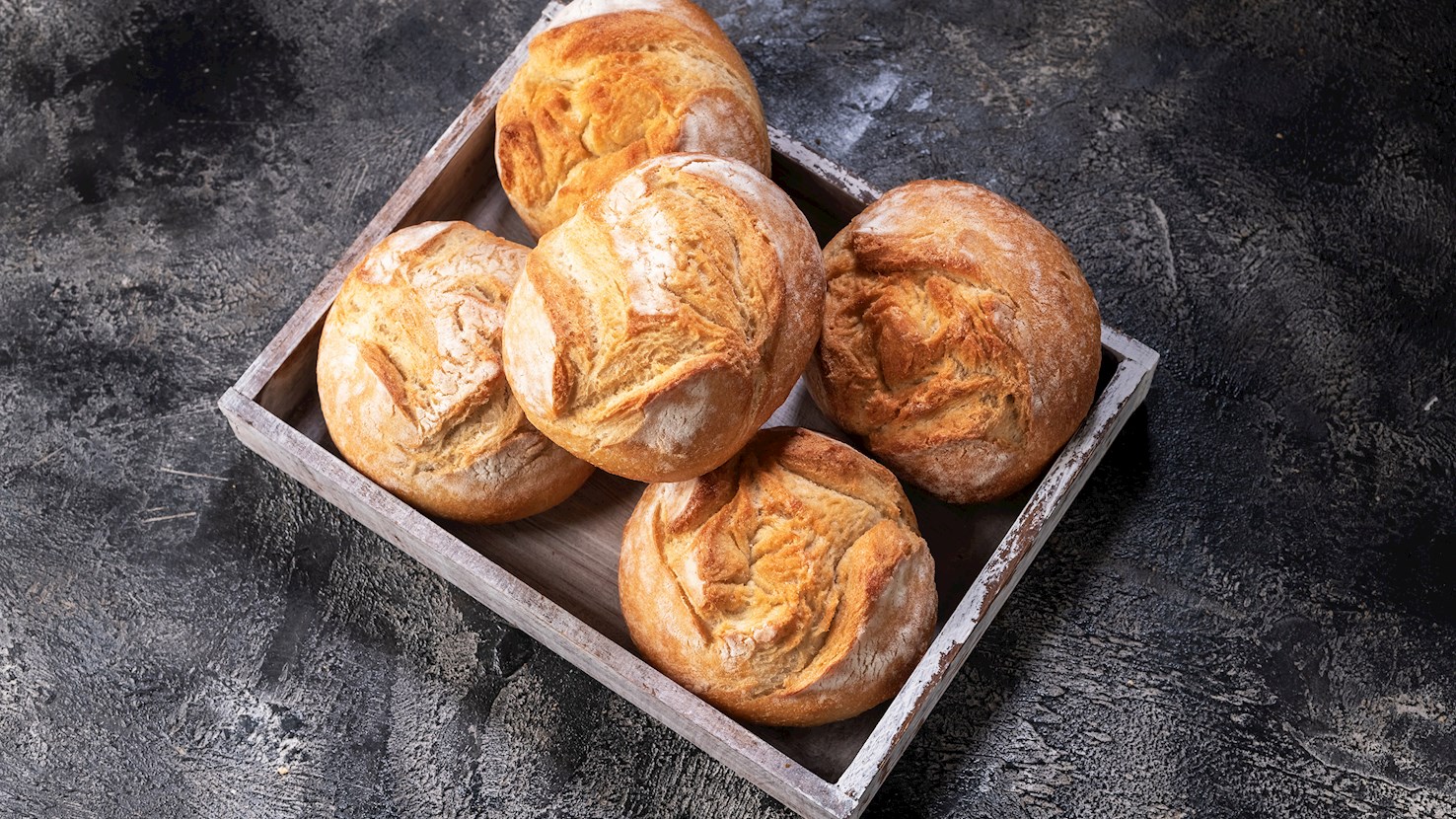
St. Galler brot is a traditional bread loaf that is shaped into a round knot with a torn front. It consists of yeast, salt, water, and either strong white flour or dark wheat flour. In order to get a shiny crust, the bread is brushed with water immediately after it is taken out of the oven. This dense, dark-crusted bread usually comes in two varieties – ruch (dark bread) or halbweiss (a combination of dark and white flour). It is recommended to serve it with butter or homemade fruit jam.

08

Schlumbergerli

3.1 ·

Schlumbergerli is a traditional bread roll originating from Basel and it can be traced back to 1872. The rolls are made with a combination of flour, yeast, salt, and honey. The dough is sprayed with water and baked until golden. If properly prepared, the irregularly-cracked crust should be delicate and crisp, but still soft. These bread rolls are named after Amedée Schlumberger, a banker from France who moved to Basel and started to miss a particular French bread, so Basel bakers made him something similar, and Schlumbergerli was born. The bread is eaten for breakfast, as an accompaniment to main dishes, or on its own with sweet or savory fillings such as butter or fruit jam.

09

Basler Brot

2.9 ·

Basler brot is a traditional bread originating from Basel. It is made with a starter, resulting in light and airy bread with a distinctive flavor. Other ingredients include wholegrain flour or half dark and half white flour, water, and salt. It is characterized by an aromatic crumb, high water content, and high baking temperatures. Visually, the bread is oblong, and it consists of two round loaves of bread that are combined together at the ends. The two pieces represent two Cantons – Basel countryside and Basel the city. It was first mentioned in Eugen A. Meiers 1792 book Das süsse Basel.

10

Fastenwähe

2.6 ·

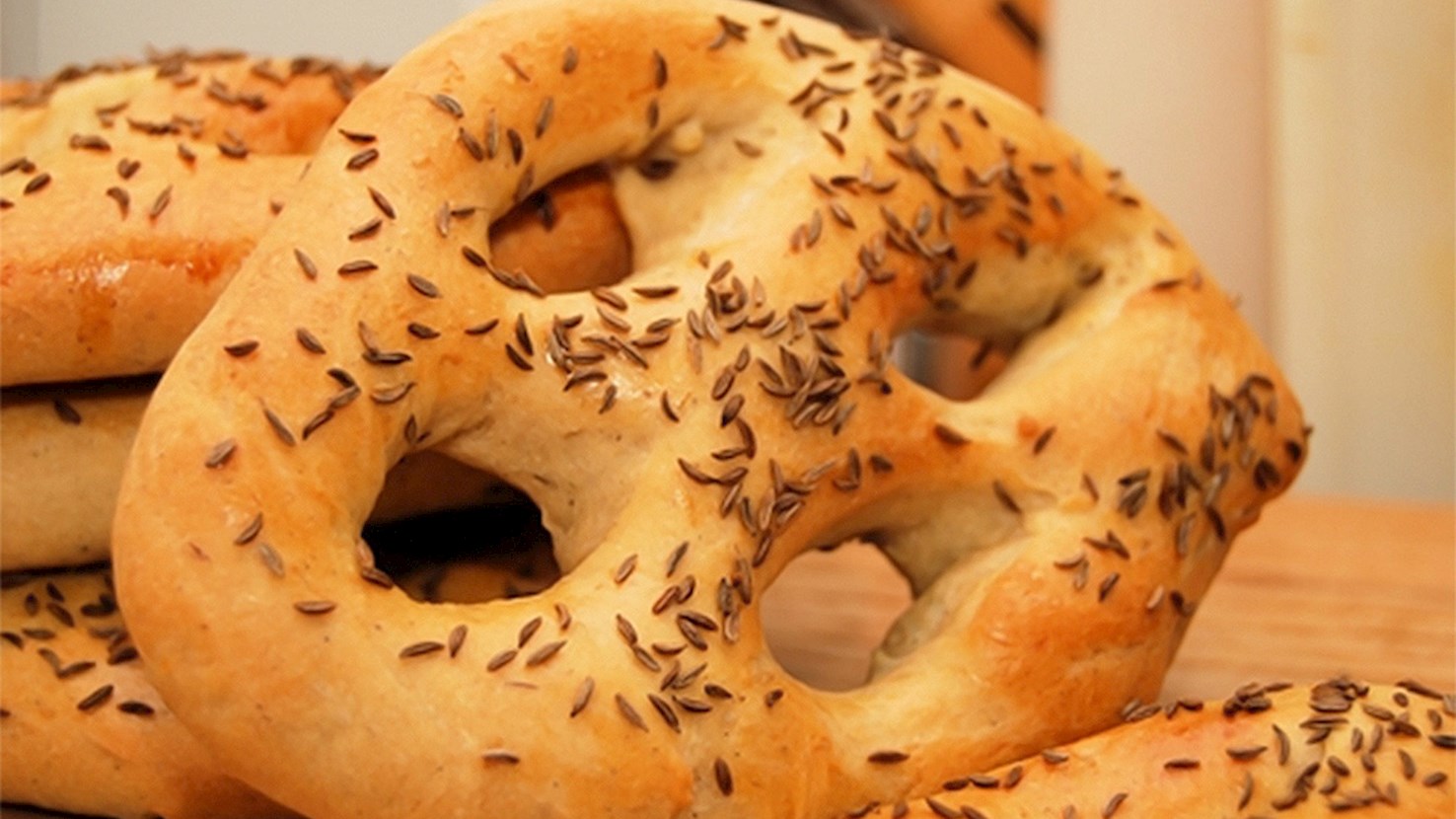
Fastenwähe is a type of small Swiss bread, carnival treat, and snack originating from Basel. The dough is usually made with a combination of flour, yeast, salt, sugar, milk, eggs, caraway seeds, and butter. Once the dough has rested and doubled in size, it's divided and shaped into ovals. A knife is used to cut four slits into each piece of dough, which is then carefully stretched in order to create a shape that's similar to a cross in the middle of the dough. The dough is brushed with beaten egg yolks, sprinkled with caraway seeds, and baked until golden. Fastenwähe is especially popular during the Fasnacht (the biggest carnival in Switzerland) celebration, and it was originally enjoyed only during Lent.

Read more
View all
View map
About this ranking

TasteAtlas food rankings are based on the ratings of the TasteAtlas audience, with a series of mechanisms that recognize real users and that ignore bot, nationalist or local patriotic ratings, and give additional value to the ratings of users that the system recognizes as knowledgeable. For the “Top 16 Swiss Breads” list until July 15, 2026, 250 ratings were recorded, of which 213 were recognized by the system as legitimate. TasteAtlas Rankings should not be seen as the final global conclusion about food. Their purpose is to promote excellent local foods, instill pride in traditional dishes, and arouse curiosity about dishes you haven’t tried.

Similar lists