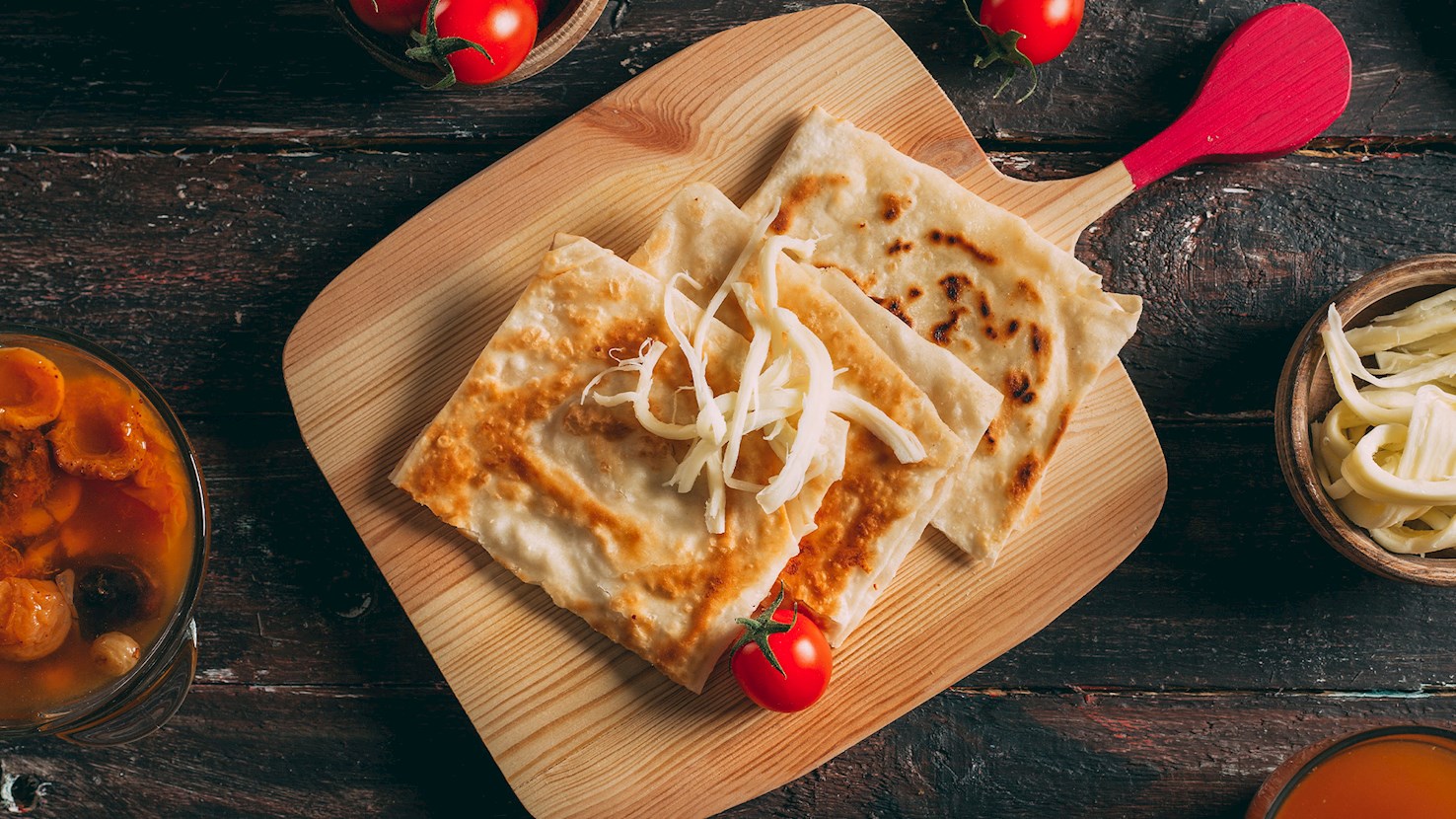
Gözleme is a Turkish flatbread consisting of flour, water, yeast, olive oil, and yogurt, which prevents the flatbread from going too brittle. The dough is filled with ingredients such as meat, vegetables, eggs, various cheeses, or mushrooms, and is then baked on a sac griddle. Originally, gözleme was served for breakfast or as a light afternoon snack, but today it has a status of popular fast food that can be found throughout the country's restaurants, food carts, and cafés.
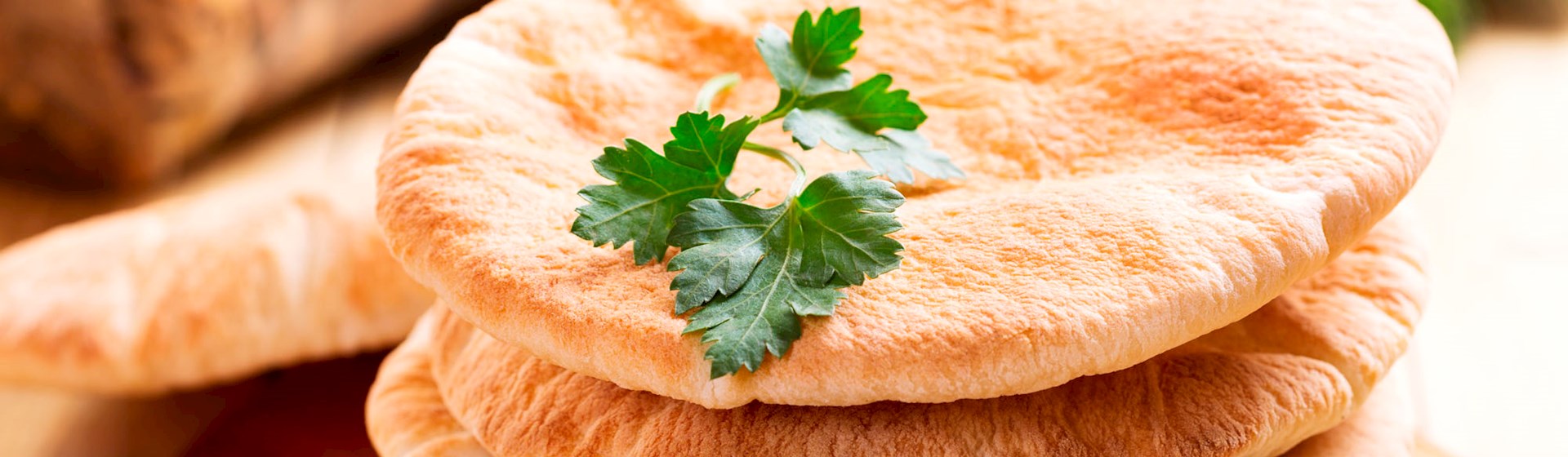
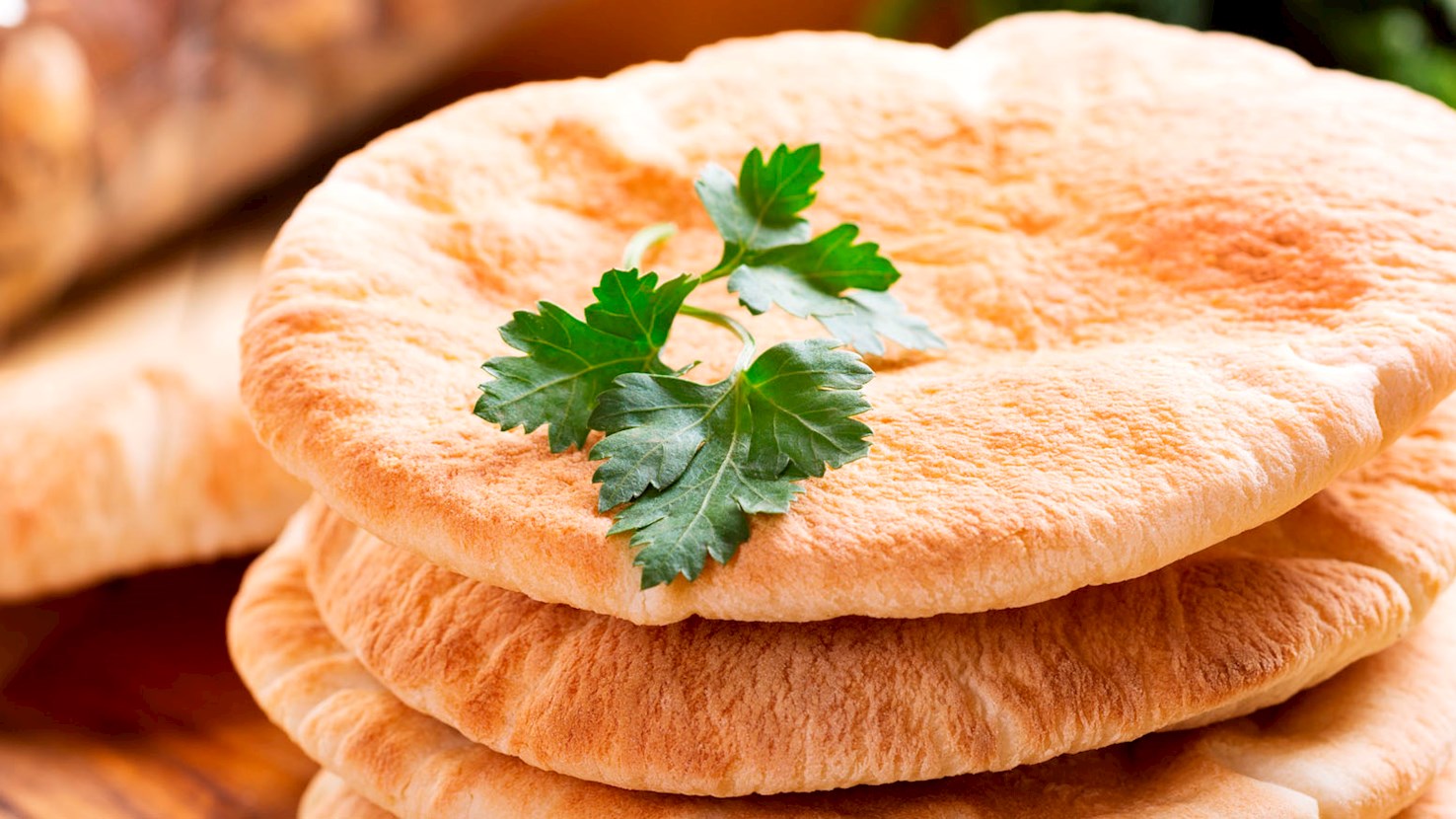
Pita bread is a type of flatbread believed to have originated in the Middle East around 2500 BCE, making it one of the oldest types of bread in the world. Archaeologists have found evidence of flatbreads made by ancient civilizations across the Middle East and Mediterranean, including the Egyptians and Sumerians. The term "pita" is a Greek word, which means "pie" or "bread". This might suggest that the Greeks adopted this form of bread from their Middle Eastern neighbors. The bread is a staple in many Middle Eastern and Mediterranean cuisines today, including those of Greece, Türkiye, Lebanon, and Syria. The simple process of making pita bread, which involves mixing wheat flour, water, yeast, and salt, then baking it at high temperatures, would have been achievable with the tools and resources available to ancient civilizations. The high heat causes the dough to puff up and create a pocket, which is a distinctive feature of pita bread. This pocket makes pita bread versatile for a variety of dishes, as it can be used to scoop up or hold various fillings. Pita is the perfect choice for steaks, lamb, falafel, kebabs, or chicken, and it is traditionally paired with hummus, tzatziki sauce, or tabouleh.
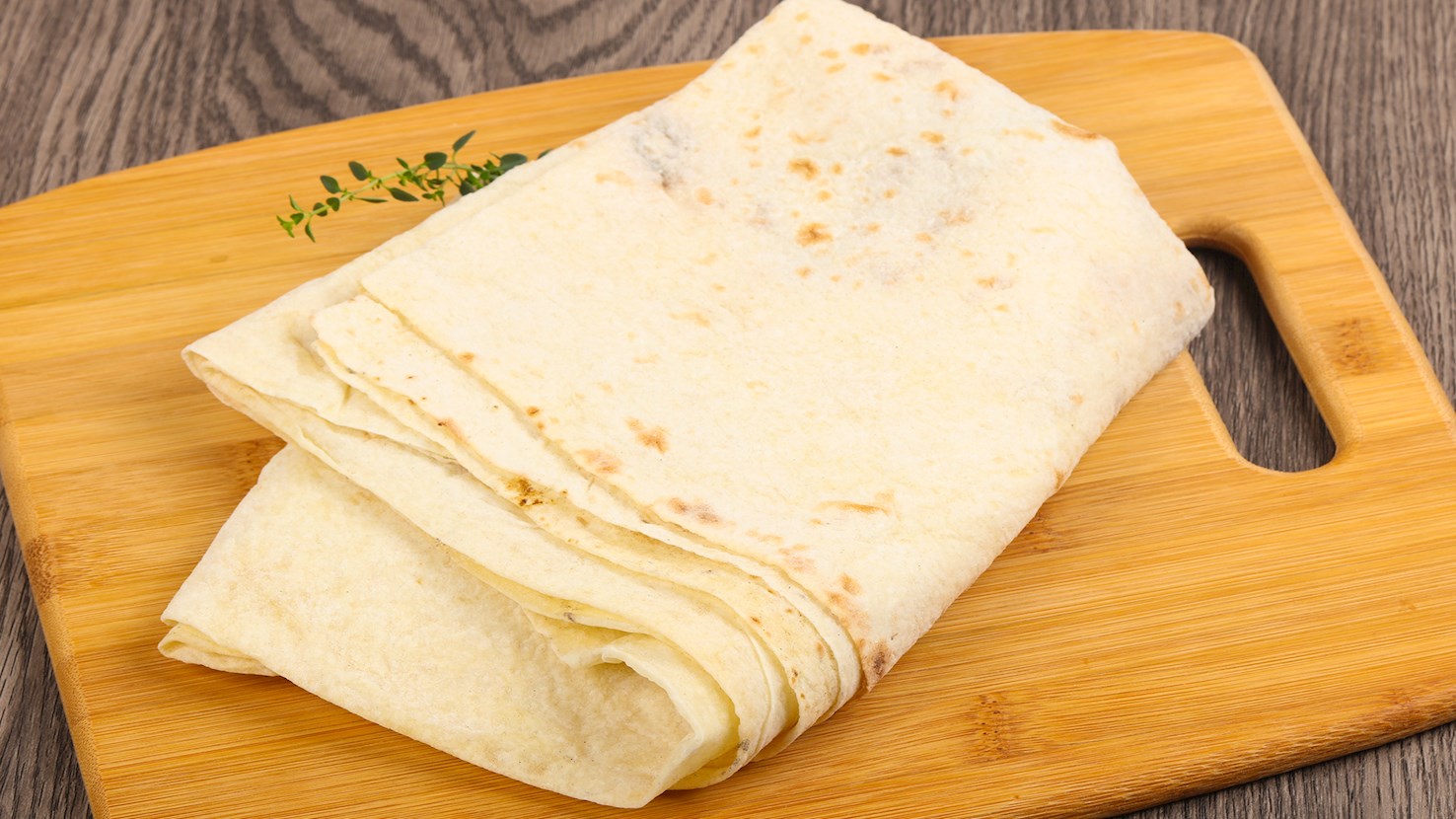
Lavash is a traditional flatbread claimed by many food specialists to be Armenian in origin, but it is well-known and prepared throughout Western Asia (most noteably Iran and Türkiye) and the Caucasus (most noteably Azerbaijan). The dough consists of wheat flour, salt, and water leavened only with a sourdough starter. Once the dough has risen, it is shaped into small lumps that are rolled flat and then slapped against the inside of a clay oven called tonir. Depending on the part or region of Armenia, these flatbreads can vary in thickness, size, shape, and the method of kneading. Because the process of making lavash is so labor-intensive, as well as time-consuming, this flatbread is typically prepared in advance. The baked flatbreads are kept in a dry place and sprinkled with water before use to restore their flexibility. Even to this day, lavash is only torn by hand and can be used either as bread, a wrap, or a spoon. The significance of this flatbread in Armenia is reflected in the ceremonial ritual of its preparation, starting with the choice of women who are fit to make this flatbread, to the sacred and obligatory whispering of blessings or reciting of kind words while making the dough, as it is believed the dough has magical powers to make the whispered wishes come true. As it is considered to be a symbol of fertility and prosperity, lavash has great significance in the Armenian wedding ceremonies, and is also used in traditional medicine since it is believed to have healing properties. In 2016, UNESCO recognized lavash making and sharing culture as an Intangible Cultural Heritage of Humanity.
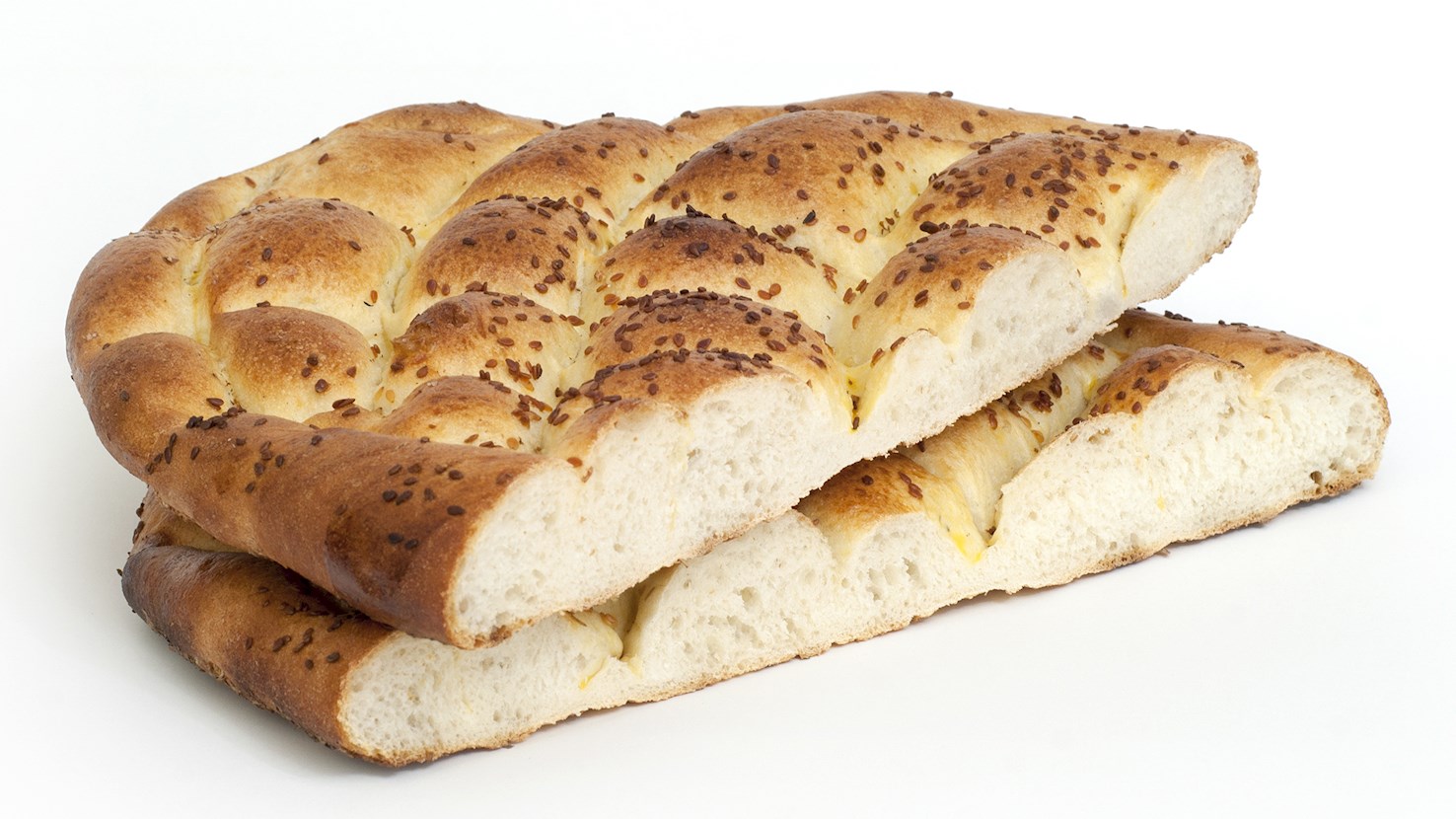
Ramazan pidesi is a traditional leavened bread shaped into round, flat forms. It is made with flour, water, milk, yeast, sugar, salt, and either butter or olive oil. Traditionally consumed during the month of Ramazan, the bread is characterized by its top which is decorated with crisscross patterns or dimples made by pressing into the dough with one’s fingers. Before baking, Ramazan pidesi is typically sprinkled with nigella seeds and sesame seeds. Nowadays, it's one of the staples of Turkish gastronomy, eaten throughout the year with various dips or used to mop up the juices of stews and casseroles. It is also an important part of tombik, a traditional Turkish sandwich stuffed with shredded meat.
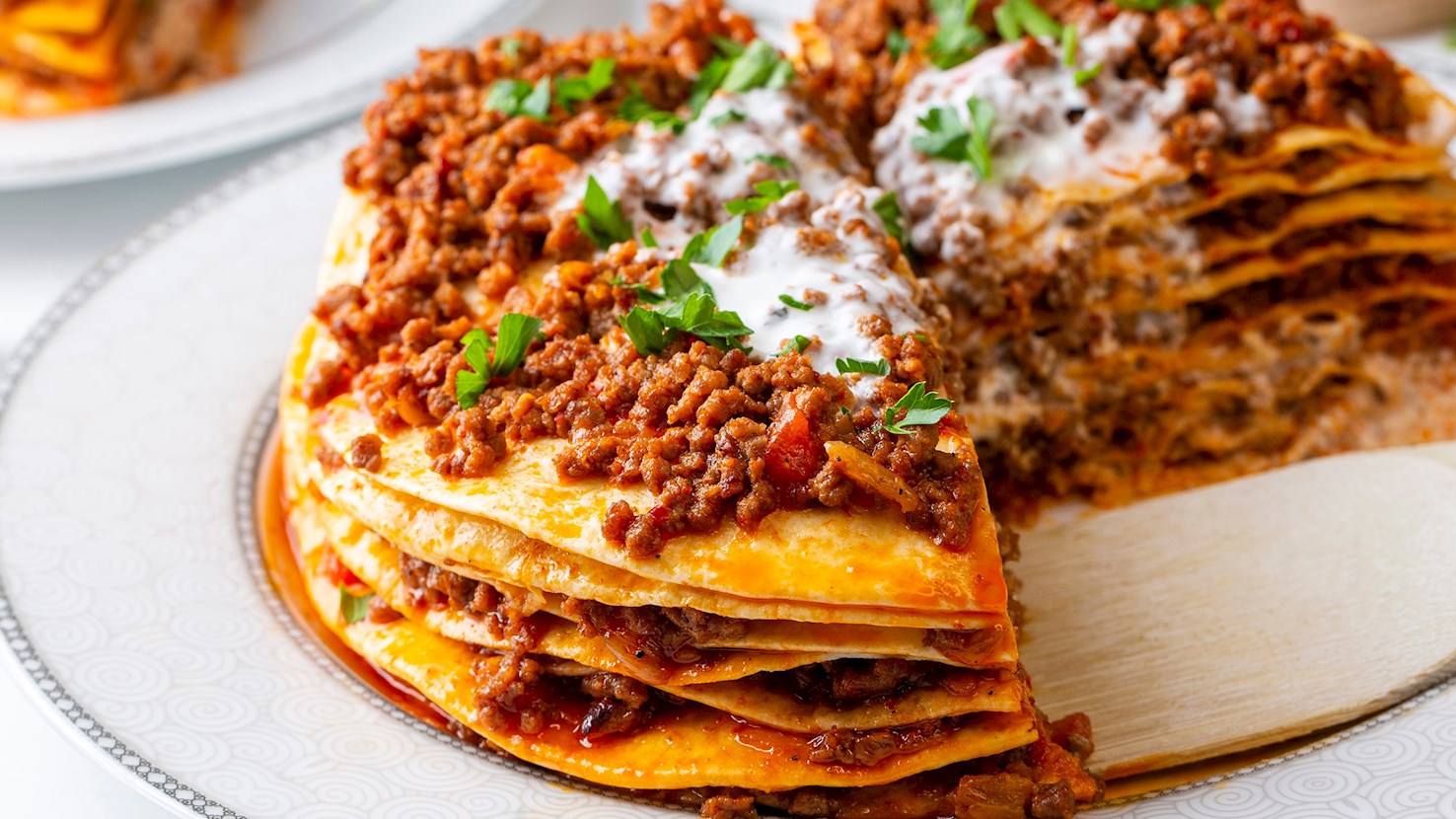
Kayseri yağlaması is a traditional dish from the city of Kayseri in central Anatolia that consists of thin, soft flatbreads layered with a savory filling of minced meat (usually lamb or beef), finely chopped onions, tomatoes, green peppers, and a blend of spices like paprika, black pepper, and cumin. The flatbreads are stacked with the meat mixture spread between each layer, creating a flavorful, lasagna-like dish. Once assembled, the stack is cut into portions and typically served with garlic yogurt and a garnish of parsley. The dish is juicy and aromatic, with the flatbreads soaking up the seasoned meat juices and the cool tang of the yogurt providing a perfect contrast. It's a beloved part of Turkish cuisine, often prepared for family gatherings and special occasions.
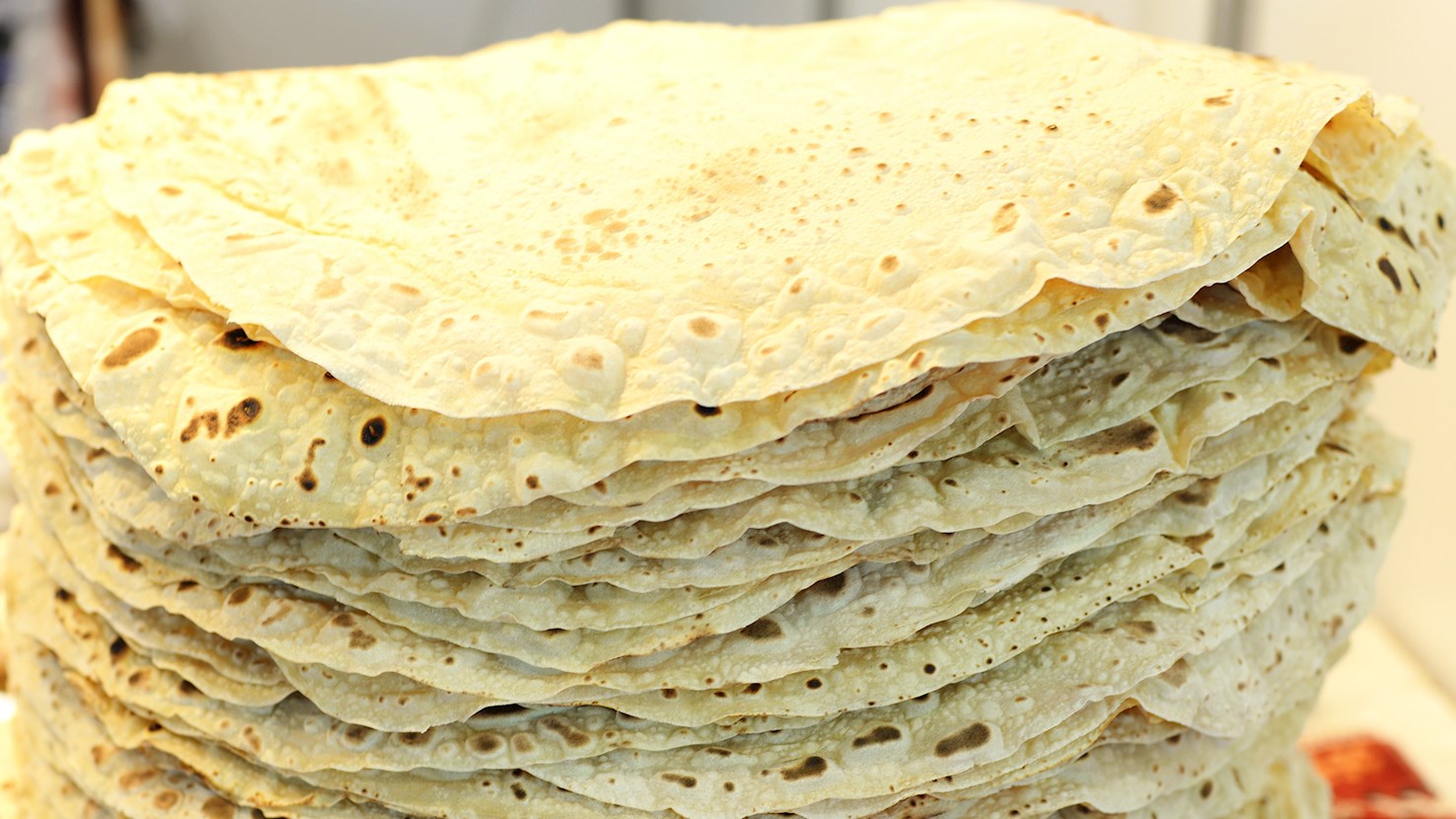
Yufka is a traditional flatbread consisting of flour, water, salt, and olive oil. The unleavened dough is typically rolled with a rolling pin until it develops a paper-thin consistency. It is believed that yufka is an earlier form of phyllo dough. It can be used in the preparation of numerous Turkish pastries, and it is sturdy enough to hold all of the fillings for a shawarma sandwich. In 2016, UNESCO recognized yufka making and sharing culture as an Intangible Cultural Heritage of Humanity.
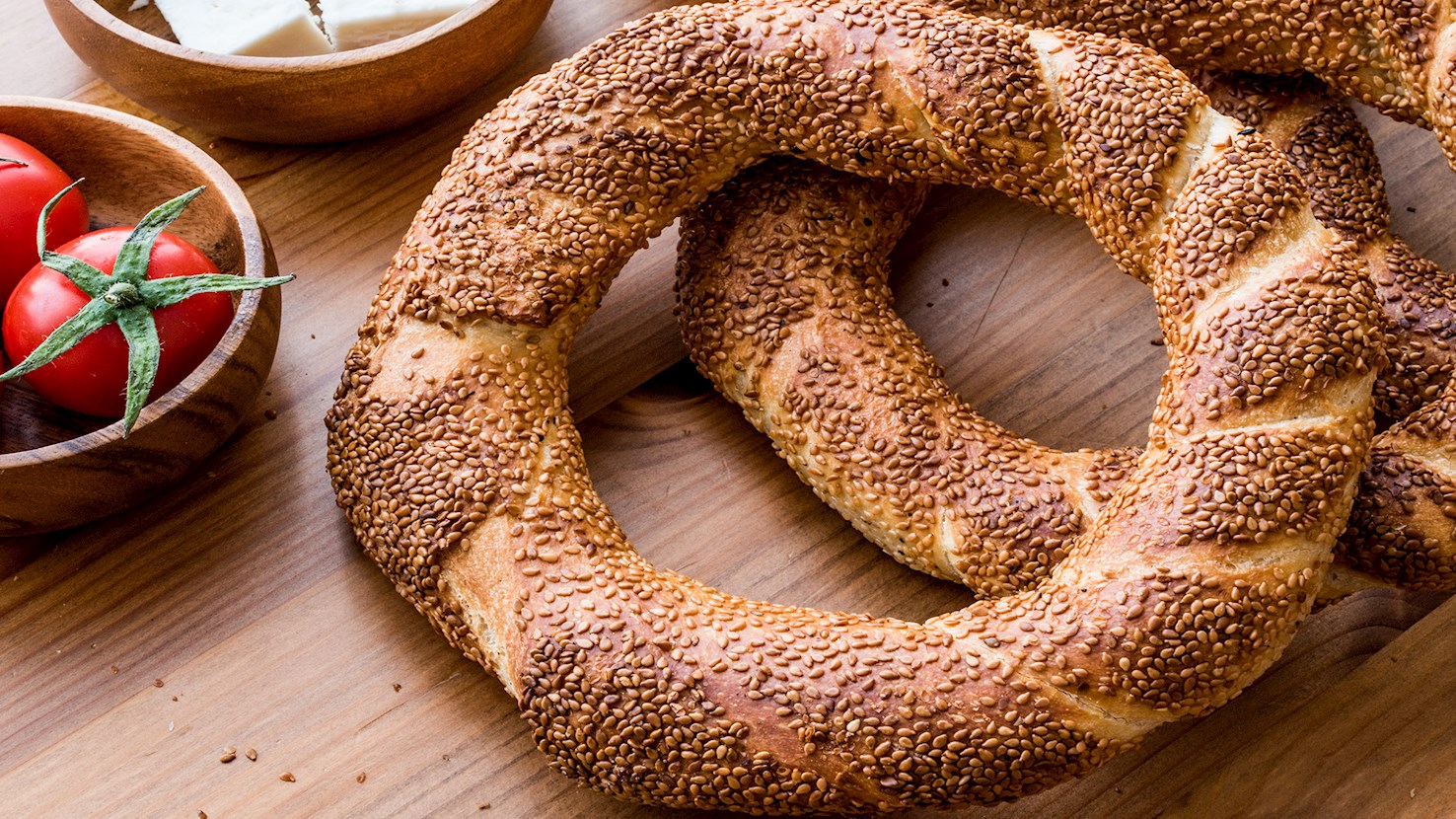
Turkish simit is a circular bread that's commonly accompanied by either tea or ayran (salted yogurt drink) and consumed for breakfast with fruit preserves or in savory combinations with cheese, pastırma (salt cured beef), and fresh vegetables. It is believed that simit has been baked in Istanbul since the 1500s, while the name hails from the Arabic word samīd, meaning white bread or fine flour. The dough itself is very similar to that of a bagel, except instead of boiling, the proofed dough is shaped and dipped into fruit molasses with water before being baked with a coating of toasted sesame seeds on top. In Türkiye, simits are sold by street vendors who walk around either pushing trolleys or carrying trays piled with these delicious, crunchy crusted bagels on their heads.
Çarşamba pidesi is a Turkish savory pie from Çarşamba district in Samsun, Turkey. Unlike the crispy Bafra pidesi, it is known for its soft texture. This pide is shaped into a long, thin loaf, about 75-80 cm (30-32") in length and 4-5 cm wide (2"), and weighs around 200-220 grams (7 oz). It is made with a dough leavened with sourdough and with a raw filling consisting of minced beef and onions that have been squeezed of its juice, pepper, and salt. After baking in a wood-fired oven, butter is spread on the hot pide to enhance its flavor. The final product is a soft, buttery bread, distinct from the crispy varieties of pide.
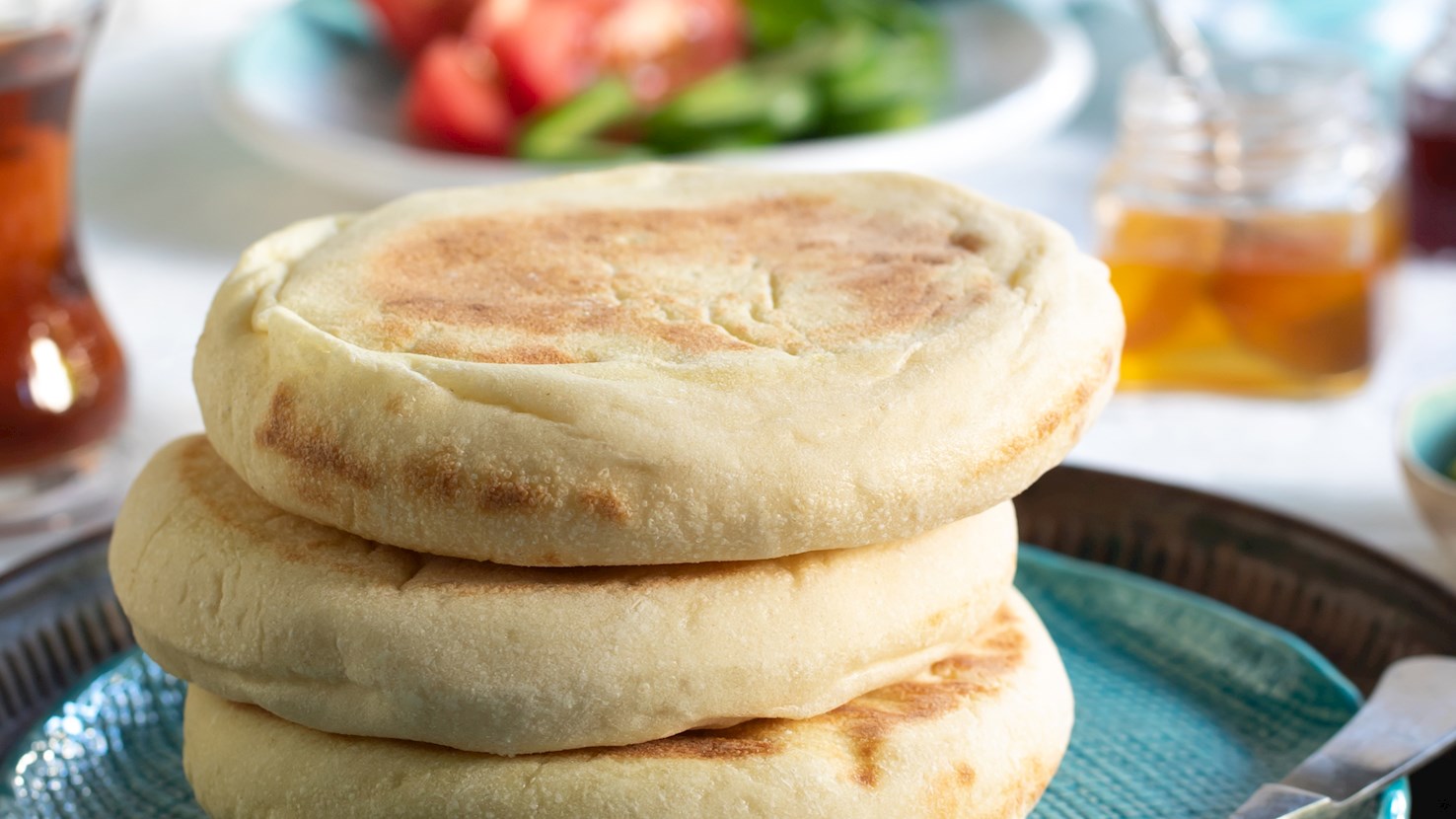
Bazlama is a Turkish flatbread that is traditionally cooked in an outdoor oven and served warm. It consists of flour, water, sugar, salt, yeast, and yogurt. During baking, bazlama is regularly flipped over in order to be evenly baked. The bread is often served with butter or olive oil, which is used as a dip.
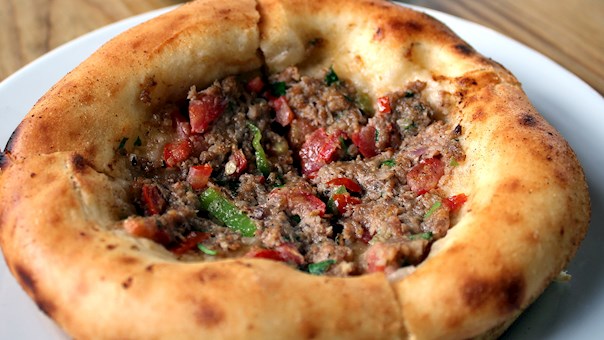
Terme pidesi, hailing from the Terme district in Turkey, offers a unique take on traditional Turkish pide. It differs from Bafra and Çarşamba pidesi in that it is an open-faced pie, showcasing its fillings on the surface. The dough is made with flour, water, salt, yeast, and a touch of sugar. But one of the defining features of Terme pidesi is its array of fillings. Options range from minced meat and cubed meat to an assortment of cheeses like kaşar peyniri (a type of Turkish cheese), çökelek (a dry curd cheese), and beyaz peynir (Turkish white cheese). Other popular toppings include pastırma (a highly seasoned, air-dried cured beef) and sucuk (a spicy Turkish sausage). These fillings are often generously layered on the open-faced dough; the longer sides of the dough are folded over and sealed at both ends. A unique aspect of Terme Pidesi is the option to add an egg on top of any of these fillings. The typical Terme pidesi, regardless of the filling, is 70-80 cm (28-32") long and 15 cm (6") wide.
TasteAtlas food rankings are based on the ratings of the TasteAtlas audience, with a series of mechanisms that recognize real users and that ignore bot,
nationalist or local patriotic ratings, and give additional value to the ratings of users that the system recognizes as knowledgeable.
For the “Top 12 Turkish Breads” list until June 15, 2026, 3,511 ratings were recorded, of which 1,938 were recognized by the system as legitimate.
TasteAtlas Rankings should not be seen as the final global conclusion about food. Their purpose is to promote excellent local foods,
instill pride in traditional dishes, and arouse curiosity about dishes you haven’t tried.





What People Say