





shutterstock

Top 12 Tuscan Breads

Last updated on May 15, 2026
01

Schiacciata

4 ·

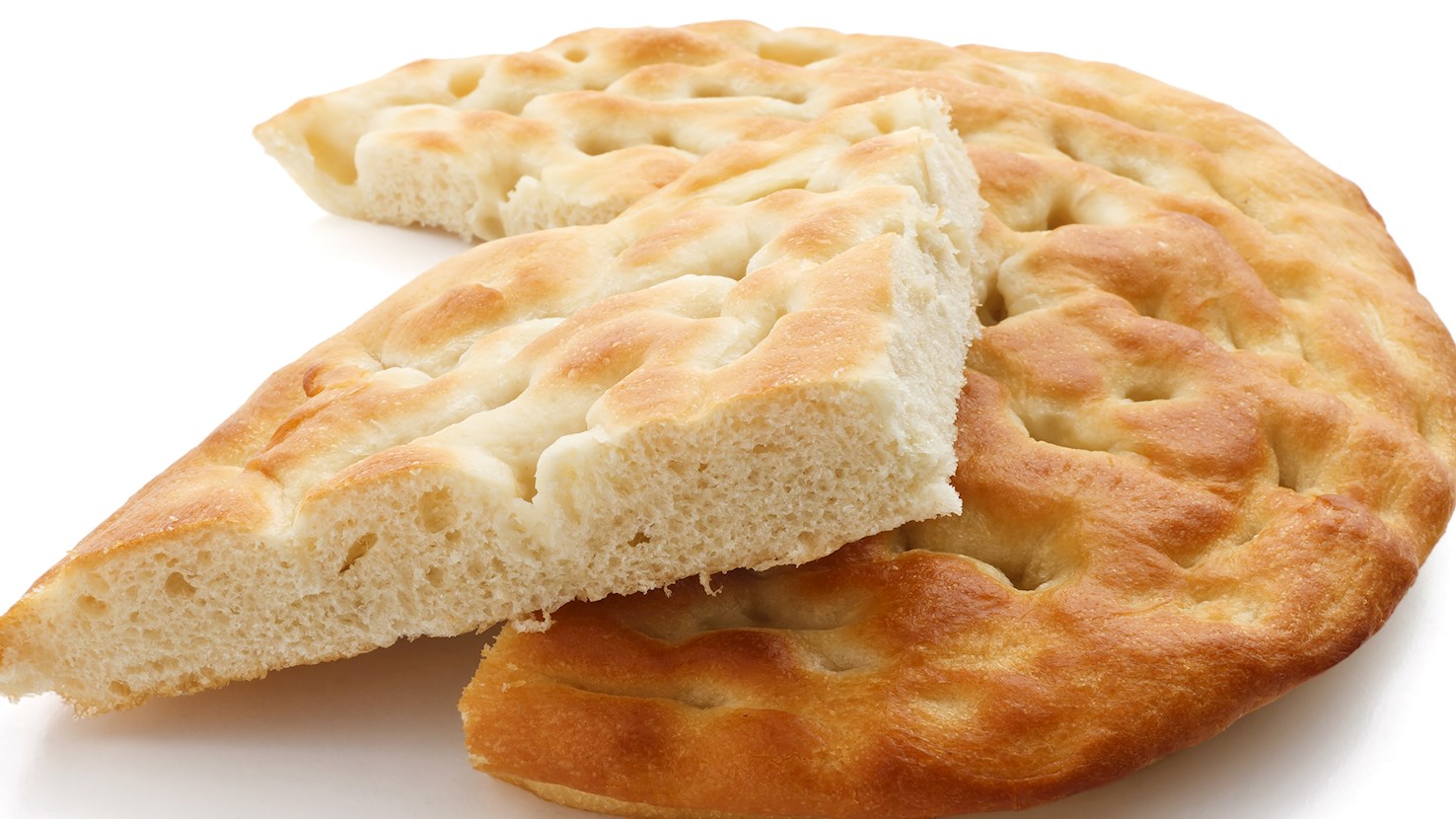
Schiacciata is a traditional variety of bread made in Tuscany and Umbria, consisting of flour, olive oil, yeast, water, and sugar. It is quite similar to focaccia, although it takes much less effort to prepare schiacciata than focaccia. The name schiacciata means pressed, referring to the process of pressing the dough with fingers when it gets placed in baking tins or pans. The texture of this bread is crunchy, yet soft and moist, and it can be topped with anything from tomatoes and cheese to garlic and oregano.

02

Filone

3.4 ·

Filone is a traditional bread from Tuscany, visually similar to the famous French baguette, consisting of flour, olive oil, yeast, water, and salt. The bread has a hard, crispy crust on the exterior, and a light, airy crumb on the interior. The name filone is derived from the Italian word filo, which means line, referring to the shape of the bread.

03

Pane Toscano

3.3 ·

Traditionally made since the Middle Ages, pane Toscano or pane sciocco is a variety of bread commonly found in the central Italian regions of Tuscany, Umbria, and the Marches. Back then, to show their displeasure with the imposed regulations and high taxes on salt, the Tuscans started baking their bread without salt, hence the name pane sciocco (lit. tasteless bread). Due to its bland taste, the salt-free Tuscan bread is not quite intended for eating on its own, so it is typically served fresh from wood-fired ovens with cured meat products such as prosciutto, salami, or strong cheeses in order to balance out their saltiness and intense flavors. Drizzled with olive oil and smeared with mashed garlic, pane Toscano also makes for a delicious fettunta (similar to an untopped bruschetta), but it is more often used in various soups and stews such as zuppa di pane Toscana.

04

Schiacciata con ciccioli

3.2 ·

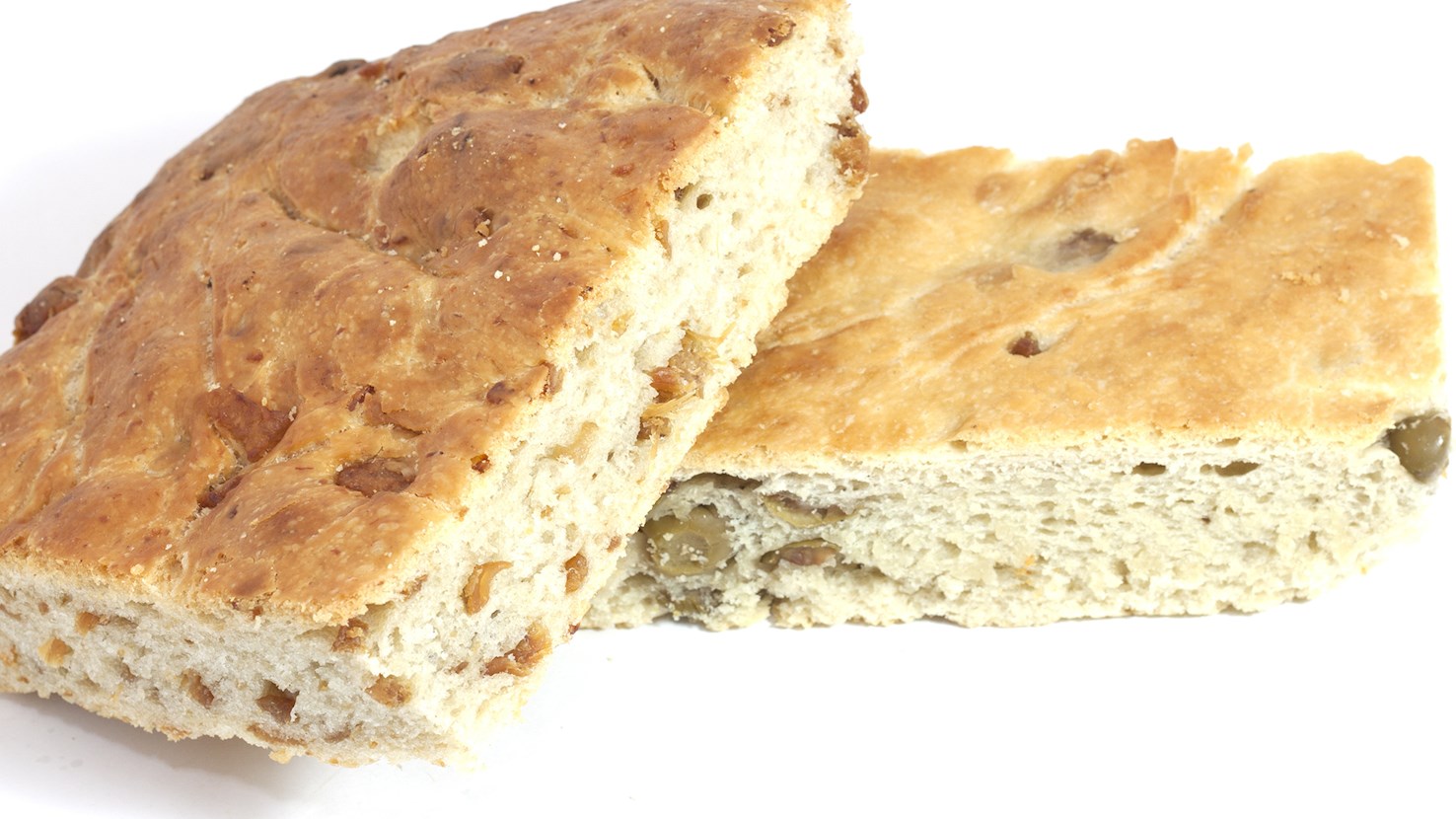
A real Tuscan specialty originating from the historical region of Garfagnana, schiacciata con ciccioli, locally known as ciaccia coi ciccioli, is a type of focaccia-style flatbread studded with crunchy pork cracklings. Its name stems from the Italian schiacciare which means "to press" or "to flatten". In the past, this flavorful oven-baked delicacy was a staple food and the traditional primo colazione or the first morning meal of Tuscan farmers who used to enjoy their ciaccia with a glass of hearty red wine. Today, ciaccia coi ciccioli can be found in bakeries throughout Tuscany; it is freshly baked and dished up all day long, not just for breakfast.

05

Panini di Sant'Antonio

n/a ·

Panini di Sant'Antonio is a traditional soft bread bun originating from Tuscany. It's made with a combination of flour, milk, sugar, oil, eggs, yeast, salt, and a bit of rum. The dough is rolled into balls which are then brushed with egg wash and baked until golden brown. Once baked, these buns are brushed with a syrup consisting of sugar and water. These sweet bread buns are traditionally taken to church to be blessed, and in the past these buns were blessed than distributed to the peasants as a sign of protection of Saint Anthony. You can enjoy them warm or at room temperature, plain or served with ricotta and fruit jams, but also with savory ingredients such as mortadella or prosciutto.

06

Bozza Pratese

n/a ·

Bozza pratese is a typical Tuscan bread made with yeast, flour, and water. Interestingly, the bread does not contain any salt. Bozza is extremely versatile, so it can be consumed at any time of the day – it is eaten daily as an accompaniment to meat, fish, and vegetable dishes, but when it becomes stale, it is a key ingredient in the famous tomato soup known as pappa con il pomodoro.

07

Scarpaccia

n/a ·

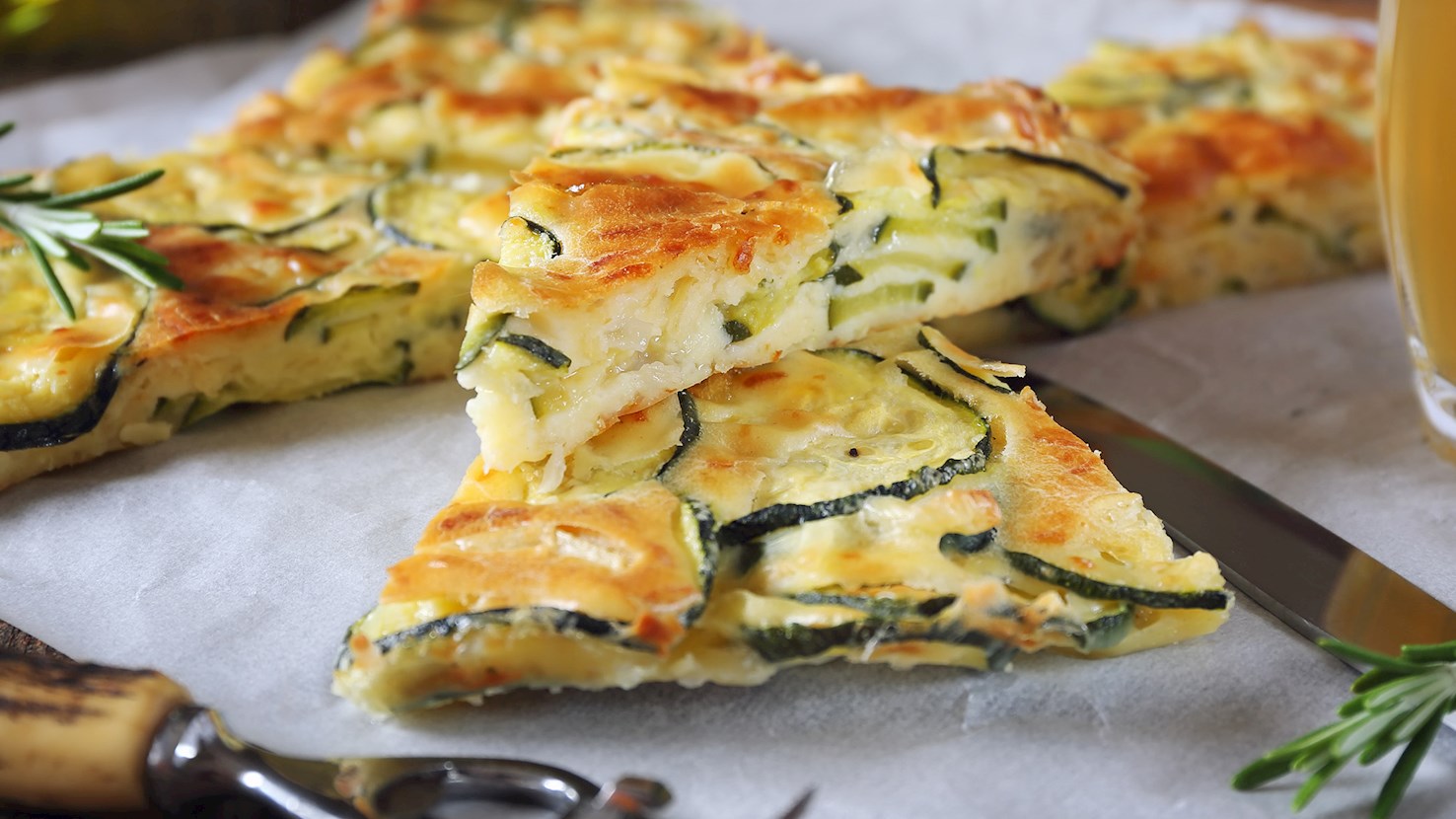
Scarpaccia is a traditional flatbread that can be prepared in savory or sweet versions. It consists of ingredients such as flour, eggs, butter, zucchini, zucchini flowers (if available), milk, vanilla powder, olive oil, and either salt or sugar. The dough is simply topped with grated zucchini, and it is then baked in the oven. In the past, scarpaccia was baked during the zucchini season by retired sailors who used the vegetables from their gardens. The name of the dish means old shoe, because scarpaccia is usually thin just like the soles of old shoes.

08

Pane Altopascio

n/a ·

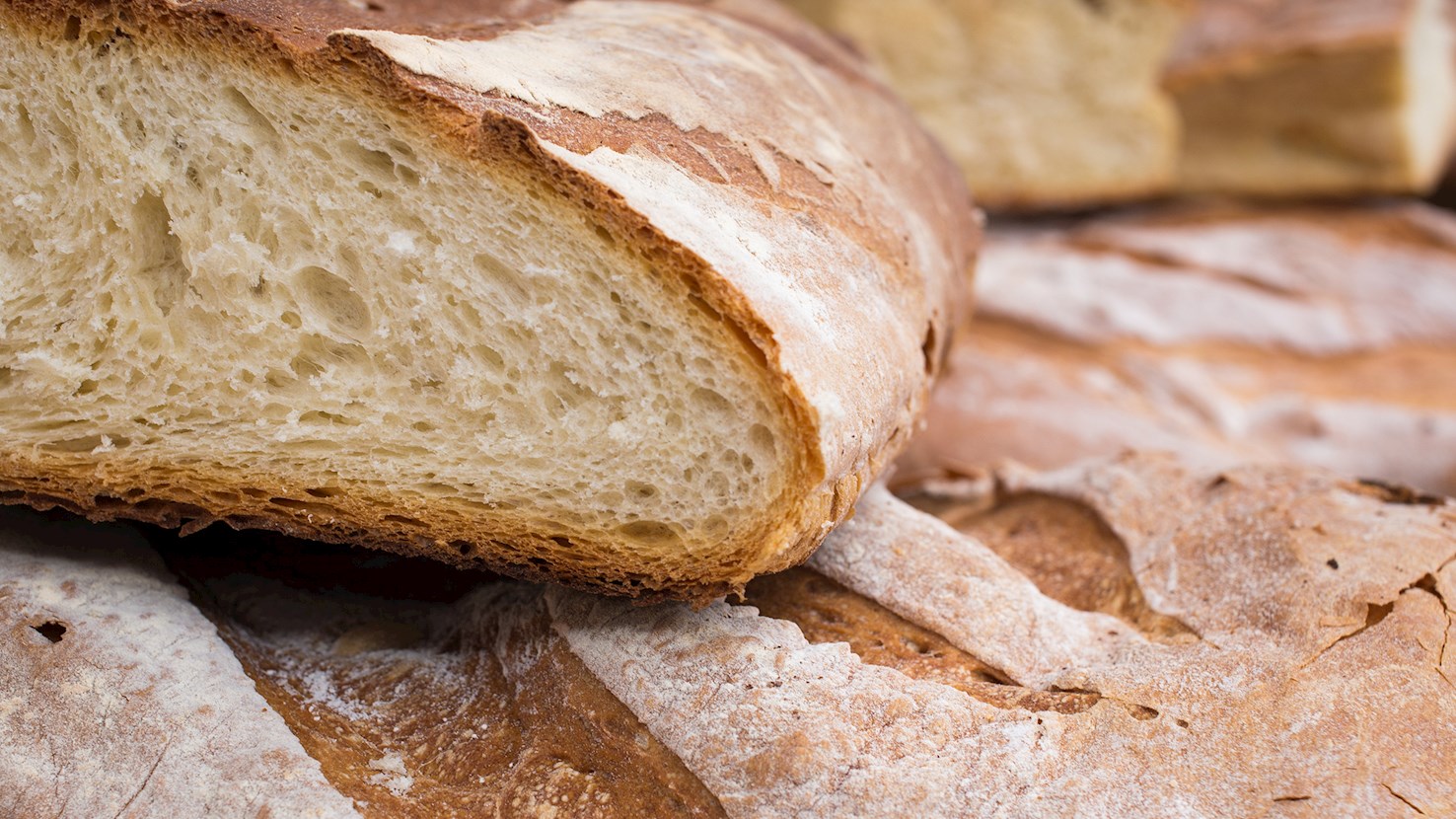
Altopascio bread is a traditional saltless bread from Tuscany. It's made from type 0 wheat flour, natural yeast, and water, which gives it a unique flavor. The dough, called sconcia, is left to rise while covered with hemp cloths. Sconcia is formed into rectangular or elongated shapes, and it's then baked for one hour. The bread has a crunchy golden crust and a soft texture of the interior.

09

Panigaccio

n/a ·

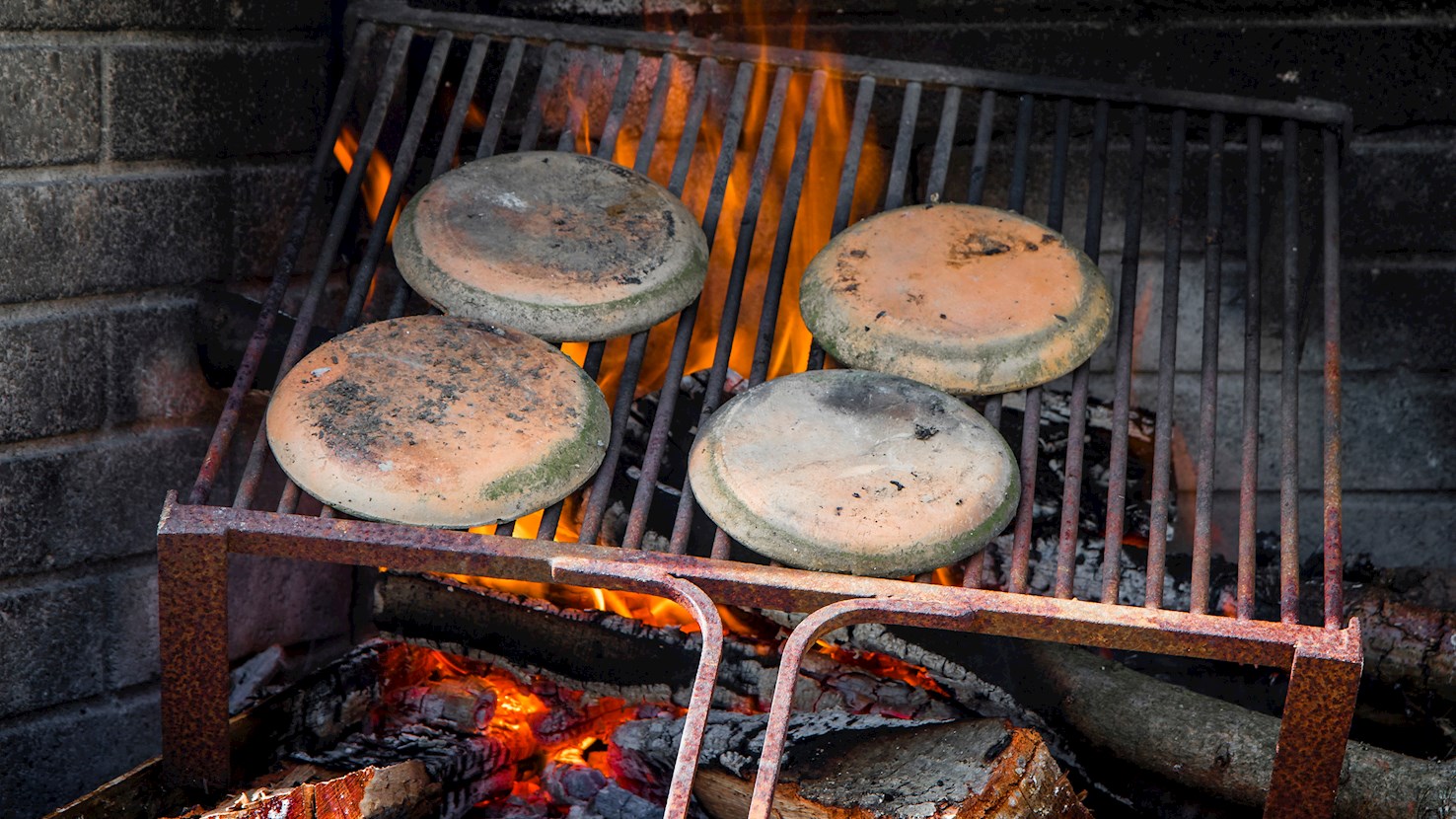
This traditional Italian flatbread is prepared with a simple dough that combines flour, water, and salt. The dough is shaped into small discs that are then baked on small-sized terracotta plates, known as testi, over an open fire. Panigaccio flatbread hails from the Lunigiana area, namely the Podenzana municipality, and works well in both sweet and savory combinations. If enjoyed as an appetizer, it is usually served alongside cheese and cured meat products.

10

Mugello

n/a ·

Mugello is a traditional bread originating from Tuscany. It's made with natural yeast, stone-milled Mugello wheat flour, water, and just a bit of salt. The dough is shaped into an oval filone loaf that's baked in a wood-fired oven. These plain loaves have a crunchy exterior and a soft crumb. The bread remains fresh for at least five days. After that, when it hardens, mugello is often used in the preparation of typical local dishes such as panzanella, pappa con pomodoro, and ribollita.

Read more
View all
View map
About this ranking

TasteAtlas food rankings are based on the ratings of the TasteAtlas audience, with a series of mechanisms that recognize real users and that ignore bot, nationalist or local patriotic ratings, and give additional value to the ratings of users that the system recognizes as knowledgeable. For the “Top 12 Tuscan Breads” list until May 15, 2026, 166 ratings were recorded, of which 134 were recognized by the system as legitimate. TasteAtlas Rankings should not be seen as the final global conclusion about food. Their purpose is to promote excellent local foods, instill pride in traditional dishes, and arouse curiosity about dishes you haven’t tried.

Similar lists