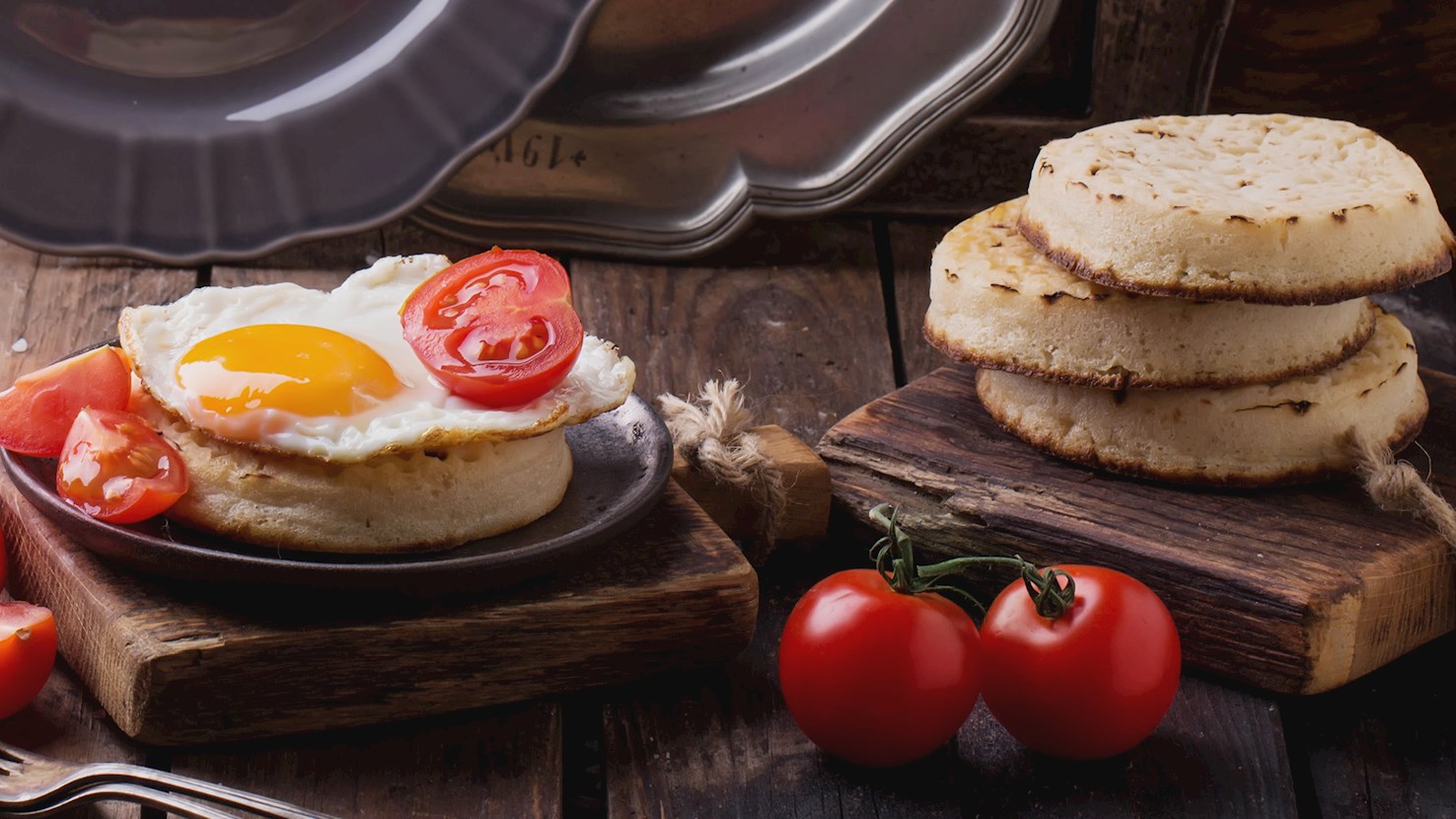
A quintessential British teatime treat, crumpet is a small round bread or cake that is traditionally cooked in a special crumpet ring on a griddle. It is typically prepared with flour, milk or water, and yeast, though sugar, salt, and baking powder or baking soda are also often added to the combination. Initially, the cakes resembled pancakes due to their thin and flat shape. Today’s crumpets have a soft, spongy, and slightly chewy texture that comes from the addition of yeast and baking powder to the cake’s batter, an ingenious twist on the cake that’s been attributed to Victorian-era bakers. Crumpets are recognized for their smooth round bottoms that are in stark contrast to their unique surfaces which are dotted with dozens of tiny holes. This traditional specialty is usually enjoyed for breakfast or as an afternoon tea treat, typically slathered with butter, jam, honey, or golden syrup. For a savory treat, crumpet cakes are often served with bacon or poached eggs. In the UK, ready-made versions of crumpet cakes are also available, but these need to be lightly toasted before consumption.
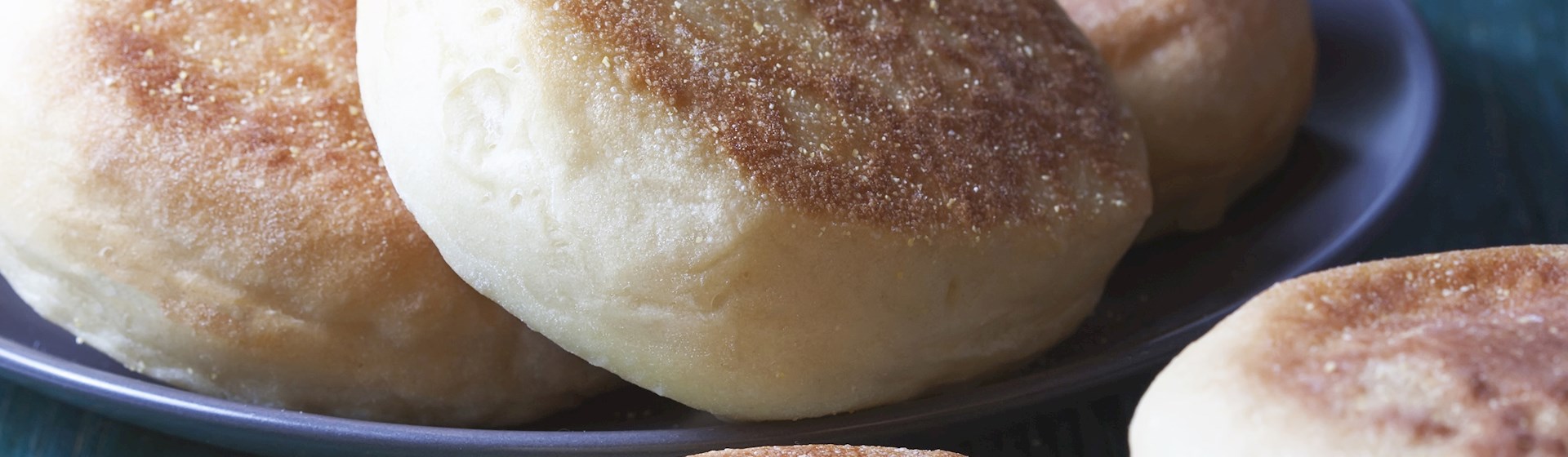
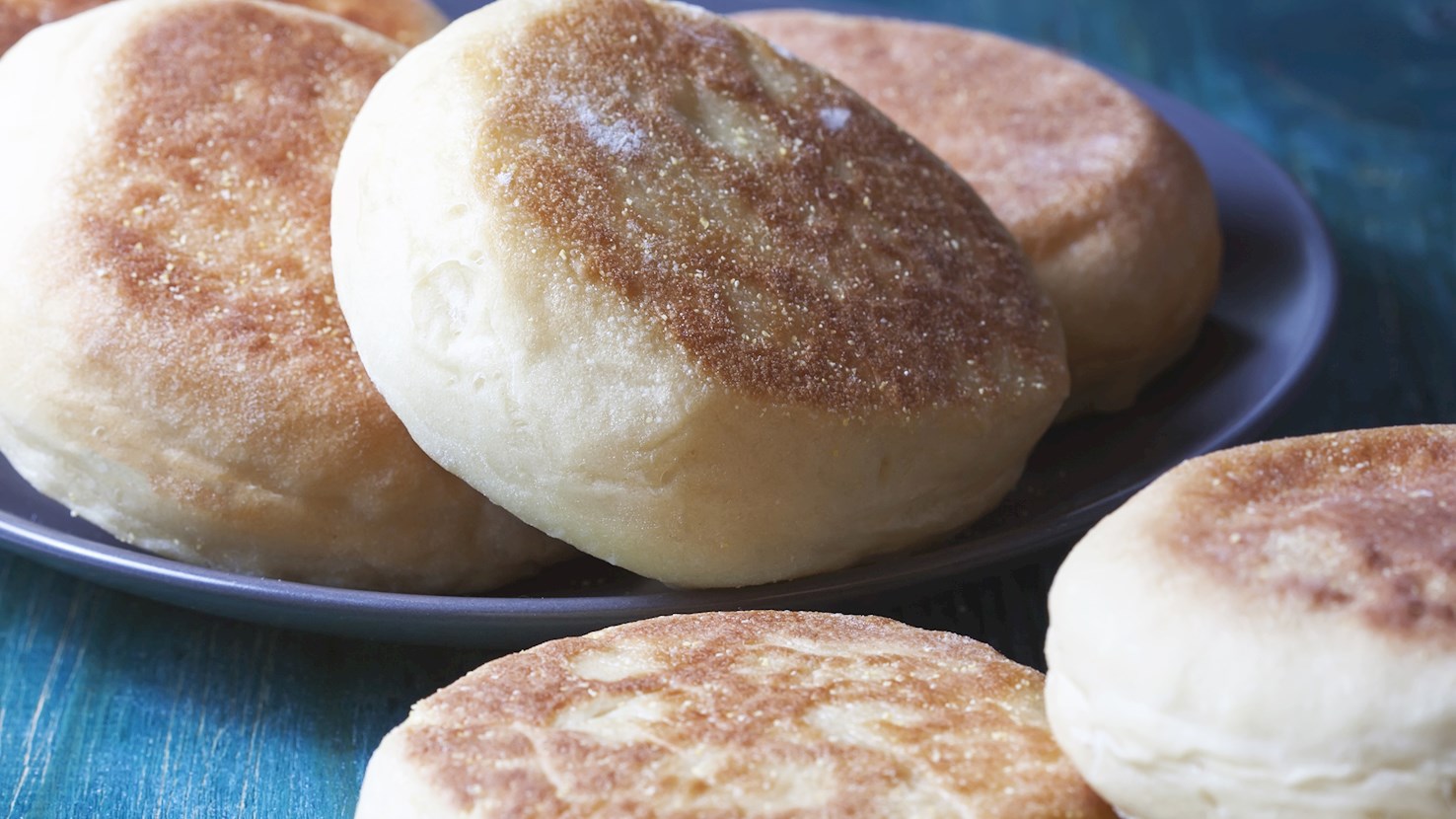
English muffin is a small, round, and flat bread that's made from a soft yeasted dough. Once shaped into rounds, either by hand or with crumpet rings, the English muffin is baked on a griddle. Before toasting, they are halved, and once toasted, they're buttered, then served for breakfast with sweet or savory toppings. These muffins are an essential part of eggs Benedict. It's not recommended to use a knife to cut them in half – most cooks agree that they should be split with a fork and gently pulled apart in order to create a surface with small peaks and craters, which gives them a crunchy texture and provides many pockets for jam and butter. The muffins can be made at home or bought in stores, where they are available in various flavors including cornmeal, cinnamon, whole wheat, raisin, and sourdough. It is believed that the first English muffin was invented in 1894 by a British immigrant to New York, Samuel Bath Thomas.
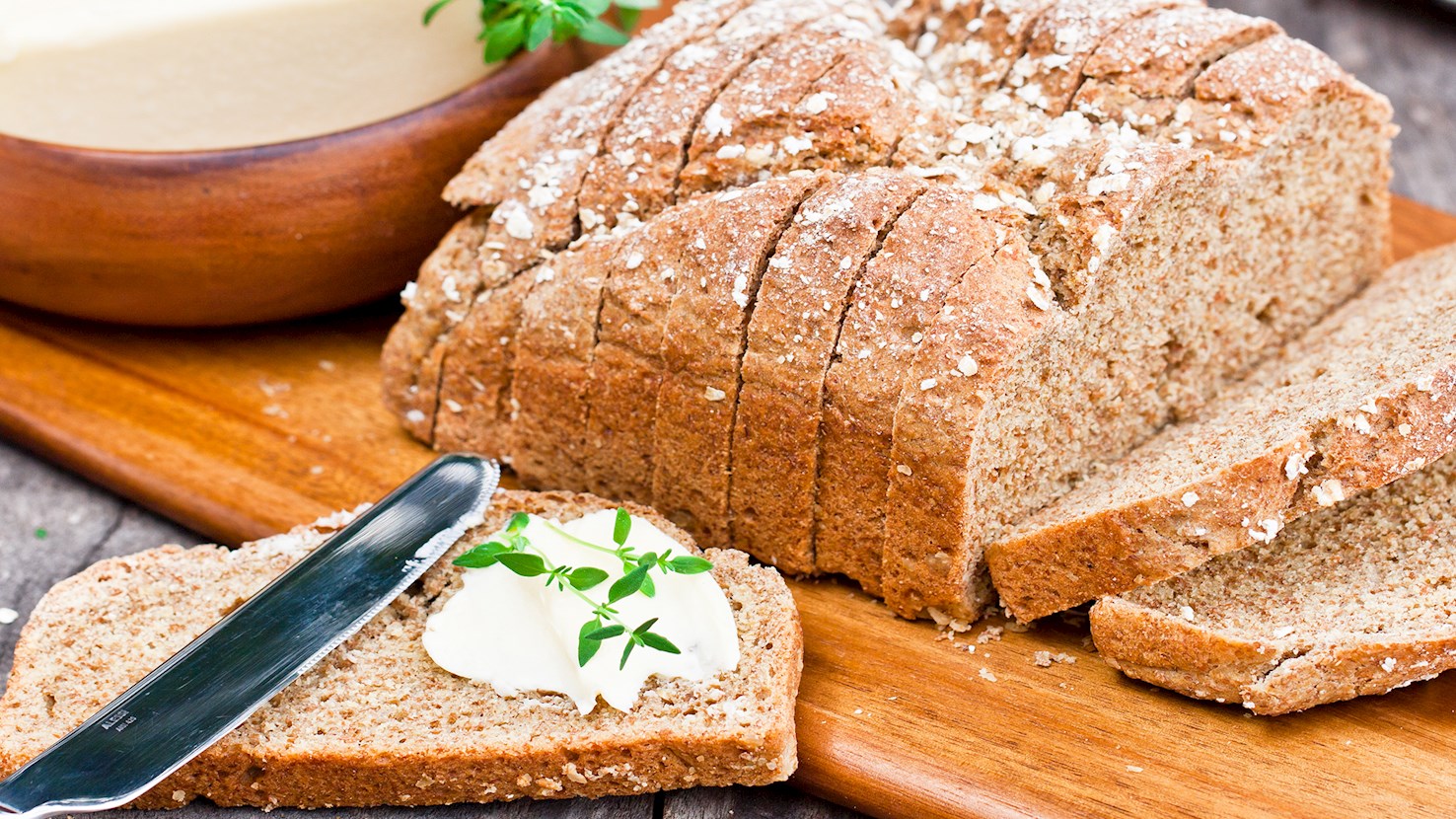
Wheaten bread is the name that Northern Irish people use for brown soda bread. Interestingly, this bread is made without yeast and consists of wholewheat flour, plain flour, salt, soda bicarbonate, butter, sugar, buttermilk, and a bit of rolled oats for sprinkling the top of the bread. When taken out of the oven, it can be smeared with butter and jam, but wheaten bread is also a good accompaniment to soups, cold cuts, or smoked salmon. It is believed that the bread dates back to 1840 when soda bicarbonate was first introduced to the country.
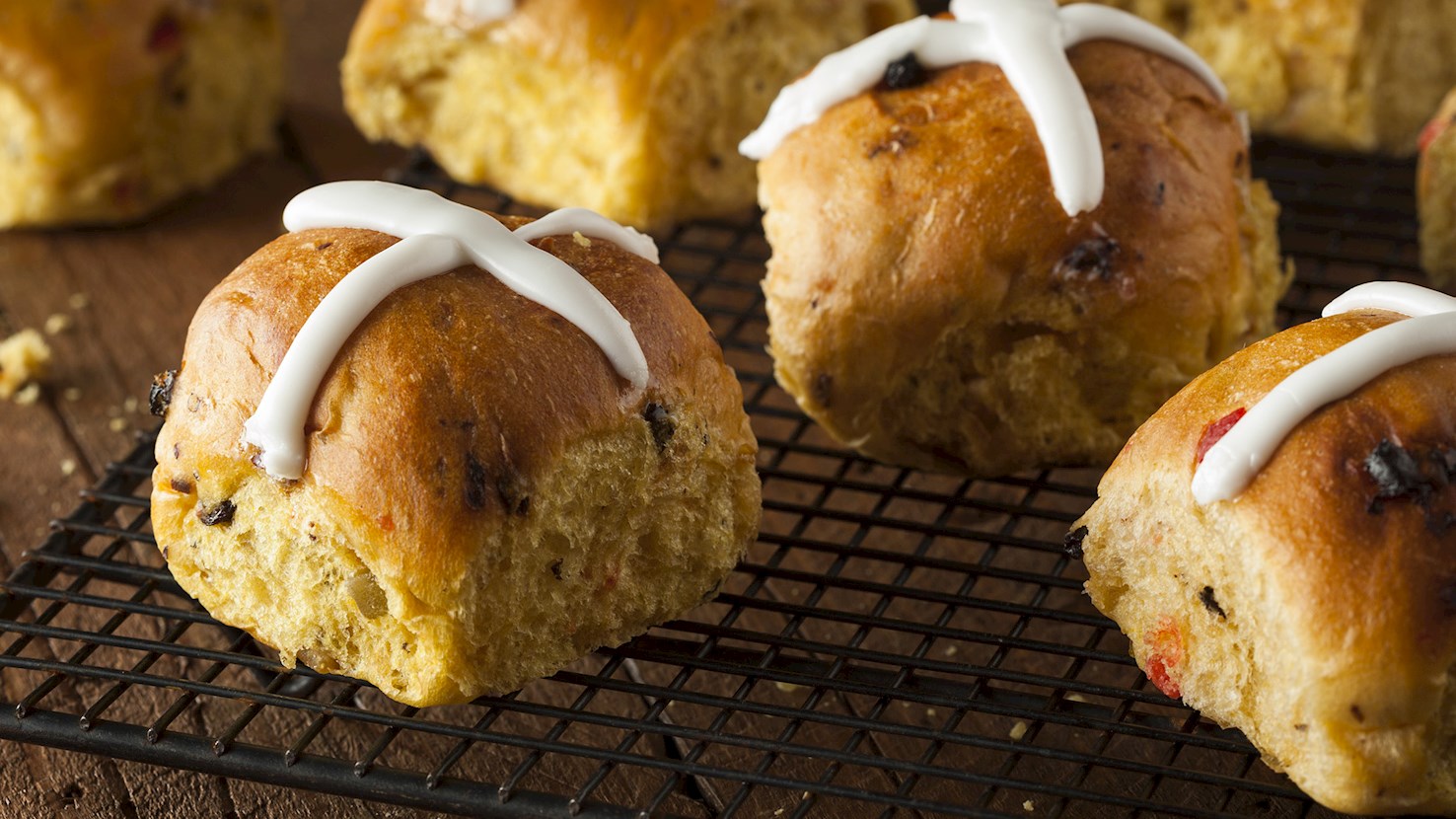
Traditionally prepared and eaten on Good Friday and during Lent, hot cross buns are subtly sweet spiced buns made with a rich yeast dough that is studded with dry fruit. The top of each bun is marked with a cross, typically made with shortcrust pastry, a mixture of flour and water, or icing sugar. Although theories abound, the exact origin of hot cross buns is shrouded in mystery. They are sometimes associated with Romans and Saxons, who made similar cross-marked buns to commemorate Eostre—the goddess of light. However, they are mostly linked to Christian folklore. Apart from the cross symbolizing crucifixion, it is often said that the hefty use of spices signifies the ingredients used to embalm Christ after his death. What is certain is that the buns already enjoyed immense popularity by the 16th century, when Queen Elizabeth I restricted their sale solely to Christmas, Easter, and Good Friday as it was believed that the buns had healing properties. The restriction had little effect and was soon revoked. Nowadays, hot cross buns are world-famous and enjoyed all year round. The traditional version is dotted with currants and spiced with cinnamon, nutmeg, and allspice, but it is easily modified and adjusted to taste. The buns can be enjoyed as a sweet or savory treat. They can be served plain or toasted, with butter, jam, or any other optional topping.
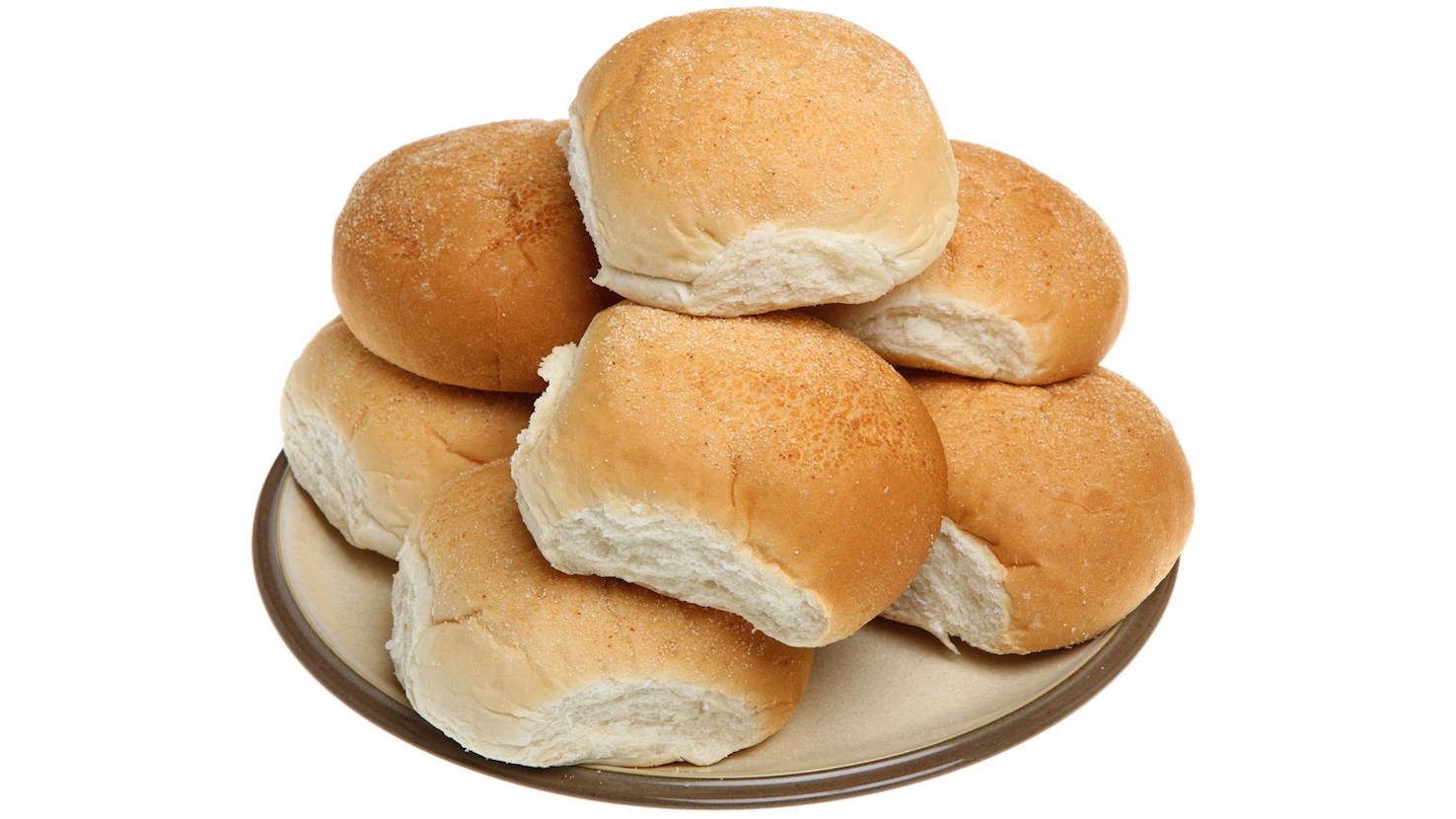
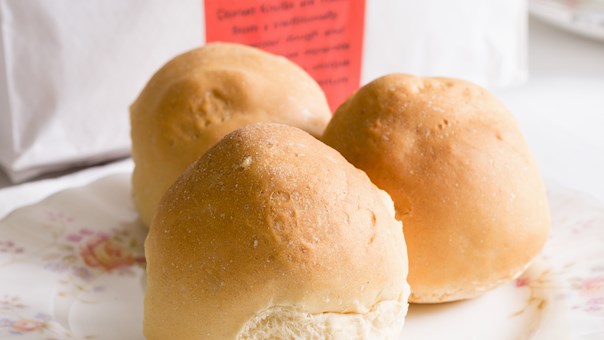
Bap is a soft bread roll that’s enjoyed throughout the United Kingdom, but its origins are Scottish. This bread roll is often made with a combination of flour, milk, sugar, salt, yeast, and vegetable oil or butter (or lard). In Scotland, a bap is a favorite morning bread roll. Baps look similar to hamburger buns, and they’re used in a similar manner. The bread roll is ideal for sandwich fillings such as sausages, bacon, or boiled beef. Generally, baps taste the best when buttered or topped with meat. In Scottish pubs, baps are often served with Lincolnshire sausages and caramelized onions. There’s also a popular fish filling – battered and fried mackerel fillets are served in a bap with tartare sauce for a sandwich called mackerel bap, but beware – mackerel is no longer considered sustainable, so decide for yourself if you want to indulge in it or not.
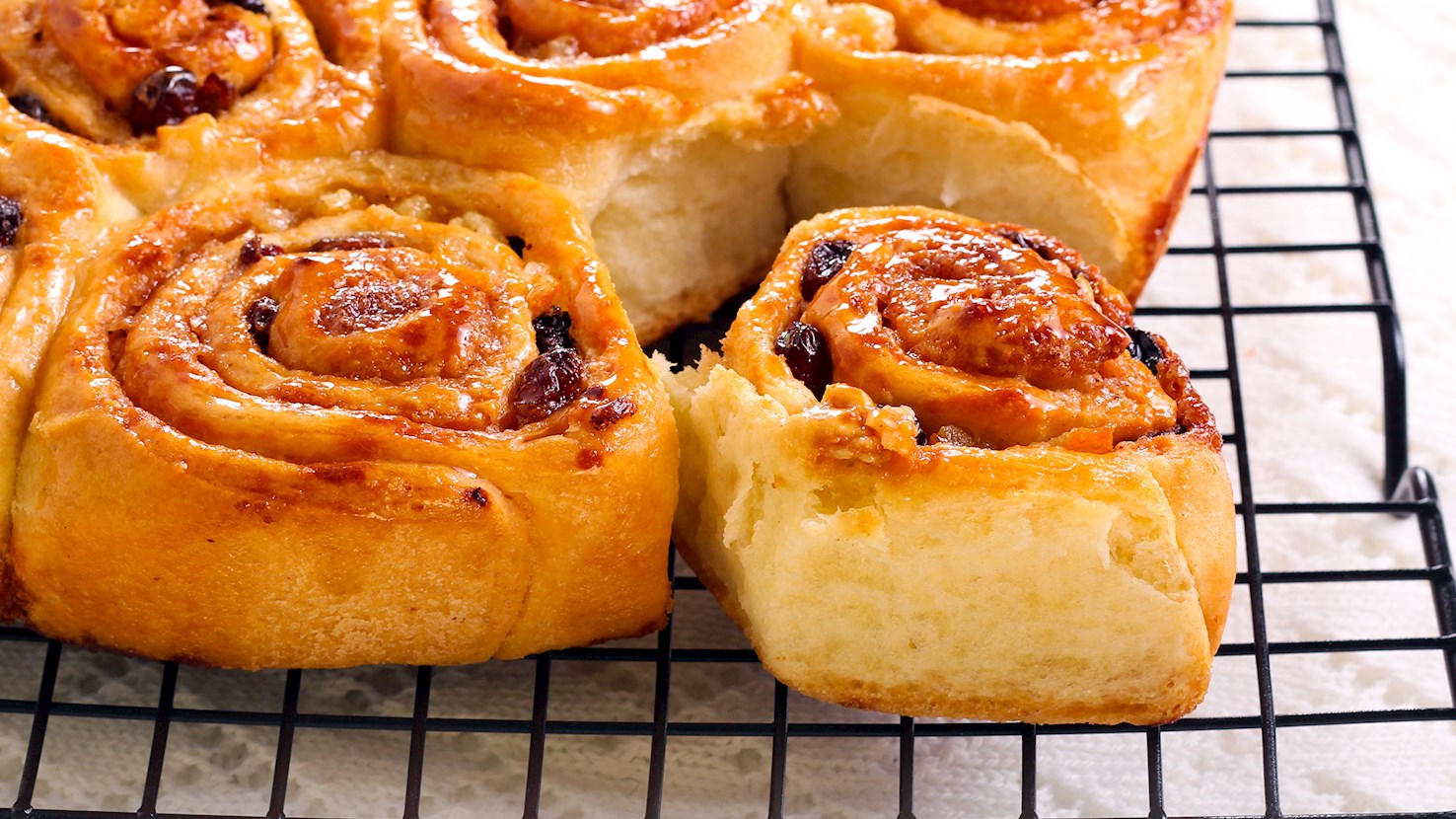
It is believed that this classic English dessert was invented at the London's Chelsea Bun House in the 18th century. The bun is made with a rich egg-based yeast dough flavored with lemon peel, and either cinnamon or mixed spice. Before baking, the dough is smeared with a combination of butter, brown sugar and currants. A perfect tea-time treat, Chelsea bun is typically enjoyed warm, cut into slices and smeared with even more butter.
Also known as Aberdeen butteries, butterie rowies, or simply rowies, these small breakfast rolls are a popular choice for starting the day all over Scotland. The rolls feature a decadently high proportion of butter to flour, which makes them particularly flaky and tender. In northeastern Scotland, where these morning rolls enjoy a very special status, it is often said that the honor of a traditional Scottish breakfast goes not to porridge but to "a rou an' a cuppa tea." Butteries are best enjoyed fresh from the bakery, piping hot, and spread with some more butter and marmalade.
Barm cake is a traditional bread roll originating from North West England. These soft rolls are usually topped with flour before baking, and in the past, they were usually leavened with barm, the residue that forms during yeast fermentation when making lager or ale. Nowadays, most barm cakes are made with regular yeast, flour, milk, water, salt, and sometimes lard. Barm cakes are often filled with chips or served as an accompaniment to fish and chips. They can be found in most fish and chip shops in the region.
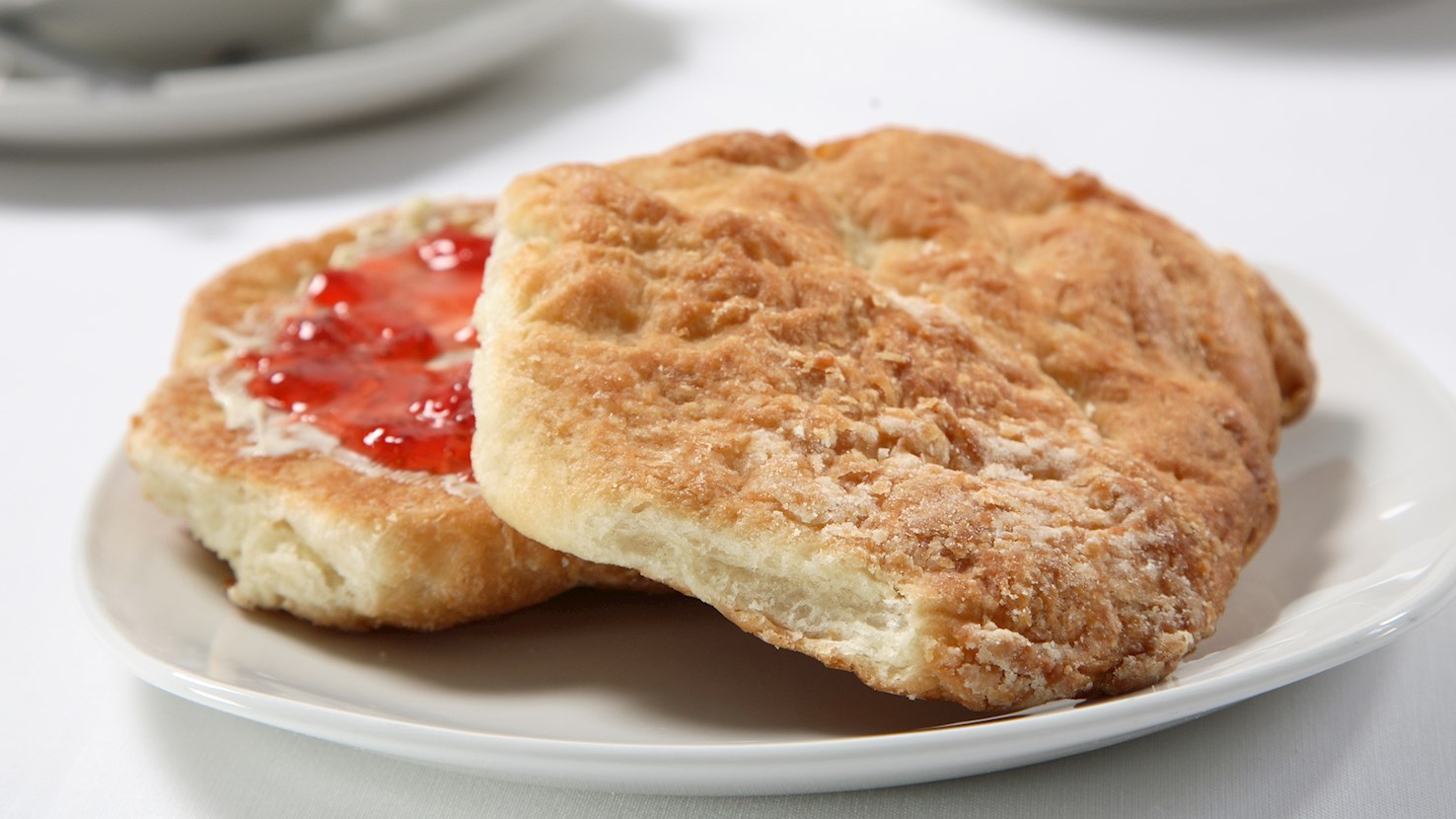
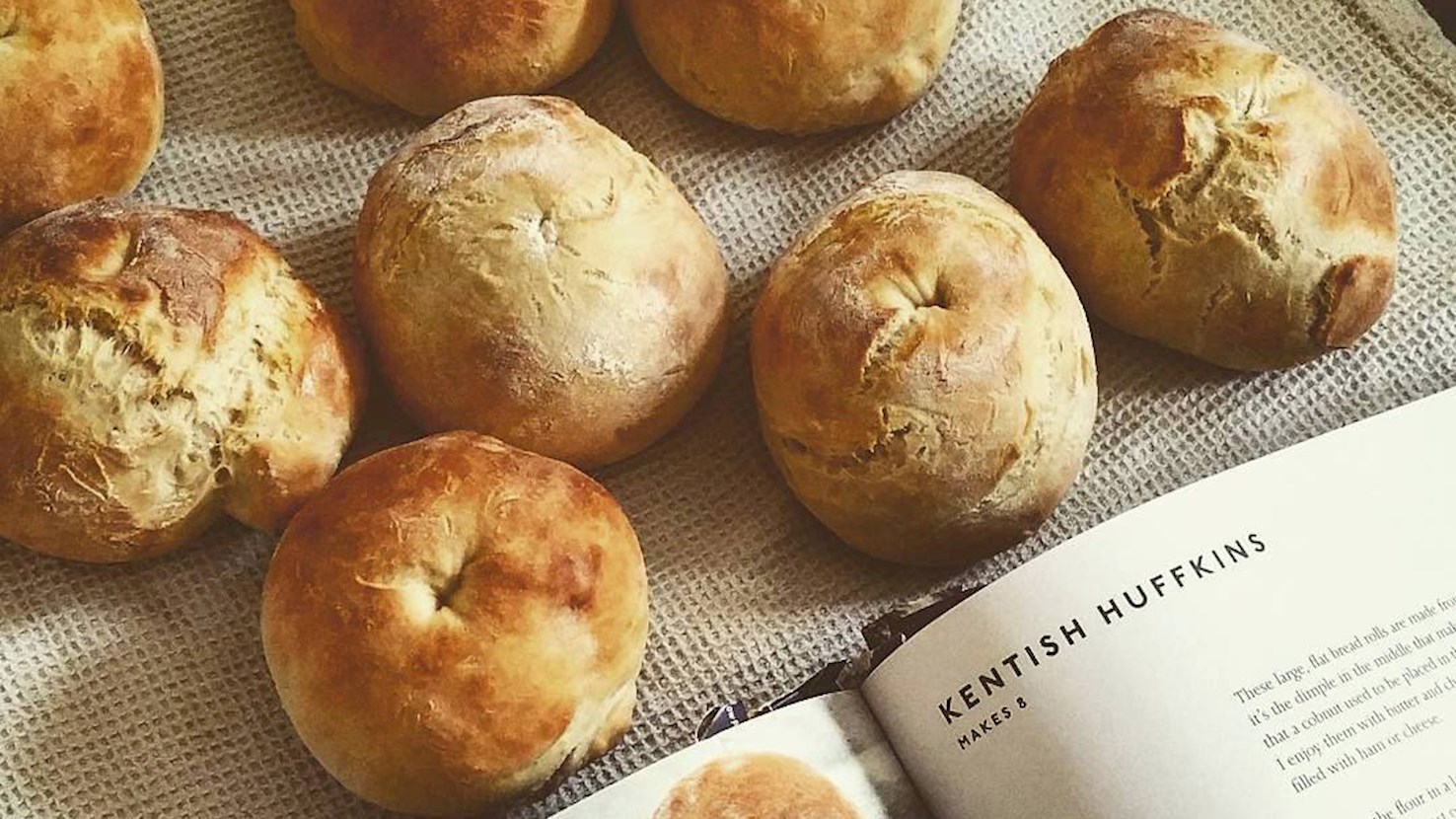
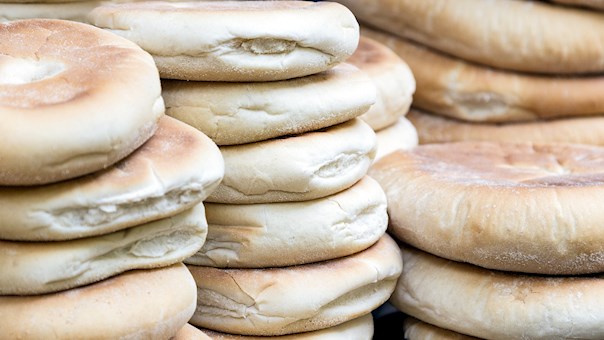
Huffkins are traditional English bread rolls originating from Kent. These rolls are flat, circular to oval, with a dimple in the center. They're made with flour, water, yeast, and a bit of lard, although modern recipes sometimes call for the addition of milk powder. Once baked, the rolls develop a pale crust, white crumb, thin crust, and a light and open texture. After baking, the huffkins are traditionally wrapped in a cloth in order to prevent the crust from hardening. It's recommended to fill the hole on top with cherries or jam.
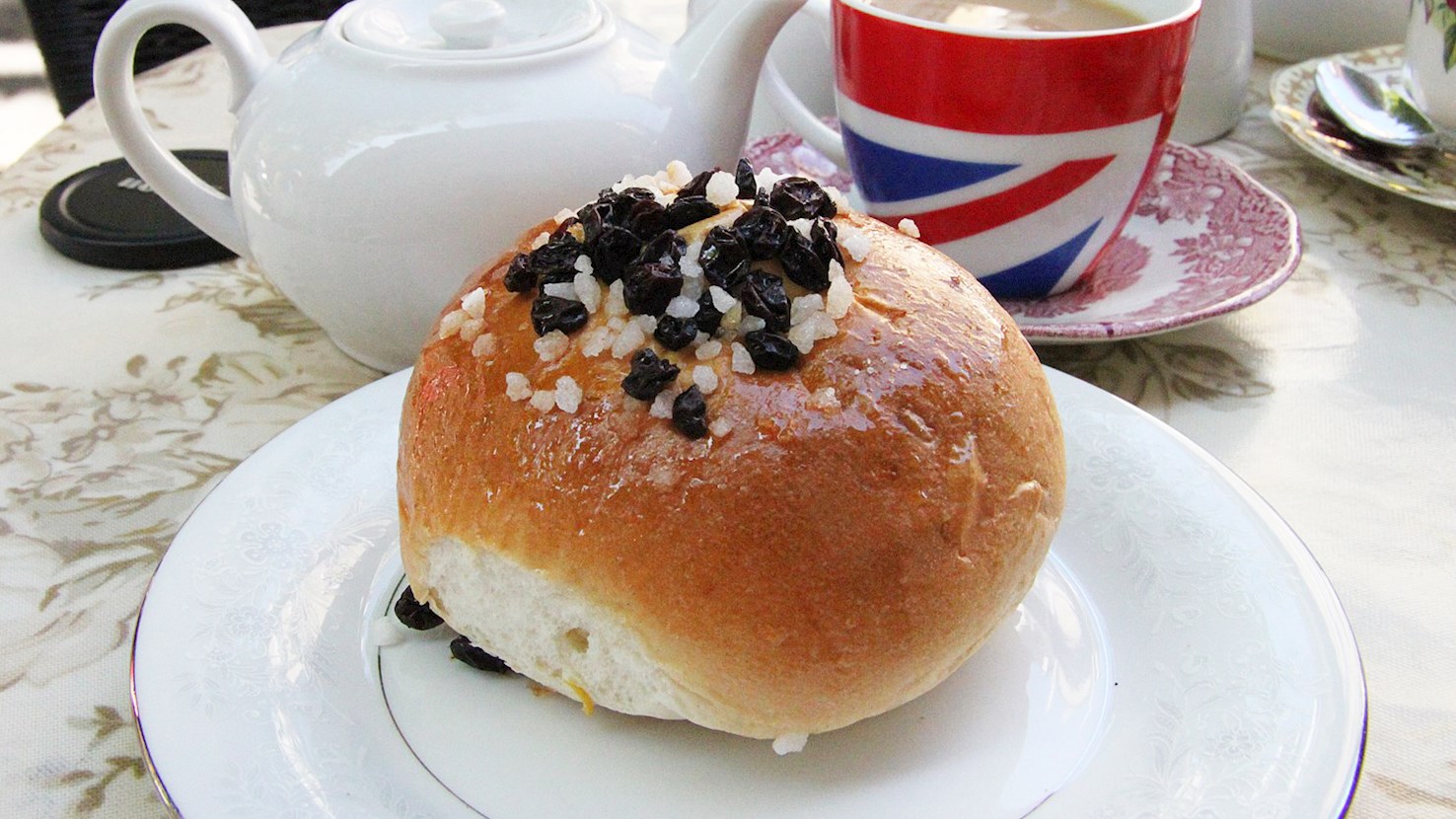
Bath bun is a traditional sweet bread roll originating from Bath. The buns are circular, with nib sugar and caraway seeds on top of their highly glazed exterior. The texture is dense and close, while the flavor is lightly spiced and sweetened, with lump sugar underneath. The milk-based yeasted dough for Bath buns is usually based on plain brioche dough or rich egg and butter dough with caraway seeds. Although there are disputes about the origins of these buns, the ones made from a recipe dating back to 1679 are still available in the town of Bath.
TasteAtlas food rankings are based on the ratings of the TasteAtlas audience, with a series of mechanisms that recognize real users and that ignore bot,
nationalist or local patriotic ratings, and give additional value to the ratings of users that the system recognizes as knowledgeable.
For the “Top 16 British Breads” list until September 15, 2026, 856 ratings were recorded, of which 777 were recognized by the system as legitimate.
TasteAtlas Rankings should not be seen as the final global conclusion about food. Their purpose is to promote excellent local foods,
instill pride in traditional dishes, and arouse curiosity about dishes you haven’t tried.








What People Say