



shutterstock

Top 5 Western German Breads

Last updated on June 15, 2026
01

Westfälischer Pumpernickel

3.3 ·

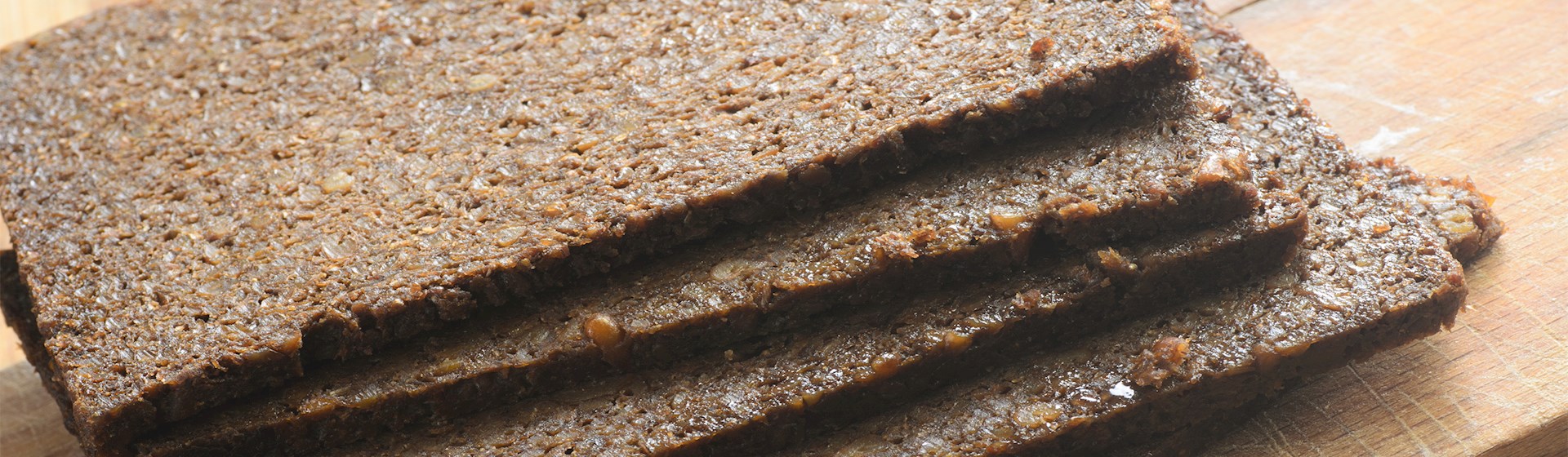
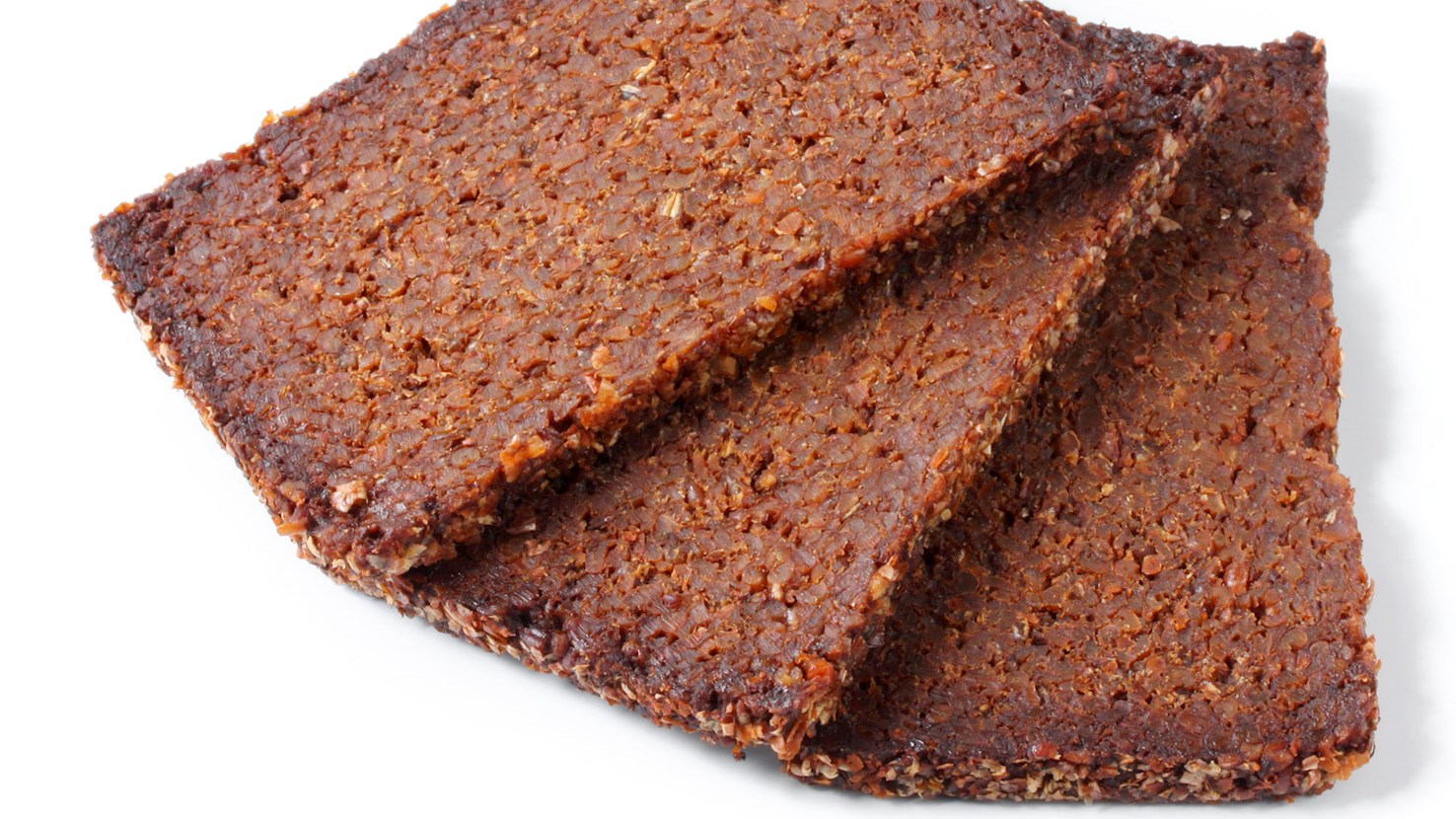
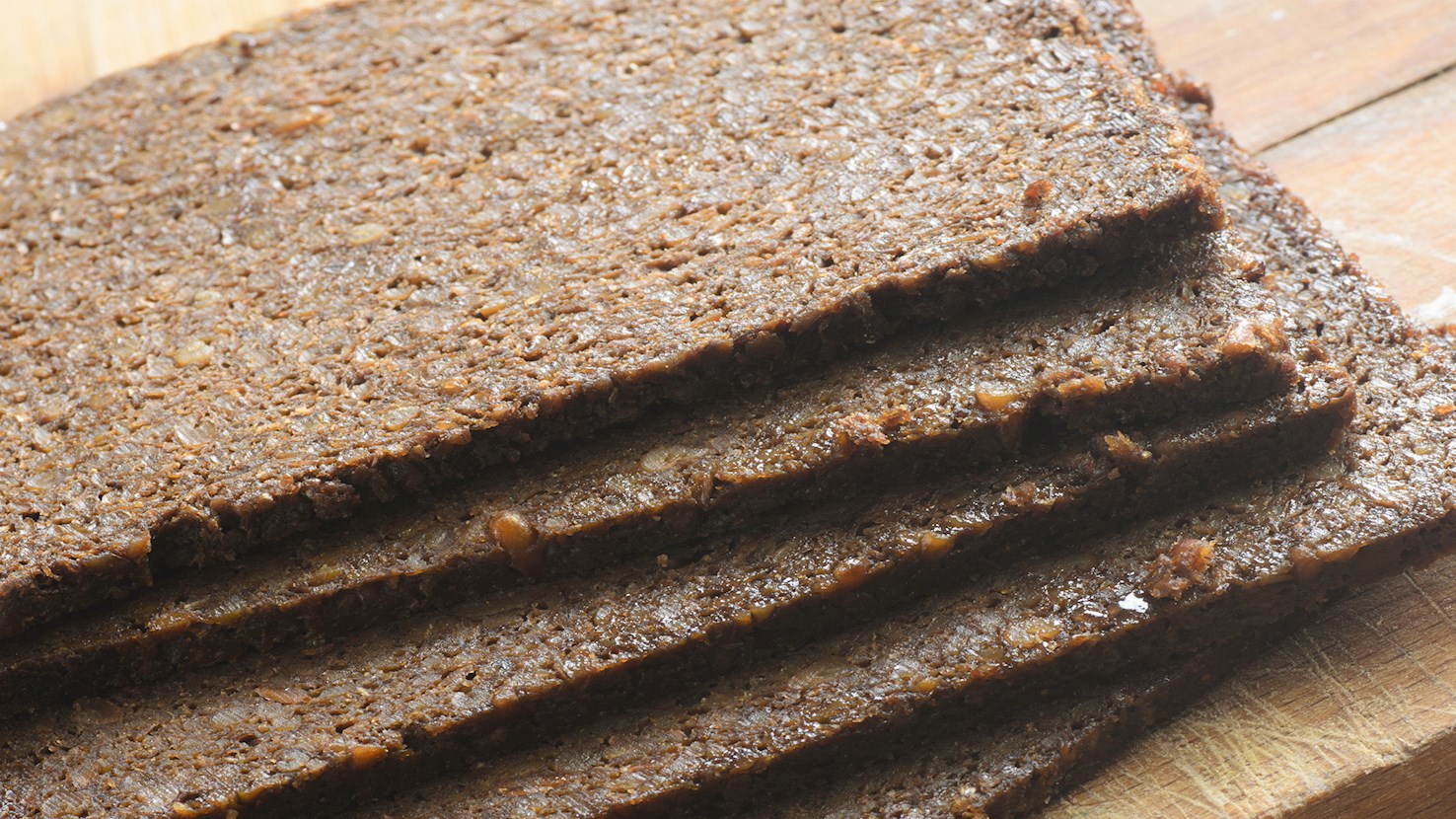
First described in 1450 as the black bread of Westphalia, the famous Westfälischer Pumpernickel is a traditional all-rye bread made with either coarsely ground rye meal or a combination of rye flour and whole rye kernels. It can also be flavored with malt or sugar beet syrup. The loaves are placed in lidded pans and baked slowly at a low temperature in steam-filled ovens for anywhere from 16 to 24 hours, which gives pumpernickel its characteristic deep brown, almost black color. Pumpernickel has little or no crust, a pronounced earthy aroma, and a distinctive bittersweet flavor. It is quite dense and moist, and it has an extremely long shelf-life – when shrink-wrapped, it stays fresh for months, while canned pumpernickel can be stored for as long as two years. Even though the unique flavor and texture of pumpernickel goes well with both sweet and savory spreads, the Westphalians typically enjoy it with a thick smear of butter and a topping of ham or liver sausage.

02

Pumpernickel

3.1 ·

This heavy and slightly sweet rye bread is made from a sourdough starter and coarsely ground rye with whole rye berries as its base. Its name comes from the German pumpern, a synonym for being flatulent, and the male given name Nickel—a form of the name Nicholas—which was commonly associated with the devil in New High German vernacular. Thus, pumpernickel literally translates to "devil’s fart," which is a definition accepted by most publishers and dictionaries, however strange it may sound. The traditional German pumpernickel contains no coloring agents, but instead relies on the Maillard reaction to impart a deep brown color and a sweet, almost chocolatey and earthy flavor and aroma. Apart from being delicious, pumpernickel is rich in resistant starch which is known to aid digestion and benefit blood sugar regulation.

03

Röggelchen

n/a ·

Röggelchen is a traditional bread roll, particularly popular in the Rhineland region. It is made from a mix of rye and wheat flour, giving it a dense, hearty texture and a slightly sour flavor due to the rye content. The rolls are typically small, oval-shaped, and often baked in pairs, where two rolls are attached at the sides. Röggelchen has a chewy crust and a soft interior, making it perfect for sandwiches, often served with hearty fillings like cured meats, cheese, or butter. In the Rhineland, it's commonly eaten with Halve Hahn, a local dish consisting of a Röggelchen with cheese, mustard, onions, and pickles.

04

Stutzweck

n/a ·

Stutzweck is a sweet yeast-leavened bread from Frankfurt am Main, shaped like a sweet roll, baked specifically for New Year’s Eve and New Year’s Day celebrations. The bread has an elongated loaf or roll shape with two rounded "heads" at each end and a series of deep slashes along the middle representing the twelve months of the year. Stutzweck became part of Frankfurt’s New Year’s customs by the early nineteenth century, with local records showing its consumption around the turn of the year and its association with luck and good fortune for the coming months, and historically, children would go house to house on New Year’s Day reciting verses and receive a stutzweck as a gift. To prepare, flour is mixed with warm milk, yeast, sugar, salt, butter, eggs, and lemon zest into a smooth, elastic dough, allowed to rise until doubled, divided, shaped into rolls with distinctive heads on each end and deep incisions in the center to mark the months, proofed briefly, and baked at moderate heat until the dough is fully cooked but still soft and pale on the surface. Common variations include differences in the number and depth of the slashes marking the months, the addition of raisins for mild sweetness, and slight changes in richness or sweetness of the dough, while the defining features remain the shaped roll with symbolic markings made for the New Year period. Stutzweck is eaten fresh or within a day of baking during New Year’s celebrations and is served in bakeries and homes in Frankfurt and the surrounding region, most often on New Year’s Day alongside hot drinks such as coffee or tea and shared as part of holiday gatherings. Its symbolic shape and markings are recognized locally as expressing hopes for good fortune in the coming year.

05

Dortmunder salzkuchen

n/a ·

Dortmunder salzkuchen is a bread roll from the city of Dortmund. It has a compact round shape with a lightly crisp crust, a dense but tender crumb, made from wheat flour, yeast, water, salt, and fat, with coarse salt and caraway pressed onto the surface before baking. The bread developed in Dortmund during the nineteenth century as the city grew into an industrial center, where simple baked goods suited to beer drinking and workers’ meals became common and bakery products were shaped by the need for durability and straightforward flavor. Preparation begins with a yeast dough mixed from flour, yeast, water, salt, and a small amount of fat, which is kneaded until smooth, allowed to rise, divided into small portions, shaped into round rolls, and brushed lightly with water so that coarse salt and caraway seeds adhere before baking at high heat until the rolls are fully baked and lightly browned. Common variations include differences in size, the amount of caraway used, and occasional omission of fat in the dough, while sweet or filled versions are not typical. The rolls are eaten fresh, often split open, and are served in bakeries, pubs, and homes, most commonly as an accompaniment to beer, cured meats, cheese, or simple spreads, and they are closely associated with beer hall culture and informal meals in Dortmund.

Read more
View all
View map
About this ranking

TasteAtlas food rankings are based on the ratings of the TasteAtlas audience, with a series of mechanisms that recognize real users and that ignore bot, nationalist or local patriotic ratings, and give additional value to the ratings of users that the system recognizes as knowledgeable. For the “Top 5 Western German Breads” list until June 15, 2026, 364 ratings were recorded, of which 318 were recognized by the system as legitimate. TasteAtlas Rankings should not be seen as the final global conclusion about food. Their purpose is to promote excellent local foods, instill pride in traditional dishes, and arouse curiosity about dishes you haven’t tried.

Similar lists