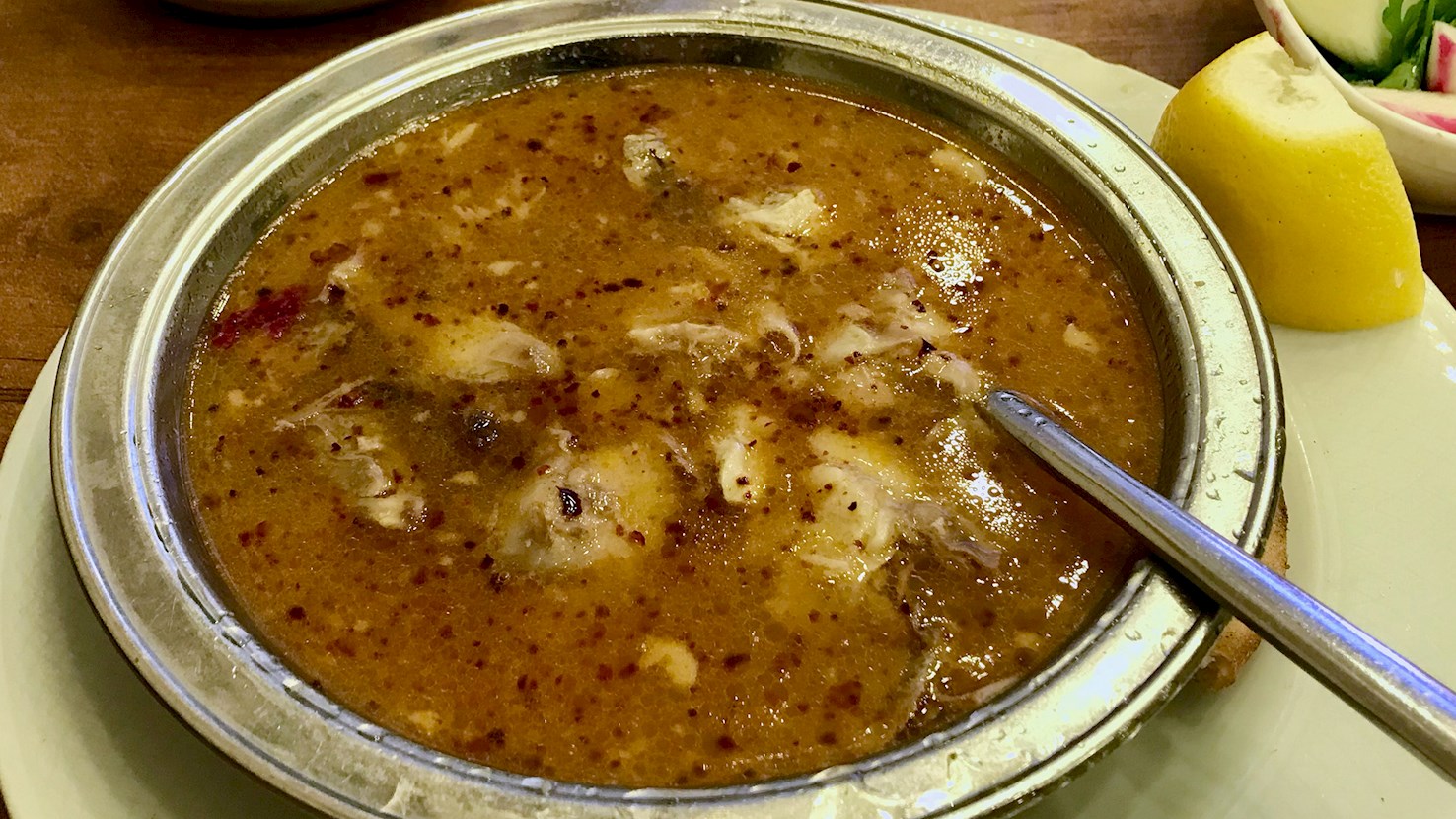
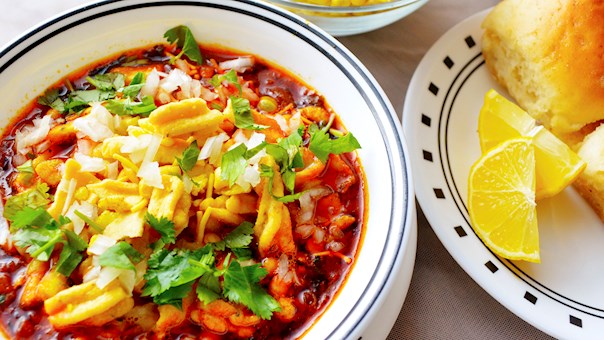
Beyran çorbası is a traditional soup originating from Gaziantep, where it's served for breakfast. It consists of rendered lamb fat that's topped with rice and shredded lamb meat. The combination is then cooked with the addition of garlic, pepper paste, and lamb broth. This soup is notorious for its spiciness, making it a pretty unusual way to start the day. If desired, the soup can be served with lemon wedges and fresh Turkish bread on the side.
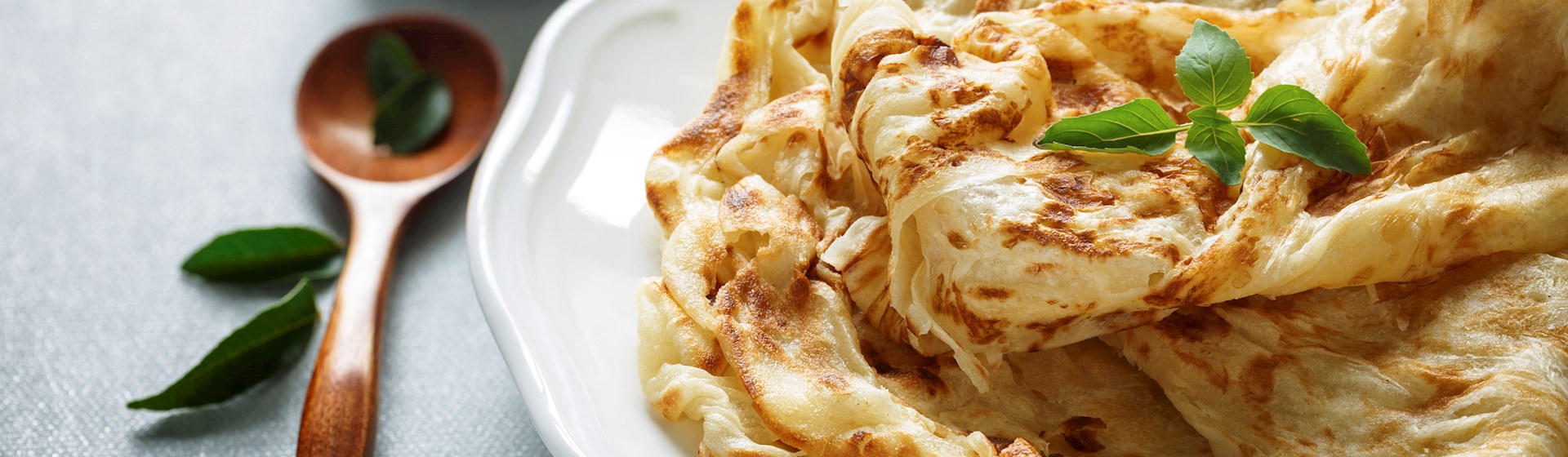
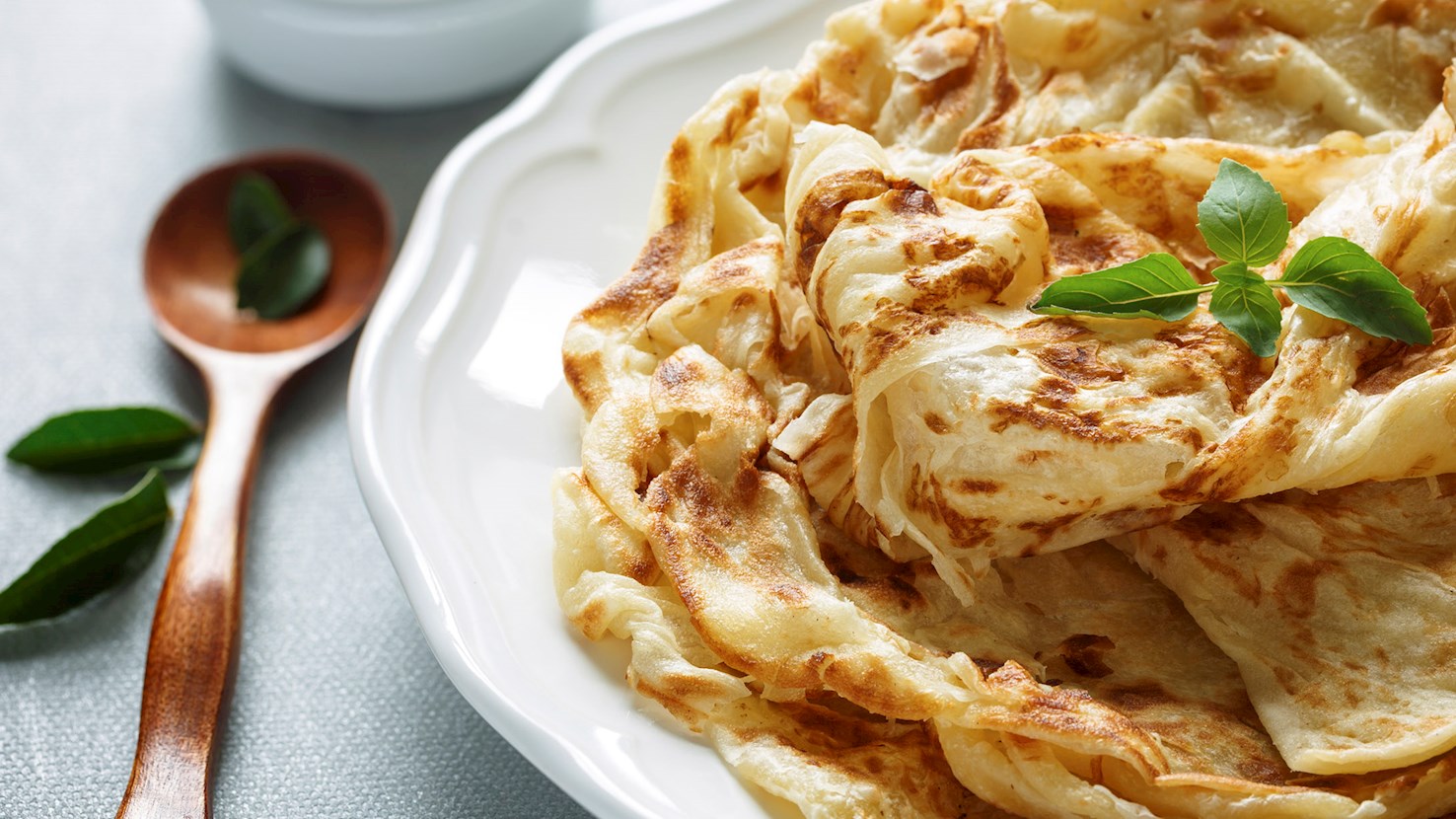
Roti canai is a traditional pan-fried flatbread made with flour, water, eggs, and fat of Indian origin, but mainly associated with Malaysia, and surrounding countries like Indonesia, Brunei, and Thailand. The dough for roti canai is repeatedly folded, so the final product has a layered texture, a soft interior, and a crispy outer layer. The most common fat used in roti canai is ghee, the traditional Indian clarified butter. It is believed that the dish originated in India when the Indian laborers who migrated to Malaysia brought the recipe and the tradition of preparing this crispy pastry to the foreign country. Usually, it is served plain in its traditional round form, as an accompaniment to curries. It can be served on the side or torn into pieces and mixed with the curry. However, roti canai is often served as the star dish, accompanied by different savory and sweet fillings and ingredients. If additional fillings are added, roti canai is usually shaped into rectangles. For example, in Malaysia, one can find various roti canai types, which are differentiated by the type of filling — egg, onion, egg and onion, banana, sardines, margarine and sugar, Maggi instant noodles, cheese, vegetable, and pork filling are some of the many available. However, roti canai doesn't have to have a filling but only a topping, such as fried eggs, curry, beans, lentils, and coffee beans. But martabak, a thick roti filled with meats, eggs, onions, and spices, is probably the best-known type of roti canai. Apart from Malaysia, it can also be found in Saudi Arabia, Yemen, and a few other countries. Other than Malaysia, a very similar type of flatbread can be found in Singapore, where it's called roti prata. This crispy bread is usually sold by street vendors called mamaks.
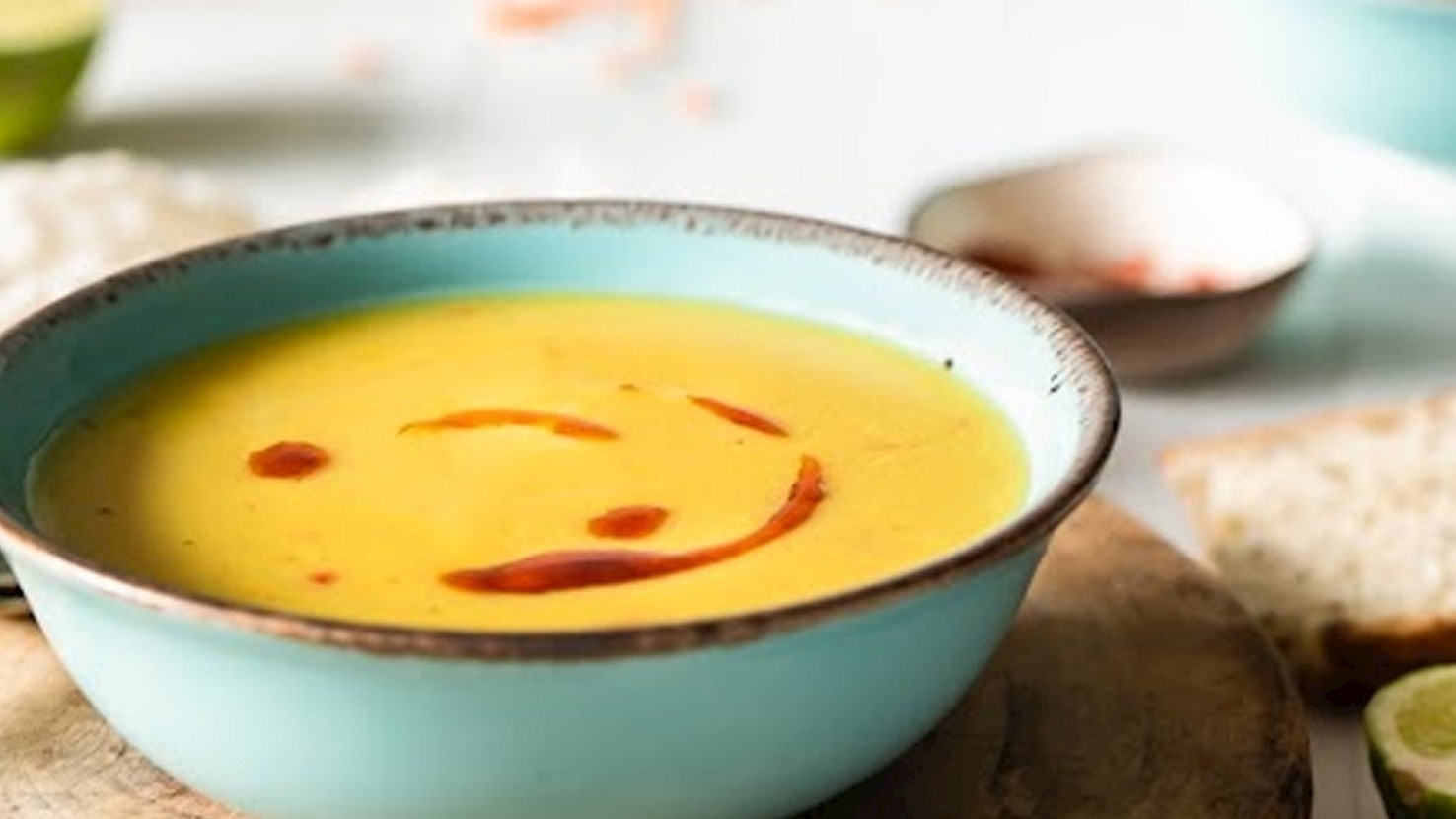
Mercimek çorbası is a beloved Turkish soup made with red lentils, chicken stock, onions, and carrots. It is often seasoned with salt, pepper, cumin, or paprika. Easy to prepare, filling, and warming, the soup is consumed for breakfast, lunch, or dinner in rural parts of Turkey, especially in local eateries known as lokantas.
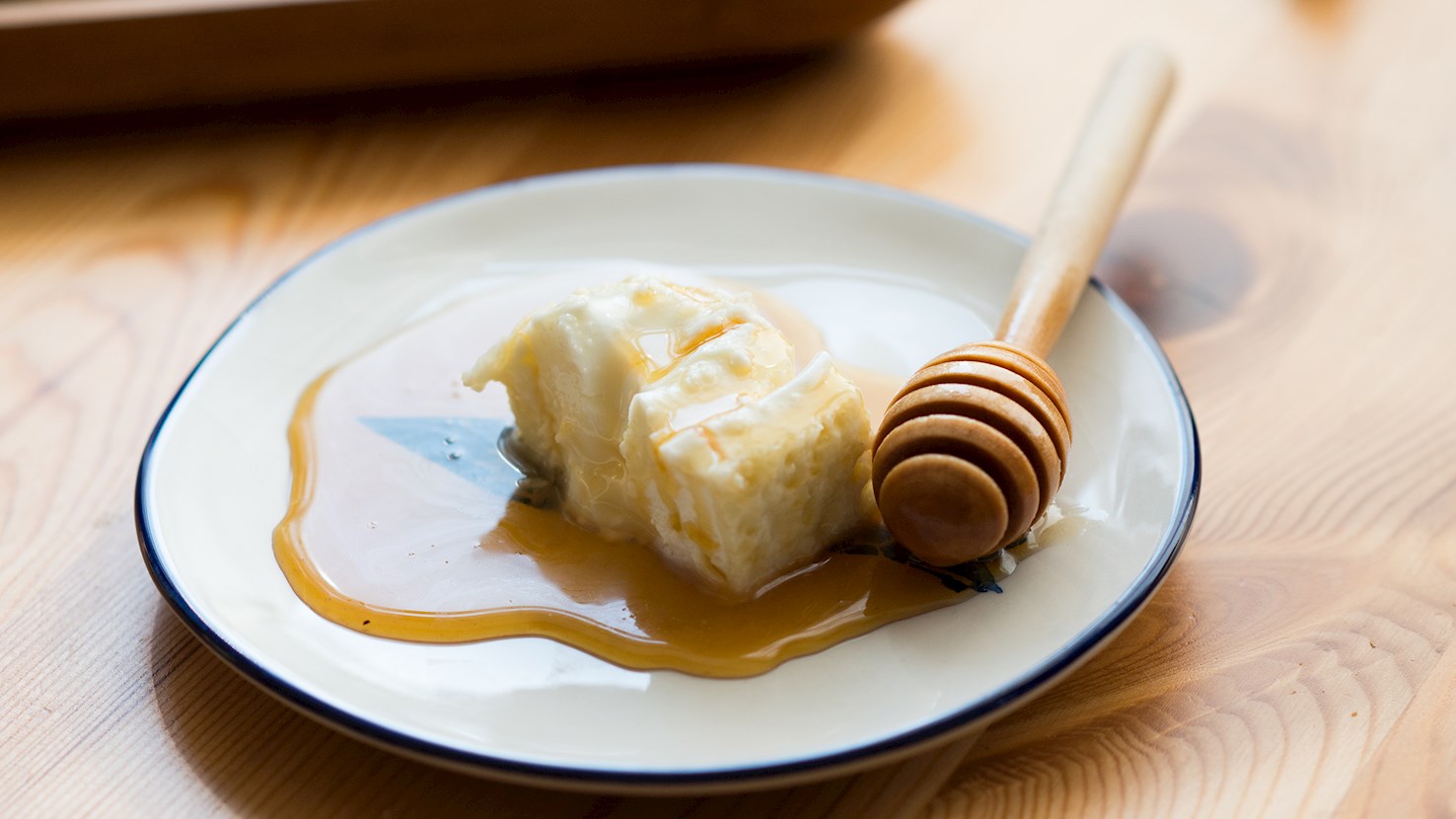
A staple breakfast dish in Turkey, bal kaymak is a delicious combination of kaymak - a traditional dairy product produced from water buffalo milk, very similar to clotted cream - that is generously doused with honey. The dish is served as a spread or a sweet dip alongside tea or a variety of other traditional breakfast dishes and is typically paired with bread. Rarely, it is served as a dessert and it sometimes comes garnished with ground, chopped, or whole walnuts.
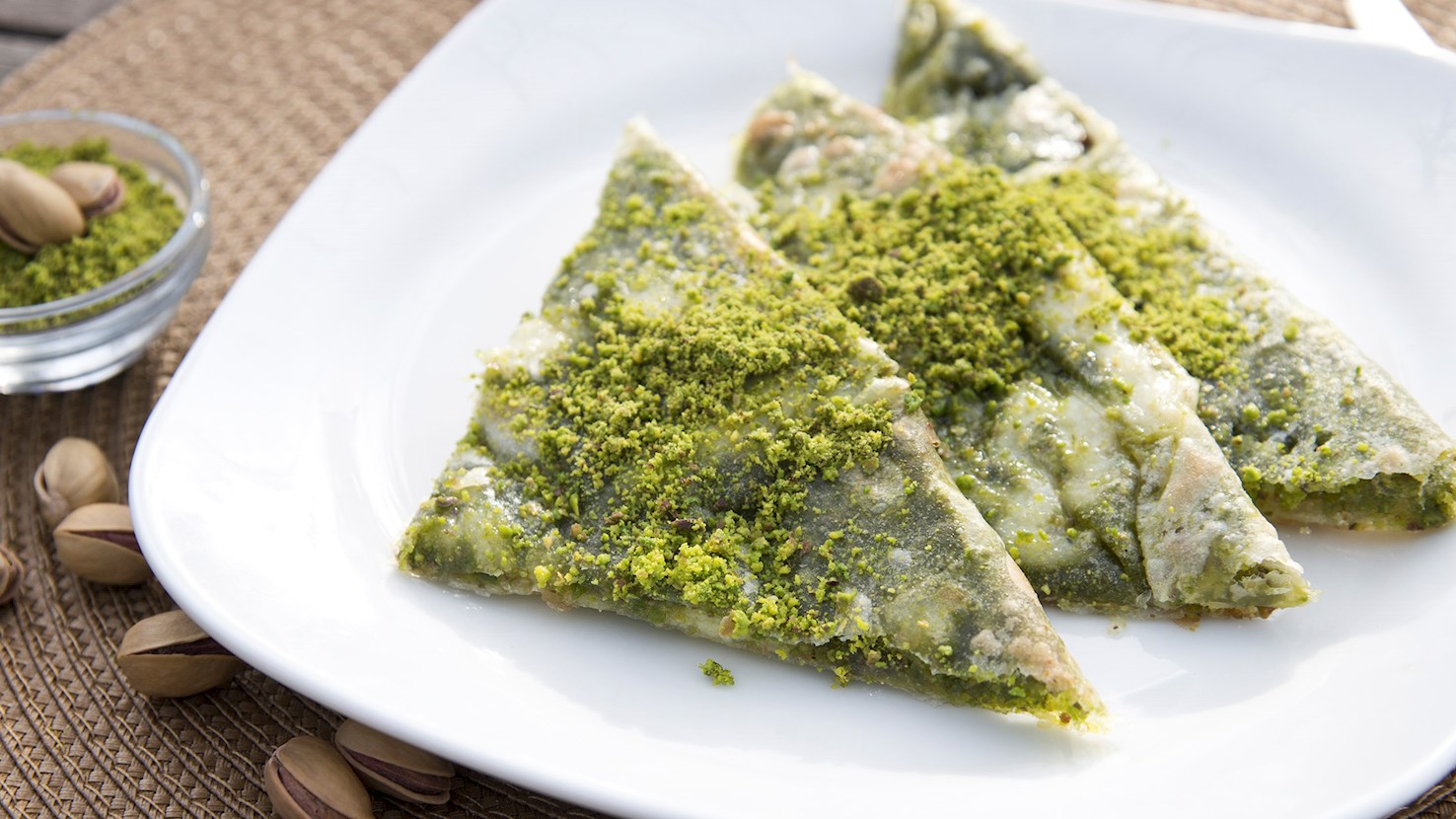
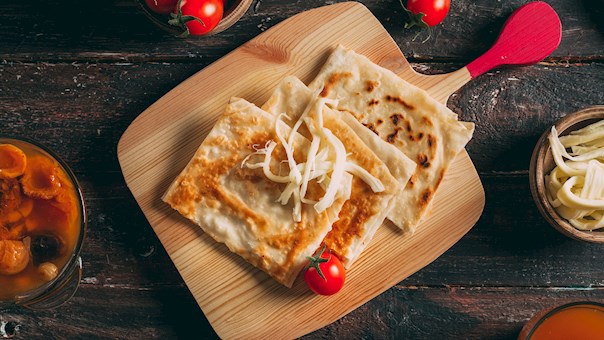
A type of sweet börek, katmer is a specialty of Gaziantep, or simply Antep – Türkiye's gastronomic capital and a rich melting pot of diverse cultures and cuisines nestled in southeastern Anatolia – an ancient city whose claim to fame is being home to world’s finest pistachios and the delicious Antep baklavası. Katmer is what most locals start their day with: in fact, there are bakeries and cafés in Gaziantep open from early morning until noon serving katmer for breakfast. Traditionally, it is also the first meal eaten by newlyweds after their first wedding night, as it represents the sweetness they hope to find in their marriage. Filled with pistachios and kaymak – Turkish clotted cream made with water buffalo milk, which is often referred to as kaymağın kaymağı, meaning crème de la crème – these flaky, crunchy pastries must be served fresh from the oven, while they're still warm. For a perfect Turkish breakfast, have your katmer drizzled with a little honey, sprinkled with crushed pistachios, and paired with a nice cup of tea.
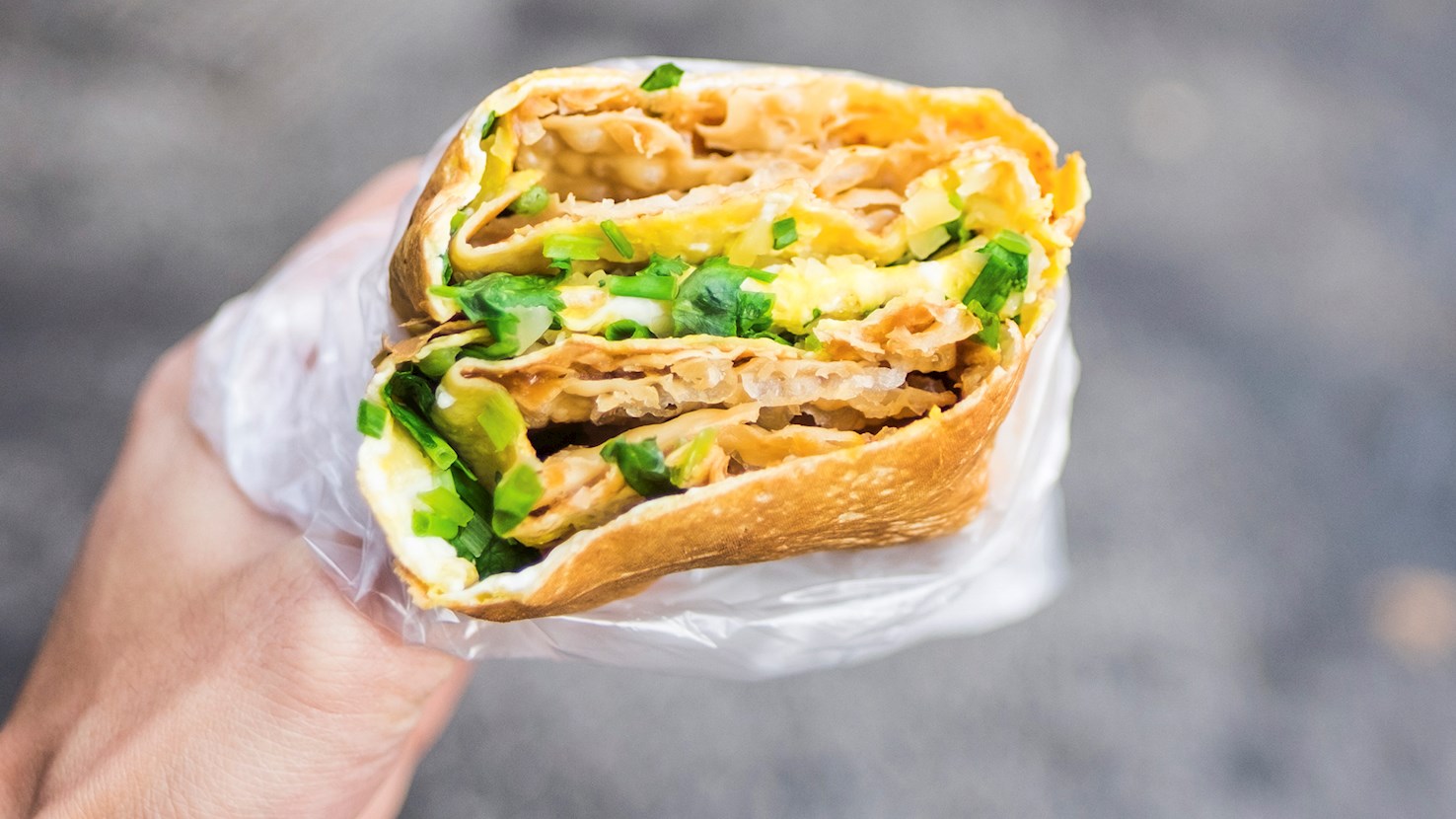
A favorite breakfast item in China sold by numerous street food vendors early in the morning, jianbing or fried pancake is a thin and savory crêpe-like pancake that is made by spreading batter over a hot, cast-iron slab with a wooden paddle. The batter can be made with a variety of different flour, with the most common types being mung bean flour, black bean flour, and wheat flour. Always freshly prepared and warm, this fried pancake is usually topped with eggs, then flavored with various sauces such as chili sauce, hoisin sauce, or tianmianjiang (savory bean paste) sauce, and filled with ingredients such as spring onions, mustard pickles, radishes, scallions, cilantro, or even a protein such as Chinese sausage or chicken. A type of crispy-fried dough sticks called guozi or strips of crispy wonton are traditionally added to the pancake filling for extra crunchiness. The variations on this dish are endless as are the ingredients that can be added inside the crêpe wrapper. Typical of Tianjin, versions of this Chinese dish can also be found in some of the largest cities in the world including New York, Sydney, and London.
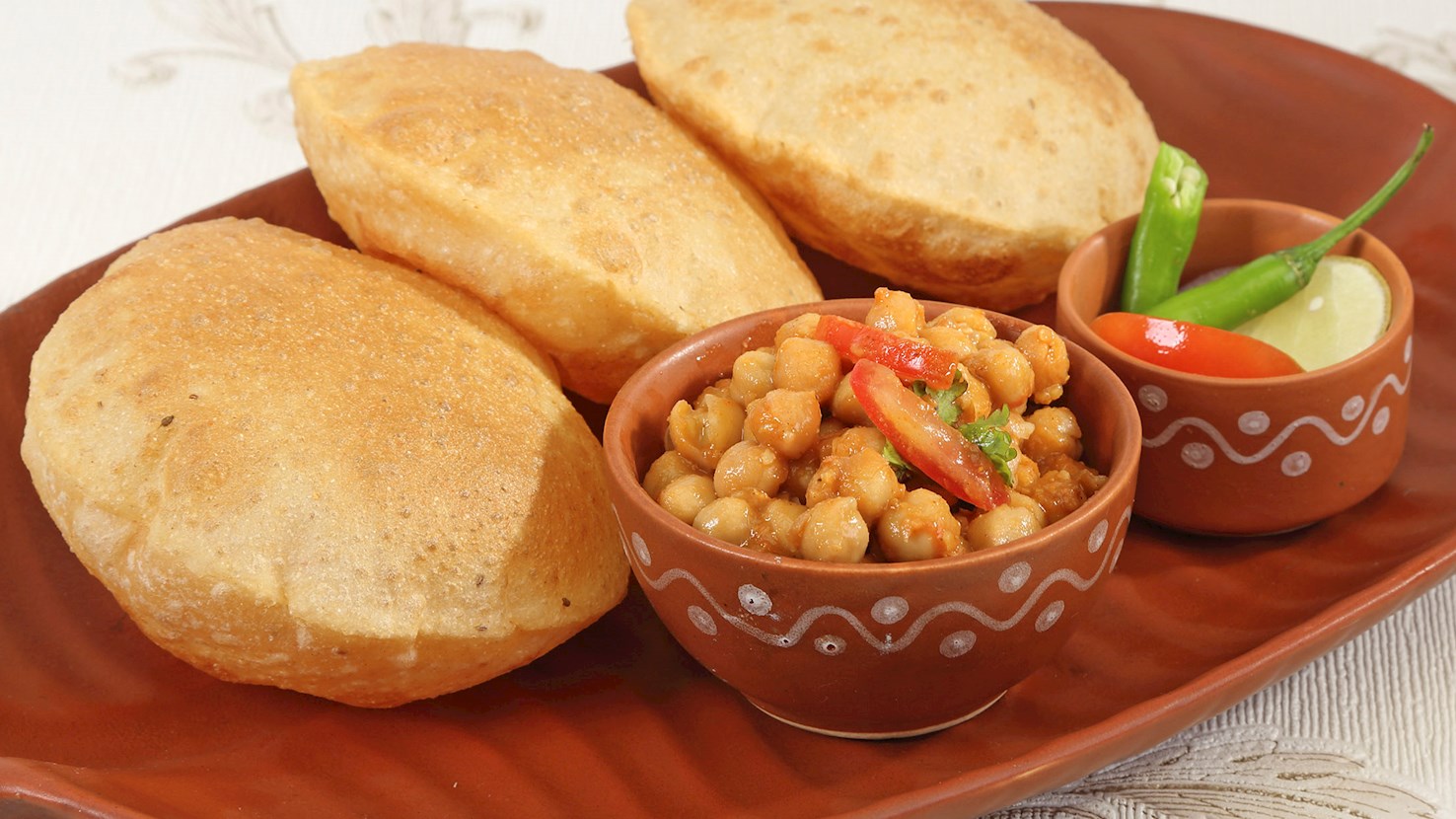
At its core, chole bhature is a combination of two dishes: chole - a spicy chickpea curry, and bhature - a type of fried bread made with maida flour. Popular throughout North India, the dish was invented in Delhi in the 1940s. It is commonly accompanied by onions, pickles, mint chutney, and chilled lassi. Chole bhature can be found at most street carts in North India, but it can also be easily prepared at home. Although it can be eaten any time of the day, chole bhature is especially popular in the morning, when bhature are filled with potatoes or cottage cheese, making it a heavy, nutritious breakfast.
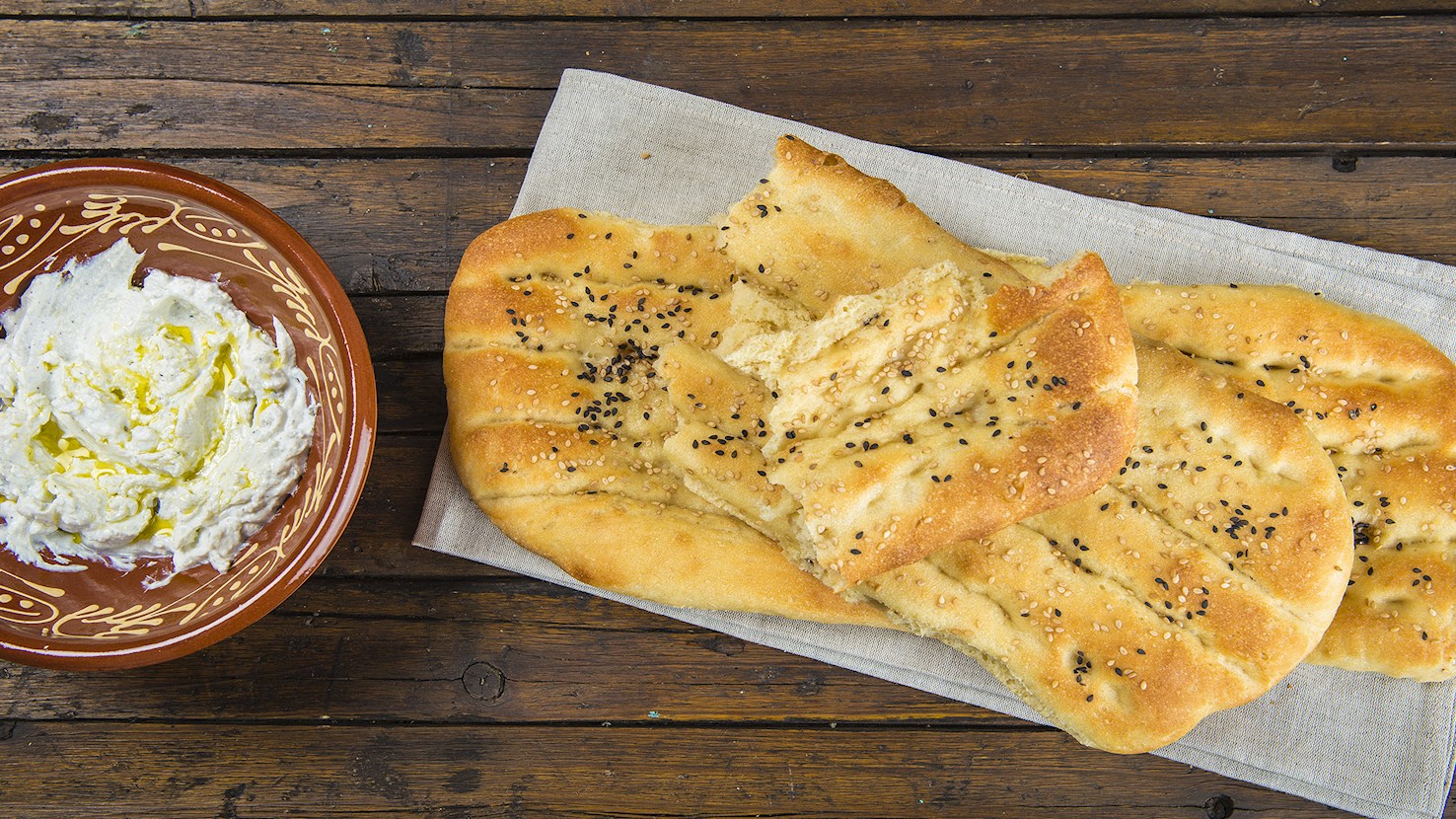
Nan-e barbari is a flatbread known for its thick, airy crumb and golden crust brushed with a special flour paste called roomal. Originating among the Hazara people who settled in Iran, this bread became especially associated with Tehran and other northern cities, where it is commonly baked fresh each morning and sold in bakeries to accompany breakfast or lunch. Its long, oval shape and characteristic ridged surface make it immediately recognizable on bakery shelves. The history of nan-e barbari reflects Iran’s rich baking culture, which includes many regional breads with distinct textures and preparation methods. The word “barbari” was used historically to describe the Hazara ethnic group, who brought their baking techniques to central Iran. Over time, this bread was embraced by the wider population and became one of the most widespread breads in Iranian cities. Recipes and shaping methods were refined in professional bakeries to achieve the signature crust that stays chewy and moist longer than many thinner flatbreads. Preparing nan-e barbari begins with mixing wheat flour, yeast, water, and salt into a smooth dough that is rested until doubled in size. The dough is then divided into portions and gently shaped by hand into long ovals. Before baking, each piece is brushed generously with roomal, a cooked paste of flour and water that keeps the surface soft while it expands and creates a glossy crust. The baker presses rows of deep ridges along the dough with fingers or the edge of the palm. Sometimes sesame or nigella seeds are sprinkled on top for added flavor. Baked on hot stones or a preheated oven floor, the bread emerges with a crisp base and a tender, chewy interior. One aspect of nan-e barbari is how its preparation has been adapted to modern bakeries. While some home cooks still bake it in gas ovens or on baking stones, many people prefer to buy it fresh from specialized bakeries that produce dozens of loaves each morning. These bakeries often have large gas-fired ovens with conveyor belts that simulate the effect of the hot stones once used in brick ovens. Nan-e barbari is usually eaten warm, torn by hand, and served with feta cheese, fresh herbs, walnuts, and sometimes clotted cream or jam for breakfast. In many Iranian households, it appears alongside stews and kebabs as well.
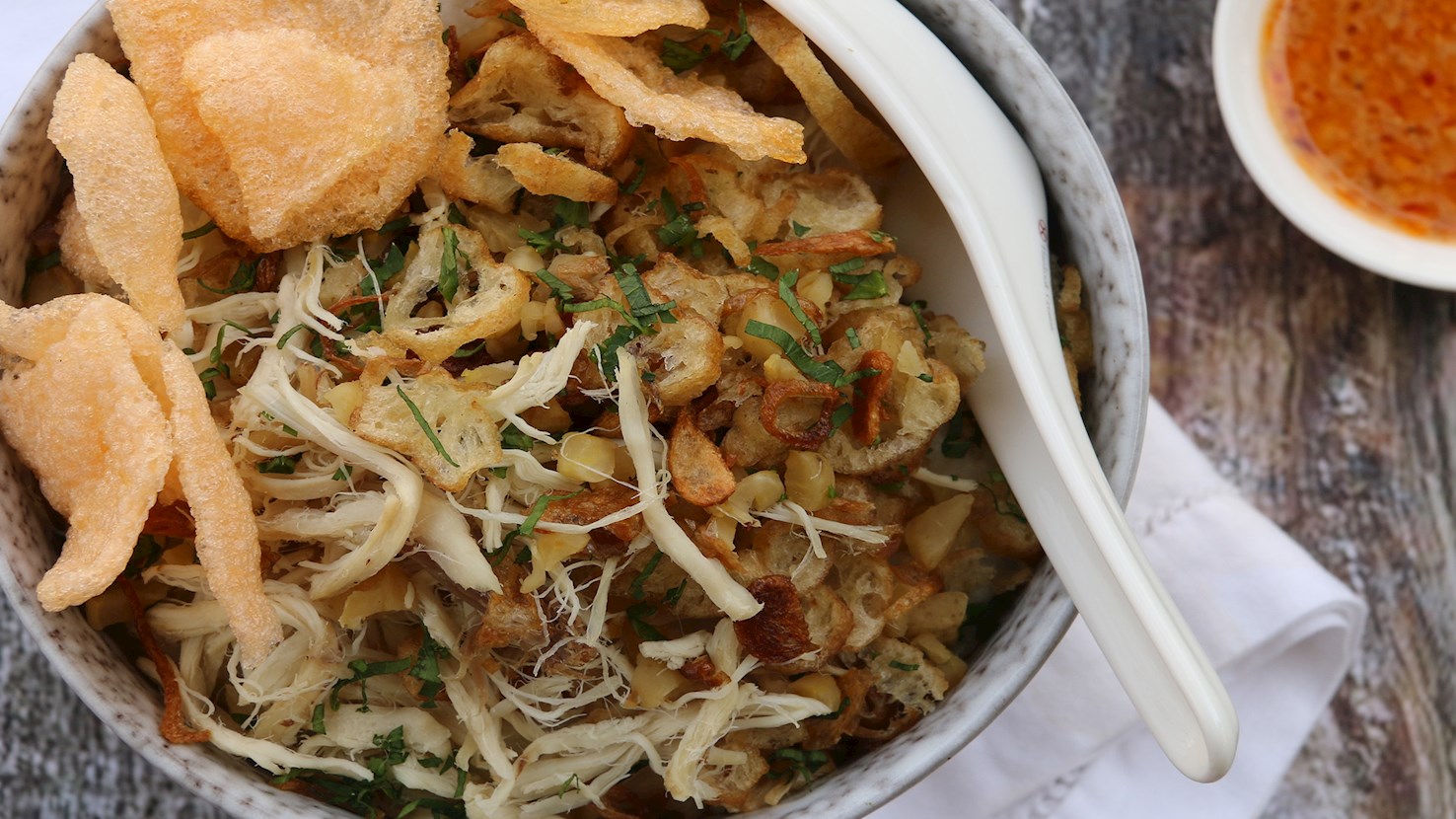
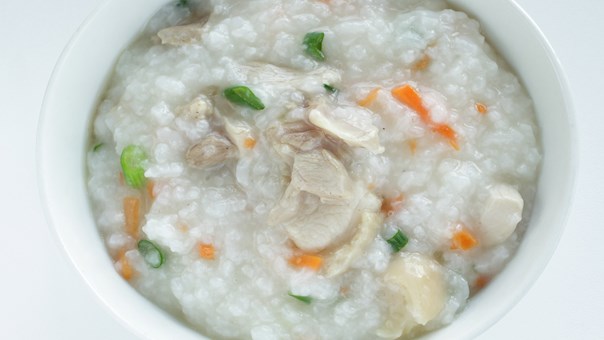
Bubur ayam is the Indonesian version of chicken congee, a thick rice porridge topped with shredded chicken and various savory condiments. This breakfast staple probably originates from the Chinese rice porridge, but it employs regionally available ingredients and toppings to create an authentic Indonesian dish. The process starts with boiling chicken (usually darker, on the bone pieces), and the same broth is typically used to cook the rice until it becomes dense in consistency. Besides rice porridge and shredded chicken, bubur ayam can employ a myriad of other ingredients. It is commonly topped with sliced scallions, crispy fried shallots, chopped cilantro, crushed peanuts, fried crullers, and sliced boiled eggs. Before it is served, bubur ayam is usually generously doused with soy sauce, sesame oil, or fish sauce. Unlike other traditional Indonesian dishes, this chicken porridge is not overly spicy, but the fiery sambal sauce can be served on the side, if desired. Bubur ayam is one of the most common street food varieties in Indonesia - each morning, numerous street vendors can be seen selling this comforting porridge as a nutritious breakfast dish.
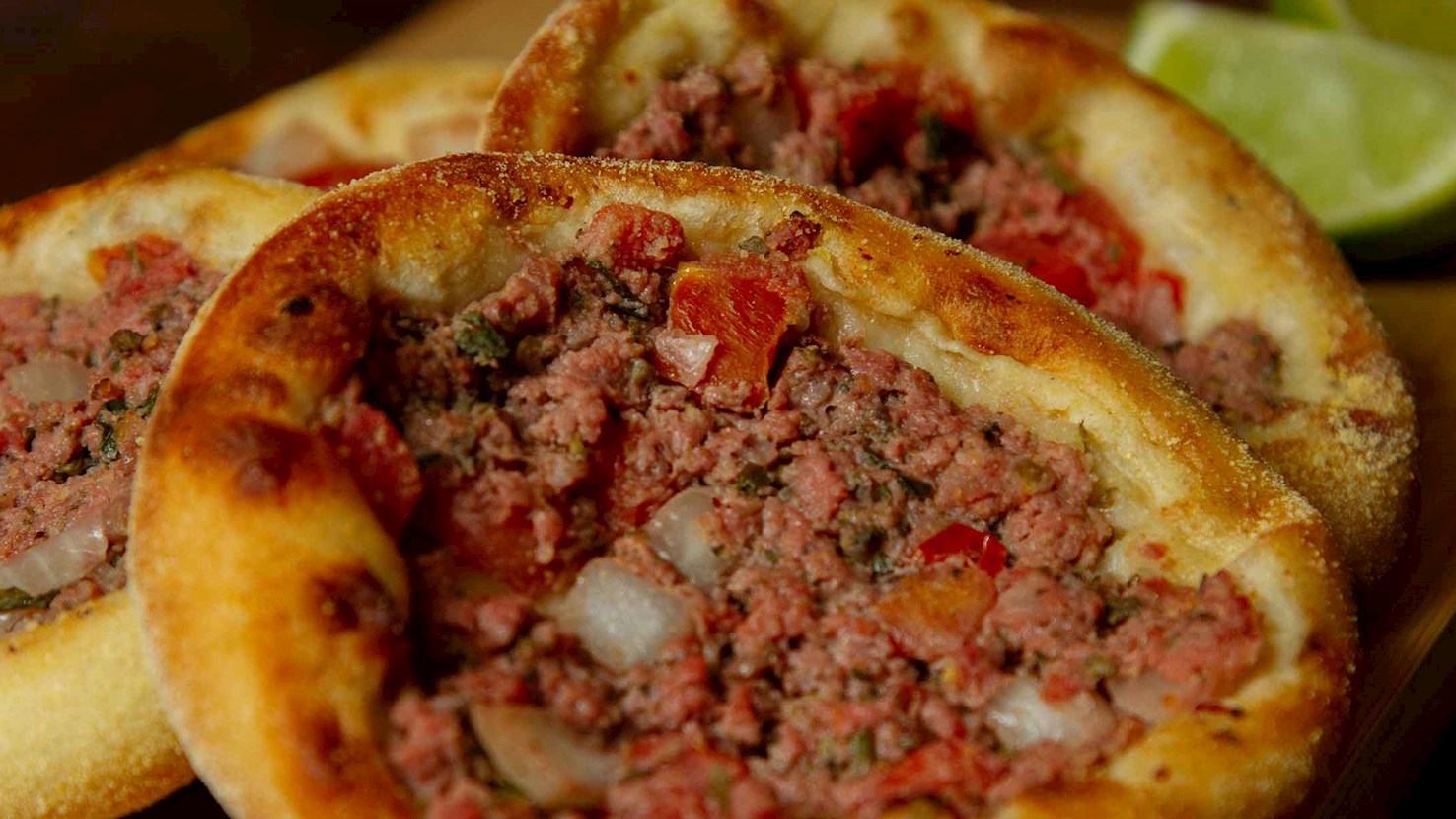
Sfiha, or lahm bil ajĩn (lit. meat on dough) is an Arabic specialty that dates back to the 15th century, when it first appeared in today's Eastern Lebanon. The traditional open-faced meat pie is popular throughout the Arab region, its main ingredients usually including minced lamb (or lamb), chopped onions and tomatoes, spices, olive oil, and yogurt. Originally, the dish was prepared by stuffing ground lamb and spices in brined grape leaves, but it evolved over time. Sfiha is also popular in Brazil and Argentina, where it was brought over by Levantine immigrants. It is usually consumed hot as a snack, accompanied by tahini sauce or a bowl of yogurt, while pomegranate seeds, coriander, or chopped cucumbers are often used as garnishes. In Turkey, sfiha is known as pide.
TasteAtlas food rankings are based on the ratings of the TasteAtlas audience, with a series of mechanisms that recognize real users and that ignore bot,
nationalist or local patriotic ratings, and give additional value to the ratings of users that the system recognizes as knowledgeable.
For the “Top 100 Asian Breakfasts” list until August 15, 2026, 21,086 ratings were recorded, of which 9,823 were recognized by the system as legitimate.
TasteAtlas Rankings should not be seen as the final global conclusion about food. Their purpose is to promote excellent local foods,
instill pride in traditional dishes, and arouse curiosity about dishes you haven’t tried.








What People Say