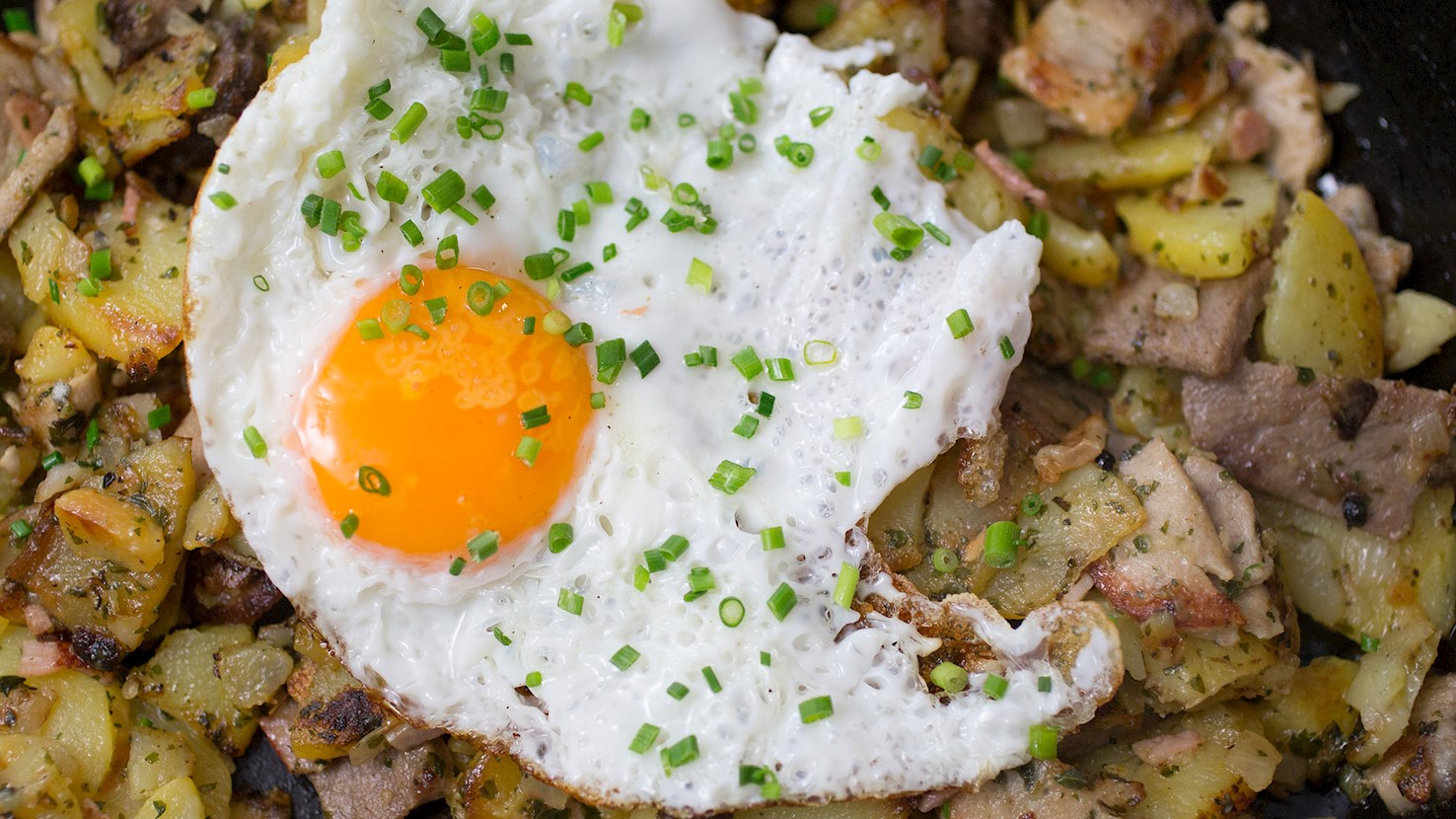
Tiroler gröstl is a traditional dish from Tirol, an Austrian region famous for its skiing and hiking courses. Like most Alpine dishes, gröstl is simple, yet rich, consisting of fried potatoes, onions, and bacon. Traditionally, the dish is served with a fried egg on top. Gröstl provides an ideal way of using yesterday's leftovers and transforming them into a great, hearty, and warming mountain lunch that can be shared communally, straight from the pan. It is recommended to pair the dish with the famous kaiserschmarrn in a separate pan. Gröstl is also commonly prepared in the neighboring South Tyrol.
Apfelradln is a traditional dessert made by deep-frying apple rings. It is typically served for breakfast or eaten as an afternoon treat. This comforting dish is prepared by peeling, coring, and slicing the apples into rings, then dipping the rings into a simple batter made with eggs, flour, and milk. Some versions also include a small amount of various alcoholic drinks in the batter - beer, white wine, brandy, or rum. The battered apple rings are deep-fried until golden brown, then topped with powdered sugar and cinnamon. Apfelradln is a favorite dessert among children and has been a staple of Austrian cuisine for generations.
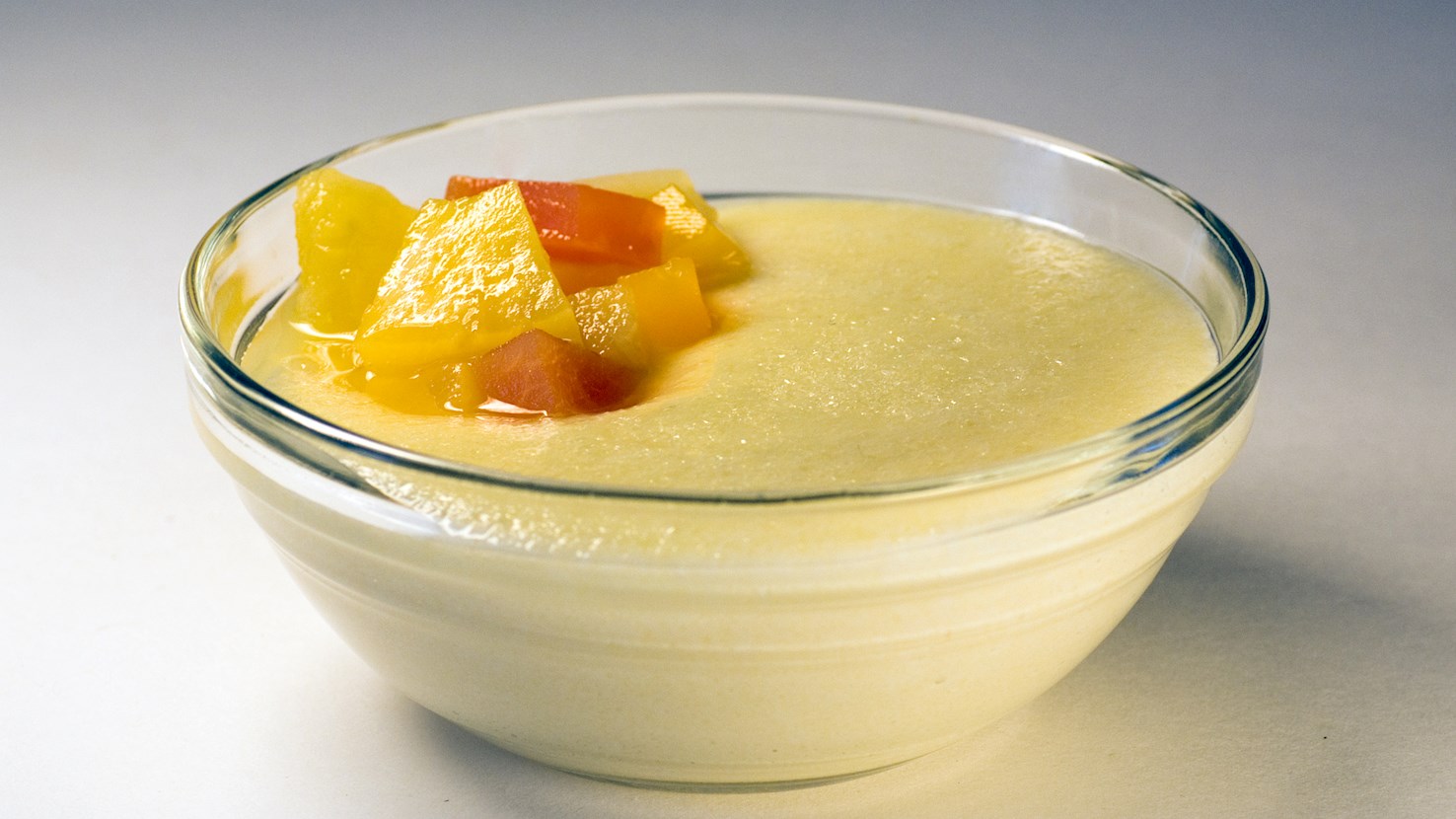
Grießbrei is a traditional Central European pudding based on semolina. The dish is made with milk, semolina, and sugar. It's often flavored with vanilla and cinnamon. The milk is heated, the semolina stirred in, and the mixture is then stirred until it becomes creamy and thick. Most people like to eat semolina pudding for breakfast, and the dish is sometimes enhanced with the addition of fruit such as cherries, strawberries, peaches, pears, or apples. It's recommended to serve it in a shallow bowl since there's more surface area to cover with the desired toppings. The dish is prepared in Germany, Austria, Hungary, Croatia, Slovakia, and the Czech Republic.
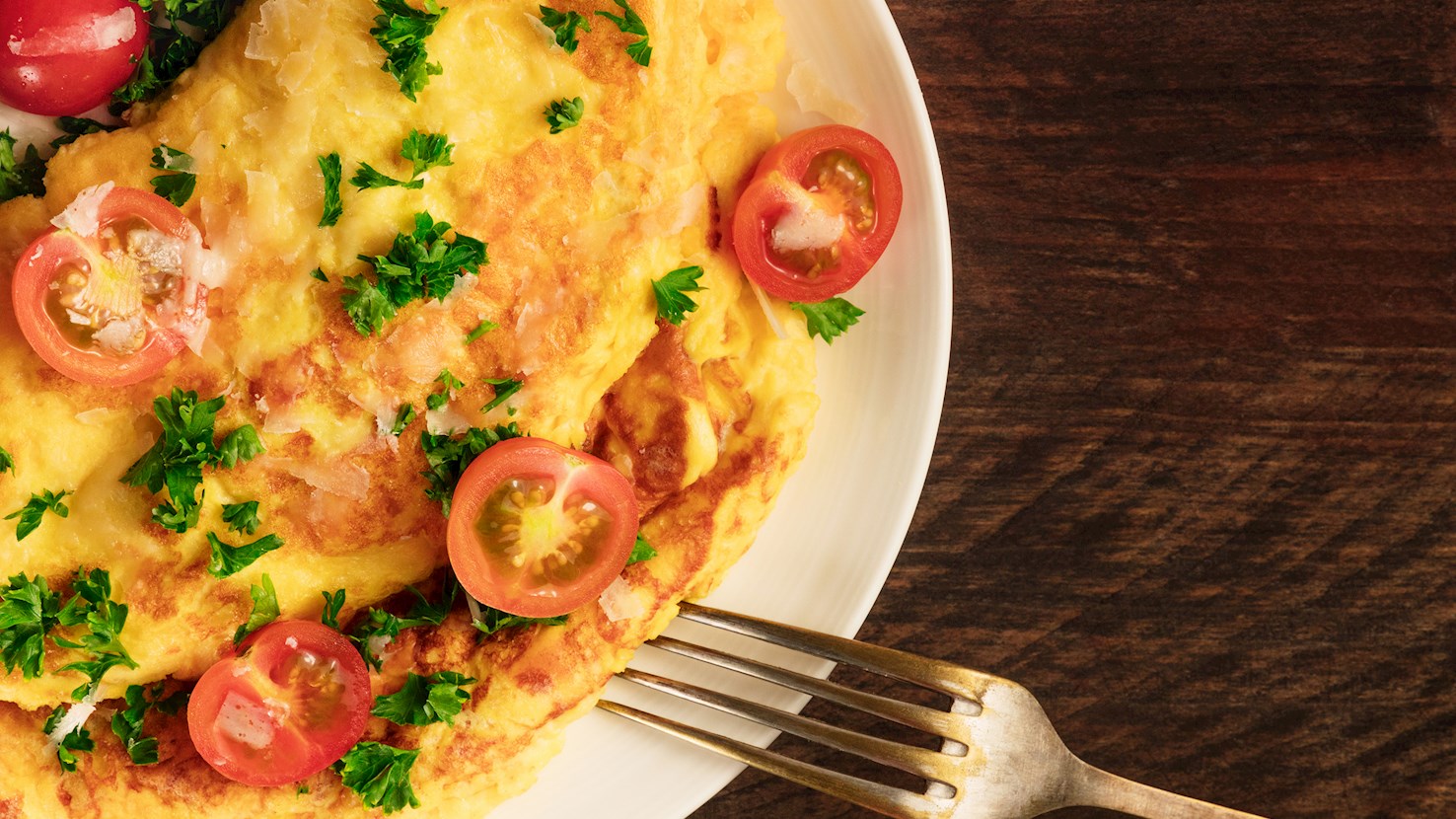
Tiroler omelett is a traditional omelet originating from Tyrol. It’s made with a combination of eggs, a few tablespoons of milk, salt, butter, chopped bacon, sliced bratwurst, chopped parsley, and thinly sliced tomatoes. The ingredients are cooked in a pan in order to get a tender omelet. When the eggs have set, the omelet is served on heated plates, then topped with tomato sliced and chopped parsley. Tiroler omelett is traditionally served for breakfast.
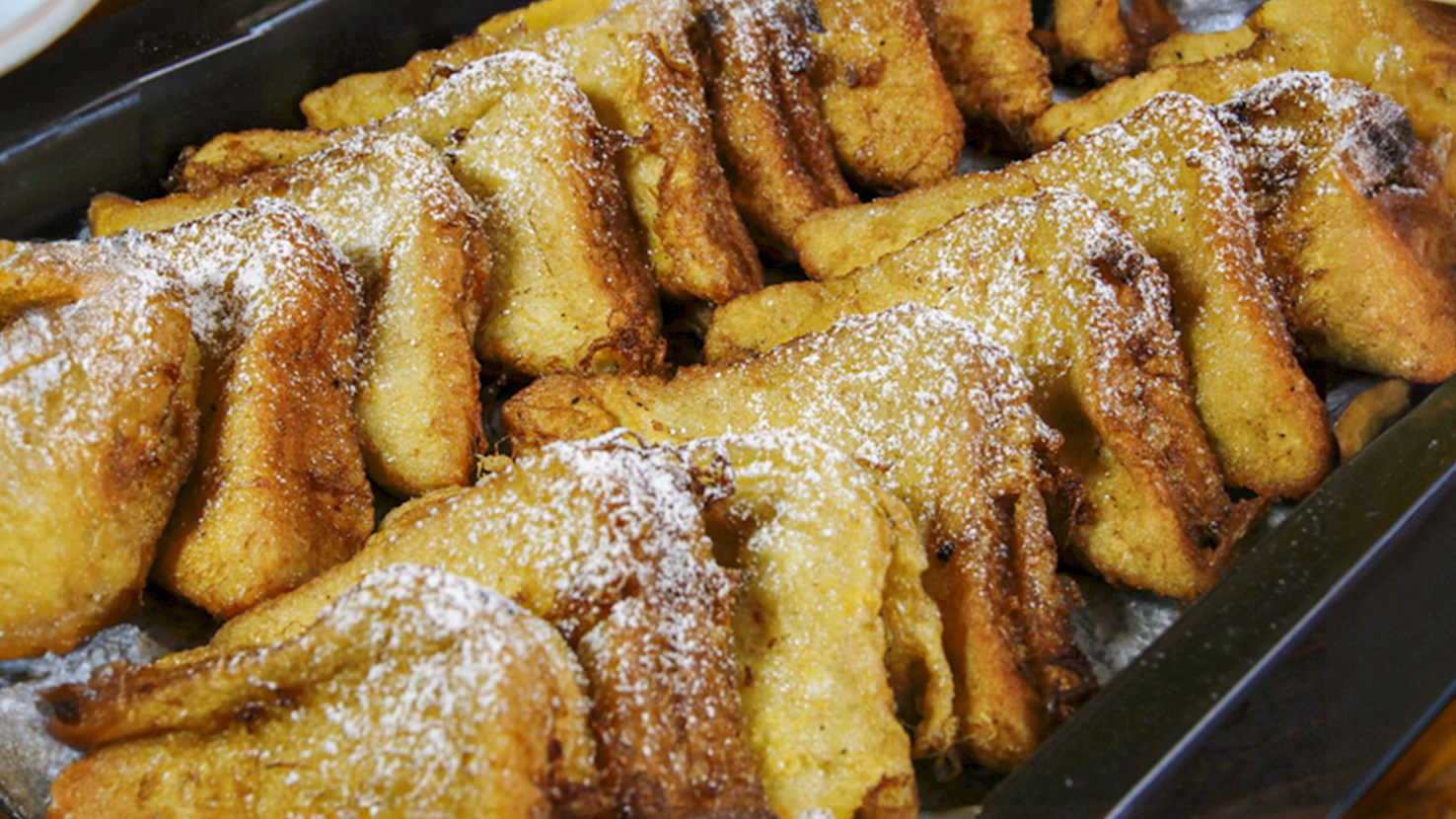
Pofesen, also known as pavesen, is a traditional dessert similar to French toast. The bread is usually assembled as a sandwich, with a layer of powidl in between. The sandwich is then dipped in a mixture of eggs, milk, sugar, and sometimes vanilla and fried until golden brown. Once cooked, the pofesen are usually sprinkled with powdered sugar and served warm. This sweet treat is enjoyed as a dessert or a special breakfast item, especially during holidays and festive occasions.
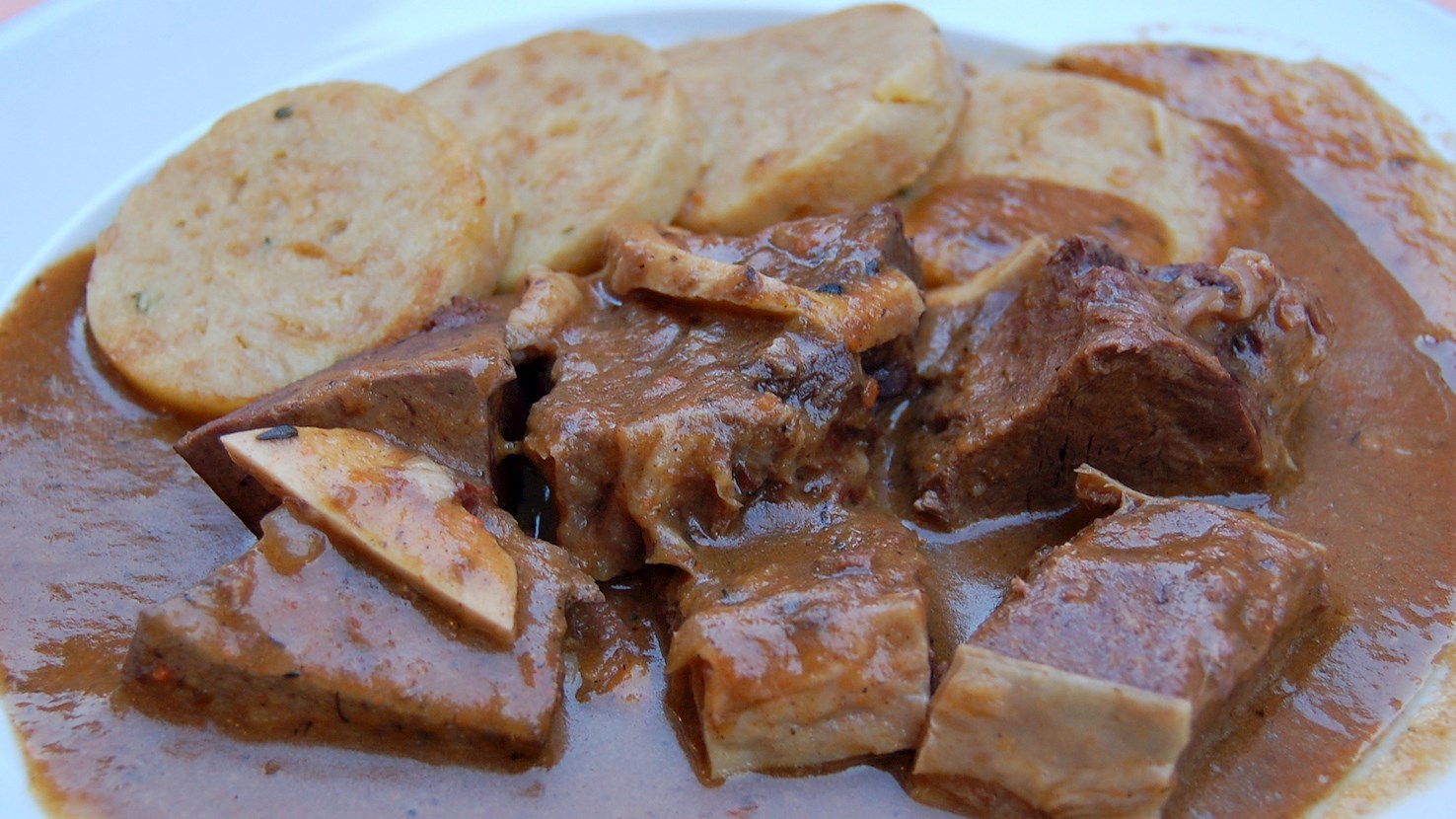
Bruckfleisch is a traditional pub meal that is most often served for breakfast, made by braising offal with root vegetables in a brown sauce consisting of vinegar, wine, and blood. The prepared dish is served with bread or bread dumplings and it is recommended to pair it with a glass of beer.
Hirn mit ei is an offal-based egg dish from Austria that consists of calf or pork brains cooked with eggs, producing a creamy, soft mixture in which the gentle richness of the brains combines with softly set egg and restrained seasoning to create a balanced, mild, savory profile with a velvety texture. The dish emerged in Austrian home cookery and inn kitchens, where organ meats were regularly used and readily accessible, reflecting a long tradition of nose-to-tail use of animal parts, including brain. It was well known in the decades before its decline in popularity. Preparation begins with thoroughly washing the brains and removing membranes and blood, soaking them briefly in lukewarm or cold water, and peeling away fine surfaces before heating butter or fat in a pan, sautéing finely chopped onion, adding the cleaned brain pieces to cook until firm and lightly set, then pouring in beaten eggs and stirring gently until the eggs just set into a soft, cohesive scramble, with salt, pepper, and often a hint of nutmeg. Common variations include adding herbs such as parsley or chives, slight differences in sautéing onions before the eggs, and serving the dish either with the egg fully incorporated or with the egg yolk placed on top to cook partially in the warmth of the finished preparation; some cooks also pair it with simple garnishes like parsley root. A unique characteristic of hirn mit ei is the central role of the brain itself — its high fat and delicate structure creates a texture that is neither firm muscle nor uniform egg but a distinctive, smooth combination. Hirn mit ei is eaten hot as a main breakfast or light lunch dish, typically served with boiled or sautéed potatoes, simple green salad, or bread, and paired with mild white wine, beer, or light soups that complement without overpowering the subtle flavors of the eggs and offal.
TasteAtlas food rankings are based on the ratings of the TasteAtlas audience, with a series of mechanisms that recognize real users and that ignore bot,
nationalist or local patriotic ratings, and give additional value to the ratings of users that the system recognizes as knowledgeable.
TasteAtlas Rankings should not be seen as the final global conclusion about food. Their purpose is to promote excellent local foods,
instill pride in traditional dishes, and arouse curiosity about dishes you haven’t tried.






What People Say