Mekitsa is a popular Bulgarian dish that is traditionally served for breakfast. It is a flatbread made with kneaded dough that is then deep-fried in hot oil. The dough usually consists of flour, water, salt, oil, eggs, yogurt, and a leavening agent. The name mekitsa is derived from the Bulgarian root mek, meaning soft, referring to the flatbread's texture. These flatbreads can be dusted with powdered sugar or paired with yogurt, honey, cheese, or various fruit jams.
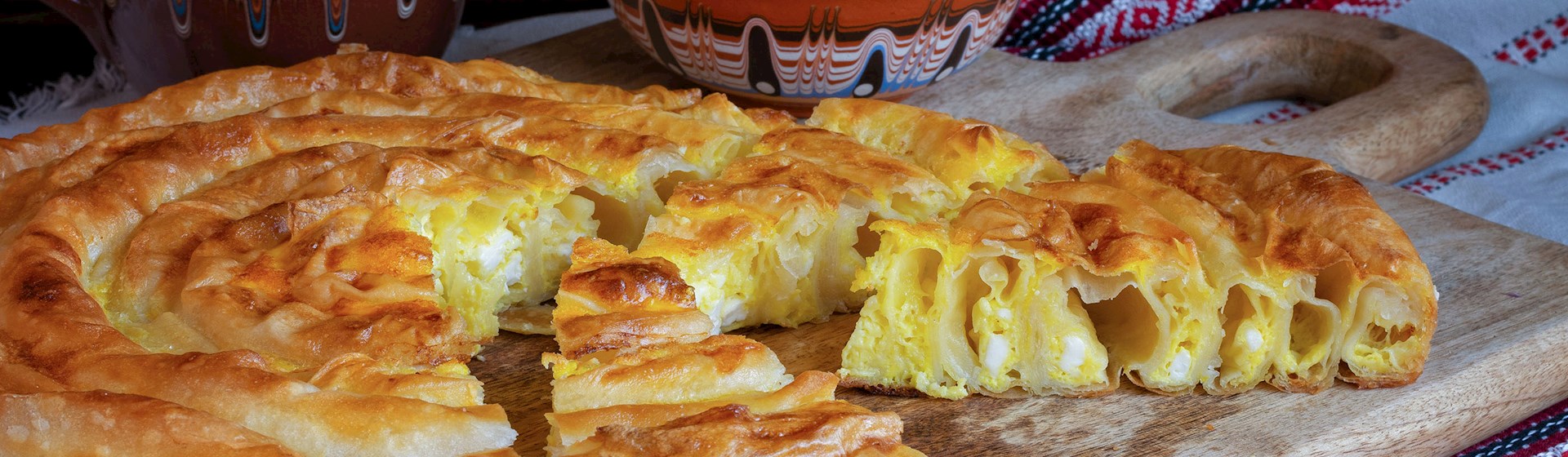
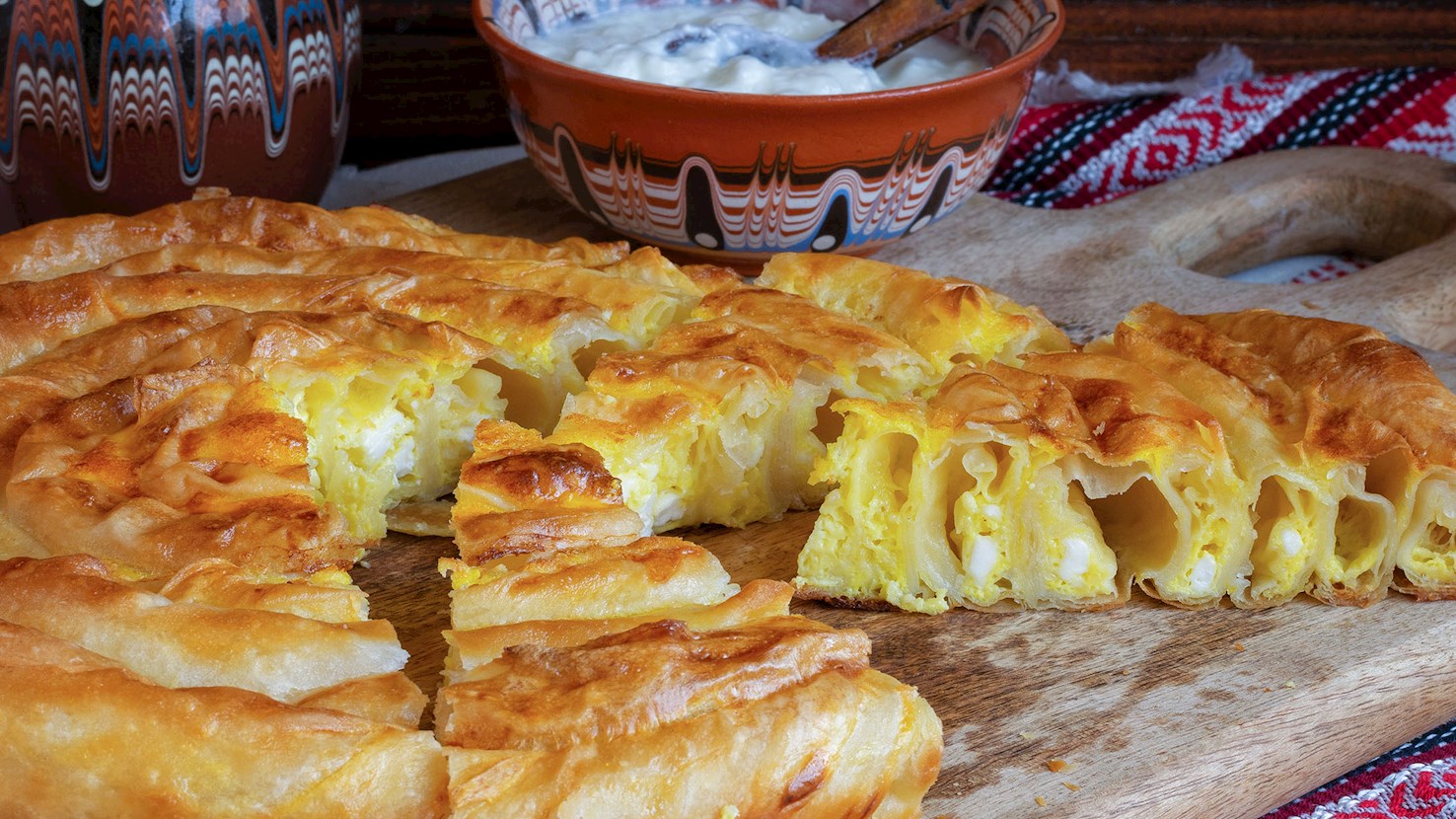
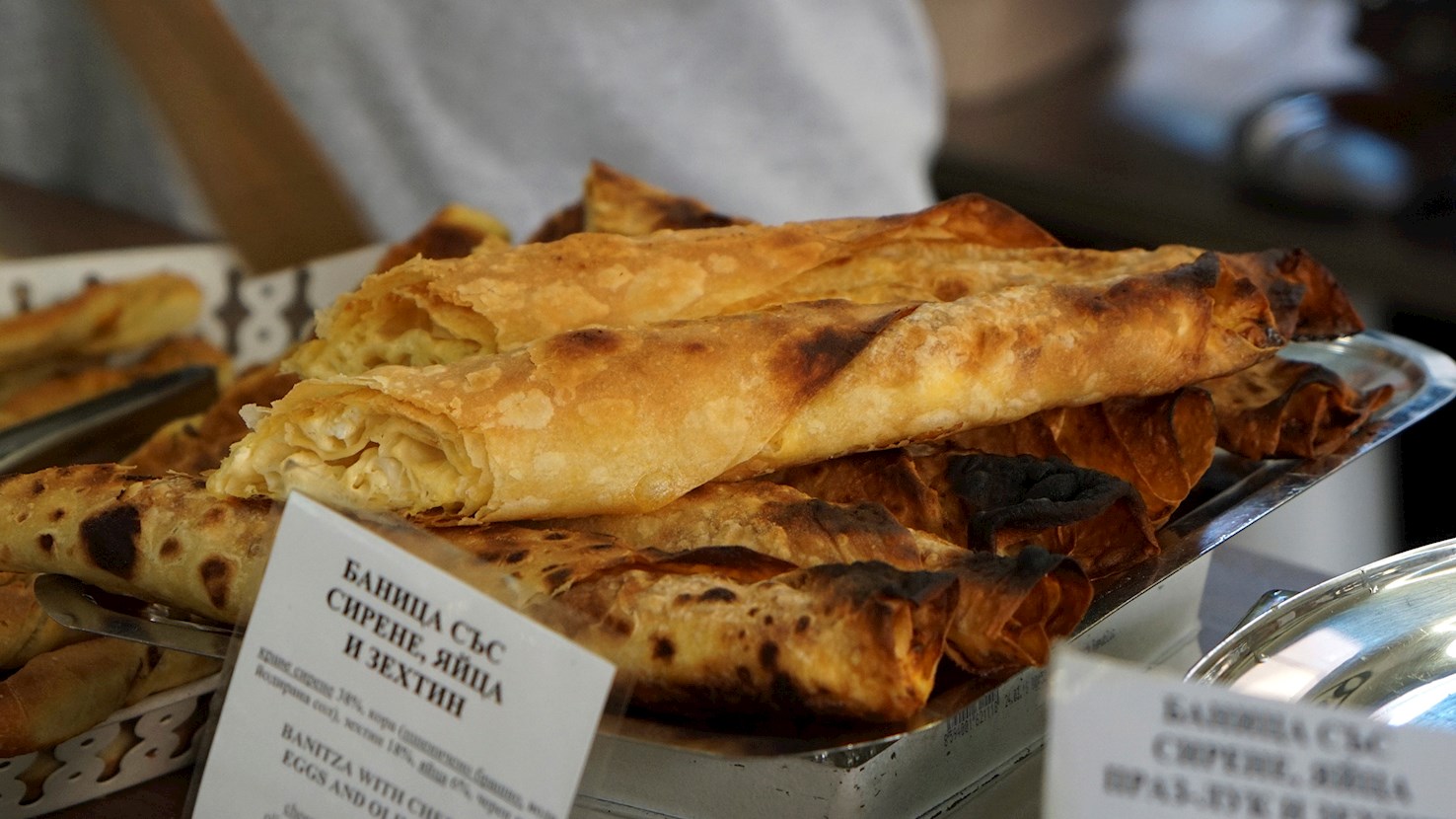
The Bulgarian pie banitsa made with cheese is the main version of this traditional pie. It's made by layering sheets of buttered phyllo pastry with a combination of eggs, yogurt, and cheese such as sirene and feta. There's an optional ingredient in the preparation of banitsa and it's baking soda, which makes the yogurt rise and makes the pie fluffier and richer in flavor. Traditionally, banitsa with cheese was prepared and served on Christmas and New Year's Eve, but nowadays it can also be bought throughout the year at grocery stores, street vendors, kiosks, and pretty much everywhere. Apart from this basic variety, there are also other types of savory or sweet banitsa pies filled with various vegetables and fruits.
Banitsa is a traditional dish made by layering sheets of buttered phyllo pastry with a mixture of eggs, yogurt, and white cheeses like sirene and feta for the simple and classic version of banitsa. Besides the classic cheese filling, this pie can be made with a myriad of different fillings, either savory or sweet. Pies with a vegetable filling, such as zelnik, are especially popular. Zelnik can be made with a filling of leafy greens like spinach, nettles, marigold, parsley, and cabbage, praznik is made with leeks, while luchnik is a type of banitsa filled with onions. When it comes to sweet versions of banitsa, there is tikvenik, made with pumpkins, an apple-filled variety, shtrudel, or mlecna banitsa - made by soaking pastry sheets with a mixture of milk, eggs, sugar, and vanilla. Bulgarians sometimes fill banitsa with lucky charms, coins, or pieces of paper that have wishes written on them, a practice that is especially popular during the festive winter season. The pie is typically served as a breakfast dish with yogurt or boza on the side.
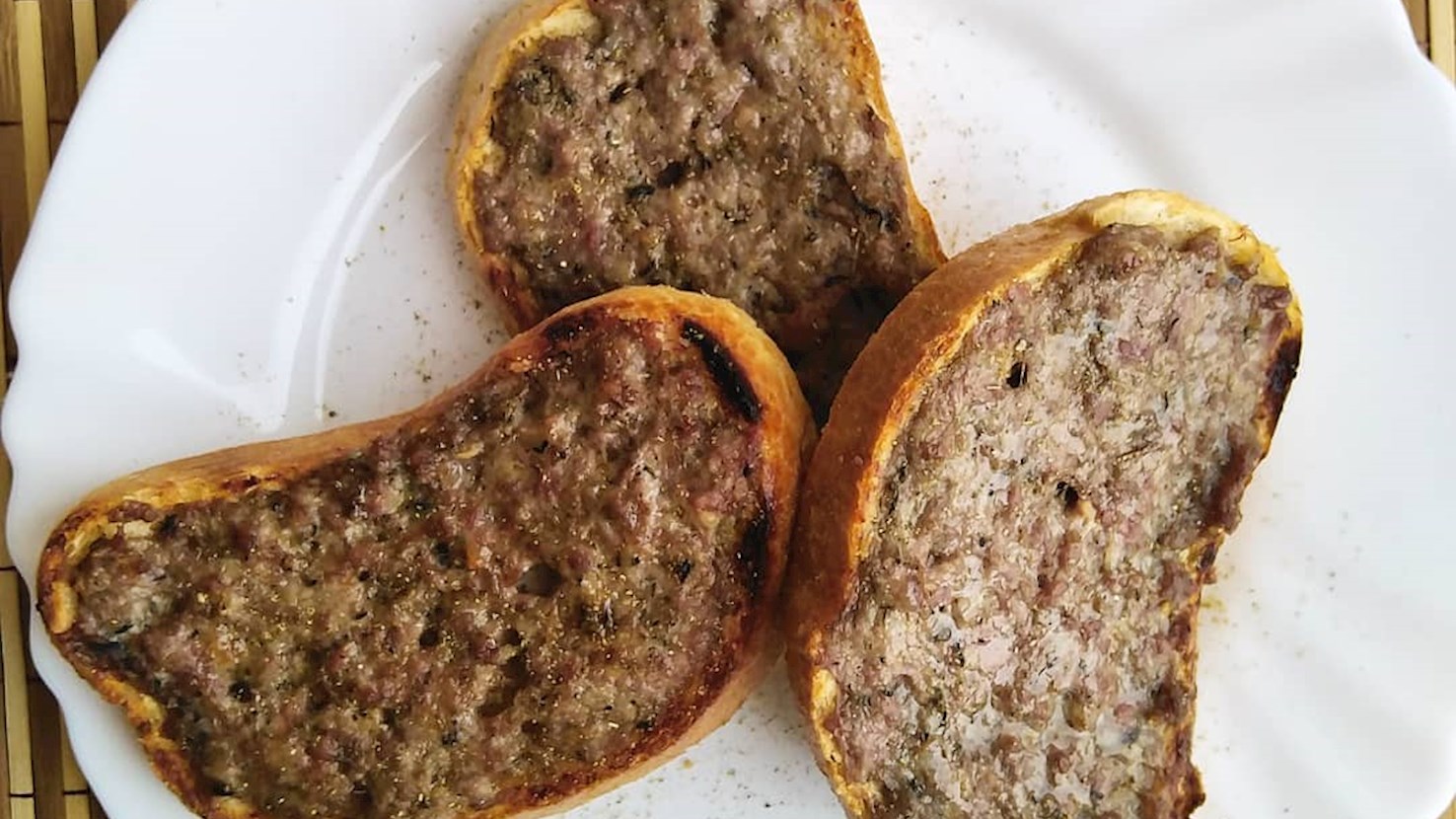
Strandzhanka is a traditional snack originating from the Burgas area. It consists of a slice of bread that's topped with a thin layer of minced meat and spices such as savory, black pepper, and paprika. The bread is then baked in an oven or grilled. Strandzhanka is often served for breakfast, brunch, or as an afternoon snack, and many people like to spread lyutenitsa or sharena sol (spice blend) on top of it. It's recommended to serve this snack with a cup of ayran on the side. In other parts of Bulgaria, there is a similar dish called princess, which is also topped with kashkaval cheese and it's always baked in the oven.
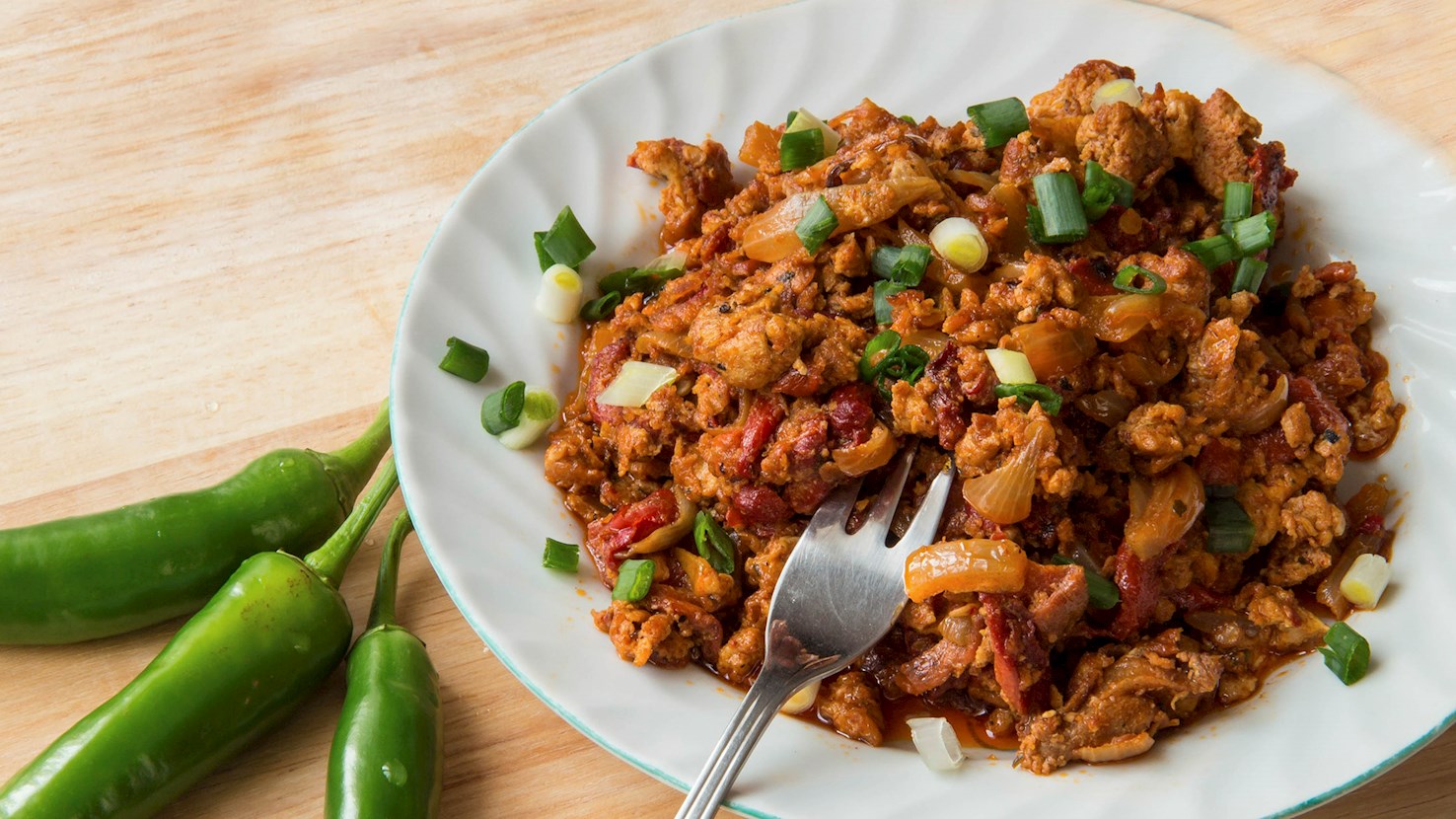
Translated as a mixture of different things, this traditional Bulgarian dish is prepared with eggs and typical summer vegetables such as tomatoes and peppers. Other ingredients include sautéed onions, salt, pepper, and Bulgarian white cheese. There is also a winter variety of the dish that is usually made with frozen roasted peppers. Mish-mash is typically served alongside crispy slices of bread or toast, and is enjoyed for breakfast, lunch, or dinner. Although the origins of the dish are not familiar, it is an integral part of traditional Bulgarian cuisine.
Katmi are traditional Bulgarian pancakes, similar to crepes but thicker and with a slightly spongy texture. The batter is made from flour, milk (or water), eggs, yeast or baking soda, and a pinch of salt, with some recipes including yogurt for added tang and texture. The batter is mixed to a smooth, pourable consistency and allowed to rest, especially when yeast is used, to let it rise slightly. Katmi are cooked on a special griddle or pan called a "sach" or a regular non-stick pan over medium heat. Unlike crepes, they are thicker, with a surface full of small bubbles or holes, giving them a spongy texture that helps absorb fillings or toppings. These pancakes have a soft, airy texture and a slightly tangy flavor if yogurt is used in the batter. Traditionally, katmi were spread with just butter, lard, or oil. Today, however, they can be served with a variety of sweet toppings like honey, jam, or chocolate spread or savory ones like cheese, butter, or minced meat. Katmi are often rolled or folded and served warm. Katmi are a beloved part of Bulgarian cuisine, typically enjoyed for breakfast or brunch. They are also associated with traditional gatherings and celebrations, reflecting the warmth and hospitality of Bulgarian culture. The preparation and enjoyment of katmi are deeply rooted in Bulgarian culinary traditions, making them a cherished dish across the country.
Lučnik is a savory baked pie made with a thick top and bottom crust and a generous filling of caramelized onions. Its name comes from the Slavic word luk, meaning onion. The pie is closely connected with Orthodox fasting periods in the Balkans. During late winter and early spring, especially around the observance of Todorovden, stored onions and newly grown scallions were among the main vegetables available. Baking large quantities of onions inside a substantial wheat crust provided a filling meal during periods when meat and dairy were avoided. The dough is made by activating fresh yeast in warm water and mixing it with plain wheat flour, salt, and sunflower oil until a dense, pliable dough forms. For the filling, several kilograms of yellow onions, green scallions, or thick leeks are chopped and cooked slowly in hot oil in a wide iron pan. They are left to soften completely and turn deep brown. Dried savory, ground paprika, and black pepper are then mixed into the onions. The rested dough is divided into two pieces. The larger piece is rolled out and placed in a greased round baking tin, with the edges hanging over the rim. The onion filling is spread evenly across the base. A thinner sheet of dough is placed on top, and the overhanging edges of the bottom crust are folded and twisted inward to seal the pie. The pie is baked in a hot oven until the top becomes dark golden brown. The filling can change depending on the fasting calendar. The vegan version uses only oil and onions. A richer dairy version adds crumbled white brine cheese and raw eggs to the onions, creating a denser filling. Another variation replaces the thick yeasted dough with several layers of very thin stretched phyllo pastry, producing a much lighter and more brittle crust. After baking, the pie is covered with a thick cloth towel and left to rest so the firm outer crust softens slightly. It is then cut into large triangular slices. Lučnik can be served hot straight from the baking tin or completely cold. It is commonly eaten with a cold glass of liquid yogurt or fermented boza, which balances the rich, oily sweetness of the onions.
TasteAtlas food rankings are based on the ratings of the TasteAtlas audience, with a series of mechanisms that recognize real users and that ignore bot,
nationalist or local patriotic ratings, and give additional value to the ratings of users that the system recognizes as knowledgeable.
TasteAtlas Rankings should not be seen as the final global conclusion about food. Their purpose is to promote excellent local foods,
instill pride in traditional dishes, and arouse curiosity about dishes you haven’t tried.






What People Say