

shutterstock

Top 11 Central American Breakfasts

Last updated on July 15, 2026
01

Pupusa de queso con loroco

4.1 ·

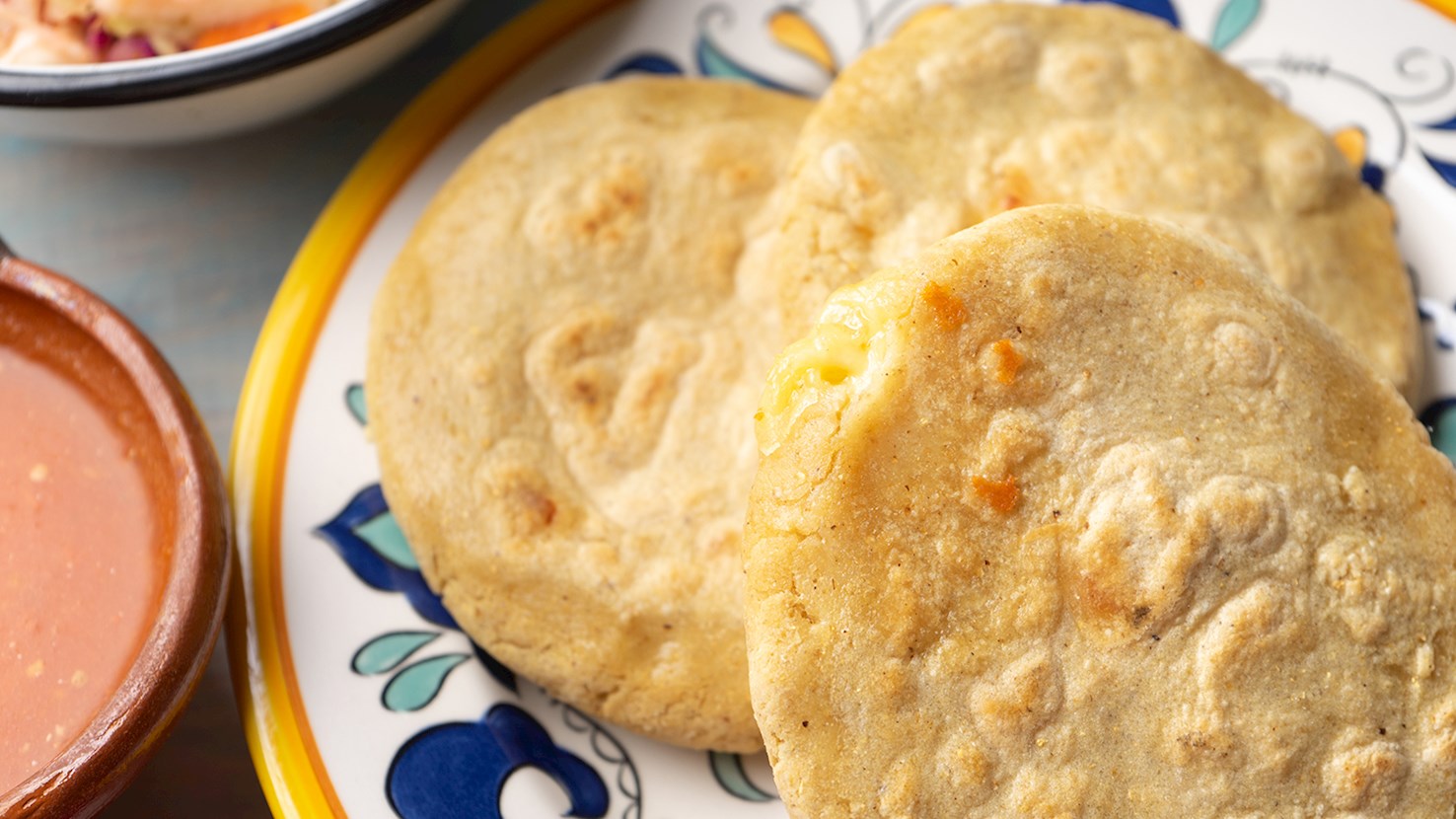
Pupusa de queso con loroco is a variety of Salvadoran cheese pupusa, a thick corn tortilla that oozes with a mixture of gooey cheese and finely chopped loroco flower buds. The most traditional type of cheese used for the filling is quesillo, a kind of semi-soft white cheese, but other types of cheese may also be used. Some of the most commonly used optional cheese varieties include queso fresco, mozzarella, farmer’s cheese, or Monterey Jack. The other key ingredient to the filling is loroco, the edible green buds of Fernaldia pandurata, a flowering vine that thrives throughout Central America. Loroco flower buds may be used fresh, frozen, or pickled, and they impart a unique aroma and flavor to the pupusas. Once stuffed, the corn tortillas are usually cooked in a skillet or griddle until they’re golden brown with dark spots on both sides. Like other types of pupusas, these cheese pupusas are traditionally accompanied by tomato salsa (salsa roja), pickled cabbage slaw (curtido), and chili sauce on the side. In El Salvador, pupusas are usually enjoyed for breakfast or dinner, although they are also a popular street snack.

02

Chorreadas

4.1 ·

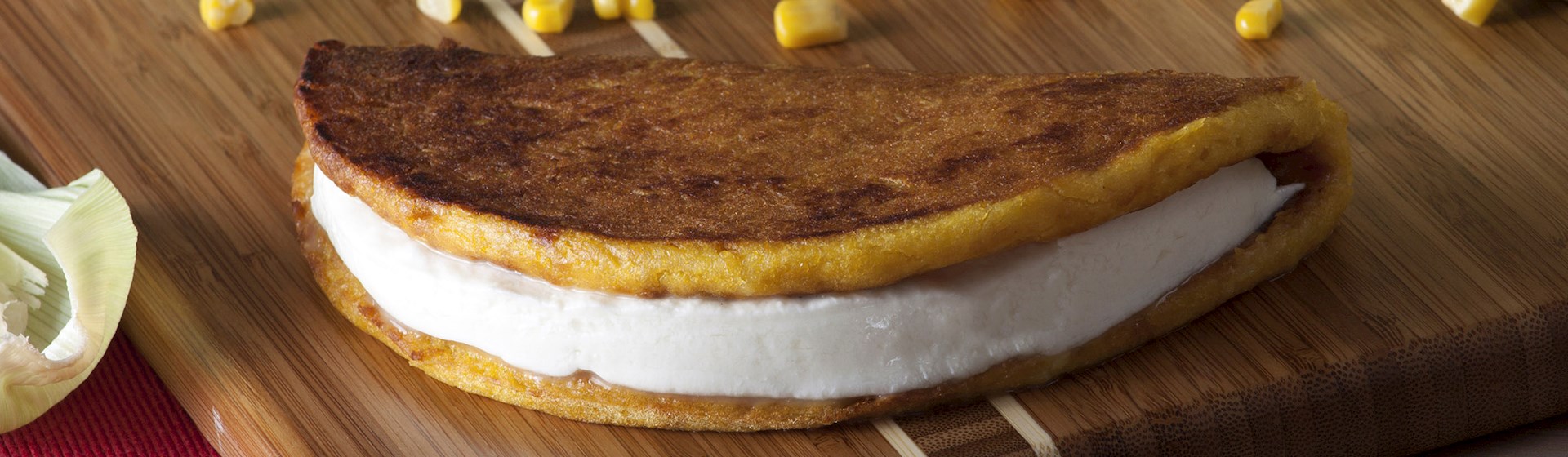
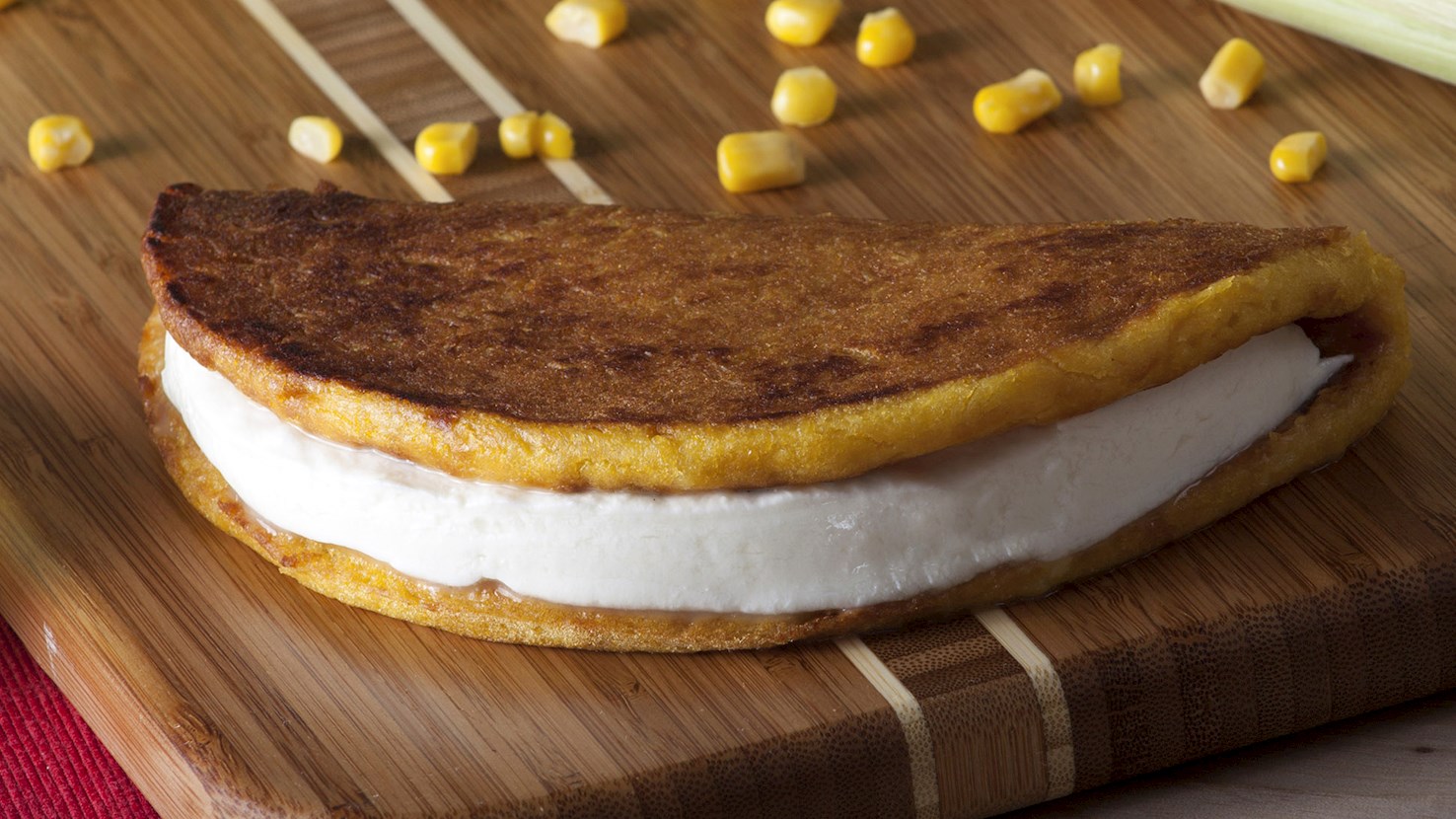
Cachapa, chorreada, arepa de choclo, güirila, toquera, tortilla de choclo, and tortilla changa, are all names that describe a Latin American corn dish that can be categorized as either a pancake, tortilla, or flatbread, depending on the country. It can be made only of corn or have additional ingredients like sugar, water, milk, salt, butter, cheese, and oil. They are typically prepared by street vendors and are either fried or griddled (in Nicaragua, they’re cooked between two banana leaves!) and characterized by a sweet-savory flavor. They can be eaten plain with a beverage, wrapped around a filling, or topped like an open-faced sandwich with things like cheese, shredded pork, sour cream, and eggs. They can be eaten any time of day, but typically they're eaten for breakfast, as a snack, or a quick dinner.

03

Gallo pinto

4.0 ·

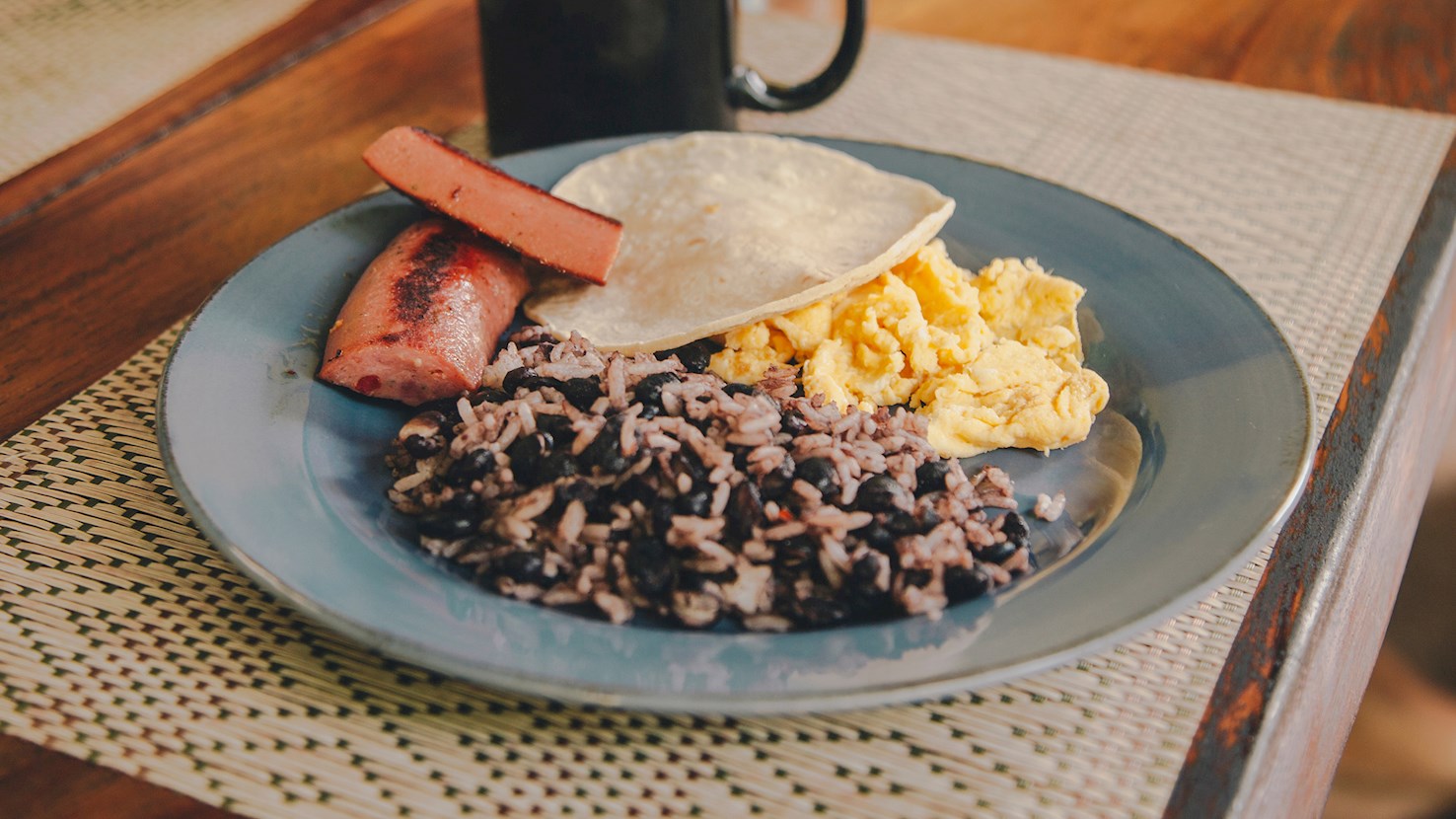
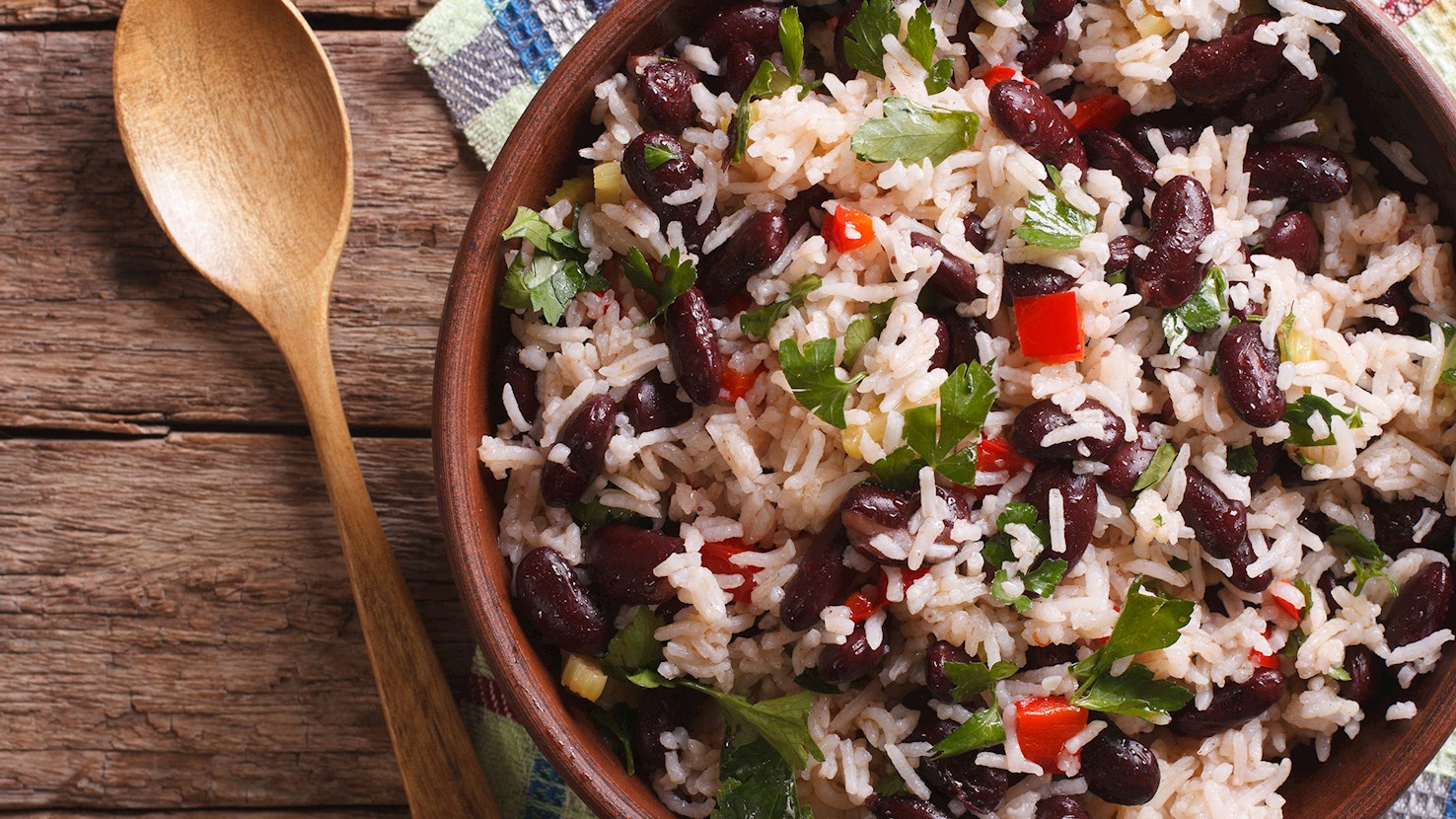
Gallo pinto, sometimes referred to only as pinto, is the traditional national dish of Costa Rica and Nicaragua. Although many variations of the dish exist, at its most basic it is a blend of cooked and fried rice and beans, combined with herbs and vegetables such as cilantro, peppers, celery, and onions. The name of the dish means spotted rooster, referring to the fact that the combination of beans and rice results in a spotted, speckled visual appearance. It is typically served as a side dish, either for breakfast (alongside eggs or meat), lunch or dinner, and sometimes with all three meals of the day. The origins of the dish are probably Nicaraguan, with the name dating back to the 1900s, inspiring a rivalry between the two countries, so it is not just Costa Rican national dish, but Nicaraguan as well. The obvious difference is that the Costa Rican version uses black beans, while the Nicaraguan version uses red beans. Regardless of its origins, the rivalry still continues, and gallo pinto remains a staple of both cuisines, with a small bottle of Salsa Lizano on the side in Costa Rica, a spicy condiment acting as a reminder of which country's version of the dish one is consuming.

04

Nacatamal

3.9 ·

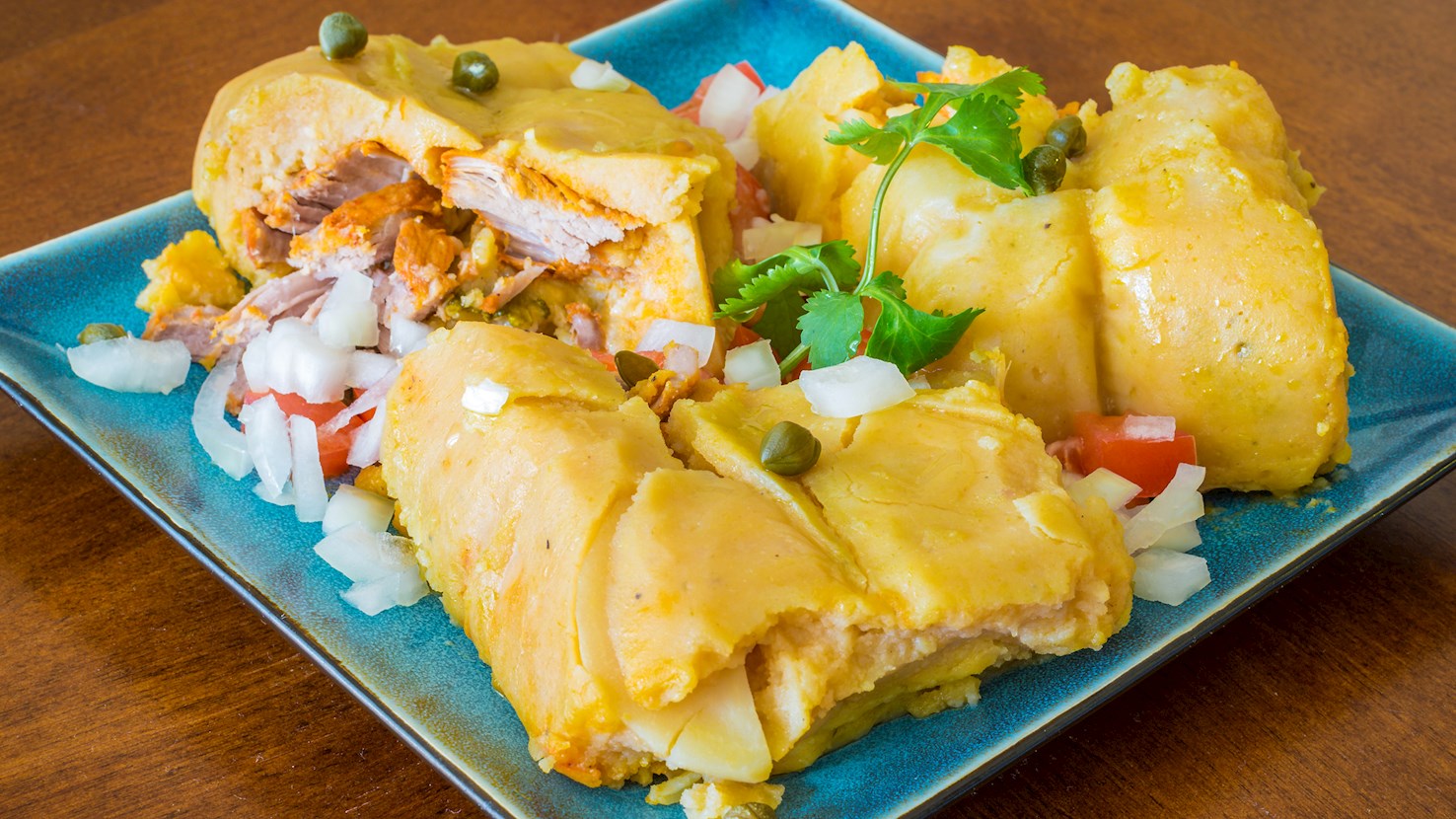
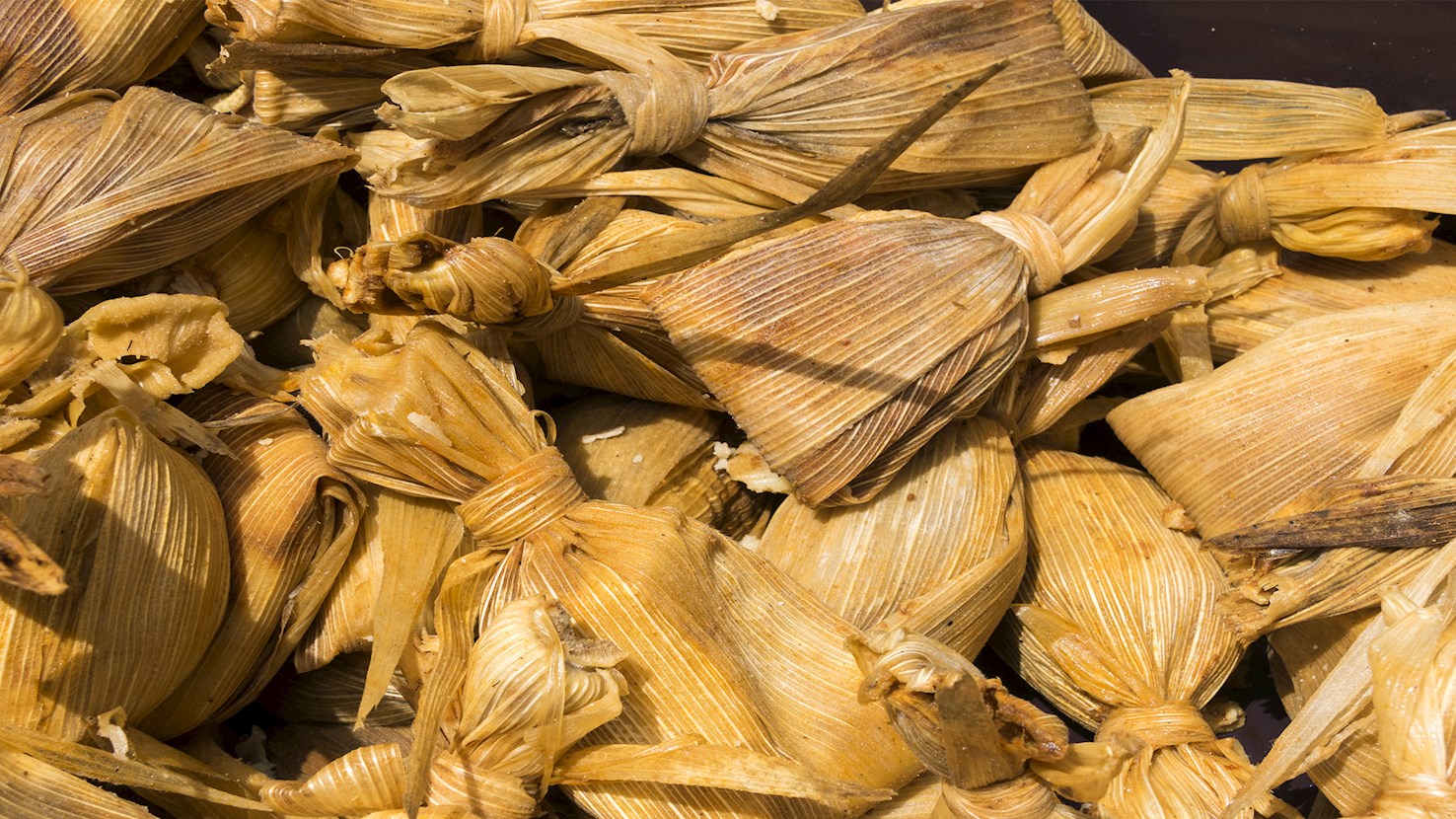
Nacatamal is a type of traditional Nicaraguan tamale made with corn dough which is stuffed with chicken or pork, then wrapped in plantain leaves and steamed. This savory dish usually also contains ingredients such as bell peppers, garlic, potatoes, rice, bitter orange, onions, mint, and chile peppers. On special occasions, nacatamal is often enriched by the addition of prunes, raisins, capers, and olives. It is typically prepared on weekends and served for breakfast, paired with bread and a cup of coffee on the side. The name of the dish is derived from the Nahuatl words nacatl, which means meat, and tamalli, which means tamale. Originally, the dish was prepared with turkey, iguana, tomatoes, annatto, and deer meat wrapped in corn leaves, but during the colonial time, the meat changed to pork and chicken, while plantain leaves substituted corn leaves.

05

Fry Jack

3.8 ·

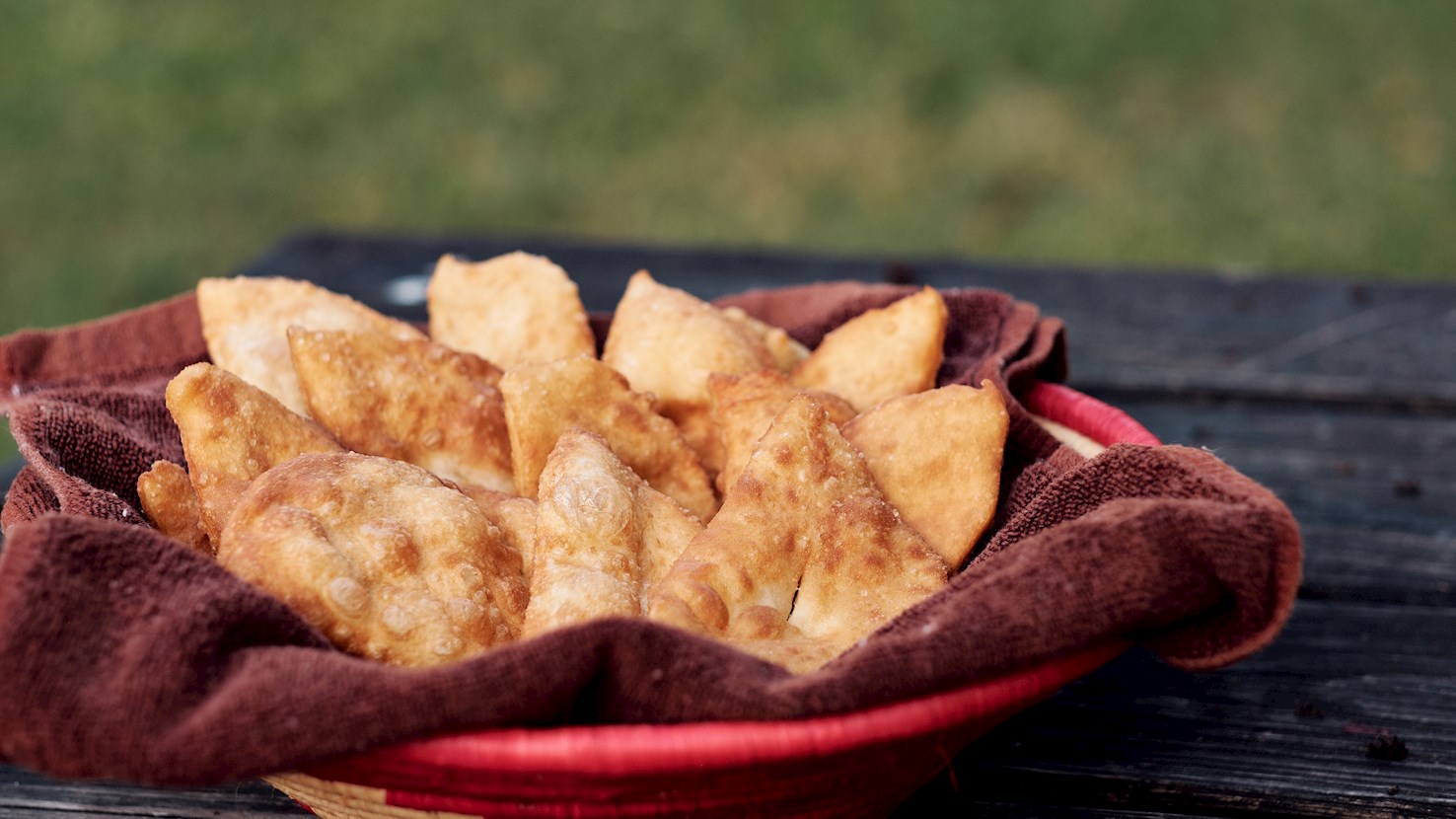
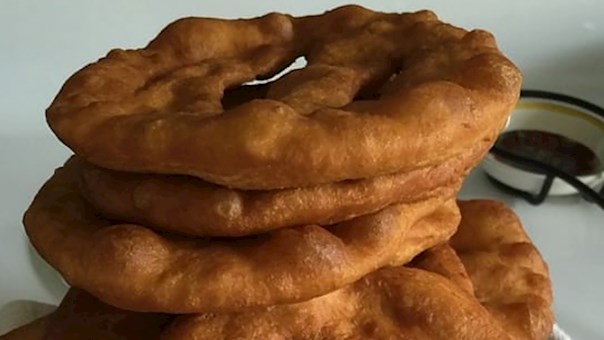
Fry jacks are popular Belizean breakfast breads consisting of golden fried dough that is characterized by puffing up and floating when placed in hot oil. They are usually served with savory accompaniments such as refried beans, eggs, or bacon, but can also be topped with jam or honey. A staple of Belizean cuisine and a Caribbean favorite, the breads are said to taste the best when accompanied by beverages such as coffee or mango juice. Due to the fact that fry jacks are extremely quick and easy to prepare, they go by many different names all over the globe, with just a little bit of difference in the ingredients, such as beignets in New Orleans or sopapillas in Mexico.

06

Baleada

3.8 ·

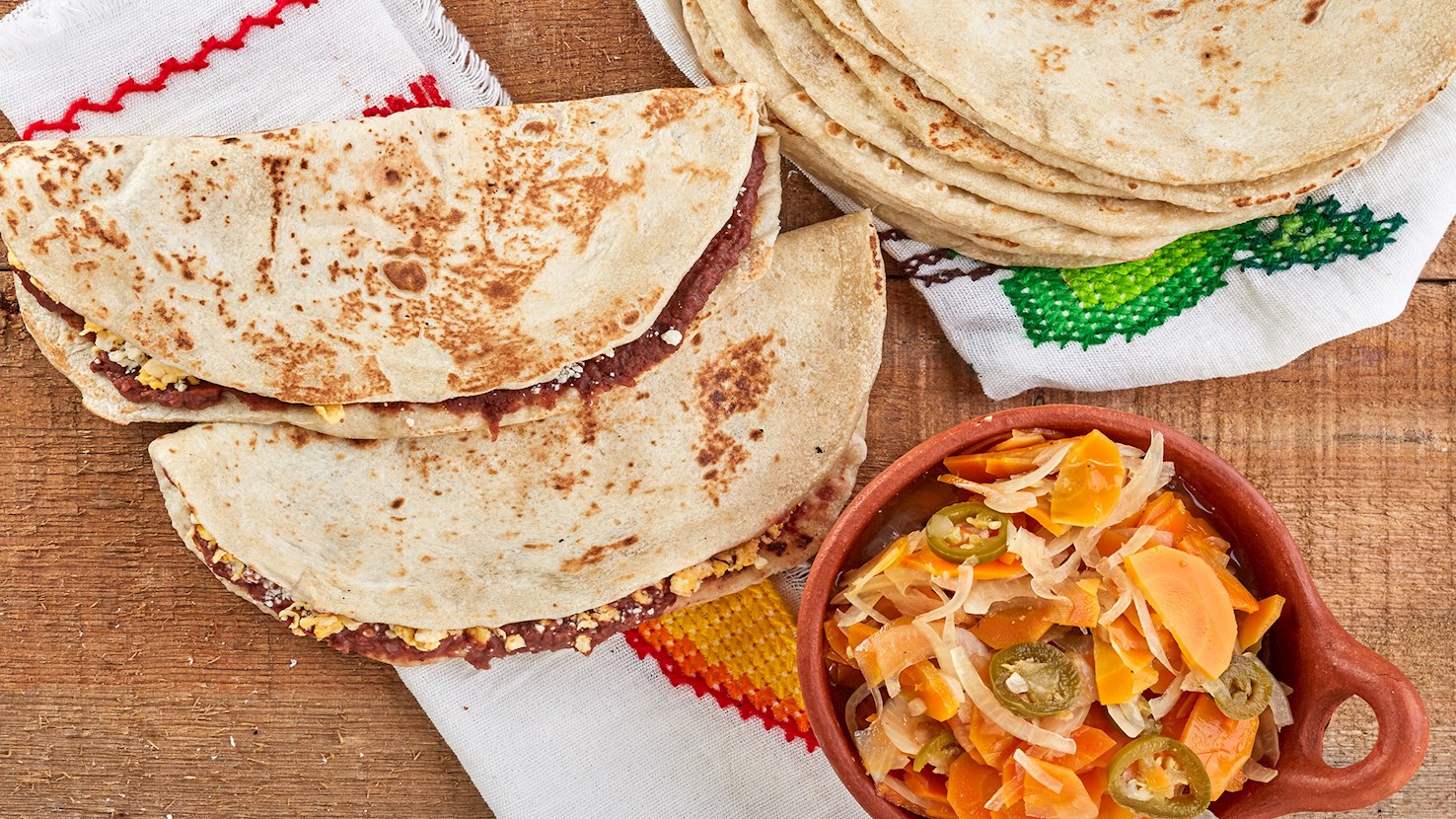
Baleada is one of the most famous Honduran dishes consisting of a thick wheat flour tortilla filled with mashed fried beans and optionally, various other ingredients such as cheese, eggs, avocados, hot sauce, and Honduran-style sour cream known as mantequilla. It is believed that baleada originated in La Ceiba, on the northern coast. There are two theories about the origin of the name baleada: one says that it is named after the visual similarities between beans and bullets (bala in Spanish), while the other says that a tortilla-making woman was shot with several bullets, but recovered, and started to make tortillas again, so the workers used to say they are going to the baleada (the shot woman). Regardless of the correct theory, baleada is nowadays one of the most loved and inexpensive street food items in Honduras.

07

Carimañola

3.8 ·

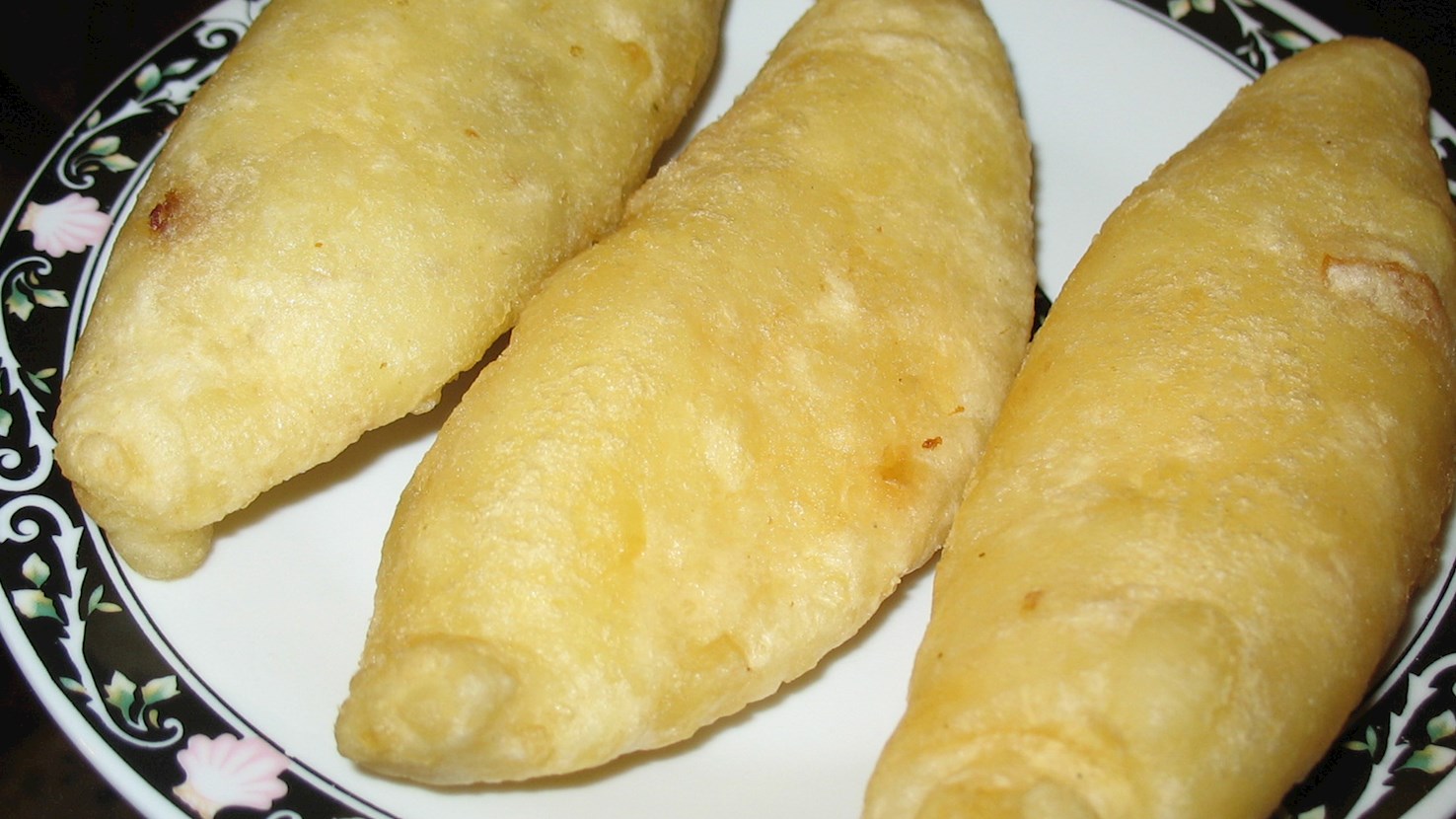
Carimañolas are Colombian snacks made with mashed cassava that is filled with chicken, beef, or cheese before being deep-fried. These fritters are traditionally torpedo-shaped and can be served for breakfast or as an appetizer before a bigger meal. The meat filling is usually flavored with onions, bell peppers, garlic, cumin, and tomato paste. It is recommended to serve carimañolas warm with ají sauce on the side.

08

Hojaldres

3.5 ·

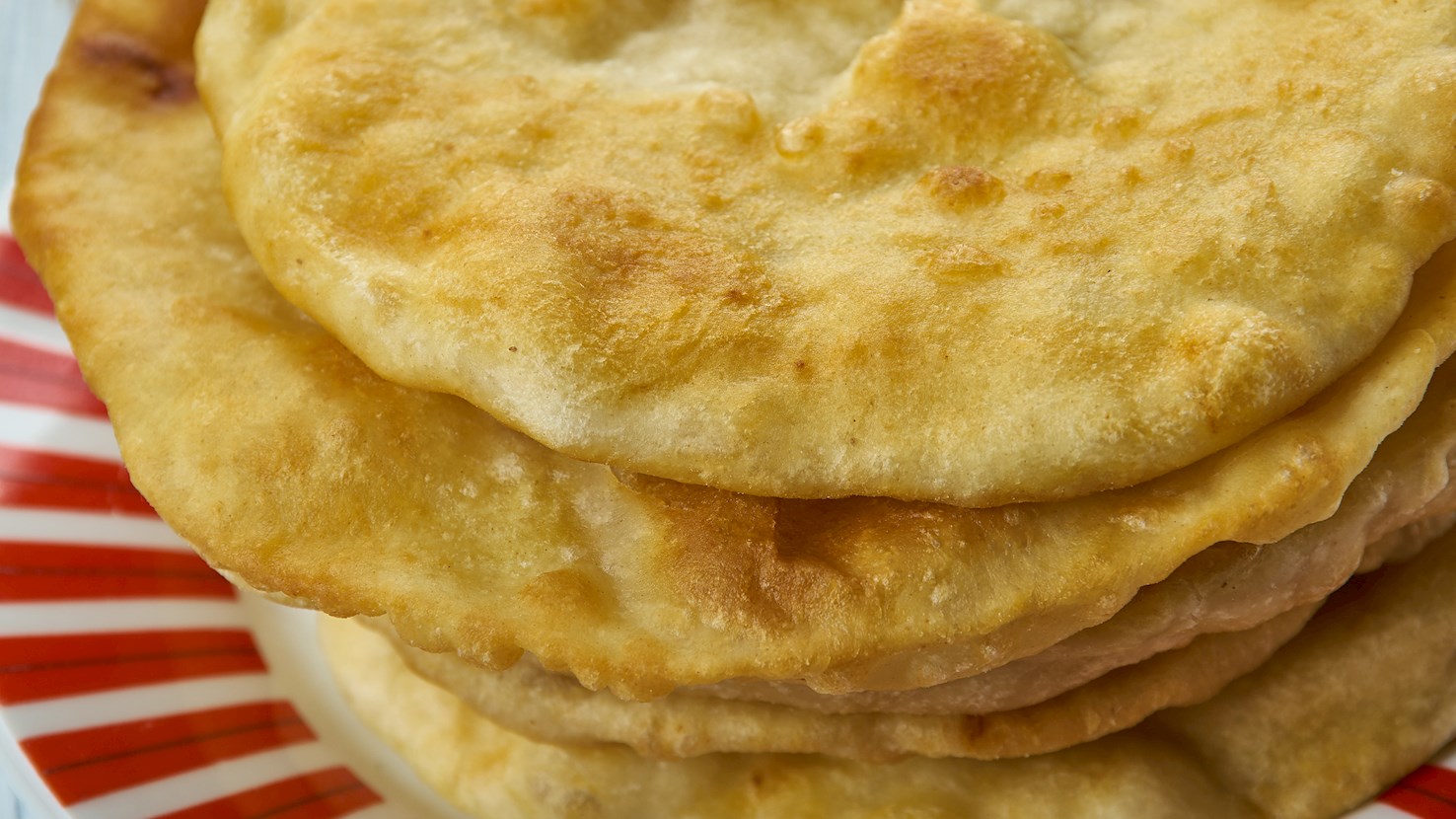
Hojaldres is a traditional breakfast bread consisting of fried dough made with flour, sugar, salt, and oil or butter. The texture of this bread is similar to donuts, but its taste is savory. The flat, round bread is usually topped with cheese, while a sausage stew known as salchichas guisadas is often served as a dip on the side.

Best restaurants
09

Chuchitos

3.2 ·

Chuchitos are traditional Guatemalan-style tamales that are usually made for holiday celebrations and festivities, but are also eaten any day of the year. Chuchito, meaning a small dog or a puppy, consists of warm corn masa dough stuffed with succulent pieces of meat such as pork or chicken and a mild tomato or chili sauce. The mixture of these ingredients is wrapped in a dried corn husk and steamed until the dough develops its typical texture and flavor and is cooked thoroughly. Alternatively, chuchitos can be grilled after they're steamed, giving them a unique, smoky flavor along with their nice visual appearance. Eaten for both breakfast and dinner, these "puppies" can be found on most street corners and local markets in Guatemala. If bought on the streets, the vendors usually unwrap them from the husks and add a bit more sauce or a sprinkle of grated cheese in order to further intensify the flavors.

10

Casamiento

3.1 ·

Casamiento is a traditional dish hailing from El Salvador. It's usually made from leftover beans and rice that are mixed together. The dish can be enriched with the addition of sautéed bell peppers and onions When paired with scrambled eggs, casamiento makes for a great breakfast. It's typically served with fried plantains, fresh tortillas, cheese, or crema. The name of the dish means wedding, reffering to the marriage of rice and beans.

11

Macheteadas

n/a ·
Read more
View all
View map
About this ranking

TasteAtlas food rankings are based on the ratings of the TasteAtlas audience, with a series of mechanisms that recognize real users and that ignore bot, nationalist or local patriotic ratings, and give additional value to the ratings of users that the system recognizes as knowledgeable. For the “Top 11 Central American Breakfasts” list until July 15, 2026, 896 ratings were recorded, of which 387 were recognized by the system as legitimate. TasteAtlas Rankings should not be seen as the final global conclusion about food. Their purpose is to promote excellent local foods, instill pride in traditional dishes, and arouse curiosity about dishes you haven’t tried.

Similar lists