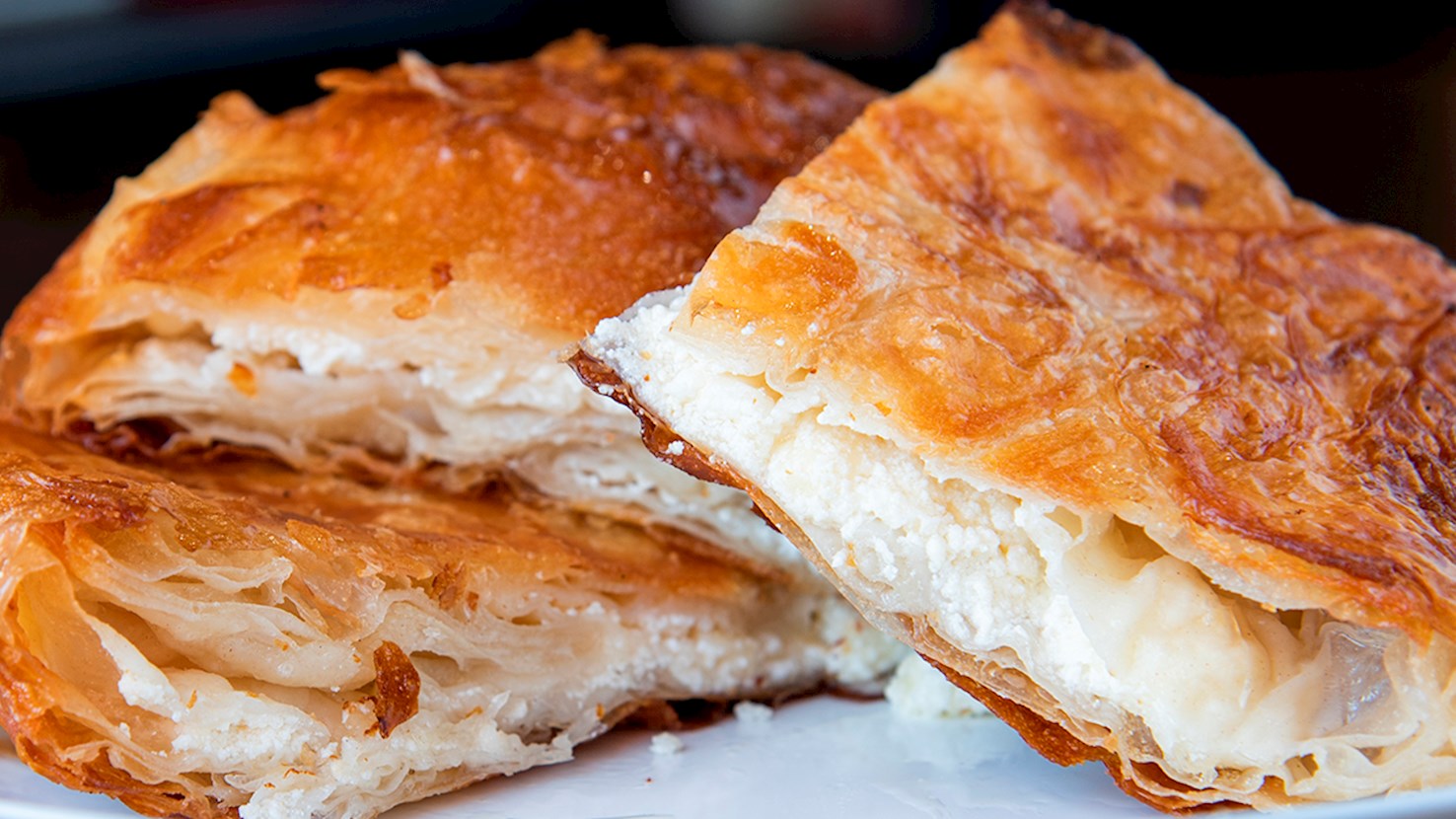
Burek sa sirom is a phyllo pastry that is round or coil-shaped and filled with a mixture of cheese and eggs. The dough is made with flour, salt, and water (and perhaps a bit of oil) and stretched into translucent sheets. The sheets of phyllo dough are stacked in a large tray, and each sheet is sprinkled with oil or oil and mineral water and spread with the cheese and egg filling. Still, you might have heard that burek can only be called burek if it's filled with meat. That is, if you live in Bosnia and Herzegovina, but not everyone does, nor is burek really Bosnian – in fact, it has Turkish origins. In Bosnia, burek (with meat) and other types of similar pies such as sirnica (cheese) and krumpiruša (potatoes) are usually rolled into a coil, while Croatians and Serbs have a more relaxed approach – burek can be round and cut into quarters, or rolled into a coil – both shapes are good, and both can be called burek sa sirom (when filled with cheese, of course). Initially, burek was brought over to Niš in the 15th century, and it was prepared as a round pie. After World War II, burek came to Croatia and Slovenia. The term burek sa sirom, denoting a round or coil-shaped pie filled with cheese has been so engrained into Croatian culture (for more than 50 years) that it can be considered a Croatian classic regardless of its name. The most important thing is that it's delicious, filling, and a great breakfast staple for many Serbs and Croatians, especially when paired with a refreshing cup of yogurt on the side.
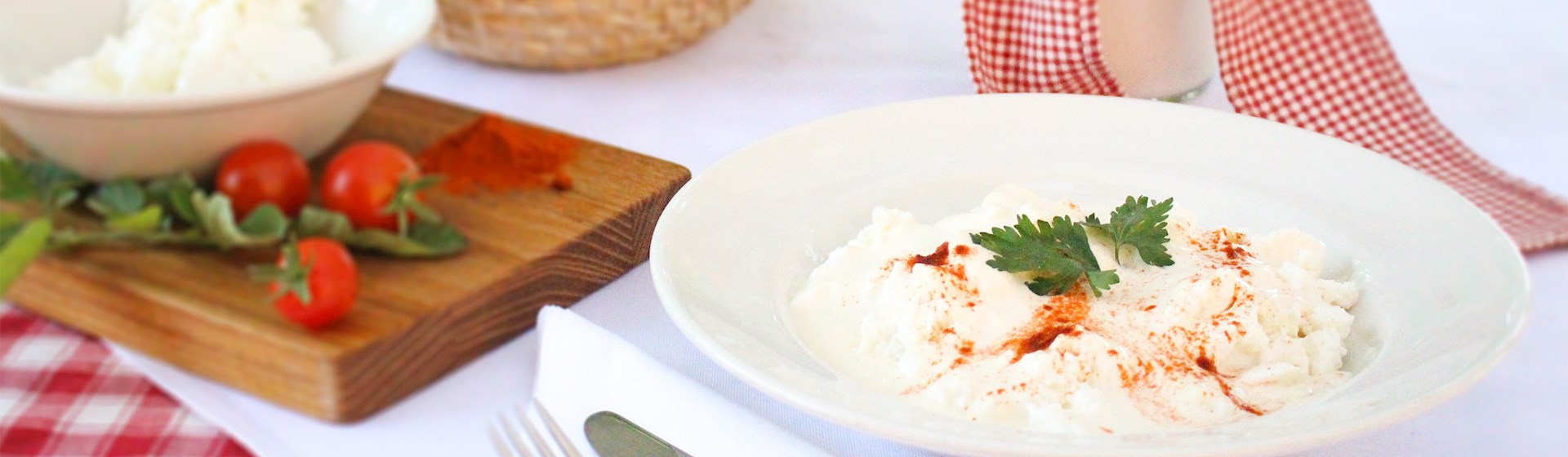
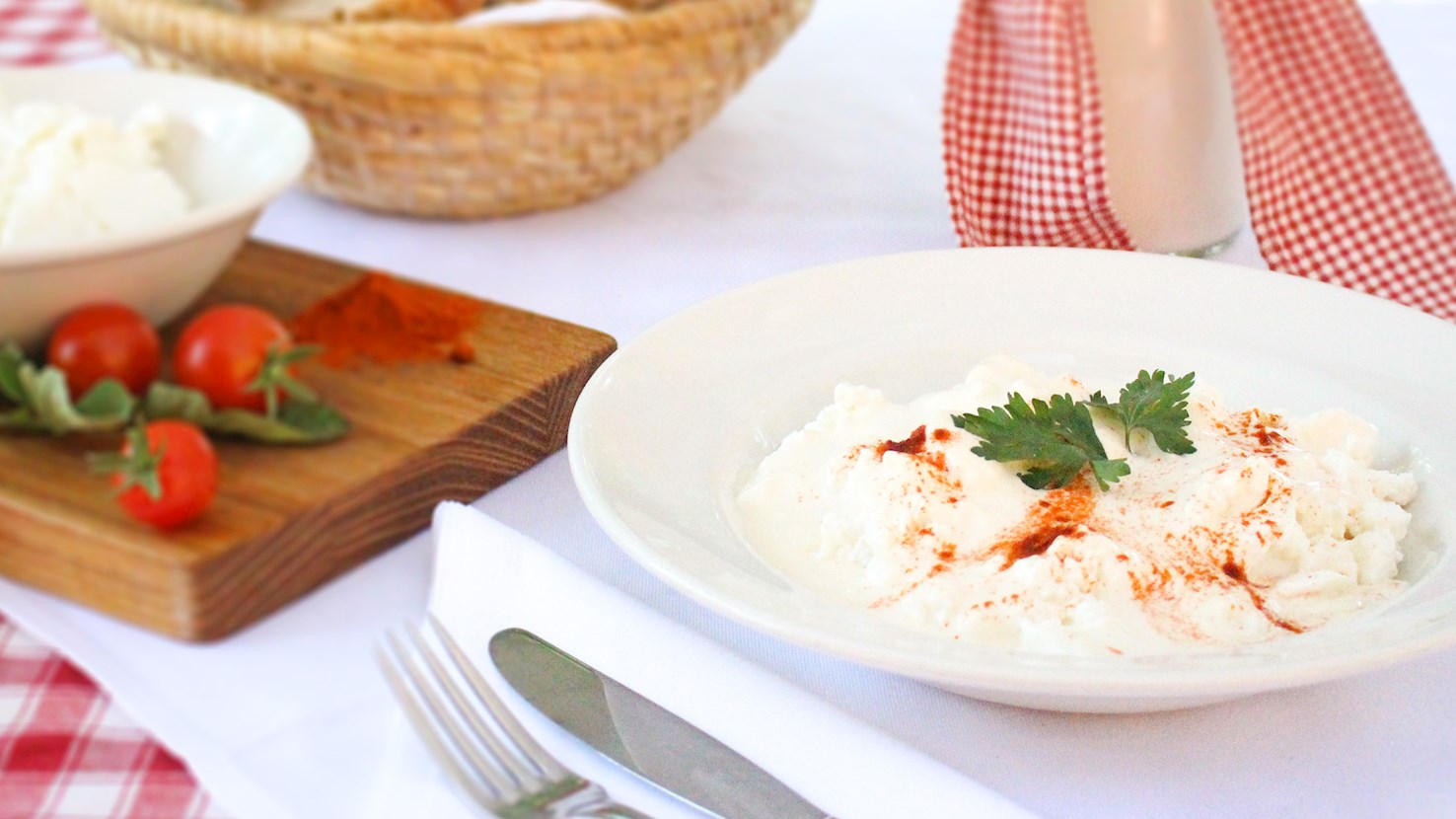
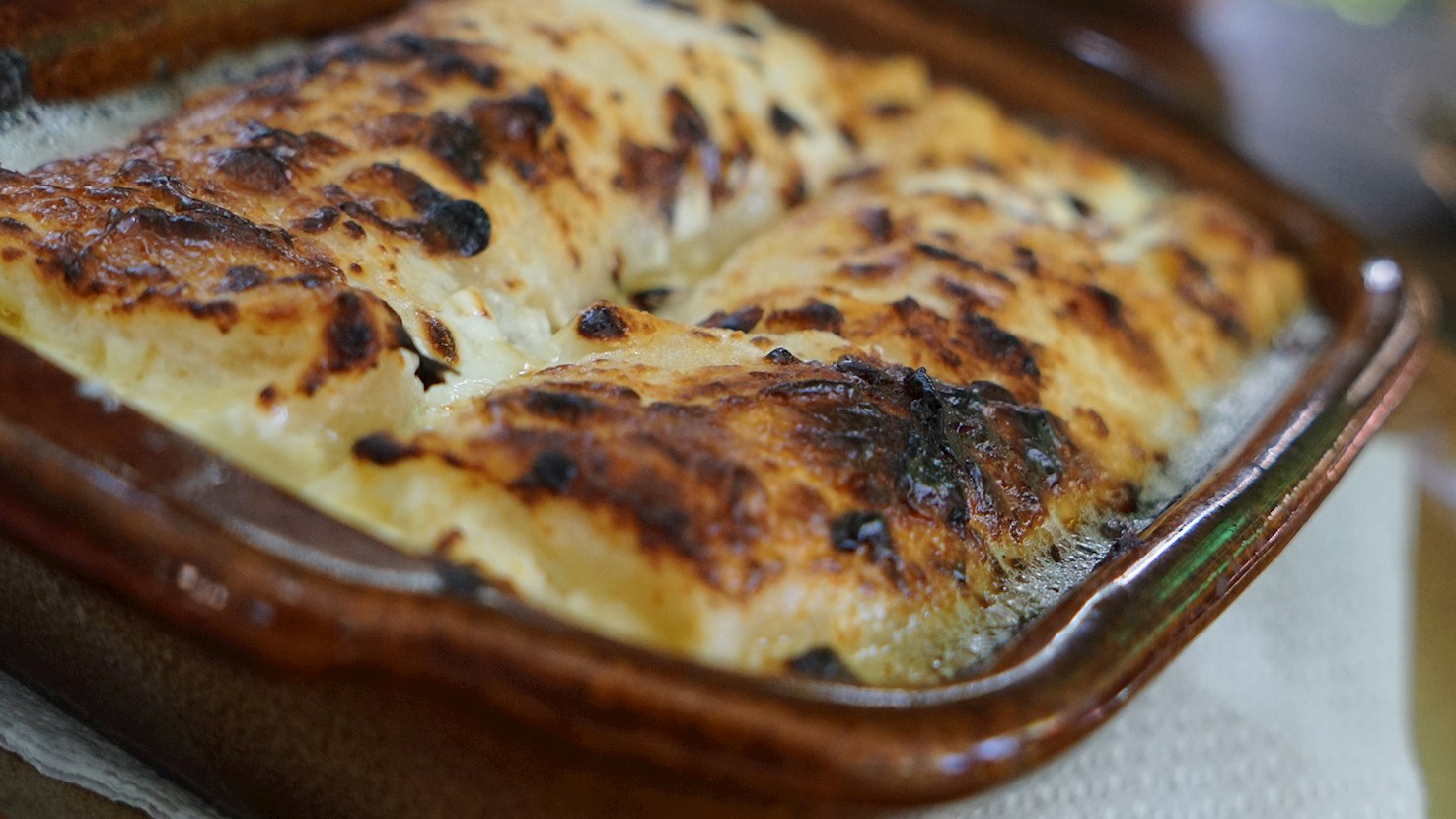
Sir i vrhnje is a favorite food of many Croatians, made by simply mixing fresh cottage cheese with sour cream. There are plenty of variations, so some like to add smoked paprika powder, salt, pepper, or minced garlic to make it taste even better. The dish is usually served for breakfast or as a light appetizer that can be paired with homemade sausages, bacon, sliced onions, or tomatoes. What was once a modest, humble dish is today an icon of Northwestern Croatian cuisine that can even be bought pre-made in many supermarkets, although the best sir i vrhnje is regularly sold at food markets.
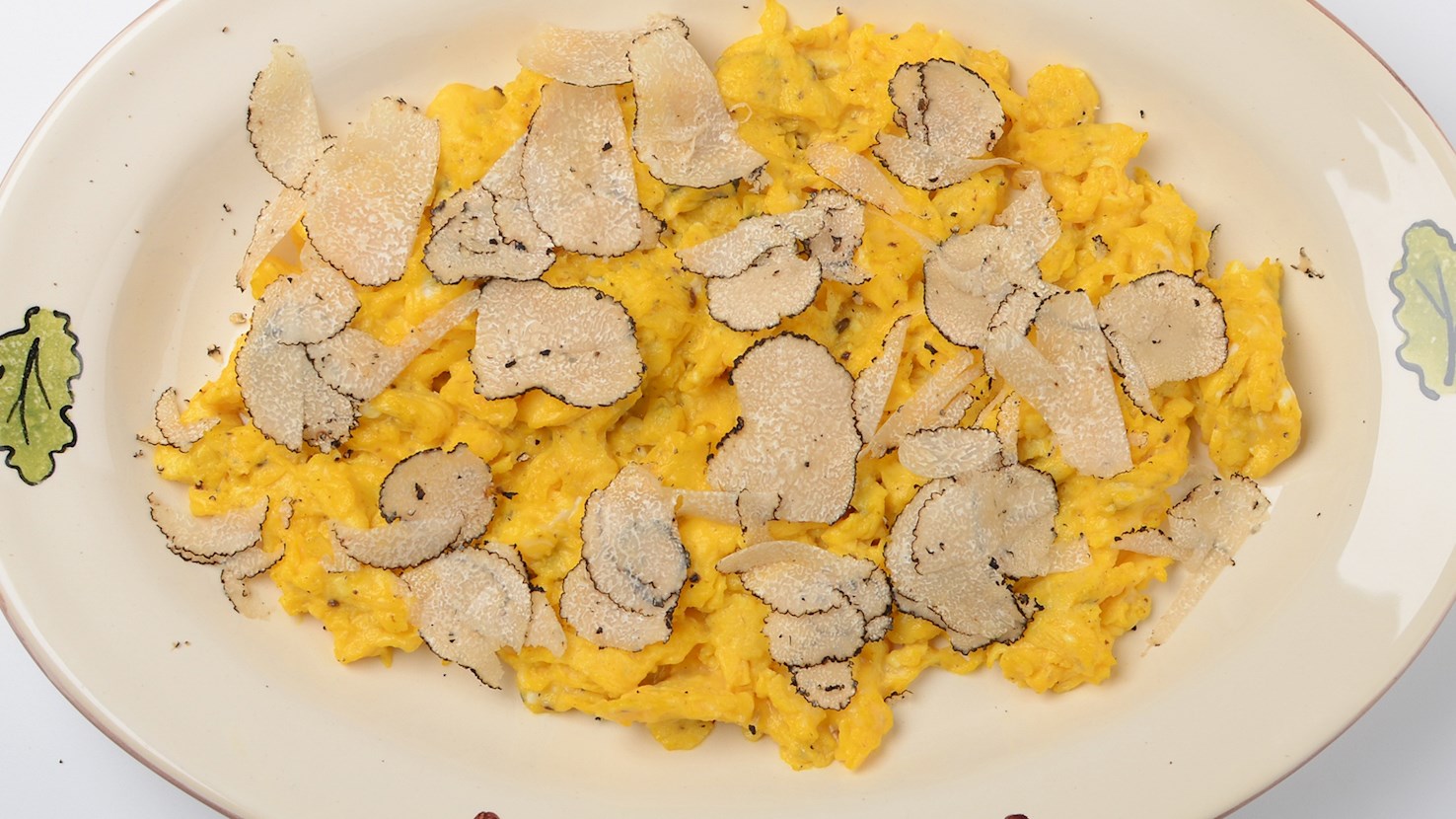
Frittata al tartufo is a traditional Umbrian and Istrian dish made with a combination of eggs, black truffles, olive oil, salt, and black pepper. This simple dish is made by pouring beaten eggs into a pan with hot olive oil, and then adding thin shavings of truffles, salt, and pepper to the pan. After the eggs have curdled, all that's left is to sprinkle the dish with finely chopped parsley or dry white wine before serving. If desired, the dish can be additionally flavored with grated cheese on top. In Istria, the dish is called fritaja s tartufima - it's commonly prepared for breakfast and it can easily be found in local restaurants. However, one should be careful when ordering the dish - there is a chance you won't taste real truffles, but truffle oil or tartufata instead - both of those are flavored with a toxic gas that has a fake truffle aroma, while the inexpensive and bland black summer truffles are shaved over the dish only as garnishes, although consumers might think that's where the flavor of truffles in this dish comes from. You should always make sure that the dish doesn't contain truffle oil, truffle butter, truffle cheese, or tartufata. If it does, it's not the real deal, so you shouldn't order the dish. Make sure that the dish contains white Istrian truffles or black winter truffle, Tuber melanosporum.
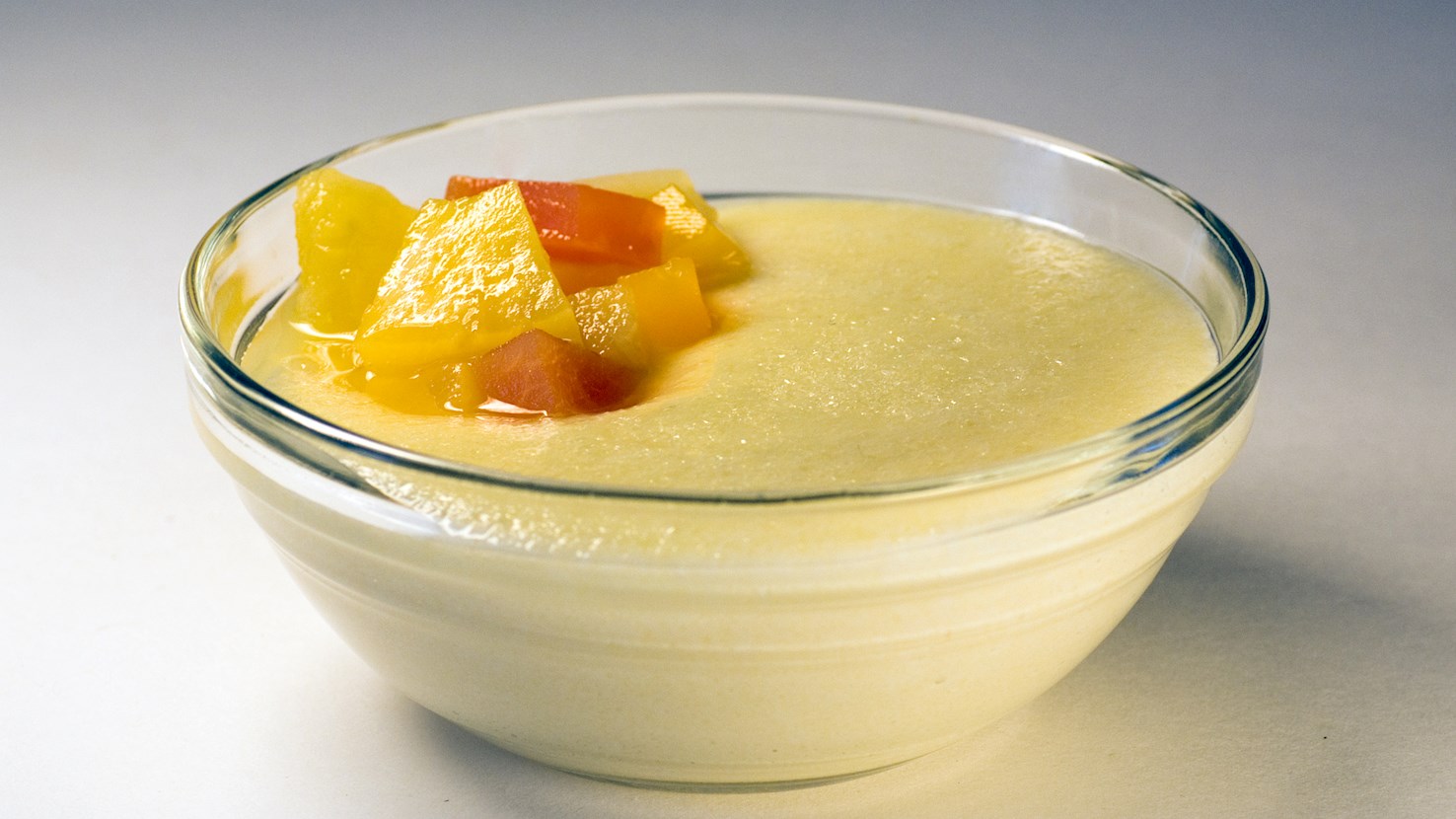
Grießbrei is a traditional Central European pudding based on semolina. The dish is made with milk, semolina, and sugar. It's often flavored with vanilla and cinnamon. The milk is heated, the semolina stirred in, and the mixture is then stirred until it becomes creamy and thick. Most people like to eat semolina pudding for breakfast, and the dish is sometimes enhanced with the addition of fruit such as cherries, strawberries, peaches, pears, or apples. It's recommended to serve it in a shallow bowl since there's more surface area to cover with the desired toppings. The dish is prepared in Germany, Austria, Hungary, Croatia, Slovakia, and the Czech Republic.
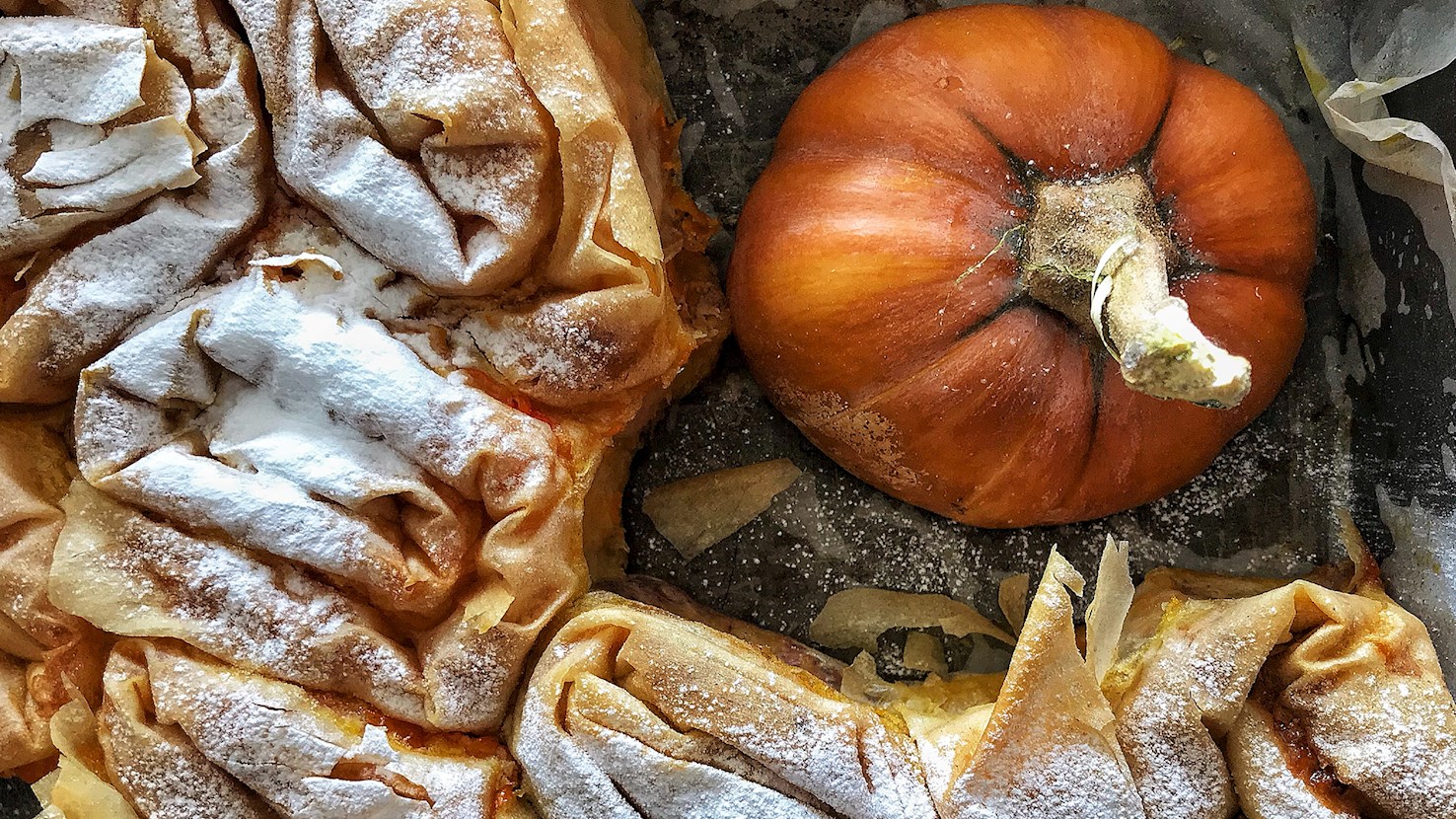
Bučnica is a comforting Croatian rolled pastry or strudel made with layers of thin dough that is filled with a combination of grated pumpkin, salt, fresh cheese, butter, sour cream, and eggs. The savory rolled pastry is baked in an oven until it develops a golden-brown color on the exterior, and it is recommended to serve it warm with a dollop of sour cream. Bučnica should always be well-baked and crispy, otherwise the filling will release the water and the pastry will lose its crispiness. It's especially popular in the summer as there is an abundance of young pumpkins which are ideal for the filling.
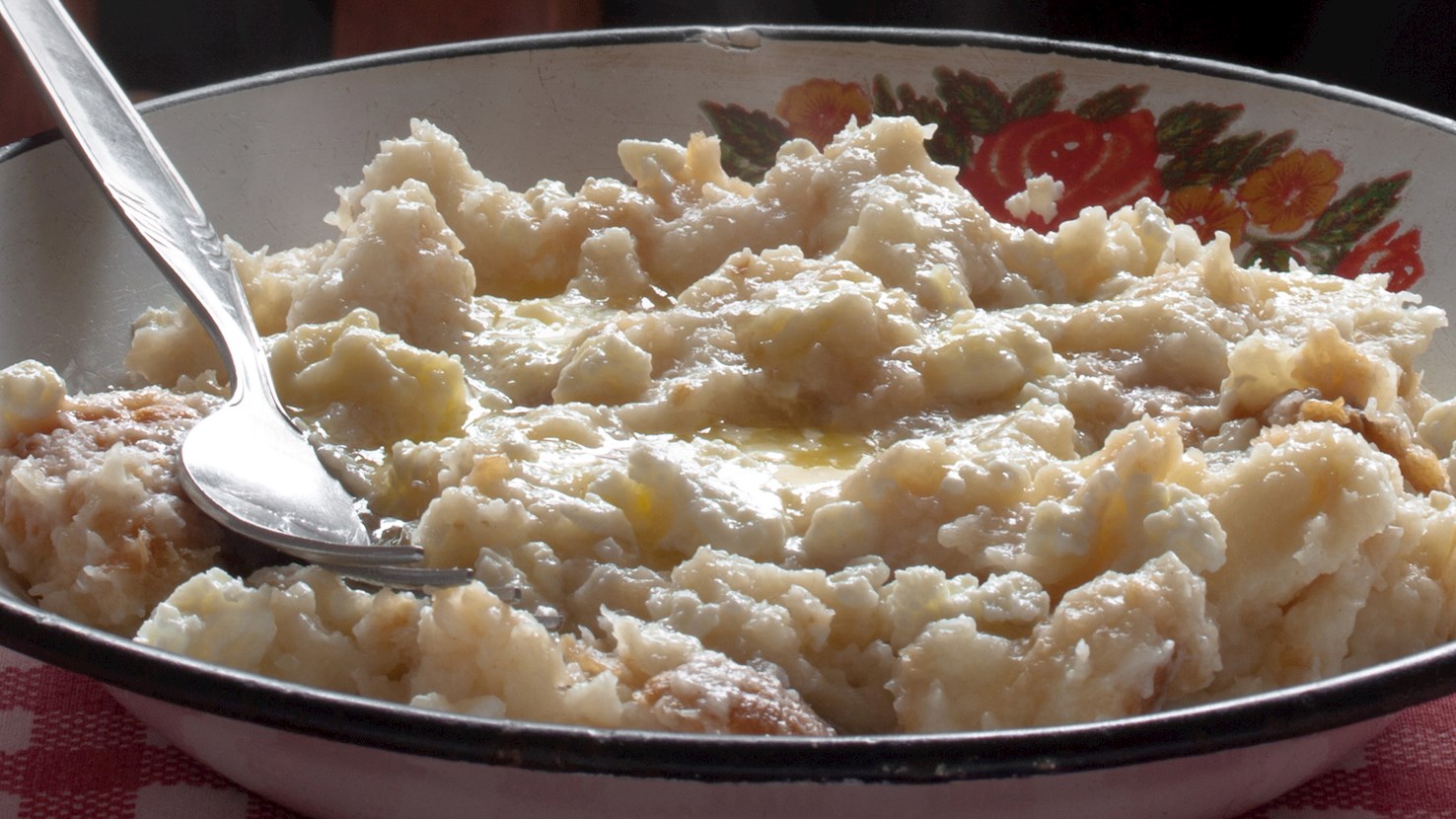
Popara, the Balkan version of bread mash, is an ancient dish that has been greatly appreciated as a quick and easy solution to use up leftover bread and to feed the whole family in the process. Since it is eaten in many countries across the region, there are many different ways of its preparation. The two crucial ingredients are bread, diced or torn into smaller pieces, and liquid, usually milk, water, or tea, that is used to blend the bread into a soft mass. The liquid is typically mixed with butter, vegetable oil, or lard to provide a more substantial meal. The bread can be shortly fried in the combination of liquid and fat, and in some versions, the heated mix is poured over the bread and stirred until it is thoroughly blended. Depending on tradition and preference, popara can be completely homogenous and creamy or it can have a coarse consistency filled with chewy bread pieces. Since plain popara is mild and neutral in taste, it can be prepared in both savory and sweet versions. Additional ingredients that are commonly used to uplift this nutritious meal include onions, garlic, full-fat cream, fresh cottage cheese, ground red pepper, or sugar in the sweet popara. It is hard to pinpoint the exact place where this simple and filling dish originated, but it is believed that it was invented out of necessity, during severe hardships, when many ingredients were scarce or hard to obtain. Today, popara remains a popular breakfast meal in many Balkan countries and regions.
Tikvenjak is a flavorful Croatian and Bosnian pie that is inexpensive and easy to prepare. It consists of a thin dough filled with chopped or grated gourd that is usually flavored with sugar, vanilla, and cinnamon. The dish is shaped like a strudel, and it is baked in an oven until golden-brown in color. Tikvenjak is often topped with a combination of sour cream and eggs before baking in order to make it juicier. Before serving, the pie is cut into pieces and it is often sprinkled with powdered sugar.
Ščipanci is an old and traditional dish hailing from the northern parts of Croatia. It consists of flour, water, eggs, salt, sour cream, and paprika powder. The dough should be a bit thicker in order to pinch it, then tear off pieces which are dropped into boiling water, hence the name of the dish – ščipanci, derived from ščipati, meaning to pinch. When boiled, ščipanci are typically combined with sour cream and paprika powder, then served as an accompaniment to the main dish. In the past, ščipanci were typically served for breakfast with fried eggs, bacon, and onions.
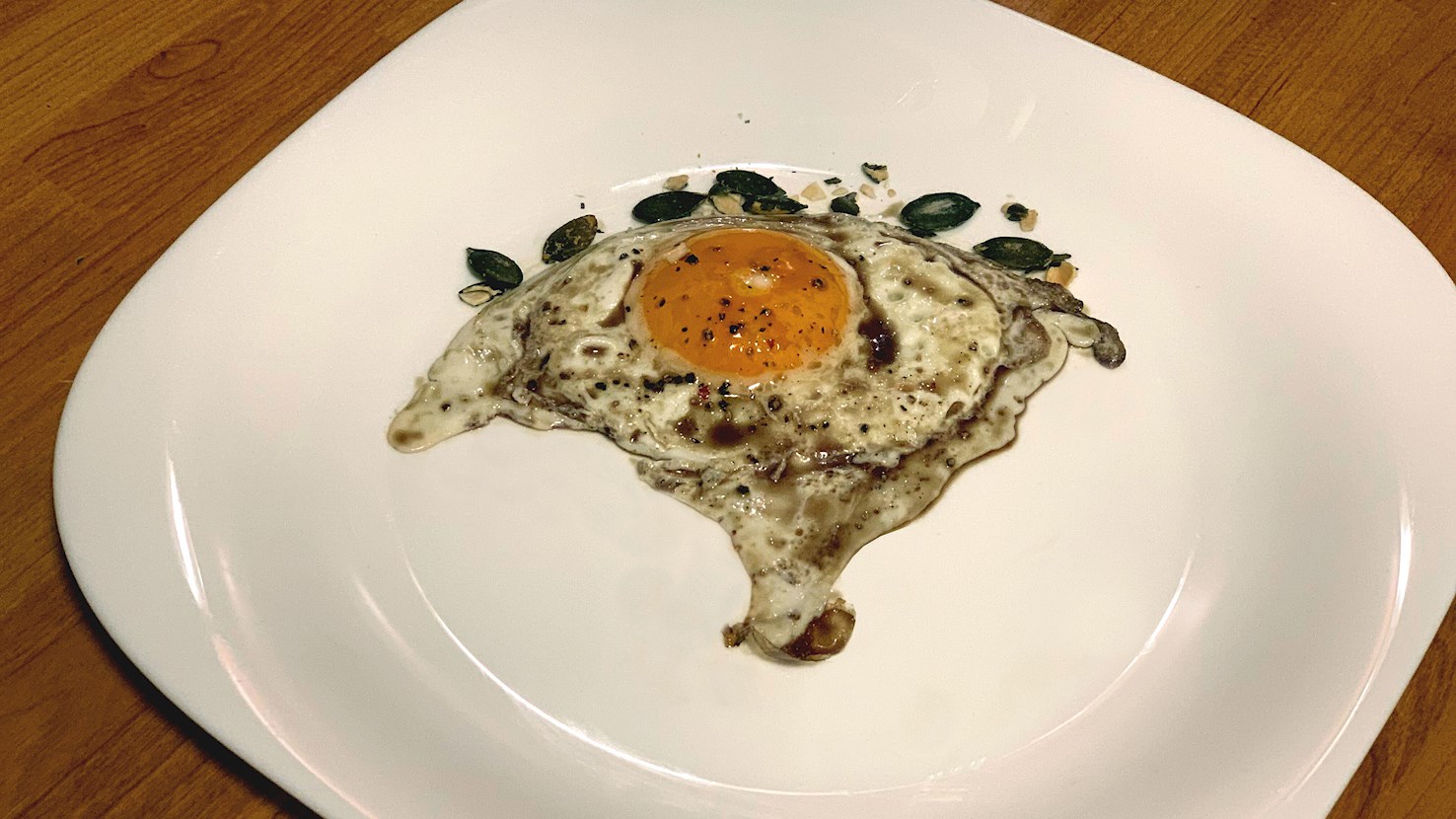
Jaja na črno is a traditional egg dish originating from the region of Međimurje. This simple dish is made with a combination of eggs, pumpkin seed oil, and salt. The pumpkin oil is heated in a pan, and the eggs are then fried in it one at a time. As the eggs are frying, they're drizzled over with the heated pumpkin seed oil from the pan. They're seasoned with salt and served immediately, usually for breakfast as an alternative to basic fried eggs.
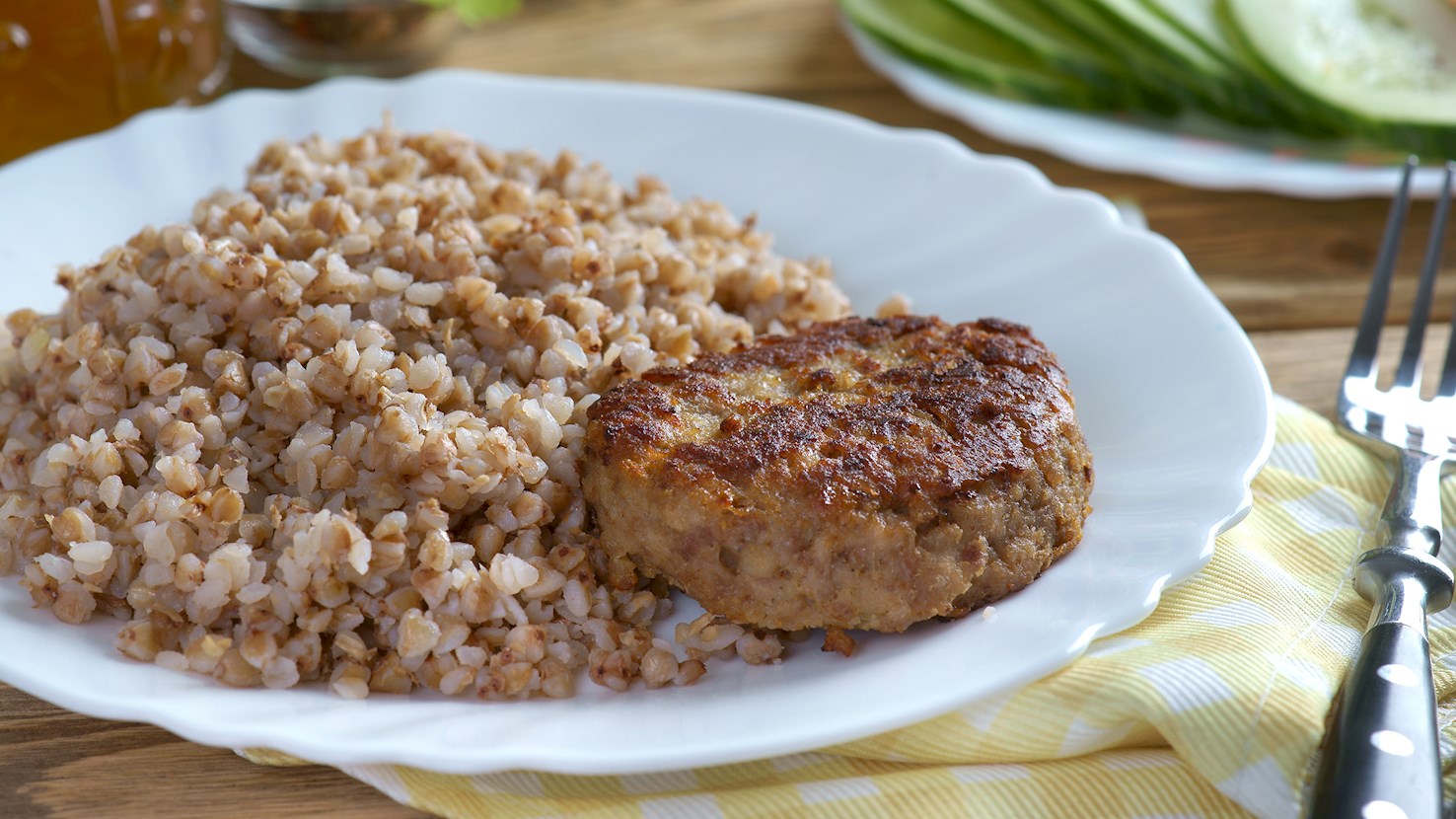
Hajdina kaša or heljdina kaša is a traditional dish that’s especially popular in the regions of Zagorje and Međimurje. Although there are many recipes, this porridge is usually made with a combination of buckwheat, onions, salt, black pepper, bay leaves, water or vegetable stock, and often lard. The onions are sautéed in pork fat and mixed with buckwheat, salt, and bay leaves. The mixture is covered with water or stock, and it’s then simmered until the porridge becomes soft and the liquid evaporates. The bay leaves are discarded before serving. This healthy porridge can be served as a side dish to roasted meat, but it can also be served on its own, usually for breakfast.
TasteAtlas food rankings are based on the ratings of the TasteAtlas audience, with a series of mechanisms that recognize real users and that ignore bot,
nationalist or local patriotic ratings, and give additional value to the ratings of users that the system recognizes as knowledgeable.
For the “Top 12 Croatian Breakfasts” list until July 15, 2026, 657 ratings were recorded, of which 421 were recognized by the system as legitimate.
TasteAtlas Rankings should not be seen as the final global conclusion about food. Their purpose is to promote excellent local foods,
instill pride in traditional dishes, and arouse curiosity about dishes you haven’t tried.