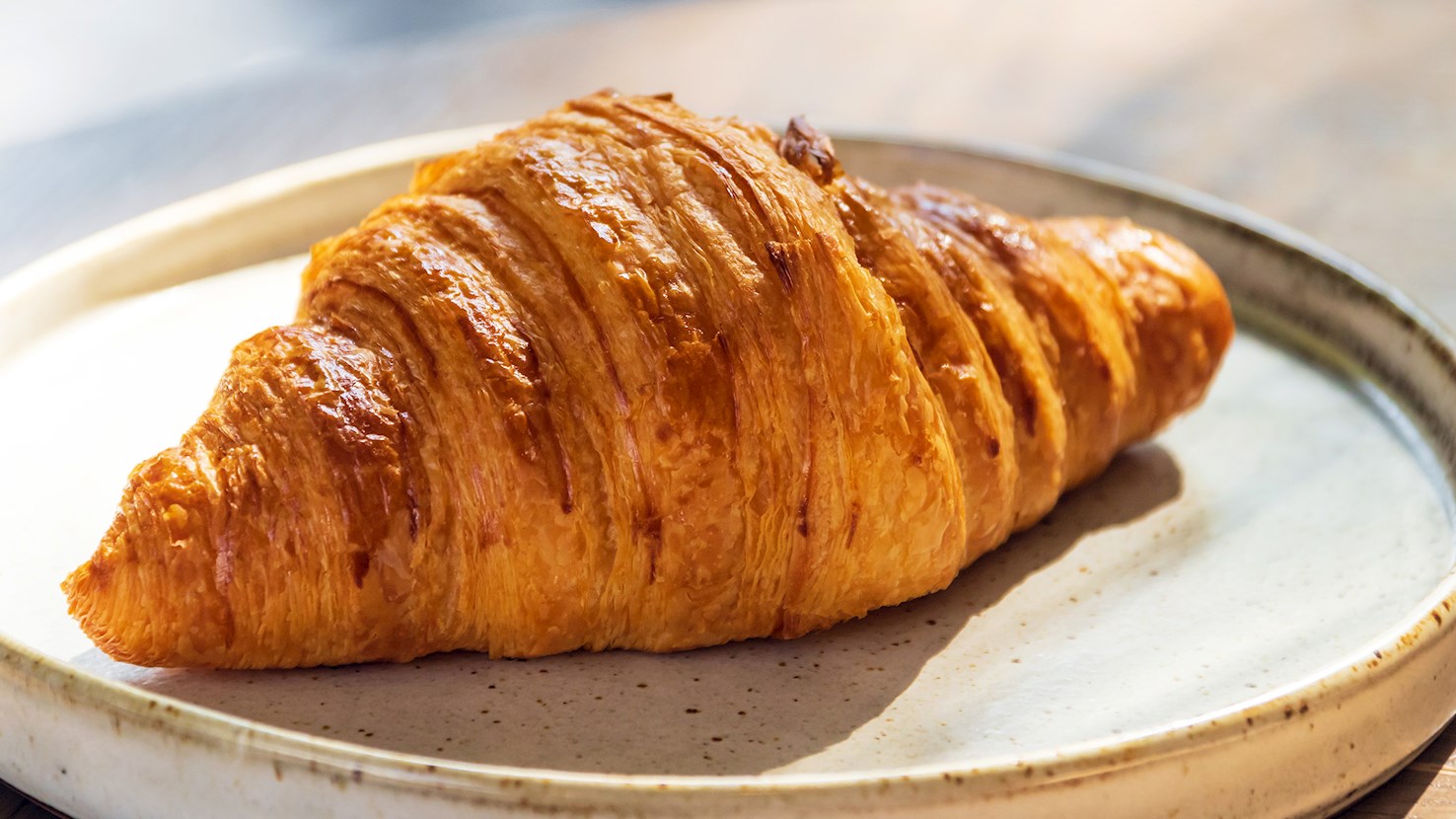
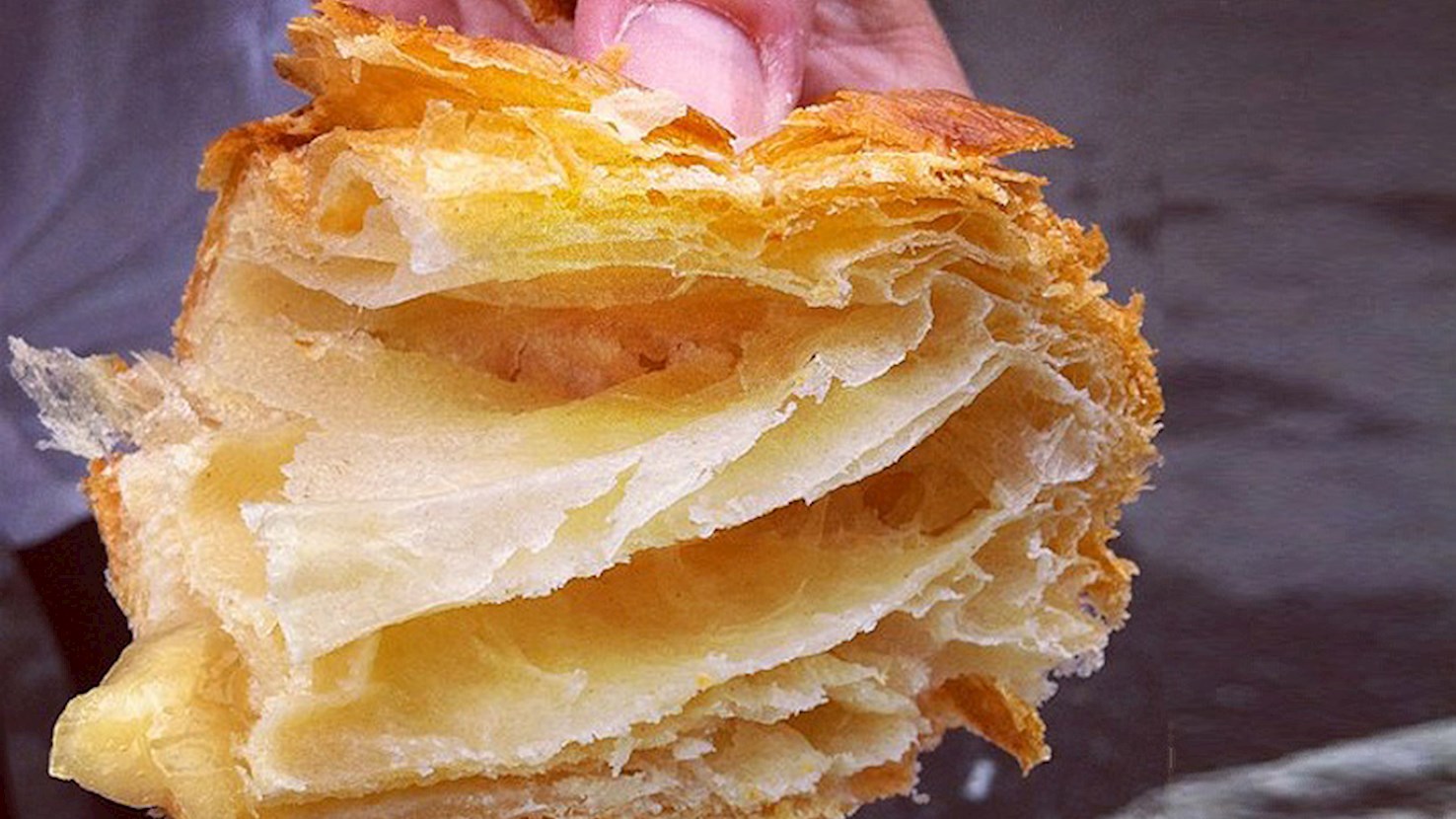
These flaky, golden-colored, crescent-shaped pastries are best made with pure butter and a slightly sweet yeast dough. If made properly, the yellow-white interior should be just the slightest bit elastic when pulled from the center, ready to be covered with a pad of butter or some fresh jam. Experts agree that the croissant was heavily influenced by Austrian kipfels. This pastry originated in 1683 as a celebration of the Austrian victory over the Ottoman Empire, its shape supposedly mimicking the crescent moon found on the Turkish flag. However, the croissant became French the moment people began to make it with puff pastry, a French innovation. Today, French croissants come filled with chocolate, jam, raisins, or even cream cheese. Sold fresh at numerous French boulangeries, they are mainly consumed as a breakfast item.
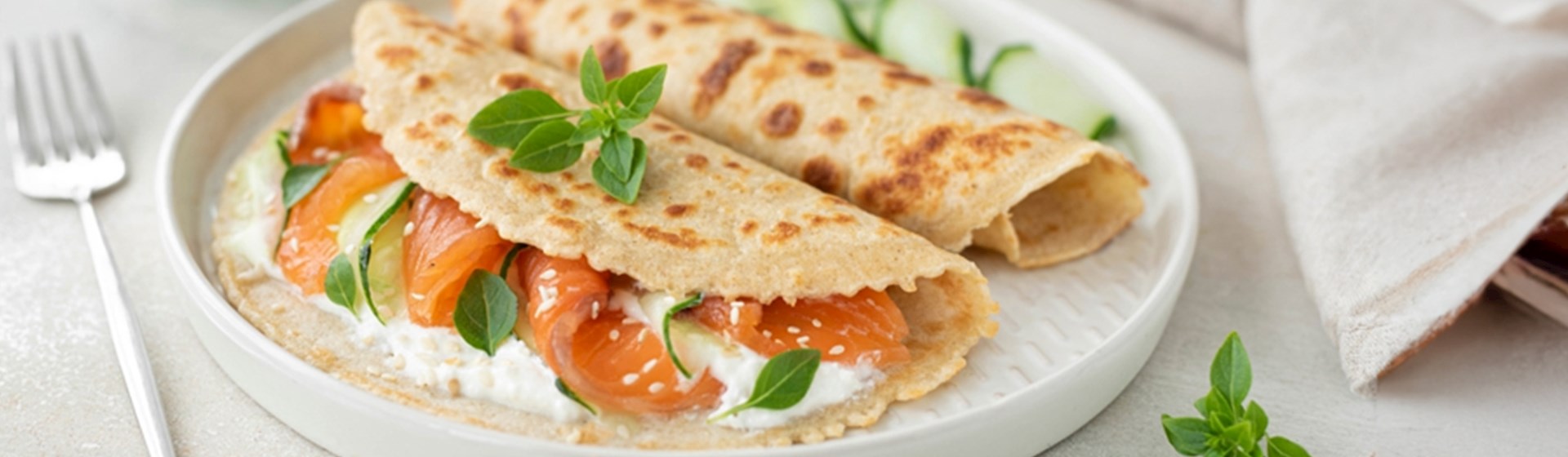
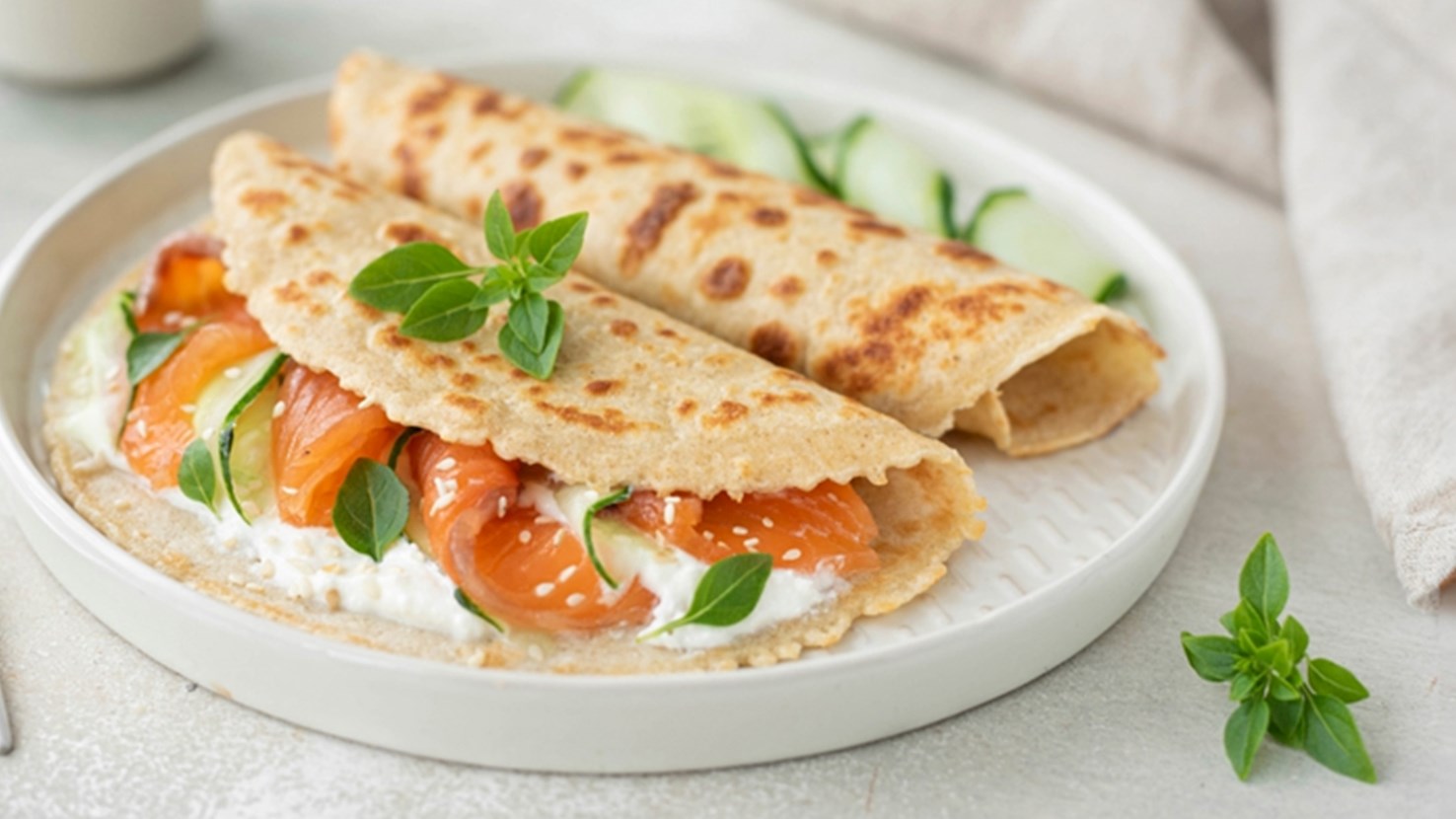
Crêpes salées, often called savory crêpes or galettes in some regions of France, especially in Brittany, are thin pancakes made from a batter that typically contains either wheat flour or buckwheat flour, which gives them a slightly nutty flavor and a darker color. Unlike the sweet version (crêpes sucrées) which uses various "sweet fillings", crêpes salées are filled with savory ingredients that may include cheese (often Gruyère, Comté, or Emmental), ham or various types of cured meat, eggs, mushrooms, spinach, caramelized onion, or various herbs and spices. Savory crêpes are a versatile food that can be enjoyed for breakfast, lunch, dinner, or as a snack, and are often accompanied by a side salad or served with cider, which is a traditional beverage choice in Brittany.
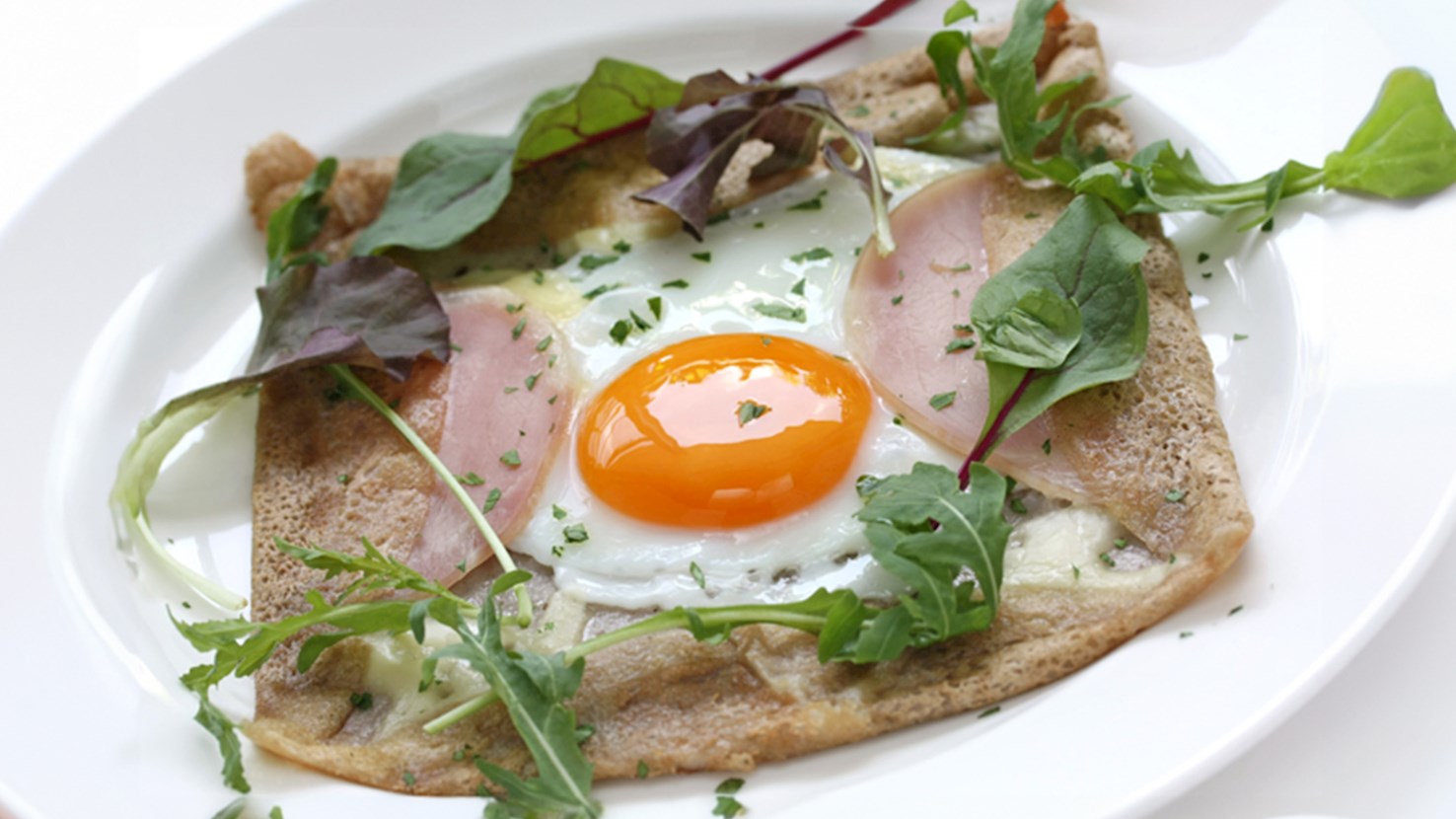
A crêpe complète is a type of French galette made with buckwheat flour and filled with ham, cheese, and an egg. The egg can be cooked on the galette so it's either soft or hard. It is a savory version of the more widely known sweet crêpes that are often filled with things like sugar, fruit, chocolate, or whipped cream. The "complète" in its name suggests that it is a full meal, combining protein, dairy, and the crêpe itself to make a satisfying dish. This dish is particularly popular in the region of Brittany, France, where crêpes are a traditional specialty, but it has gained popularity all over France and in crêpe restaurants worldwide. The dish is versatile and can be eaten for breakfast, lunch, or dinner.
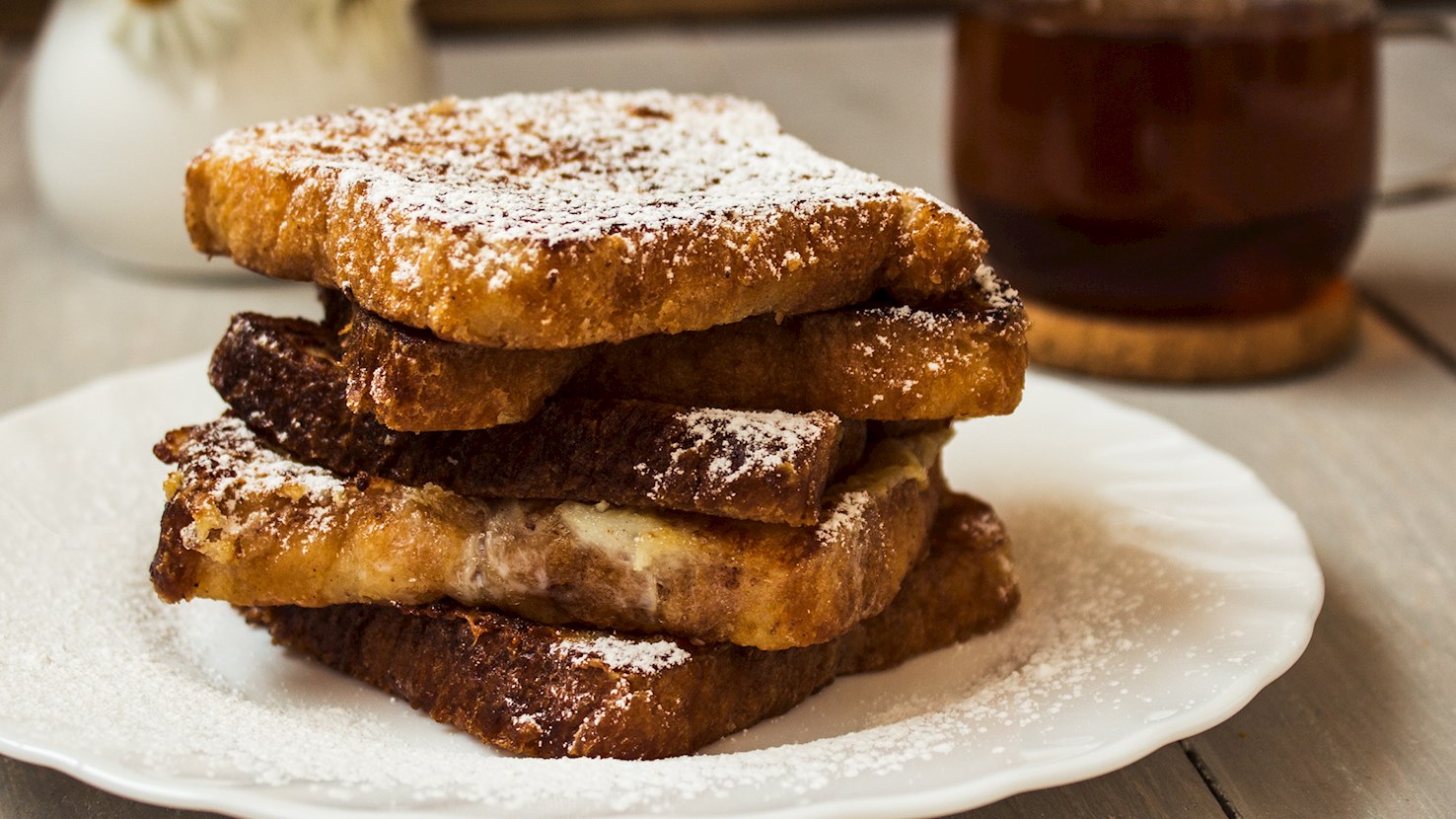
Considered an early version of the famous breakfast fare called french toast, pain perdu is a simple French dish that is based on old, stale bread. The use of stale bread for this dish is even suggested by its name, which translates to lost bread or wasted bread in French. To make pain perdu, slices of stale bread with their crusts removed are soaked in an egg-and-milk mixture before they’re fried in melted butter until nicely colored and crispy. A recipe for a dish called payn perdu was found in an old English cookbook dating back to about 1430. This version calls for dipping slices of bread in beaten eggs, then frying them in butter, and finally serving the fried slices with sugar on top. According to Martha Washington’sBook of Cookery, pain perdu was adopted by the English early on, and thereby the recipe for the dish featured in almost any English cookbook. Another version hailing from the 18th century suggests soaking crustless bread slices in a combination of beaten eggs, cream, wine (Sac), sugar, and nutmeg. The soaked slices of bread are then fried in butter and enjoyed with a sauce made with sugar, butter, and Sac.
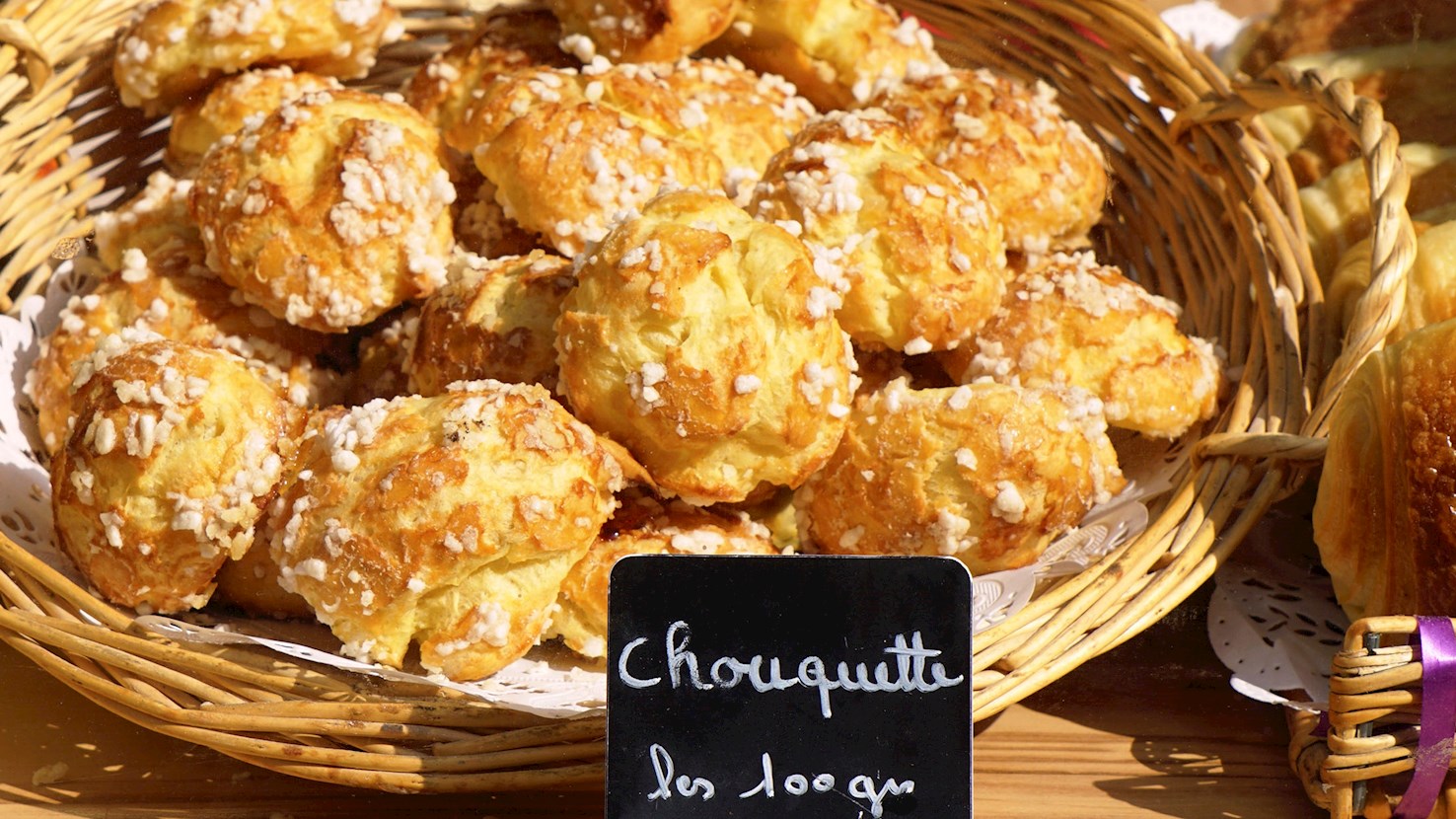
Amazingly tender and extremely light, chouquettes are airy pâte à choux pastry puffs studded with the so-called sucre perlé (lit. pearl sugar); coarse sugar crystals which hold both their shape and crunch when baked. Chouquettes are basically profiterole shells and fall into the category of viennoiseries or, more precisely, pâtisseries viennoises. These Viennese-style baked goods are found in bakery shops throughout the country and are traditionally consumed for breakfast or as an afternoon snack known as le goûter. Best enjoyed freshly baked, while they're still perfectly puffed, golden, and crisp, chouquettes make for a great accompaniment to a nice cup of coffee or tea.
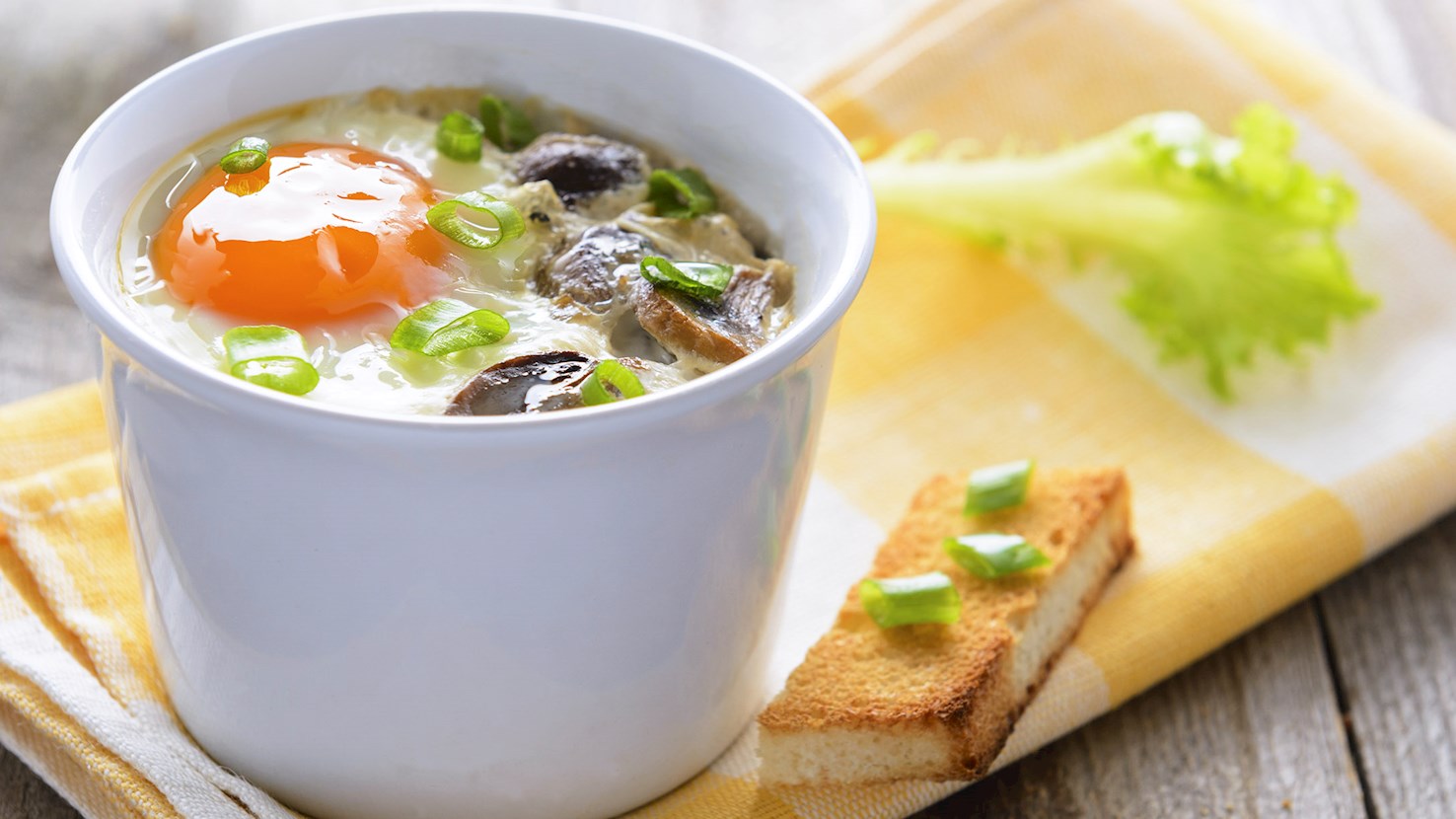
Oeufs cocotte or eggs in pots provide an easy and delicate way of serving eggs for breakfast. Cocotte refers both to the method of baking individual eggs and the small, round baking vessels with handles on the sides. The eggs are placed in greased pots, ramekins, or cocottes, with flavorings above or below them, and the combination of those ingredients is then baked in the oven in a hot water bath until, ideally, the whites are set and the yolks are still runny. Toppings might include bacon, fresh herbs, cheese, pesto, or cream. Oeufs cocotte is also an ideal dish to serve to guests - visually impressive, delicious in flavor, and highly versatile.
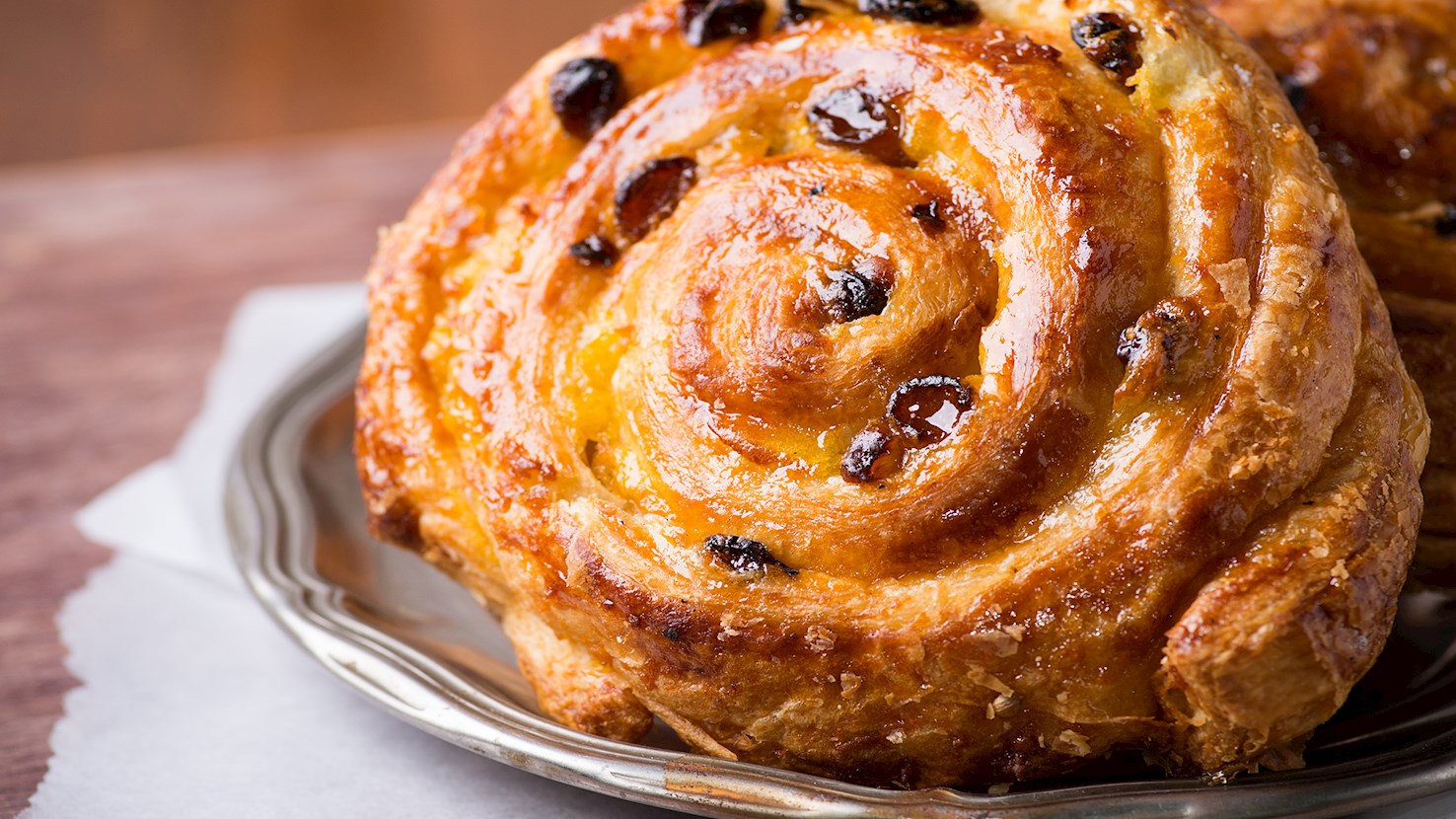
Pain aux raisins or escargot (lit. snail) is a French spiral-shaped pastry made with a combination of leavened buttery dough or sweetened bread dough, raisins, and crème pâtissière. Once filled, this sweet treat is baked until its edges become slightly golden. Pain aux raisins is traditionally served in the morning for breakfast, although it is also sometimes enjoyed throughout the day with café latte or black coffee.
Hailing from Corsica, these traditional shortbread cookies typically consist of flour, sugar, white wine, and flavorings such as anise or lemon zest. Canistrelli are double baked, and because of that they are incredibly crispy and have a long shelf life. The cookies are commonly enjoyed for breakfast, when they are usually paired with hot beverages, but canistrelli also make an excellent sweet snack when paired with white wine.
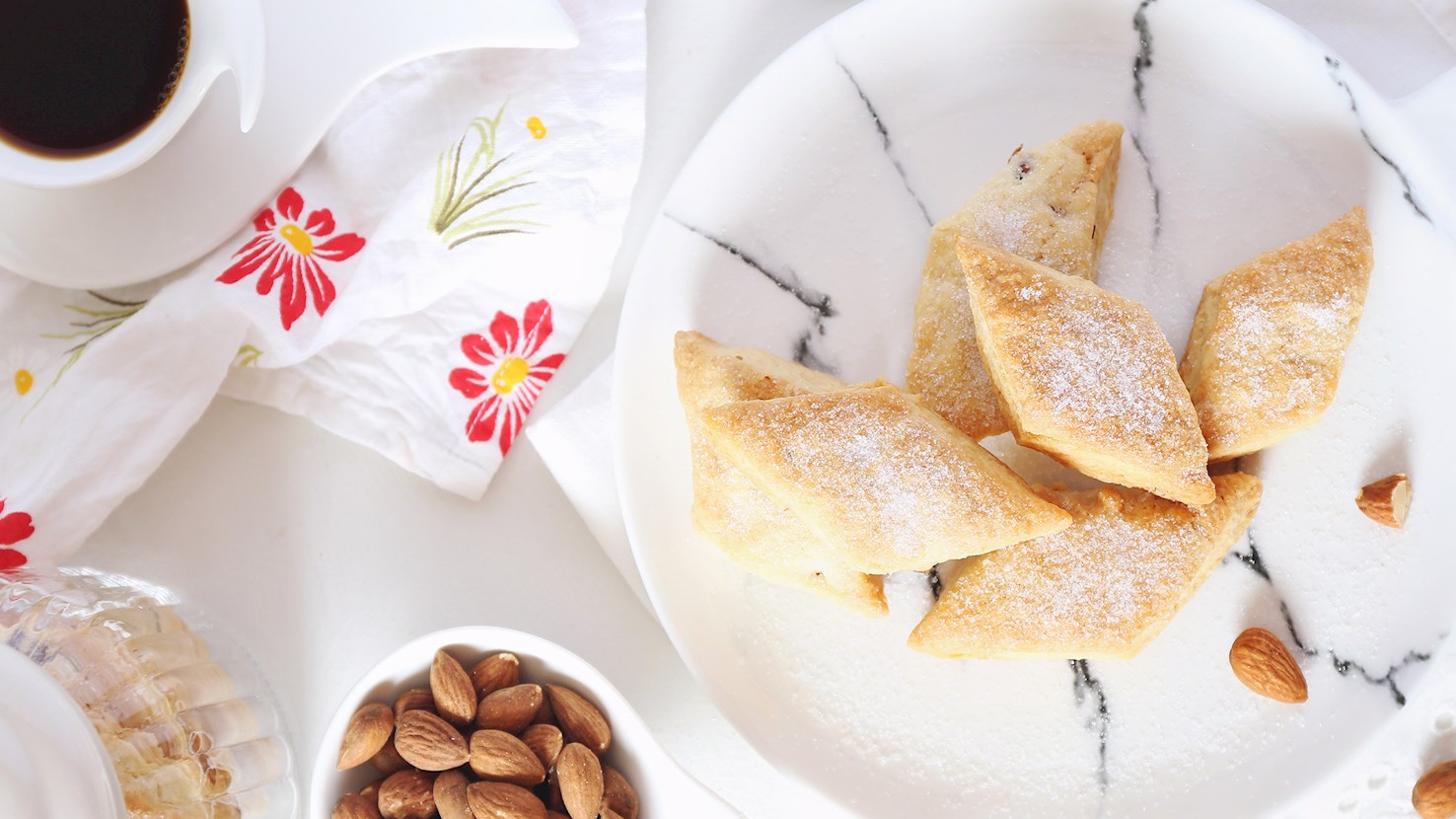
Brasillé is a traditional pastry made with flaky, buttery puff pastry, lightly salted butter, sugar, and eggs. Puff pastry is rolled out and buttered, then shaped into its characteristic oval shape before it is brushed with beaten eggs, sprinkled with sugar, and baked until puffed and golden on top. This French specialty used to be prepared out of simple bread dough and lard, but it was later re-invented by a French baker called Emilie Roussel, who replaced lard with butter and added sugar to the combination. Brasillé earned its name from the French word brasier, meaning a pan of hot coals or embers, referring to the method of baking the pastry in an oven of hot coals that gave the original pastry a slightly burnt top. Although it is typically only topped with sugar, some versions call for enhancing the pastry with a filling of apples, pears, or chocolate. This buttery pastry is typically enjoyed warm or slightly chilled as a dessert that can be served for breakfast or as an afternoon snack.
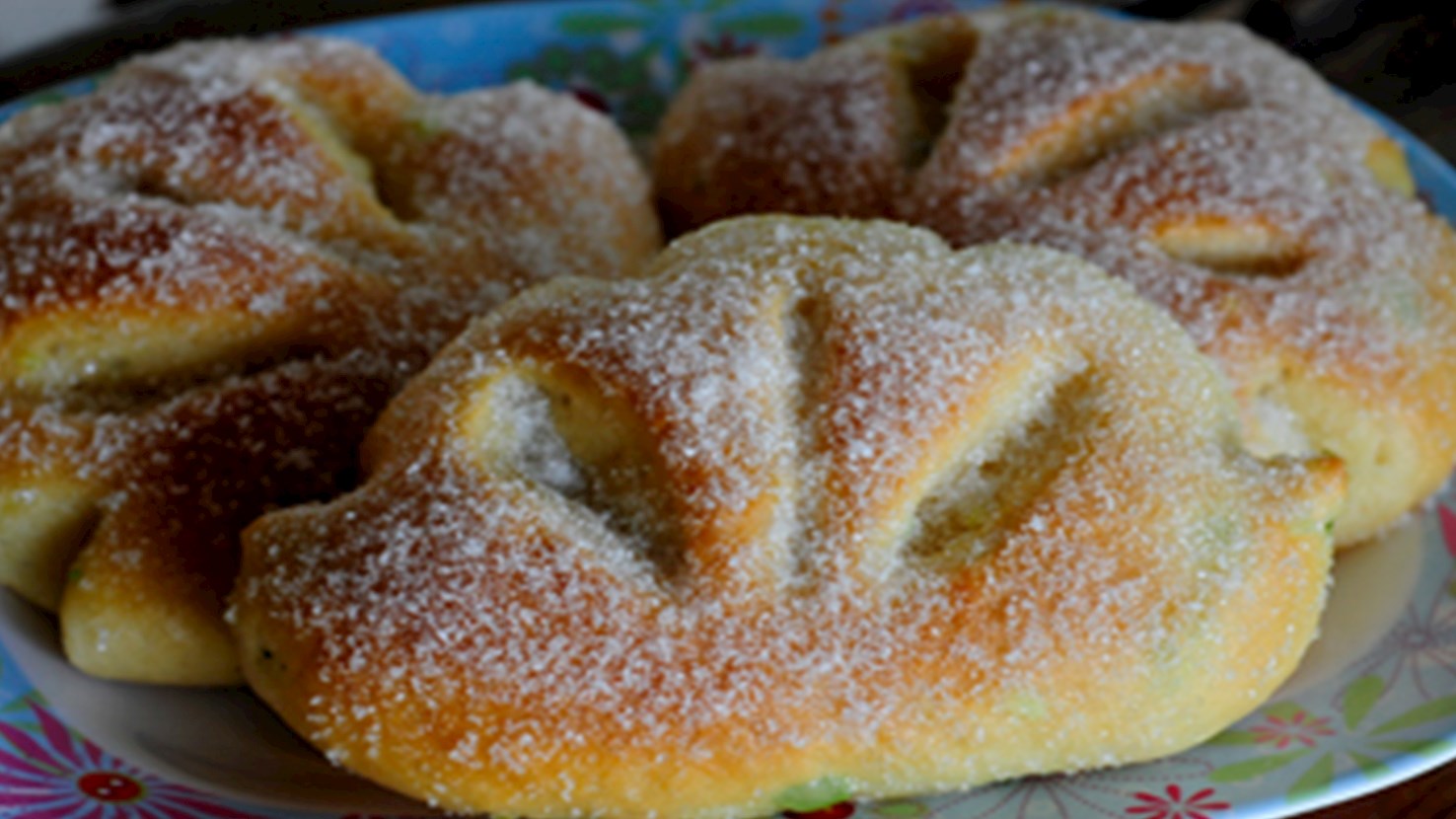
Gibassier is an olive oil-based pastry made with flour, sugar, eggs, butter, and olive oil from Lourmarin and Provence, celebrated for its delicate texture, distinctive shape, and aromatic profile of green aniseed, candied orange peel, and orange blossom water. Often described as a culinary cross between a rich brioche, a rustic flatbread, and a sweet galette, this distinctive viennoiserie is immediately recognizable by its artistic appearance, which is typically slashed and snipped before baking to resemble a leaf, a snowflake, or a fleur-de-lis. The pastry traces its deep historical roots to the rugged farming traditions of the Luberon mountains, with the picturesque village of Lourmarin widely claiming paternity over the authentic, generations-old recipe. Etymologically, the name is shrouded in local lore; some food historians believe it derives from the mountain peak Le Gibas that shapes the village's horizon, while others suggest it comes from the old French word gibacier, a flat bag used by hunters to carry game, which the pastry's pierced, oval shape purportedly mimics. Initially conceived as a sturdy, nourishing snack for local shepherds and hunters, the gibassier was gradually refined over the centuries as bakers incorporated precious regional ingredients like extra-virgin olive oil in place of butter, a fat that was historically scarce in the Mediterranean south. Outside its native region, the gibassier is often mistaken for another famous Provençal baked good, the pompe à l'huile, though the two are distinct culinary creations. While the pompe à l'huile is softer, bread-like, and strictly reserved as one of the celebrated thirteen desserts of a traditional Provençal Christmas, the authentic gibassier is notably drier with a slightly sandy or crunchy crust, making it a beloved everyday breakfast staple enjoyed year-round. The strategic use of olive oil not only lends the gibassier a subtle fruitiness and exceptional keeping qualities but also works in perfect synergy with the floral notes of orange blossom, softening its natural bitterness while enhancing the citrus aromas. While deeply rooted in French history, the gibassier remained relatively unknown in the English-speaking world until the early 2000s, when Michel Suas, founder of the San Francisco Baking Institute, popularized a slightly richer, butter-enhanced variation of the dough during the Coupe du Monde de la Boulangerie. Today, whether prepared in its historical, dairy-free olive oil form or adapted into a luxurious modern treat, the gibassier remains a remarkable testament to the Mediterranean art of living, traditionally served warm and dipped into coffee or honey-sweetened butter to perfectly capture the fragrant essence of southern France in every bite.
TasteAtlas food rankings are based on the ratings of the TasteAtlas audience, with a series of mechanisms that recognize real users and that ignore bot,
nationalist or local patriotic ratings, and give additional value to the ratings of users that the system recognizes as knowledgeable.
For the “Top 10 French Breakfasts” list until June 15, 2026, 2,357 ratings were recorded, of which 2,080 were recognized by the system as legitimate.
TasteAtlas Rankings should not be seen as the final global conclusion about food. Their purpose is to promote excellent local foods,
instill pride in traditional dishes, and arouse curiosity about dishes you haven’t tried.