





shutterstock

Top 13 Greek Breakfasts

Last updated on June 15, 2026
01

Bougatsa

4.4 ·

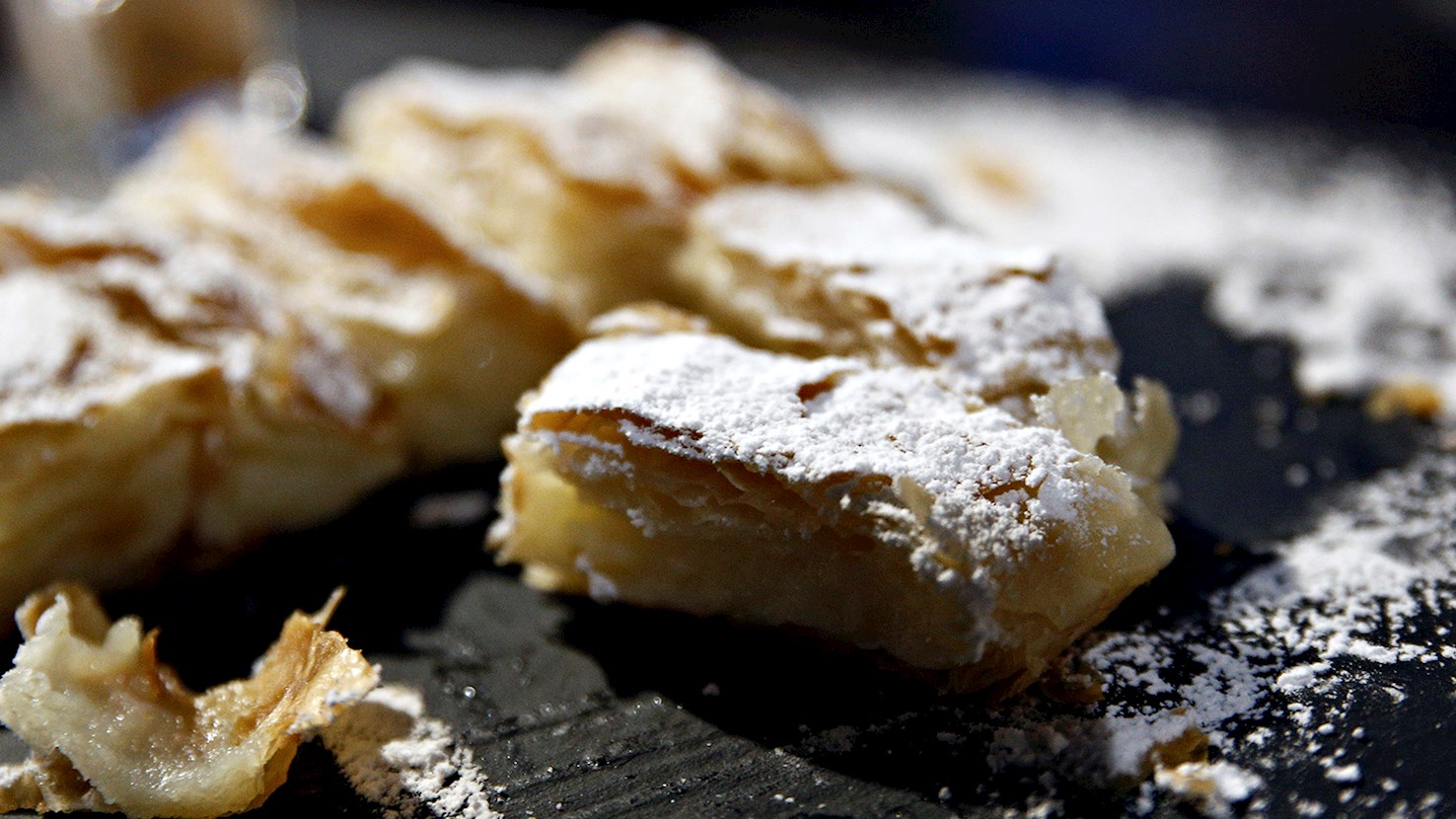
Bougatsa is a traditional, rustic Greek pie consisting of a phyllo pastry layered with a filling of semolina custard, although there are variations with minced meat or cheese. The name of the dish is a derivation of the Ottoman word pogatsa, denoting a pie filled with cheese. Bougatsa has origins from the Byzantine period, when Constantinople was Greek, and it began as a dough that was stuffed with numerous sweet and savory fillings. Over time, bougatsa evolved to incorporate a thinly rolled, hand-made phyllo pastry. As many Turkish immigrants settled in Northen Greece, bougatsa became a specialty of Serres and Thessaloniki. Today, the pies can be found throughout Greece in specialty shops called bougatsopolia, selling bougatsas exclusively.

02

Strapatsada

4.4 ·

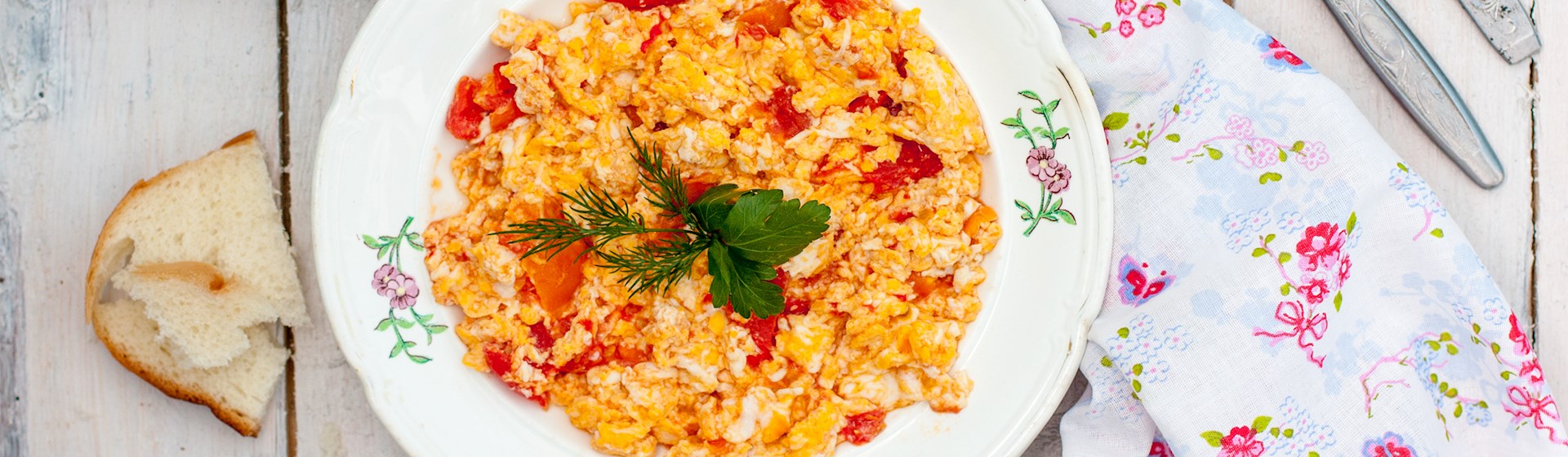
This popular Greek dish, which goes under the name strapatsada or kagianas, consists of diced, sautéed tomatoes that are seasoned with fresh herbs, then combined with lightly beaten eggs and topped with crumbled feta cheese. With its rustic appeal and clean, refreshing flavors, it is mainly enjoyed as a light main course or a side to various roasts or grilled meat. Even though it is traditionally associated with Ionian islands, it is commonly eaten throughout the country.

Best restaurants
03

Sfakianopita

4.3 ·

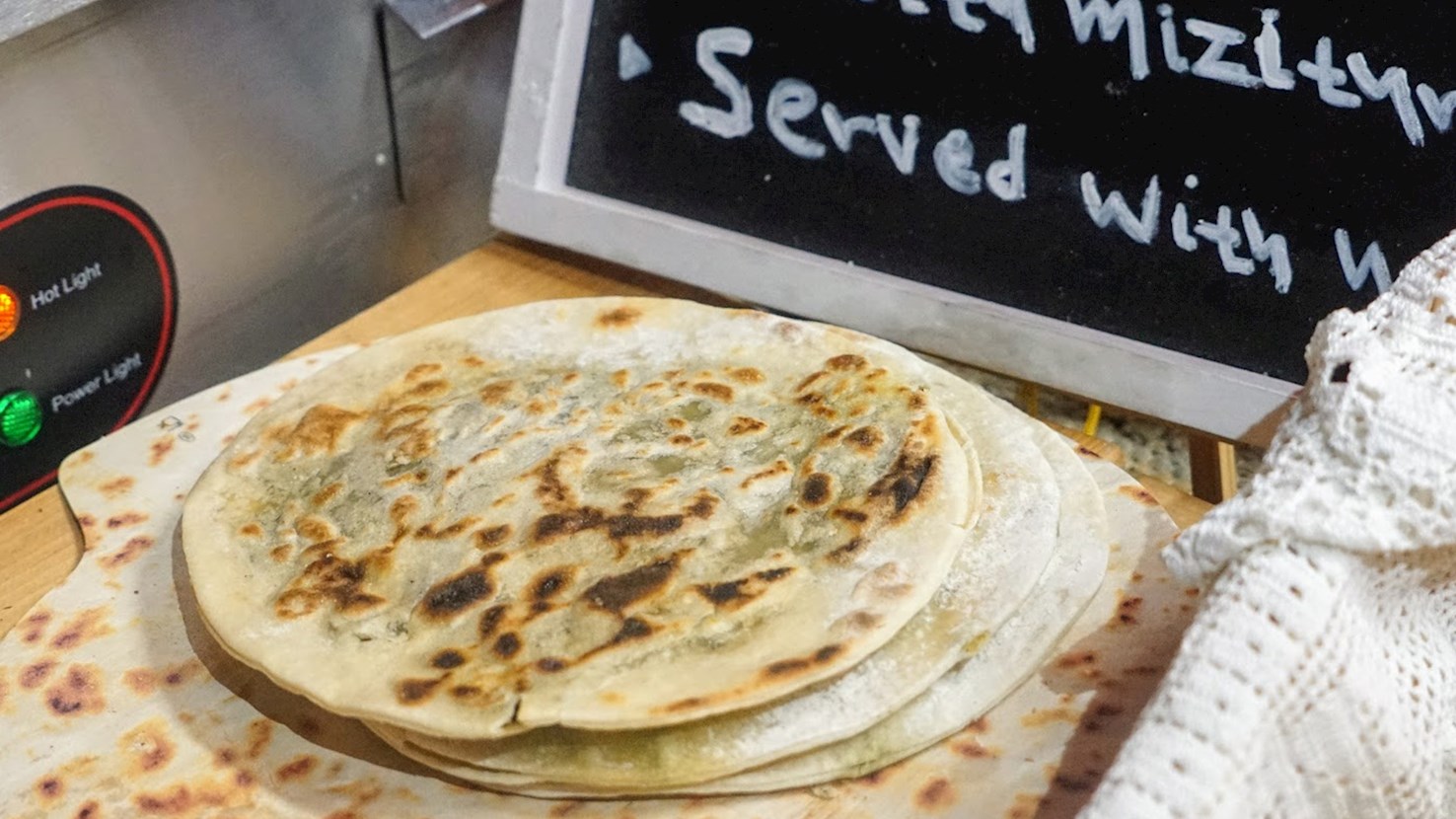
Sfakianopita is a traditional Cretan treat that couples layers of thin, unleavened dough and soft white whey cheese. The pie is typically made with flour, olive oil, water, salt, and a shot of raki (Cretan tsikoudia), and rather than being filled with local myzithra cheese, the dough is kneaded with the cheese. The whole combination is then flattened out into a thin, almost crepe-like or pancake-like circle and fried until golden, spotted, and crispy. Also known as sfakiani pita or mizithropita, this specialty is believed to have been created by Cretan shepherds from Sfakia, hence the name sfakianopita. The pie is usually enjoyed warm as a sweet breakfast and is traditionally served drizzled with thyme honey, creating a perfect blend of sweet and savory flavors. Other typical toppings used for flavoring the pie include sesame seeds, cinnamon, and almond slivers. It can also be transformed into a savory pie, depending on personal preferences. Sfakianopita can be found in almost any traditional tavern, and it is usually accompanied by cold tsikoudia on the side.

04

Staka me ayga

4.2 ·

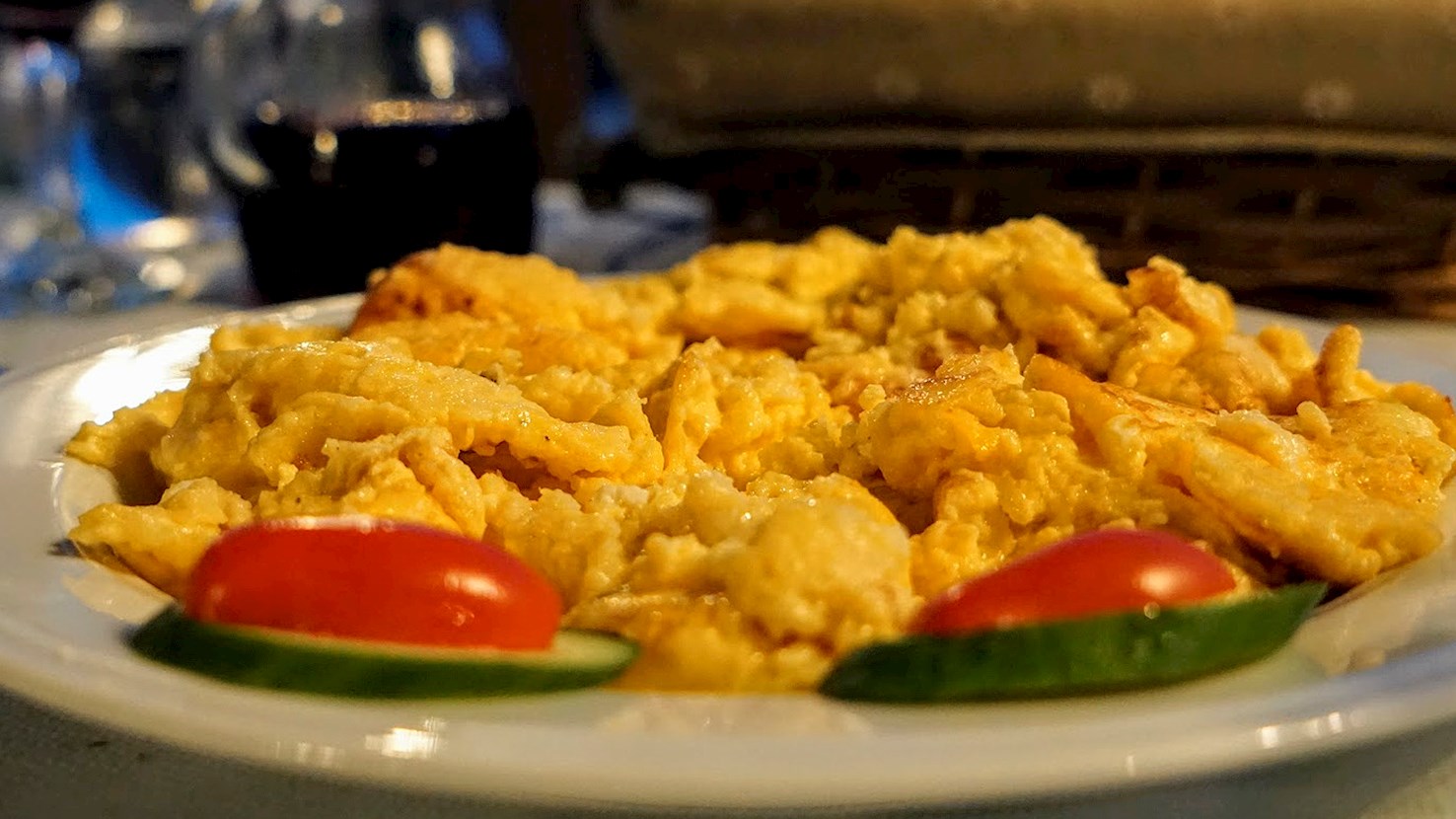
Staka me ayga is a simple Cretan dish consisting of poached or fried eggs and local staka (a type of buttery cream mixed with flour). The combination is usually seasoned with salt and pepper, and it is typically enjoyed warm for breakfast. Eggs with staka are often paired with apaki (smoked pork), another traditional Cretan product. Staka is a unique specialty of Cretan cuisine, and it can also be eaten as a spread on slices of bread or as a side dish.

05

Koulouri Thessalonikis

4.2 ·

Koulouri Thessalonikis is a traditional street food staple and their national take on simit—a similar circular bread found in Turkey. In its simplest form, koulouri is made with wheat flour dough that is shaped into a ring before it is coated in sesame seeds and baked. This Greek version is believed to have traveled with Greek refugees from Asia Minor who first settled in Thessaloniki, hence the name. The origin is still disputed between the two countries, but the Greeks have implemented this crunchy and filling snack in their national cuisine. Unlike the Turkish version, koulouri is not braided, and it is only sometimes dipped in molasses. In Greece, modern varieties are often filled with chocolate spreads, tahini, or cheese, while some even appear without sesame seeds. This snack is often enjoyed for breakfast and it can be bought from street vendors or in numerous bakeries across the country.

06

Tiganopsomo

4.2 ·

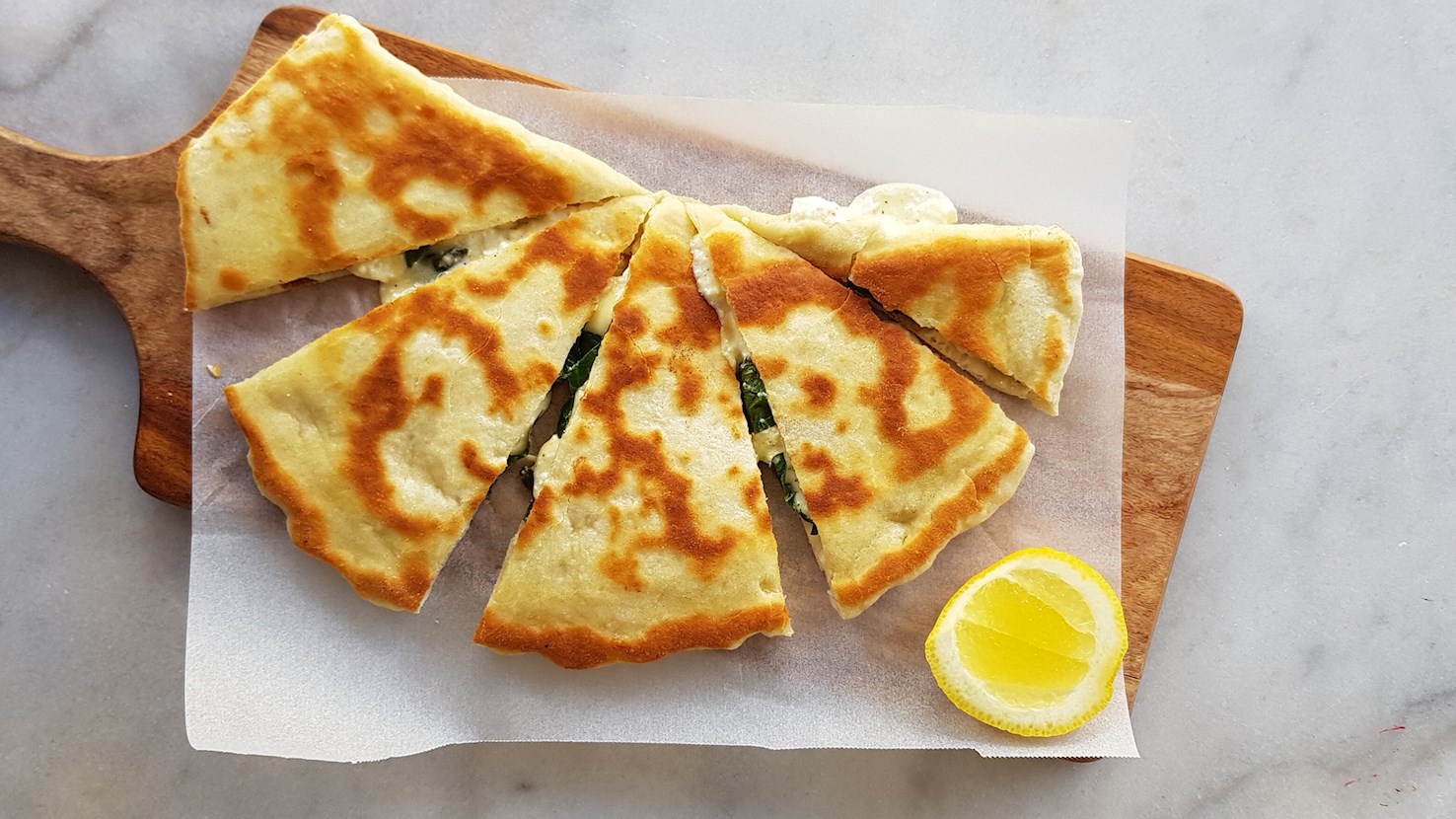
Tiganopsomo is a Greek version of fried bread. It is usually prepared with leavened dough consisting of wheat flour, olive oil, and salt that is rolled into a circle while the center is filled with crumbled feta and herbs such as oregano, rosemary, parsley, mint, or sage. Large disks are then fried in olive oil until golden and crispy. This bread is traditionally served for breakfast, and it is usually sprinkled with sesame seeds or drizzled with honey or balsamic vinegar. Some varieties may come without a filling, and feta can be replaced with mizithra cheese. Translated from Greek, tiganopsomo means fried bread.

07

Ladenia

4.1 ·

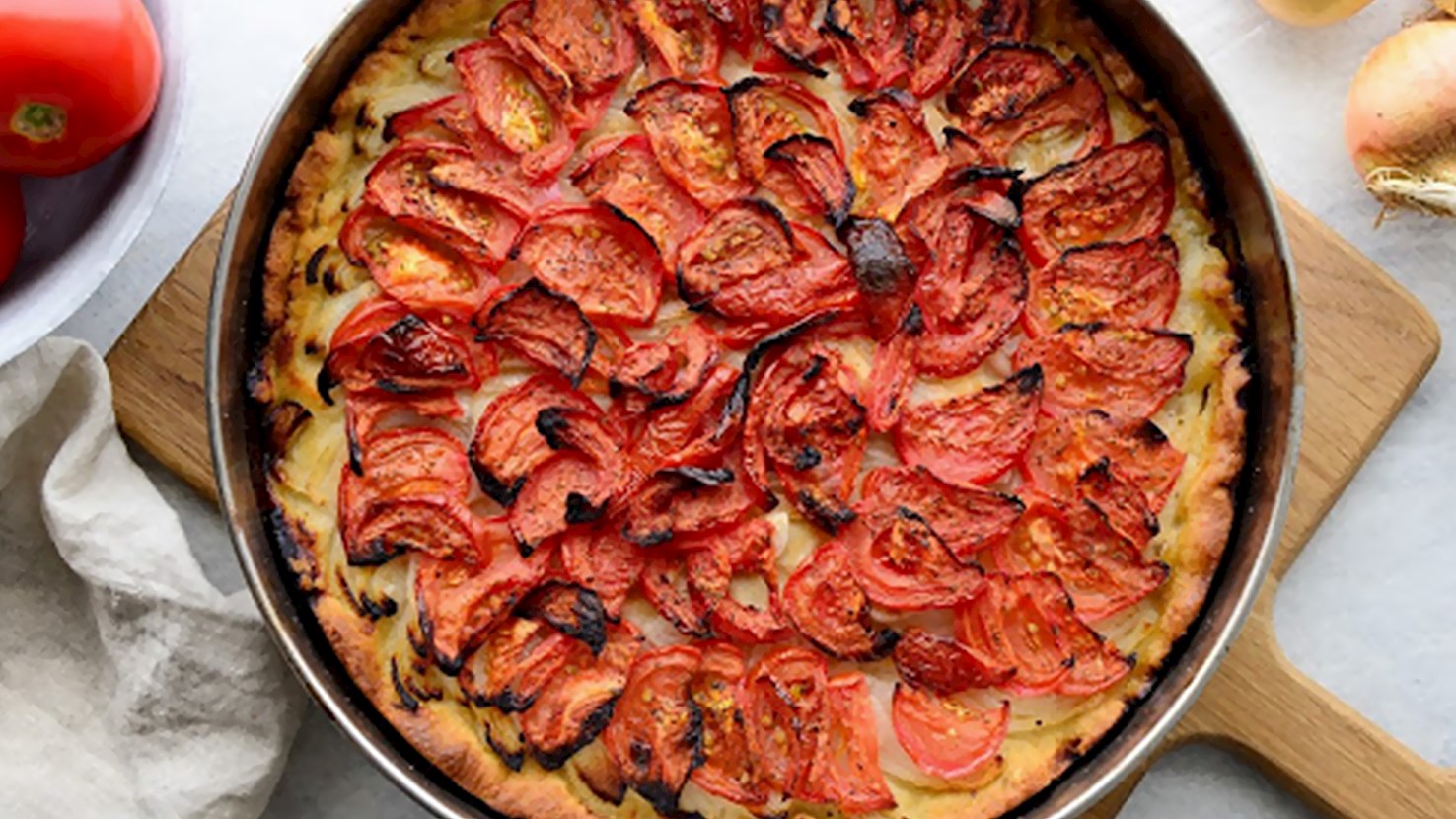
Ladenia is a type of soft flatbread that’s topped with tomato slices, onions, and a generous drizzle of Greek olive oil. Hailing from Kimolos, this savory delicacy is considered to be the Greek take on Italian pizza, and it is believed to date back to the time of the Venetian occupation of the island. The dough is typically made with flour, yeast, water, and salt, although some versions also call for the addition of olive oil to the combination. Homemade tomato paste is often used in case there are no fresh tomatoes, while some people tend to enhance the simple tomato-onion topping with the addition of capers and peppers. The flatbread is usually seasoned with sea salt, black pepper, and dried Greek oregano, and once baked, it is typically enjoyed with an extra drizzle of olive oil on top. Ladenia can be made in a round or rectangular shape, and it is typically eaten for breakfast or as a light lunch, although it can also be served as part of a meze dish.

08

Alevropita

3.9 ·

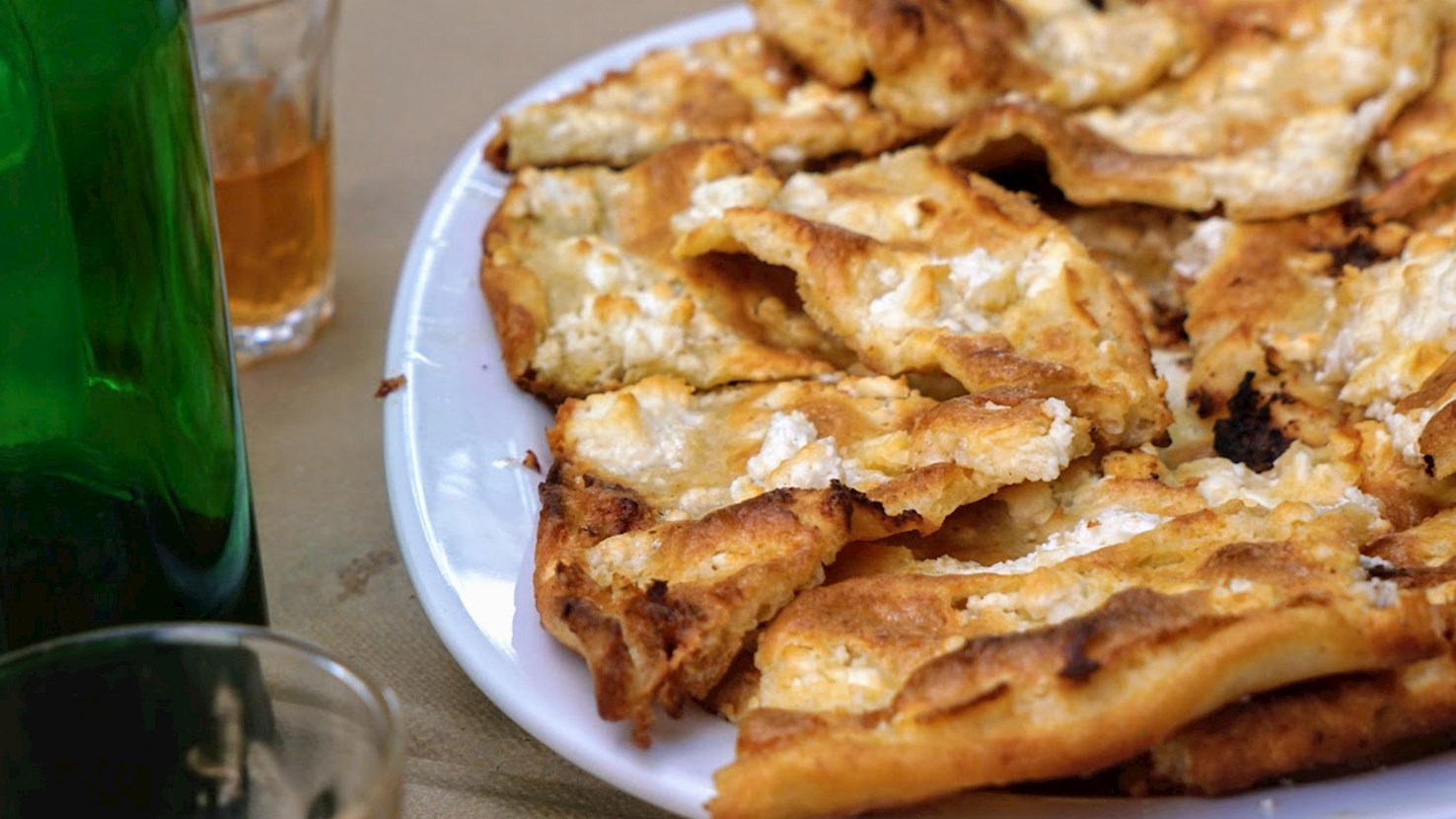
This crispy feta pie is a specialty of Epirus. It is one of the simplest Greek pies consisting of a thin batter that is sprinkled with feta cheese. Traditionally, it is never leavened, and the dough is usually prepared with wheat flour, milk or yogurt, and eggs. Optional additions sometimes include herbs, while less common versions add vegetables or replace feta with other types of cheese. The pie is baked in a large round or rectangular pans, and it is usually served drizzled with olive oil. It is enjoyed as a filling breakfast or a convenient snack.

Best restaurants
09

Omeleta

3.9 ·

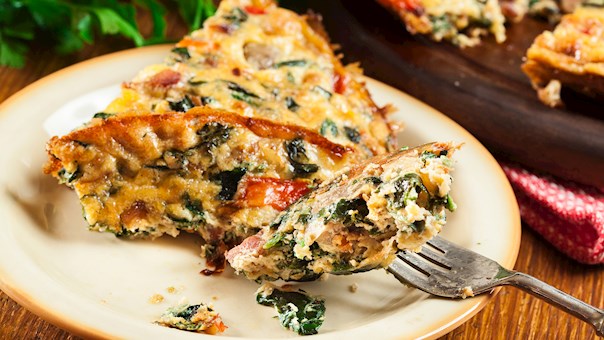
Omeleta is a traditional Greek-style omelet made with Mediterranean ingredients, giving it a distinct and flavorful twist compared to classic omelets. Unlike a typical omelet, the Greek omeleta incorporates local vegetables, cheeses, and sometimes meats directly into the eggs rather than as fillings. The base is made with whisked eggs seasoned with salt and pepper, and crumbled feta cheese is a common addition, adding a tangy, creamy flavor. Fresh tomatoes, bell peppers, onions, and sometimes zucchini are included, giving the omelet vibrant color and taste, while Kalamata olives contribute a briny depth. Fresh herbs such as oregano, parsley, or thyme enhance the Mediterranean flavor, and olive oil is used instead of butter for cooking, adding a fruity richness. The vegetables are typically sautéed in olive oil until softened, after which the beaten eggs are poured over to incorporate the cheese and herbs, cooking slowly to allow the flavors to meld. The Greek omeleta is often enjoyed as a breakfast or light lunch and is served with fresh bread and a side of Greek yogurt or tzatziki.

10

Rizogalo

3.6 ·

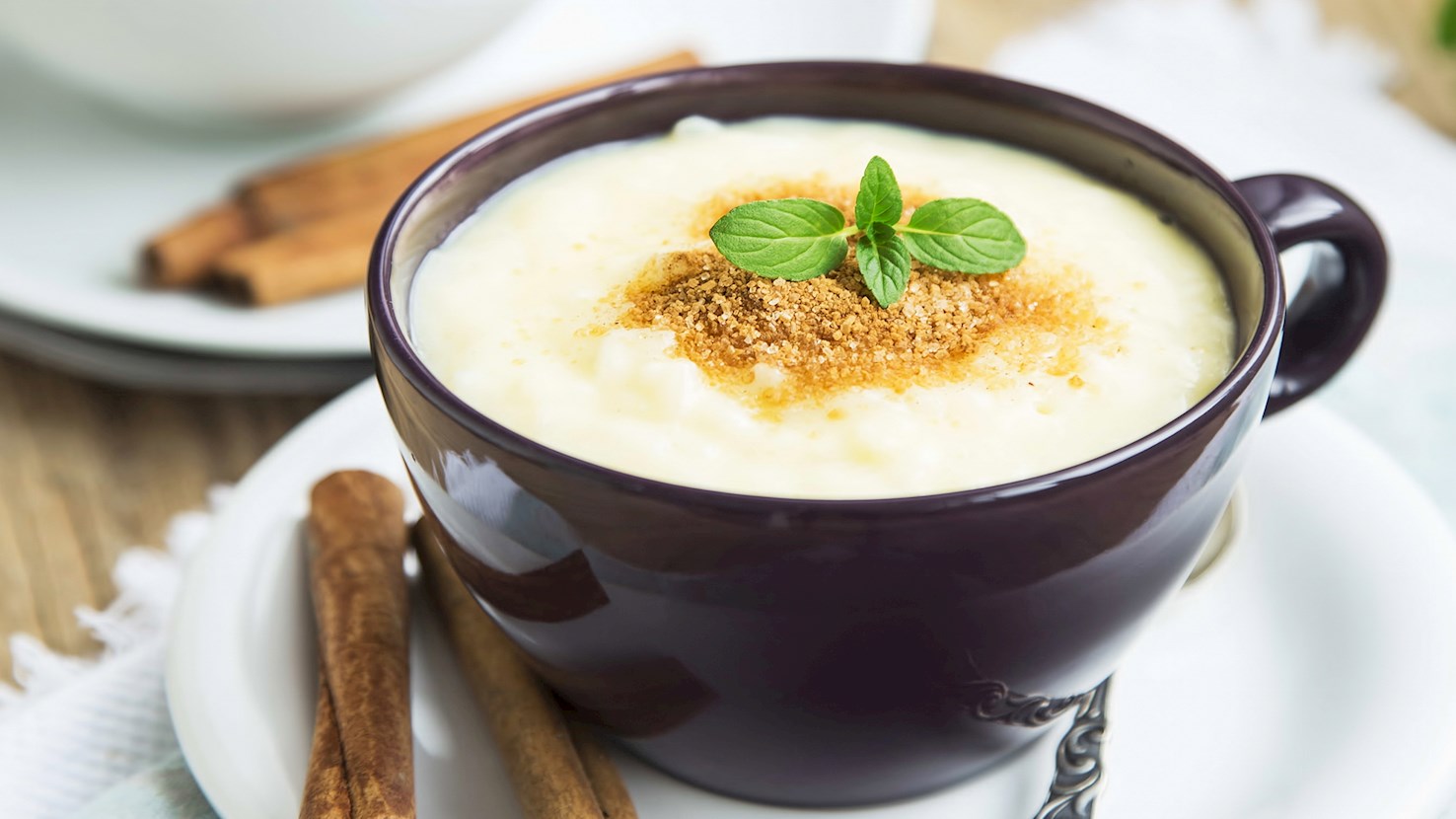
Greek-style rice pudding is a popular dish that is usually enjoyed as a sweet breakfast, a light afternoon snack, or a comforting dessert. In its basic form, it consists of rice and milk that are slowly cooked and vigorously stirred until they transform into a thick, almost custard-like treat. The base is often enriched with citrus or vanilla and is occasionally thickened with egg yolks or cornstarch. Whether it is enjoyed lukewarm or well-chilled, rice pudding is typically served with a sprinkle of cinnamon.

11

Sfougato

3.4 ·
12

Fetoydia

3.4 ·
13

Lalagites

n/a ·
Read more
View all
View map
About this ranking

TasteAtlas food rankings are based on the ratings of the TasteAtlas audience, with a series of mechanisms that recognize real users and that ignore bot, nationalist or local patriotic ratings, and give additional value to the ratings of users that the system recognizes as knowledgeable. For the “Top 13 Greek Breakfasts” list until June 15, 2026, 1,566 ratings were recorded, of which 851 were recognized by the system as legitimate. TasteAtlas Rankings should not be seen as the final global conclusion about food. Their purpose is to promote excellent local foods, instill pride in traditional dishes, and arouse curiosity about dishes you haven’t tried.

Similar lists