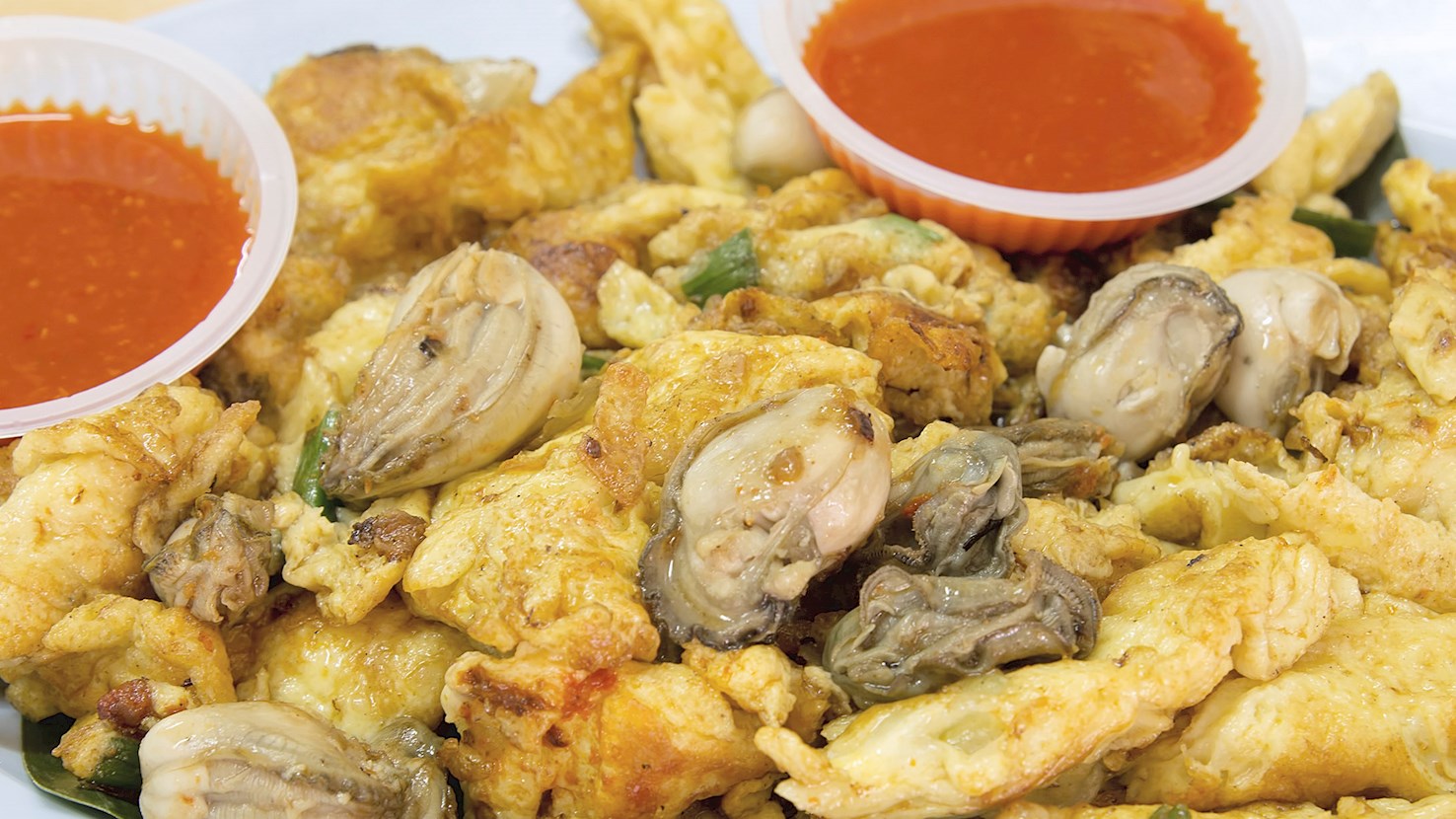
Oyster omelette is a savory egg-based dish originating in the coastal regions of southern China, particularly in Fujian and Guangdong, and it later spread across Southeast Asia, where it became a beloved staple of street food culture in places like Taiwan, Thailand, Malaysia, Singapore, and the Philippines. It combines small, fresh oysters with eggs and a starch batter, resulting in a dish that is crisp on the outside and soft within, often finished with herbs, sauces, or spicy condiments. Its roots lie in the coastal abundance of oysters and the ingenuity of cooks who sought to make use of seasonal shellfish in a satisfying and economical way. In port cities and fishing towns, oysters were plentiful but perishable, and incorporating them into quick, hot dishes allowed them to be eaten fresh while also providing nourishment and flavor to working families and laborers. The dish evolved over time, with each region adapting it to local tastes. In Fujian and Chaoshan areas, the emphasis is often on the delicate interplay of soft oysters and lightly set eggs, while in Taiwan the starch component became more prominent, forming a chewy, slightly gooey texture that contrasts with the crisp edges from the hot griddle. Thai and Malaysian versions tend to be spicier and sometimes include additional aromatics or bean sprouts for freshness and crunch. Preparation begins with a batter made of sweet potato, tapioca, or potato starch mixed with water, poured onto a hot, greased griddle or wok, and spread into a thin layer. Oysters are added on top, followed by beaten eggs, which cook quickly and bind the ingredients together. The omelette is flipped and browned until parts become crisp while the interior remains tender and moist. It is usually served hot, garnished with cilantro or scallions, and accompanied by a sweet, sour, or spicy dipping sauce, depending on the region. Today, oyster omelette is eaten both as a street snack and a restaurant dish, often associated with night markets, coastal seafood stalls, and festive occasions. It pairs well with light soups or rice porridge and is sometimes enjoyed alongside beer or tea, especially in settings where it is served as part of a shared meal.
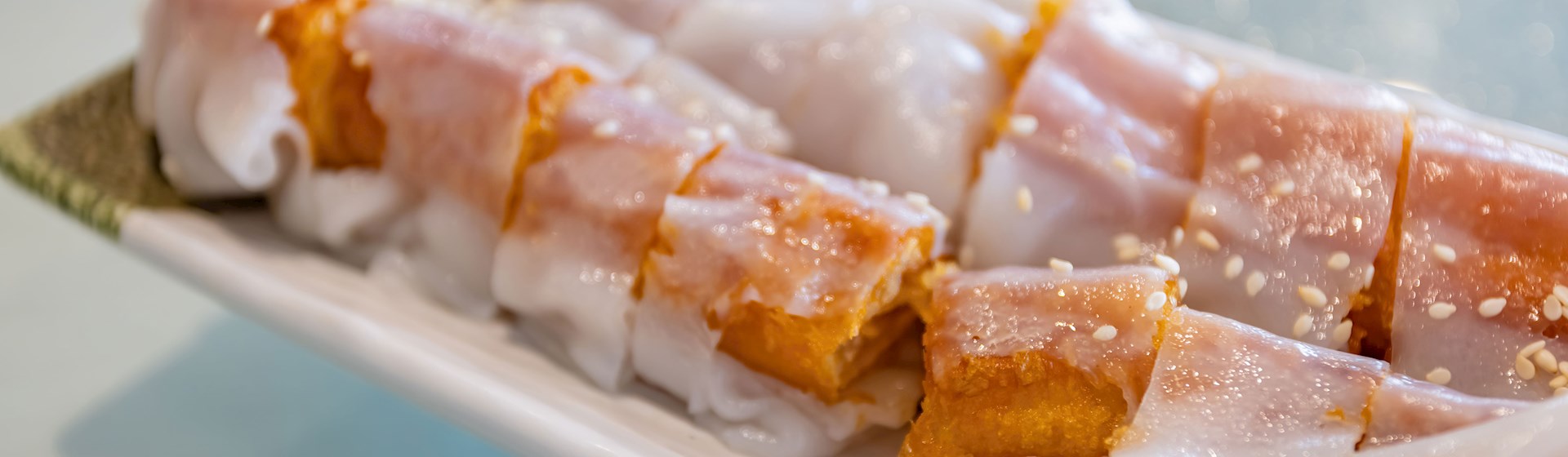
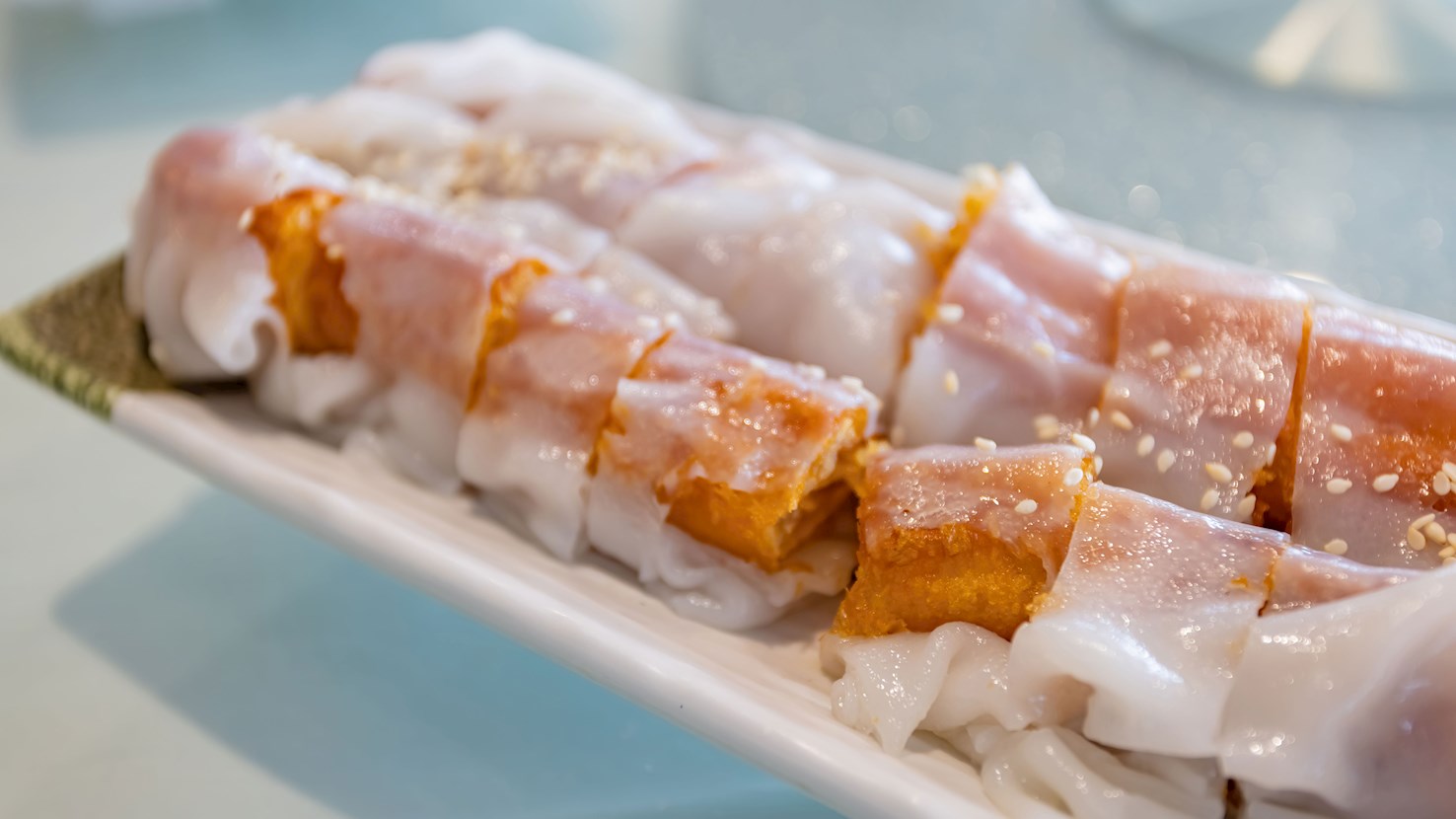
Originating from Cantonese cuisine, zhaliang refers to traditional Chinese deep-fried crullers wrapped in silky and almost translucent rice sheets. Similar to the plain cruller, zhaliang is commonly served for breakfast, but it is often a part of traditional Cantonese dim sum meals. It is accompanied by a unique, slightly sweetened soy-based sauce, which can be incorporated into the dish or served on the side. Zhaliang should always be freshly prepared, so the crullers do not lose their crunchy and soft texture. For easier consumption, they are served cut into bite-sized pieces and garnished with sesame seeds and sliced scallions. The dish is widely popular in the Cantonese region, particularly the Guangdong province, and it is one of the favorite dim sum dishes in Hong Kong. However, its popularity is also increasing in Chinese restaurants across the world, where it is becoming a staple dim sum dish.
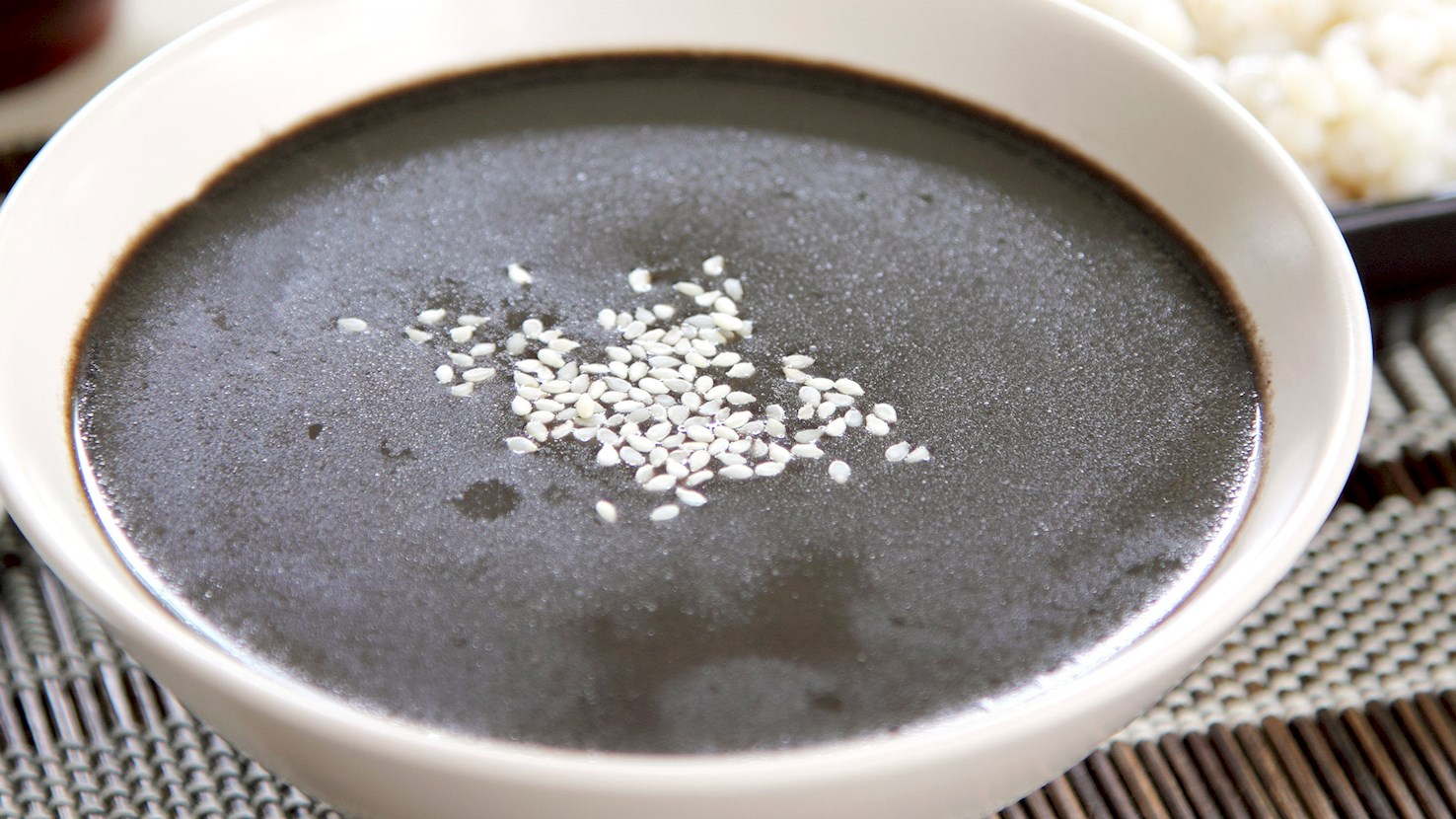
The smooth, velvety zhi ma hu or black sesame soup is a variety of Chinese tong sui (lit. sugar water), a dessert soup commonly enjoyed for breakfast, after meals, or served for teatime accompanied by dim sum, the traditional Cantonese bite-sized tea snacks. Particularly popular in southern China and Hong Kong, this dessert boasts numerous health benefits, thanks to the extremely nutrient black sesame seeds which are rich in vitamin B, magnesium, calcium, manganese, and iron. Zhi ma hu is known to improve digestion, kidney function, prevent gallstones, and reduce blood fat. The Chinese also believe that it helps to darken and strengthen hair. A simple but elegant dessert, black sesame soup is not only pleasing to the eye, but an amazingly fragrant mélange of earthy and nutty flavors with a distinctive peppery finish.
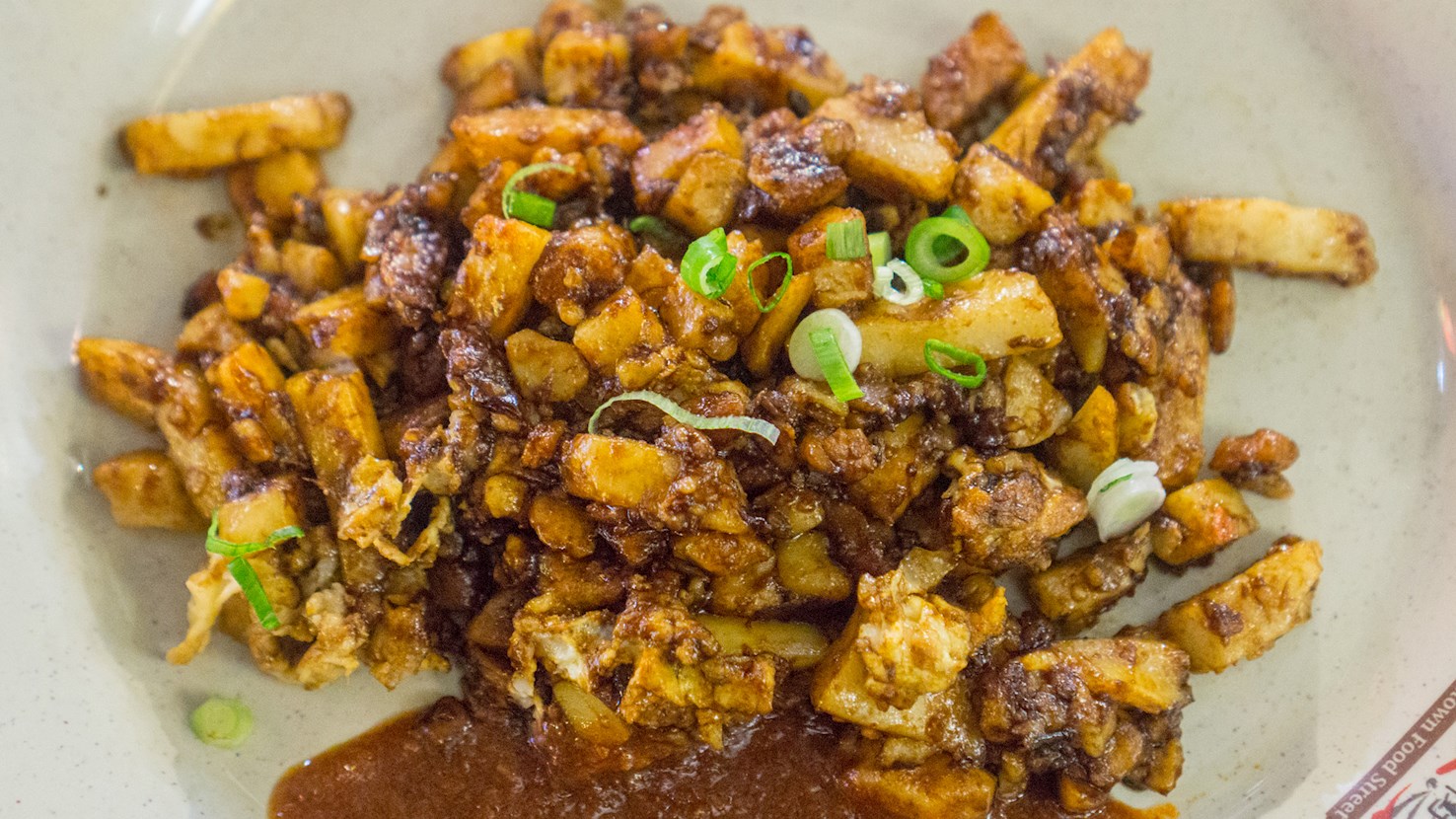
Chai tow kway is a savory dish originating in the Teochew Chinese community and widely popular in Singapore, Malaysia, Indonesia and southern Thailand, where it is often called carrot cake despite containing no carrot. The name comes from the Teochew words for radish and cake, referring to the main ingredient: steamed rice flour and white radish batter that is set into a firm cake. This cake is cut into cubes and then stir-fried with preserved radish, eggs, garlic, and seasonings. The preparation results in a dish that is both crisp and tender, with a balance of savory and lightly sweet flavors. The batter for chai tow kway begins with grated white radish, which is mixed with water and rice flour to form a thick slurry. This mixture is poured into a tray and steamed until it solidifies into a smooth, cohesive block. After cooling, the cake is diced into bite-sized pieces. In hawker stalls and home kitchens alike, the cubes are then fried in hot oil with chopped preserved radish for a salty undertone, garlic for aroma, and beaten eggs to bind everything together. Depending on preference, the dish can be prepared in a white style without sweet soy sauce, or in a black style where dark sweet soy sauce is added for a richer taste and caramelized edges. Chai tow kway is typically garnished with chopped scallions and sometimes a sprinkle of white pepper. It is eaten hot, often as a breakfast or supper dish, and is a staple offering at many hawker centers. Vendors usually prepare it fresh to order, letting customers choose how much egg or chili to include. The dish is commonly enjoyed with pickled chilies on the side, adding a sour and spicy contrast.
TasteAtlas food rankings are based on the ratings of the TasteAtlas audience, with a series of mechanisms that recognize real users and that ignore bot,
nationalist or local patriotic ratings, and give additional value to the ratings of users that the system recognizes as knowledgeable.
For the “Top 4 Guangdong Breakfasts” list until June 15, 2026, 205 ratings were recorded, of which 171 were recognized by the system as legitimate.
TasteAtlas Rankings should not be seen as the final global conclusion about food. Their purpose is to promote excellent local foods,
instill pride in traditional dishes, and arouse curiosity about dishes you haven’t tried.