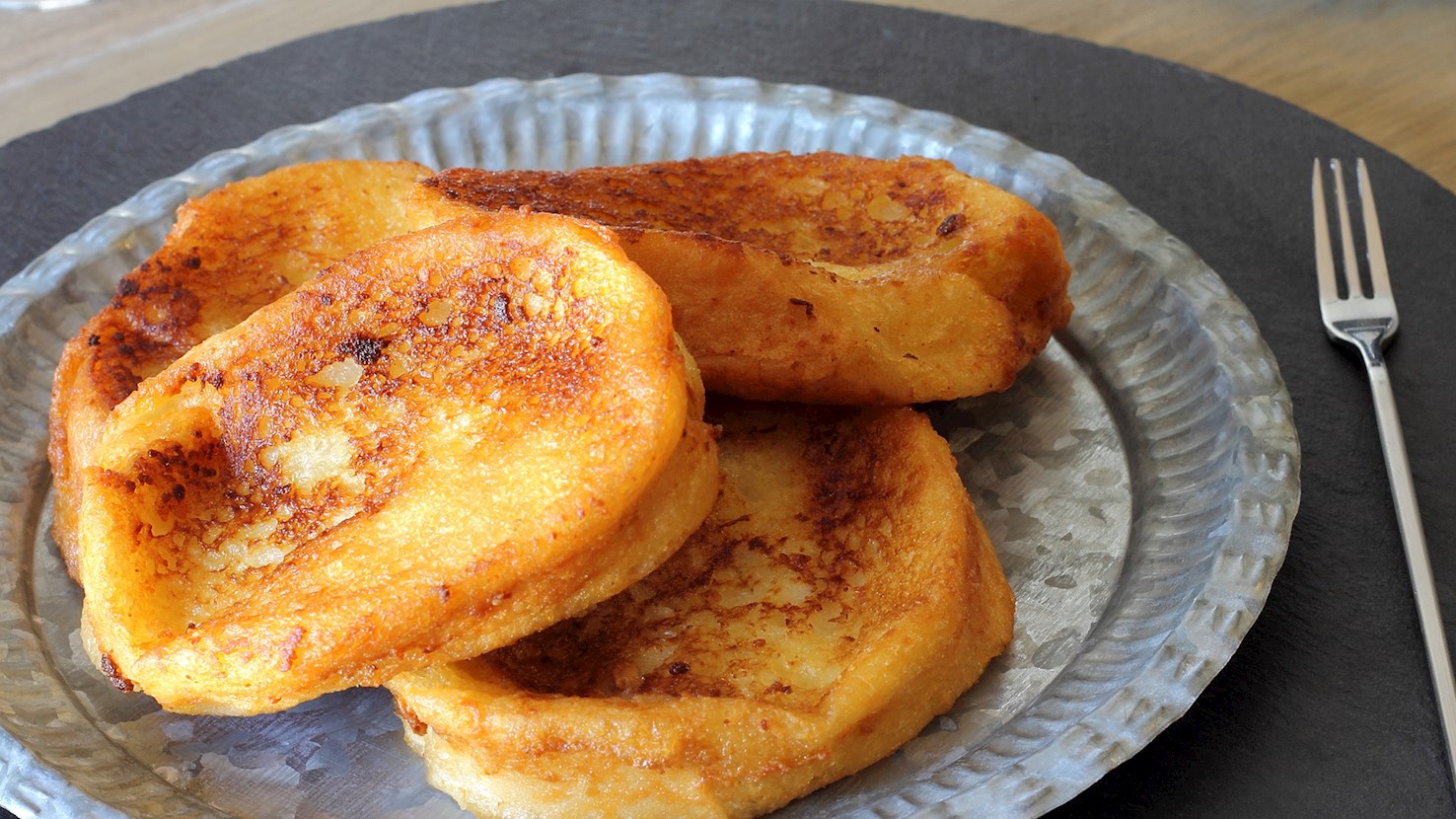
This traditional Hungarian dish is a savory version of the popular French toast. It can be prepared with various types of sliced bread that are coated in lightly beaten eggs, then shortly pan-fried until crispy. The dish is typically enjoyed as breakfast or a light evening snack and is often accompanied by creamy condiments such as mayonnaise and sour cream.
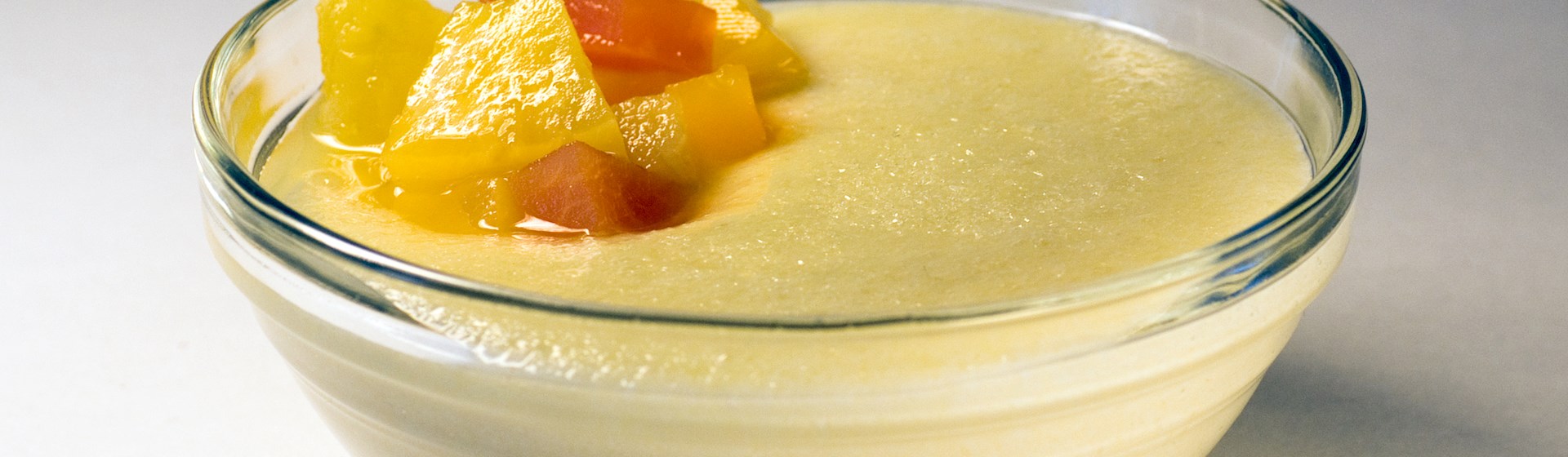
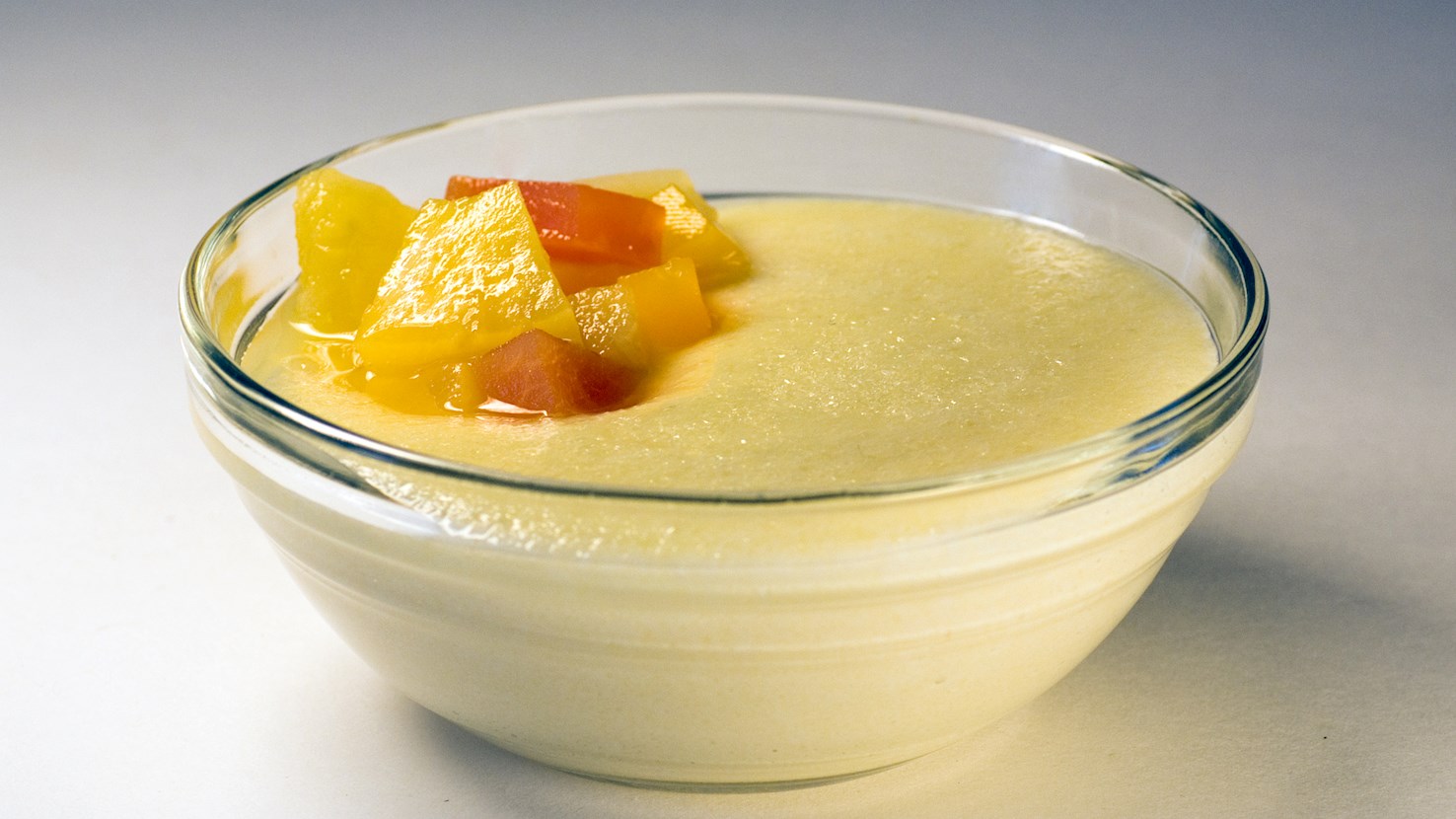
Grießbrei is a traditional Central European pudding based on semolina. The dish is made with milk, semolina, and sugar. It's often flavored with vanilla and cinnamon. The milk is heated, the semolina stirred in, and the mixture is then stirred until it becomes creamy and thick. Most people like to eat semolina pudding for breakfast, and the dish is sometimes enhanced with the addition of fruit such as cherries, strawberries, peaches, pears, or apples. It's recommended to serve it in a shallow bowl since there's more surface area to cover with the desired toppings. The dish is prepared in Germany, Austria, Hungary, Croatia, Slovakia, and the Czech Republic.
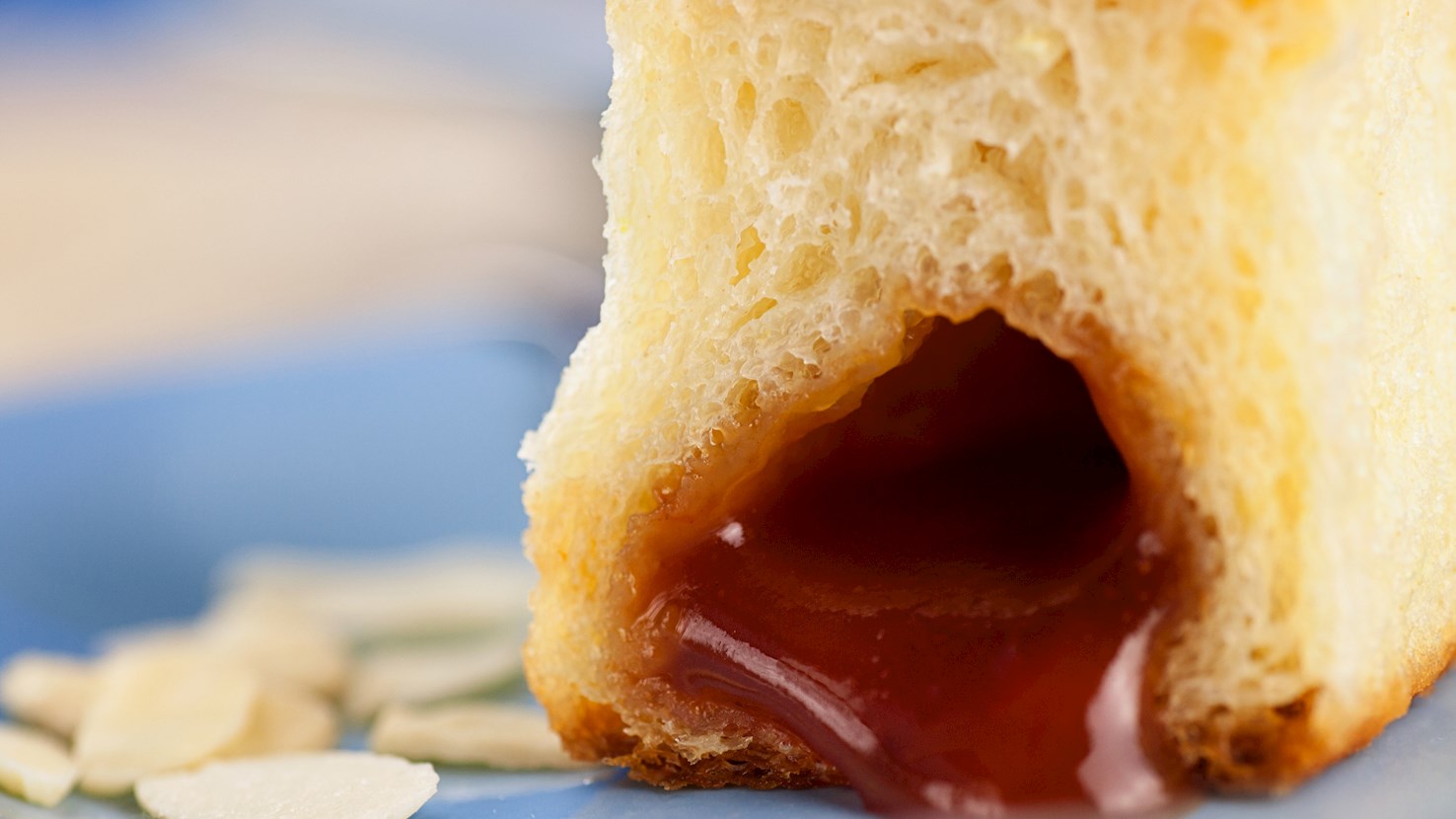
Lekváros bukta is a sweet yeast bun filled with thick fruit preserve, most characteristically plum lekvár. The buns are arranged closely together in a baking dish, so they rise and bake into one connected batch, leaving their sides particularly soft when pulled apart. Bukta belongs to a wider Central European family of filled yeast pastries that includes Czech buchty and Austrian Buchteln. These closely related buns spread across the former Habsburg lands by the 19th century, but the exact origin of lekváros bukta cannot be traced to a single town or date. In Hungary, the pastry became firmly associated with home baking and with the country’s long tradition of preserving fruit as lekvár. The dough is made from wheat flour, milk, yeast, sugar, eggs or egg yolks, butter, and a little salt. Fresh yeast is traditionally dissolved in lukewarm milk with a small amount of sugar before being mixed with the other ingredients. The dough is kneaded until smooth and elastic, then left in a warm place until it has roughly doubled in volume. After rising, the dough is rolled out and cut into squares or rectangles. A spoonful of thick lekvár is placed near the center of each piece. Plum lekvár, or szilvalekvár, suits the pastry particularly well because its dense consistency keeps it inside the bun during baking without running out. The dough is folded around the preserve and sealed carefully. Each bun is brushed with melted butter, including the sides, before being placed seam-side down in a buttered baking dish. The buns are positioned close together rather than spaced apart. They are allowed to rise again briefly before baking. In the oven, the individual buns expand against one another and form a single connected batch with golden tops and pale, tender sides. The butter between them keeps them from sticking too firmly, so they separate easily after baking. A well-made lekváros bukta should have a light, soft, slightly buttery crumb surrounding a concentrated fruit filling. Once baked, the buns are usually allowed to cool slightly and then dusted generously with powdered sugar. They are commonly eaten warm or at room temperature as a sweet breakfast, afternoon pastry, or simple dessert. Although related forms of bukta use other fillings, the classic lekváros version is defined by its thick fruit preserve. Plum remains the filling most closely associated with the dish, reflecting the importance of szilvalekvár, traditionally made by slowly cooking ripe plums into a very thick, dark preserve, sometimes without any added sugar.
Búbos rántotta is a traditional egg-based dish consisting of a stack of scrambled eggs. The dish is usually made with a combination of eggs, sour cream, milk, lard, rye bread, bacon, paprika, chives, and salt. The bacon is diced and the rye bread is cut into crouton size. Both are fried until golden brown over low heat. Once crisp, they're removed from the pan and the bacon fat is strained back into the pan. The eggs are whisked with sour cream, salt, and milk, and the mixture is then cooked in the pan with the croutons and fried bacon. The eggs are scrambled while they're cooking, and the dish is served sprinkled with paprika and garnished with chopped chives.
TasteAtlas food rankings are based on the ratings of the TasteAtlas audience, with a series of mechanisms that recognize real users and that ignore bot,
nationalist or local patriotic ratings, and give additional value to the ratings of users that the system recognizes as knowledgeable.
TasteAtlas Rankings should not be seen as the final global conclusion about food. Their purpose is to promote excellent local foods,
instill pride in traditional dishes, and arouse curiosity about dishes you haven’t tried.



What People Say