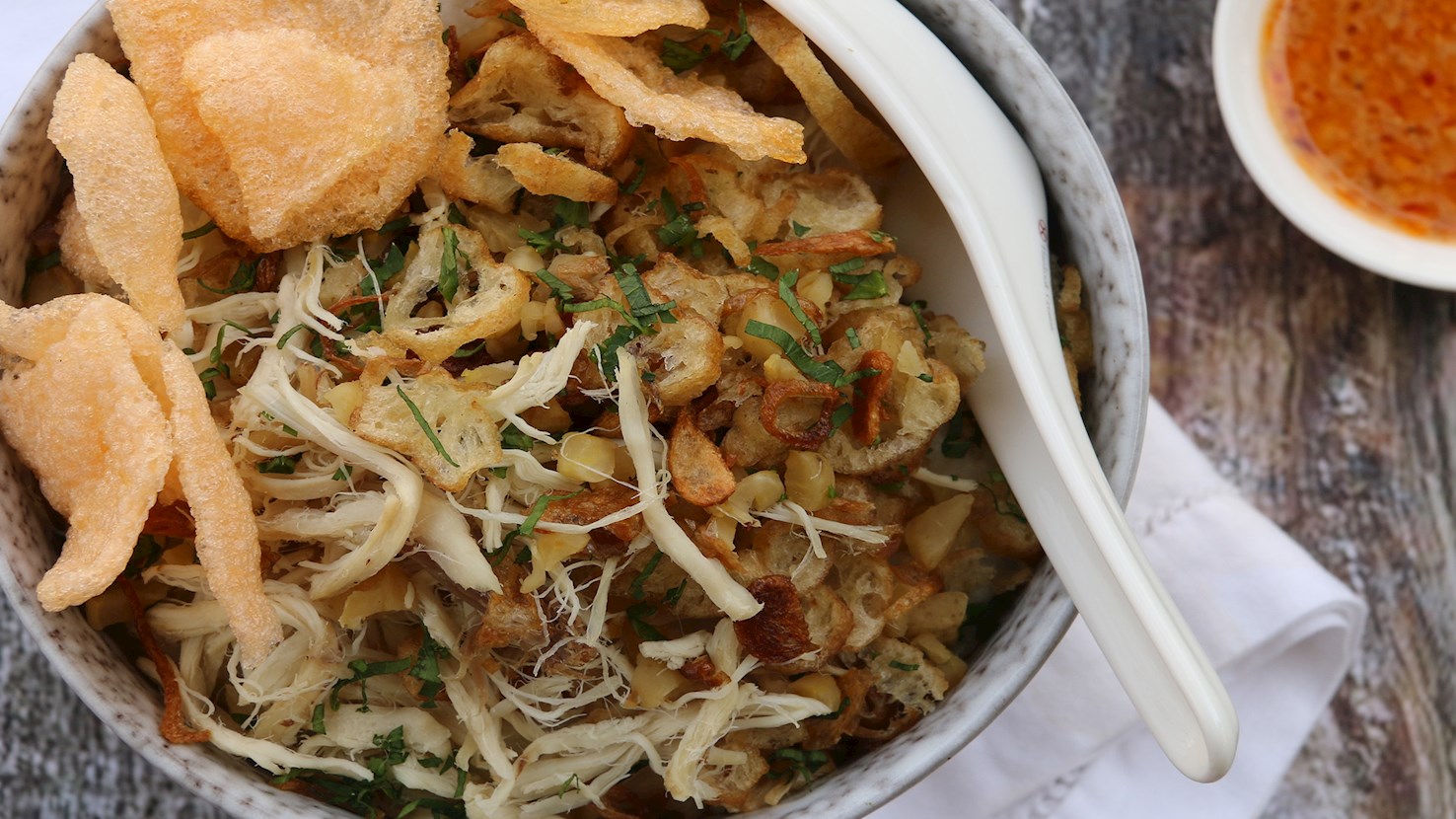
Bubur ayam is the Indonesian version of chicken congee, a thick rice porridge topped with shredded chicken and various savory condiments. This breakfast staple probably originates from the Chinese rice porridge, but it employs regionally available ingredients and toppings to create an authentic Indonesian dish. The process starts with boiling chicken (usually darker, on the bone pieces), and the same broth is typically used to cook the rice until it becomes dense in consistency. Besides rice porridge and shredded chicken, bubur ayam can employ a myriad of other ingredients. It is commonly topped with sliced scallions, crispy fried shallots, chopped cilantro, crushed peanuts, fried crullers, and sliced boiled eggs. Before it is served, bubur ayam is usually generously doused with soy sauce, sesame oil, or fish sauce. Unlike other traditional Indonesian dishes, this chicken porridge is not overly spicy, but the fiery sambal sauce can be served on the side, if desired. Bubur ayam is one of the most common street food varieties in Indonesia - each morning, numerous street vendors can be seen selling this comforting porridge as a nutritious breakfast dish.
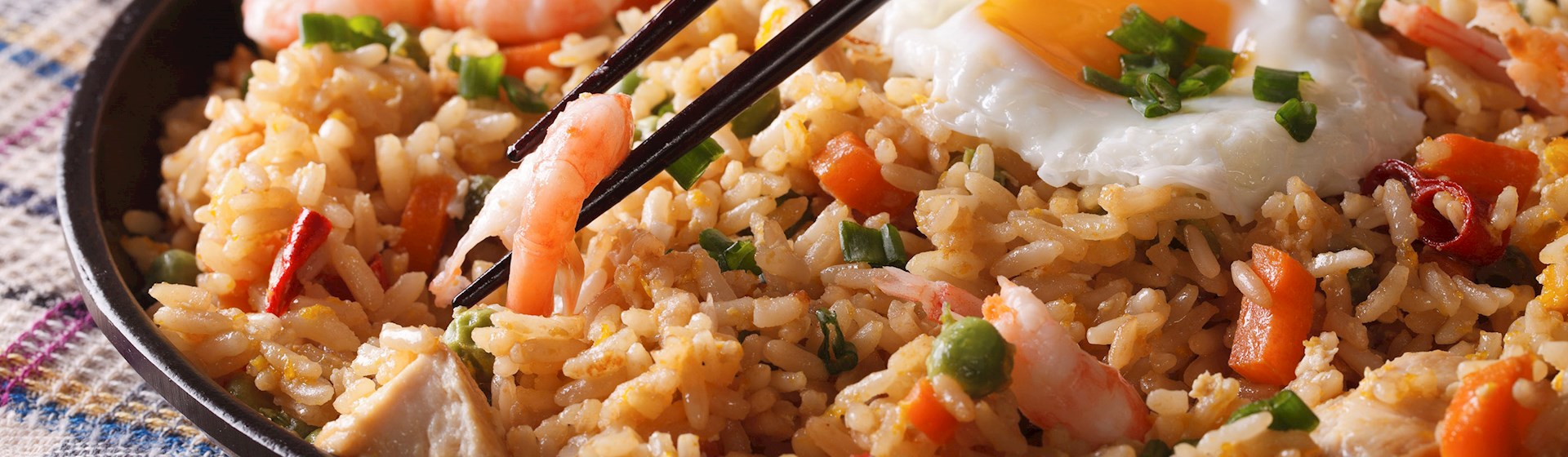
Nasi goreng is often referred to as the Indonesian version of fried rice. Although it is considered to be the national dish of Indonesia, it is also commonly eaten in Malaysia and Singapore. It is believed that the tradition of frying rice in Indonesia came from the Chinese culture, when the trade between the two countries started to develop. Indonesians adopted the Chinese tradition based on the belief that it is sinful to waste food, and soon, like many other versions of fried rice, nasi goreng was created. Since it was developed out of a practical need, it is usually eaten for breakfast and made with leftover rice from the previous day. Precooked rice is usually fried in a small amount of oil, then spiced up with shallots, garlic, chili, or ginger. Indonesian fried rice is distinguished by the generous use of sweet soy sauce, and because of that, it has a deeper and spicier flavor than other varieties of fried rice. Nasi goreng is commonly served with eggs. Usually, they are mixed in the rice or fried and served on the side.
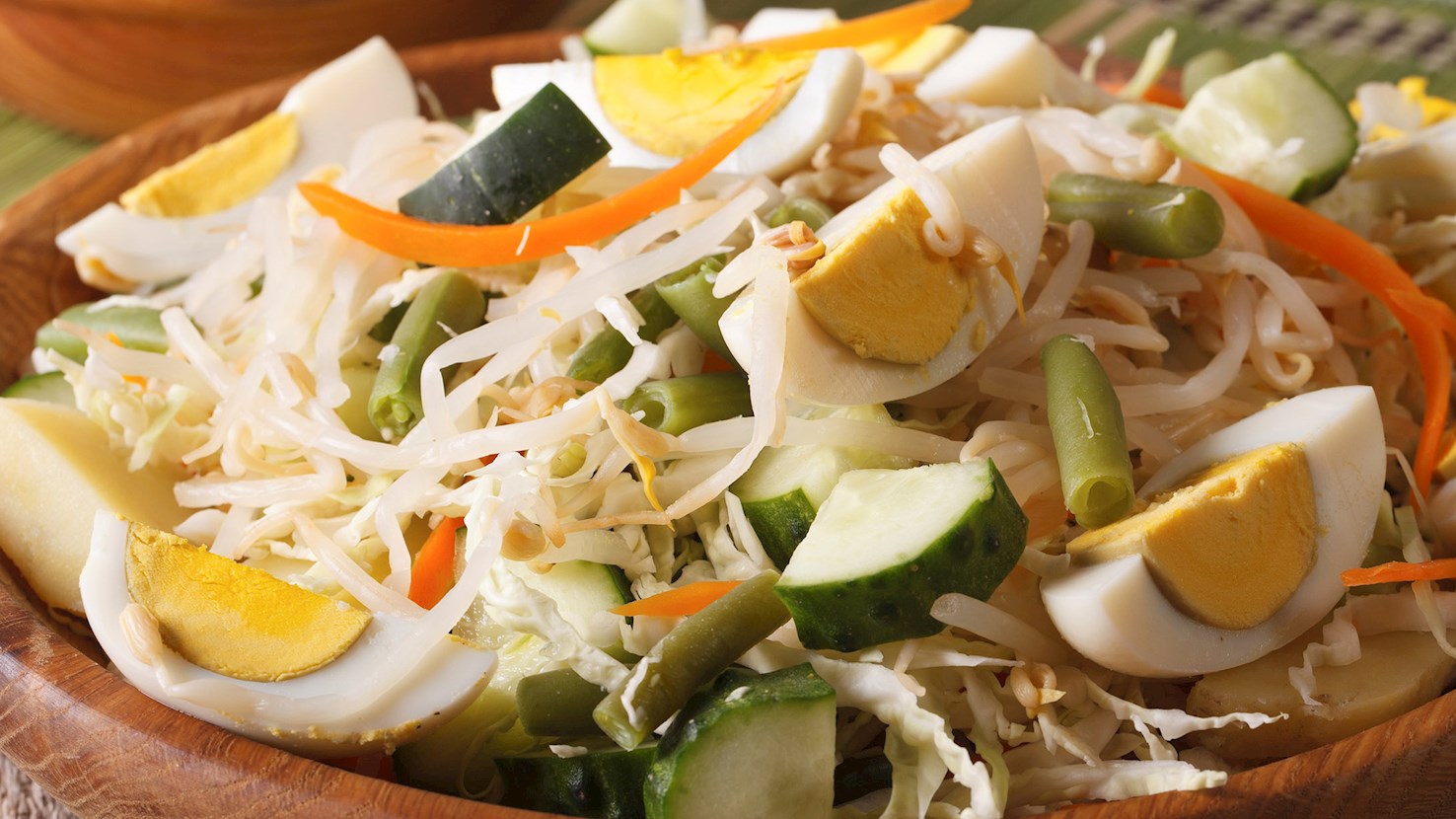
Gado-gado is an Indonesian version of a mixed salad. It usually consists of a variety of vegetables, eggs, tempeh, and tofu. The vegetables are usually just slightly boiled, tossed with a nutty sauce, then completed with the addition of crispy prawn crackers. The sauce was traditionally made with cashews, but due to lower price and availability, peanuts are more frequent today. The dish is a true representative of Indonesian street food, and it has been present in the Indonesian culture since the 16th century. It originated among the native people of Jakarta, but today it can be found in all parts of Indonesia. Gado-gado can be a whole dish on its own, but it can also be boosted by the addition of rice, rice crackers, or chicken. This classic Indonesian street food is usually sold by street vendors or at hawker centers, and it can be served for breakfast, lunch, or dinner.
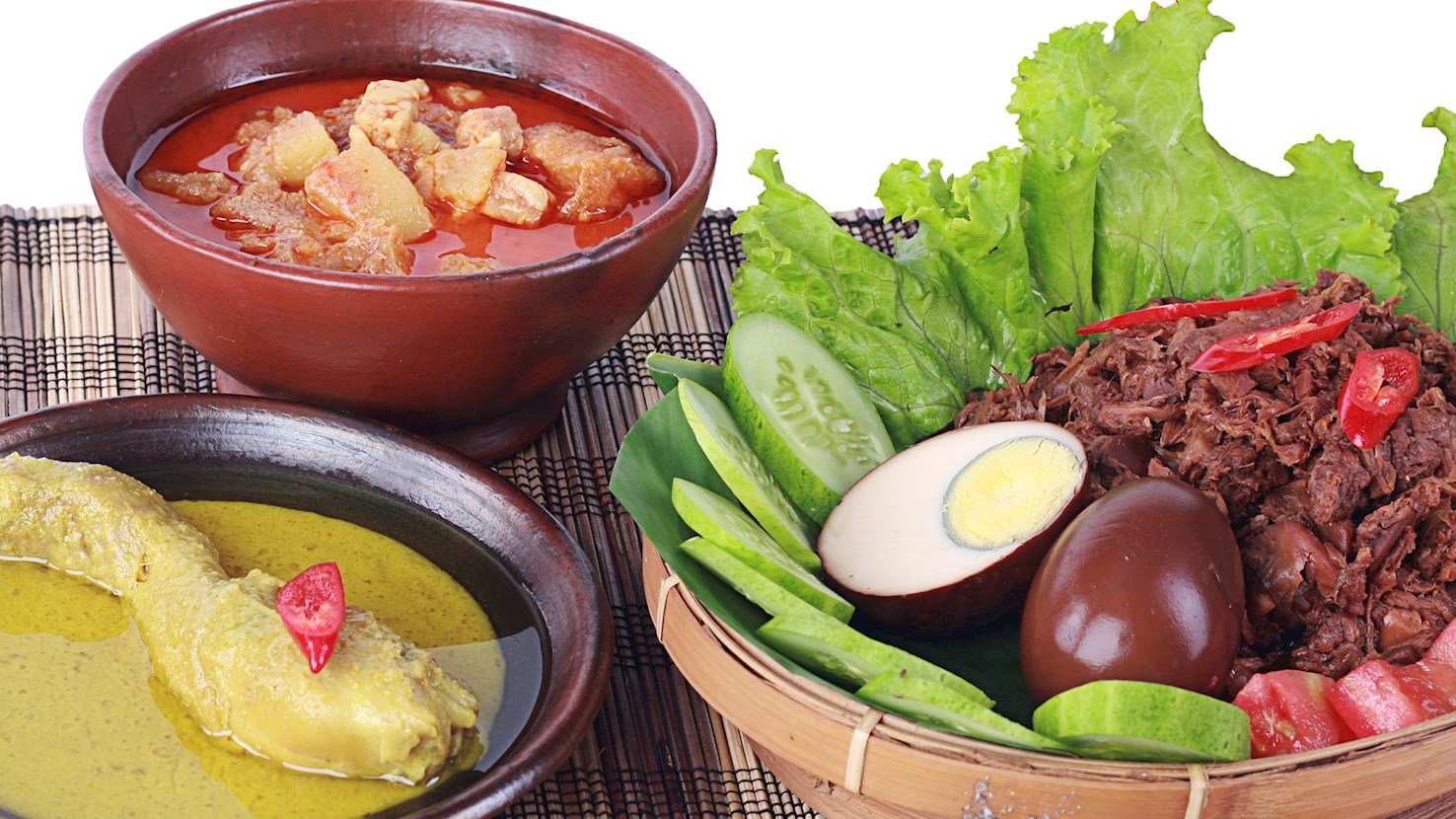
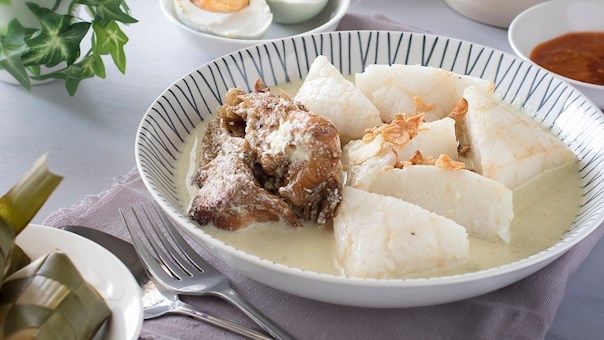
The most popular dish in Indonesian Yogyakarta is called gudeg, a unique dish made with unripe jackfruit cooked in coconut milk. The two most common varieties are dry and wet gudeg. Both varieties use the same ingredients, but the dry gudeg uses less coconut milk, is cooked longer, and has a much thicker sauce. Because it is easier to consume and transport it, the dry variety is more frequent today. It is an authentic Indonesian dish usually sold by street vendors or at specialized gudeg restaurants. The most common condiments served with gudeg are white rice, chicken, hard-boiled eggs, tempeh, or tofu. If bought at street stalls it is usually packed in besek - a rectangular package made out of bamboo leaves. The dish is eaten for breakfast, lunch or dinner and food stalls selling gudeg are usually open from the early morning until late in the evening.
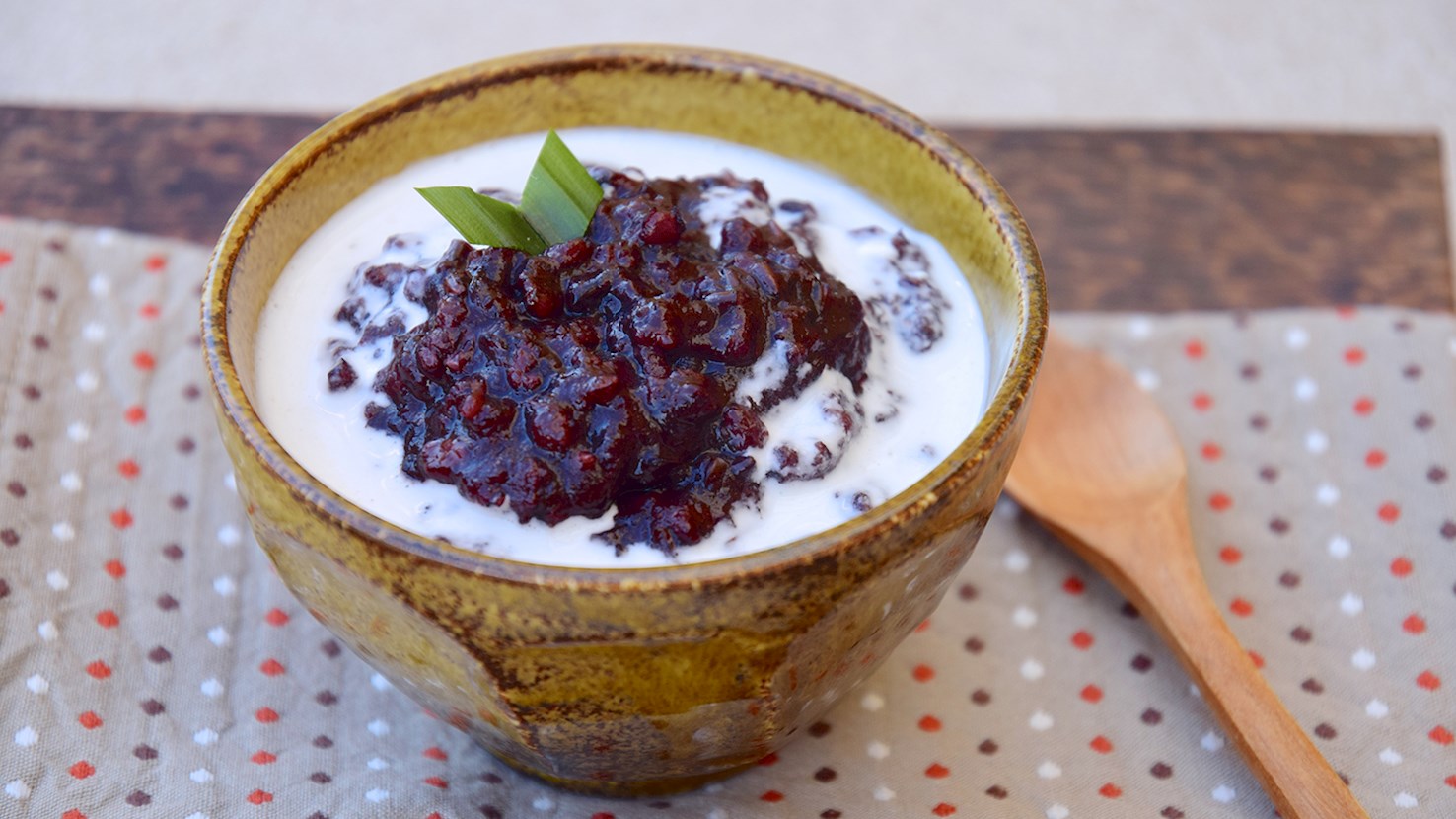
Bubur ketan hitam is an Indonesian dessert made from black glutinous rice that is slowly cooked into a thick, sweet porridge and typically served with coconut milk. It originates from Java but is enjoyed throughout Indonesia and across other parts of Southeast Asia with minor regional variations. The name translates directly to “black glutinous rice porridge,” where "bubur" means porridge, "ketan" refers to glutinous or sticky rice, and "hitam" means black. The dish is commonly eaten as a snack or dessert, particularly in the afternoon or during the fasting month of Ramadan as part of iftar meals. The main ingredient, black glutinous rice, is soaked for several hours or overnight to reduce cooking time and improve texture. It is then simmered in water until soft and slightly broken down, forming a thick consistency. During the final stages of cooking, palm sugar or granulated sugar is added to sweeten the porridge. The defining element is the topping of coconut milk, which is usually lightly salted to contrast with the sweetness of the rice. The balance of sweet and salty, along with the chewy texture of the rice and the creaminess of the coconut milk, creates a layered and satisfying flavor. Bubur ketan hitam is often served warm but can also be eaten at room temperature or chilled, depending on personal preference and climate. In some areas, it is combined with mung beans or bananas, or garnished with fried shallots or grated coconut, though these additions are optional and vary by region or household. The dish is widely available from street vendors, in food markets, and at home, where it is commonly prepared in large batches.
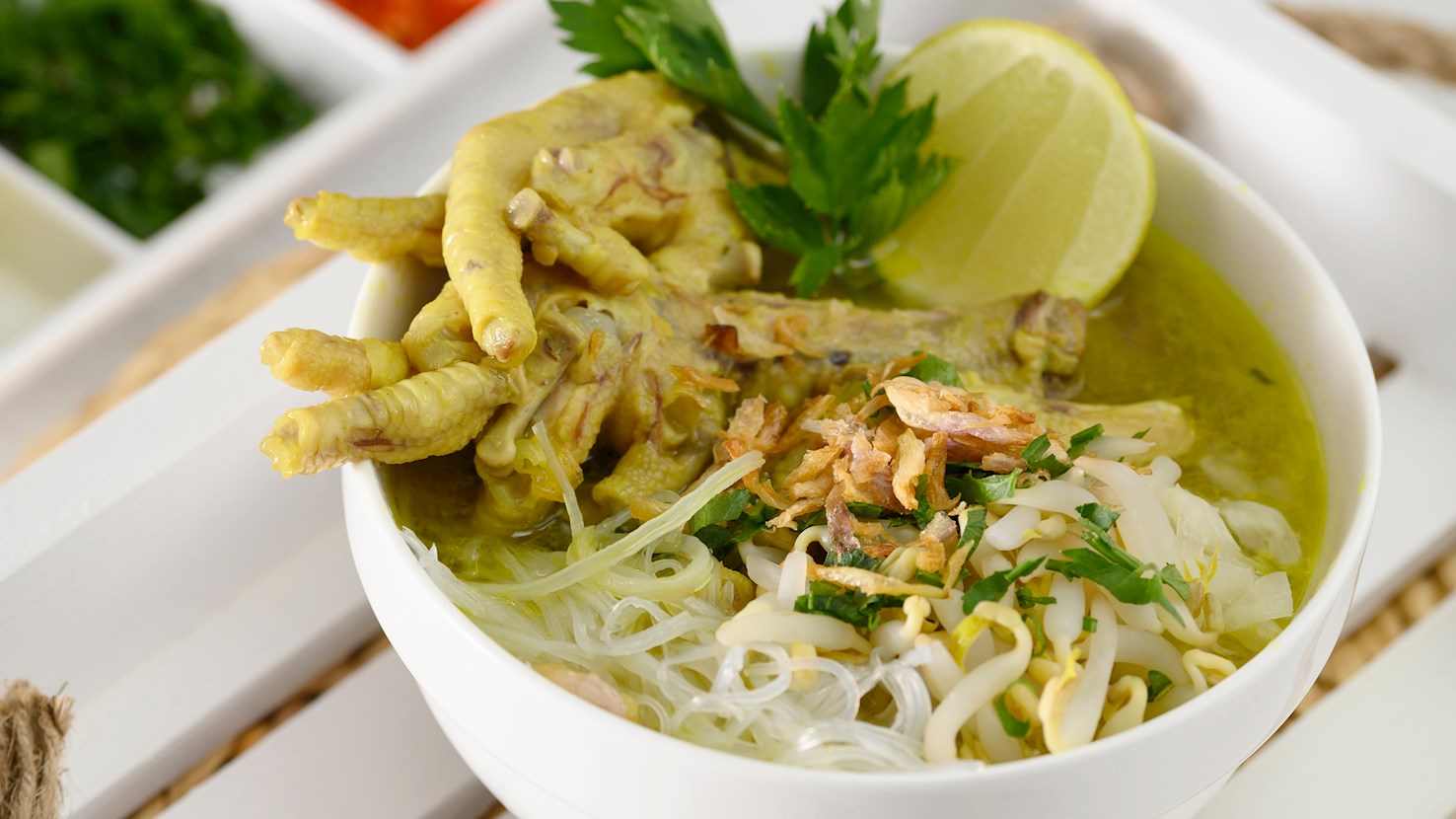
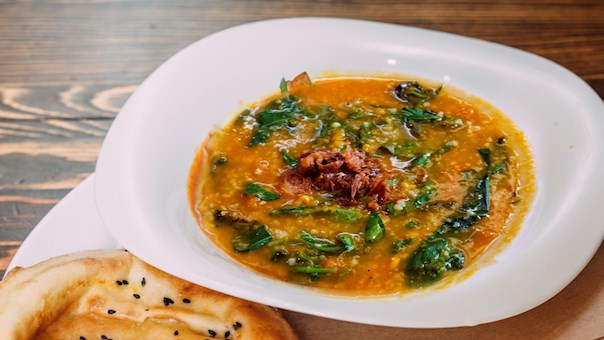
Soto ceker is an Indonesian chicken foot soup that originates primarily from Java, where soto in its various forms is a staple of daily meals. The word ceker means chicken feet in Indonesian, and this dish highlights an ingredient that is both affordable and appreciated for its unique texture. Soto refers to a broad category of Indonesian soups, typically made with clear or slightly yellow broth, infused with a blend of aromatic spices, and served with rice or rice cakes. In the case of soto ceker, the distinguishing feature is the use of chicken feet as the main protein, offering a gelatinous, tender consistency after long, slow simmering. The broth is made from a base of chicken bones and feet, which are simmered with a ground spice mixture containing garlic, shallots, turmeric, coriander, ginger, galangal, and lemongrass. This mixture is sautéed and added to the simmering pot to develop flavor and color. The turmeric gives the soup a characteristic yellow tint, while the lemongrass and galangal add freshness. The chicken feet are simmered until the connective tissue becomes soft but not disintegrated, allowing the feet to retain their shape while becoming easy to eat. The broth is usually light but rich in collagen from the slow-cooked bones and skin. Soto ceker is typically served hot with a side of steamed rice or lontong (rice cakes), and garnished with bean sprouts, fried shallots, scallions, and sometimes cabbage or glass noodles. A squeeze of lime juice and a small spoonful of sambal are common additions, allowing diners to adjust the flavor to their taste. The dish is known for its clean yet spiced broth, which complements the mild flavor and soft texture of the chicken feet. In Java, especially in cities like Jakarta and Yogyakarta, soto ceker is a common offering at street food stalls, night markets, and small eateries. It is often consumed as breakfast or late-night comfort food. While chicken feet may be viewed as an unconventional cut in some culinary cultures, in Indonesia they are valued for their texture and for being rich in gelatin, which gives the broth body and a slightly sticky mouthfeel.
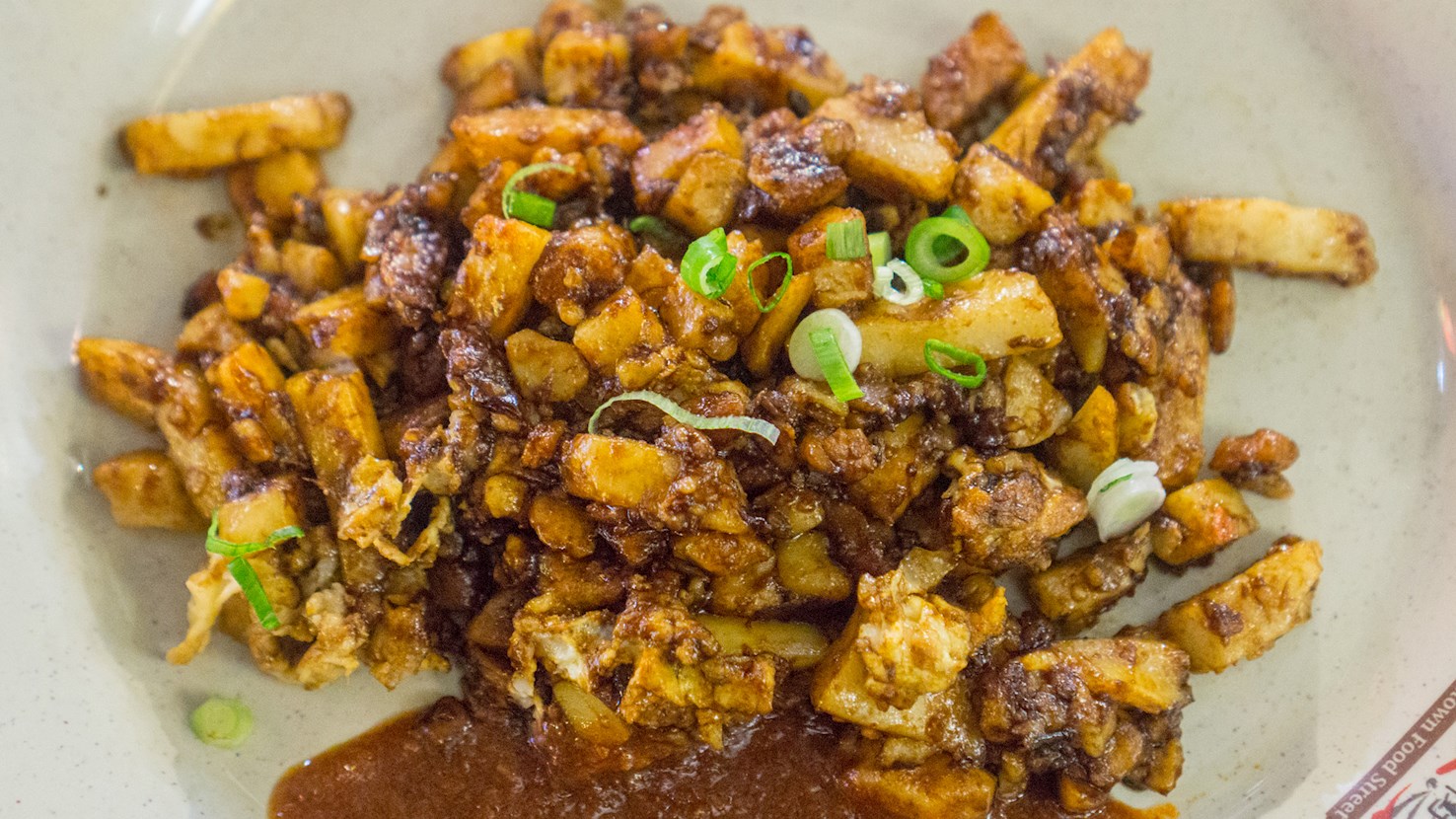
Chai tow kway is a savory dish originating in the Teochew Chinese community and widely popular in Singapore, Malaysia, Indonesia and southern Thailand, where it is often called carrot cake despite containing no carrot. The name comes from the Teochew words for radish and cake, referring to the main ingredient: steamed rice flour and white radish batter that is set into a firm cake. This cake is cut into cubes and then stir-fried with preserved radish, eggs, garlic, and seasonings. The preparation results in a dish that is both crisp and tender, with a balance of savory and lightly sweet flavors. The batter for chai tow kway begins with grated white radish, which is mixed with water and rice flour to form a thick slurry. This mixture is poured into a tray and steamed until it solidifies into a smooth, cohesive block. After cooling, the cake is diced into bite-sized pieces. In hawker stalls and home kitchens alike, the cubes are then fried in hot oil with chopped preserved radish for a salty undertone, garlic for aroma, and beaten eggs to bind everything together. Depending on preference, the dish can be prepared in a white style without sweet soy sauce, or in a black style where dark sweet soy sauce is added for a richer taste and caramelized edges. Chai tow kway is typically garnished with chopped scallions and sometimes a sprinkle of white pepper. It is eaten hot, often as a breakfast or supper dish, and is a staple offering at many hawker centers. Vendors usually prepare it fresh to order, letting customers choose how much egg or chili to include. The dish is commonly enjoyed with pickled chilies on the side, adding a sour and spicy contrast.
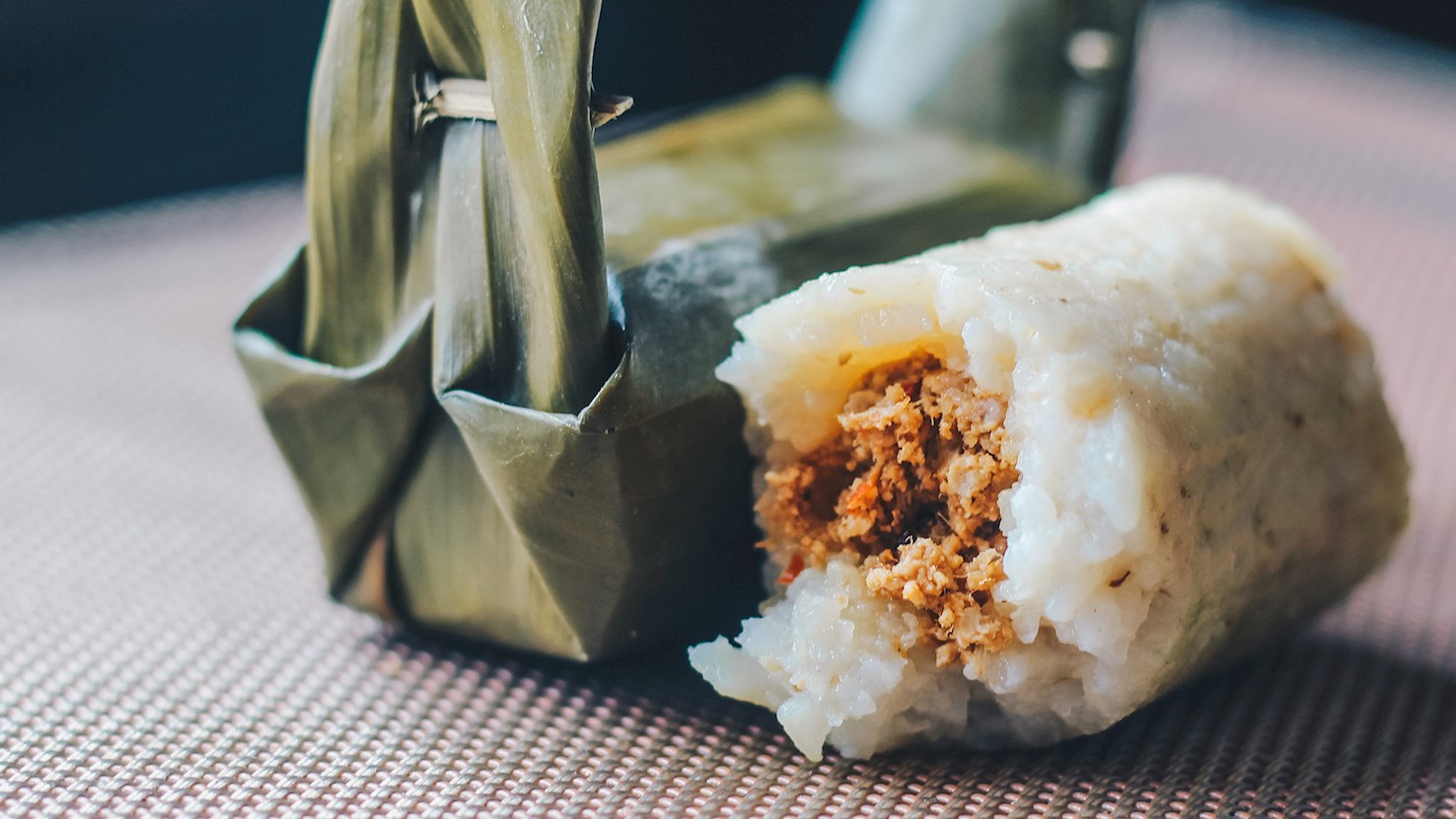
Arem-arem is a rice cake snack from Java, Indonesia, made by wrapping compressed cooked rice and a savory filling in banana leaves, then steaming or lightly grilling the package until firm and aromatic. It is widely consumed across Central and East Java, particularly as a portable breakfast item, street snack, or offering during communal gatherings. Arem-arem is related in form and preparation to lontong and lemper, but is distinct in both texture and filling, often featuring a softer rice layer and a wide variety of fillings, such as spiced vegetables, tempeh, or minced meat. The preparation begins by cooking rice in coconut milk with a small amount of salt until partially absorbed and sticky. A small amount of this rice is then spread onto a piece of softened banana leaf. A spoonful of filling—commonly stir-fried diced tempeh, shredded chicken, ground beef, or sautéed vegetables with chili and spices—is placed in the center, and the rice is rolled tightly around it. The banana leaf is folded to secure the contents, and the wrapped roll is steamed until the rice is fully set and infused with the aroma of the leaf. Arem-arem is often associated with home kitchens, local markets, and small warung stalls, where it is sold alongside fried snacks and sweet cakes. Unlike lemper, which uses sticky glutinous rice, arem-arem is made with regular rice, giving it a less chewy and more tender texture. Its mild coconut flavor and aromatic banana leaf wrapping contribute to its popularity as a savory snack. While simple in appearance, the process of assembling and cooking arem-arem requires precision in rice texture and wrapping technique to ensure the rolls hold together and cook evenly. Its compact shape and wrapping make it convenient for take-away consumption, and it is frequently included in nasi berkat (communal food packages) or served at social events and religious ceremonies. The fillings vary by region and household, ranging from mild to spicy, and from purely plant-based to meat-filled version.
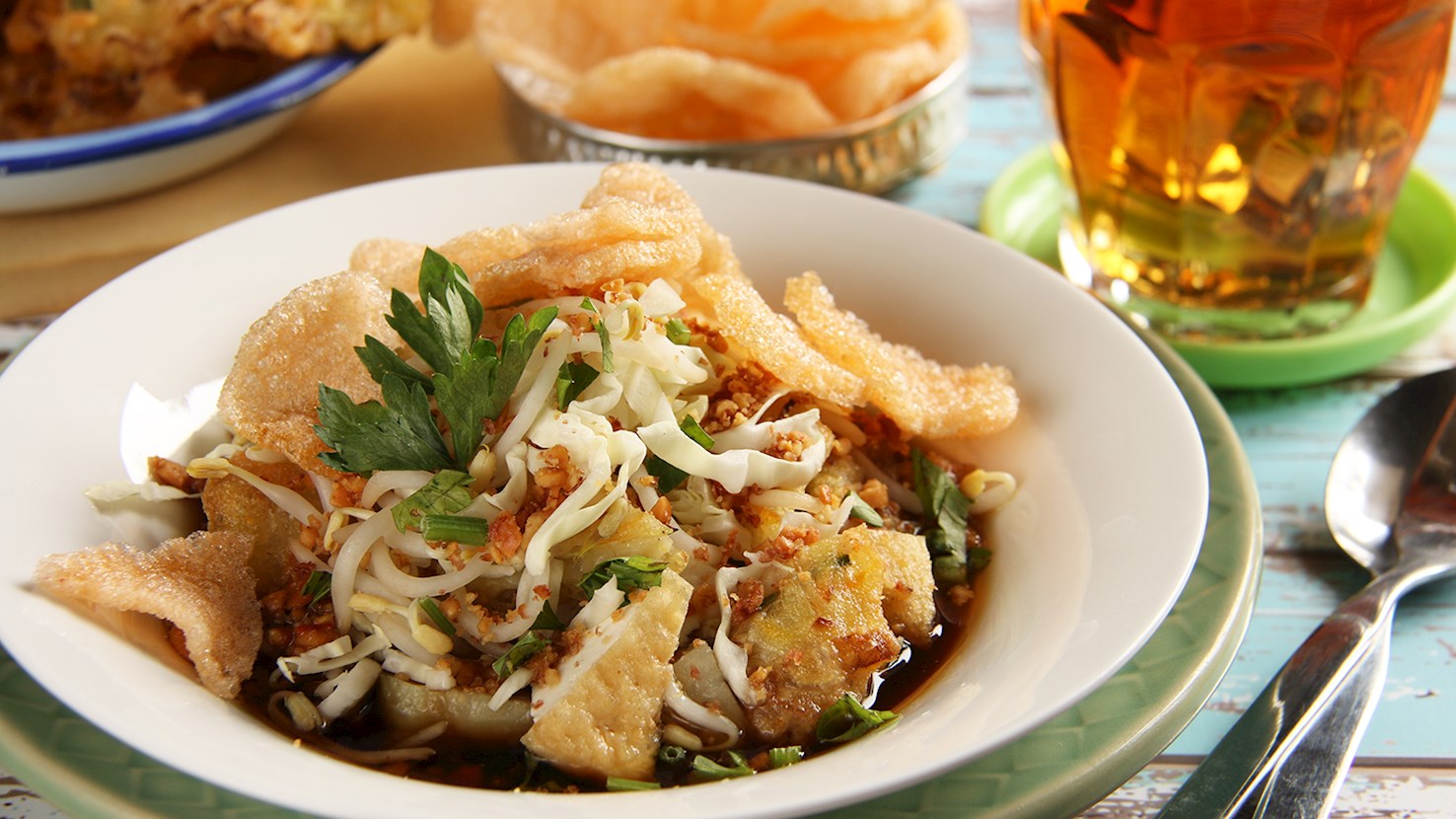
Kupat tahu is an Indonesian dish composed of compressed rice cakes (kupat) and fried tofu (tahu), typically served with peanut sauce and a variety of fresh and savory toppings. It originates from Central Java and West Java, with notable regional versions in cities like Magelang, Singaparna, and Bandung, each offering subtle differences in preparation and flavor. The dish showcases the balance of textures and tastes that characterize Javanese and Sundanese cuisines: soft, chewy rice cakes, crisp tofu, and a rich, slightly sweet peanut sauce made with garlic, chili, palm sugar, and sometimes a touch of tamarind or sweet soy sauce. It is often garnished with bean sprouts, fried shallots, and krupuk, offering contrast in both texture and temperature. Kupat tahu is commonly sold at street stalls and small eateries, especially in the morning or around lunchtime, and is known for being filling, affordable, and comforting. Its variations reflect local preferences: some versions are more garlicky or spicy, others emphasize sweetness or the inclusion of additional vegetables. While modest in appearance, kupat tahu is celebrated for its satisfying combination of plant-based ingredients and its ability to showcase the depth of flavor achieved through minimal but carefully balanced components. It remains a popular everyday food across Java, often prepared at home or enjoyed at warung-style establishments.
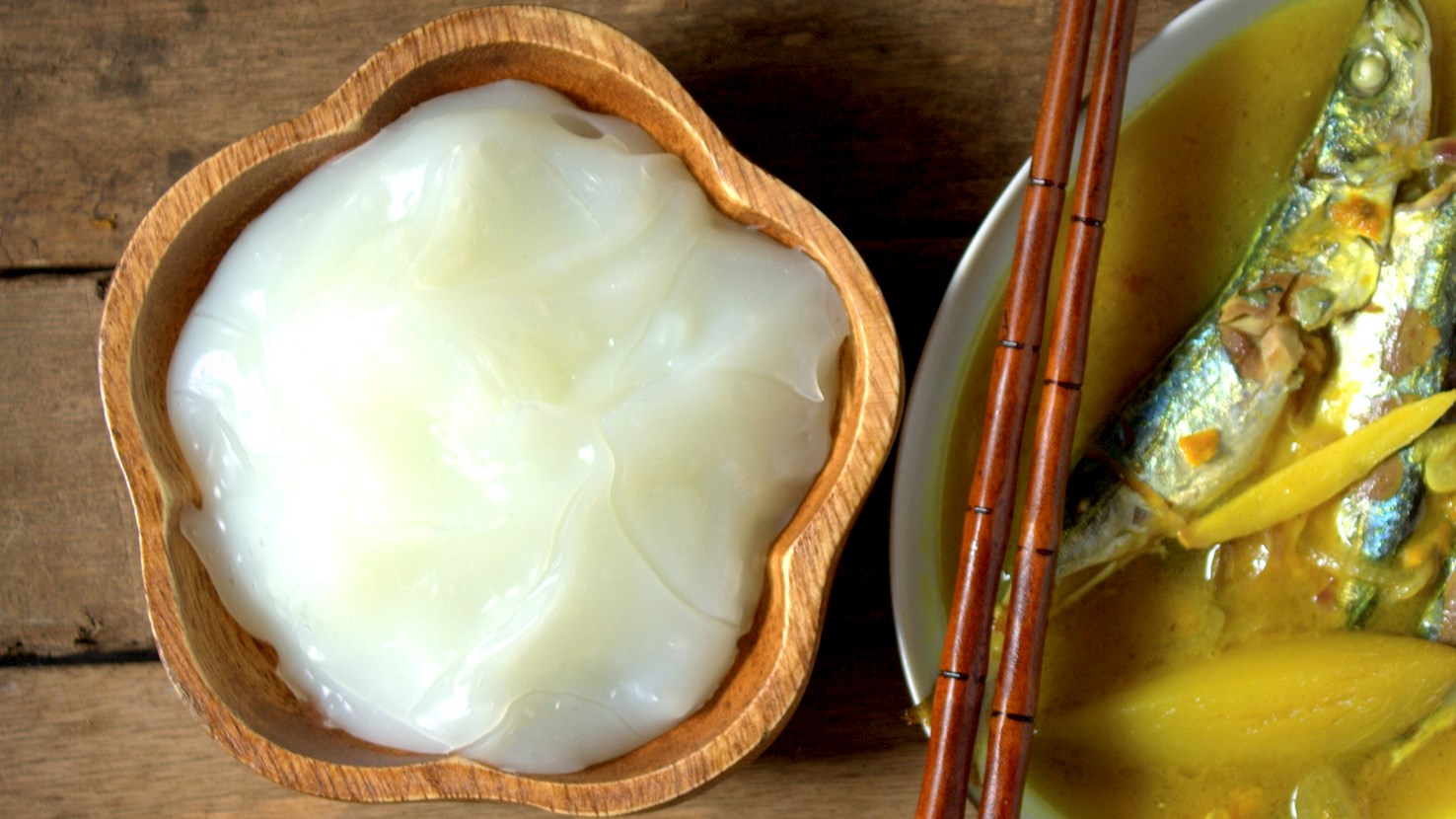
Papeda is a staple sago-based porridge from eastern Indonesia, particularly prominent in Papua and Maluku, known for its smooth, glue-like texture and neutral taste. Made by stirring sago starch with hot water until it thickens into a translucent, sticky porridge, papeda is typically served as a carbohydrate component in meals, much like rice in other parts of the country. It is almost always paired with rich and flavorful side dishes such as yellow spiced fish soup made with turmeric, or sautéed vegetables, which provide the necessary contrast and seasoning to balance its bland base. Eaten communally, papeda is scooped using chopsticks or a fork and twirled until it forms a manageable portion, then dipped or swirled into accompanying dishes. The dish reflects the agricultural and cultural realities of eastern Indonesia, where rice is less prevalent and sago palms provide a sustainable and locally sourced starch. Extracted from the pith of the sago palm trunk, the starch is dried and stored, then reconstituted with boiling water for daily use. The preparation and sharing of papeda is a deeply ingrained practice in local communities, often associated with family gatherings, ceremonies, and daily meals.
TasteAtlas food rankings are based on the ratings of the TasteAtlas audience, with a series of mechanisms that recognize real users and that ignore bot,
nationalist or local patriotic ratings, and give additional value to the ratings of users that the system recognizes as knowledgeable.
For the “Top 12 Indonesian Breakfasts” list until May 15, 2026, 756 ratings were recorded, of which 534 were recognized by the system as legitimate.
TasteAtlas Rankings should not be seen as the final global conclusion about food. Their purpose is to promote excellent local foods,
instill pride in traditional dishes, and arouse curiosity about dishes you haven’t tried.