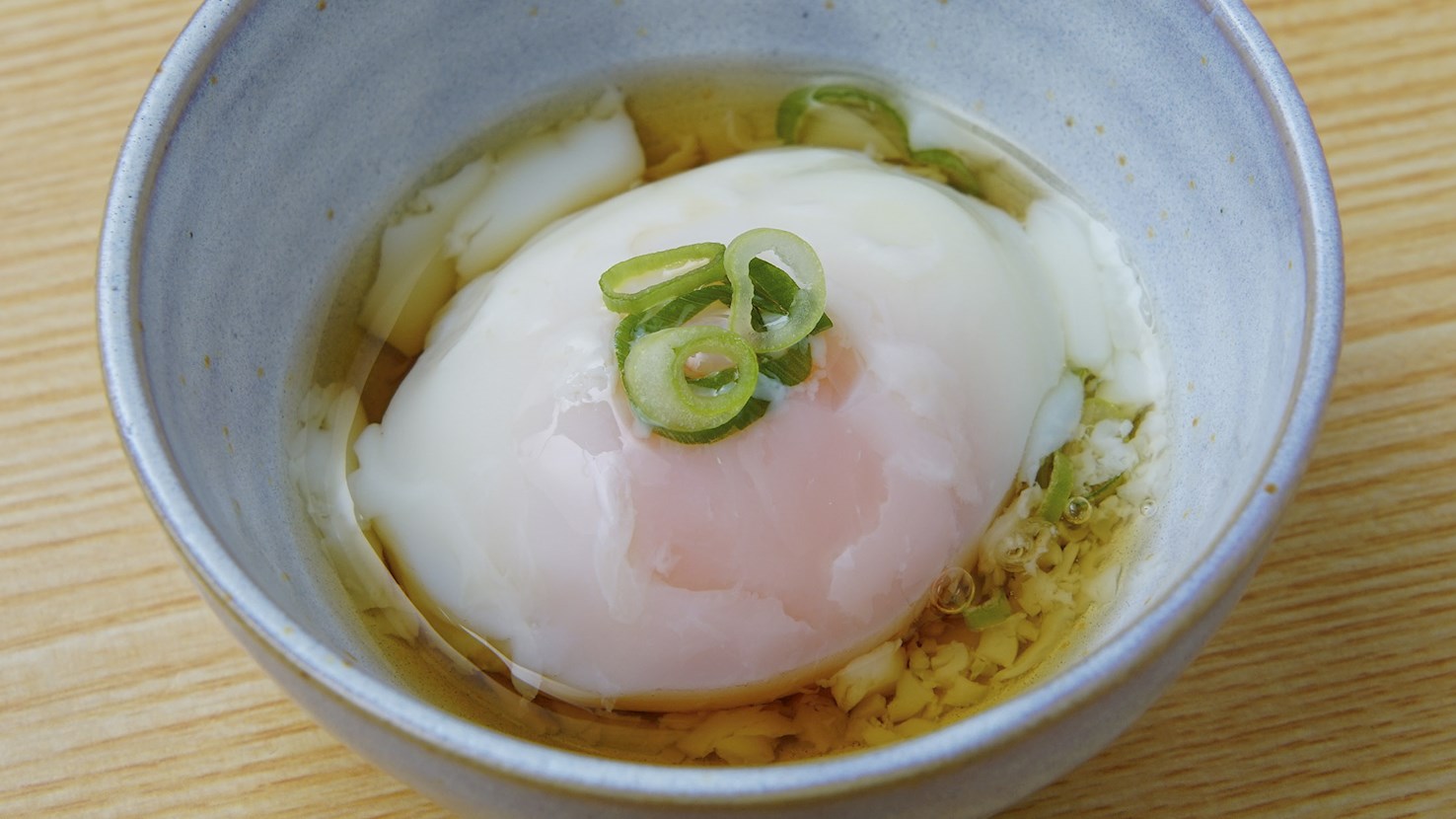
Onsen tamago is a traditional delicacy made by slow-cooking eggs in baskets that are submerged in onsen hot springs. The eggs are cooked in their shells so that the yolk becomes soft-set and the egg white develops a loose consistency. It is believed that the secret is in the hot springs' temperature, which causes the egg to be creamy and flavorful on the interior. Traditionally, onsen tamago is consumed by placing the egg in an indentation in steamed rice and drizzling some soy sauce or broth around it, preferably with some grated daikon on the side. It is recommended to garnish the dish with finely chopped spring onions on top.
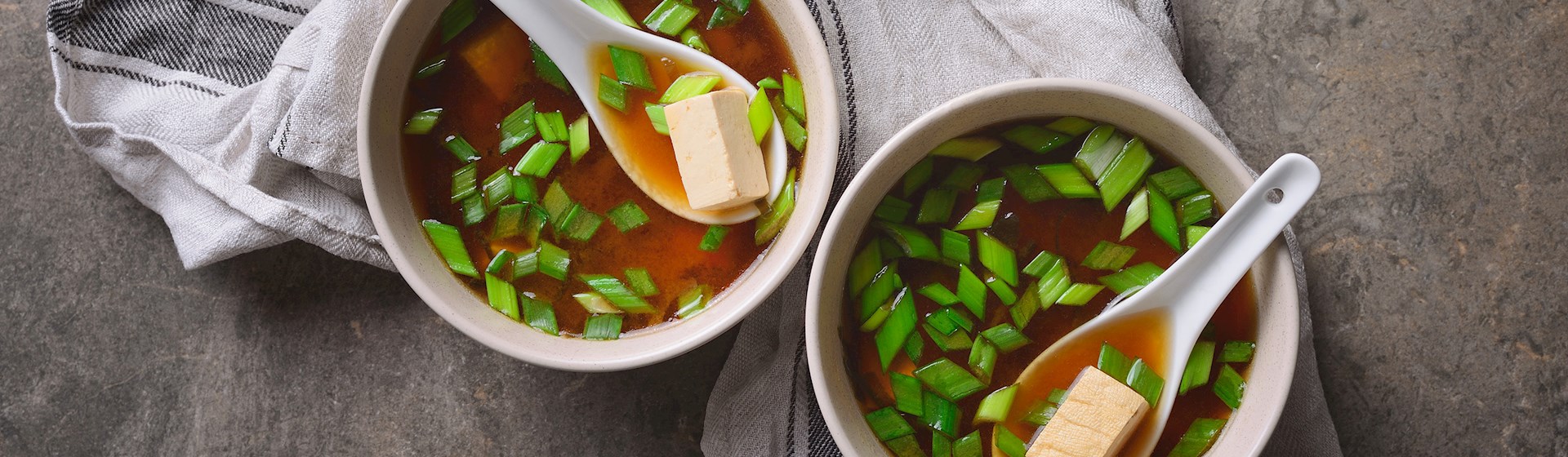
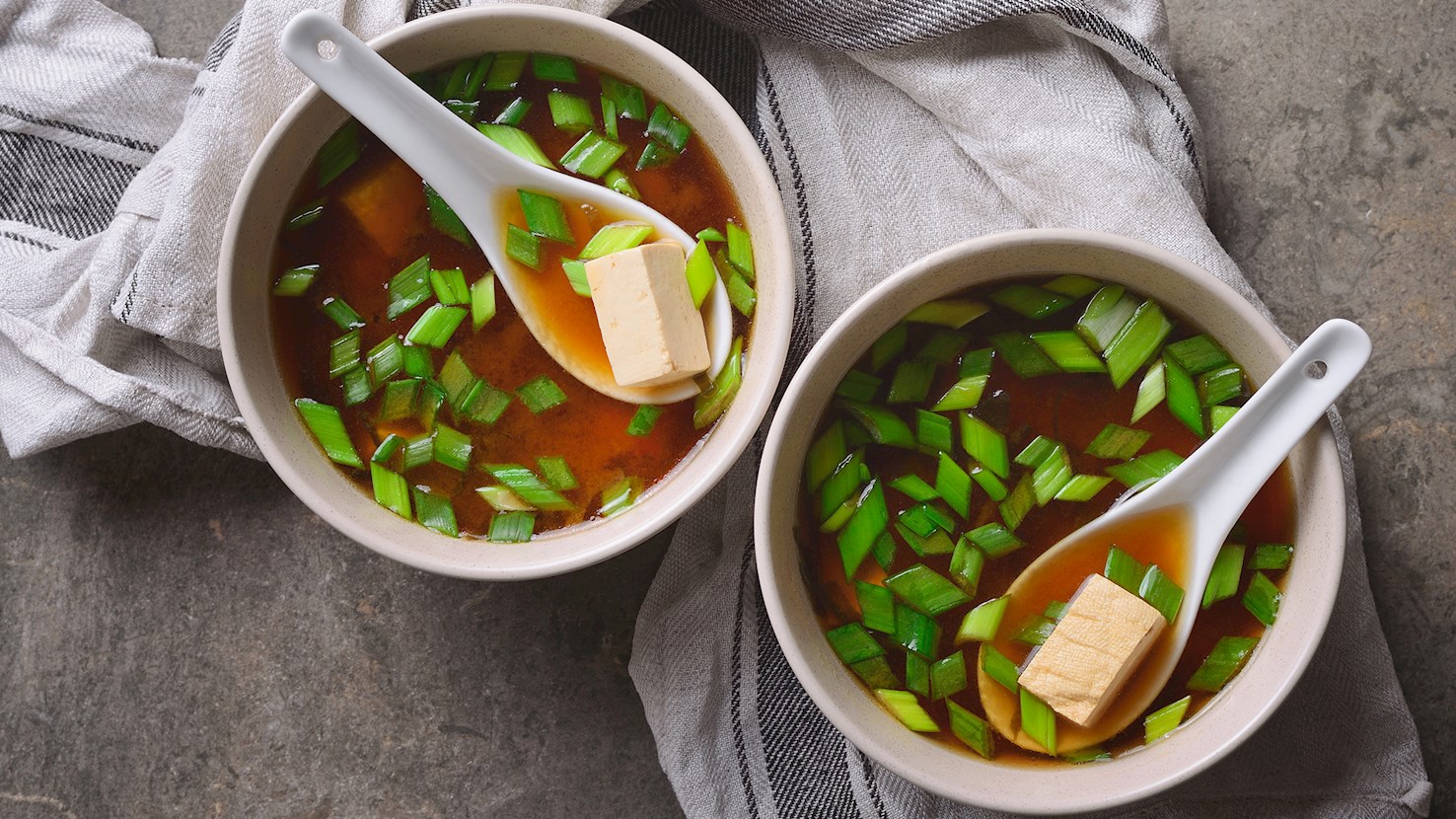
Miso soup is a traditional soy-based soup made from a stock called dashi, miso paste, and various additional ingredients such as seaweed or tofu. It is estimated that more than 70% of Japeanese people consume the soup for breakfast, although it is commonly available at any time of the day. In Japanese restaurants in the United States, miso soup is often offered as an appetizer. The soup is thought to have medicinal properties, as it alkalizes the blood and revives the nervous system. The main ingredient is called miso - a combination of rice, salt, water, and fermented soybeans, shaped into a paste that is similar to peanut butter in texture. Miso is centuries old, and its roots are in chiang - a fermented soybean paste invented in China by Buddhist priests more than 2500 years ago. Since miso soup is relatively quick and easy to prepare, in Japan, there are even instant cups of the soup available in vending machines for a small amount of money, acting as a testament to the soup's enormous popularity.
Tamagoyaki is a sweet and savory rolled omelet made by folding over successive thin layers of beaten egg in a rectangular pan. The omelet is made of eggs, whisked vigorously with dashi broth, soy sauce, mirin, and sugar, creating a distinct balance of umami and sweetness. Crafting the rolled shape requires a specific rectangular copper or non-stick pan called a makiyakinabe. A thin layer of the liquid is poured into the hot, oiled metal, allowed to set briefly, and then rolled tightly from one end to the other. The resulting roll is pushed to the back of the pan, more oil is applied, and another thin layer of egg is poured in, ensuring the liquid flows beneath the first roll. As this new layer solidifies, the existing roll is rolled back over it, wrapping the new layer around the outside. This cycle repeats until the mixture is completely spent, resulting in a dense, rectangular block with a visible spiral cross-section. The flavor changes based on regional preferences. The Kantō version heavily features sugar and soy sauce for a darker, sweeter finish, while the Kansai iteration relies primarily on extra dashi broth for a lighter, softer, and more savory result known as dashimaki tamago. Other variations introduce fillings such as spicy cod roe, chopped scallions, roasted eel, or seaweed, incorporated directly into the liquid before it hits the heat. The name of the dish can be literally translated as "eggs cooked over dry heat." The widespread consumption of this item dates back to the late 19th century, gaining massive popularity in the 1950s when the government actively encouraged chicken farming and eggs became affordable for everyday households. Served cold or warm, it appears frequently in lunch boxes due to its sturdy texture, acts as a standard topping fastened with a strip of nori over vinegared rice at sushi restaurants, or arrives simply sliced on a small plate alongside grated daikon radish and a splash of soy sauce for a light breakfast.
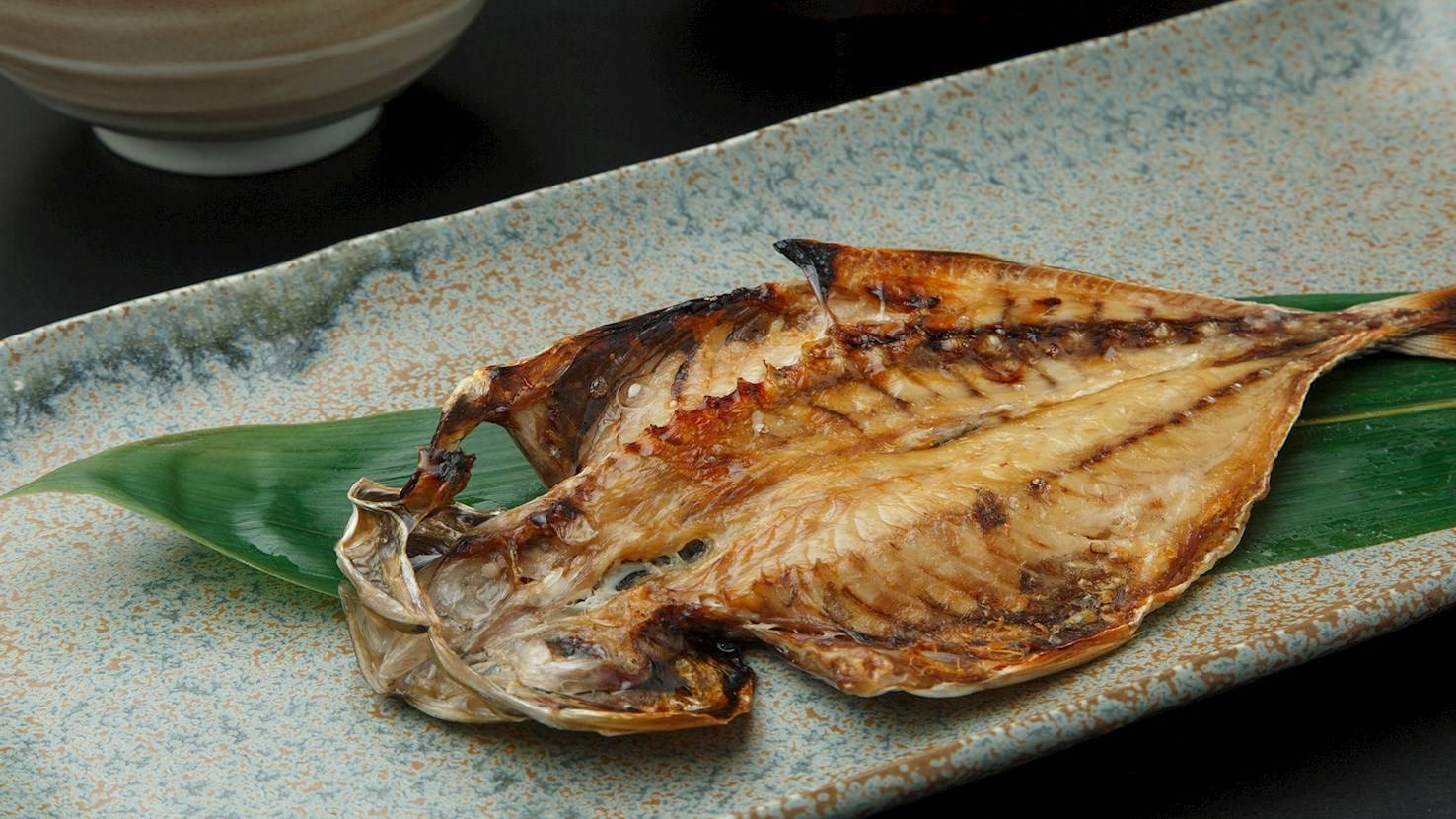
The Japanese term himono encompasses various types of dried fish products. It is usually prepared with smaller fish varieties such as mackerel or sardines, which are typically butterflied, cleaned, occasionally marinated, and then sun-dried or refrigerated. The technique grew out as a preservation method that enabled longer shelf life. In the past, salt was mainly used as a preservative, but modern day varieties mostly use it as a seasoning. When dried, the fish can be stored or eaten immediately, when it is usually grilled and brushed with a flavorful soy-based sauce. Himono is typically served for breakfast and lunch or as a late night snack at popular izakaya eateries. It is usually paired with rice and soy sauce.
As the name states, yakisoba pan is an unusual Japanese combination of stir-fried yakisoba noodles and plain bread rolls. The noodles are first blended with various vegetables and doused in a thick sauce, and the combination is then stuffed inside the roll. The concoction is finished with mayonnaise, pickled ginger, and strips of dry seaweed. Yakisoba pan is available in many grocery stores and supermarkets throughout Japan and is usually enjoyed as a nutritious snack or a quick breakfast.
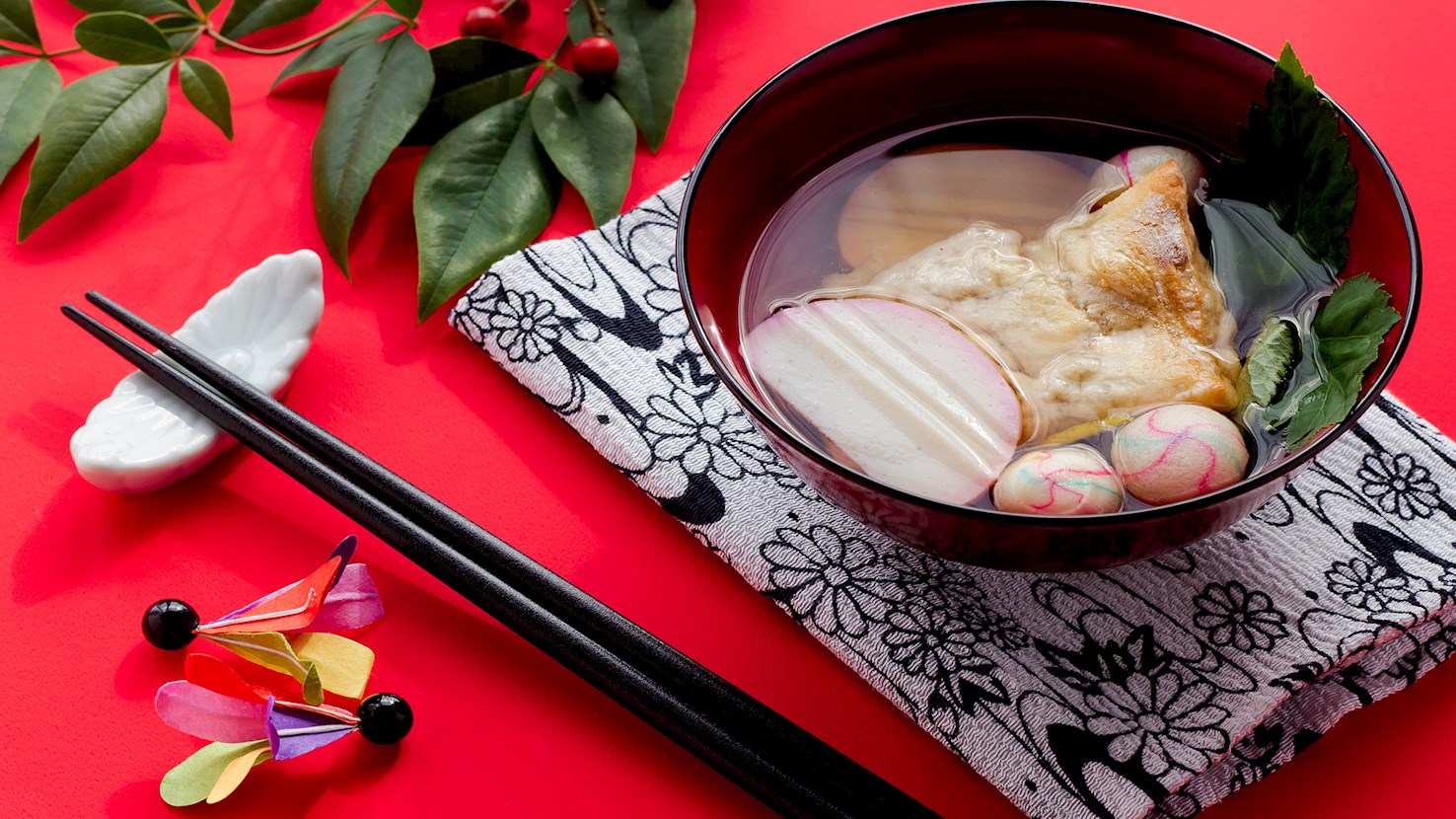
Zōni is a versatile Japanese dish which consists of mochi rice cakes served in a flavorful broth, complemented with various toppings. In the Kanto region, zōni is usually prepared with the clear dashi stock seasoned with fish flakes, while the Kansai-style usually employs an opaque broth seasoned with white miso. The choice of toppings and the shape of the chewy mochi cakes are also regionally specific and might include chicken, fish cakes, daikon, and (in some coastal regions) even various seafood ingredients. It is believed that zōni initially appeared as a nutritious dish in the traditional samurai cuisine and was later incorporated in the Japanese New Year’s tradition. Nowadays, it is usually enjoyed as a warm and hearty New Year’s breakfast.
TasteAtlas food rankings are based on the ratings of the TasteAtlas audience, with a series of mechanisms that recognize real users and that ignore bot,
nationalist or local patriotic ratings, and give additional value to the ratings of users that the system recognizes as knowledgeable.
For the “Top 6 Japanese Breakfasts” list until October 15, 2026, 1,089 ratings were recorded, of which 982 were recognized by the system as legitimate.
TasteAtlas Rankings should not be seen as the final global conclusion about food. Their purpose is to promote excellent local foods,
instill pride in traditional dishes, and arouse curiosity about dishes you haven’t tried.





What People Say