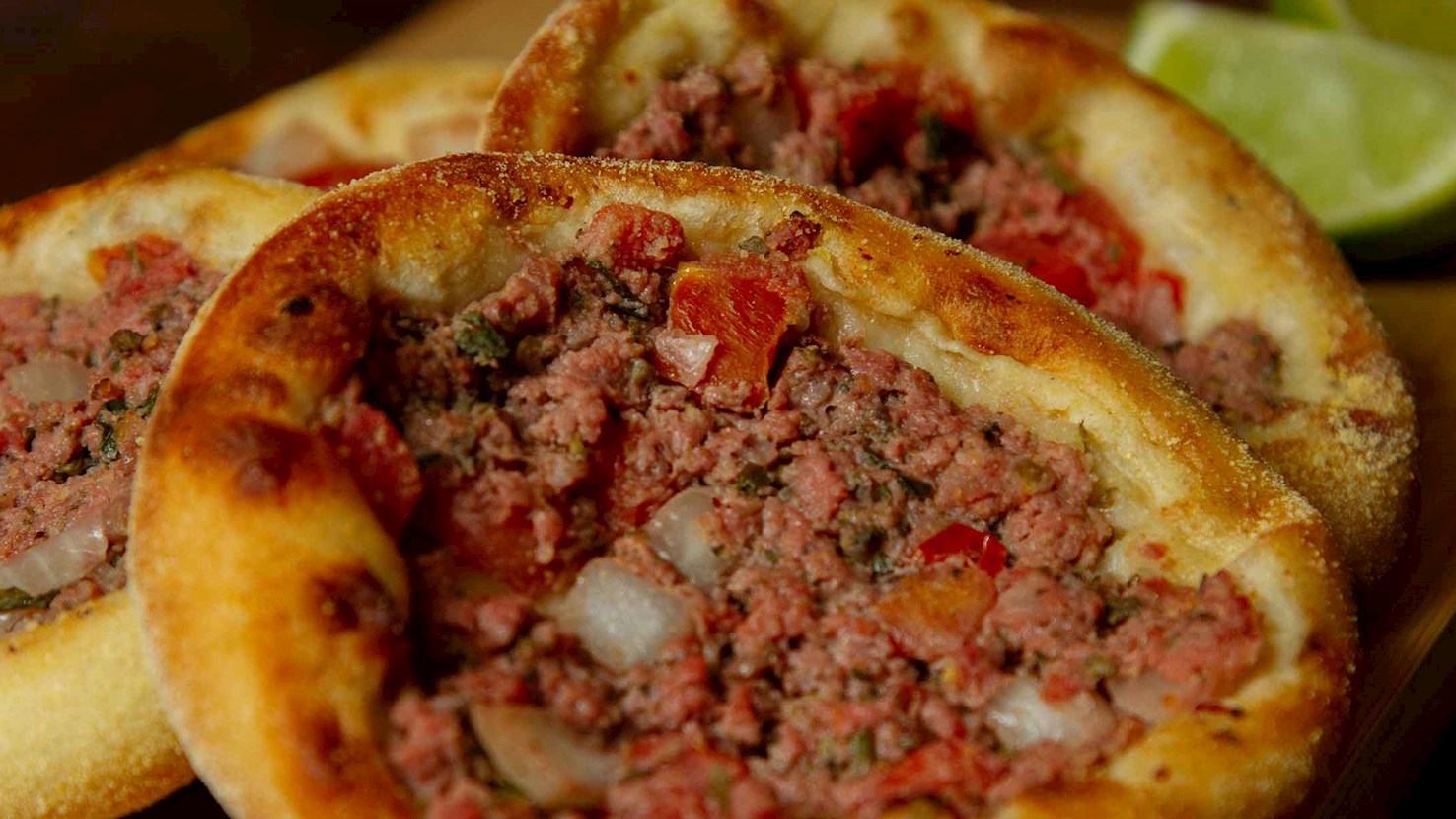
Sfiha, or lahm bil ajĩn (lit. meat on dough) is an Arabic specialty that dates back to the 15th century, when it first appeared in today's Eastern Lebanon. The traditional open-faced meat pie is popular throughout the Arab region, its main ingredients usually including minced lamb (or lamb), chopped onions and tomatoes, spices, olive oil, and yogurt. Originally, the dish was prepared by stuffing ground lamb and spices in brined grape leaves, but it evolved over time. Sfiha is also popular in Brazil and Argentina, where it was brought over by Levantine immigrants. It is usually consumed hot as a snack, accompanied by tahini sauce or a bowl of yogurt, while pomegranate seeds, coriander, or chopped cucumbers are often used as garnishes. In Turkey, sfiha is known as pide.
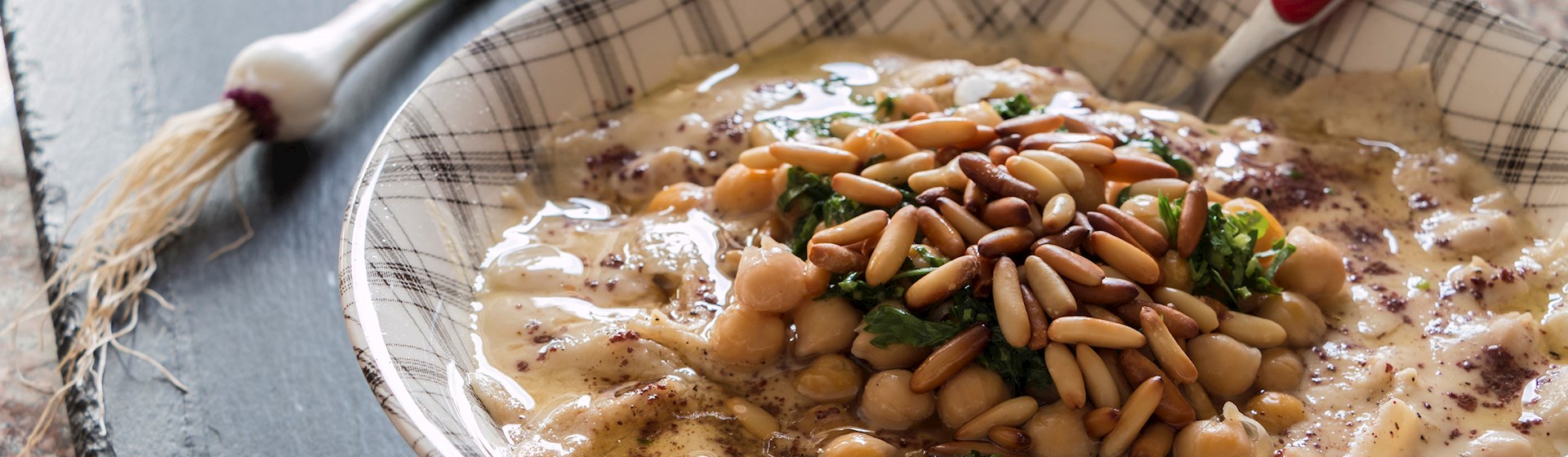
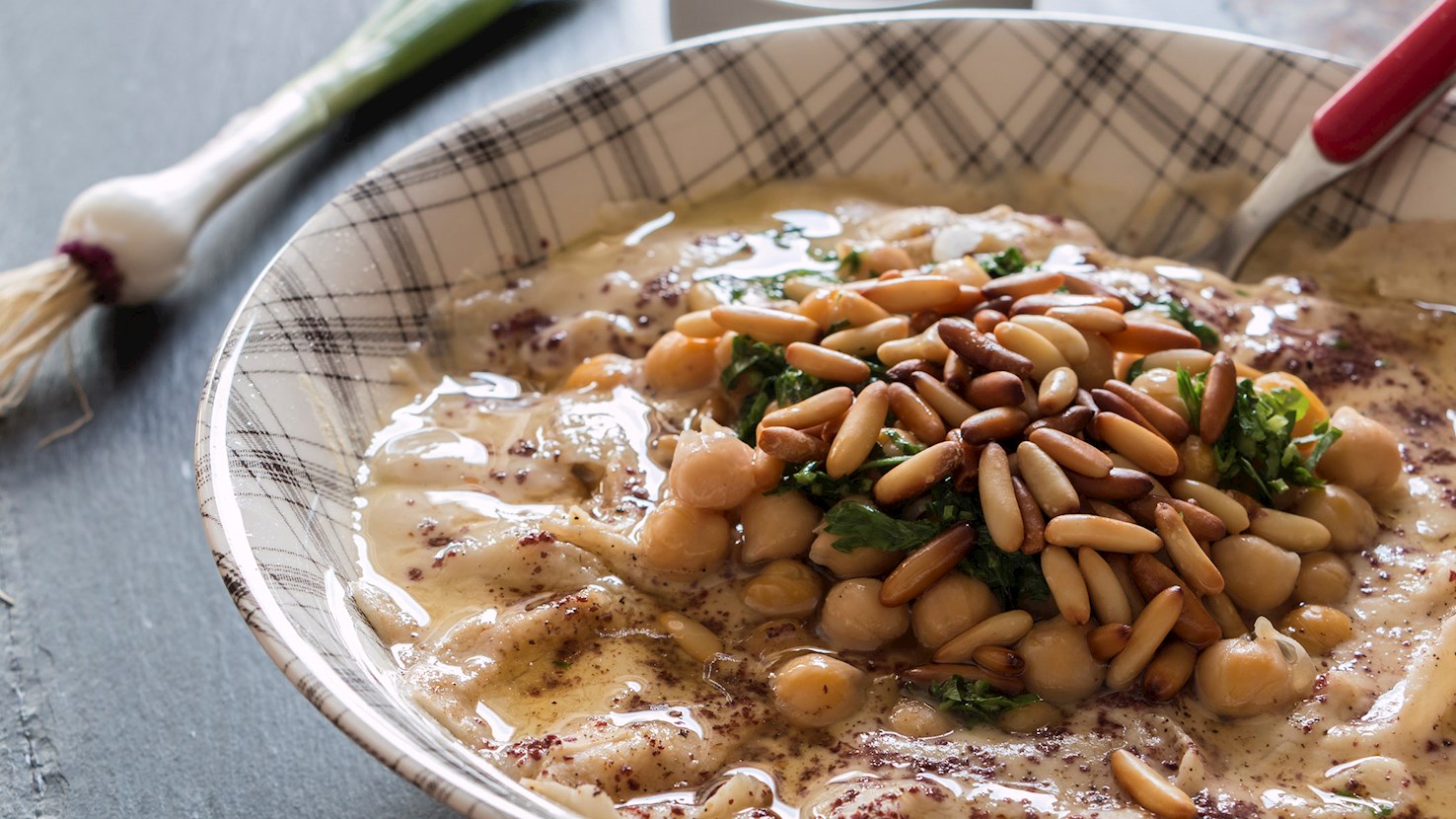
Fatteh is a Levantine specialty made by combining pieces of fresh, toasted, or stale flatbread with numerous other ingredients. The name of the dish means to tear into small pieces, referring to the process of tearing the flatbread. Fatteh is usually consumed for breakfast or in the evening as the main dish. There are two main varieties of fatteh - Levantine and Egyptian. The Levantine version is traditionally topped with yogurt, chickpeas, olive oil, and cumin. After the main toppings, Levantine fatteh can additionally be topped with chicken, lamb, or pine nuts. The Egyptian version is usually prepared for feasts and is topped with rice, tomato sauce, garlic, and vinegar. Fatteh does not need to look neat, and is very easy to prepare, so even the most careless cook can turn the dish into a masterpiece, which might be the key to its popularity.
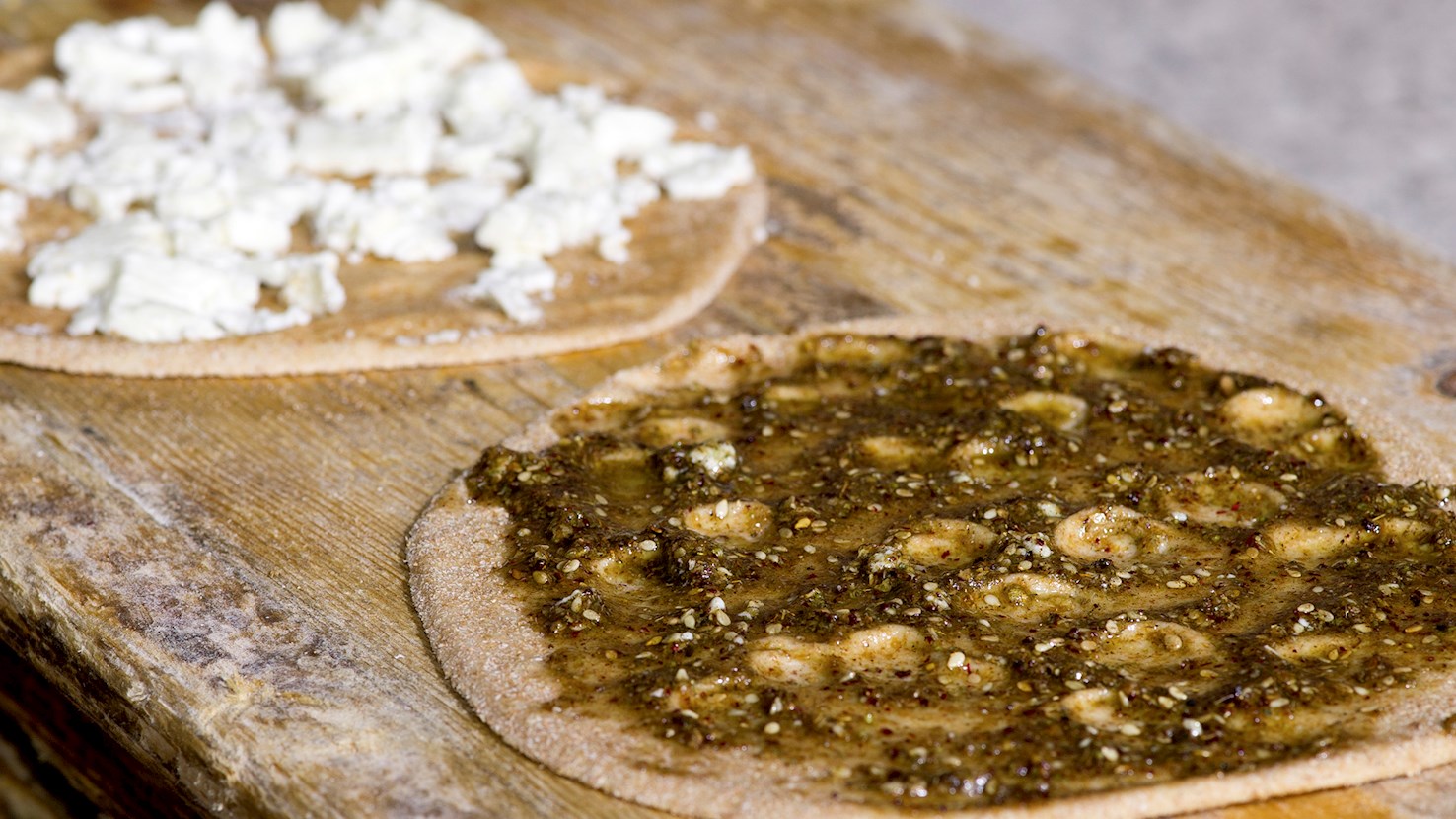
Manakish is a favorite Lebanese breakfast - a round, flat bread that is typically topped with olive oil and zaatar (sesame seeds, thyme, and sumac), then baked in the oven. Other toppings might include cheese, minced lamb, spinach, or fried eggplants. The name of the dish means decorated or stamped, referring to a technique where the dough is pressed using the tips of one's fingers, leaving a decorative pattern in the process. Although it is sometimes affectionately called Lebanese pizza, it is a recent addition to the Lebanese culinary heritage, but it quickly became one of the most popular dishes due to its flavors, low price, and the ease of preparation. Manakish is often associated with being food for the poor, but it is enjoyed by all classes of society. It is recommended to pair it with tomatoes, cucumbers, yogurt cheese, or a cup of hot tea.
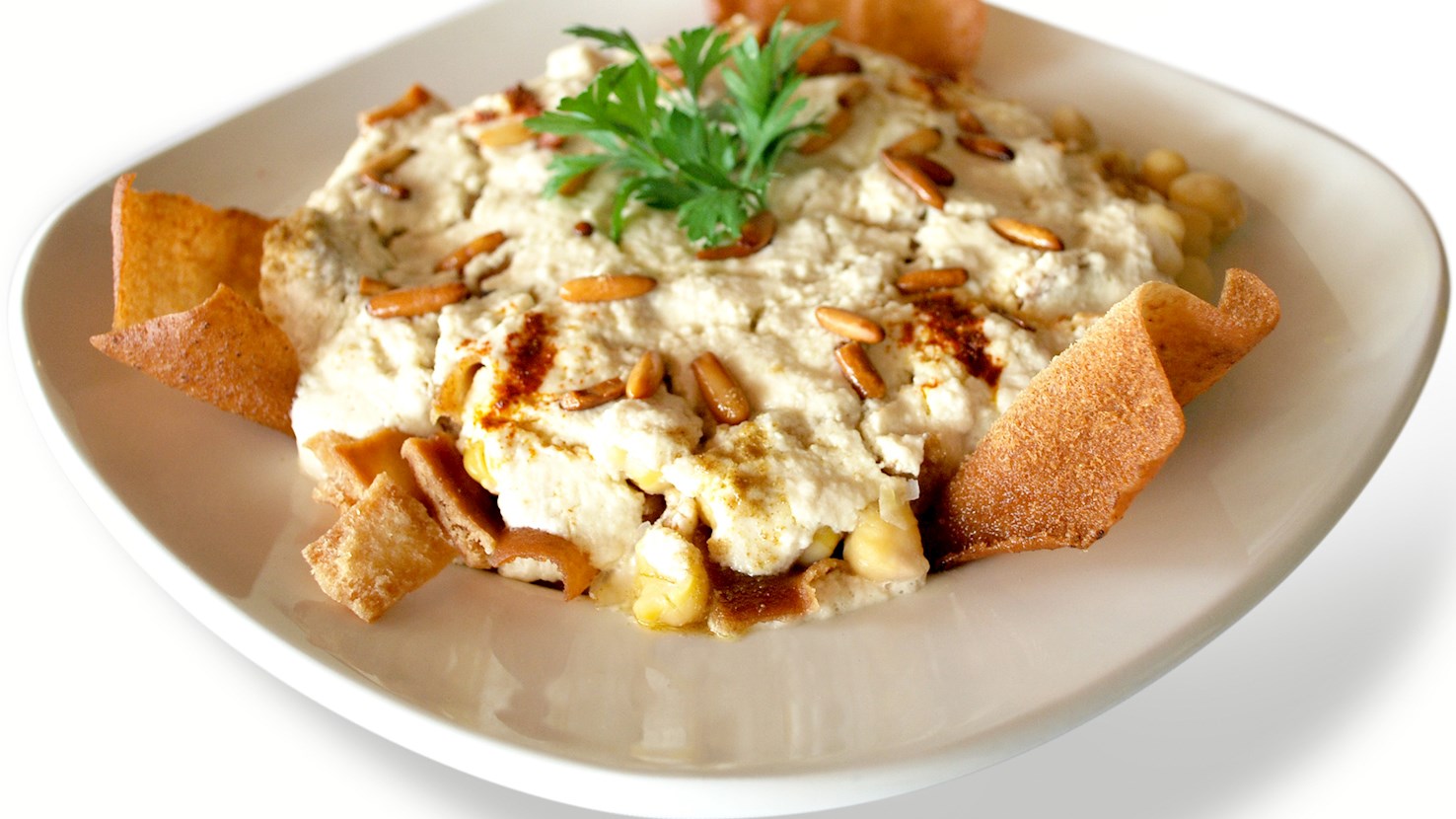
Fattet hummus is a layered dish built from chickpeas, yogurt, tahini, garlic, toasted bread, and clarified butter, prepared widely in the Levant and eastern Mediterranean, particularly in Lebanon, Syria, Palestine, and Jordan, where it is eaten as a substantial breakfast or early-day meal rather than as a side dish. Its development is linked to urban household cooking that combined cooked legumes, fermented dairy, and leftover flatbread into warm assembled dishes, a practice common in cities where bakeries supplied daily bread and chickpeas were a dependable pantry staple, leading to a format in which components were prepared separately and assembled at serving time to preserve texture and temperature contrast. Preparation begins with dried chickpeas soaked and cooked until tender, while pieces of flatbread are fried or toasted until crisp, yogurt is mixed with tahini, crushed garlic, and salt, and clarified butter is melted, often with pine nuts briefly cooked in it until lightly colored, after which the dish is assembled by placing bread at the base, topping it with hot chickpeas, covering this with the yogurt mixture, and finishing with the hot butter poured over the surface so it partially penetrates the layers. Serving is immediate, while the dish is still warm, and it is not stirred before reaching the table, as the intended structure relies on gradual mixing by the diner rather than full integration in the kitchen. It is eaten with a spoon from a deep bowl, commonly at home and in casual restaurants, most often in the morning or at midday, accompanied by fresh vegetables such as radishes or cucumbers, olives, or pickles, and paired with water, unsweetened tea, or light Arabic coffee, which balances the richness of the yogurt and butter without overpowering the dish.
Bayd b'awarma is a formidable, intensely savory Lebanese breakfast staple composed of farm-fresh eggs fried in a skillet with spiced lamb confit awarma. Functioning as the undisputed centerpiece of a traditional weekend mountain spread, this dish relies entirely on the volatile interaction between the hot pan and the rich, preserved meat. Rather than using standard cooking oils or butter, cooks chisel a heavy spoonful of solid, opaque awarma from its earthenware curing jar and drop it into a blistering hot copper or cast-iron skillet. As the dense sheep's fat instantly melts and foams, it releases the trapped, aromatic oils of ground cinnamon, allspice, and black pepper, reawakening the finely diced morsels of cured lamb. The eggs are then cracked straight into this aggressive, heavy heat. The culinary technique here requires precision: the egg whites must violently blister, lace, and crisp at their jagged edges while absorbing the gamey saltiness of the meat, yet the yolks must remain perfectly soft and molten. There is no delicate plating involved—the dish is rushed to the table still spitting and sizzling in its original pan. Eaten communally without forks, it demands to be scooped up immediately with tearing-hot, paper-thin shards of Lebanese mountain bread. Because the profile is so unapologetically rich and heavy, the skillet is strictly accompanied by fresh mint sprigs, crisp raw white onions, sliced tomatoes, and briny green olives, deliberately designed to repeatedly slice through the weight of the rendered fat.
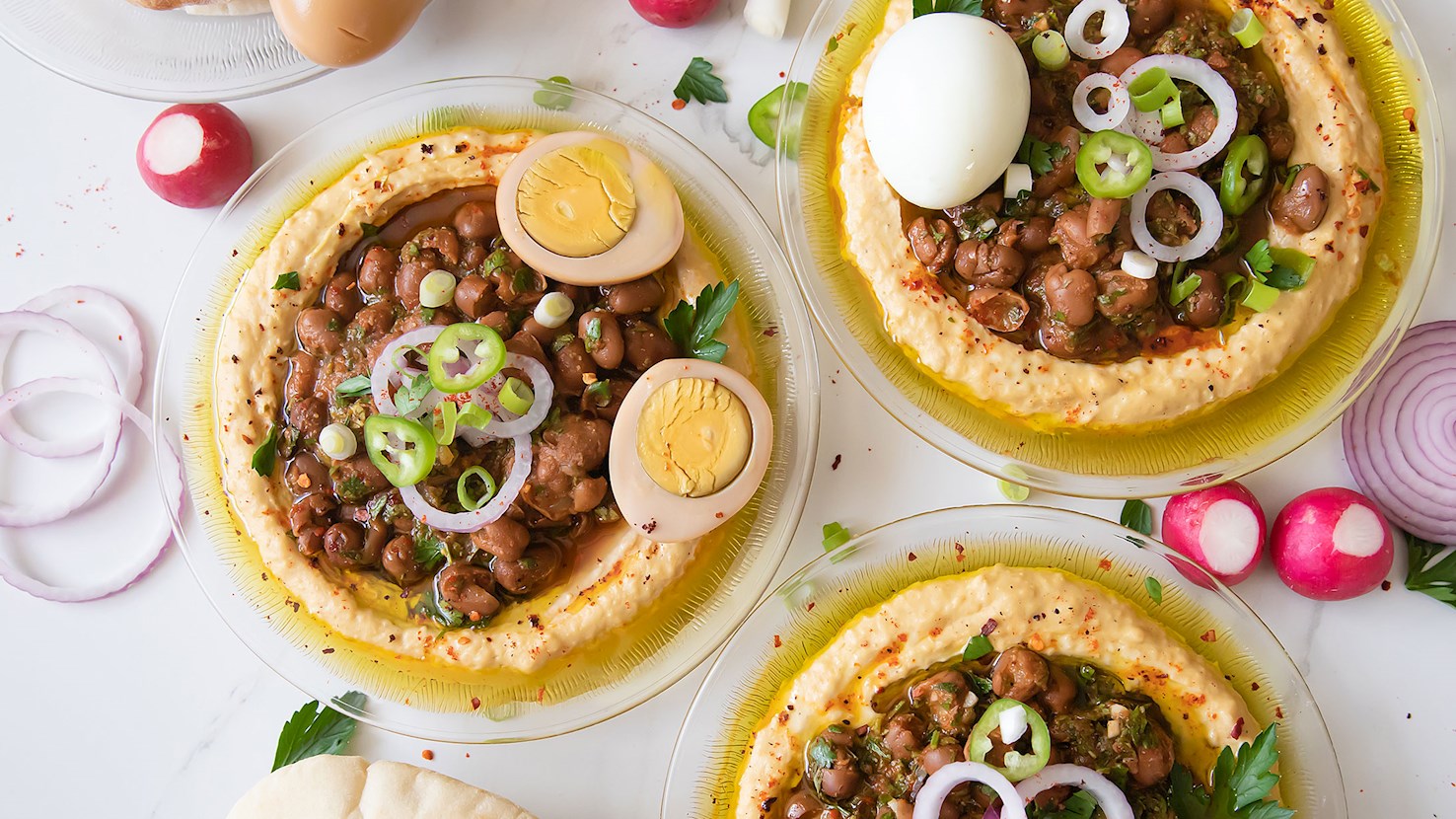
Hummus ful is a robust, protein-dense Levantine breakfast platter that masterfully unites two ancient culinary staples—a silky, tahini-rich chickpea purée or hummus and a warm, cumin-laced fava bean stew or ful medames—traditionally crowned with a hard-boiled egg. Functioning as a heavy, sustaining morning meal rather than a light appetizer, the dish is layered in a specific way to balance its contrasting temperatures and textures. Cooks first sweep a thick foundation of sharp, garlic-infused hummus across a wide bowl, forging a circular retaining bowl designed to cradle a generous ladle of steaming ful medames. As the slow-cooked broad beans settle into the center, their dark, earthy cooking liquid bleeds naturally into the pale chickpea cream. A shelled hard-boiled egg is then nestled directly into the warm stew, its firm yolk and tender white adding a distinct layer of richness that grounds the earthy profile of the beans. To deliberately slice through this immense, heavy richness, the dish requires a sharp, acidic contrast. Before serving, the whole dish is heavily flooded with peppery extra-virgin olive oil and finished with a vibrant, finely diced garnish of raw tomatoes, sharp white onions, and freshly chopped flat-leaf parsley. Dusted with sweet paprika and ground cumin, brightened with a final squeeze of fresh lemon juice, and occasionally spiked with a fiery chili sauce, the completed platter demands to be scooped up with warm, freshly torn pita bread.
TasteAtlas food rankings are based on the ratings of the TasteAtlas audience, with a series of mechanisms that recognize real users and that ignore bot,
nationalist or local patriotic ratings, and give additional value to the ratings of users that the system recognizes as knowledgeable.
TasteAtlas Rankings should not be seen as the final global conclusion about food. Their purpose is to promote excellent local foods,
instill pride in traditional dishes, and arouse curiosity about dishes you haven’t tried.



What People Say