Wentelteefjes are sweet, pan-fried slices of bread soaked in a mixture of egg, milk, sugar, and cinnamon. Stale white bread is especially well suited to them because its drier structure absorbs the liquid without becoming too fragile. The finished slices have a golden-brown exterior and a soft, custard-like center. Wentelteefjes have been part of Dutch food culture for centuries and developed in part as a practical way to use bread that had become dry or stale. The name itself is documented much earlier than the nineteenth century. A written reference from 1623 mentions wentel-teven made from sugared white bread and butter, making it one of the earliest known appearances of the term. The exact origin of the word wentelteefje remains uncertain. The first element is generally connected with wentelen, meaning to turn, roll, or flip, which fits the way the bread is coated and turned in the pan. The origin of teefje is less clear. It has sometimes been interpreted as an old name for a type of pastry or baked item, but no definitive etymology has been established. The modern meaning of teef as a female dog has encouraged several later folk explanations, but these are not considered reliable accounts of the name’s origin. The often-repeated claim that wentelteefjes first appeared in the 1683 edition of De Verstandige Kock is difficult to substantiate. The cookbook itself dates to the seventeenth century, with its first edition appearing in 1667, but the term wentelteefje was already documented several decades earlier. It is therefore inaccurate to treat that cookbook as the origin of the food. The basic method is simple. Eggs are whisked with whole milk, sugar, and ground cinnamon in a shallow bowl. Slices of slightly stale bread are dipped into the mixture long enough to absorb it without becoming saturated to the point of breaking apart. Very dry bread can remain in the liquid longer, while softer bread needs only a brief soaking. Butter is melted in a frying pan over medium heat until it begins to foam. The soaked slices are added and fried until deeply golden on both sides, generally for about two to three minutes per side. The heat sets the egg mixture inside the bread while the butter browns the exterior, creating a crisp surface around a soft center. Exact soaking and frying times depend on the thickness and dryness of the bread rather than following a fixed one-minute or three-minute rule. Wentelteefjes can also be made with raisin or currant bread, which adds dried-fruit sweetness and requires slightly gentler heat so exposed raisins do not scorch. Both sugar bread and raisin bread are established alternatives to plain white bread. Vanilla can be added to the egg-and-milk mixture for a warmer aroma, while a small amount of dark rum gives the bread a deeper flavor. Wentelteefjes are served immediately after frying. Powdered sugar is commonly scattered over the hot surface, where it begins to dissolve against the warm butter. Cinnamon sugar is another common finish. Syrup may be poured over the bread as well, including dark pouring syrup, maple syrup, or other thick sugar syrups. The slices are commonly eaten with a knife and fork while still warm. They can be served for breakfast, brunch, as an afternoon sweet, or as a simple dessert alongside coffee or tea.
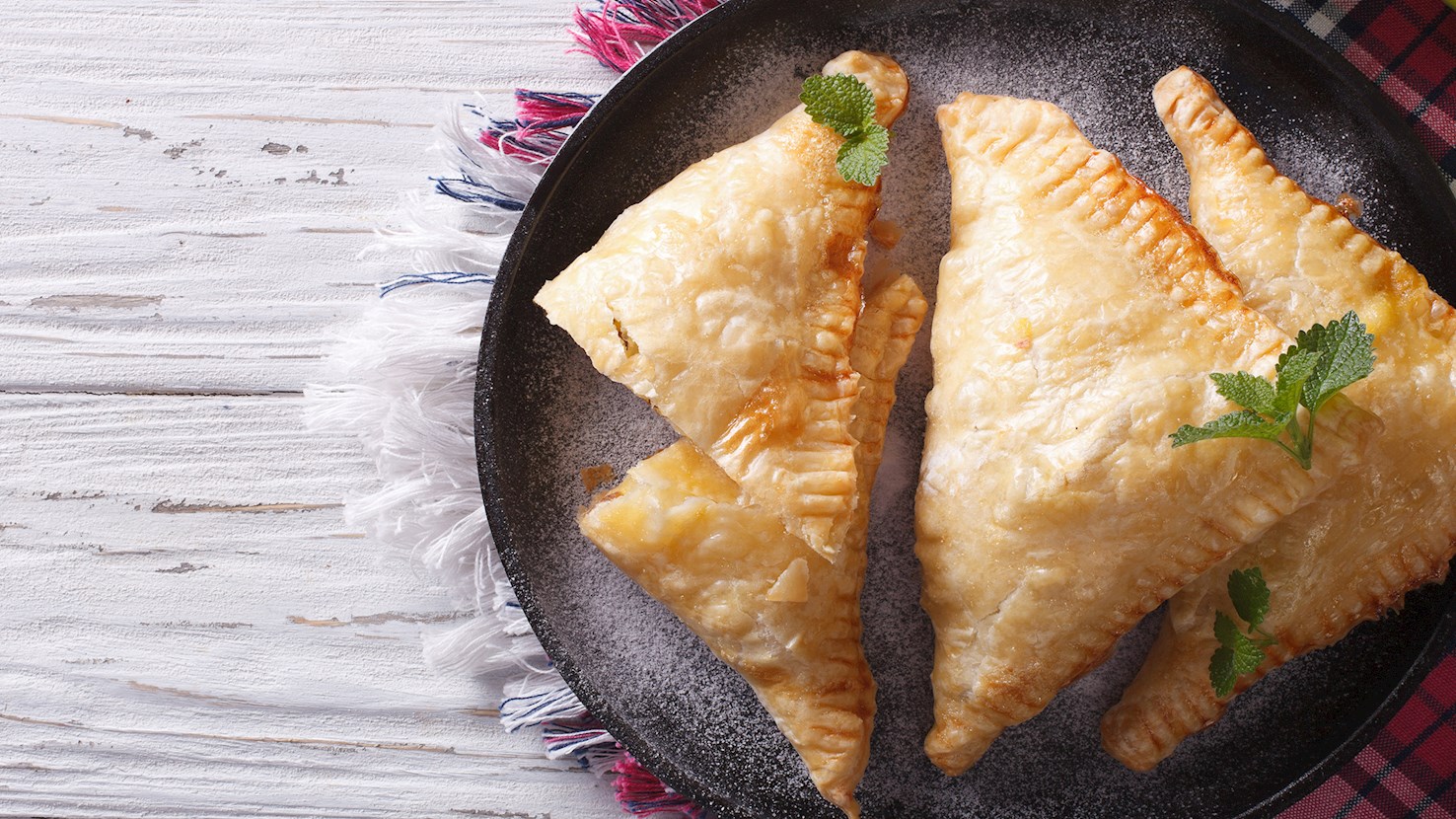
A traditional, sweet Dutch pastry known as appelflap consists of pastry dough that is filled with apples, raisins, sugar, and cinnamon. The dessert is traditionally covered with sugar granules on top. It can be found throughout the country in numerous bakeries or places where coffee and tea are served. The crispy appelflap is also often served for breakfast as a hot and tasty treat.
Uitmsijter spek en kaas denotes a typical way of preparing eggs in the Netherlands. The bacon is first placed in a buttered pan, then come the sunny-side-up fried eggs, topped with Gouda cheese until it melts. The dish is seasoned with salt and pepper, and the whole thing is placed on slices of bread. It makes for a filling breakfast or lunch and it is regularly served at numerous Dutch cafés and canteens.
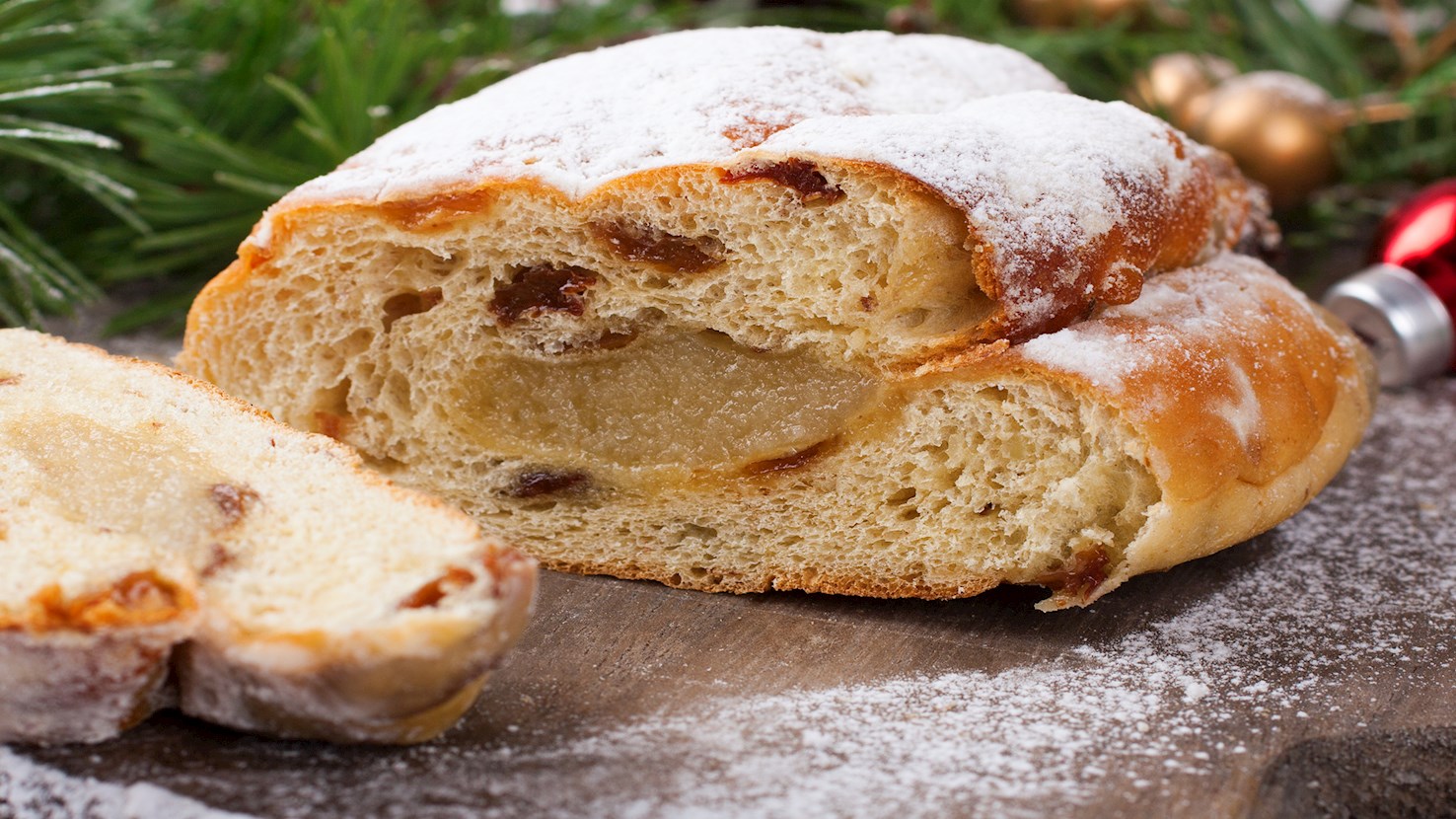
Kerststol is a special Dutch bread that is prepared and consumed during the Christmas festivities. It is typically stuffed with raisins and candied fruits, then sprinkled with powdered sugar on top. Traditionally, it contains a layer of creamy almond paste on the inside. During the festivities, the bread is sliced, buttered, and served for breakfast or brunch. If the same bread is prepared at Easter, it is then called paasstol.
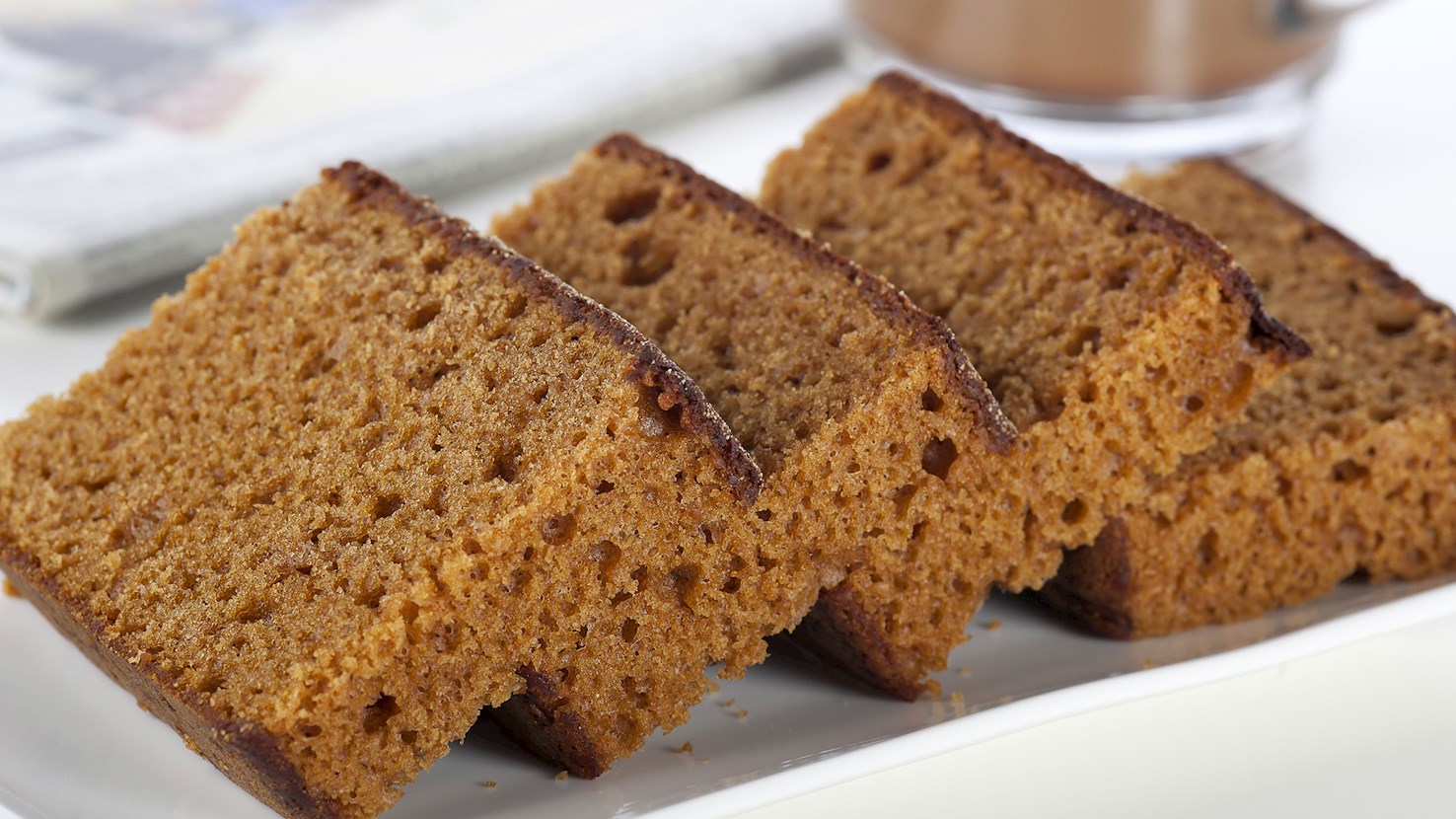
Ontbijtkoek is one of the staples of a traditional Dutch breakfast: a rye cake spiced with cinnamon, nutmeg, ginger, honey, pepper, and cloves. Although it is mostly consumed for breakfast, it is equally popular as a lunchtime treat or a midnight snack, topped with butter or jam, and sometimes with a few pieces of cheese on the side. When it is consumed as a snack, it is often paired with a cup of tea or coffee. Ontbijtkoek has been baked in the Netherlands since the 16th century, and today there are numerous regional varieties of this flavorful sweet bread. In the southern parts of the country, it is known as peperkoek, referring to the fact that pepper is one of the ingredients used in its production. The cake is also traditionally served at funerals because it contains honey and pepper, symbolizing joy and sadness.
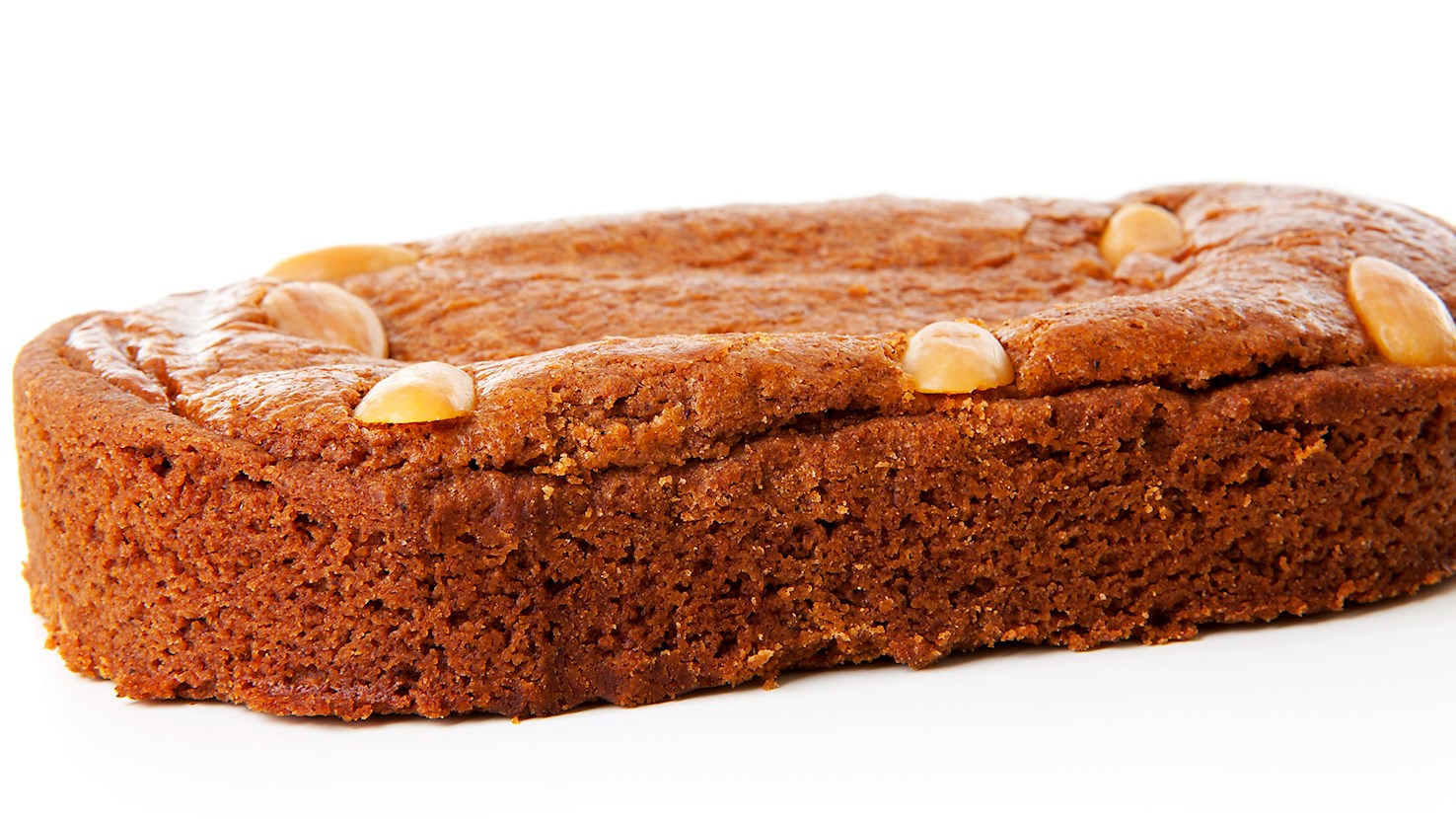
Traditionally served for breakfast, Groninger koek is a popular Dutch rye gingerbread. This sweet bread can best be described as a cross between a loaf of dark bread and a cake. It consists of rye flour, wheat flour, sugar, salt, and spices such as ginger, cinnamon, cloves, nutmeg, and allspice, making it as aromatic as possible. Groninger koek is typically baked in a rectangular shape, and it is recommended to go fully Dutch and serve it sliced for breakfast, with butter on the side.
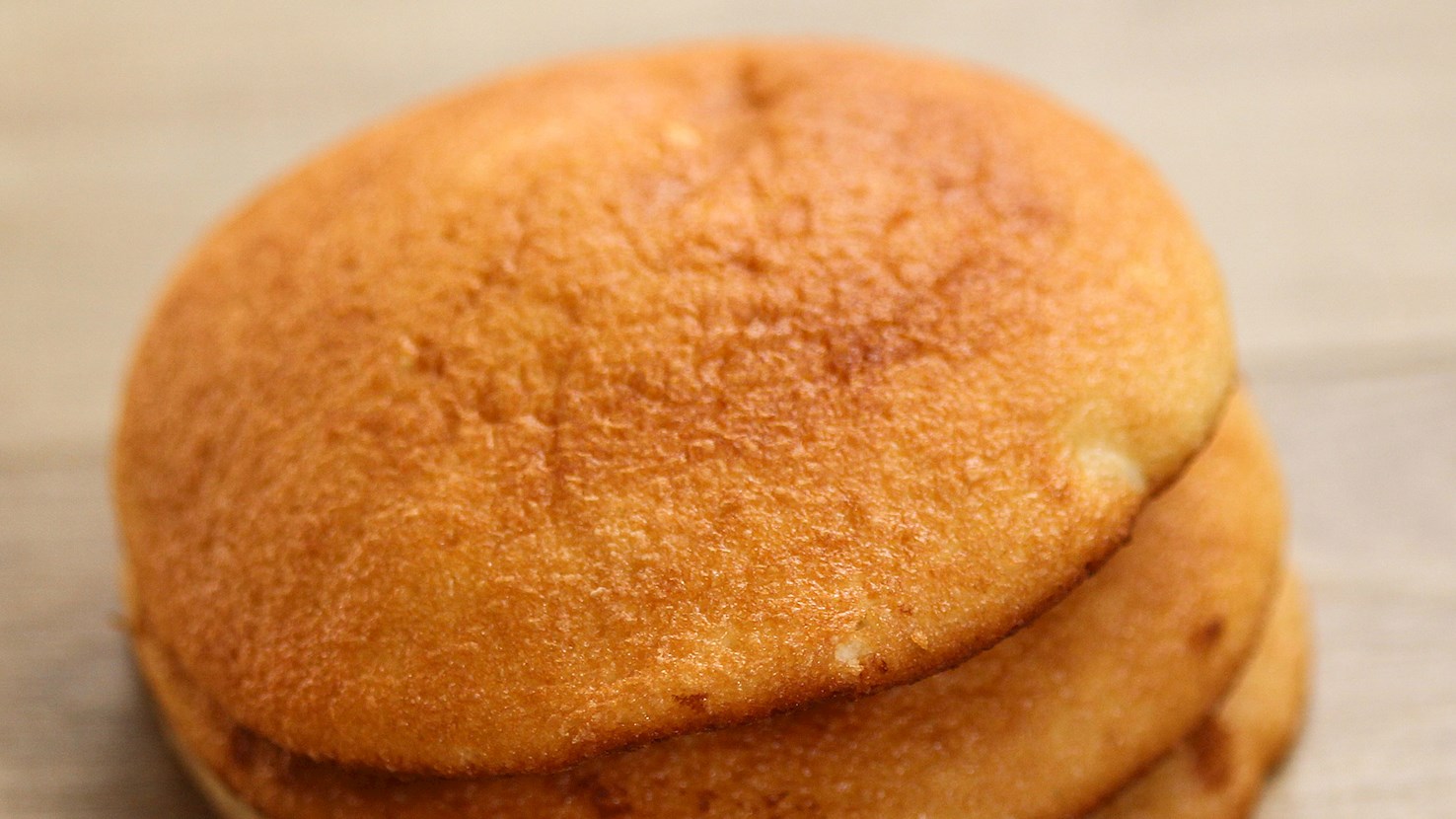
Eierkoeken are flat, dome-shaped sponge cakes with a light, airy texture and a distinct yellow color, primarily originating from the Netherlands. The item evolved within the Dutch bakery system as a variation of the egg-enriched sponge biscuits found throughout Western Europe, with its development heavily influenced by the availability of commercial leavening agents in the 19th century. Unlike denser cakes, the formulation of the eierkoek relies on a high ratio of eggs to flour, combined with a specific chemical leavener known as ammonium bicarbonate, also referred to as hartshorn salt. Preparation begins with the vigorous beating of whole eggs and sugar until a stable, aerated foam is achieved, into which wheat flour and a small amount of lemon zest or vanilla are gently folded to maintain the volume. The ammonium bicarbonate is integrated into the batter to act as the primary rising agent; during the baking process, this chemical decomposes into ammonia gas, carbon dioxide, and water vapor, which forces the batter to expand rapidly into its characteristic convex shape. A specific property of using ammonium bicarbonate is the temporary release of a sharp ammonia odor during the high-temperature phase of baking, which completely dissipates as the cake cools, leaving behind a porous, dry-yet-soft crumb. The cakes are typically baked on flat trays at temperatures around 200°C for a short duration to prevent the loss of moisture. Eierkoeken are eaten as a snack or a light breakfast, often found in bakeries and supermarkets across all Dutch provinces. A common method of consumption involves spreading a thin layer of butter on the flat underside of the cake, which is sometimes then topped with sugar or fruit preserves. Because of their low fat content and high satiety levels, they are frequently utilized as a quick energy source during the day. Functional food pairings include fresh strawberries or whipped cream, which provide moisture to the relatively dry interior of the cake. Beverage pairings include cold milk, which complements the egg-forward profile of the batter, or a cup of black tea, as the tannins in the tea provide a clean finish to the sweet, aerated sponge.
TasteAtlas food rankings are based on the ratings of the TasteAtlas audience, with a series of mechanisms that recognize real users and that ignore bot,
nationalist or local patriotic ratings, and give additional value to the ratings of users that the system recognizes as knowledgeable.
TasteAtlas Rankings should not be seen as the final global conclusion about food. Their purpose is to promote excellent local foods,
instill pride in traditional dishes, and arouse curiosity about dishes you haven’t tried.






What People Say