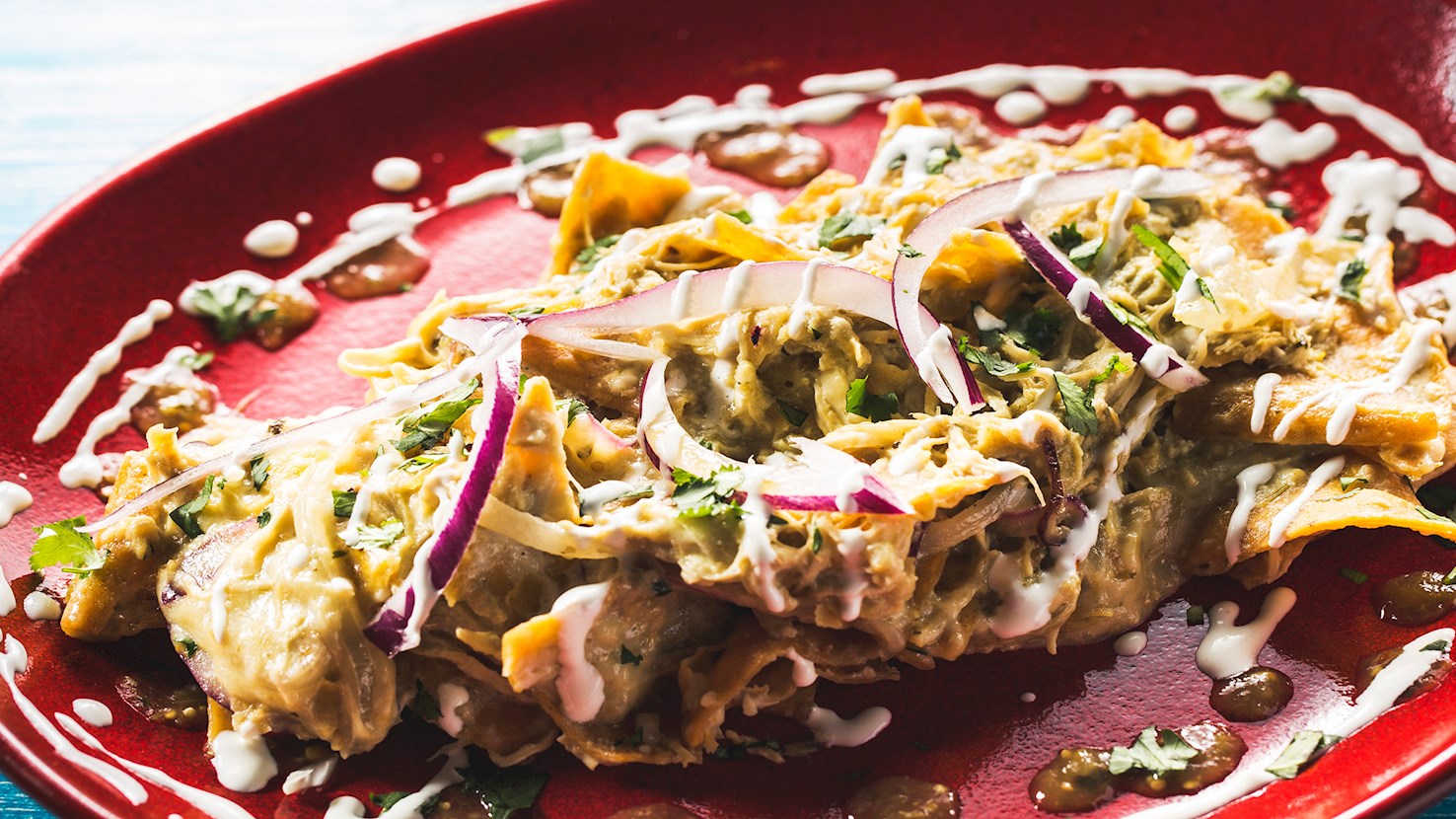
Chilaquiles are, at their most basic, an assembly of fried tortilla pieces drenched in chili sauce with optional meat and vegetables. The dish is popular both in Mexico and the United States as a great way to use up leftover, stale tortillas. The name of the dish is derived from chil-a-quilitl, meaning greens or herbs in a chili broth. Today, there is a great number of regional variations of the dish, so in Sinaloa it is prepared with a white sauce, and in Mexico City, the dish is traditionally topped with epazote sprigs.
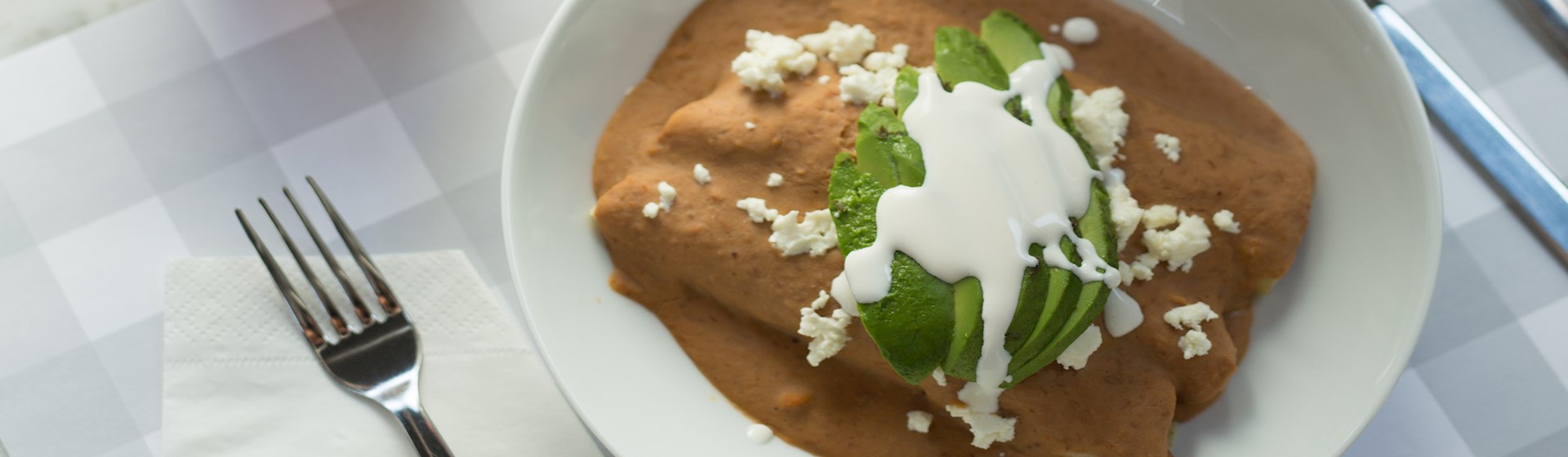
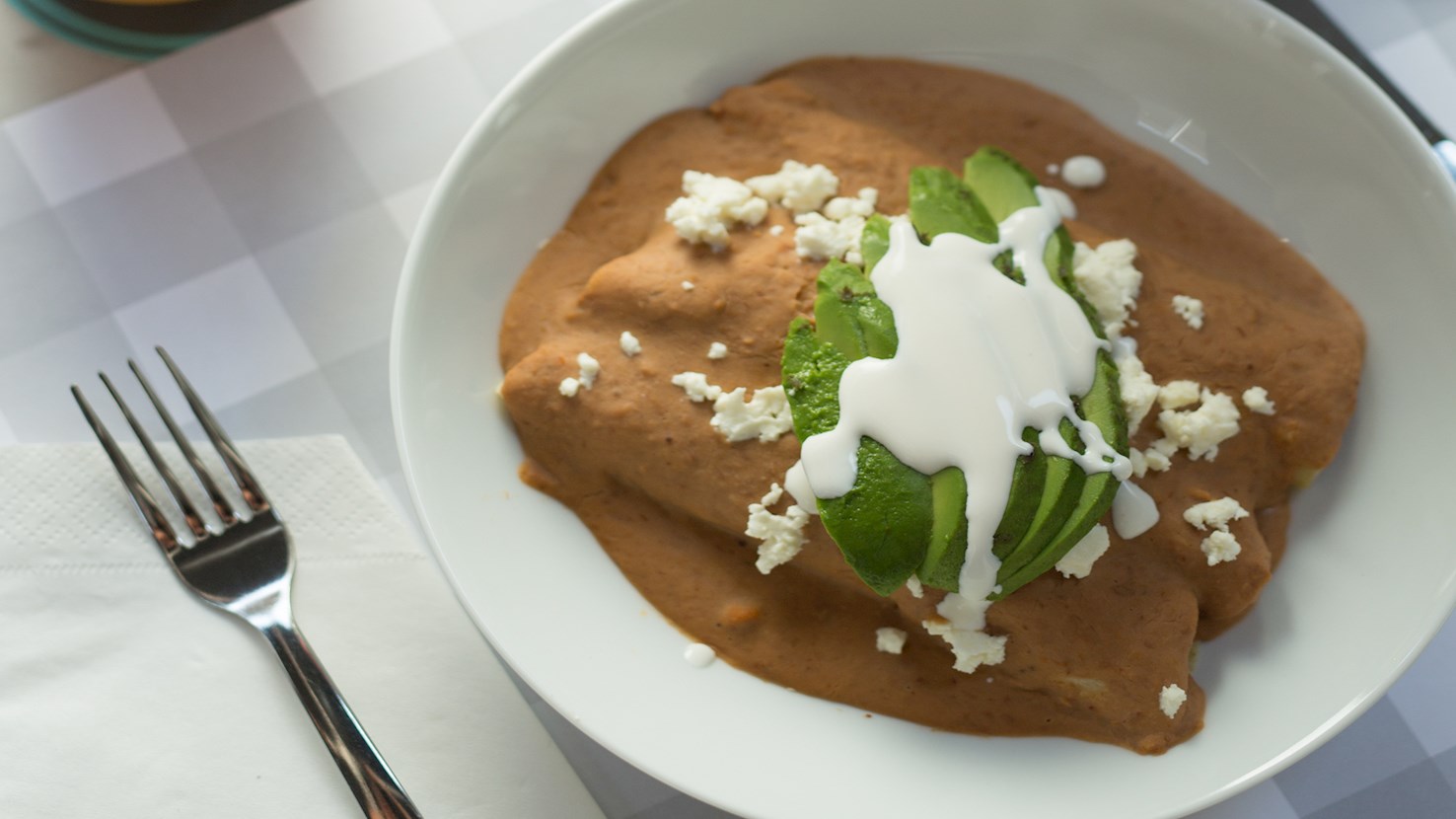
An enfrijolada is a warm, slightly fried corn tortilla heavily saturated in a smooth, savory bean puree, then folded in half or rolled around a central filling. This everyday staple serves primarily as a sustaining breakfast or early-afternoon meal. The history of this combination stretches back centuries across Mesoamerica, serving as a resourceful way to use leftover beans and stale tortillas long before European colonization introduced dairy and domestic livestock to the continent. Putting the meal together starts with the beans themselves, typically dried black or pinto varieties that have been boiled for hours until completely tender. These soft legumes go into a blender along with a splash of their dark cooking liquid, fresh garlic, white onion, and often a toasted dried chili, such as a chipotle or pasilla, for a subtle, smoky background heat. The mixture is pureed until completely smooth, then poured into a wide, hot skillet, where it simmers and thickens to a velvety, gravy-like consistency. While the sauce bubbles, fresh corn tortillas are quickly passed through hot vegetable oil or melted lard. This brief frying step creates a physical barrier that stops the corn from instantly dissolving into mush once it hits the wet sauce. The pliable tortillas are then submerged directly into the hot bean puree, ensuring both sides are thoroughly coated. Once saturated, they are transferred to a flat plate and either folded into simple half-moons or rolled into tight cylinders. A standard filling consists simply of crumbled fresh cheese, though many households and restaurants stuff the center with shredded roasted chicken, spicy crumbled chorizo, or softly scrambled eggs. After arranging three or four of these folded bundles on the plate, a final ladle of the hot bean sauce is poured over the top to ensure no dry spots remain. Customizing the final flavor depends entirely on the garnishes scattered over the wet tortillas right before eating. Heavy drizzles of tangy sour cream and generous handfuls of salty, crumbly white cheese, such as cotija or queso fresco, go directly on top to balance the earthy depth of the beans. Thinly sliced raw white onions, sprigs of fresh cilantro, and wedges of ripe avocado are frequently added to introduce a crisp, bright contrast to the dense, starchy base. Because the hot puree quickly softens the fried corn, the meal must be eaten immediately with a fork and knife.
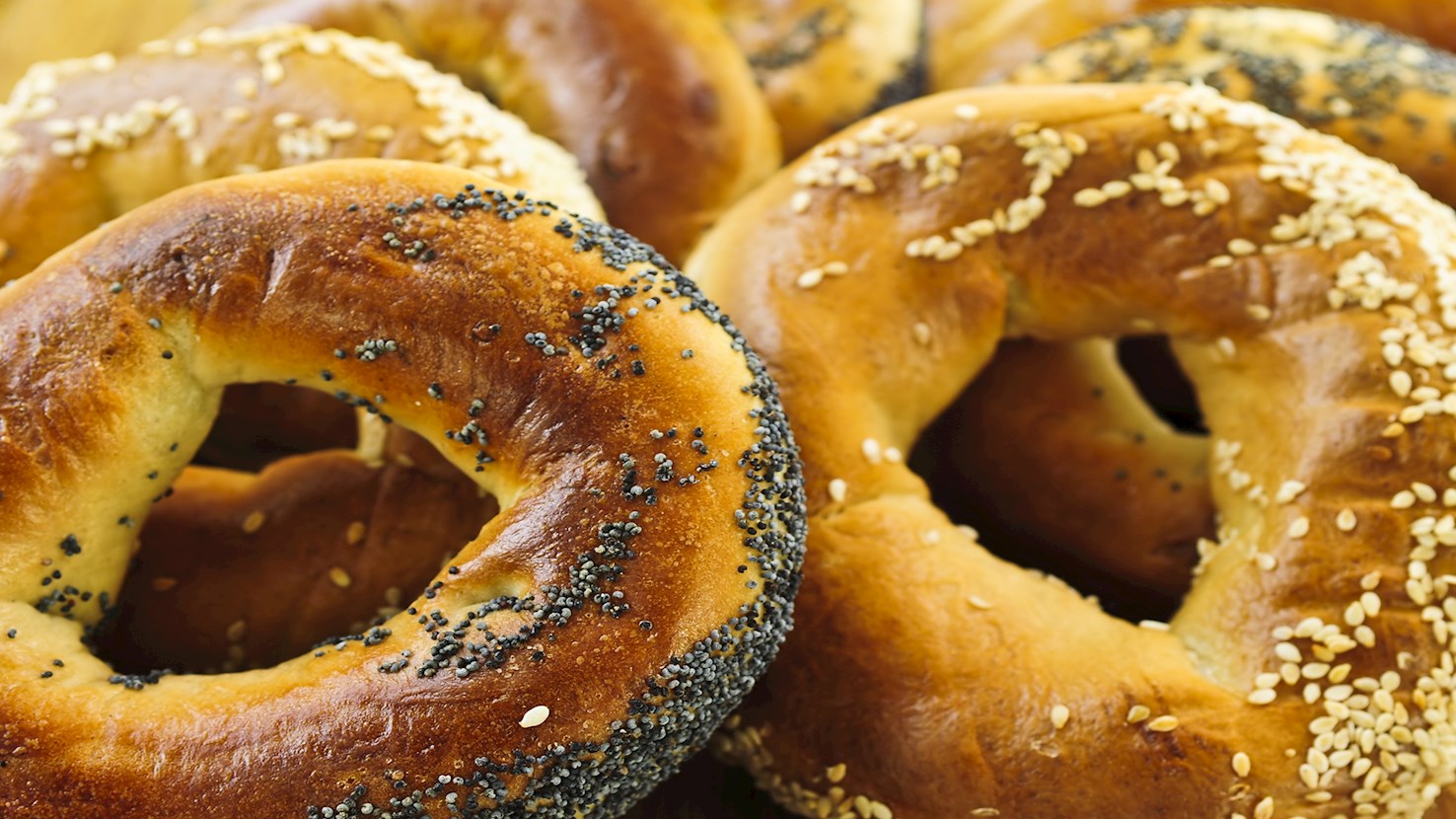
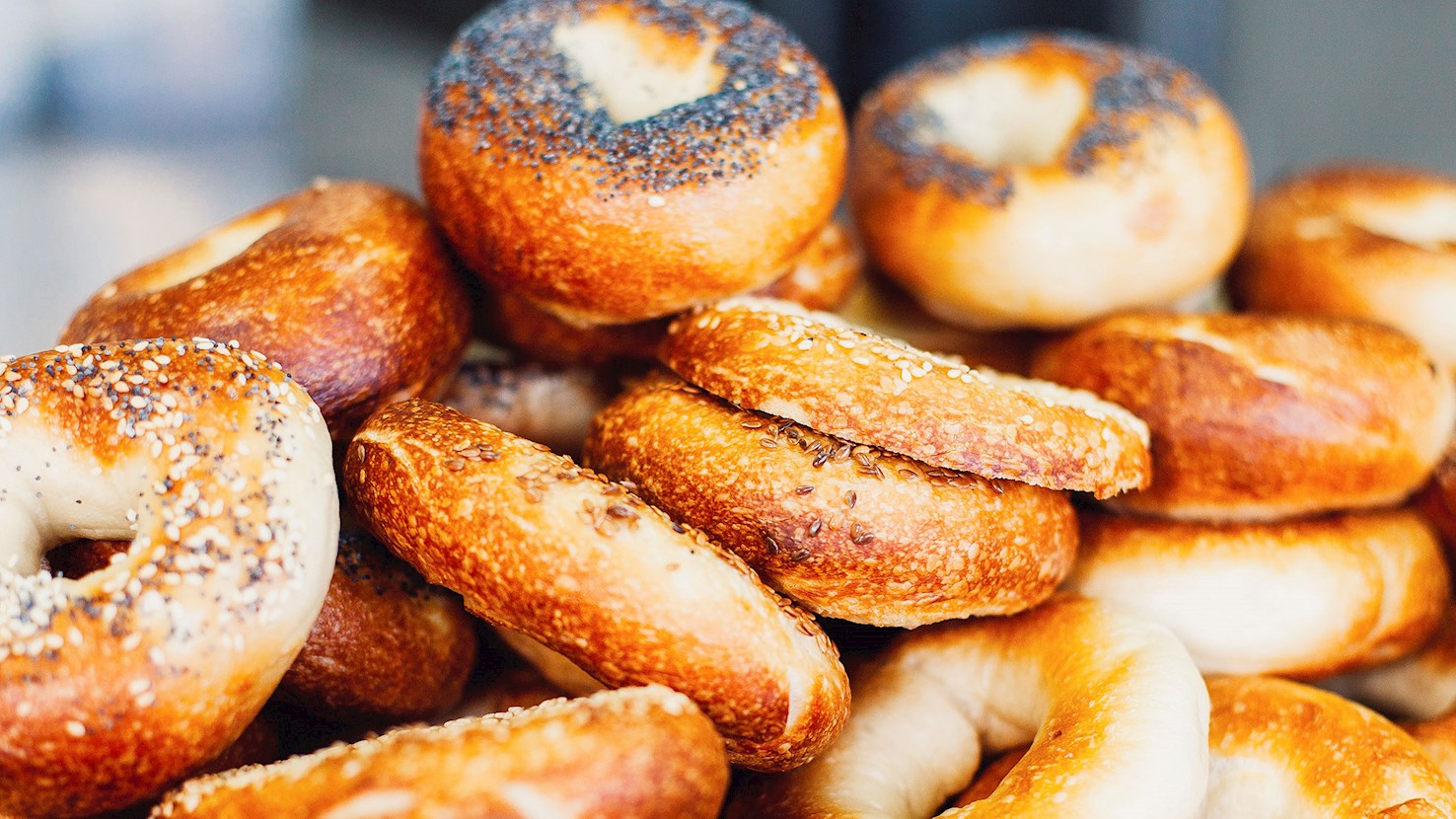
This bagel variety came to Montreal with the wave of Eastern European Jewish immigrants during the early 1900s. There are varying theories about the creator of the first Montreal-style bagel – some claim it was a baker named Isadore Schlafman, while others say it was Hyman Seligman from Dvinsk, who sold them from a horse-drawn carriage. Before baking, these bagels are boiled in kettles of honey water. Unlike New York-style bagels, these contain no salt and are less dense, with a slightly sweeter flavor. They are rolled and cut by hand and have a large hole in the center. Because Montreal bagels are wood-fired, it results in a crispy exterior and a chewy interior of the dough. Traditionally, they are available in two varieties – sesame seed bagels and poppy seed bagels.
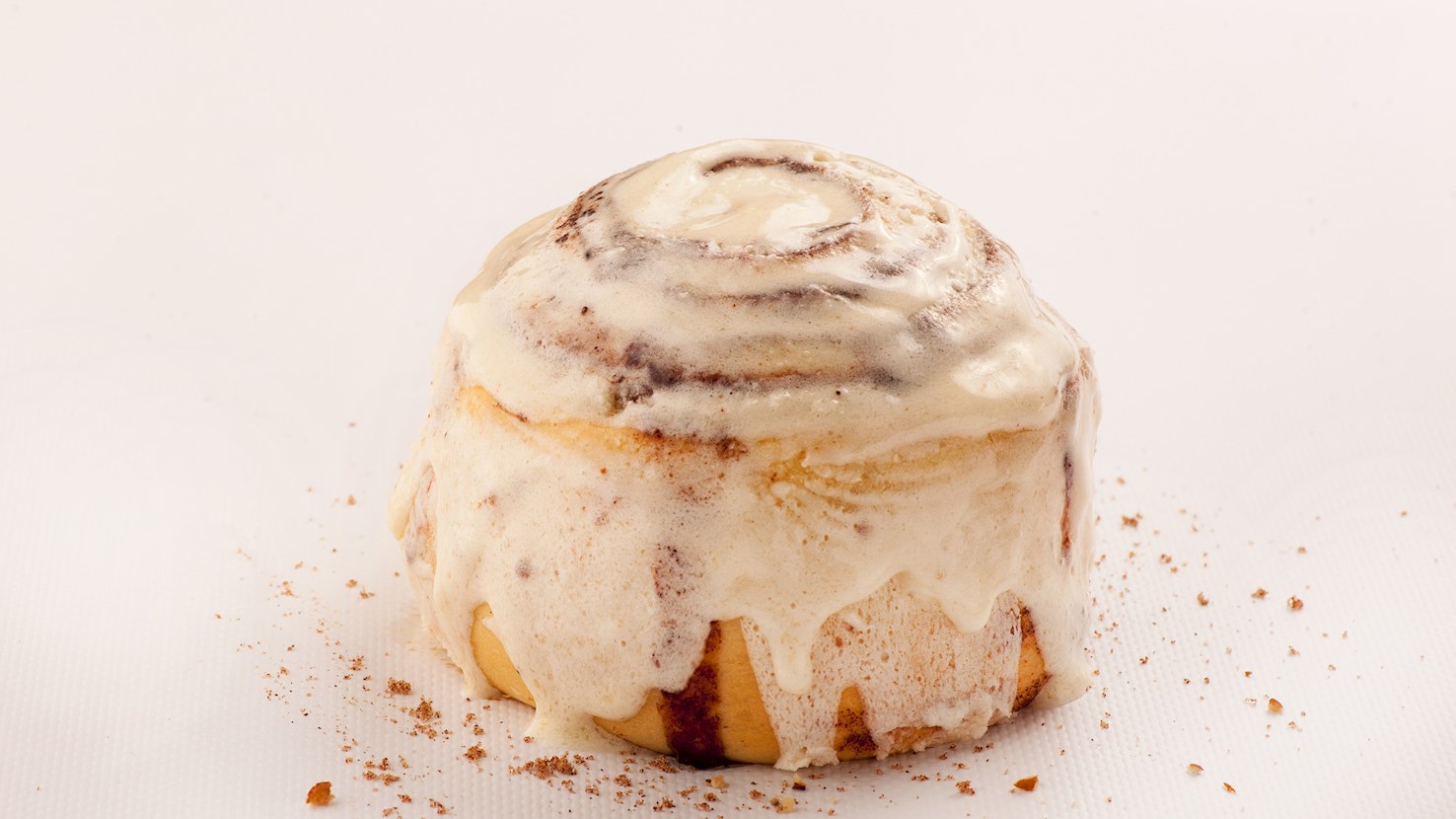
American-style cinnamon rolls are characterized by the pillowy, soft dough and their much larger size and softer texture when compared to their European cousins. They are made with yeasted dough that is rolled into a rectangle, spread with butter, then sprinkled heavily with a mix of sugar and cinnamon and rolled into a log that is cut into slices. The slices are arranged on a baking tray very tightly and baked. While still hot from the oven, the cinnamon rolls are usually topped with icing or a glaze, most notably powdered sugar icing or cream cheese frosting. There are many variations, either when it comes to the topping or the filling, which can include nuts like macadamia or raisins. Cinnamon rolls are usually eaten for breakfast or as a snack.
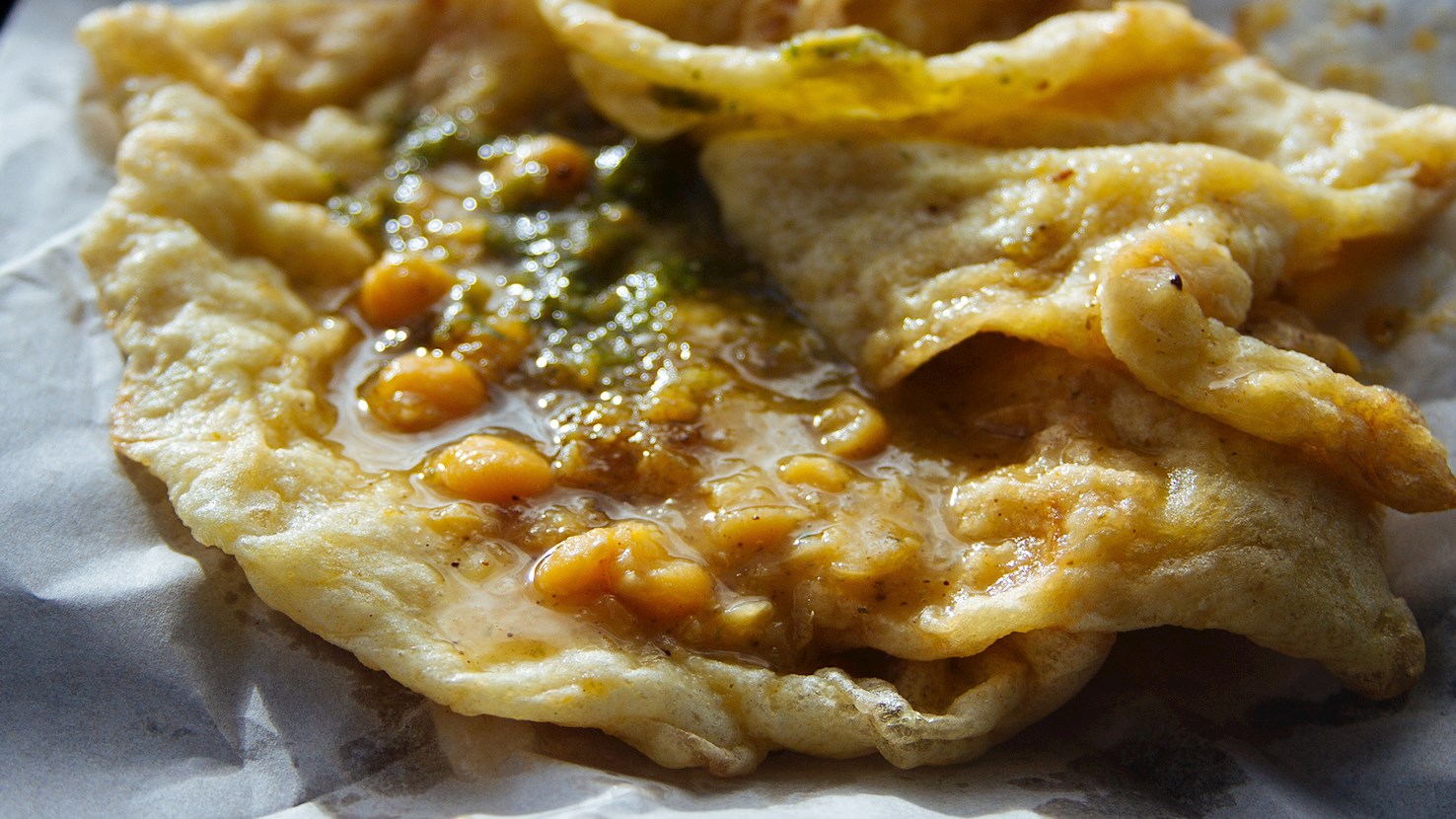
Doubles is a staple of Trini street food, a sandwich that consists of two fried flatbreads (bara) filled with curried chickpeas (curry channa). It is believed that doubles were invented in 1936 in Princes Town, and nowadays they are consumed for breakfast or as a late-night snack. The dish can be additionally enriched with ingredients such as pepper sauce, tamarind sauce, or green mango pickle with amchar masala, known as kuchela. In Trinidad and Tobago, doubles are typically sold wrapped in paper.
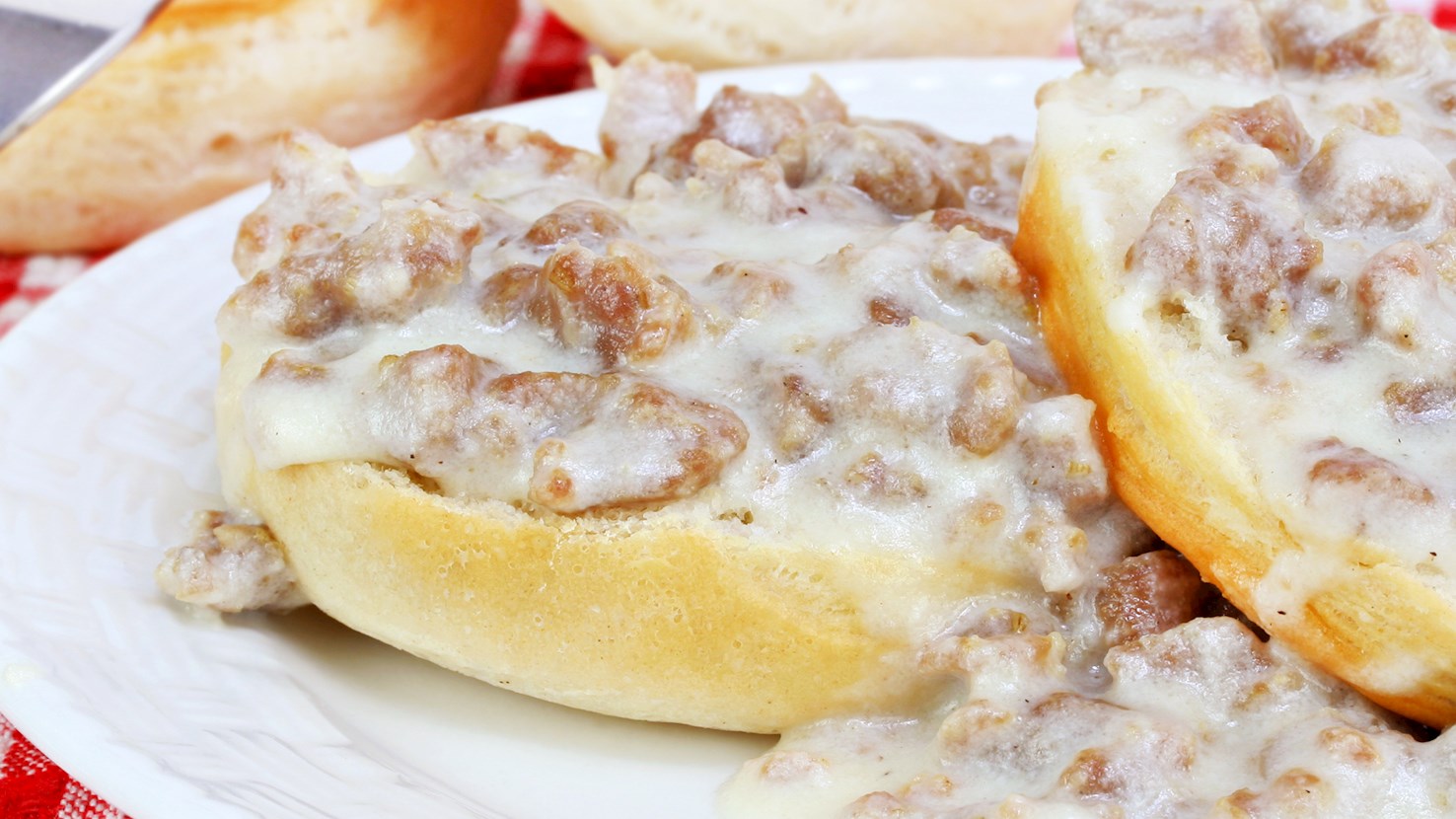
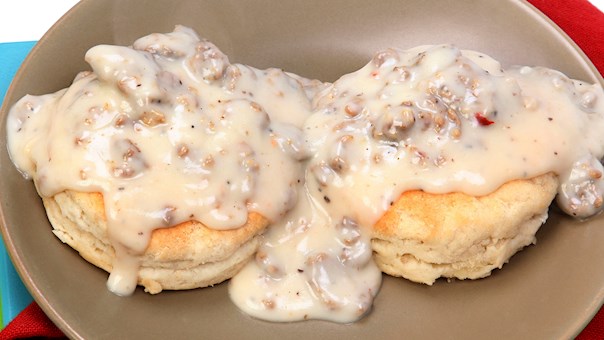
Sausage gravy is a popular breakfast item throughout the Southern parts of the United States of America. It consists of sausage drippings, flour, milk, salt, and pepper. Cooked sausage is added to the combination, sometimes along with some more seasonings such as cayenne pepper. It is a key part of a traditional dish known as biscuits and gravy, often accompanied by bacon, fried eggs, or sliced tomatoes.
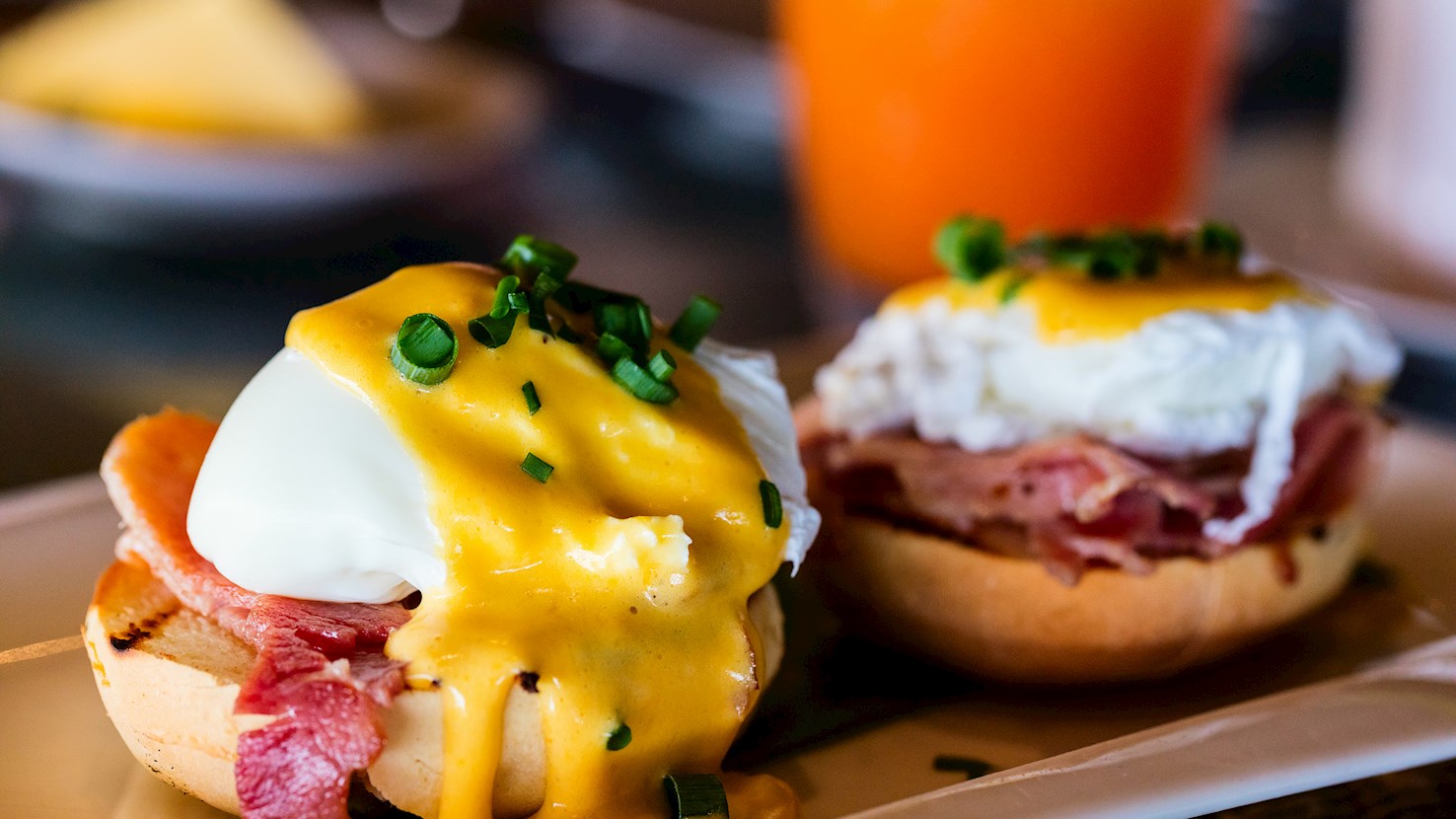
Eggs Benedict is a breakfast or brunch meal consisting of toasted halves of an English muffin that are topped with a slice of ham or bacon, a poached egg, and sauce Hollandaise. Although there are numerous theories about the origin of the dish, most people agree that credit should be given to Delmonico's Restaurant. It is believed that Delmonico's chef named Charles Ranhofer invented the dish in 1860s for a customer named Mrs. LeGrand Benedict, who wanted to eat something new. Ranhofer even published the recipe in his cookbook, The Epicurean, published in 1894. Regardless of the inventor, eggs Benedict are nowadays found throughout the world, in numerous variations such as eggs Mornay, Florentine, Blanchard, Hussarde, and Cochon.
Bagels are an iconic New York City food: boiled, then baked hand-shaped, round rolls with a hole in the middle. It is a small and dense bread with a malty flavor and a dark, shiny, and crunchy exterior which should snap when bitten into it. Originally, they were brought to the United States by Jewish immigrants from Eastern Europe. There is a theory that bagels were popular in the Jewish community because the dough needs to rest for twelve hours before being baked, so it was convenient for Jews to let it rise during the Sabbath, when work is forbidden. New Yorkers claim that their bagels are the best due to the water's softness, as there are low levels of calcium and magnesium that could toughen the dough when combined with gluten. In the past, bagels were made in four original varieties: plain, poppy, salt or sesame, but nowadays they are made with garlic, onion, cinnamon, and raisins, best enjoyed fresh out of the oven and paired with butter, scallions, lox, and cream cheese.
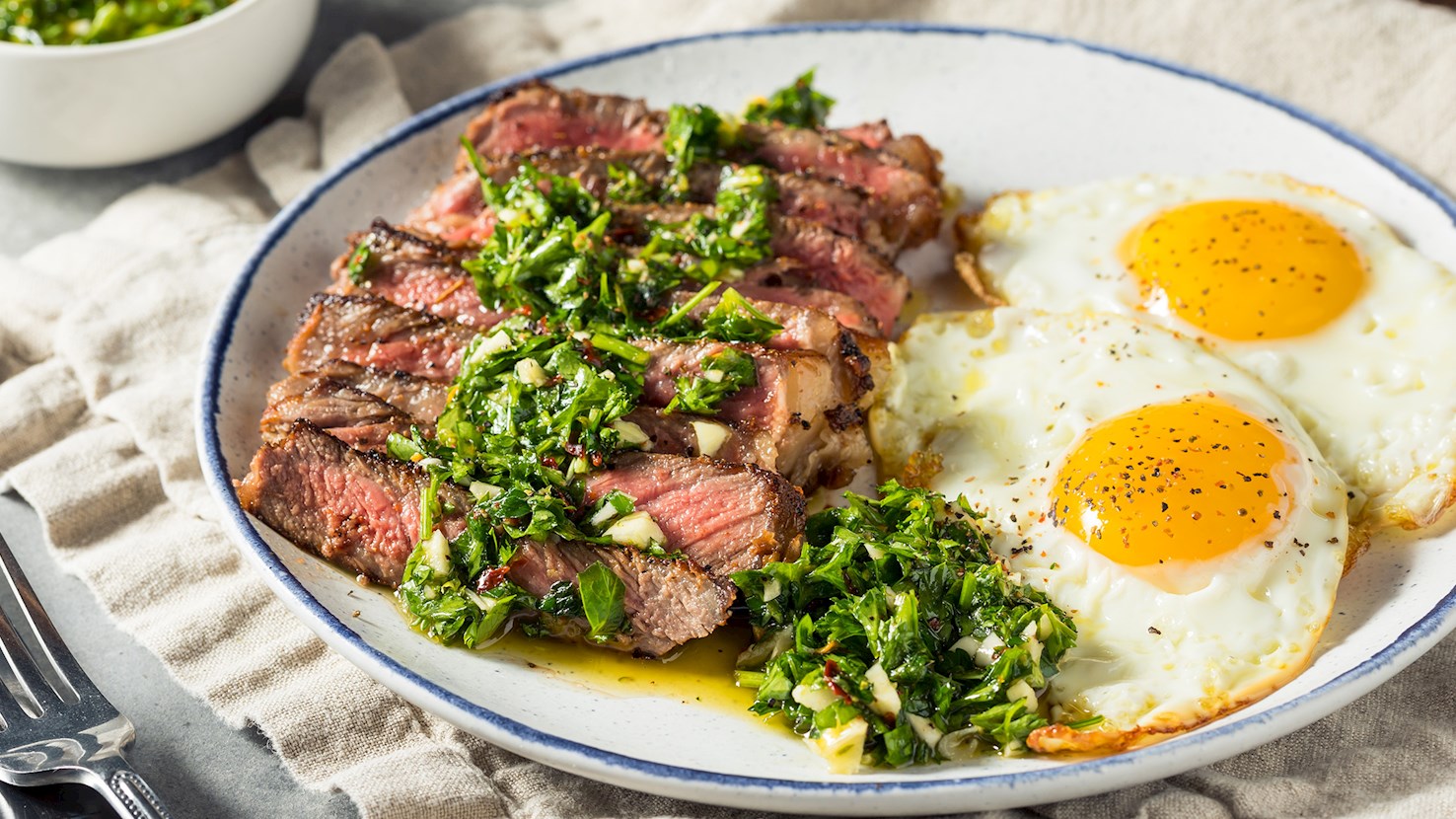
Steak and eggs is a classic American breakfast dish that combines a grilled or pan-fried steak with eggs, usually cooked to the diner's preference (such as scrambled, fried, poached, or over easy). It's a popular choice for a filling breakfast or brunch, especially after a night out or before a long day that demands sustained energy. The dish can be served with various side items, including toast, hash browns, breakfast potatoes, or fresh vegetables, making it a versatile option that can be tailored to individual tastes. Steak cuts used in this dish can vary widely, from more affordable options like sirloin or flank steak to more premium cuts like ribeye or filet mignon, depending on personal preference and budget. Steak and eggs is a staple in many diners, steakhouses, and breakfast spots across the United States, embodying the country's love for substantial, meat-centric meals.
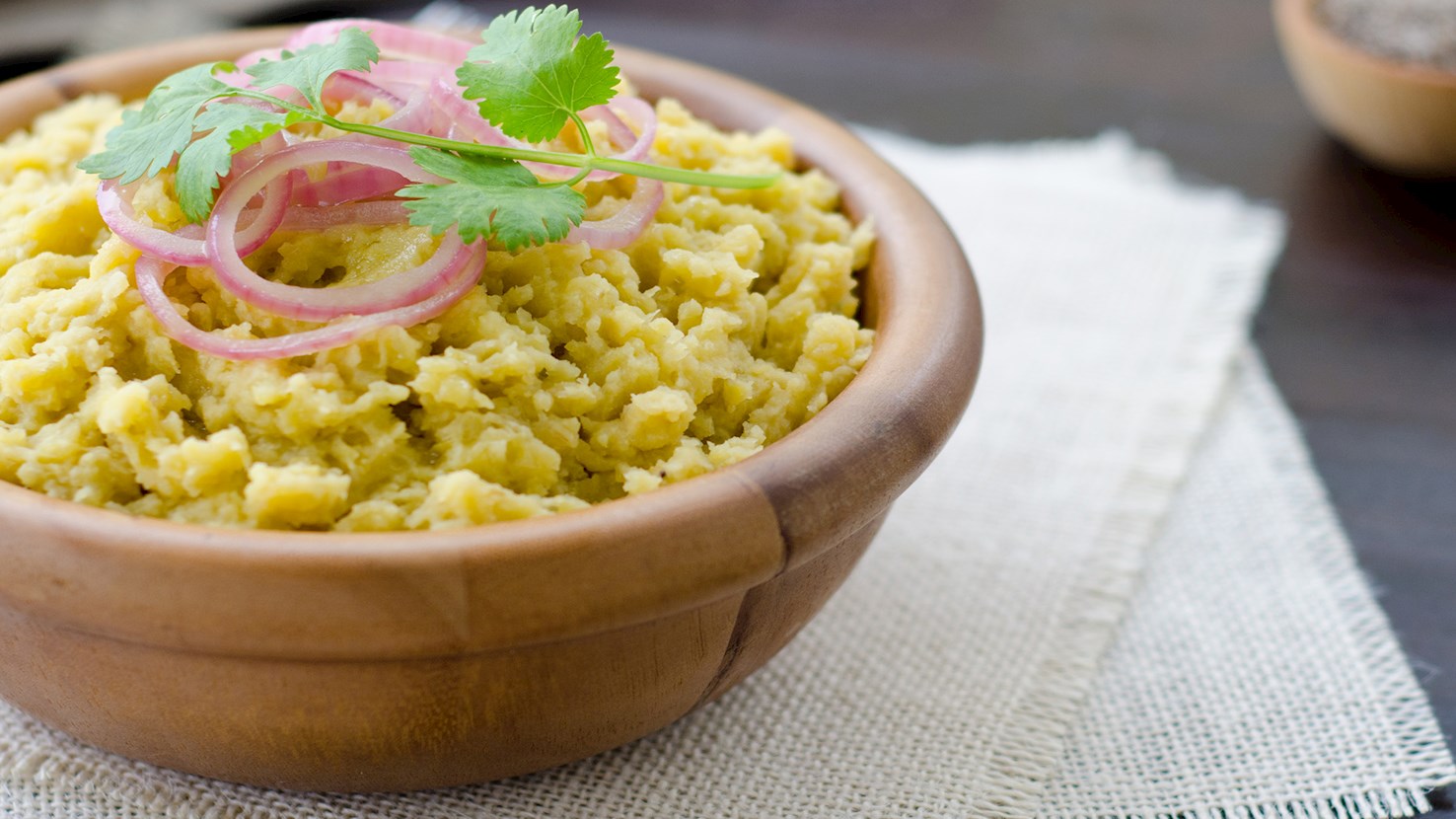
Mangú is a traditional dish that consists primarily of mashed plantains. It is a staple breakfast food in the Dominican Republic but can also be served at other meals. The preparation of mangú is quite simple: green plantains are peeled, cut into chunks, and boiled until they are soft. After boiling, the plantains are mashed with some of the water they were boiled in, along with butter, oil, or margarine to create a smooth, creamy consistency. Mangú is typically served with red onions that have been sautéed in vinegar, which adds a tangy flavor contrast. It is often accompanied by other side dishes such as fried cheese, eggs, or salami, making it a hearty and filling meal. This combination of foods is sometimes referred to as "los tres golpes" or "the three hits," referring to the three most common sides served with mangú.
TasteAtlas food rankings are based on the ratings of the TasteAtlas audience, with a series of mechanisms that recognize real users and that ignore bot,
nationalist or local patriotic ratings, and give additional value to the ratings of users that the system recognizes as knowledgeable.
For the “Top 68 North American Breakfasts” list until August 15, 2026, 7,160 ratings were recorded, of which 5,442 were recognized by the system as legitimate.
TasteAtlas Rankings should not be seen as the final global conclusion about food. Their purpose is to promote excellent local foods,
instill pride in traditional dishes, and arouse curiosity about dishes you haven’t tried.





What People Say