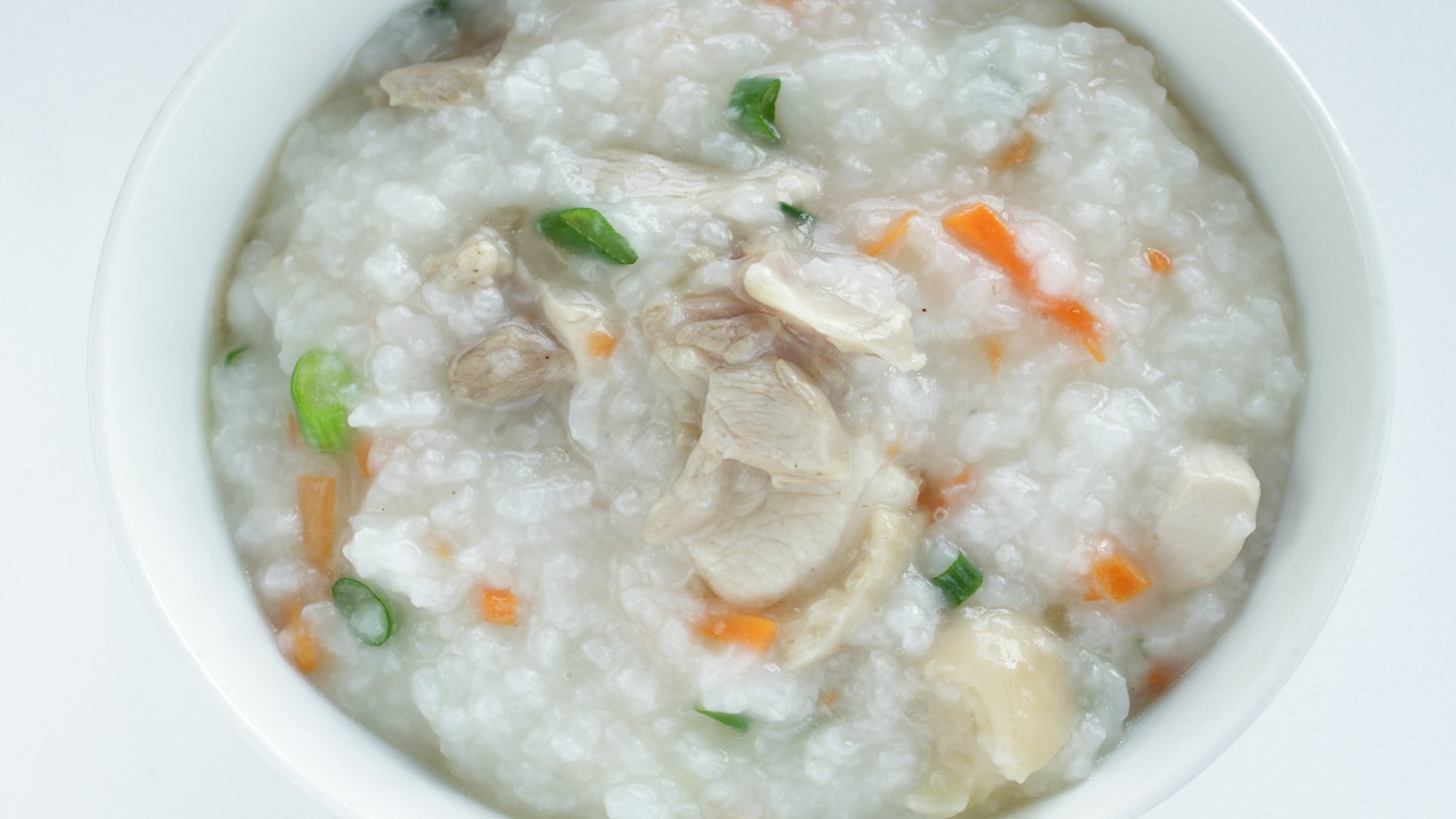
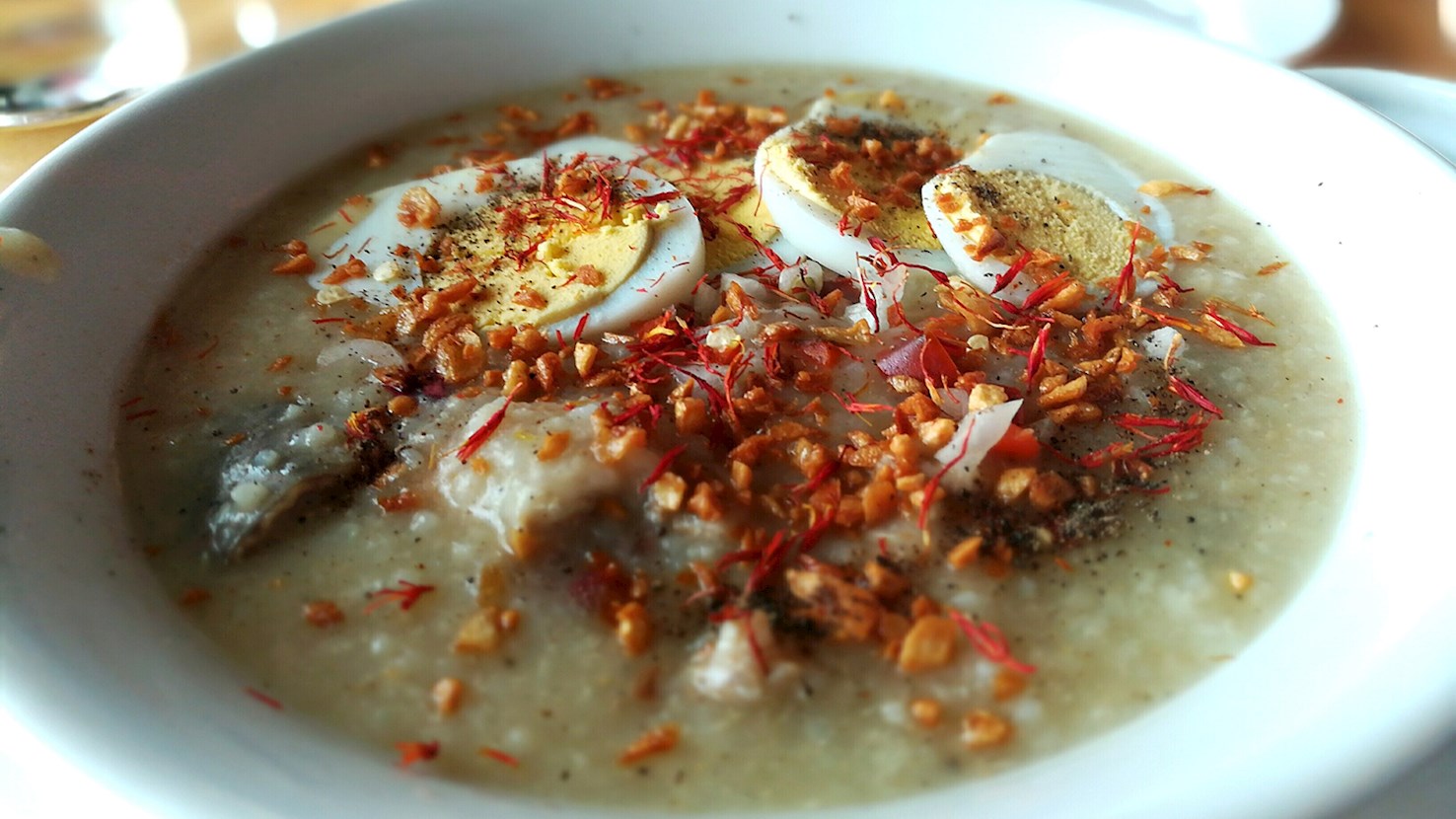
Arroz caldo is the Filipino variety of congee, a thick rice porridge that is ubiquitous in many Asian countries. It is also one of many congee varieties found in the Philippines. Distinguished by the addition of chicken, arroz caldo is usually cooked in a ginger-infused broth and served with various accompaniments and seasonings. Although congee is originally Chinese, this particular variety is believed to have been developed and adapted to suit the tastes of the large Spanish community that was present in the country during colonial times. This comforting rice dish is usually enjoyed as a filling breakfast or a satisfying midday meal.
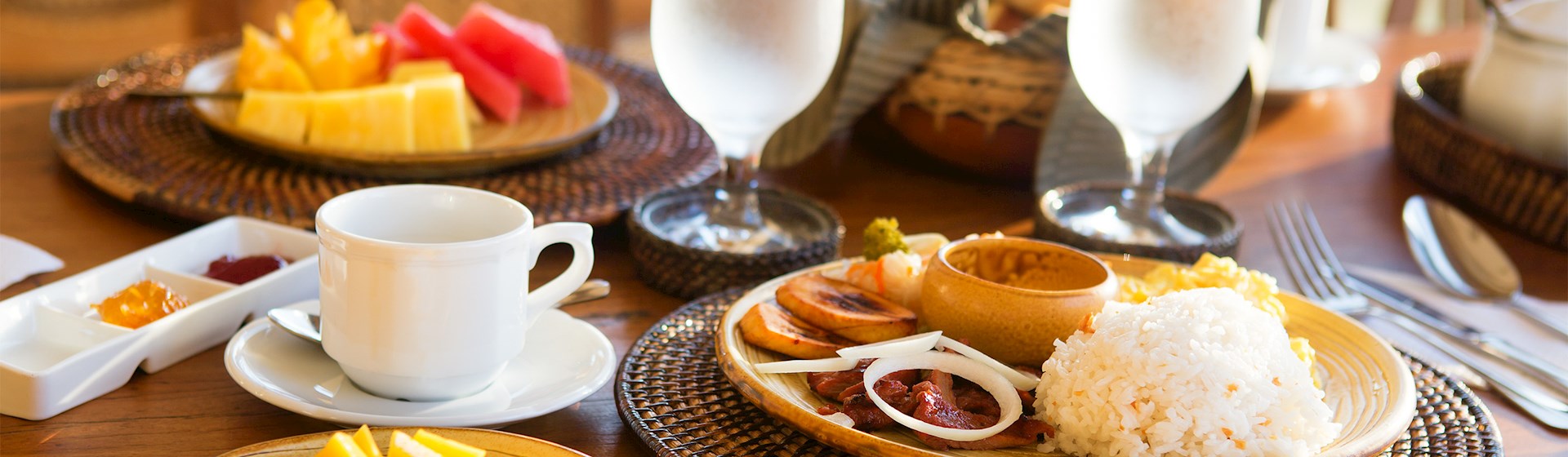
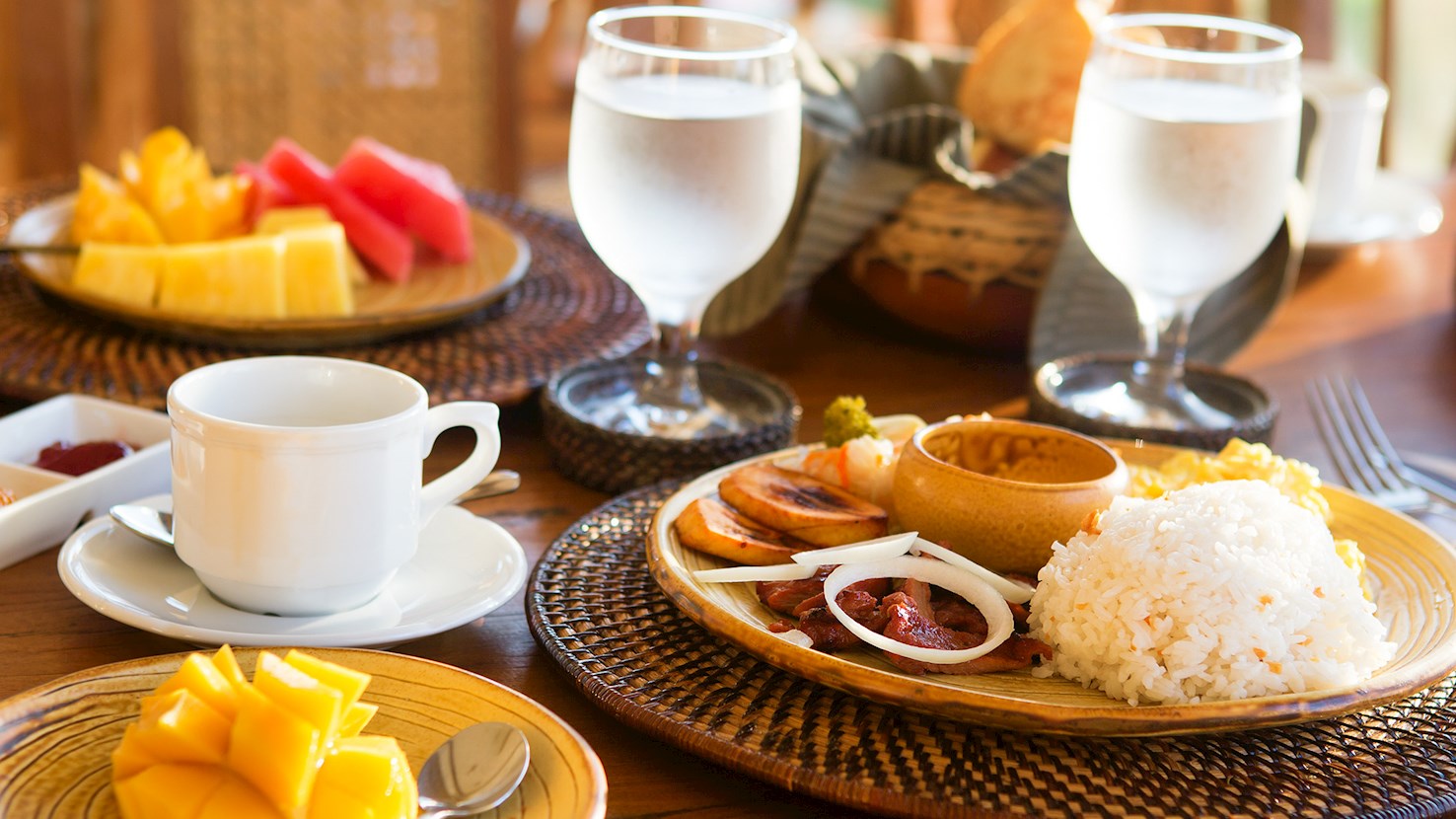
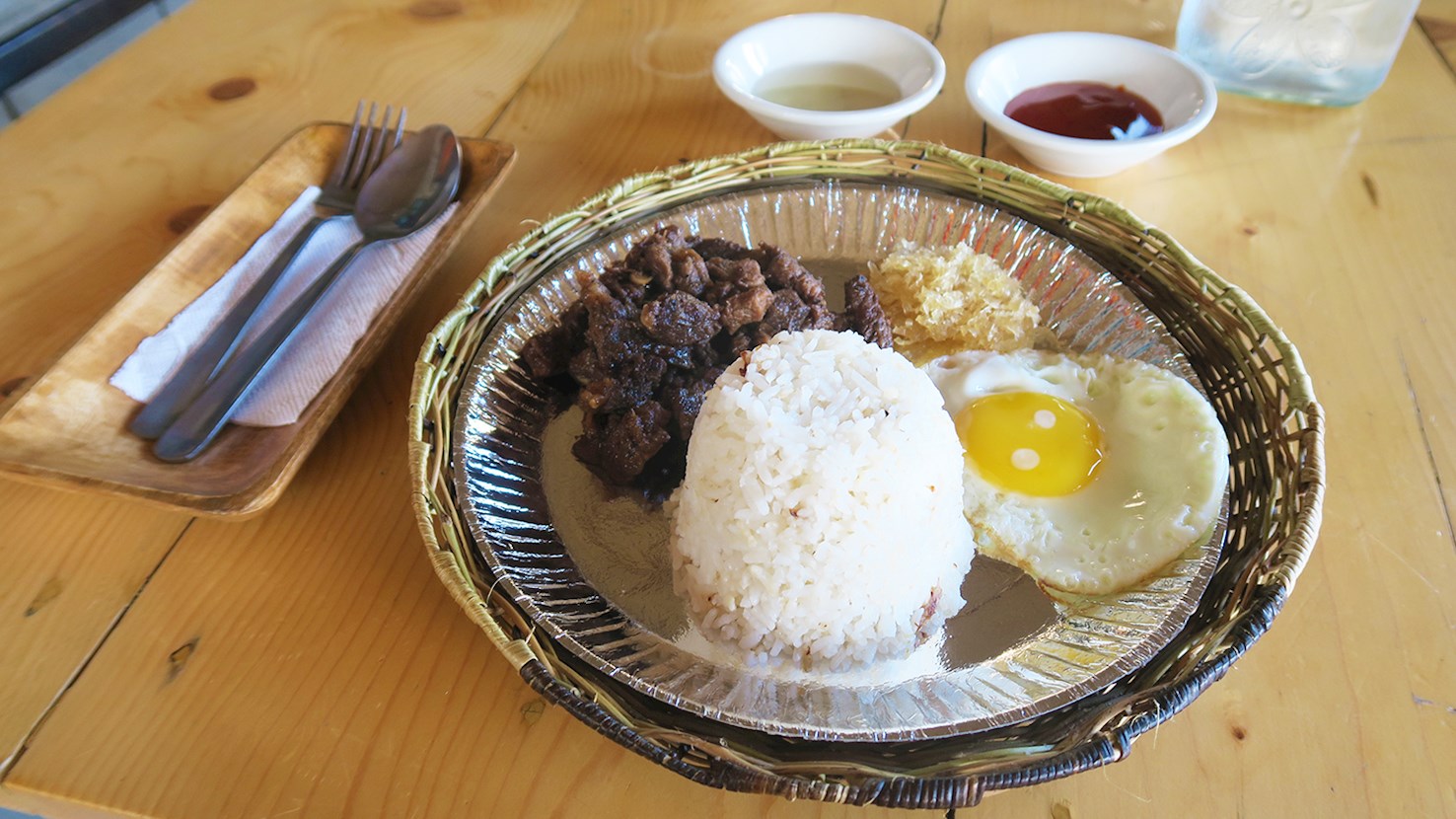
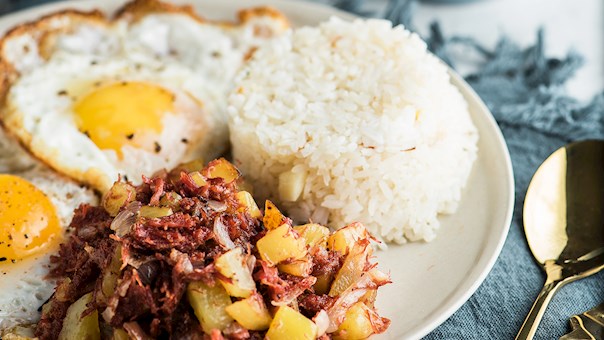
One of the most common breakfast staples in the Philippines is tapsilog, a plate which consists of sliced beef jerky, known as tapa, a heap of garlic rice, and a fried egg. It is believed that the dish grew out of necessity, to cater to the needs of many workers who were in search for a quick, cheap, and nutritious breakfast. Eventually, tapsilog was incorporated on the menus of many Filipino fast food chains and specialized tapsihan eateries. Nowadays, it appears in numerous varieties, and even though it is still a favorite Filipino breakfast it can be enjoyed at any time of day or as a satisfying late night snack.
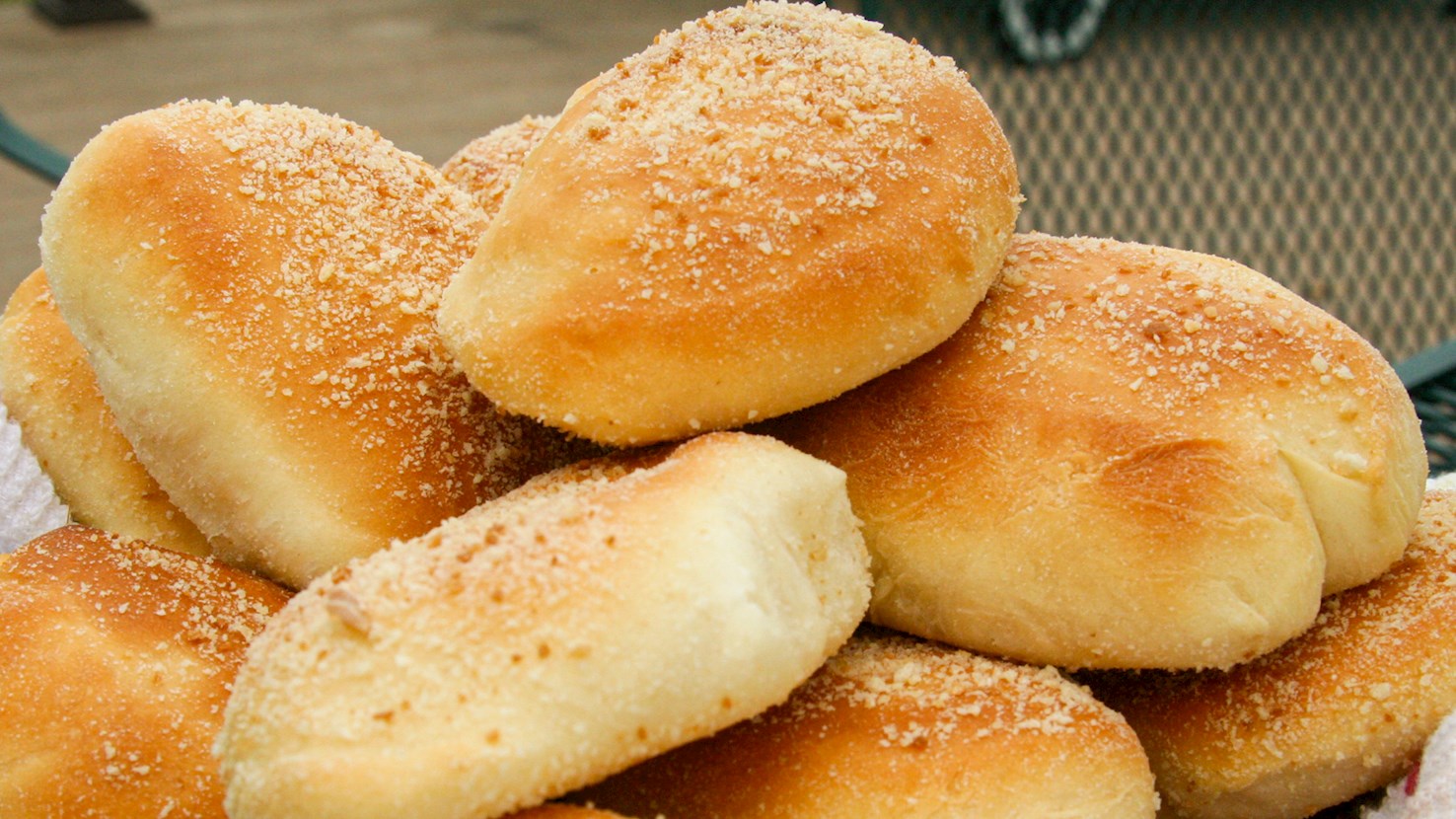
Pandesal is a popular bread roll from the Philippines. Its name is derived from the Spanish words "pan de sal," which translates to "bread of salt." However, despite its name, pandesal is characteristically slightly sweet rather than salty. The outside is usually coated in fine breadcrumbs, which give it a unique texture. This bread is a staple at many Filipinos' breakfast tables and is often enjoyed dipped in hot coffee or filled with various fillings like cheese, corned beef, or coconut jam. Over the years, its simple ingredients of flour, yeast, sugar, and salt have provided comfort and sustenance to generations of Filipinos.
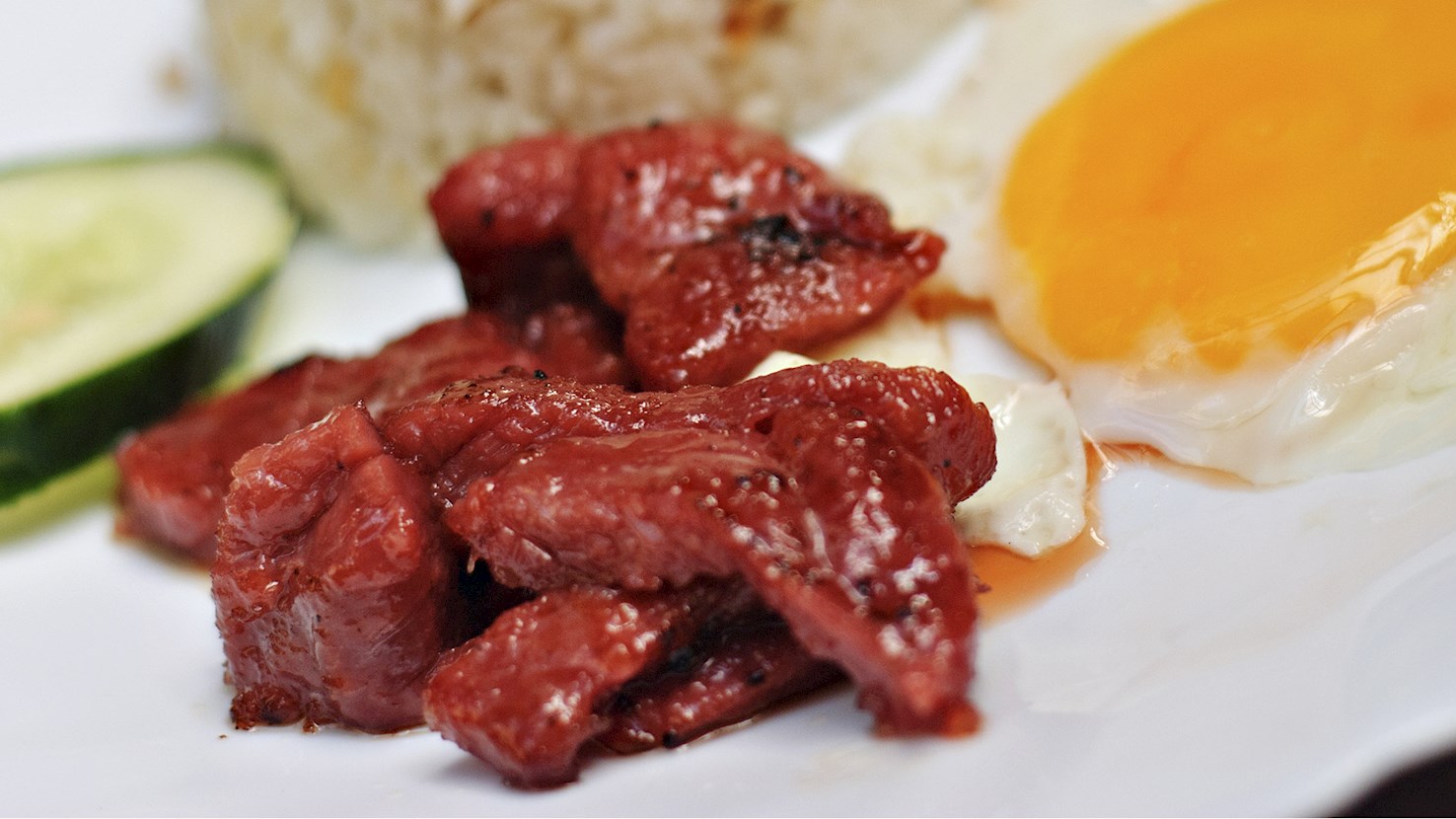
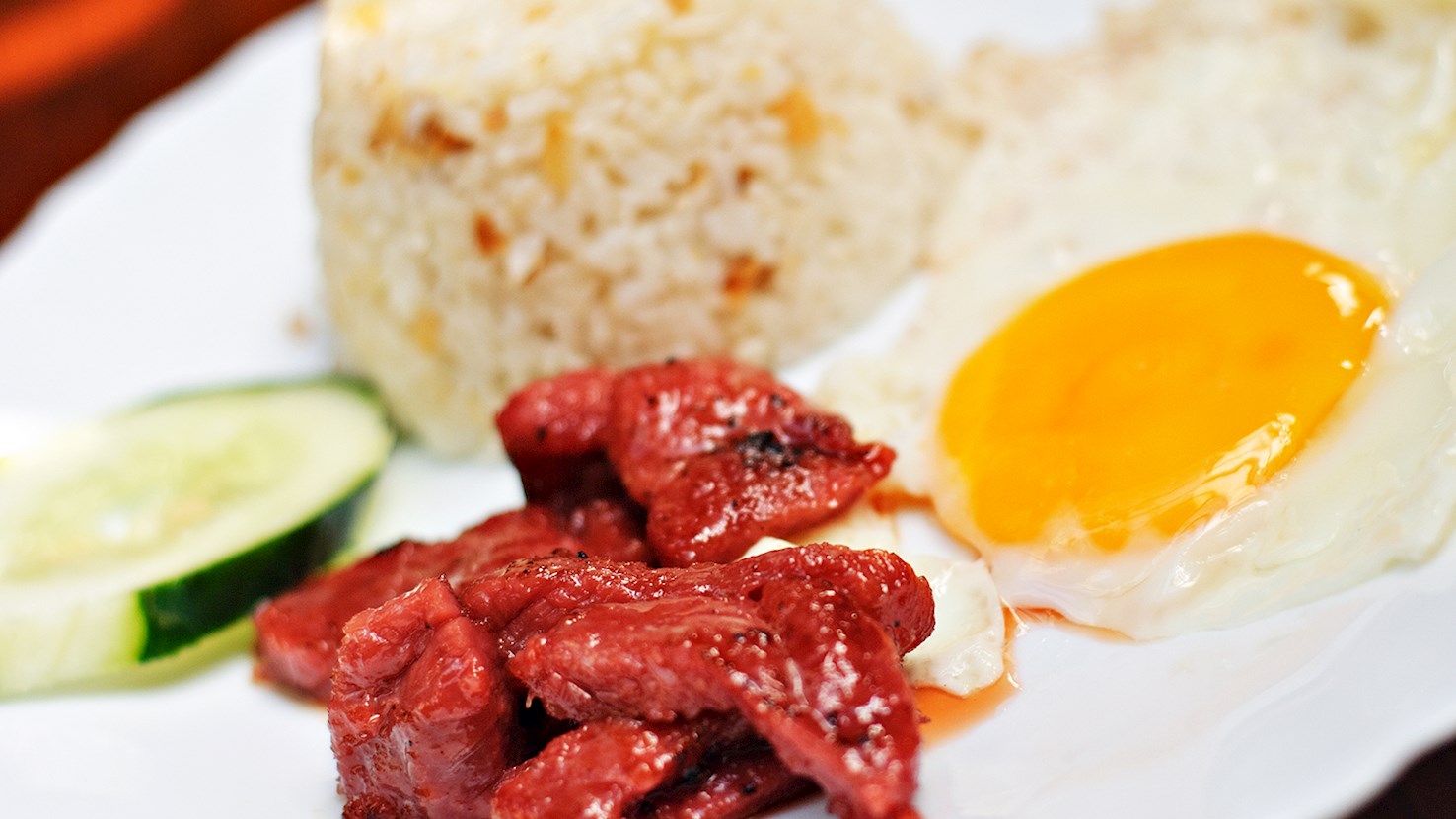
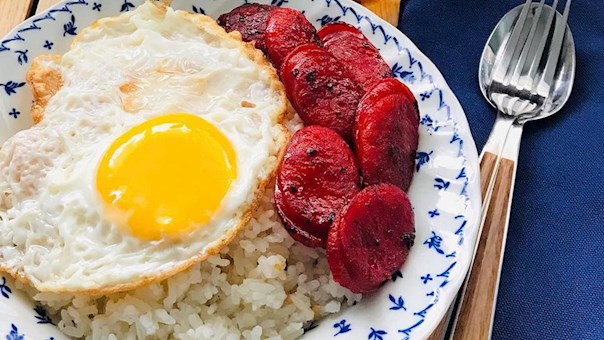
Although the term tocino stems from Spanish, in the Philippines, the word is synonymous with sweet-cured meat, traditionally prepared with pork, and occasionally beef or chicken. Slices of meat are doused in different combination of spices and seasonings which typically include sugar, salt, rice wine vinegar, soy sauce, anise wine, and pineapple or orange juice. Common additions to the curing mixture include saltpeter food preservative and annatto—a food dye derived from the seeds of the achiote tree that imparts color and peppery flavor. Pork tocino, also known as burong babi, is most commonly only lightly pan-fried until it caramelizes and is traditionally sided with garlic fried rice, and either sunny side up or scrambled eggs. This combination is called tosilog, and it is a popular Filipino everyday go-to meal, typically enjoyed for breakfast, but it is also readily available at any other time of the day.
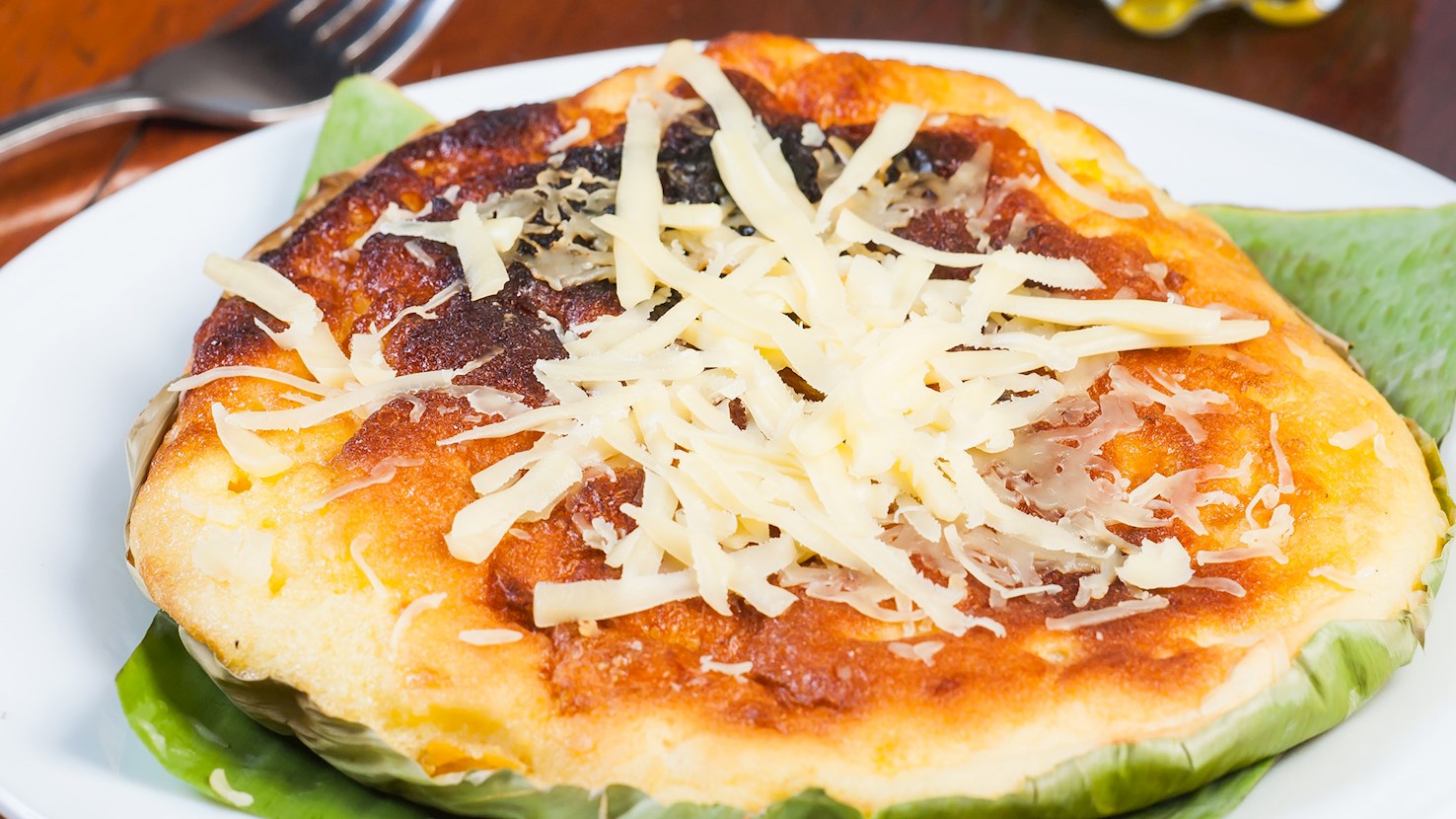
In its simplest form, bibingka is a simple Filipino cake that consists of rice flour and water. It was initially prepared in clay pots that were lined with banana leaves, which would impart a distinctive, smoky flavor to the dish. Bibinka is believed to have appeared under the foreign culinary influence, and the first written reference describing a similar cake dates back to 1751. Through history, bibinka was adapted with additional ingredients, and nowadays it is typically prepared with milk, eggs, coconut milk, sugar, and butter, while modern variations may include anything from grated cheese, salted duck eggs or grated coconut, and a variety of different sweet and savory toppings. This original Filipino delicacy is usually associated with Christmastime, and it is traditionally enjoyed after the mass on Christmas Day. Bibingka is also often served for breakfast.
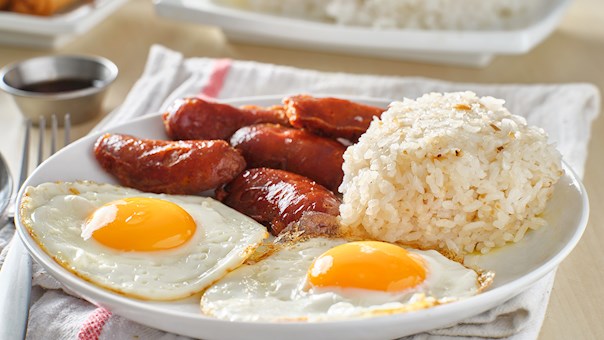
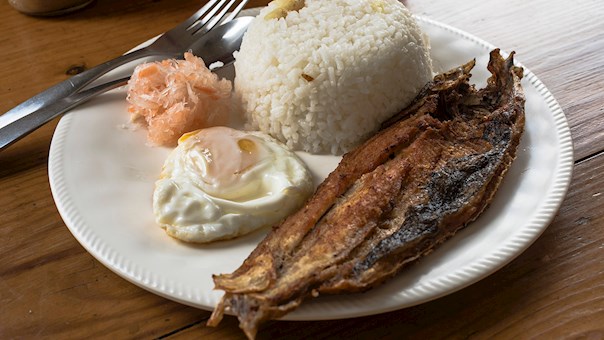
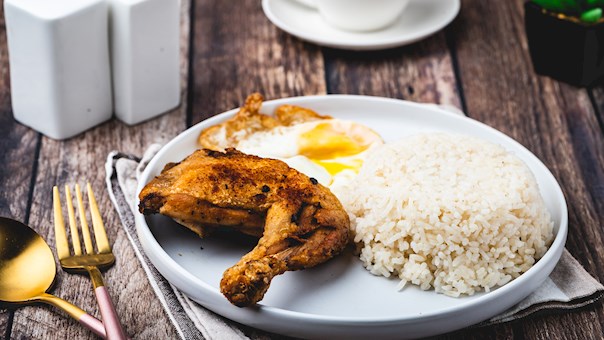
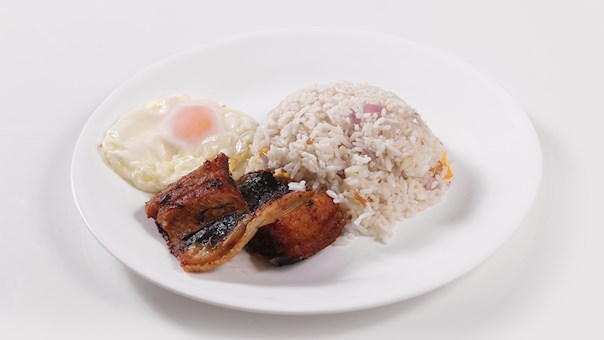
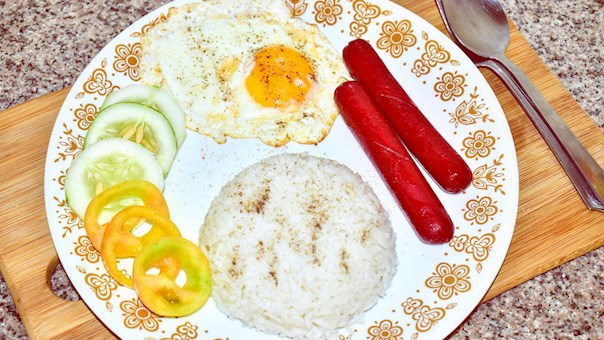
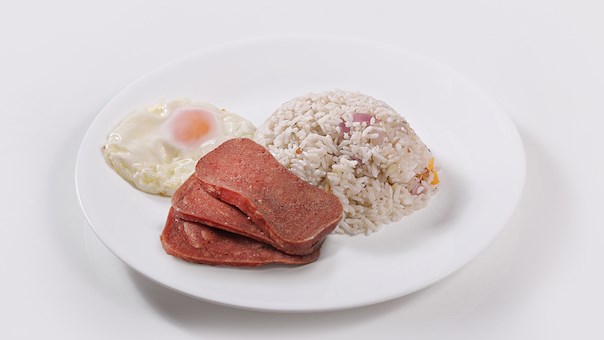
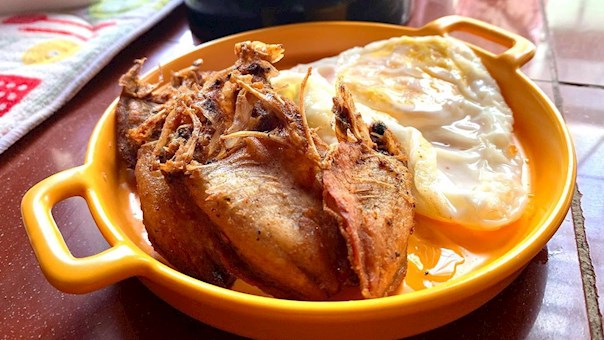
Silog refers to a group of Filipino dishes that are traditionally served for breakfast. The name is an abbreviation for sinangang at itlog, meaning fried garlic rice and eggs. The difference between each of these dishes is in the additional component that's served with the garlic rice and eggs, such as tapa (sliced meat), longganisa sausages, tocino bacon, bangus milkfish belly, chorizo, hot dogs, pork chops, Spam, fried chicken, or beefsteak, among others. It is believed that the first type of silog was tapsilog, invented in the 1980s in Marikina City. These breakfast items are so popular that they can nowadays be found in fast food chains, hotels, and restaurants.
Tosilog is a traditional dish originating from the Philippines, consisting of garlic fried rice, fried eggs, and tocino (pork that's been cured in salt, garlic, sugar, and spices). The cured pork is boiled in a bit of water, then fried in oil and arranged on a plate with garlic fried rice and sunny-side-up fried eggs. The dish is traditionally served hot for breakfast, and it's accompanied by a spicy vinegar dip. The name of the dish contains all three components: tocino (to), sinagang fried rice (si), and itlog fried eggs (log).
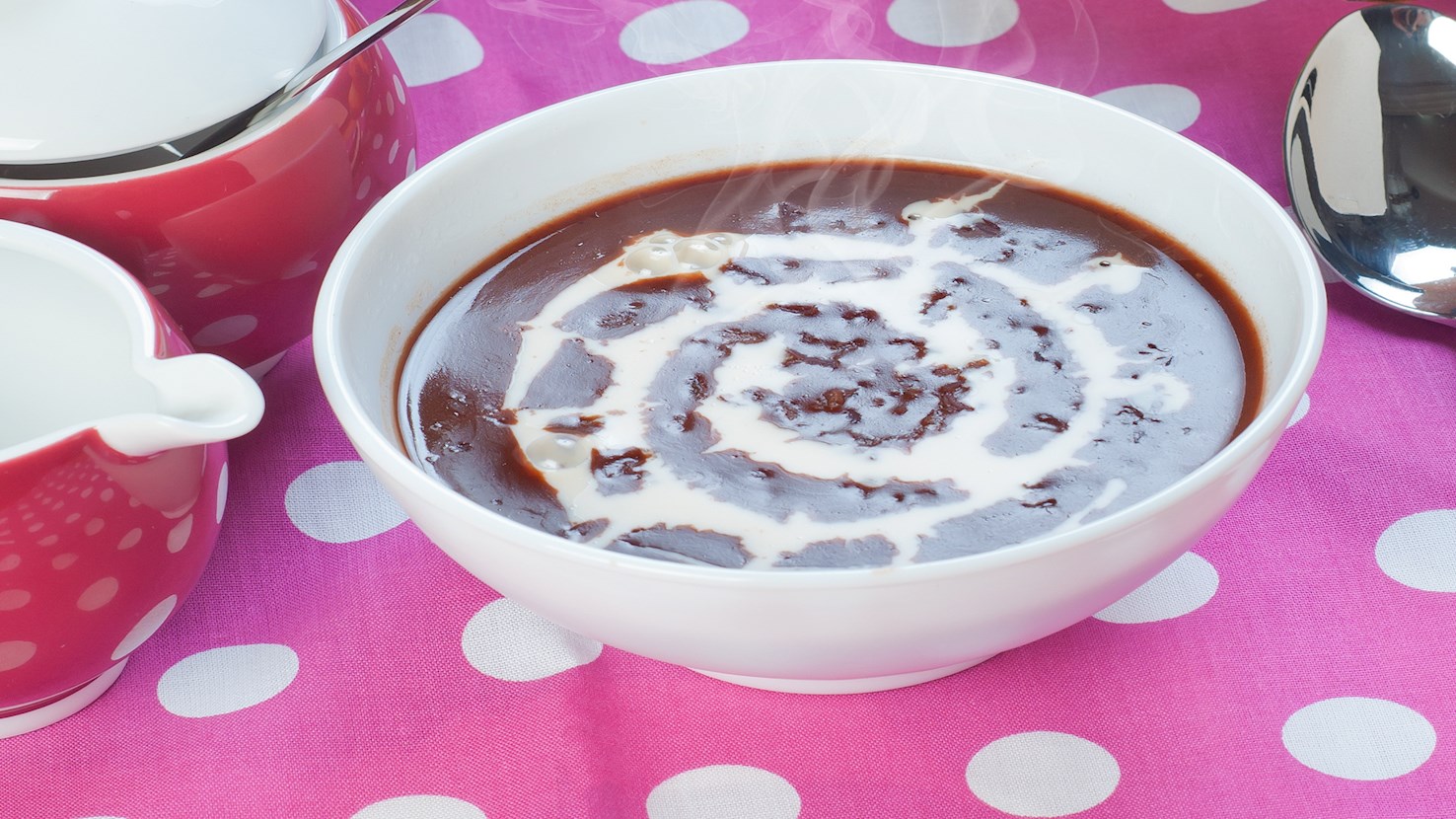
Lugaw is a versatile, starch-heavy rice porridge that serves as a blank canvas for an enormous array of sweet and savory flavors. The earliest Spanish colonial dictionary, the Vocabulario de la lengua tagala compiled by Pedro de San Buenaventura in 1613, officially defined the item simply as rice mixed with milk or water. It is traditionally prepared as a part of the Christmas Eve celebratory meal known as Noche Buena. Because of its soft, easily digestible texture, it serves as the ultimate comfort food for the sick, the elderly, and weaning infants, while also serving as a major caloric staple during breakfast or the cold, rainy typhoon season. The main ingredient is glutinous rice, known locally as malagkit, or standard long-grain white rice, boiled in an extreme excess of water or bone broth. The pot comes to a rapid boil before dropping to a slow, steady simmer until the grains break down completely, yielding a liquid noticeably thinner than standard Asian congee, which rapidly congeals into a thick paste if left to cool. For savory versions, crushed garlic, smashed ginger, and chopped onions are sautéed in hot oil until fragrant before the raw grains drop in to toast. The steaming porridge arrives in deep ceramic bowls and is topped. Typically, a squeeze of tart calamansi juice to cut through the heaviness of the starch, then splashes of soy sauce, fermented fish sauce, and ground black pepper. A massive scattering of chopped green scallions, incredibly crisp bits of fried garlic, and a halved hard-boiled egg almost always crown the bowl. Lugaw is eaten while still hot, frequently accompanied by side plates of tokwa't baboy, which consists of crispy fried tofu blocks mixed with boiled pork, as well as fried spring rolls or steamed rice cakes called puto. Arroz caldo, a name coined by the Spanish meaning "hot rice," features large, bone-in chicken segments and a generous pinch of safflower or turmeric, dyeing the entire batch a vibrant yellow. Another heavily favored savory iteration, goto, incorporates slow-boiled beef tripe, known as tuwalya, alongside gelatinous ox intestines and beef bone marrow, resulting in a significantly dense, chewy texture. In Visayan-speaking regions, these savory, meat-heavy variations are collectively referred to as pospas. Moving away from savory profiles entirely, sweet adaptations transform the starch into a rich treat, utilizing coconut milk or sugar. Champorado boils the sticky grains with pure native cacao blocks, called tablea, to create a dark chocolate porridge that is paired with salty dried fish called tuyo to offset its intense sweetness. Ginataang mais combines the rice with sweet corn kernels and rich coconut milk, while ginataang munggo relies heavily on toasted whole mung beans for a nutty, earthy profile. Binignit, another Visayan specialty, features slices of saba bananas, starchy taro, sweet potato, vibrant purple yam, and chewy sago pearls in a thick, sweet coconut milk base.
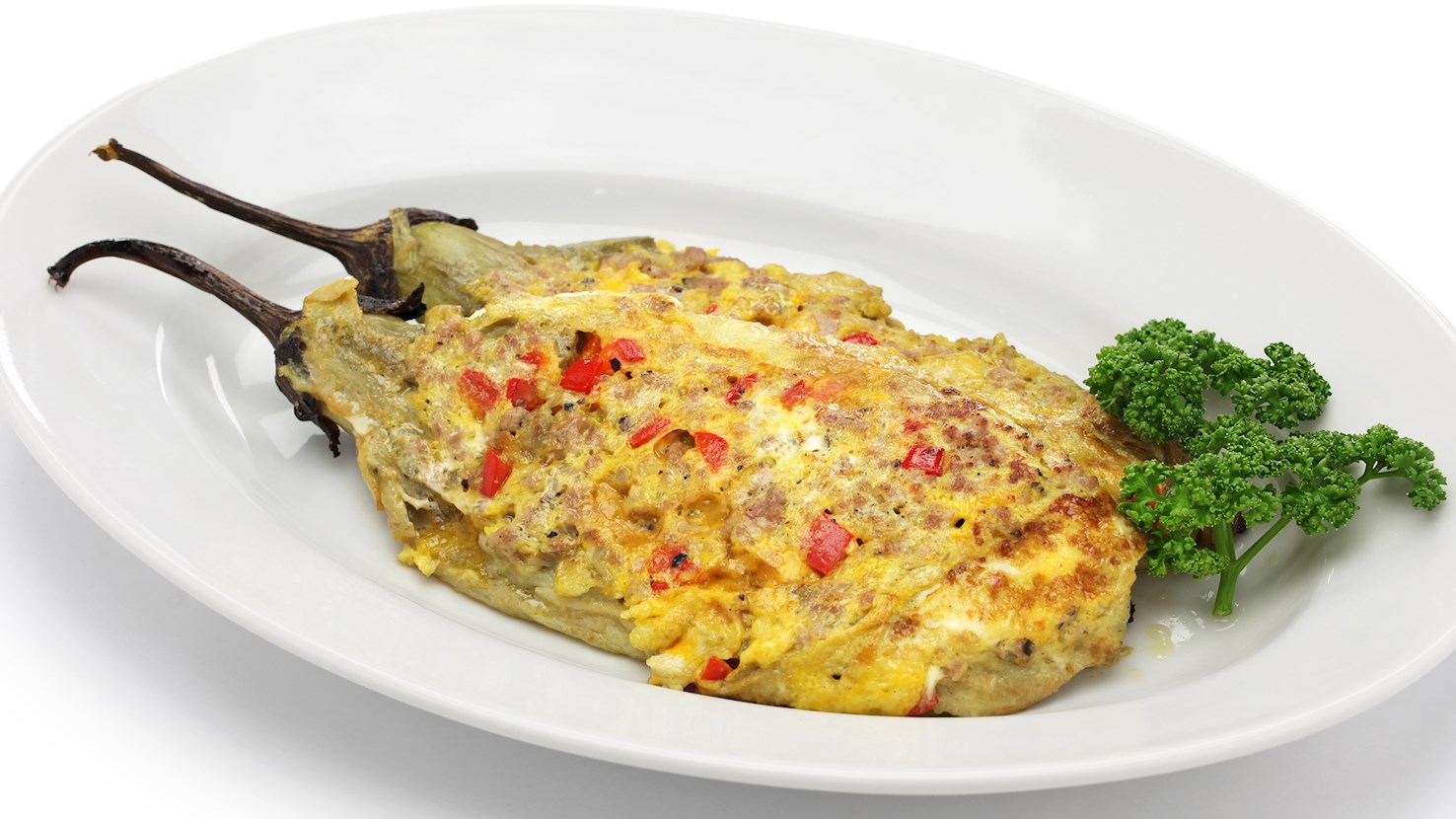
Torta is a popular Filipino dish consisting of an omelet filled with ground meat and vegetables such as diced potatoes. Savory and extremely satisfying, the dish is usually served as a main course, preferably over rice. It is recommended to pair torta with condiments such as banana ketchup. There are numerous variations on the Filipino torta, such as tortang talong (eggplant omelet) and tortang gulay (onion, bell peppers, and garlic omelet). The reason for the unusual name of this dish is a strong Spanish influence in the Philippines. There is one other dish named torta in the country, but it is altogether different and refers to a small, muffin-like dessert cake.
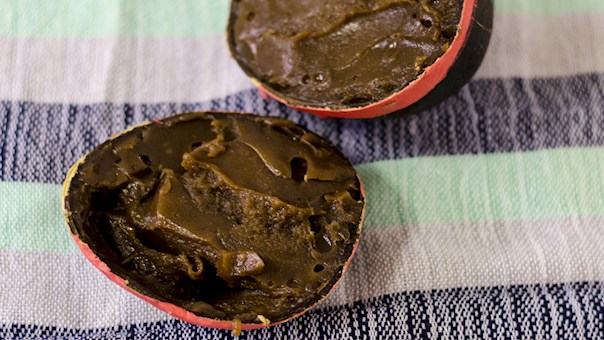
Champorado is a thick Filipino rice pudding. Originally prepared with chocolate, nowadays it is usually made with cooked glutinous rice blended with sugar and cocoa powder. The origins of the dish derive from a Mexican chocolate-based drink known as champurrado, which was introduced during the colonial period. Usually enjoyed as a hearty breakfast or a sweet afternoon snack, Filipino champorado can be served hot or cold, drizzled with condensed milk, or accompanied by salted dry fish.
TasteAtlas food rankings are based on the ratings of the TasteAtlas audience, with a series of mechanisms that recognize real users and that ignore bot,
nationalist or local patriotic ratings, and give additional value to the ratings of users that the system recognizes as knowledgeable.
For the “Top 22 Filipino Breakfasts” list until October 15, 2026, 826 ratings were recorded, of which 625 were recognized by the system as legitimate.
TasteAtlas Rankings should not be seen as the final global conclusion about food. Their purpose is to promote excellent local foods,
instill pride in traditional dishes, and arouse curiosity about dishes you haven’t tried.



What People Say