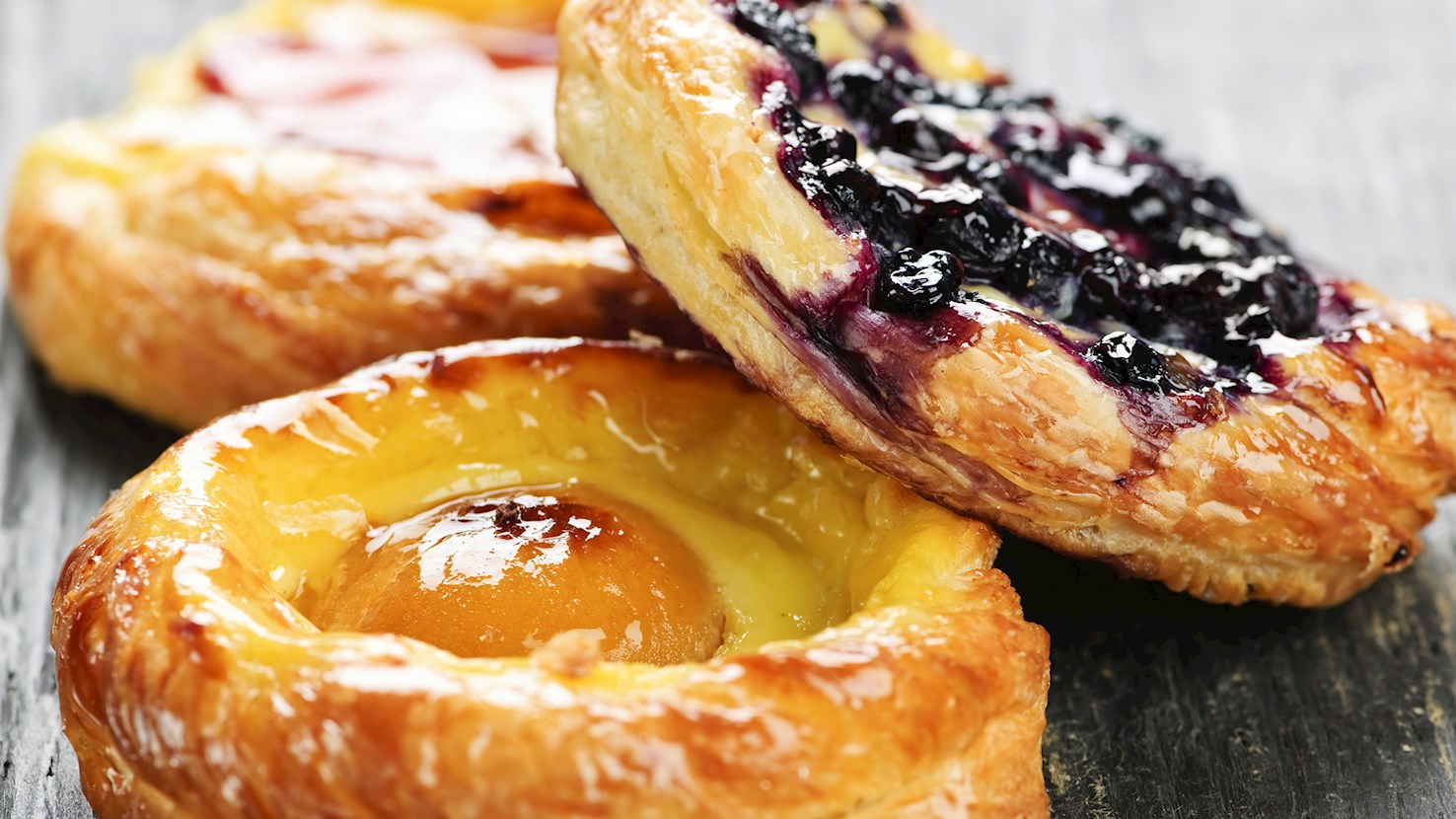
The epitome of a cozy Sunday breakfast in Denmark is a crispy sweet treat known as Danish pastry. It is made with laminated dough, where the dough is repeatedly covered with butter and folded over itself. The result is a creation that is quite similar to puff pastry. The dough is shaped into different forms and filled with flavorful, creamy fillings. Traditional fruit fillings such as apple and raspberry, vanilla custard, and almond paste are Danish favorites, but due to its popularity, the fillings are usually region-specific. For example, cinnamon is more favored during the winter season, while readily available fresh fruit is occasionally incorporated into Danish pastry during the warmer months. The pastry is often decorated with almond flakes or lemon drizzle, which contribute to a more sophisticated look and provide more interesting flavors and textures. It is believed that Danish pastry was created by Austrian bakers who were hired in Denmark during the bakers' strike in 1850, and they brought a tradition of preparing laminated dough to the country. They modified the recipe by adding more butter to create what is today known as Danish pastry. However, in Denmark, Sweden, and Norway it is referred to as wienerbrød, originating from the name Viennese bread, and in Vienna, it is often called Kopenhagener plunder. Today, this pastry is an internationally recognized baked product that is found in many European countries and both North and South America. With intricate designs and a variety of flavors, it represents a staple pastry of every bakery and a favorite sweet breakfast of many people.
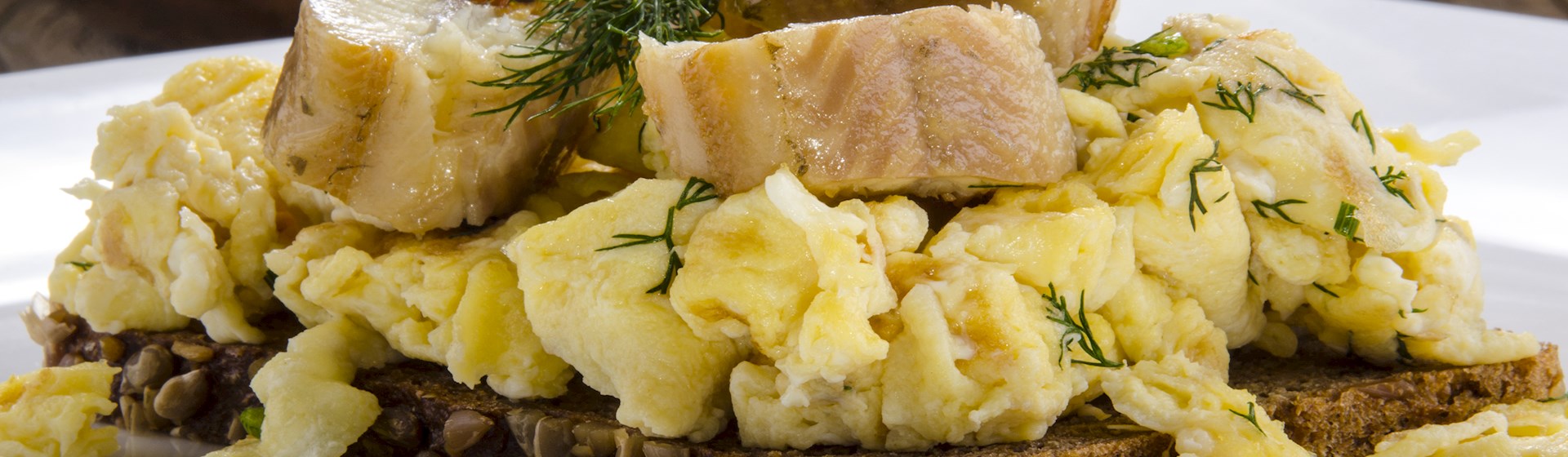
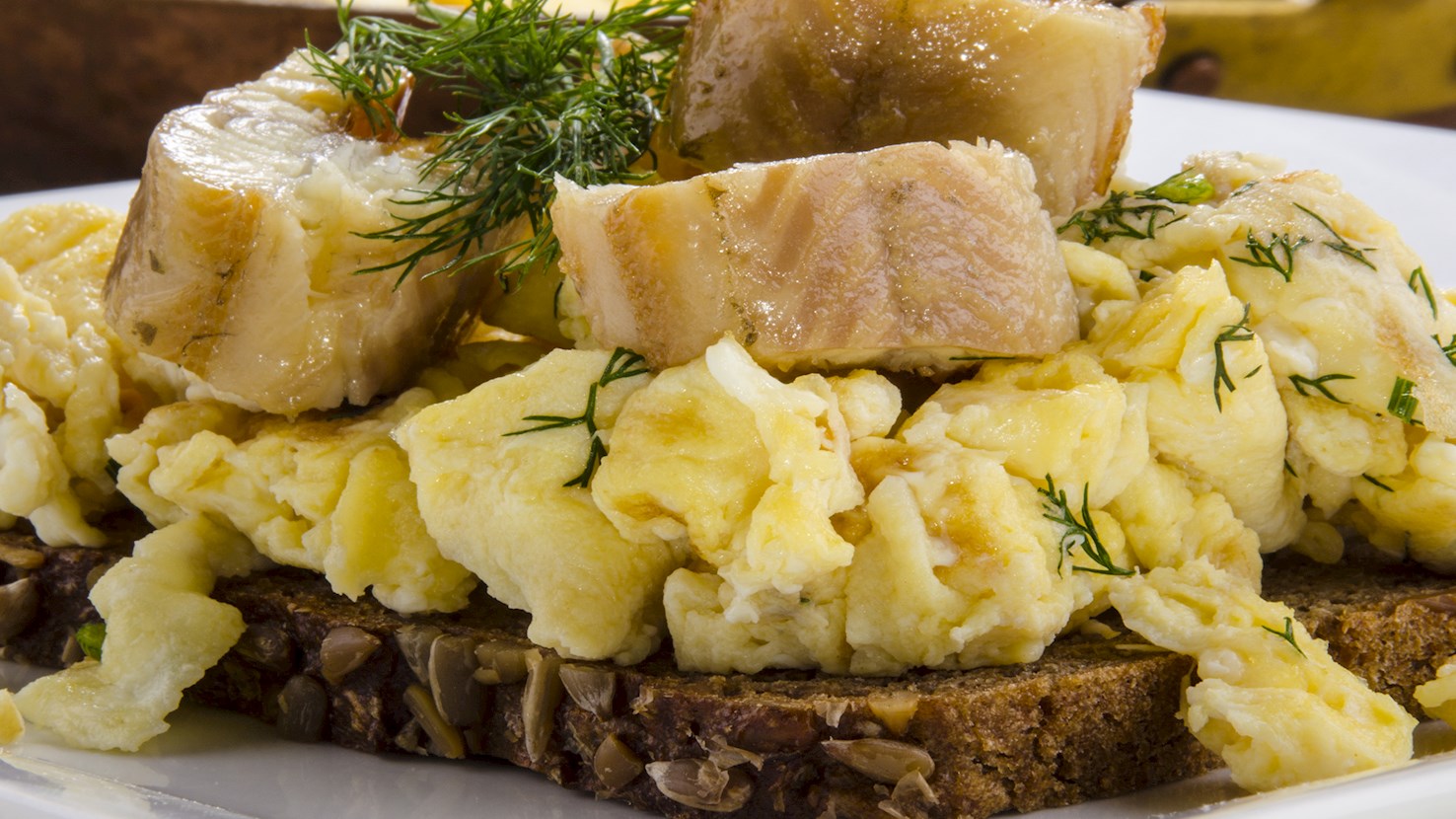
The combination of tender smoked eel and buttery scrambled eggs is a popular breakfast and lunch option in Denmark and Sweden. The combination is either served individually or as a topping on traditional, open-faced smørrebrød sandwiches. The dish is often accompanied by salads and seasoned with fresh herbs and lemon. Healthy, nutritious, and easily prepared, it is a common restaurant staple and a popular home-cooked dish.
Æggekage is a traditional egg-based dish that resembles an omelet or a thick pancake. It consists of a mixture of lightly beaten eggs, milk, and flour, which is poured in a skillet and topped with various condiments. The dish is usually finished in the oven until the top is completely set and a light golden crust appears on the edges. Traditional toppings include slices of fried bacon, tomatoes, and chopped chives, but it can also include a variety of other ingredients. Æggekage is usually served as a hearty breakfast or dinner and is commonly complemented with rye bread or boiled potatoes. Occasionally, it is sliced and used as a topping on the famous Danish smørrebrød sandwiches.
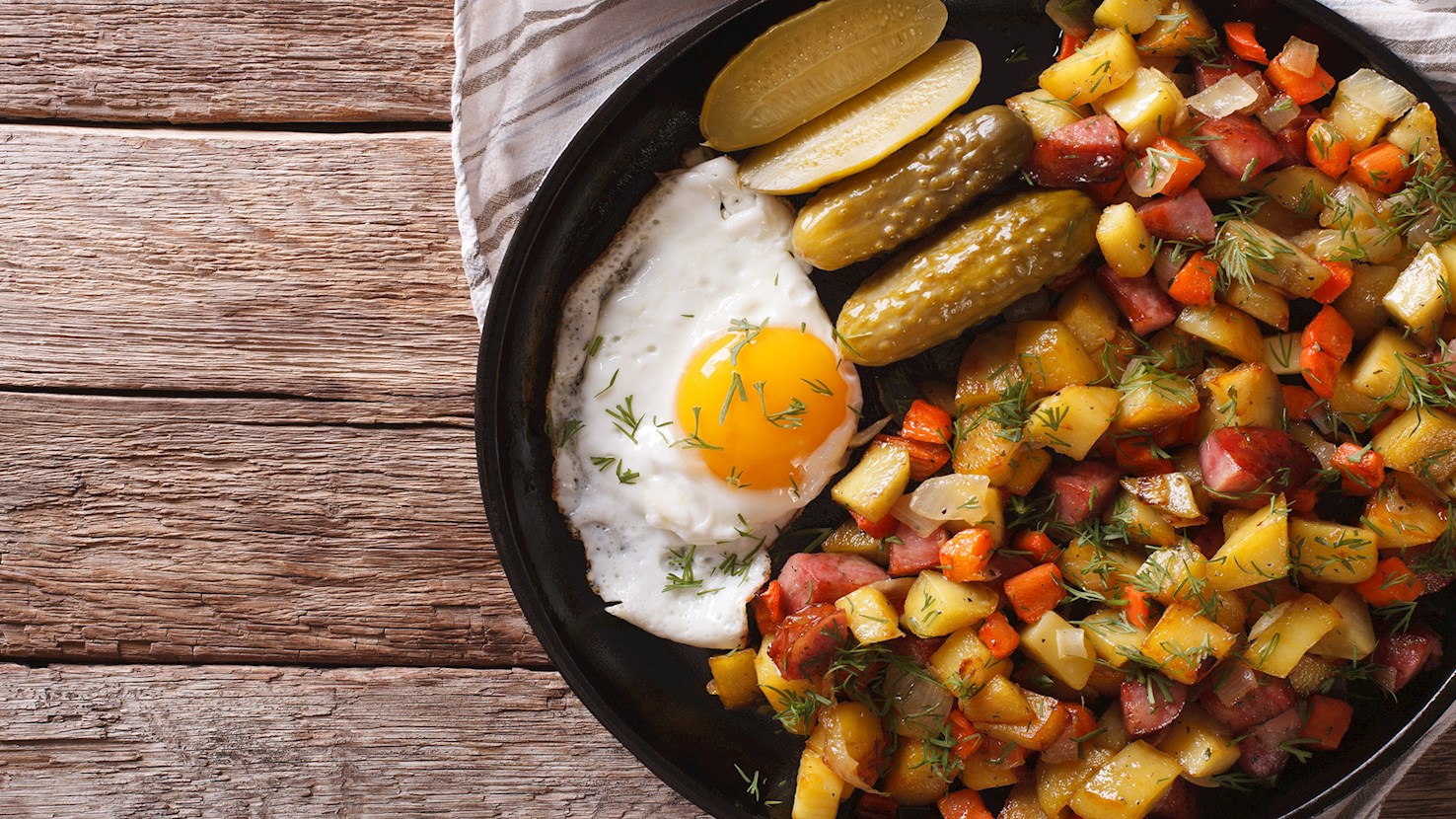
Initially regarded as a simple dish assembled from available leftovers, this rustic hash nowadays stands as the ultimate comfort food and a favorite meal in many Nordic countries. Pyttipanna is incredibly versatile and usually consists of diced potatoes and different types of meat and vegetables that are pan-fried in butter. Served with a fried egg on top and alongside various pickled salads, it is usually enjoyed as a nutritious breakfast.
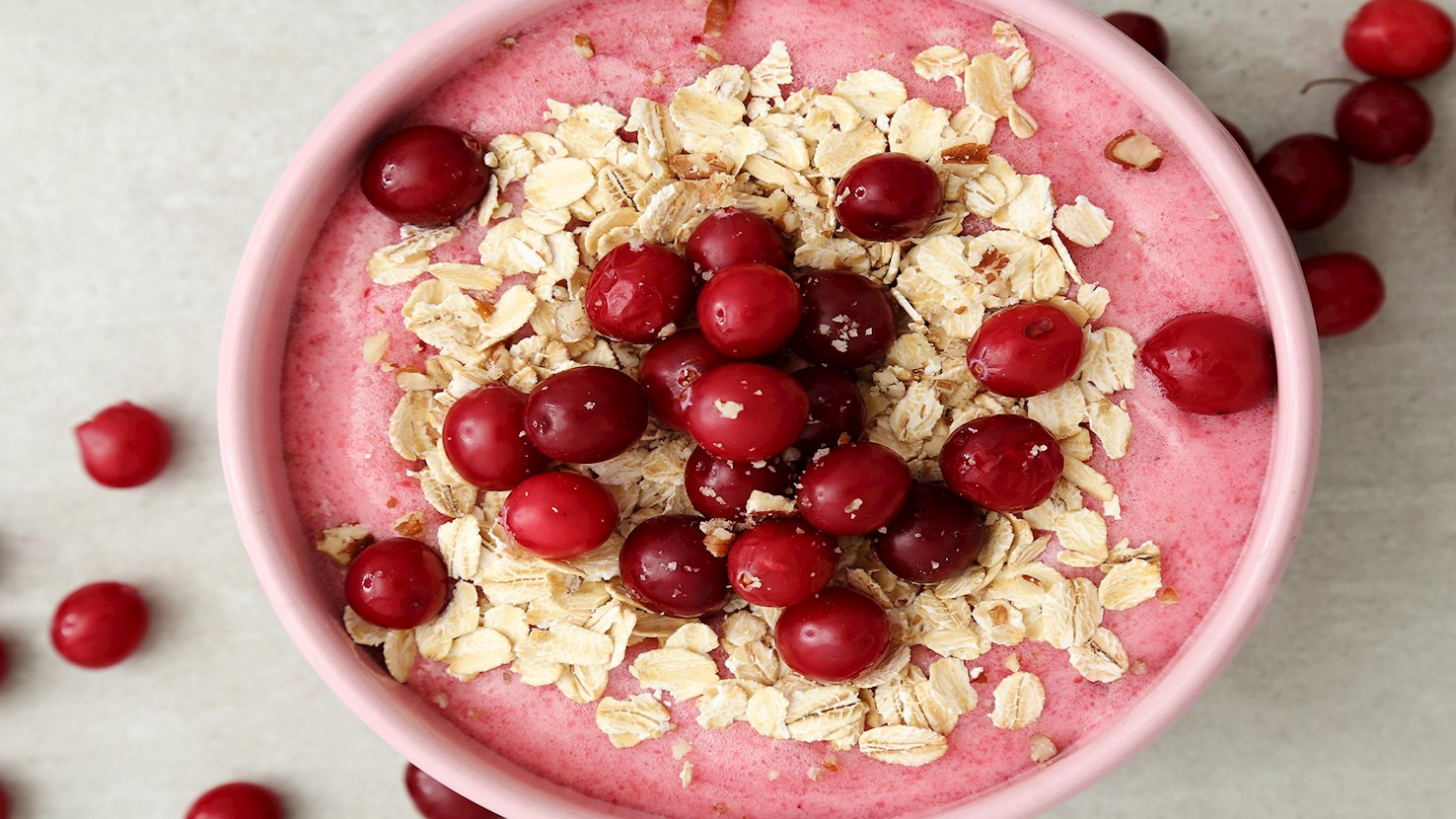
Vispipuuro, russedessert, klappgröt, debesmanna, or mannavaht are different names for a creamy Baltic semolina porridge that is prepared with fresh fruit such as tart lingonberries, cranberries, or red currants. When cooked, the thick porridge is whipped until it transforms into a unique treat with a frothy and light consistency. It is traditionally topped with cream or milk and garnished with fresh fruit. Found across Finland, Estonia, Sweden, Norway and Latvia, this dish is usually enjoyed as a sweet breakfast, a light midday snack, or a refreshing dessert.
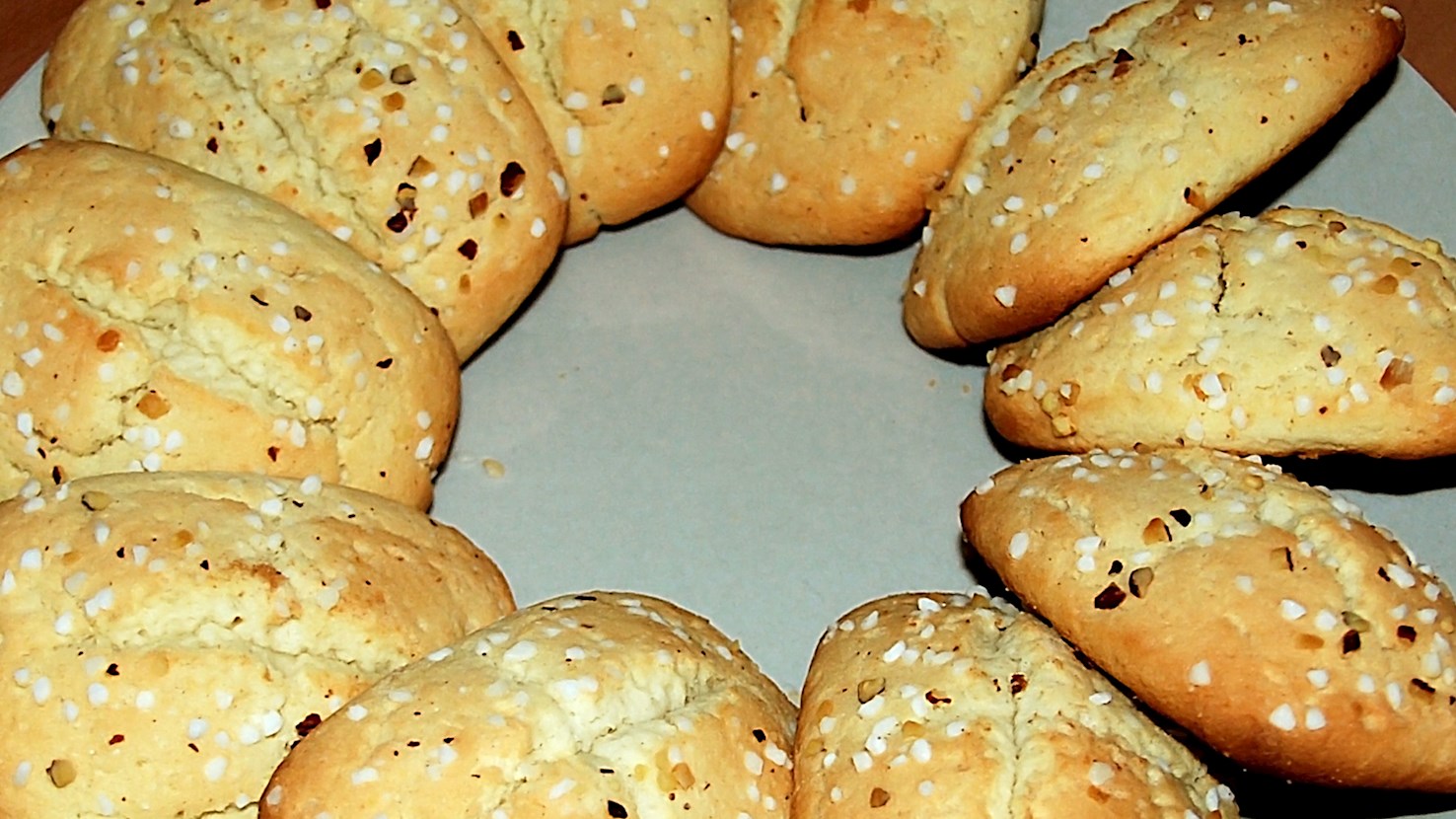
Mandelkubb is a traditional pastry characterized by its bittersweet flavor. It is best described as an almond bun. Its name and its distinct flavor are both derived from the main ingredient – bitter almonds. These are crushed and mixed with flour, sugar, eggs, and leavening agents. Some versions of mandelkubb replace the almonds with almond oil and include sour cream or milk. The buns are always sprinkled with pearl sugar before baking. They are very easy to make and almost every bakery and coffeehouse in Sweden sells them. Mandelkubbar are usually eaten fresh with a glass of cold milk or a cup of hot coffee on the side.
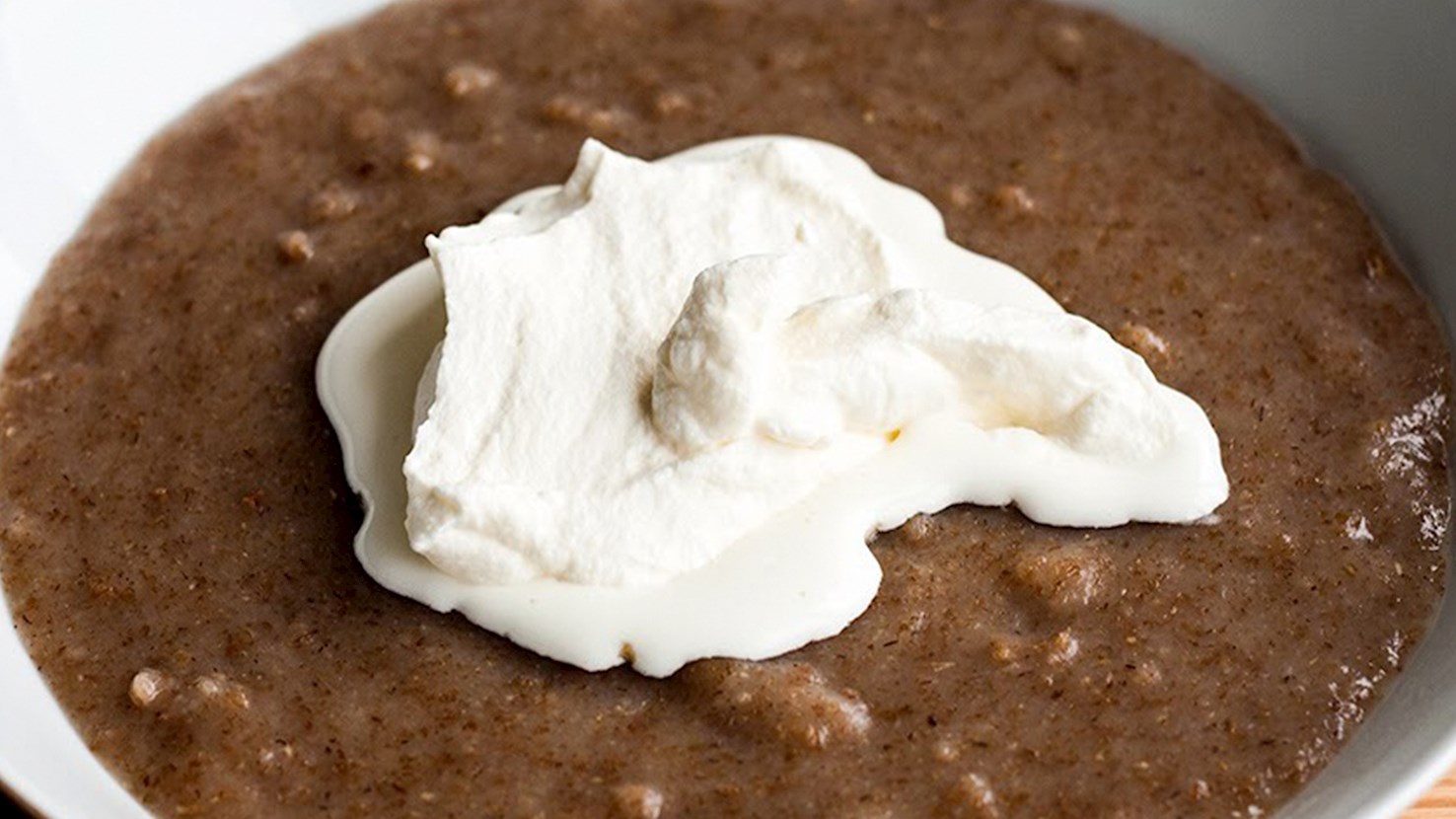
Øllebrød is a traditional rye bread porridge that is usually served as a sweet and nutritious breakfast. It consists of a mixture of stale rye bread soaked in water, milk, or traditional Danish beer, which is later cooked until it achieves a thick, homogenous texture. Originally, it was a humble and rustic dish, but many modern varieties incorporate various additions such as whipped cream, citrus zest, raisins, and nuts to create a more nutritious meal.
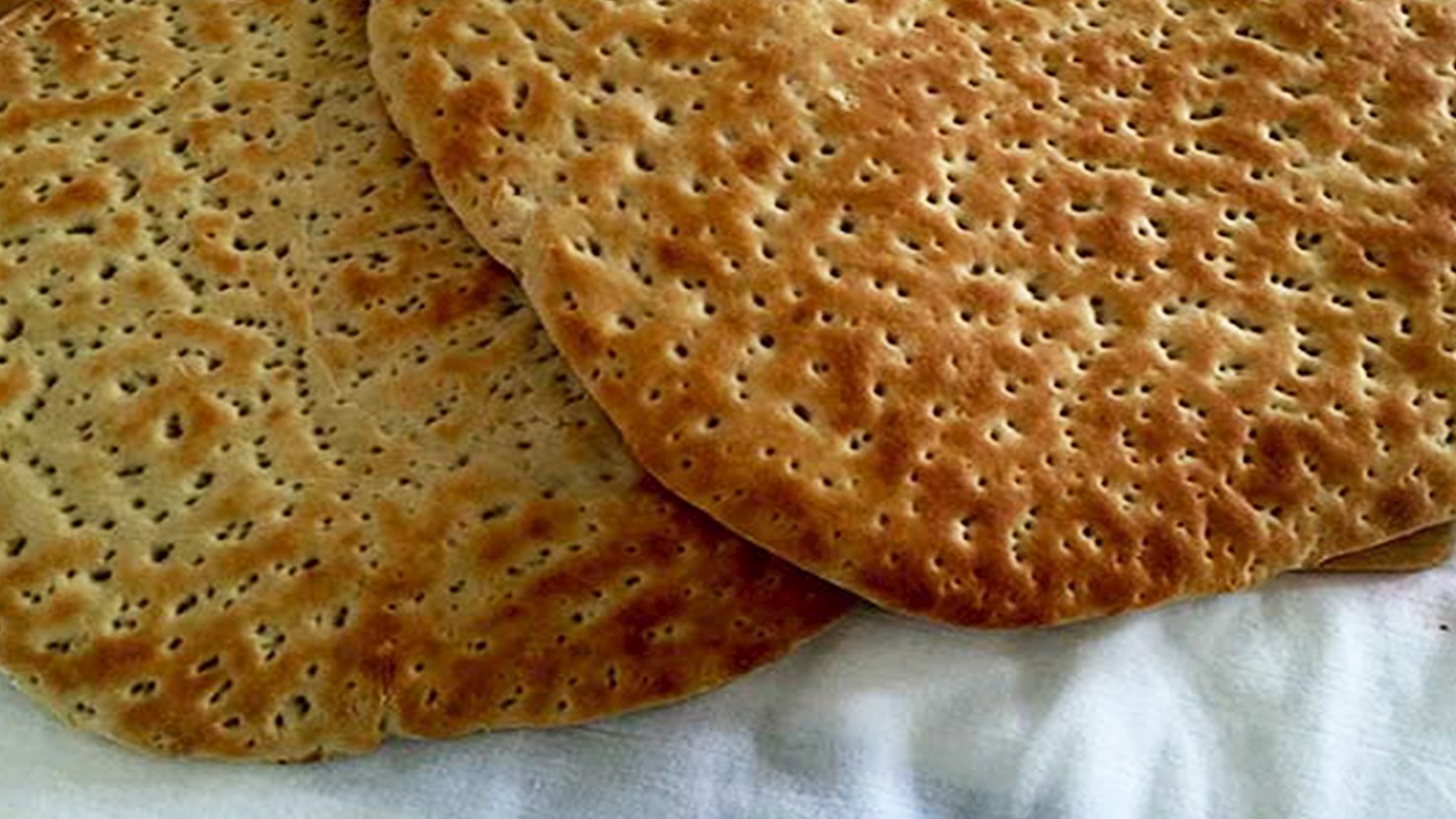
Mjukkaka is a round Swedish flatbread that is usually baked in a brick oven. This bread is about the size of a regular plate and consists of flour, yeast, sugar, water, salt, and oil. It is characterized by fork prick marks on its top, used in order for the dough to stay flat while it is baking. Mjukkaka is usually served for breakfast, consumed as it is, or accompanied by butter.
TasteAtlas food rankings are based on the ratings of the TasteAtlas audience, with a series of mechanisms that recognize real users and that ignore bot,
nationalist or local patriotic ratings, and give additional value to the ratings of users that the system recognizes as knowledgeable.
TasteAtlas Rankings should not be seen as the final global conclusion about food. Their purpose is to promote excellent local foods,
instill pride in traditional dishes, and arouse curiosity about dishes you haven’t tried.



What People Say