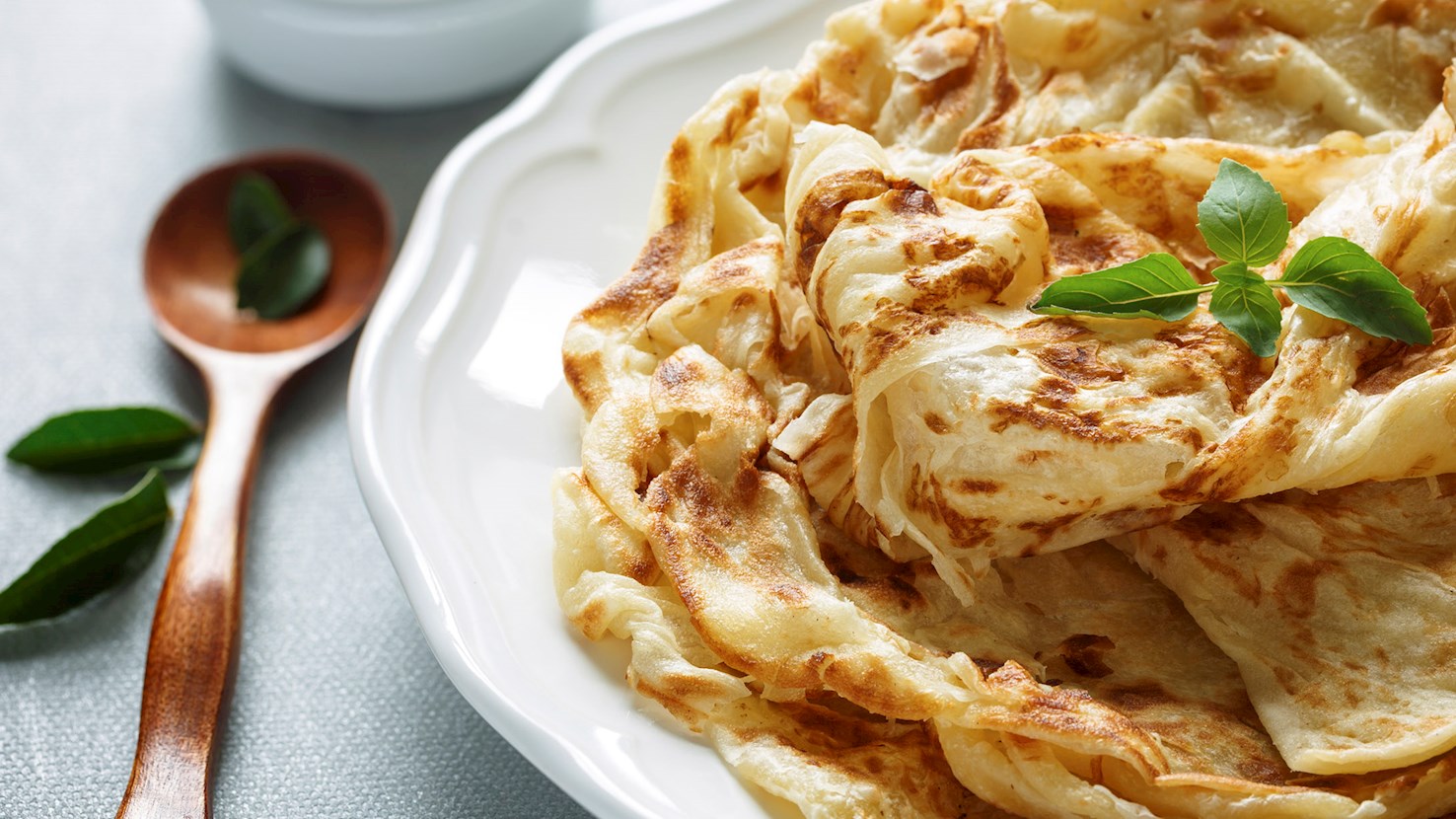
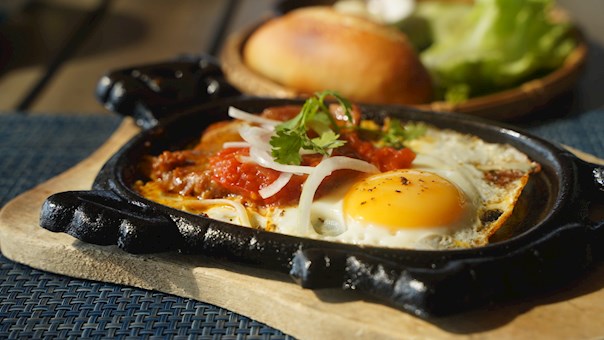
Roti canai is a traditional pan-fried flatbread made with flour, water, eggs, and fat of Indian origin, but mainly associated with Malaysia, and surrounding countries like Indonesia, Brunei, and Thailand. The dough for roti canai is repeatedly folded, so the final product has a layered texture, a soft interior, and a crispy outer layer. The most common fat used in roti canai is ghee, the traditional Indian clarified butter. It is believed that the dish originated in India when the Indian laborers who migrated to Malaysia brought the recipe and the tradition of preparing this crispy pastry to the foreign country. Usually, it is served plain in its traditional round form, as an accompaniment to curries. It can be served on the side or torn into pieces and mixed with the curry. However, roti canai is often served as the star dish, accompanied by different savory and sweet fillings and ingredients. If additional fillings are added, roti canai is usually shaped into rectangles. For example, in Malaysia, one can find various roti canai types, which are differentiated by the type of filling — egg, onion, egg and onion, banana, sardines, margarine and sugar, Maggi instant noodles, cheese, vegetable, and pork filling are some of the many available. However, roti canai doesn't have to have a filling but only a topping, such as fried eggs, curry, beans, lentils, and coffee beans. But martabak, a thick roti filled with meats, eggs, onions, and spices, is probably the best-known type of roti canai. Apart from Malaysia, it can also be found in Saudi Arabia, Yemen, and a few other countries. Other than Malaysia, a very similar type of flatbread can be found in Singapore, where it's called roti prata. This crispy bread is usually sold by street vendors called mamaks.
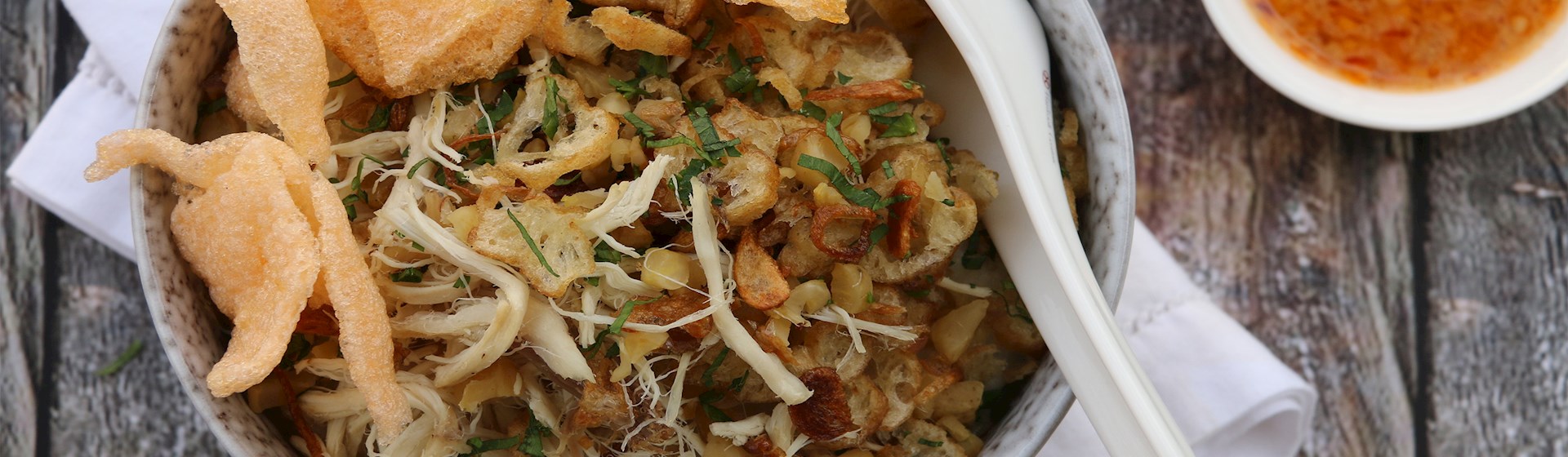
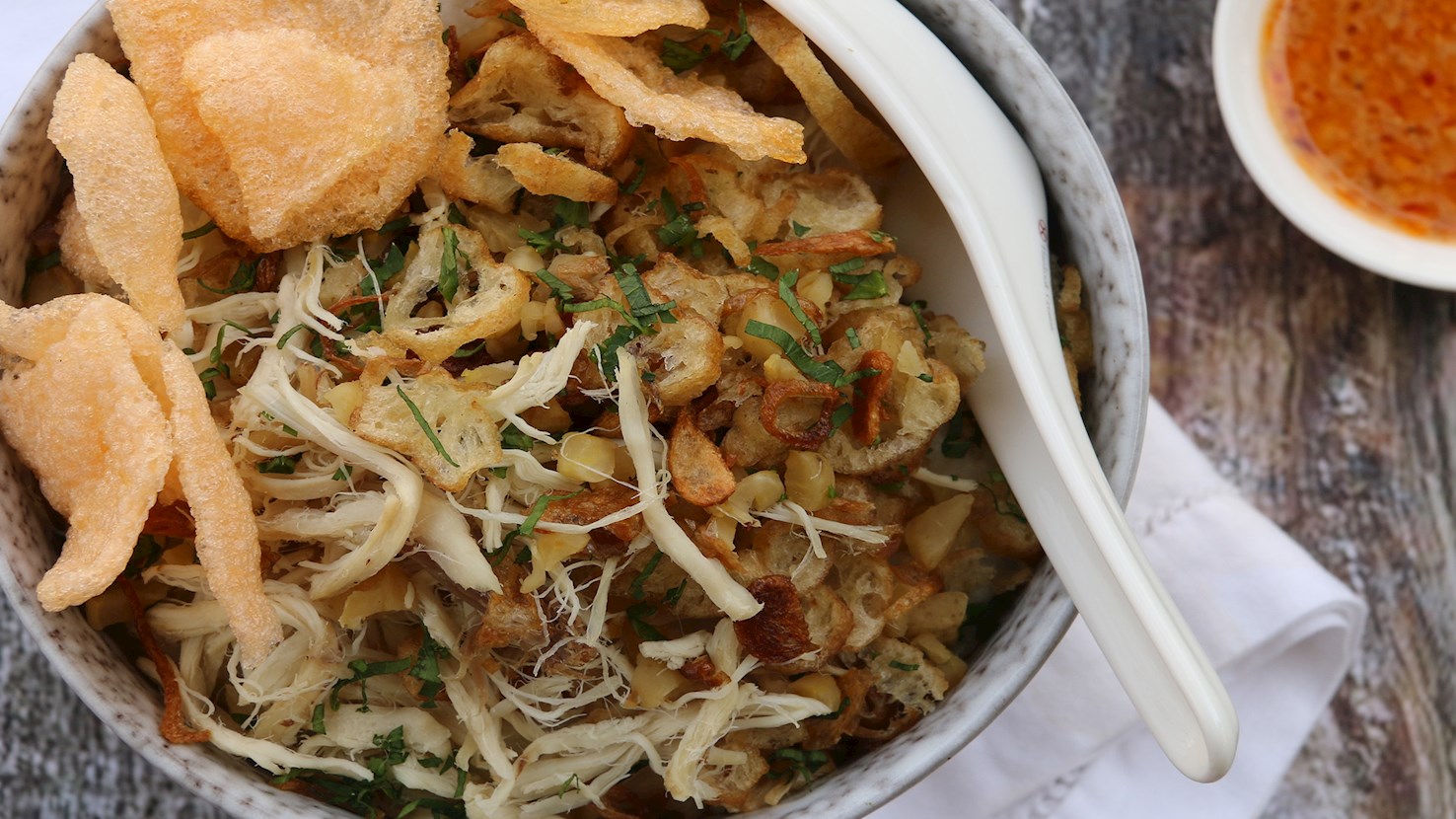
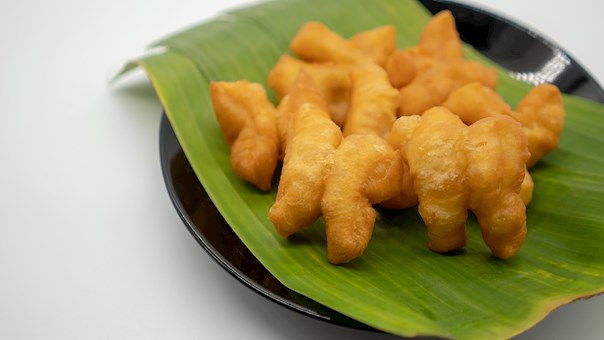
Bubur ayam is the Indonesian version of chicken congee, a thick rice porridge topped with shredded chicken and various savory condiments. This breakfast staple probably originates from the Chinese rice porridge, but it employs regionally available ingredients and toppings to create an authentic Indonesian dish. The process starts with boiling chicken (usually darker, on the bone pieces), and the same broth is typically used to cook the rice until it becomes dense in consistency. Besides rice porridge and shredded chicken, bubur ayam can employ a myriad of other ingredients. It is commonly topped with sliced scallions, crispy fried shallots, chopped cilantro, crushed peanuts, fried crullers, and sliced boiled eggs. Before it is served, bubur ayam is usually generously doused with soy sauce, sesame oil, or fish sauce. Unlike other traditional Indonesian dishes, this chicken porridge is not overly spicy, but the fiery sambal sauce can be served on the side, if desired. Bubur ayam is one of the most common street food varieties in Indonesia - each morning, numerous street vendors can be seen selling this comforting porridge as a nutritious breakfast dish.
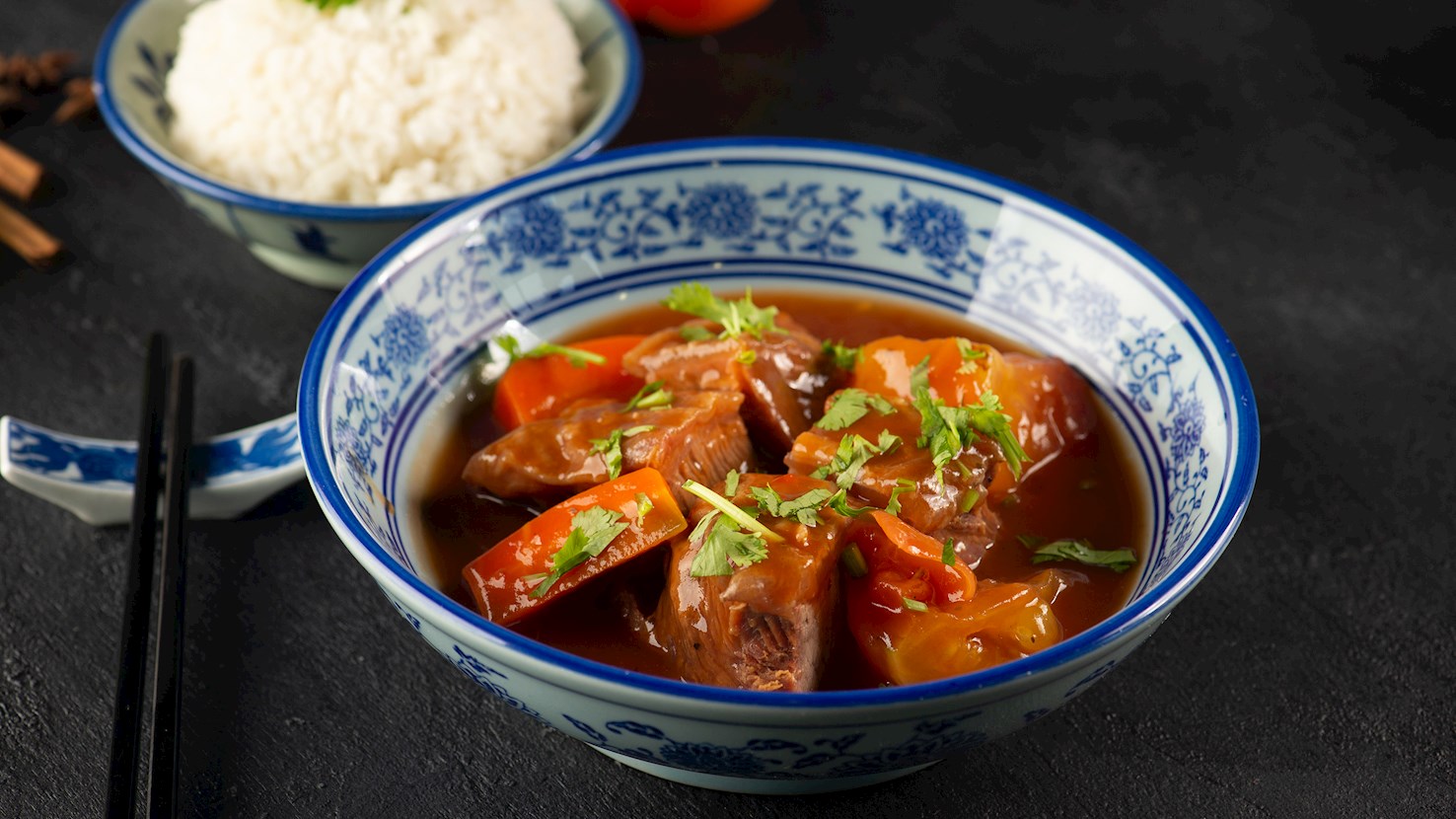
Bò kho is a popular Vietnamese beef stew that can be consumed on its own or accompanied by a baguette on the side. It can also be served over noodles, and it is customary to serve a variety fresh herbs on the side. The dish includes ingredients such as diced beef, carrots, lemongrass, cinnamon, chili, pepper, garlic, and shallots, all of them simmered in a spicy and aromatic broth. The origins of bò kho are still a mystery, although it is believed that the dish has many influences, from both the East and the West. In rural areas of Vietnam, the stew is usually much spicier than in urban areas. It is traditionally consumed for breakfast, garnished with chopped green onions, coriander, and onions.
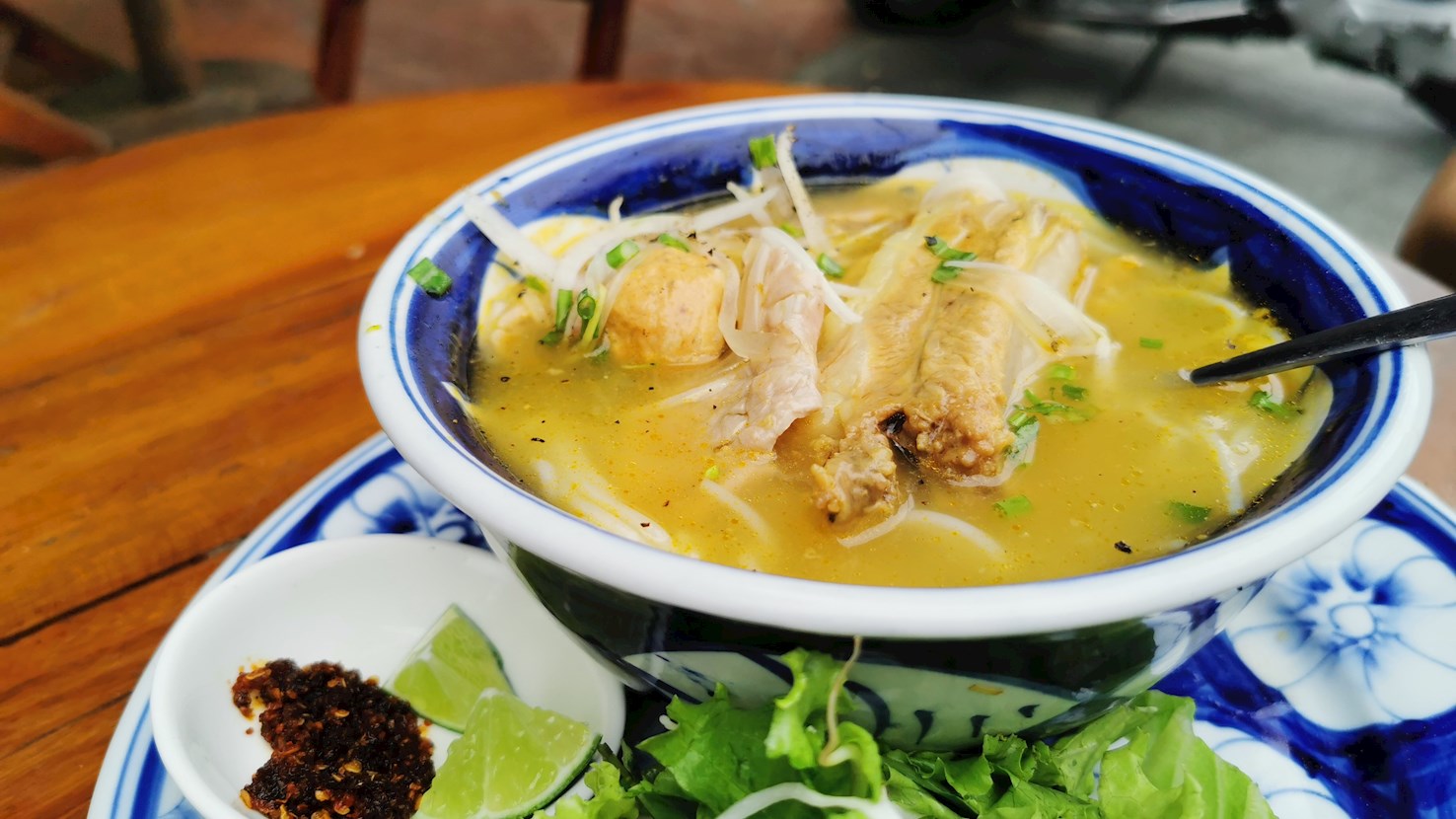
Bún bò Huế is a staple Vietnamese soup that is traditionally consumed for breakfast, consisting of pork and beef bones broth, bun noodles, lemongrass, shrimp paste, lime juice, and a variety of herbs. The soup is much spicier than most Vietnamese soups, and its flavor is often described as rich and complex. It originated in the city of Hue, but not much is known about its exact origins or inventor. Usual additions include sliced brisket or crab balls, but every cook makes the dish with slight variations. Many believe that bún bò Huế found its way into mainstream society by way of royal order, and it was influenced by the imperial court's cuisine. Regardless of the origin, the soup remains a delicious and inexpensive breakfast staple.
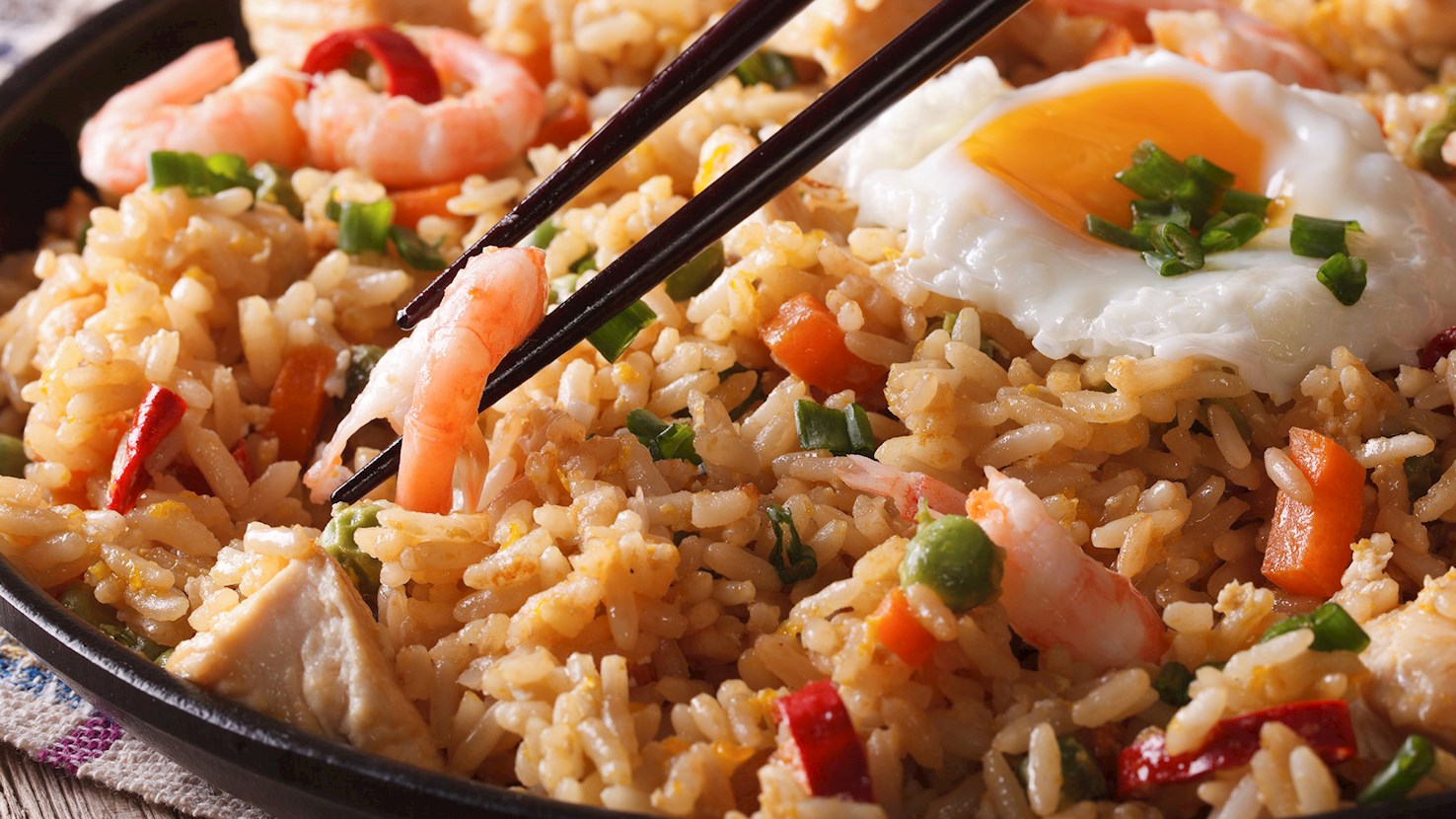
Nasi goreng is often referred to as the Indonesian version of fried rice. Although it is considered to be the national dish of Indonesia, it is also commonly eaten in Malaysia and Singapore. It is believed that the tradition of frying rice in Indonesia came from the Chinese culture, when the trade between the two countries started to develop. Indonesians adopted the Chinese tradition based on the belief that it is sinful to waste food, and soon, like many other versions of fried rice, nasi goreng was created. Since it was developed out of a practical need, it is usually eaten for breakfast and made with leftover rice from the previous day. Precooked rice is usually fried in a small amount of oil, then spiced up with shallots, garlic, chili, or ginger. Indonesian fried rice is distinguished by the generous use of sweet soy sauce, and because of that, it has a deeper and spicier flavor than other varieties of fried rice. Nasi goreng is commonly served with eggs. Usually, they are mixed in the rice or fried and served on the side.
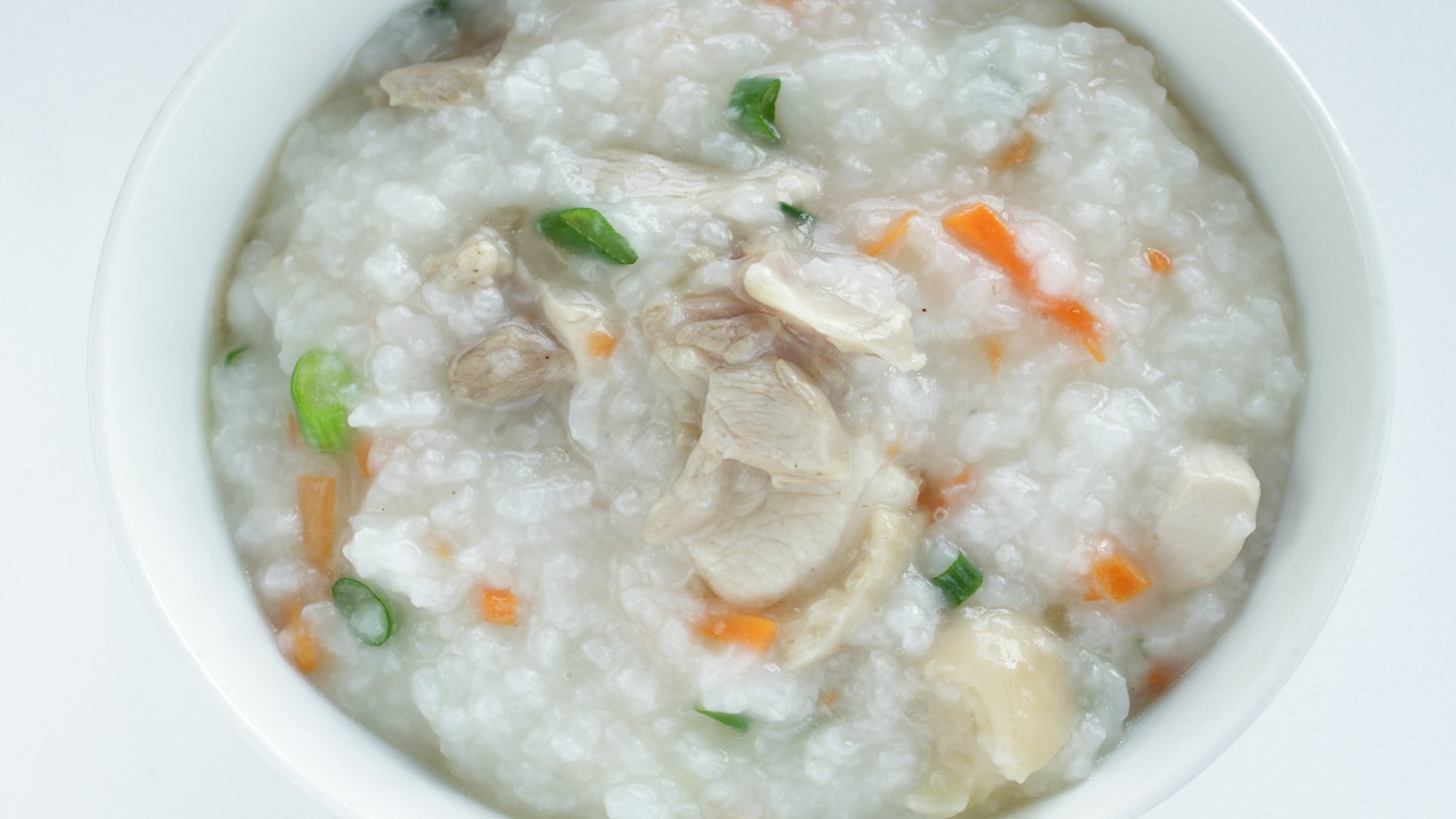
Arroz caldo is the Filipino variety of congee, a thick rice porridge that is ubiquitous in many Asian countries. It is also one of many congee varieties found in the Philippines. Distinguished by the addition of chicken, arroz caldo is usually cooked in a ginger-infused broth and served with various accompaniments and seasonings. Although congee is originally Chinese, this particular variety is believed to have been developed and adapted to suit the tastes of the large Spanish community that was present in the country during colonial times. This comforting rice dish is usually enjoyed as a filling breakfast or a satisfying midday meal.
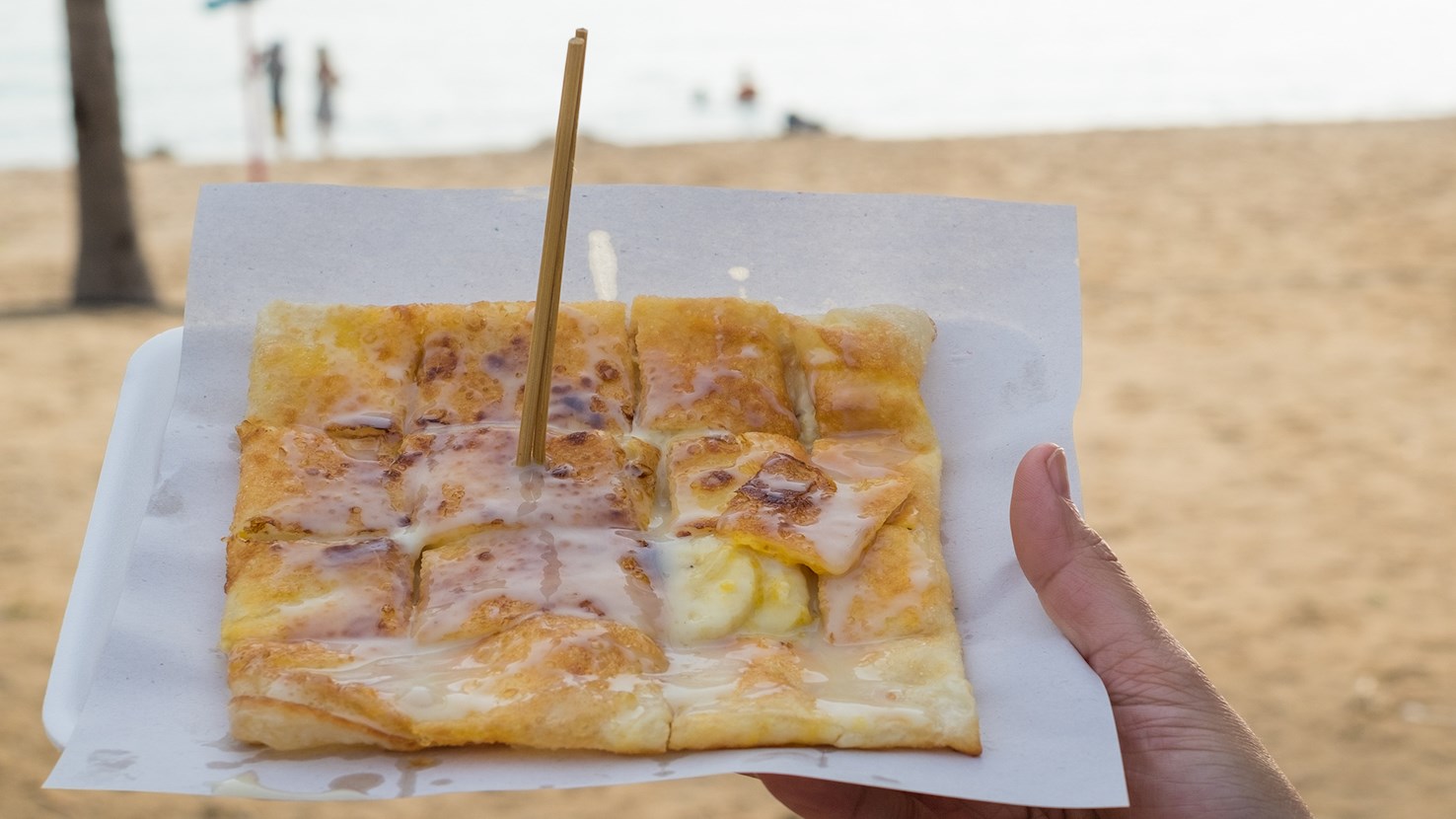
This sweet variety of the traditional Malaysian roti employs bananas as the star ingredient. The unleavened roti dough is stretched until thin, and the combination of sliced bananas, eggs, and sugar is then wrapped in the dough. Roti is usually pan-fried until golden, and it comes served cut into bite-sized pieces that are dusted with sugar and drizzled with condensed milk. The dish is a classic street food item that is usually enjoyed as a sweet and filling breakfast or an afternoon snack.
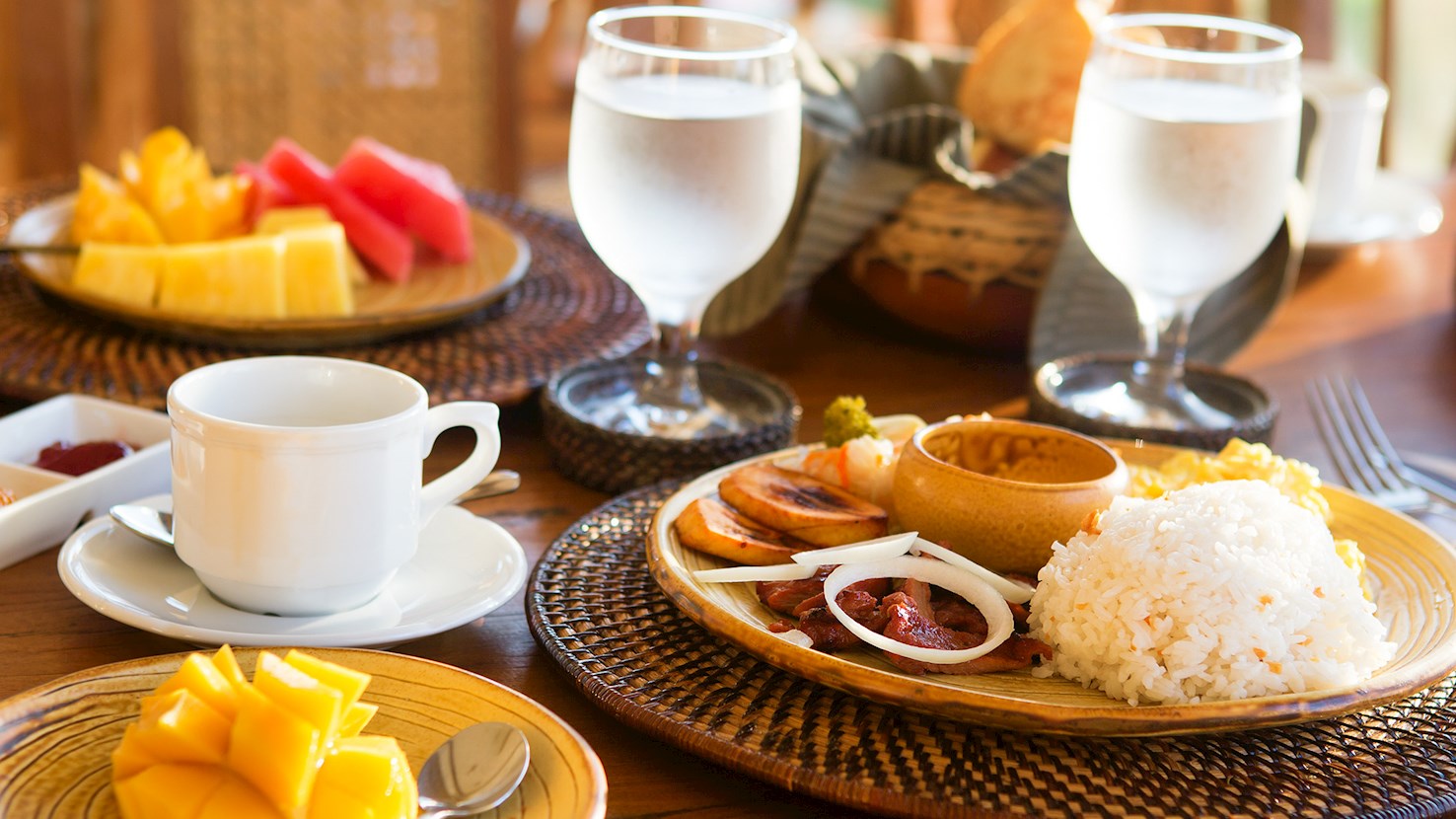
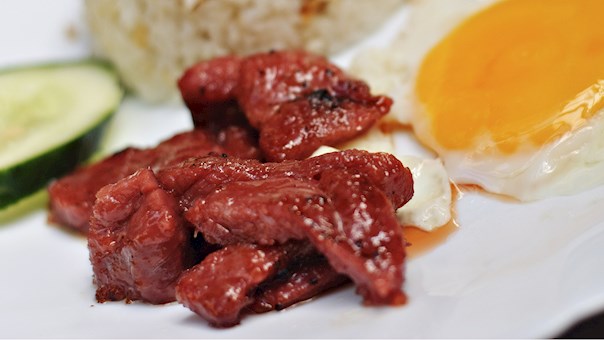
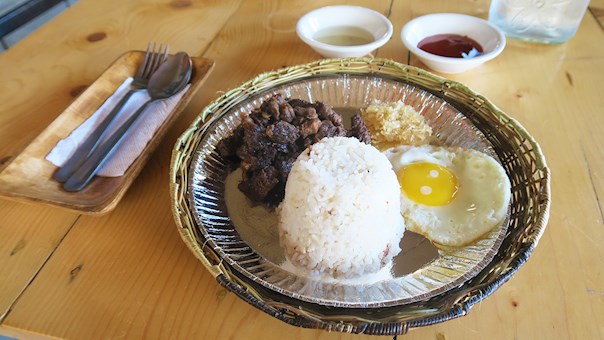
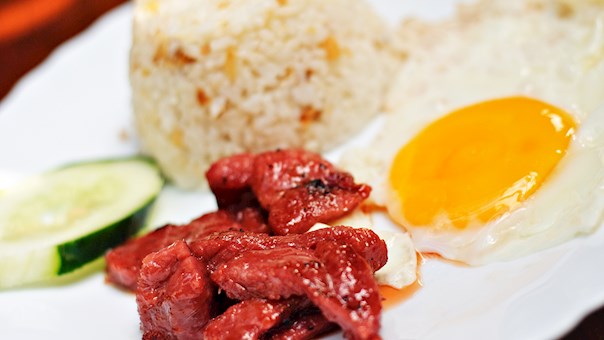
One of the most common breakfast staples in the Philippines is tapsilog, a plate which consists of sliced beef jerky, known as tapa, a heap of garlic rice, and a fried egg. It is believed that the dish grew out of necessity, to cater to the needs of many workers who were in search for a quick, cheap, and nutritious breakfast. Eventually, tapsilog was incorporated on the menus of many Filipino fast food chains and specialized tapsihan eateries. Nowadays, it appears in numerous varieties, and even though it is still a favorite Filipino breakfast it can be enjoyed at any time of day or as a satisfying late night snack.
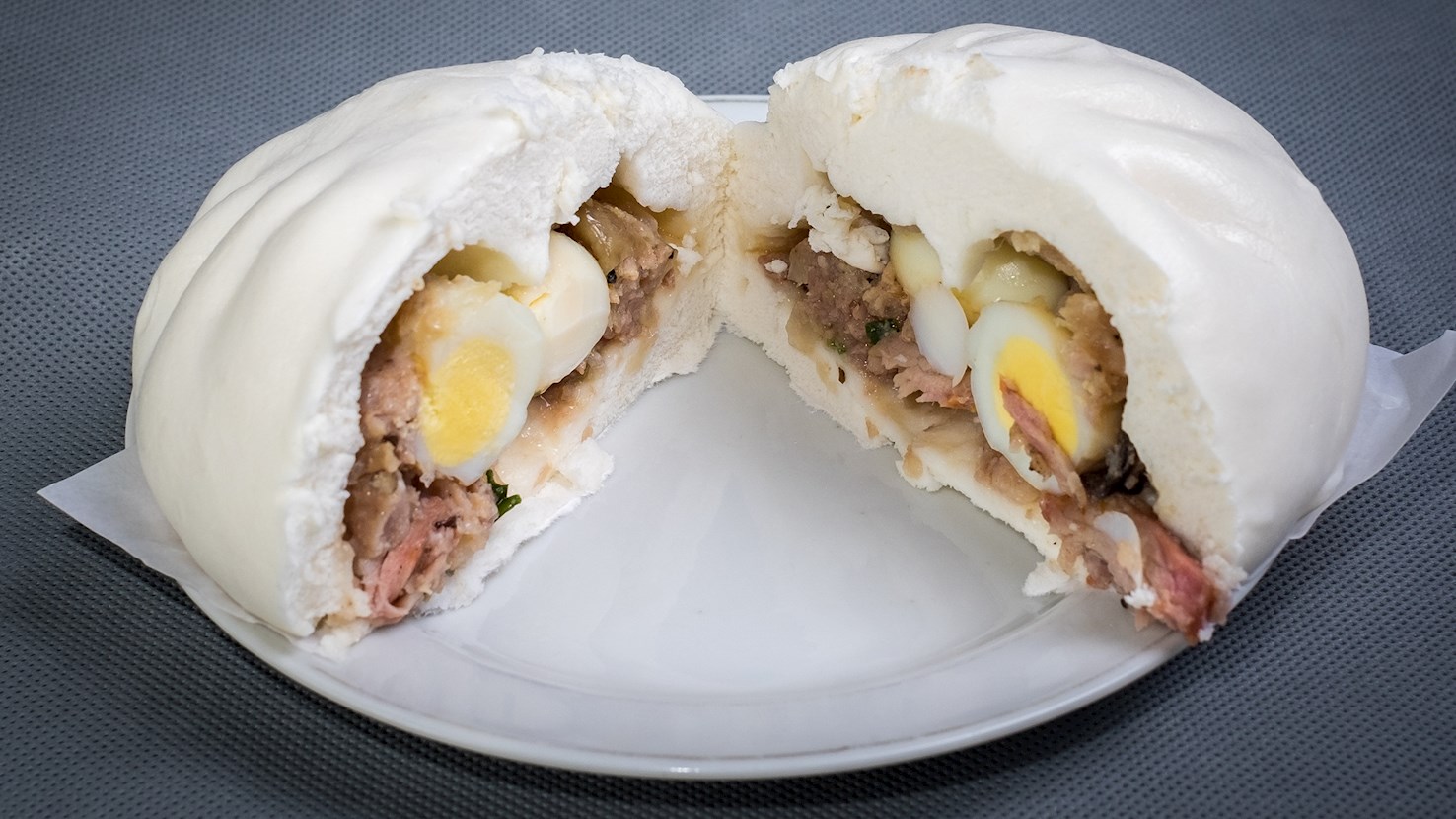
Bánh bao is a Vietnamese take on the Chinese steamed baozi buns. They usually consist of seasoned ground pork, mushrooms, hard-boiled eggs, and slices of Chinese sausage. All the ingredients are neatly wrapped into a light yeasted dough to form round balls which are then steamed. The dish was undoubtedly influenced by the Chinese baozi, but it was eventually adapted with typical Vietnamese flavors and has become a staple food throughout the country. It is usually enjoyed as breakfast or a snack, preferably with tea on the side.
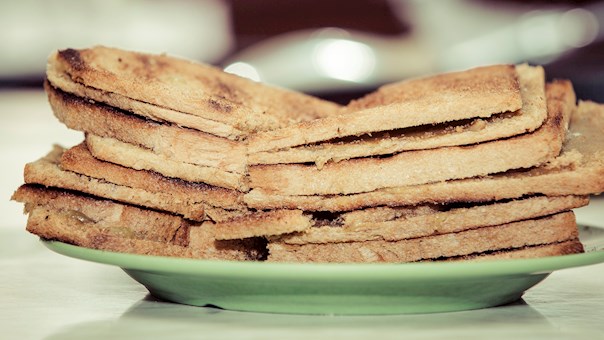
Pandesal is a popular bread roll from the Philippines. Its name is derived from the Spanish words "pan de sal," which translates to "bread of salt." However, despite its name, pandesal is characteristically slightly sweet rather than salty. The outside is usually coated in fine breadcrumbs, which give it a unique texture. This bread is a staple at many Filipinos' breakfast tables and is often enjoyed dipped in hot coffee or filled with various fillings like cheese, corned beef, or coconut jam. Over the years, its simple ingredients of flour, yeast, sugar, and salt have provided comfort and sustenance to generations of Filipinos.
TasteAtlas food rankings are based on the ratings of the TasteAtlas audience, with a series of mechanisms that recognize real users and that ignore bot,
nationalist or local patriotic ratings, and give additional value to the ratings of users that the system recognizes as knowledgeable.
For the “Top 65 Southeast Asian Breakfasts” list until May 15, 2026, 3,028 ratings were recorded, of which 2,088 were recognized by the system as legitimate.
TasteAtlas Rankings should not be seen as the final global conclusion about food. Their purpose is to promote excellent local foods,
instill pride in traditional dishes, and arouse curiosity about dishes you haven’t tried.