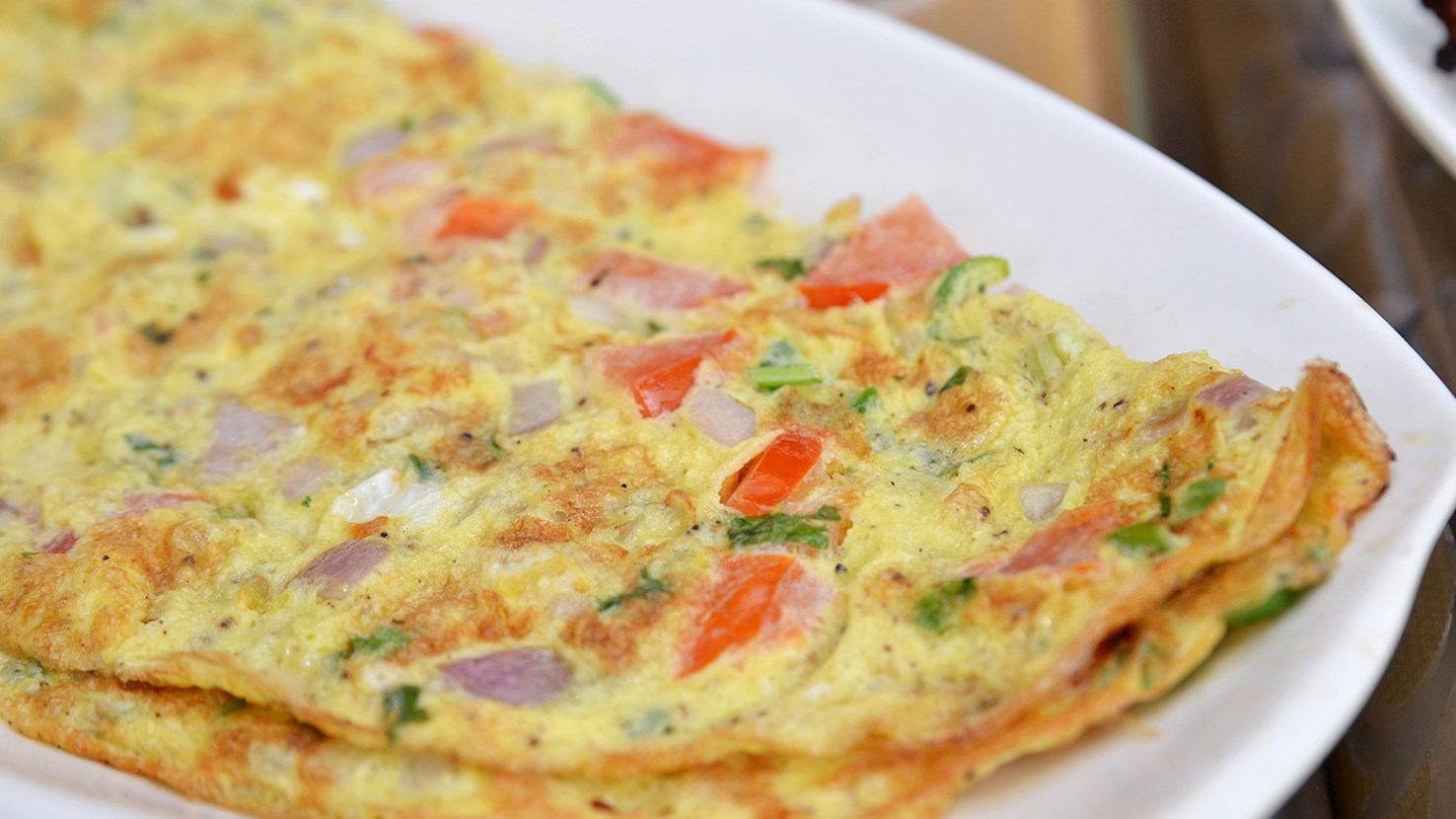
Indian masala omelet is a traditional egg-based dish originating from South India. The dish is made with a combination of eggs, onions, green chili peppers, coriander, chili powder, and turmeric powder. The eggs are whisked with the other ingredients, and the mix is then cooked on both sides in a pan until the omelet becomes slightly crisp on the edges. This spicy omelet is traditionally served for breakfast and it's recommended to eat it with pav (bread). If desired, it can be rolled in hot chapati flatbread. The dish is also often prepared and sold at street stalls in the area, and some vendors add ingredients such as tomatoes, coriander leaves, and cheese to the omelet.
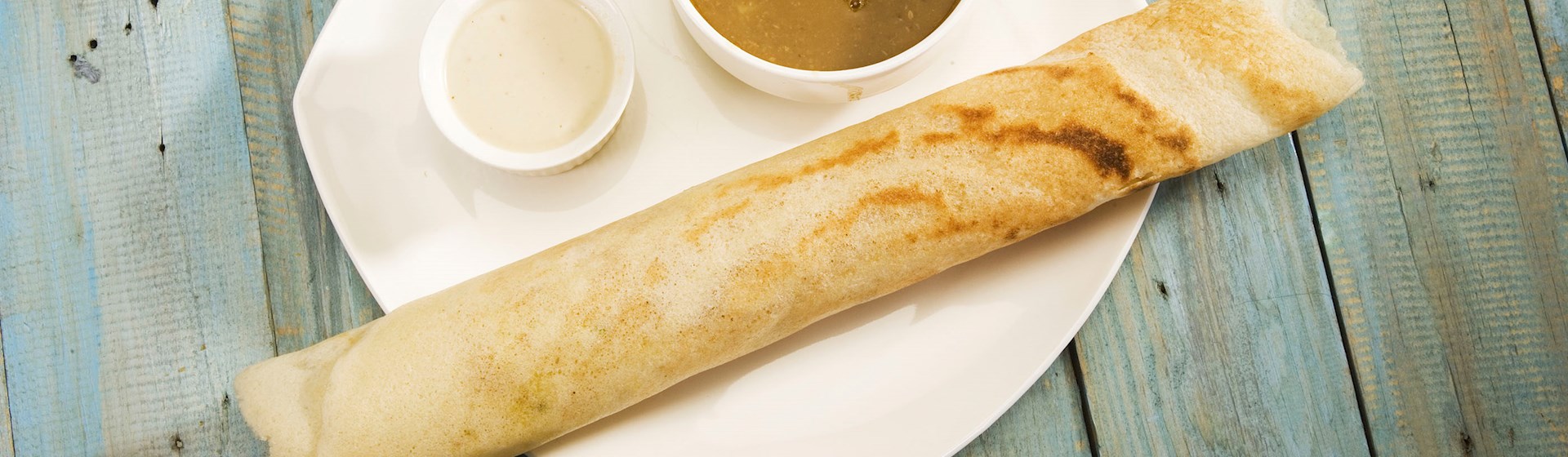
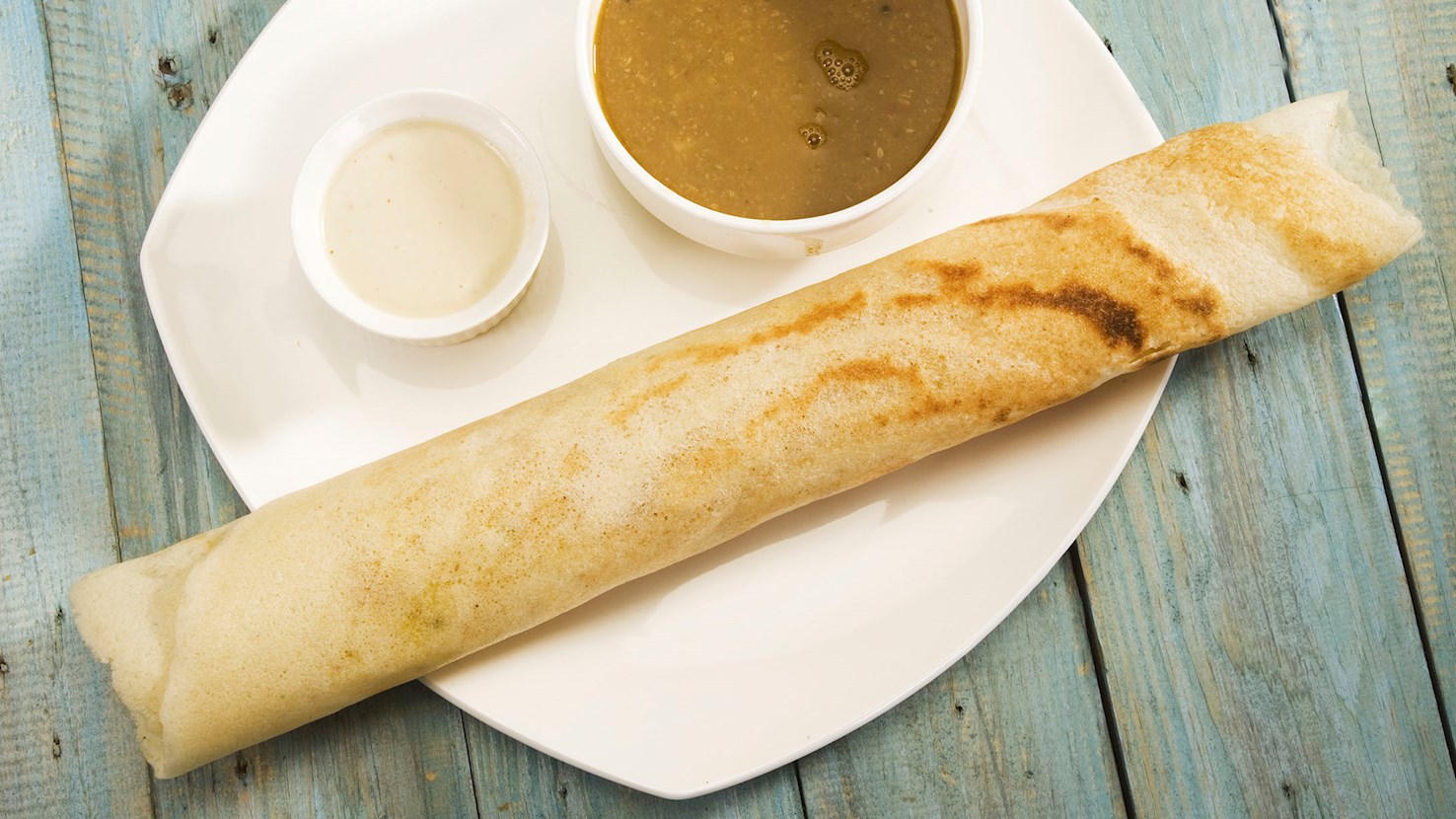
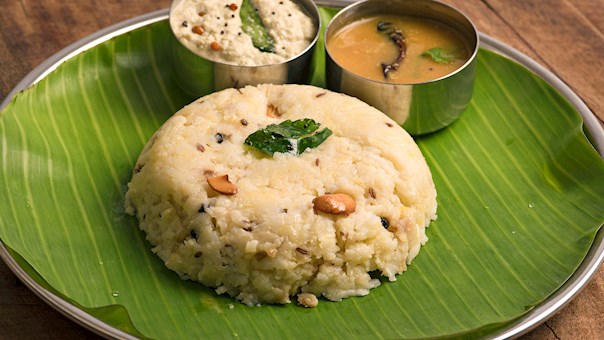
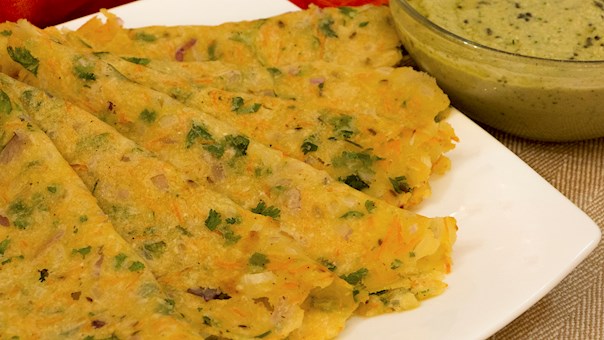
Pesara dosa (also called pesara attu or mung bean dosa) is India's national dish and one of the most popular breakfast foods in Andhra and Rajasthan. Dosa is the world's thinnest griddlecake, a paper-thin pancake made with an earthy batter that is left to ferment and rise for eight to ten hours. It has a bubbly texture and a unique, complex, toasted, and buttery flavor. Pesara dosa is made with ground mung bean and batter, resulting in a unique flatbread that is healthy and quick to prepare. Additionally, ginger, cumin seeds, onions, and green chiles may be added to enhance the flavors. Served either hot or cold, pesara dosa is usually accompanied with upma and a side dish of various chutneys, such as ginger, tamarind, or coconut chutney.
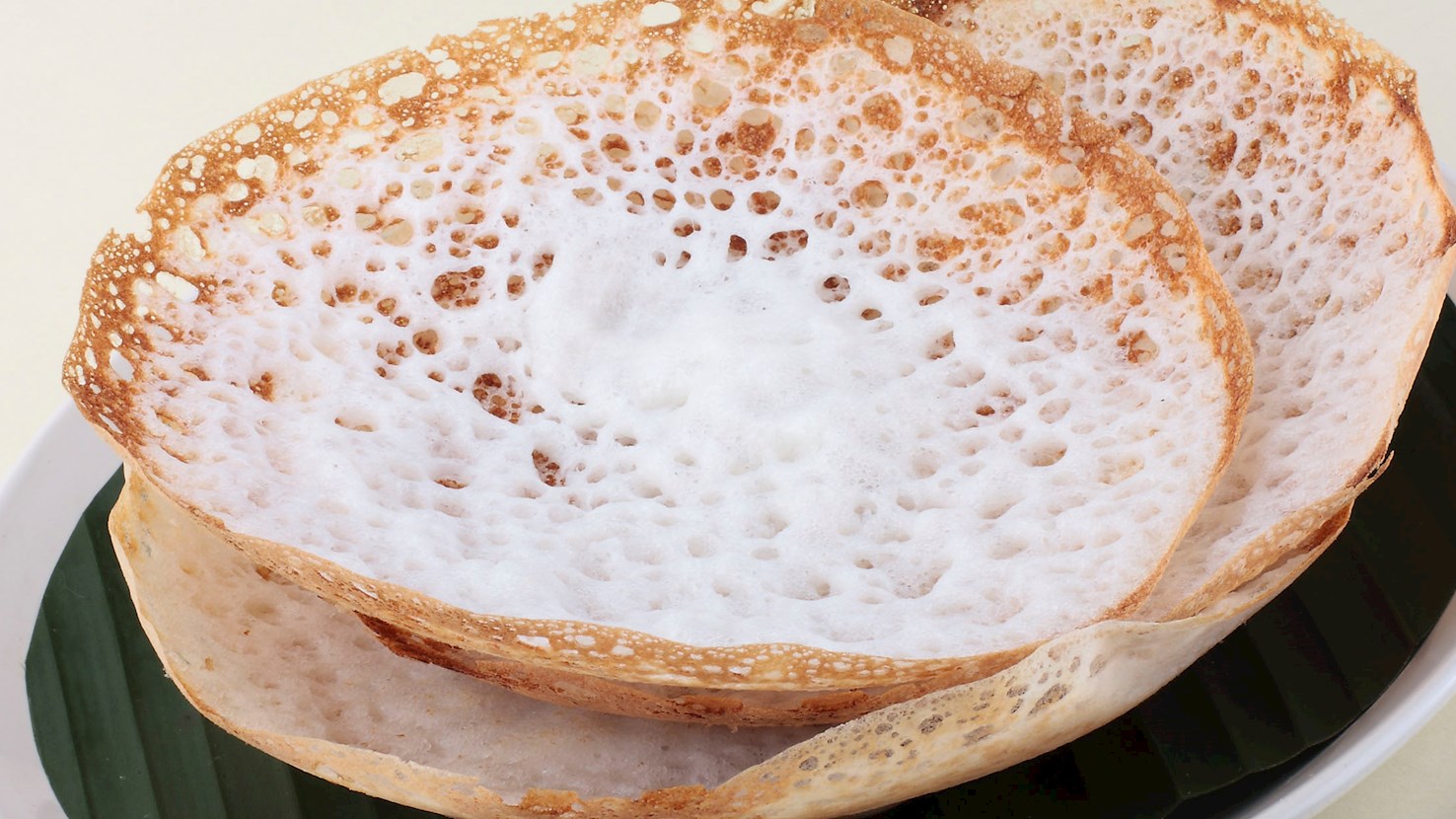
Appam is a popular Indian bowl-shaped pancake made from a batter of rice and coconut milk. Typically consumed for breakfast or dinner, appam is most popular in Tamil Nadu, Sri Lanka, and Kerala, where it is culturally linked to the Syrian Christians called the Nasranis, who bake appam on a stone. According to an American food writer and historian, Gil Marks, the pancake first appeared in the southern tip of India. Although not much is known about the history of appam, some also speculate that it originated from Jewish communities in India. Today, it is traditionally served with spicy condiments such as coconut milk curry. The pancakes can be filled with a variety of ingredients such as steamed eggs, chutneys, fish, meat, and vegetables. Appam is a popular street food item that is mostly consumed as a snack. It can be found throughout Sri Lanka and India, sold by street vendors known as hopper men, who usually serve it in batches of three to eight hoppers per person. With its increasing popularity, there are also a number of variations on appam such as palappam, honey hoppers, and achappam. The sweet varieties are usually prepared on special, festive occasions.
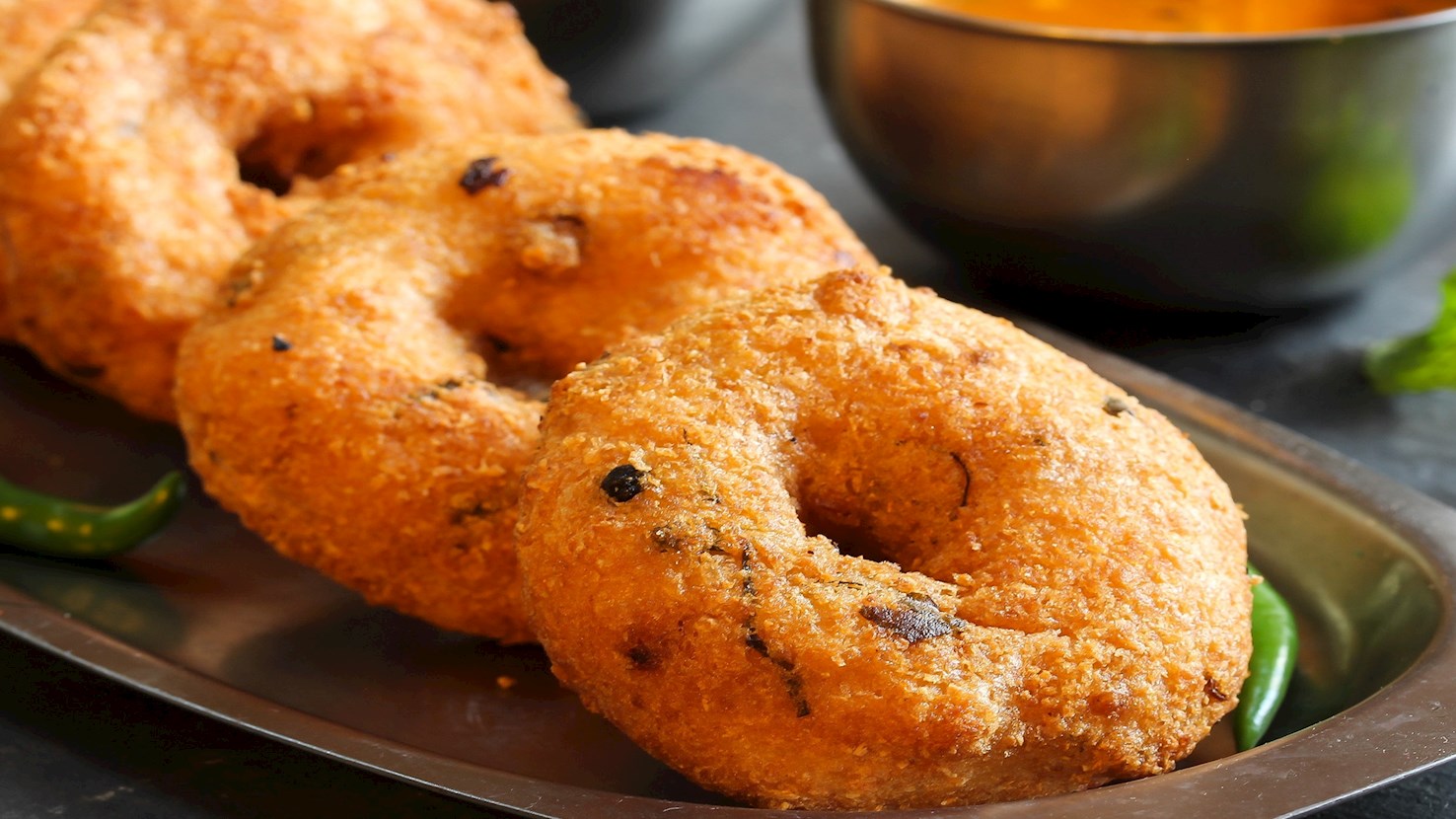
Medu vada is a savory, deep-fried, donut-shaped fritter made from a thick, heavily aerated batter of ground black gram. Creating this crisp snack begins by submerging skinned urad dal in cold water for several hours until the lentils swell and soften completely. The drained legumes go into a heavy wet grinder with a strict, minimal splash of water. The grinding action introduces a large amount of air into the mixture, transforming the dense lentils into a light, fluffy paste. Finely chopped green chilies, minced fresh ginger, crushed black peppercorns, cumin seeds, torn curry leaves, and diced shallots fold directly into the whipped batter to introduce sharp, aromatic heat. Shaping the batter requires wet hands to prevent sticking. A small portion is rolled into a sphere, pierced straight through the center to form a ring, and immediately dropped into a deep vat of hot vegetable oil. The central hole ensures even cooking, allowing the hot oil to crisp the entire exterior while leaving the interior crumb soft and spongy. Medu vada traces back to the southern regions of the Indian subcontinent. Concrete historical records point to the 12th-century Sanskrit encyclopedia Manasollasa, compiled by King Someshvara III, which provides a detailed recipe for "vataka" involving soaking, grinding, and deep-frying black legumes. Over the centuries, it evolved into a staple across Karnataka and Tamil Nadu, serving primarily as a breakfast item. One widespread adaptation replaces the lentil base with coarse semolina and yogurt, yielding an instant, highly brittle fritter. Another variant involves dropping the hot, freshly fried lentil rings directly into a vat of cold, seasoned yogurt, softening the crisp exterior and creating a tart, spongy appetizer. Leafy greens like chopped amaranth, spinach, or grated cabbage are sometimes mixed into the raw batter to introduce extra moisture and an earthy crunch. The medu vada are served hot, arriving stacked on a metal plate. A hot, thin tamarind-and-lentil stew known as sambar, along with a cold, creamy bowl of freshly ground coconut chutney, universally accompanies the fritters. Eating the snack requires tearing the hot ring apart by hand and submerging the spongy interior directly into the hot stew and cold chutney to absorb the heavily spiced liquids.
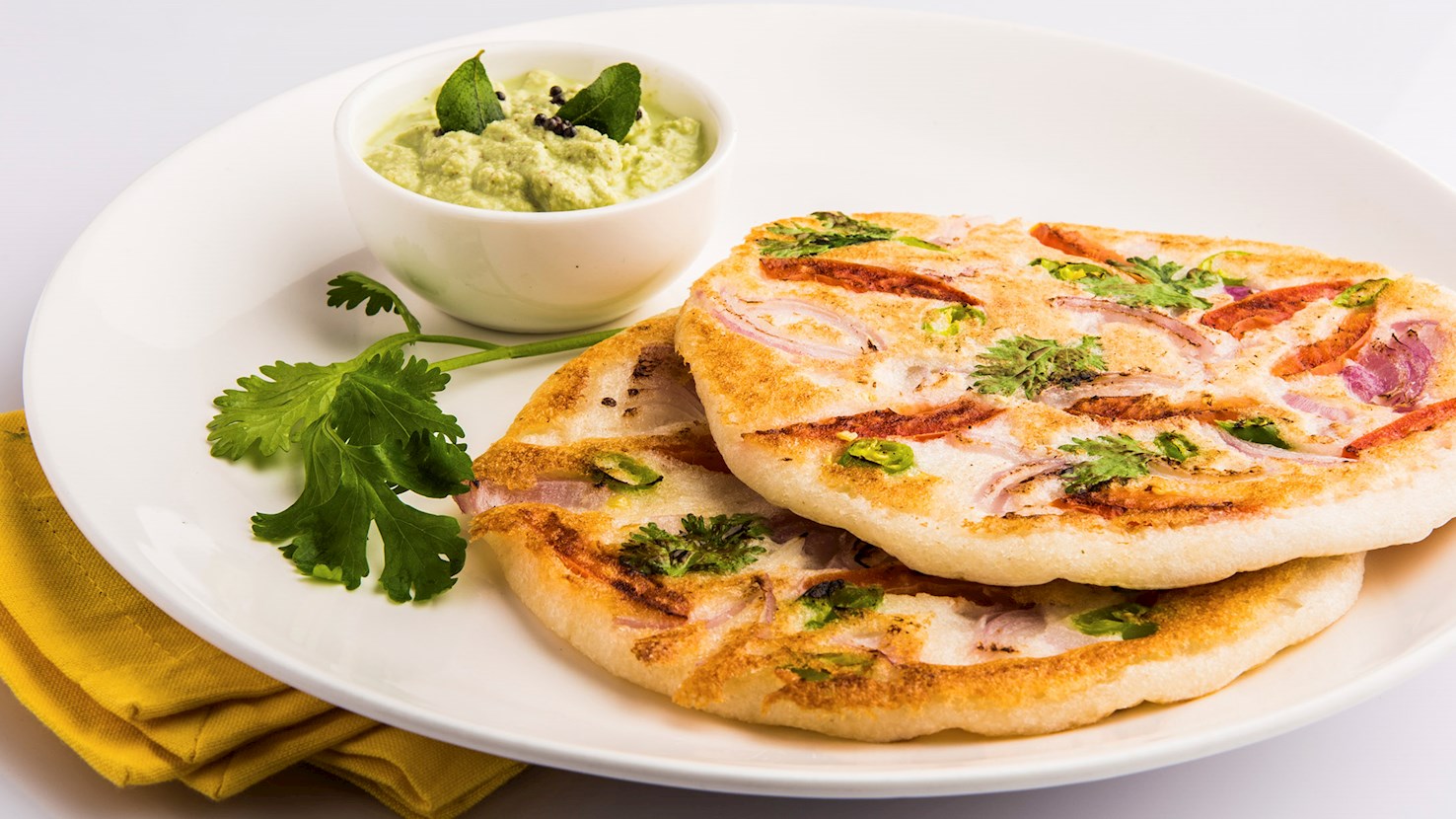
Visually similar to a pizza, uttapam is a South Indian dish consisting of a batter (based on rice and lentils) that is fried and topped with chopped vegetables such as onions, tomatoes, carrots, and chiles. There is also a version of the dish called mini uttapam, usually served in four pieces per portion, with variable toppings and a number of side dishes. Traditionally, uttapam is accompanied by sambhar on the side - a rich lentil curry with the addition of onions, coconut, and eggplant.
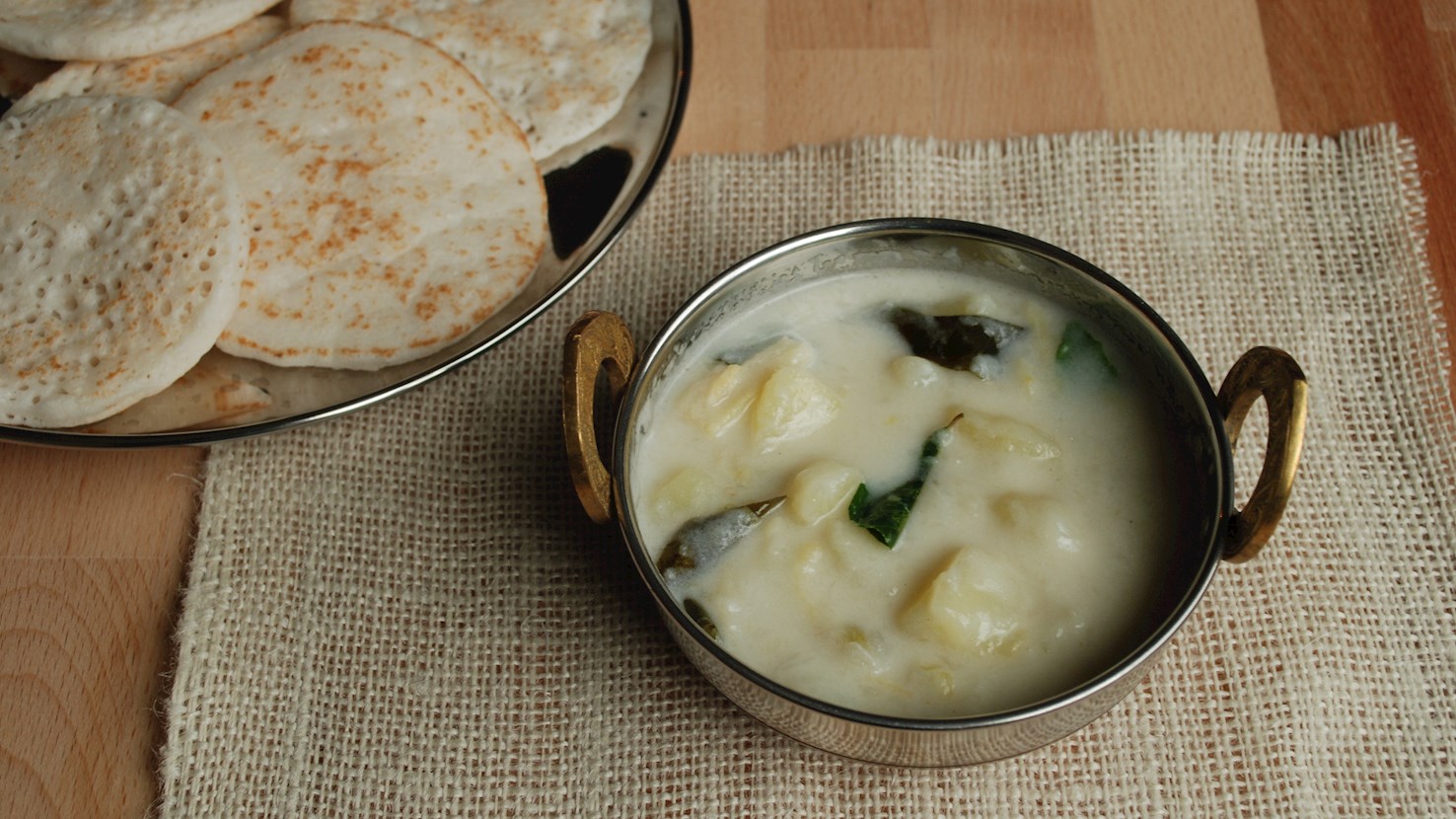
Ishtu is a traditional dish originating from Kerala. This simple stew with a soupy consistency is made with a combination of onions, potatoes, ginger, green chili peppers, curry leaves, black peppercorns, and coconut milk. The ingredients are simmered until they become tender, and (optionally) a bit of coconut oil is added to the stew just before serving. This creamy and rich dish is usually served for breakfast and it's traditionally accompanied by South Indian breakfast items such as appam, idli, or dosa.
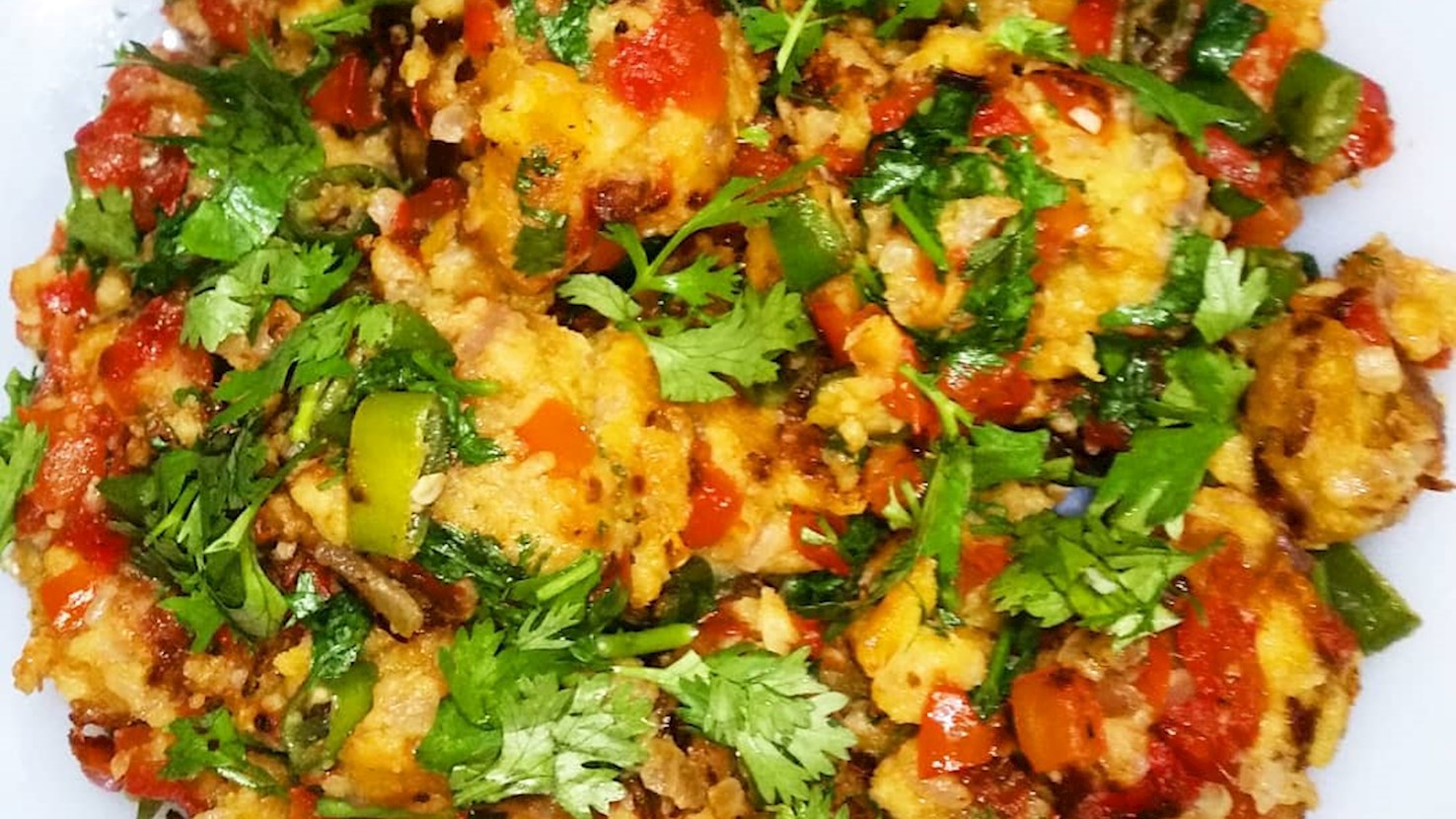
Khageena is a traditional dish consisting of savory scrambled eggs. The dish is also popular in Pakistan. It’s usually made with a combination of eggs, onions, tomatoes, green chili peppers, oil, butter, ginger-garlic paste, turmeric powder, and red chili powder. The ingredients are cooked over low flames and the eggs are added to the pan and scrambled until done. This dish is traditionally served for breakfast, often with sliced lime and kachumber salad (chopped tomatoes, onions, and green chili peppers) on the side.
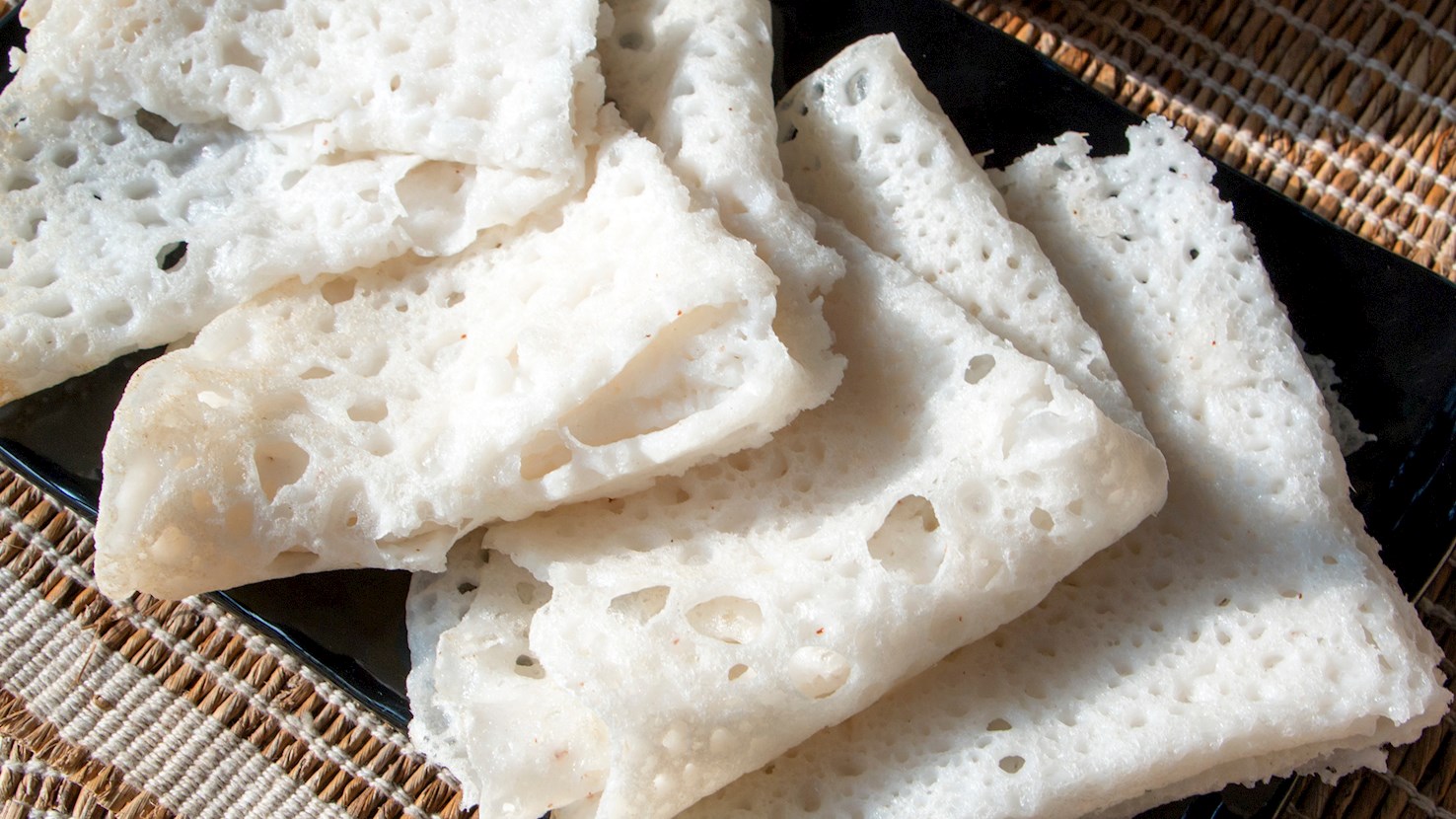
This Indian crêpe is made with a very thin batter of rice flour, water, and salt. Unlike other Indian dosas which call for much thicker, and fermented batter, this version uses an unfermented and runny batter which is spread and cooked on a hot greased griddle, yielding soft and lacy pancakes. The batter can alternatively be enhanced with freshly grated coconut or coconut milk. Neer dosa derives its name from the words neer, meaning water in Tulu, and dosa, referring to a traditional Indian thin pancake. These thin pancakes are a quintessential part of the Tulu Nadu region breakfasts, and they are usually served with chutneys, curries, and vegetable sagu dishes.
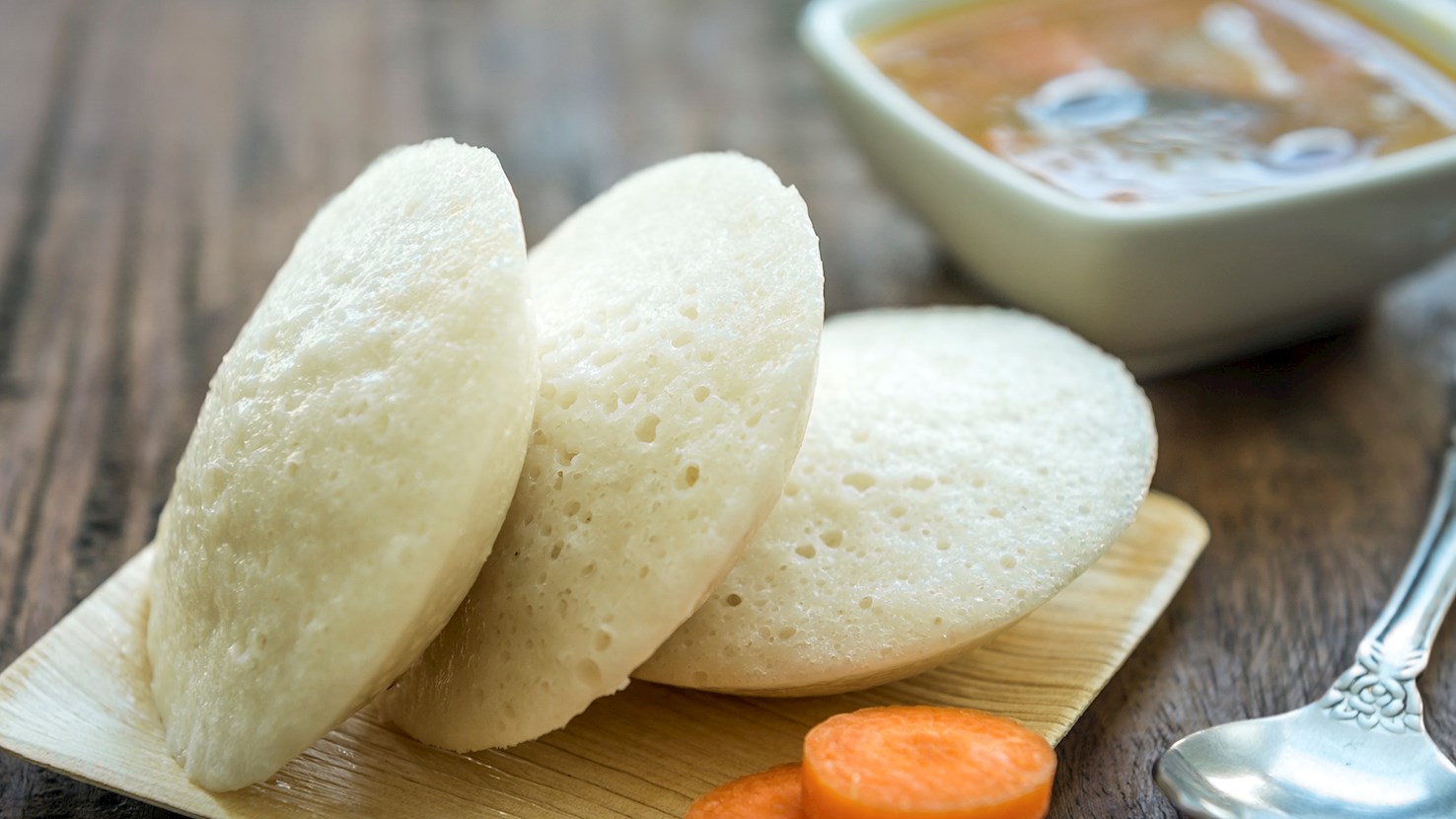
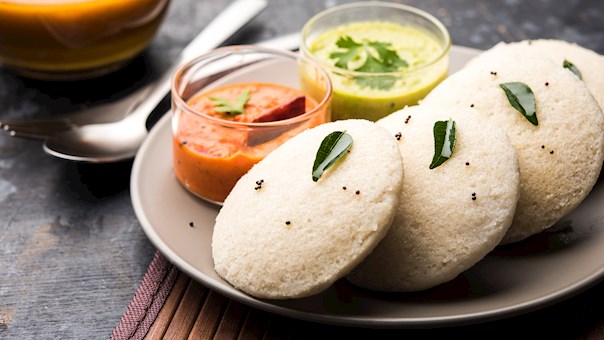
Idli is a traditional, savory Indian cake that is a popular breakfast item in numerous South Indian households, although it can be found throughout the country. It is made with a batter consisting of fermented lentils and rice, which is then steamed. These savory cakes are commonly served hot and consumed on their own, dipped into sambar or chutneys, or seasoned with numerous spices. With its huge popularity in India, there are also many other versions of idli, such as rava idli, which uses semolina instead of rice in the batter, or malli idli, which are idlis fried with curry leaves and coriander. The origin of idli is still a subject of debates, with different sources claiming different origins, so some say it is originally from Gujarat, some say it's from Karnataka, while the others believe it was invented in Indonesia. Regardless of its origin, idli remains a staple breakfast food in numerous Indian kitchens.
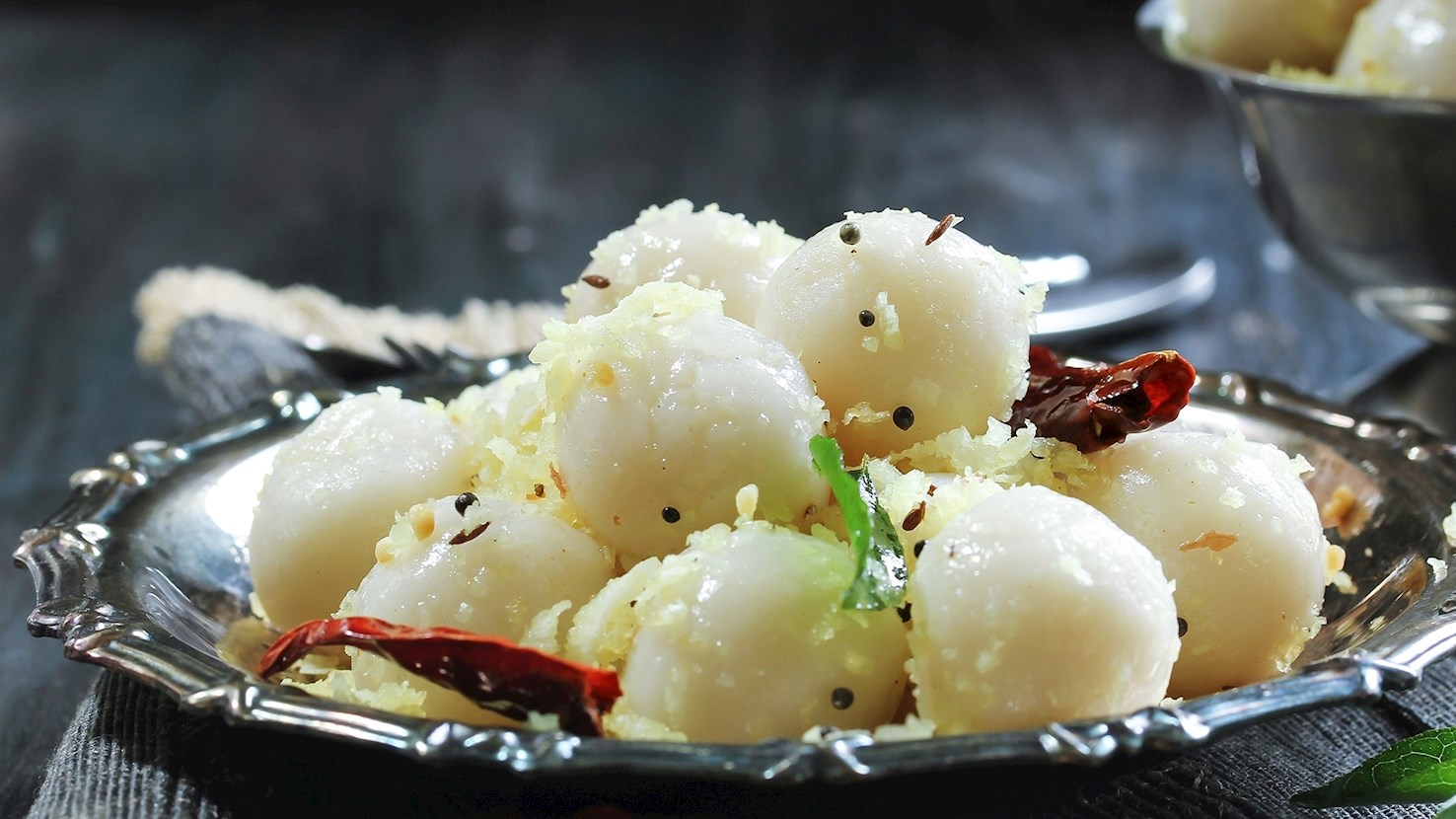
Kozhukkatta is the name for Indian rice flour dumplings filled with jaggery and coconut. The dumplings are steamed and then usually served for breakfast, or consumed as a snack, when they are accompanied by tea on the side. In some cases, cooks like to add cardamom or ghee to the filling. In Kerala, these dumplings are closely tied to Oshana Sunday celebrations, while in Tamil Nadu, kozhukkatta is associated with the elephant-faced god, Lord Ganesh, and it is prepared as an offering to receive his blessings for science, arts, and knowledge.
TasteAtlas food rankings are based on the ratings of the TasteAtlas audience, with a series of mechanisms that recognize real users and that ignore bot,
nationalist or local patriotic ratings, and give additional value to the ratings of users that the system recognizes as knowledgeable.
For the “Top 14 Southern Indian Breakfasts” list until November 27, 2026, 779 ratings were recorded, of which 556 were recognized by the system as legitimate.
TasteAtlas Rankings should not be seen as the final global conclusion about food. Their purpose is to promote excellent local foods,
instill pride in traditional dishes, and arouse curiosity about dishes you haven’t tried.



What People Say