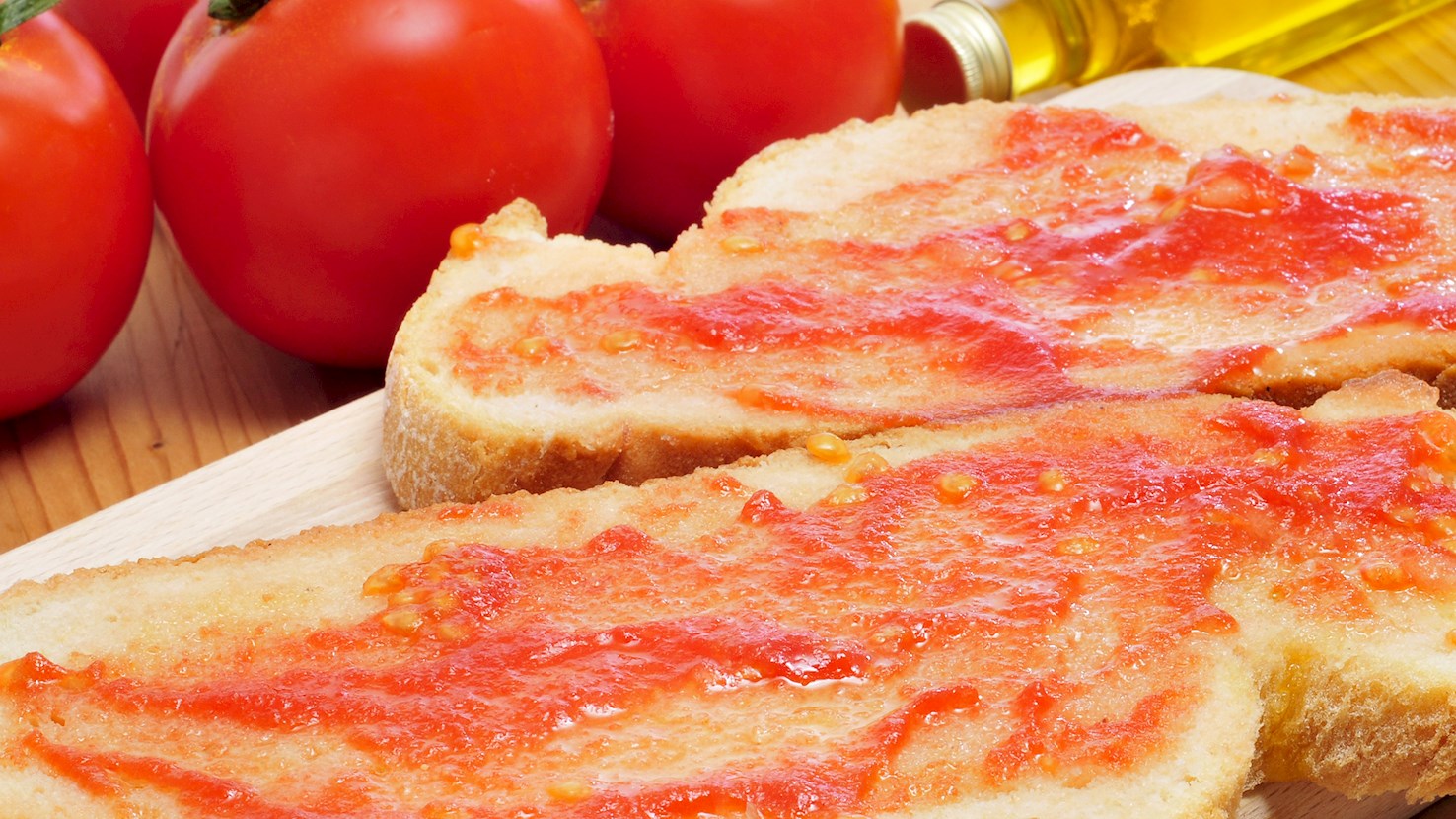
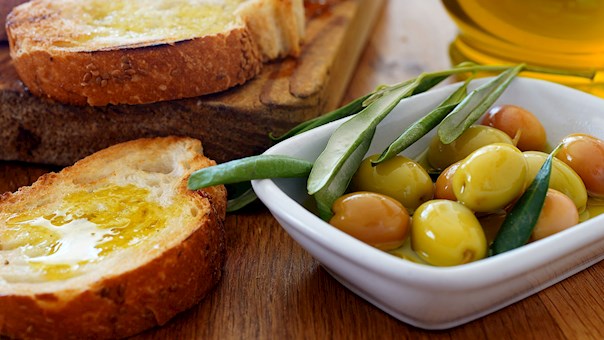
The classic Catalan invention known as pa amb tomàquet consists of toasted slices of bread that are sprinkled with salt, rubbed with tomatoes, and drizzled with olive oil (purists insist on rubbing both sides of the bread with tomatoes). The first recipe for this dish dates back to 1884, when stale bread was rubbed with tomatoes in order to soften it. It is recommended to use a rustic sourdough called pa de pagès and tomatoes on the vine, since they have a unique, intense flavor. The dish is usually consumed for breakfast or served before a big meal, as a tapa, or for merienda. There is also a Mallorcan version called pamboli amb tomàtiga, but it's additionally topped with capers and black olives.
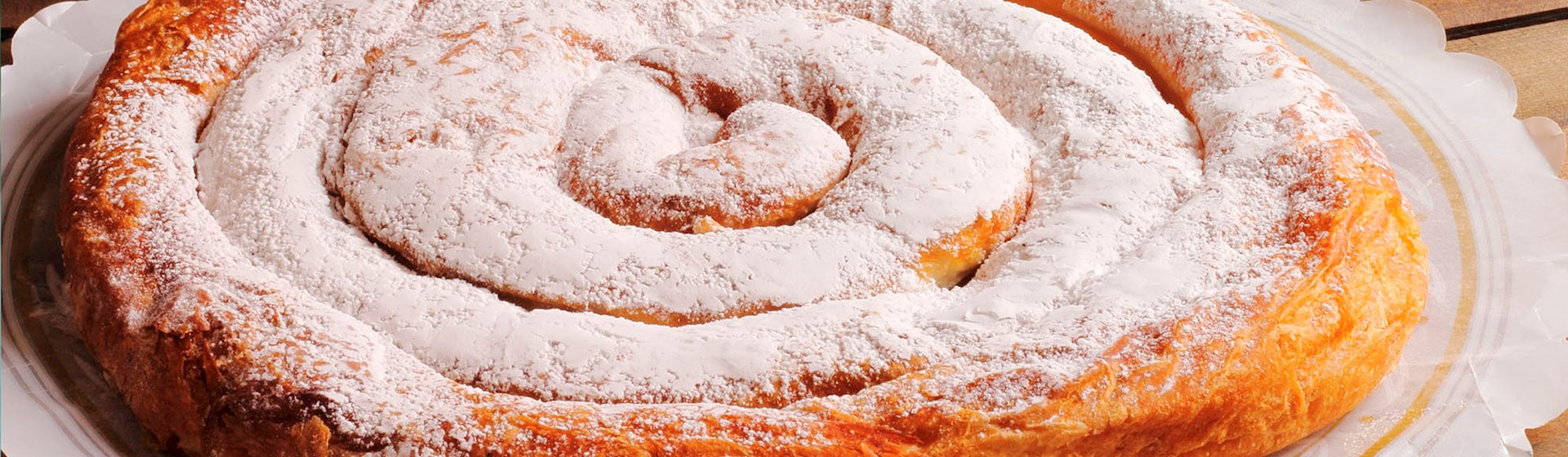
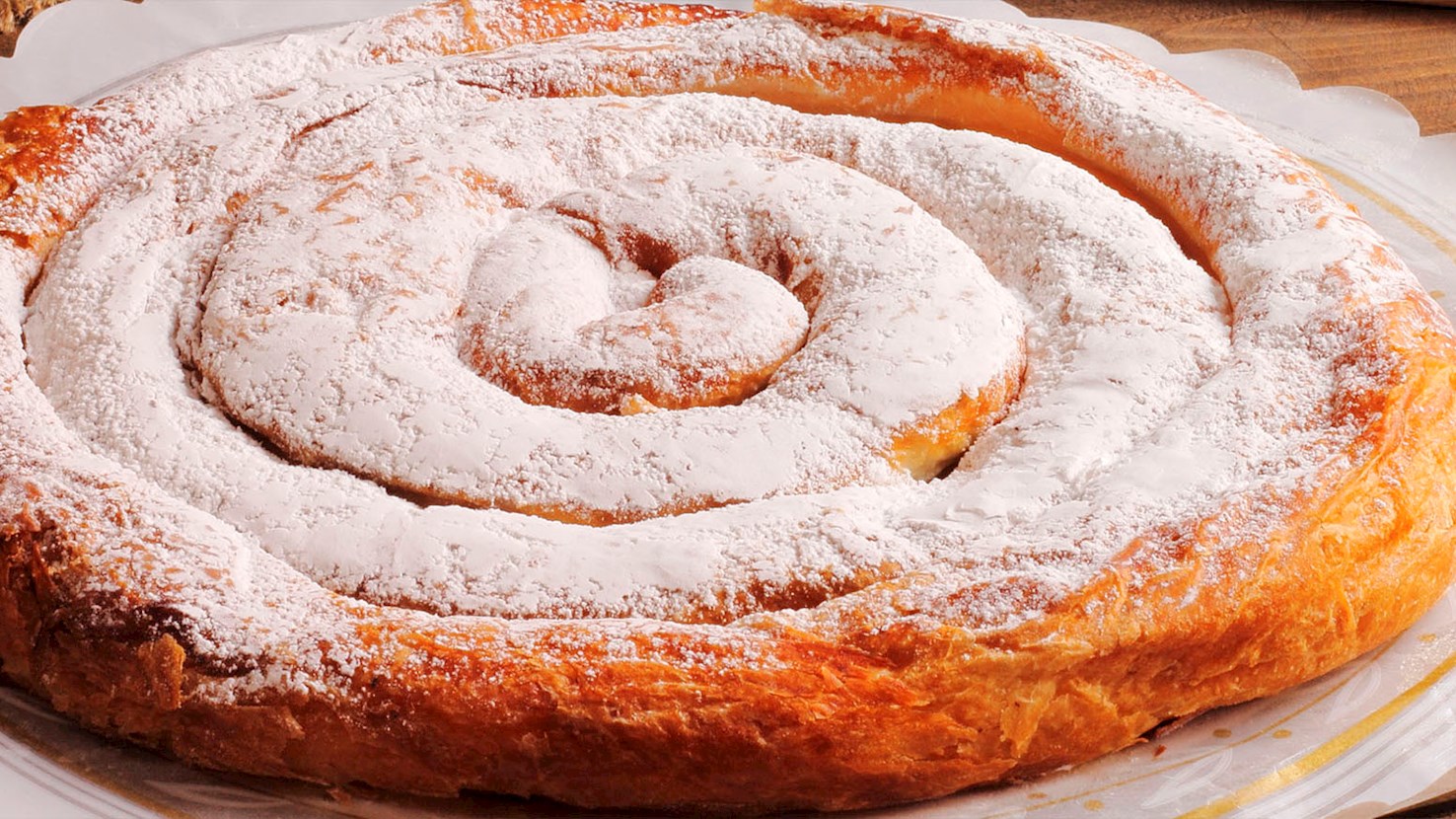
Ensaimada de Mallorca is a spiral-shaped sweet pastry made with yeast dough that is combined with eggs and lard. This type of pastry has been made on the island of Mallorca since the 17th century and the recipe has remained unchanged to this day. The word ensaïmada comes from saïm, meaning lard, which is the essential ingredient in this recipe. The base recipe for ensaimada de Mallorca is very simple and includes only flour, sugar, eggs, yeast, and water. However, there are many variations of this recipe which had been developed during the centuries, including the likes of those with pumpkin, cream, or chocolate.
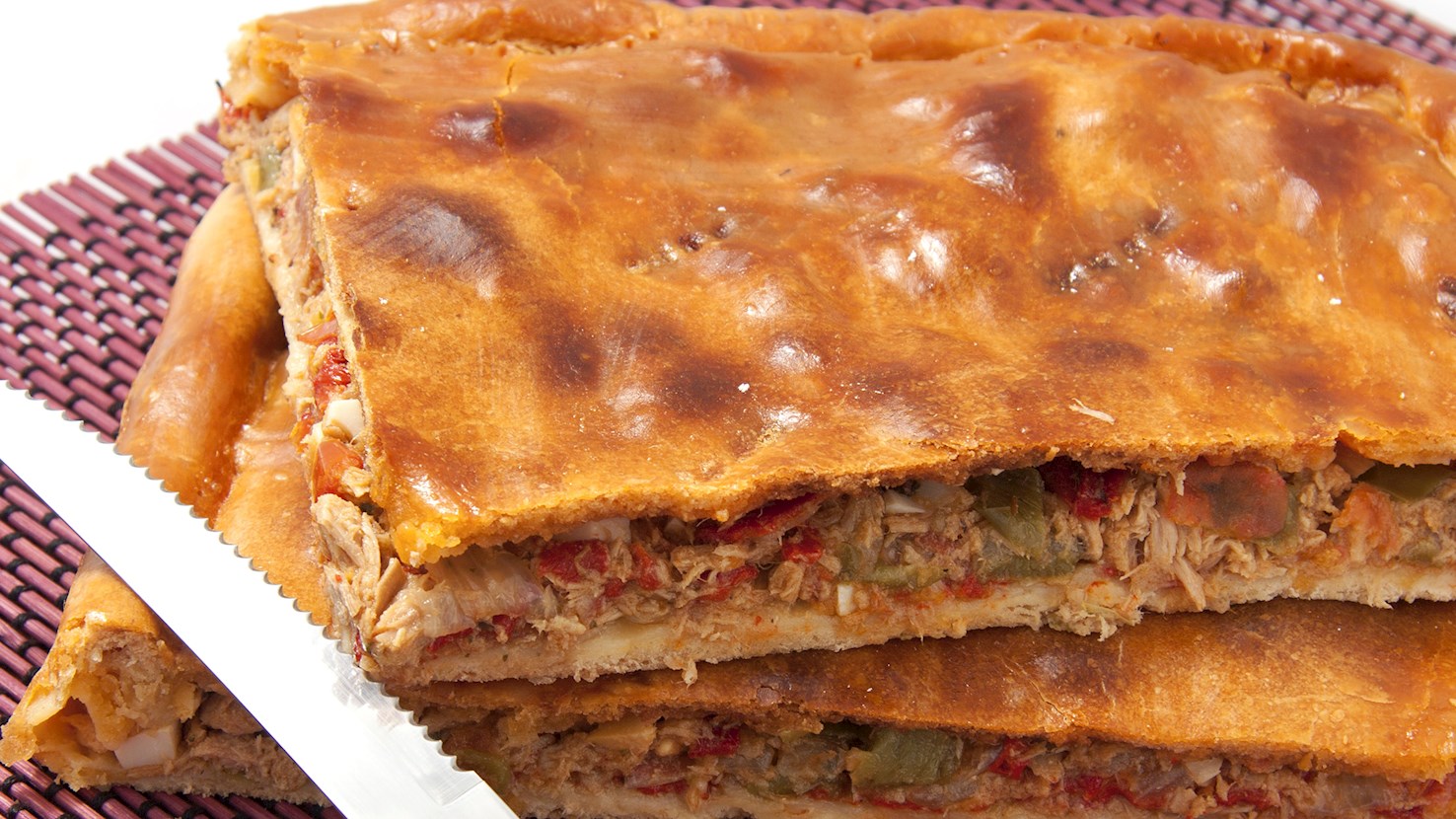
Best described as little pockets with hot fillings; empanadas are crescent-shaped, flaky pastry dough pies found throughout Latin America that are easy to prepare, inexpensive, and convenient. The name of the dish stems from the Spanish empanar, which literally translates to covered with bread or breaded. Empanadas are likely to have originated from Galicia, Spain, where they were prepared as a portable and filling meal for working people, providing energy and nutrients needed for a day of hard labor. Baked and fried until golden, they are usually filled with a variety of spiced meats and vegetables, depending on regional preferences. In Mexico, cornmeal flour and minilla (a spicy combination of chilis, olives, capers, and shark meat) is the most popular filling. In Chile, it is clams, mussels, and scallops, and in Bolivia, the filling consists of potatoes and eggs - in spicy or mild versions of the dish. Spain is famous for its empanada gallega, filled with a stew-like combination of pork or tuna and peppers. However, Argentina is considered by many to be the best place for empanada lovers worldwide, and they can be found everywhere - from street-food carts and local bakeries to fancy restaurants. Argentinian empanadas are rarely (almost never) eaten for breakfast. There are also sweet varieties of the dish, filled with dulce de leche or fresh pineapple cubes. A true international dish in every sense of the word, empanadas are so popular that there is even a Latin American Empanada Festival, celebrated each September in the Tucumán province in Argentina.
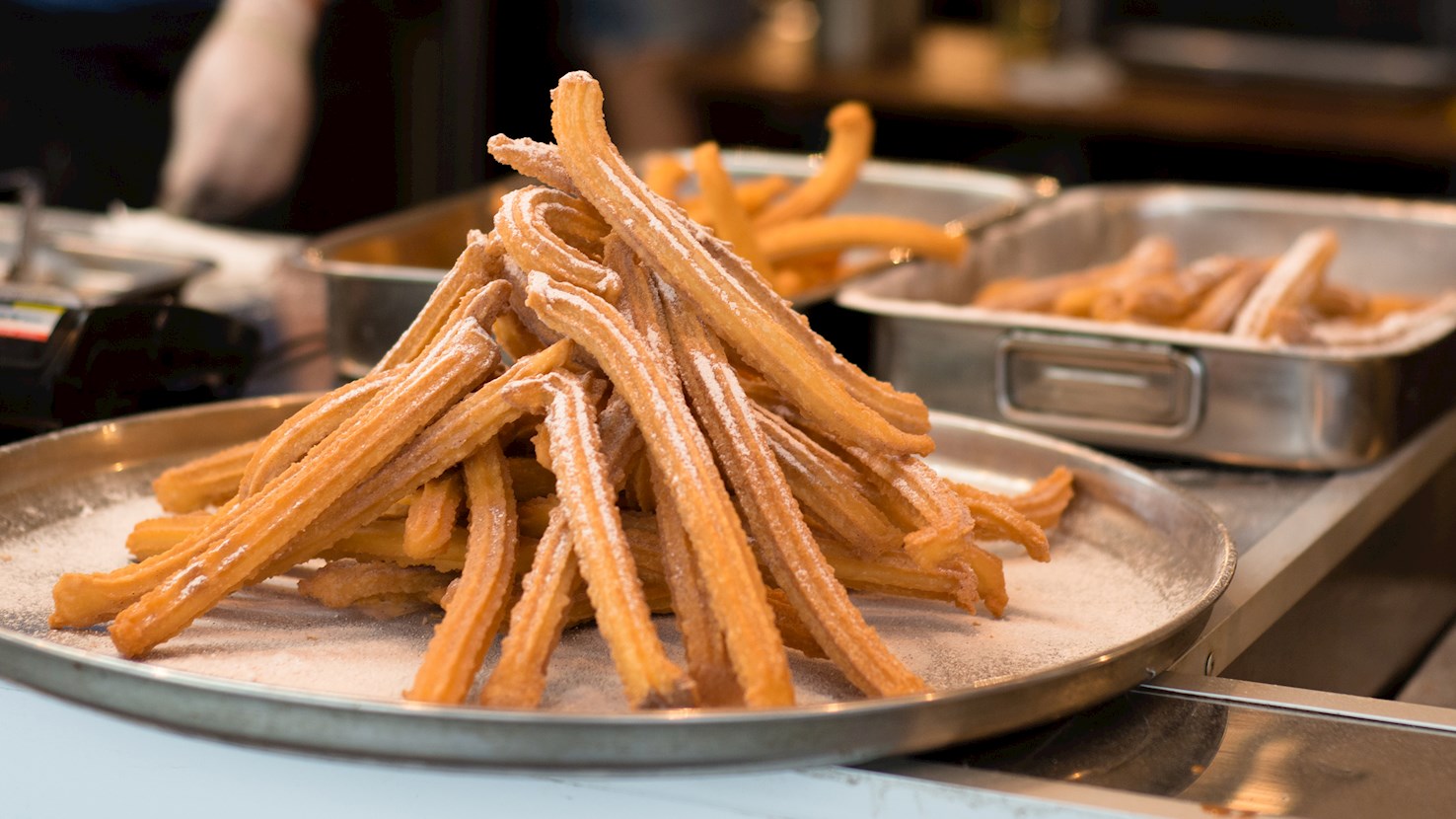
Elongated, crispy, crunchy and intensely fragrant, churros consist of deep-fried yeast dough encrusted with sugar. Although some may argue against consuming these sweet treats, warning others about the dangerous effects of sugar and fat on human bodies, the popularity of churros throughout the world doesn't seem to wane. Originally invented by Spanish shepherds who could easily cook them in a pan over an open fire, today these unusually shaped, cinnamon sugar sprinkled twists are most commonly eaten in Spain and Latin America as a hot breakfast food, accompanied by a strong cup of coffee or a cup of thick hot chocolate. Their characteristical shape is achieved by pressing the dough through plastic tubes so it emerges on the other side in thin, ridged ropes. Although churros are a Madrid specialty, the ones found in Seville are often praised because they differ in a lighter and more delicate texture. In Cuba, they may be filled with guava, in Mexico with dulce de leche, and in Uruguay with cheese. Regardless of the varieties, churros are an indulgence that must be tried at least once.
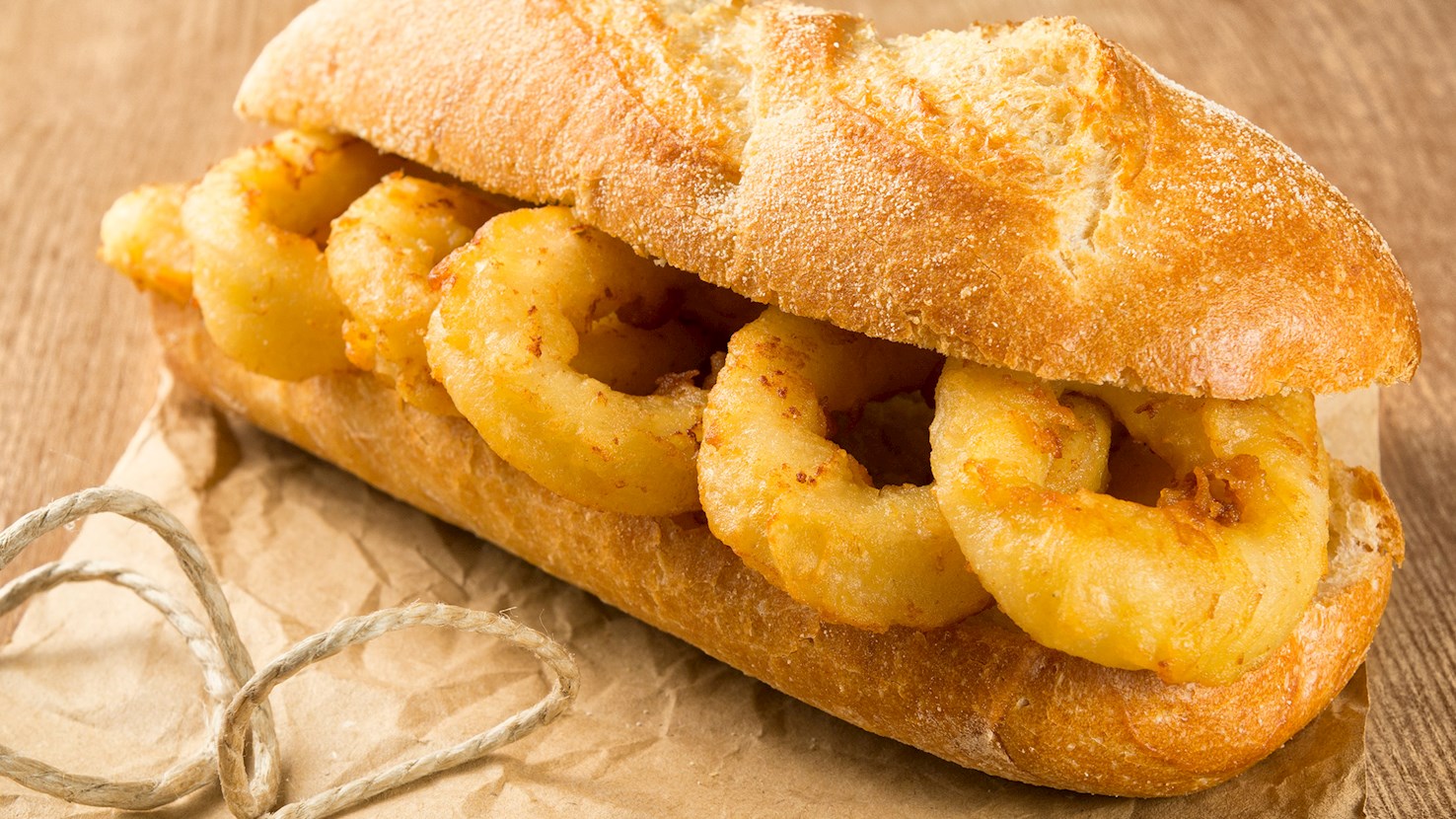
Bocadillo de calamares is one of the best-known bocadillo sandwiches in Spain, and a most beloved bar snack staple in the country’s capital, Madrid. It typically consists of a crusty Spanish-style baguette called barra de pan, which has been sliced in half lengthwise and stuffed with fresh and crunchy fried calamari rings. The calamari are usually dipped in flour and fried in olive oil, while the sandwich’s filling may be enhanced with a touch of olive oil or alioli (garlic mayonnaise) or a drizzle of fresh lemon juice. This simple sandwich makes for a filling breakfast, lunch, dinner, or a mid-afternoon snack, and it is traditionally washed down with a small glass of ice-cold draft beer known as a caña in Spanish. In Madrid, where calamari sandwiches can be found at any corner, people usually enjoy this sandwich on the spot, standing in the bar where they bought it, or for a more pleasurable experience, they often eat it al fresco while sitting on one of the benches on the Plaza Mayor.
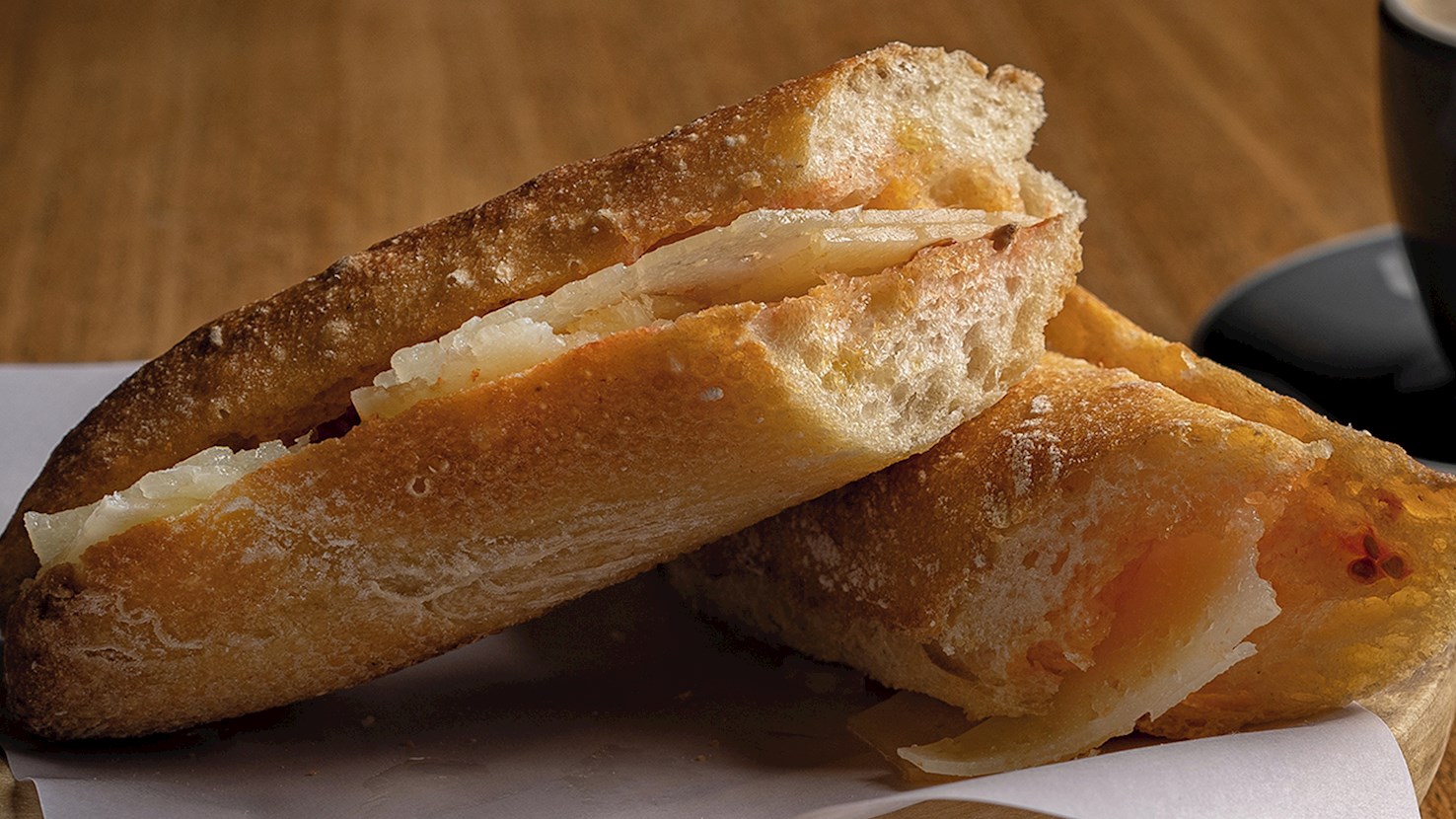
Bocadillo de queso is a Spanish sandwich that consists of Spanish bread and slices of cheese. Due to the simplicity of the sandwich, both the bread and the cheese used for the preparation of this bocadillo variety must be of excellent quality. The most common choice for bread is a Spanish-style baguette called barra de pan, while the selection of cheese includes various types of cheese such as Manchego cheese, queso fresco (fresh cheese), queso de cabra (goat cheese), Edam cheese, and blue cheese. The bread is usually cut in half lengthwise, and it is often moistened with a drizzle of olive oil or rubbed with ripe tomato halves on the inside. Lettuce or rocket leaves, tomato slices, strips of roasted peppers, and slices of ham are some of the optional ingredients that may be added to the sandwich’s filling for added flavor and a more filling dish. Just like other bocadillo sandwiches, cheese bocadillos can be eaten as a filling snack at any time of the day or as a light meal for breakfast, lunch, or dinner.
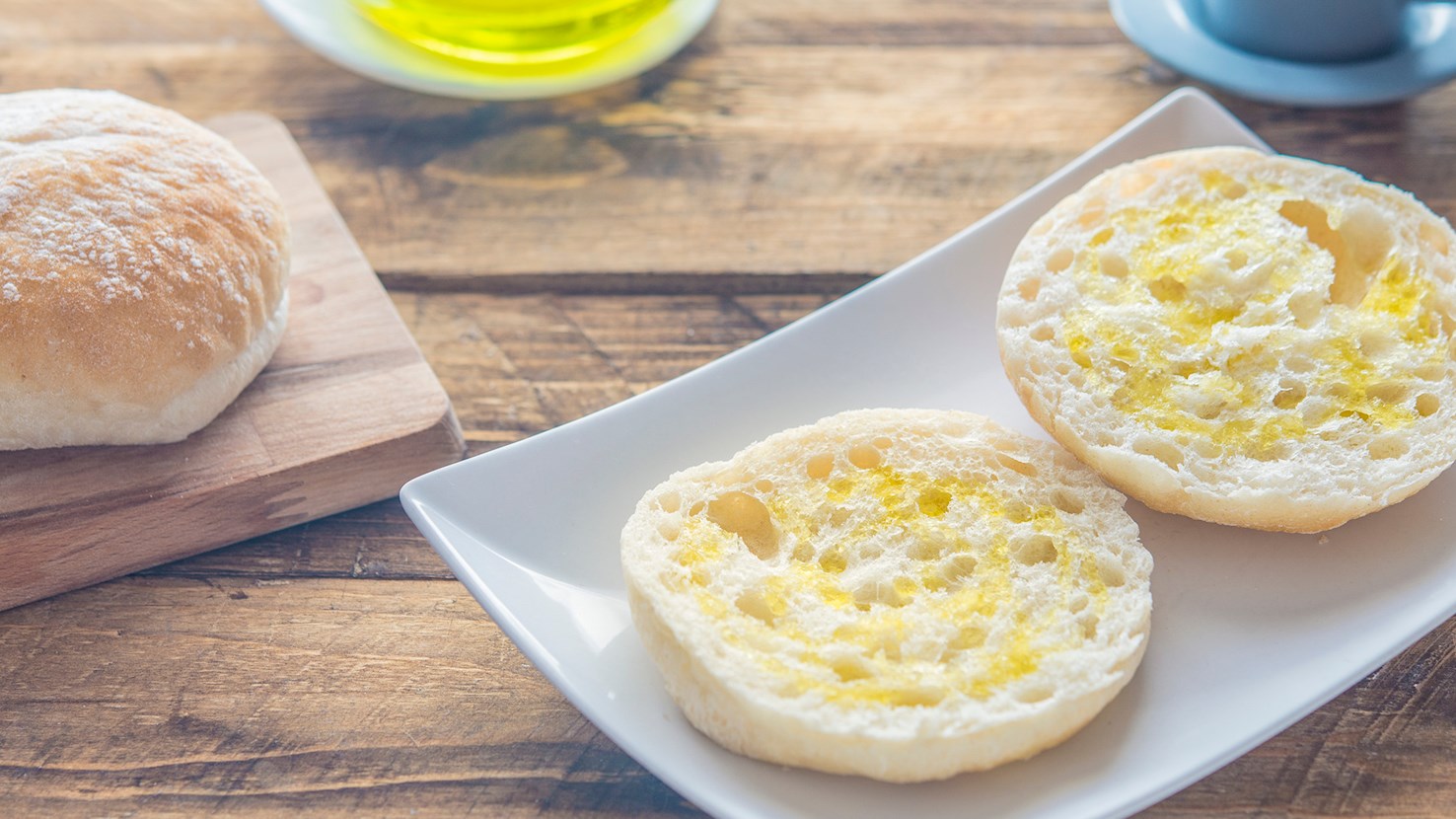
Mollete is a traditional bread hailing from Antequera. It's made with a combination of yeast, plain flour, whole-wheat flour, salt, sugar, milk, and olive oil. The dough is rolled into oval-shaped disks, and it's then baked until golden brown. Traditionally, molletes are sliced into halves, toasted, drizzled with extra virgin olive oil, and topped with sliced tomatoes and a pinch of salt. In Andalusia, molletes are usually served for breakfast.
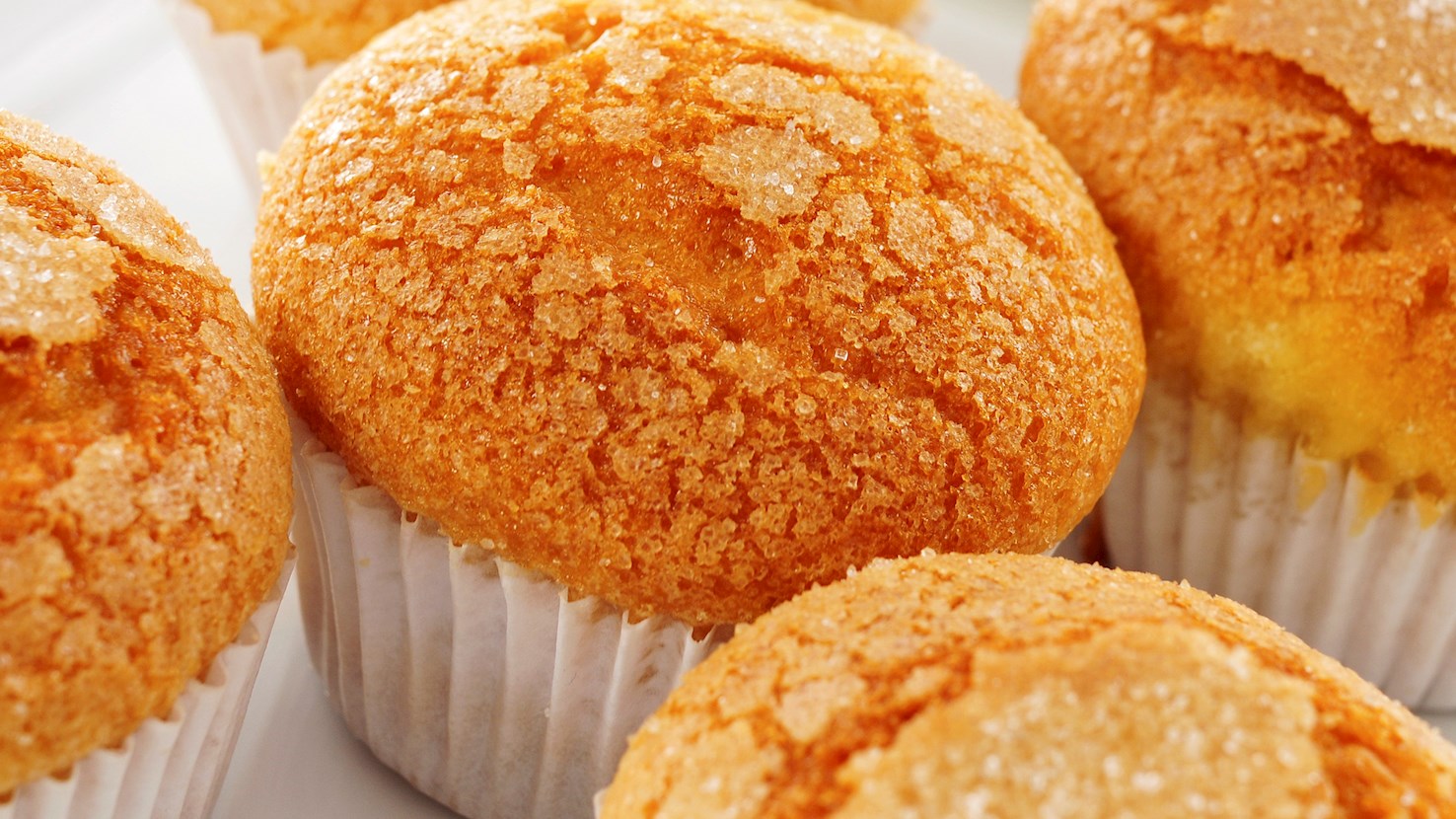
Magdalenas are sweet, light, and fluffy Spanish cakes that are typically made with a combination of eggs, sugar, butter, flour, baking powder, milk, and lemon zest or vanilla essence for flavoring. Visually, magdalenas are quite similar to muffins. In Spain, they are most commonly consumed for breakfast with a cup of coffee. In the past, these small treats were traditionally baked for holidays and birthdays, but nowadays they can be found throughout Spain, in supermarkets and bakeries. Some say that the name magdalenas is derived from a story about a young girl named Magdalena, who used to give these cakes to pilgrims who were going to Santiago de Compostela in Galicia.
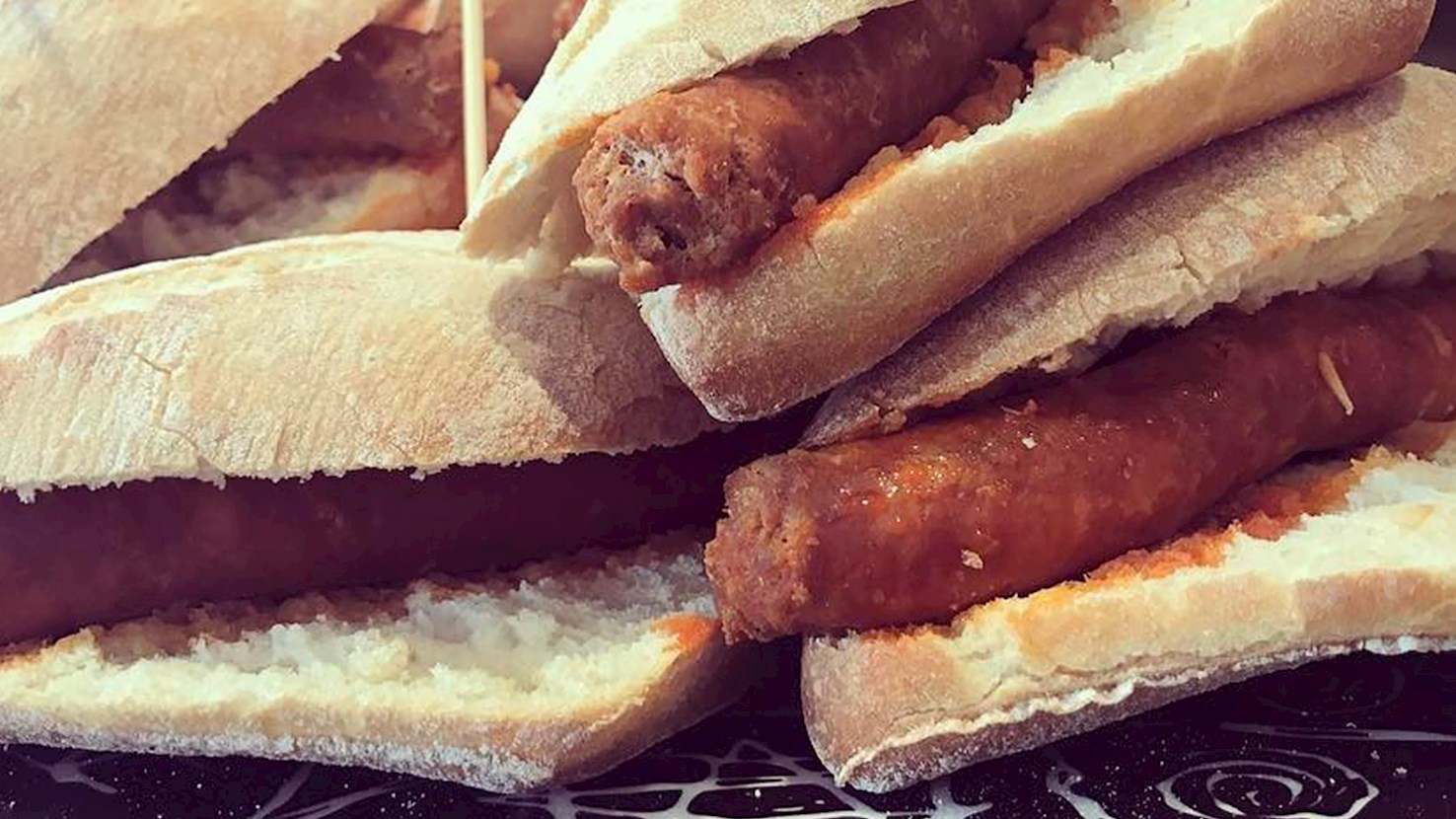
Bocadillo de chistorra is a Spanish sandwich that consists of a sliced bread loaf filled with chistorra, a Spanish fast-cured pork sausage. This sandwich is typically made with a Spanish-style baguette (barra de pan), while some versions use ciabatta or Vienna bread instead of the baguette. These sausages can be grilled, fried, or baked, and the sandwich’s filling is often enhanced with other ingredients such as crispy fried onions, slices of cheese (usually Idiazábal cheese), ham, and poached eggs. Once assembled, the sandwich is sometimes baked in the oven for a crispier finish, if desired. This bocadillo variety is typically enjoyed for breakfast or as an afternoon snack (merienda), although it can also be consumed for lunch or dinner.
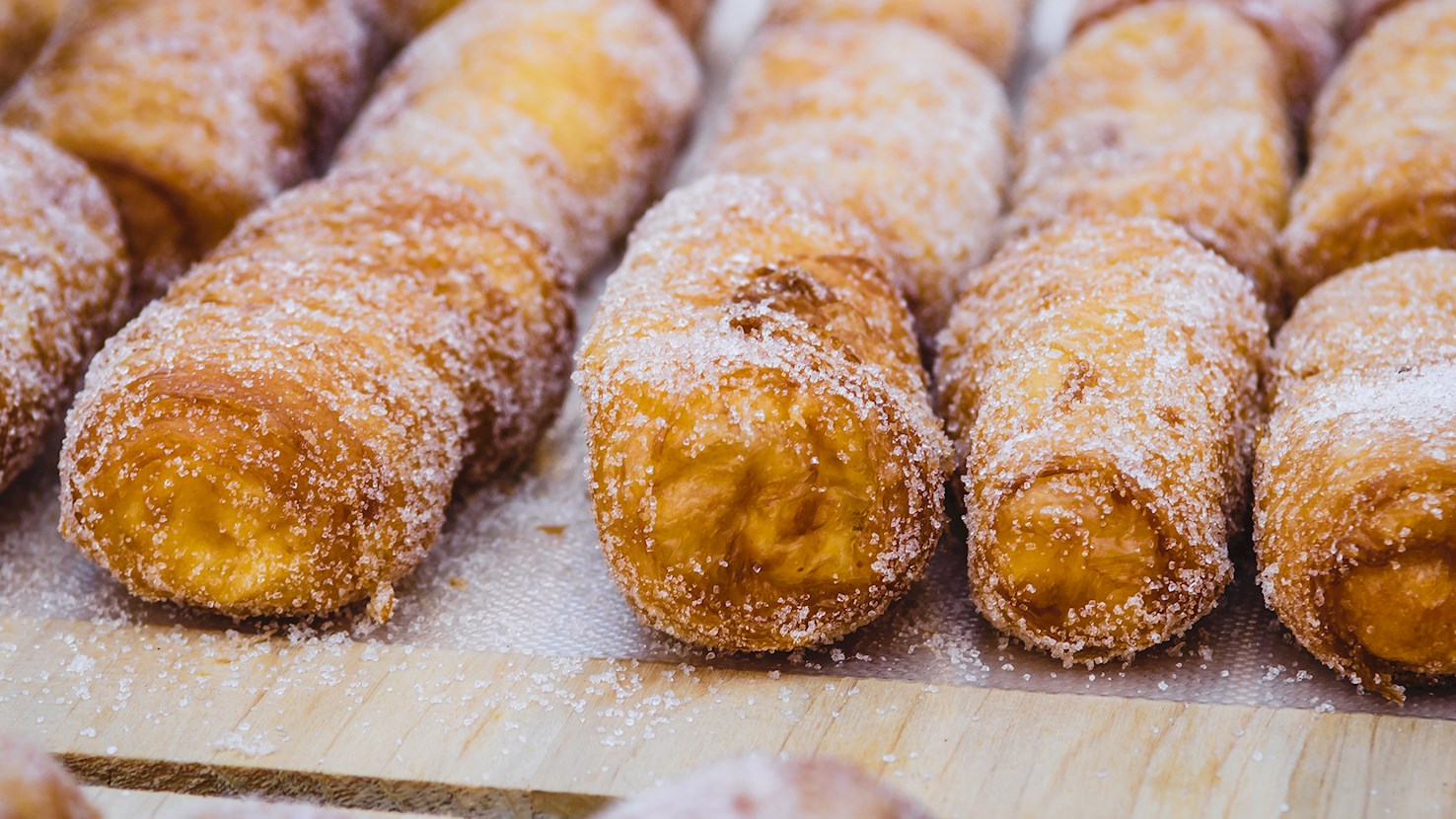
Xuixo (pronounced shoo-shoo) is a Catalan dessert originating from the city of Girona. Dating back to the 1920s, this pastry is cylindrical-shaped and filled with the delectable crema catalana. It's probably best to describe it as a cross between a croissant and a churro, but filled with cream. The xuixo is then deep-fried and sprinkled with crystallized sugar. According to the city's lore, an acrobat named Tarlá fell in love with a pastry chef's daughter, and one day when the chef entered his bakery he heard a sneeze, leading him to Tarlá's hiding spot. The acrobat then promised to marry the chef's daughter and gave him a recipe for this special pastry, which was named after the sneeze that gave the acrobat away. Nowadays, xuixo is usually eaten for breakfast or tea, and it's so popular that there is even a xuixo parade that goes through the city's streets, and when it's finished, the participants are given a treat of fresh xuixos.
TasteAtlas food rankings are based on the ratings of the TasteAtlas audience, with a series of mechanisms that recognize real users and that ignore bot,
nationalist or local patriotic ratings, and give additional value to the ratings of users that the system recognizes as knowledgeable.
For the “Top 17 Spanish Breakfasts” list until September 15, 2026, 2,709 ratings were recorded, of which 2,309 were recognized by the system as legitimate.
TasteAtlas Rankings should not be seen as the final global conclusion about food. Their purpose is to promote excellent local foods,
instill pride in traditional dishes, and arouse curiosity about dishes you haven’t tried.





What People Say