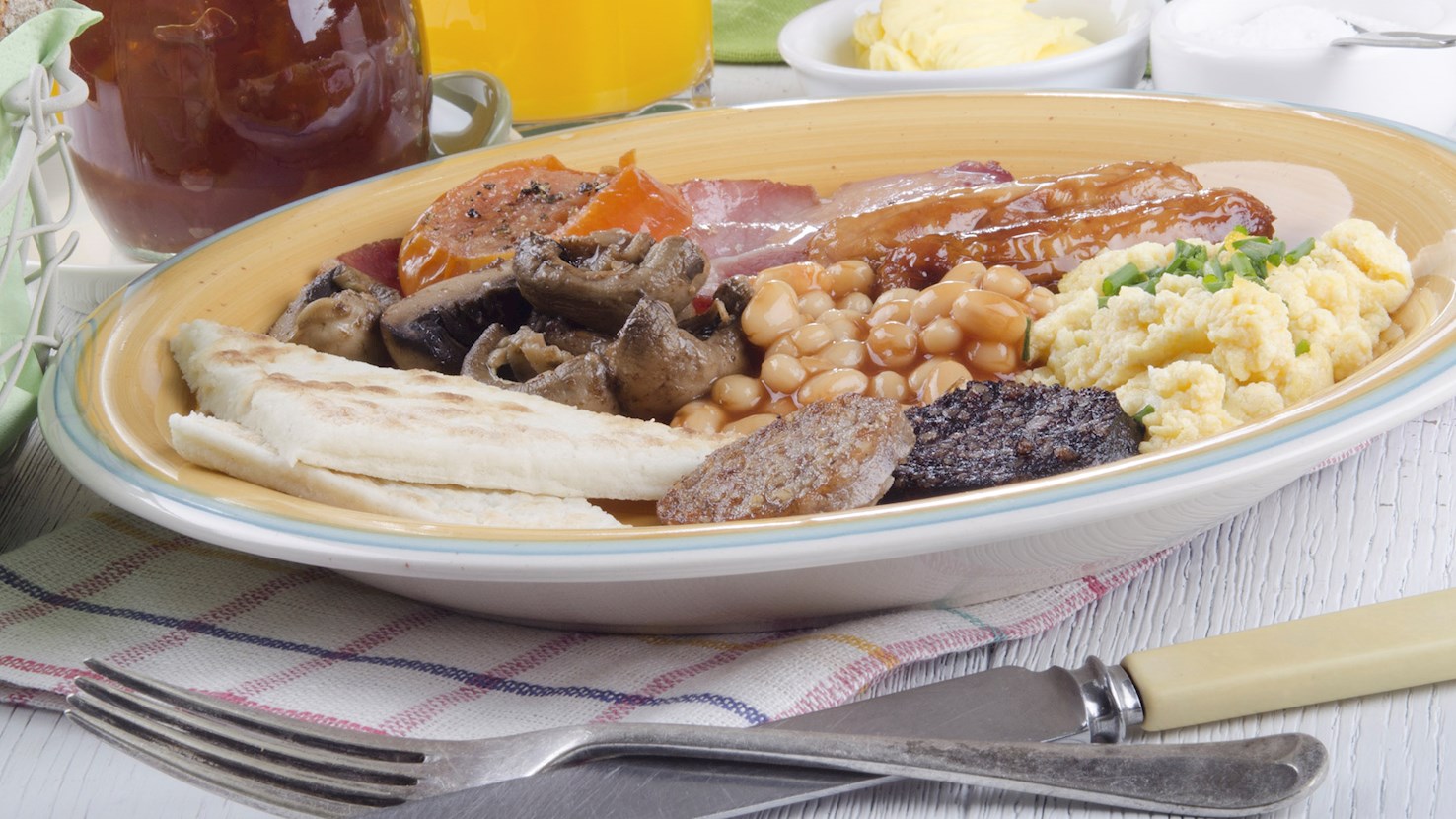
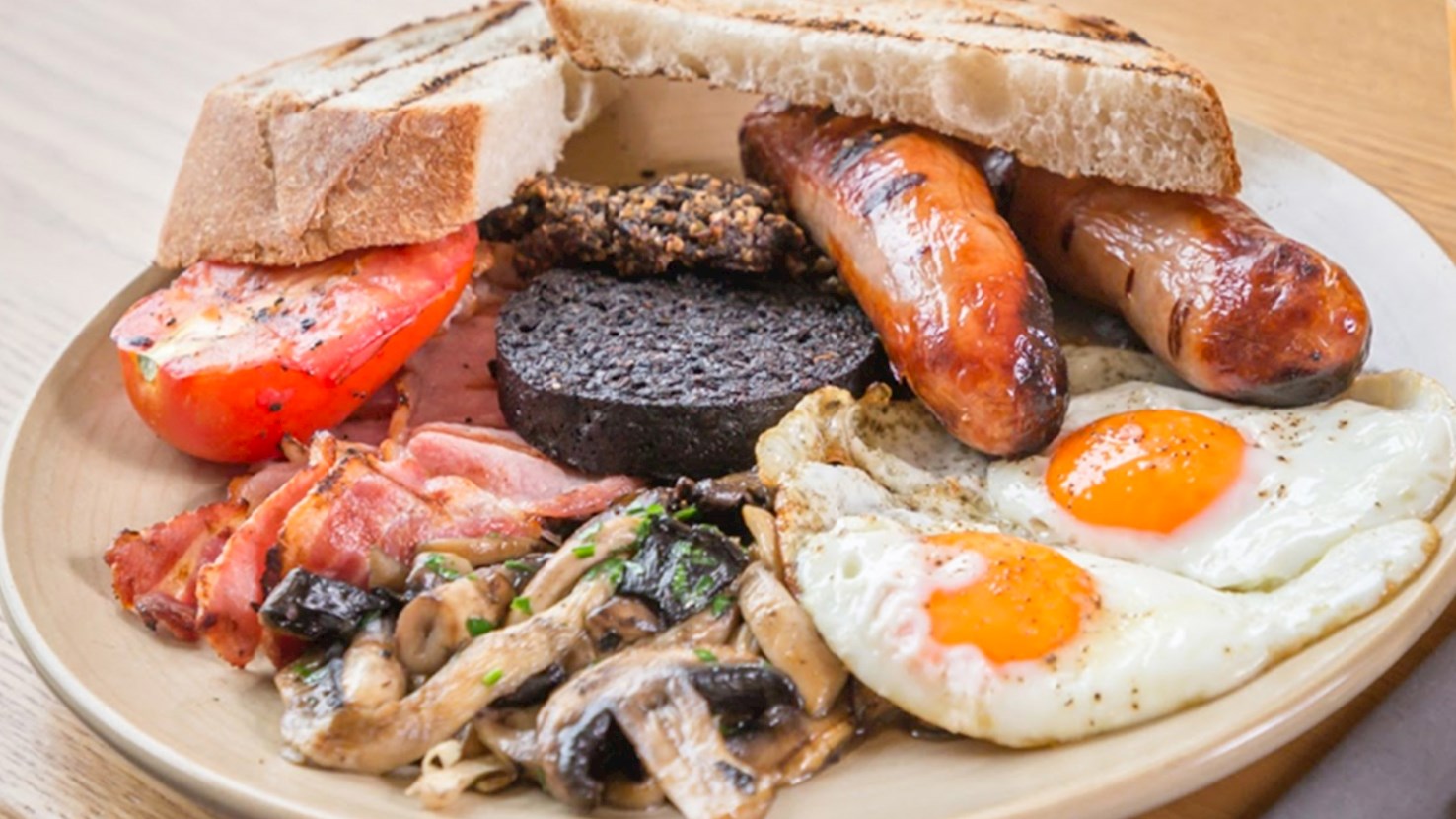
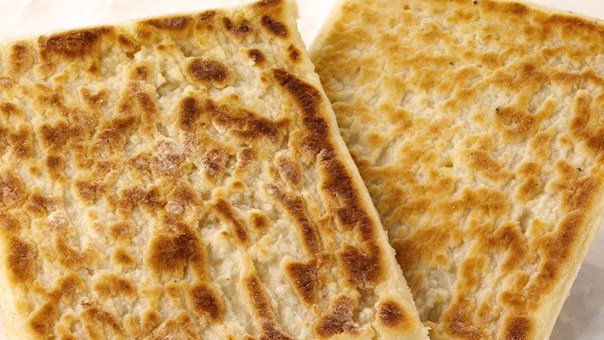
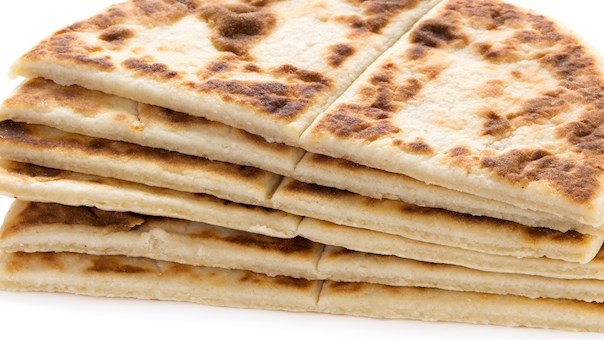
Considered to be the ultimate breakfast food, Ulster fry is Northern Ireland's favorite dish consisting of sausages, streaky bacon, eggs and tomatoes, with the addition of griddle-baked soda farls (quarters) and potato bread, fried until golden crispy on the exterior, and tenderly fluffy on the interior. Although cooked breakfast first became popular in the Victorian period, Ulster fry owes its existence to the tourism 'boom' on the British Isles in the 1960s. Today, it is the single dish that is the most closely associated with Northern Ireland. The Fry must not contain anything that cannot be fried in bacon fat, and there is a heated debate about what can and cannot be included in the dish. Black pudding, mushrooms and chips are all ruled out, but tolerated by traditionalists, while hash browns are considered a heresy if found on an Ulster fry plate. This hearty breakfast is best accompanied by a cup of hot tea or whiskey-spiked Irish coffee.
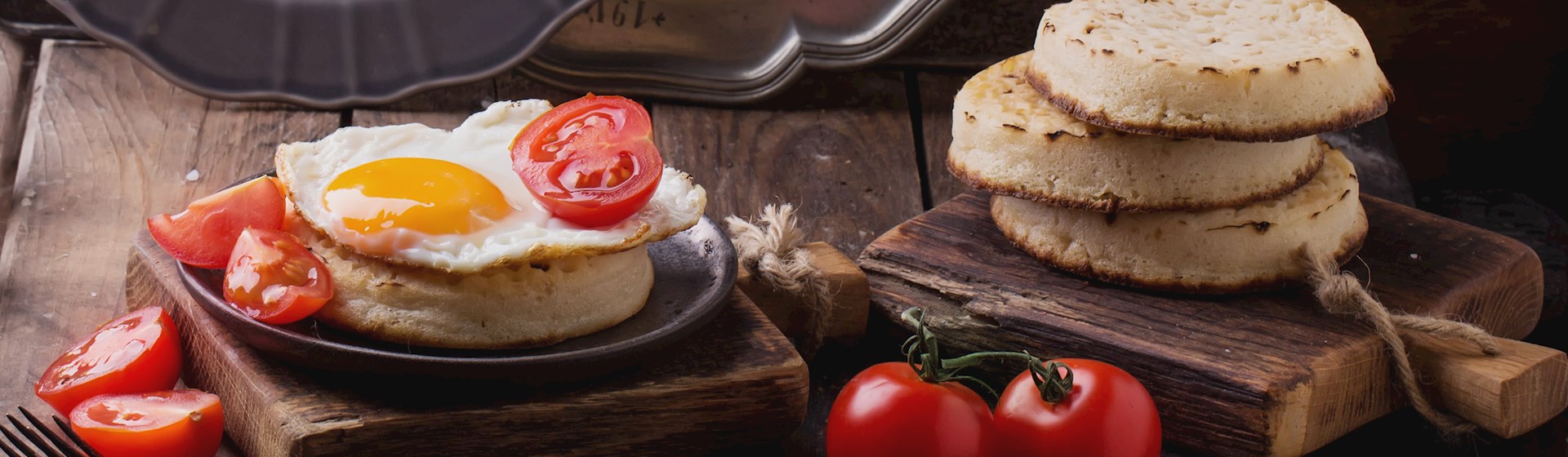
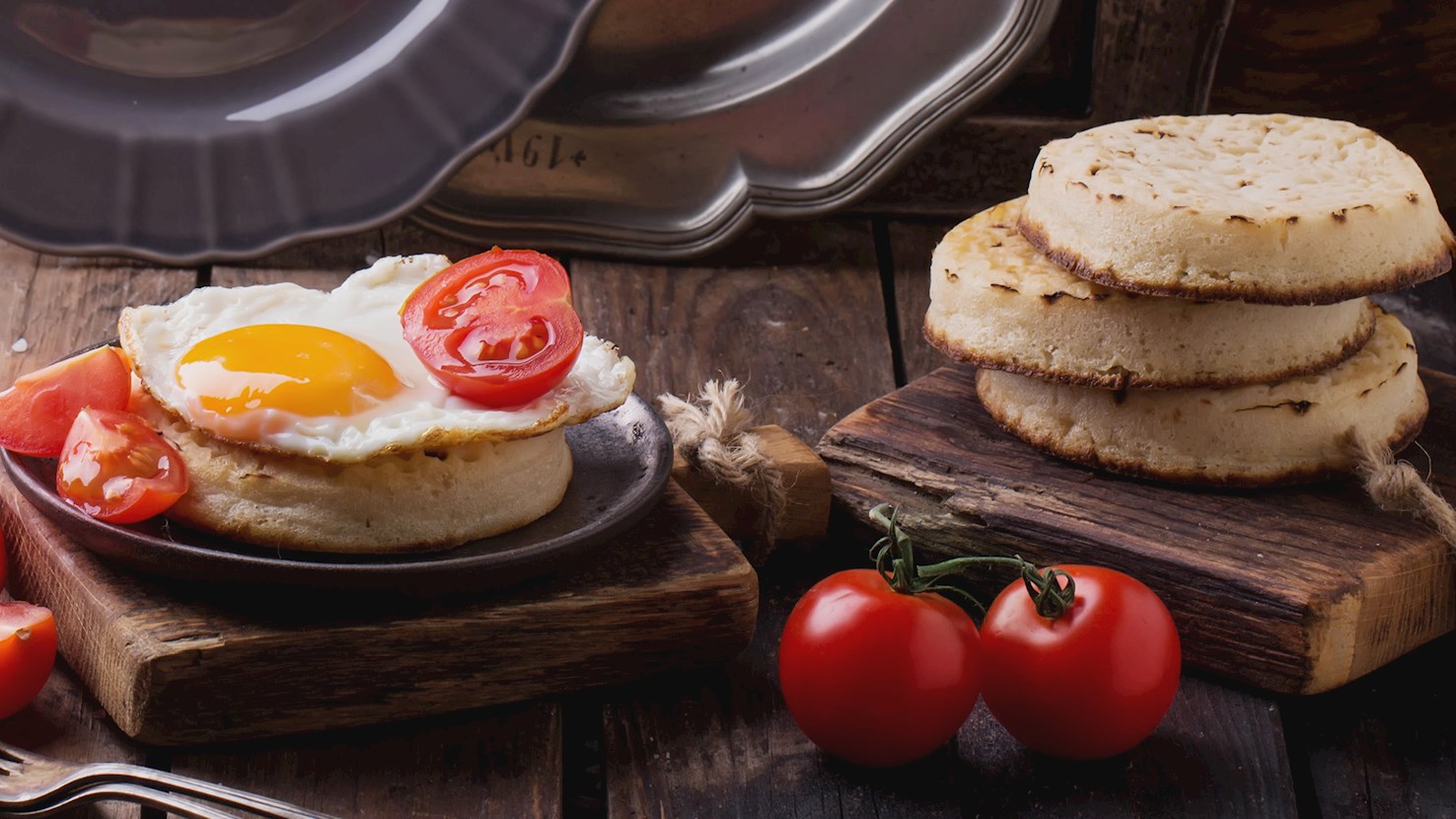
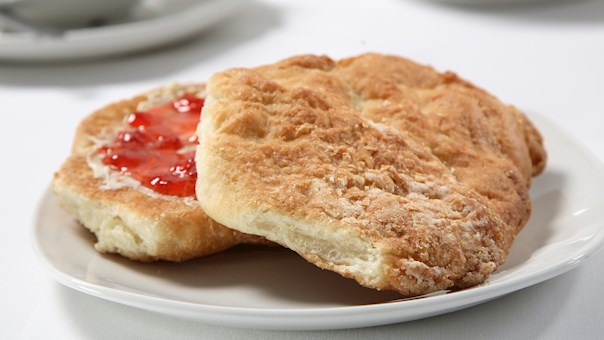
A quintessential British teatime treat, crumpet is a small round bread or cake that is traditionally cooked in a special crumpet ring on a griddle. It is typically prepared with flour, milk or water, and yeast, though sugar, salt, and baking powder or baking soda are also often added to the combination. Initially, the cakes resembled pancakes due to their thin and flat shape. Today’s crumpets have a soft, spongy, and slightly chewy texture that comes from the addition of yeast and baking powder to the cake’s batter, an ingenious twist on the cake that’s been attributed to Victorian-era bakers. Crumpets are recognized for their smooth round bottoms that are in stark contrast to their unique surfaces which are dotted with dozens of tiny holes. This traditional specialty is usually enjoyed for breakfast or as an afternoon tea treat, typically slathered with butter, jam, honey, or golden syrup. For a savory treat, crumpet cakes are often served with bacon or poached eggs. In the UK, ready-made versions of crumpet cakes are also available, but these need to be lightly toasted before consumption.
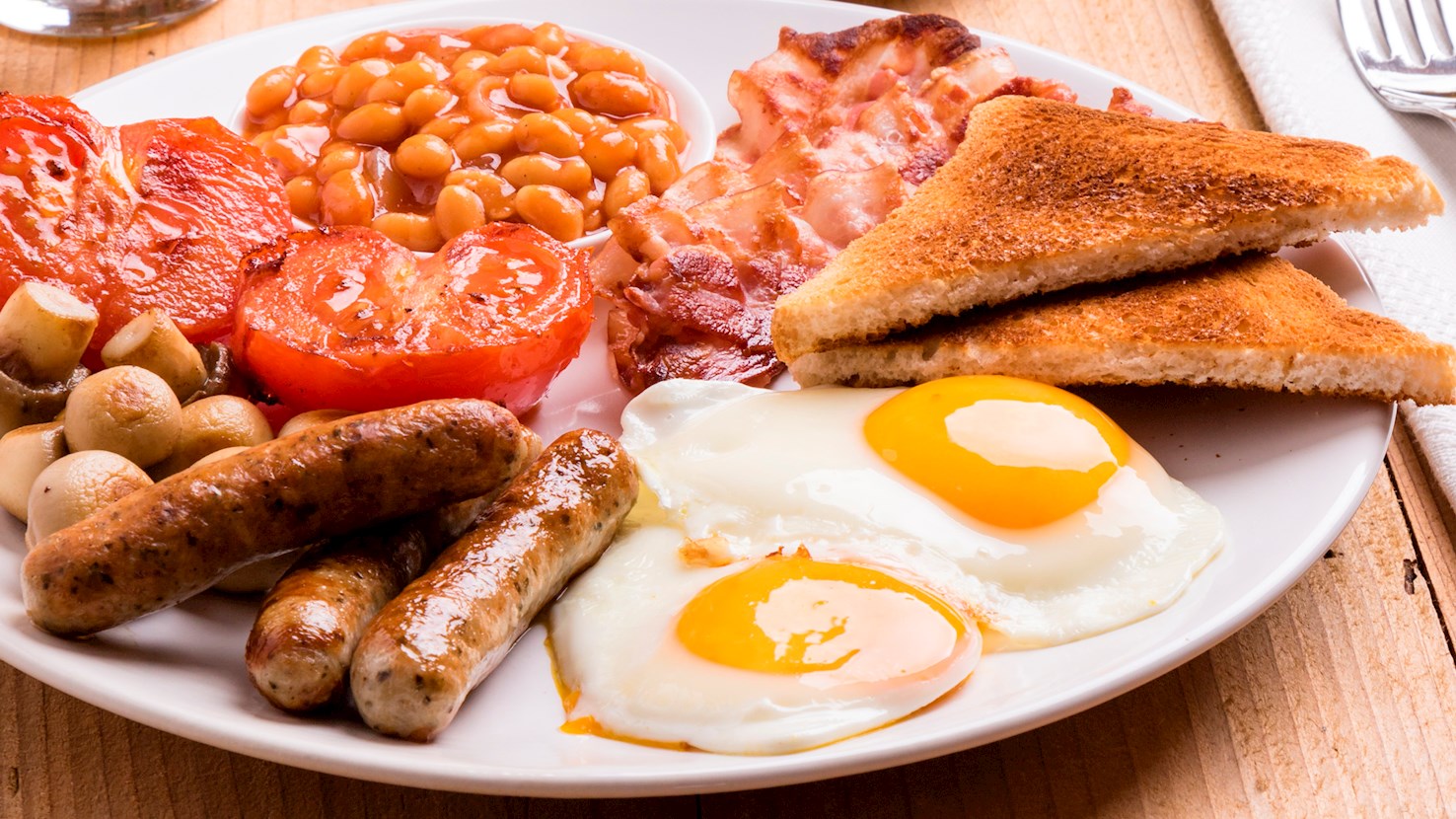
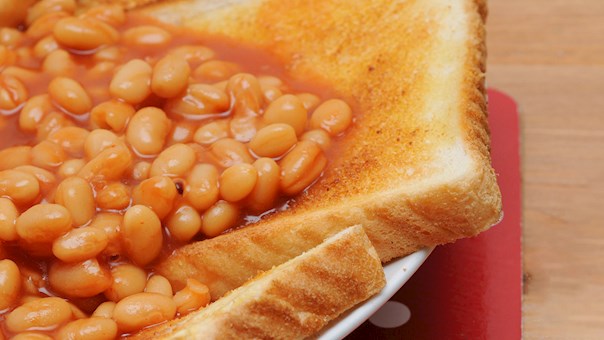
Also known as the full breakfast, this traditional British dish appears everywhere with a few essentials and some regional additions. First, there is the meat – usually a combination of sausages and bacon. The sausage is plain pork sausage, while the bacon can be streaky or back bacon. Then there are vegetables and legumes – baked beans and tomatoes, both cooked over high heat. The balance of sweetness and acidity in the tomatoes nicely balances out the fattiness on the other side of the plate. Lastly, there is a crispy piece of fried bread and two or three over-easy eggs to tie the whole meal together. Alongside this hearty breakfast, you will usually find a cup of tea, ketchup or brown sauce, and a nice fruit jam. Optionally, black pudding, kidneys, mushrooms, and potatoes can be added to the fry-up, depending on personal taste and regional preferences. Although it is traditionally a breakfast dish, a full English breakfast is more than hearty enough to serve as a mid-day meal.
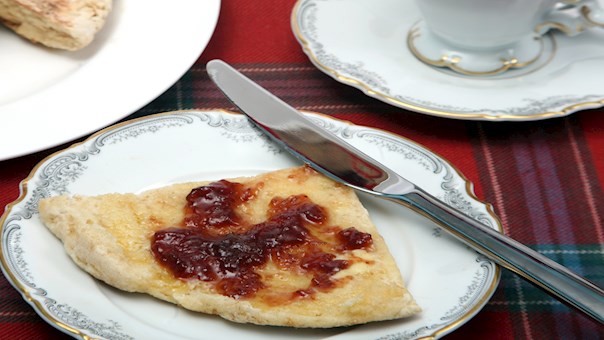
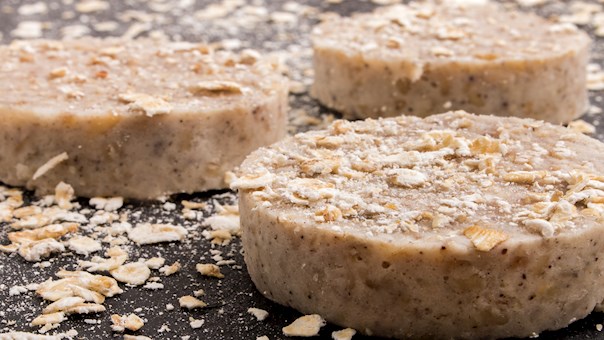
A full Scottish breakfast is a traditional and celebrated meal that typically includes bacon, link sausages, Lorne sausage (square sausage), black pudding, haggis, baked beans, fried mushrooms and tomatoes, toast, tattie scones, and fried eggs. It highlights Scotland's rich culinary heritage and local ingredients. Dating back to the mid-19th century, it was a symbol of affluence and hospitality during Victorian times. This hearty meal is perfect for cold weather, providing essential nutrients and energy to start the day. It's widely available across Scotland, from local cafés to Michelin-star restaurants.
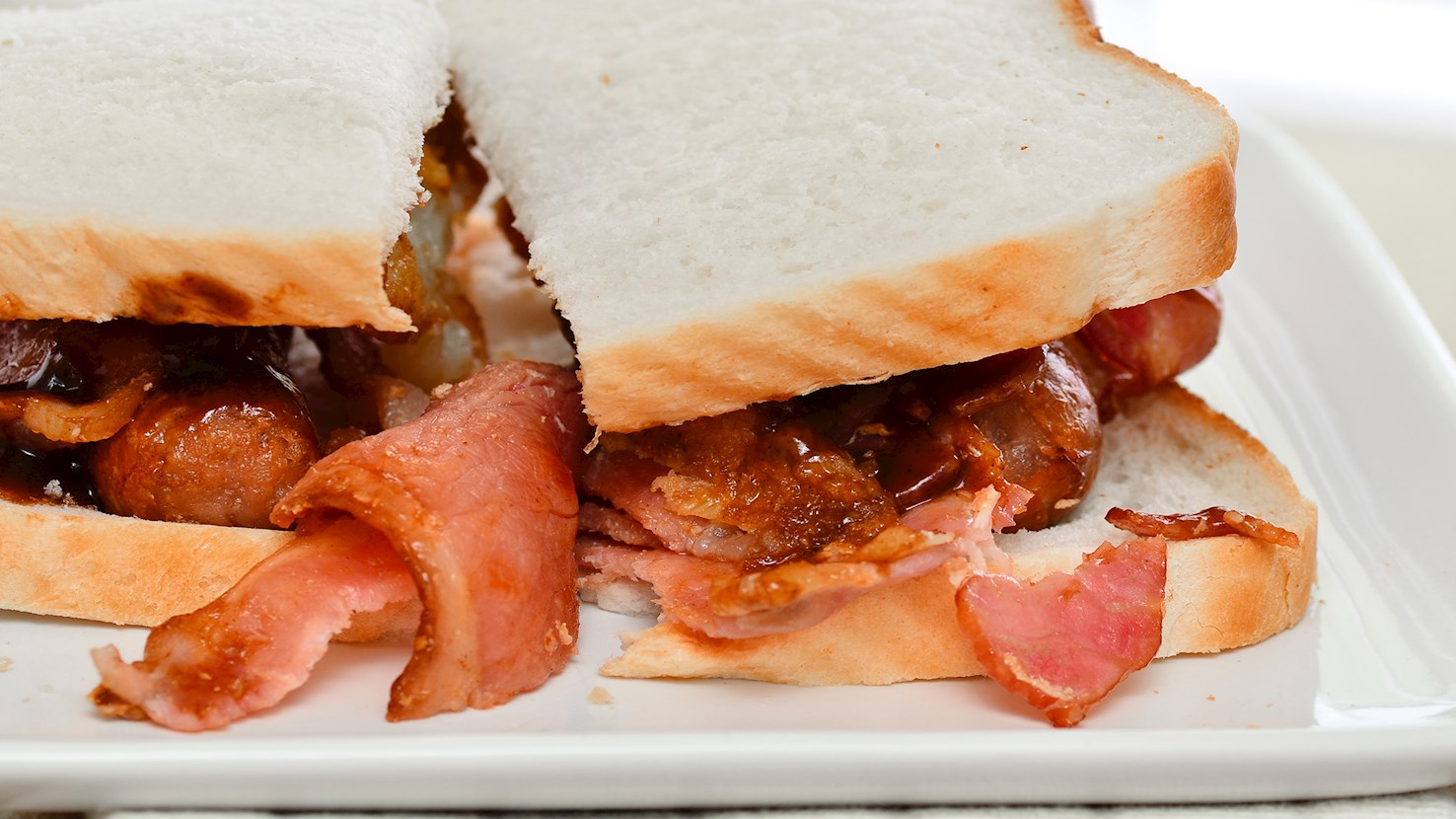
Bacon butty is one of Britain's most popular guilty pleasures, a sandwich consisting of slices of white bread (or a bread roll) spread with butter and stuffed with large amounts of bacon. Some like to add ketchup, brown sauce, or an egg to the sandwich, depending on personal preferences. Regardless of the variations, the sandwich is eaten by young and old alike, and it also has a reputation of being a great hangover cure.
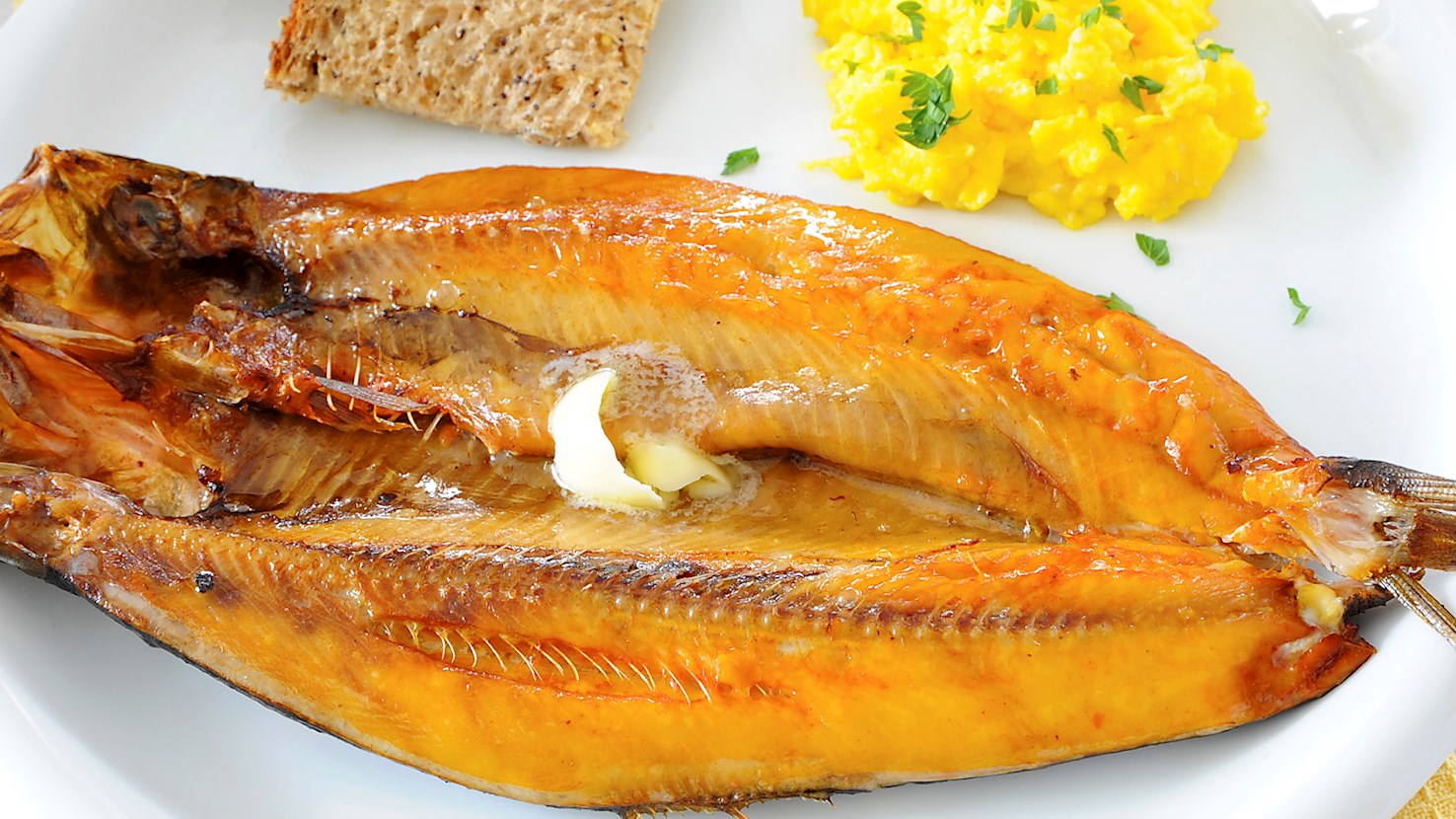
Kipper is a traditional breakfast dish consisting of a whole herring that is halved, gutted, seasoned with salt, and cold-smoked over woodchips. The lengthy process results in an extremely flavorful, highly nutritious dish that was created in 1843 by John Woodger, a fish processor. The salt used in the dish keeps the fish from going bad, while the smoke causes it to shrink and compress the flavors. Traditionally, kippers are eaten on toasted bread with butter for breakfast, but the fish can also be added to sauces, quiches, and omelets. If the smell is too pungent, it is recommended to barbecue the fish to make it more appetizing. Kippers are so popular that the flavorful, oily dish was even present on Victorian and Edwardian tables, as well as on the Savoy hotel's breakfast menu since 1889. Today, most of the kipper-makers are located in the Isle od Man, where curer families have been a part of the industry since the 19th century.
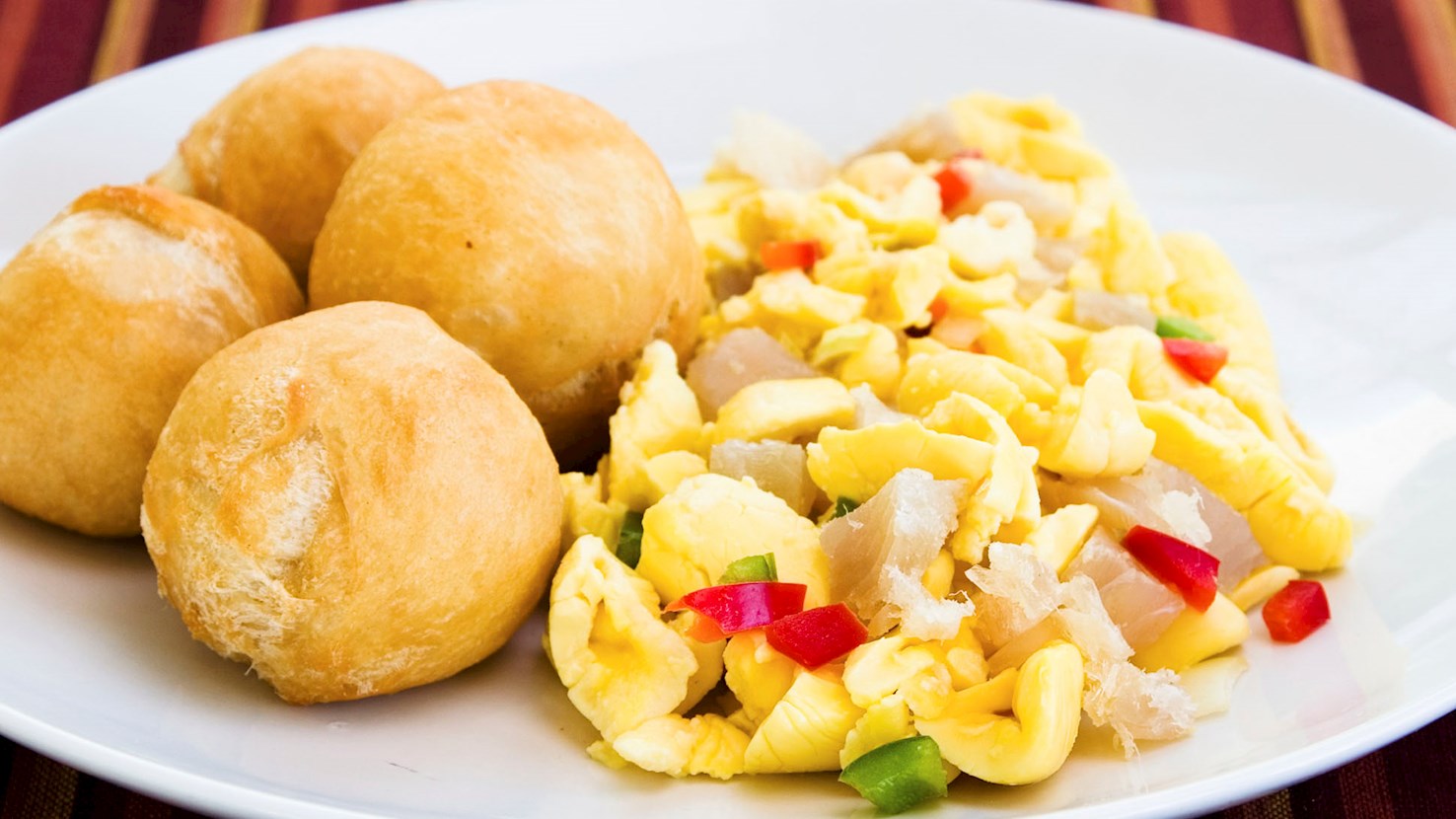
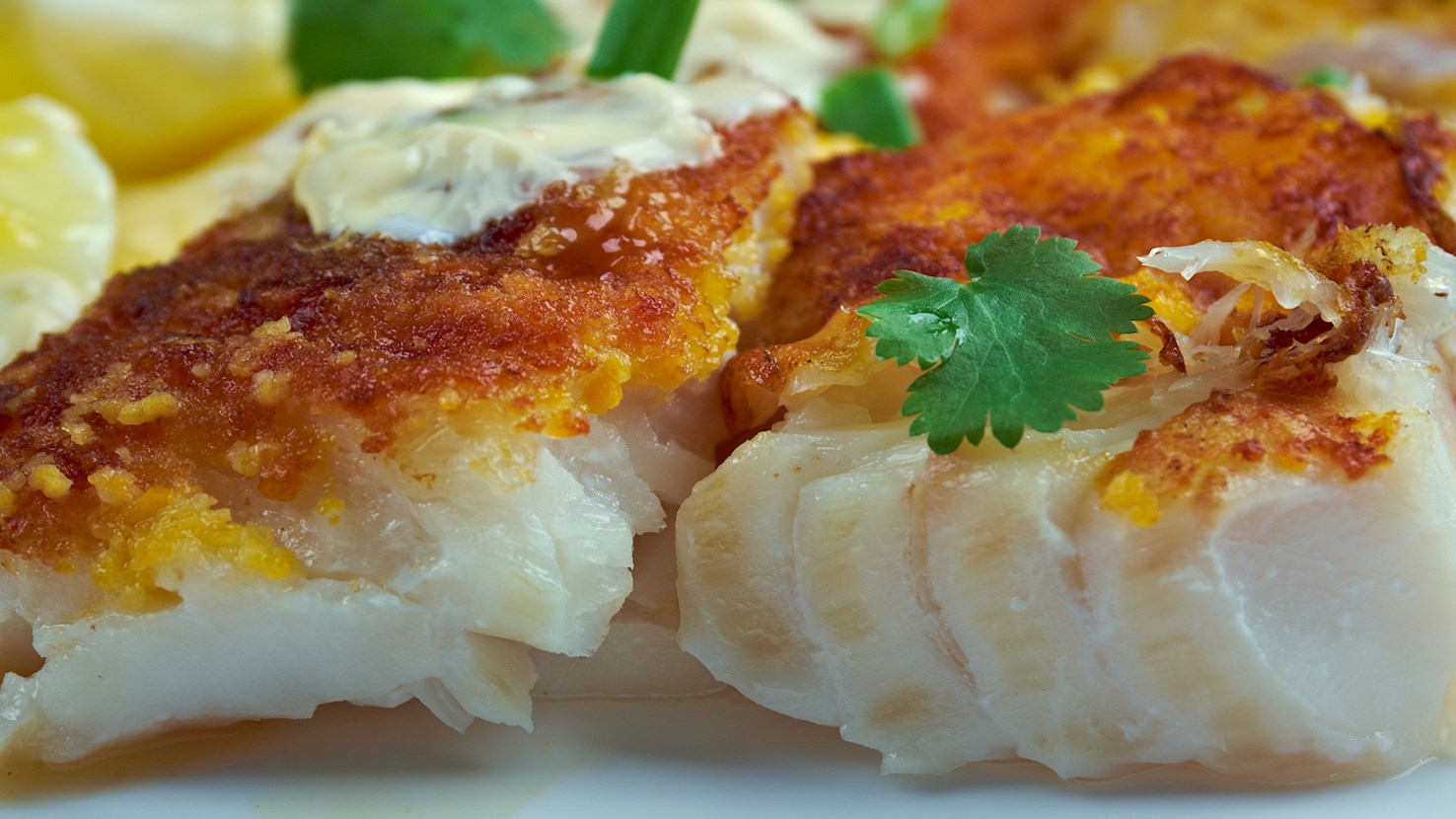
Ackee and saltfish is a dish made by combining the cooked flesh of the ackee fruit with flaked salted cod, sautéed aromatics, and seasonings such as Scotch bonnet pepper, thyme, scallion, onion, and tomato. It is widely regarded as Jamaica’s national dish and is eaten across the island for breakfast, lunch, and dinner. Ackee (Blighia sapida) originated in West Africa and was brought to Jamaica in the eighteenth century, where the tree adapted easily to the climate and became part of local diets. Salt cod arrived from the North Atlantic through colonial trade routes and became a dependable protein source because it was inexpensive and stored well in a tropical environment. Jamaican cooks combined these two ingredients, along with local herbs and peppers, over generations. By the nineteenth century, the pairing was established in domestic cooking and appeared in regional cookbooks and household records. Its growth in popularity coincided with the incorporation of Scotch bonnet pepper and fresh seasonings, which shaped the version recognized across Jamaica today. Preparation begins by cleaning and boiling ackee until the yellow arils soften and open naturally, ensuring they are fully ripe and safe to eat. The boiled ackee is drained carefully so the pieces remain intact. Saltfish is soaked or boiled to reduce salinity, then flaked and checked for bones. In a pan, onion, scallion, thyme, garlic, tomato, and Scotch bonnet pepper are sautéed until fragrant. The flaked saltfish is added and cooked briefly before the ackee is folded in gently to avoid breaking it apart. The mixture is simmered until the flavors meld without turning the ackee into a mash. Some versions include sweet pepper or black pepper, while others keep the seasoning minimal. Ackee and saltfish is eaten throughout Jamaica in homes, cookshops, hotels, and roadside eateries. It is commonly served with boiled green bananas, fried dumplings, roasted breadfruit, yam, or festival. At lunch it may appear with rice and peas or plain rice. Beverage pairings include ginger tea, cocoa tea, lime water, sorrel drink, or cold beverages such as ginger beer or ting. The dish’s versatility and presence across meal types make it one of the most recognizable representations of Jamaican cuisine.
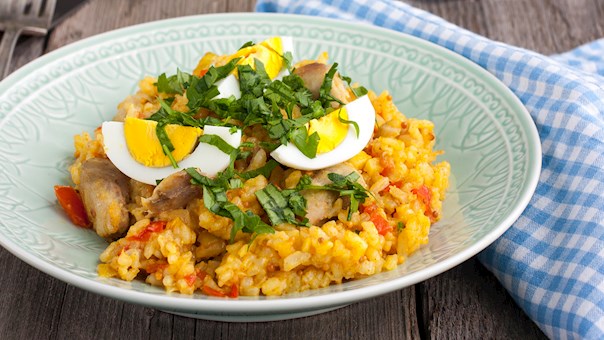
Finnan haddie is a cold-smoked whole haddock that is split open, lightly cured, and smoked over peat to give it a pale golden color and a delicate, flaky texture. The name comes from the small fishing village of Findon in Aberdeenshire. During the mid-eighteenth century, local villagers did not have enough salt for heavy barrel curing, so fresh haddock was soaked in a light brine overnight and then hung in drafty sheds over smoldering peat and green softwood. This cold-smoking method helped preserve the fish for transport without drying it out completely. Finnan haddie became much more widely available in 1843, when the railway linked Aberdeen with London, allowing smoked haddock to reach southern markets within a day. The fish is gutted and split down the back, with the central bone left attached to one side. It is placed in a salt brine for about thirty minutes to draw out surface moisture and firm the flesh. After brining, the fish is hung on wooden racks inside a cold smokehouse. The temperature stays below 30°C so the haddock is smoked without being fully cooked. Peat and green sawdust smolder slowly below for around eight hours. During smoking, a light golden-yellow layer develops on the exposed flesh while the inside remains raw. The final character of Finnan haddie depends largely on how it is cooked. The most common method is to poach the smoked fillet gently in whole milk and butter until the flesh turns opaque and flakes easily. The milk softens the fish and helps reduce some of its saltiness. The smoked haddock is also commonly used in kedgeree, where the flaked fish is mixed with boiled white rice, hard-boiled eggs, and yellow curry powder. It is also important in soups. Cullen skink uses smoked haddock with potatoes and onions to create a thick, starchy fish soup. Plain poached Finnan haddie is often served for breakfast. The hot fillet is lifted from the milk onto a warm plate, and some of the poaching liquid, enriched with a small amount of butter, is spooned over the top. A poached egg is often placed directly on the fish so the runny yolk mixes with the salty haddock and buttery milk. Toasted brown bread is served alongside to soak up the remaining liquid on the plate.
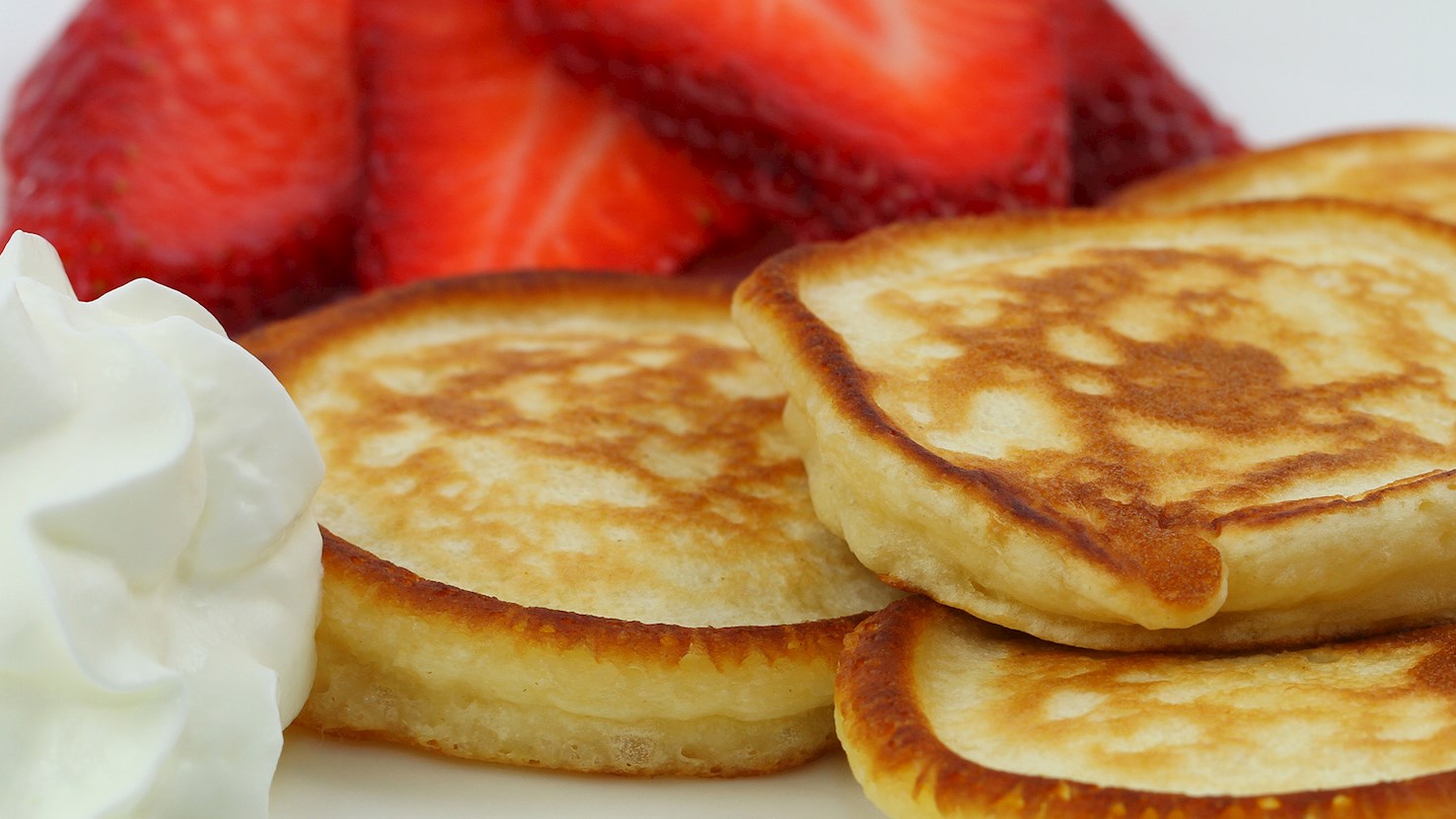
Drop scones, also known as Scotch pancakes, are small, thick pancakes, made by dropping spoonfuls of batter onto a hot griddle or a frying pan. Originally invented in Scotland, these fluffy treats quickly spread throughout the British Isles - Queen Elizabeth herself is very fond of drop scones - allegedly, she even prepared them for President Dwight Eisenhower during his visit to Balmoral Castle in 1959. Drop scones make a perfect breakfast, and they are best enjoyed warm. Although drop scones are very simple, when drizzled with honey or paired with cream and sweet fruits, they can easily be turned from a simple breakfast to an irresistible dessert.
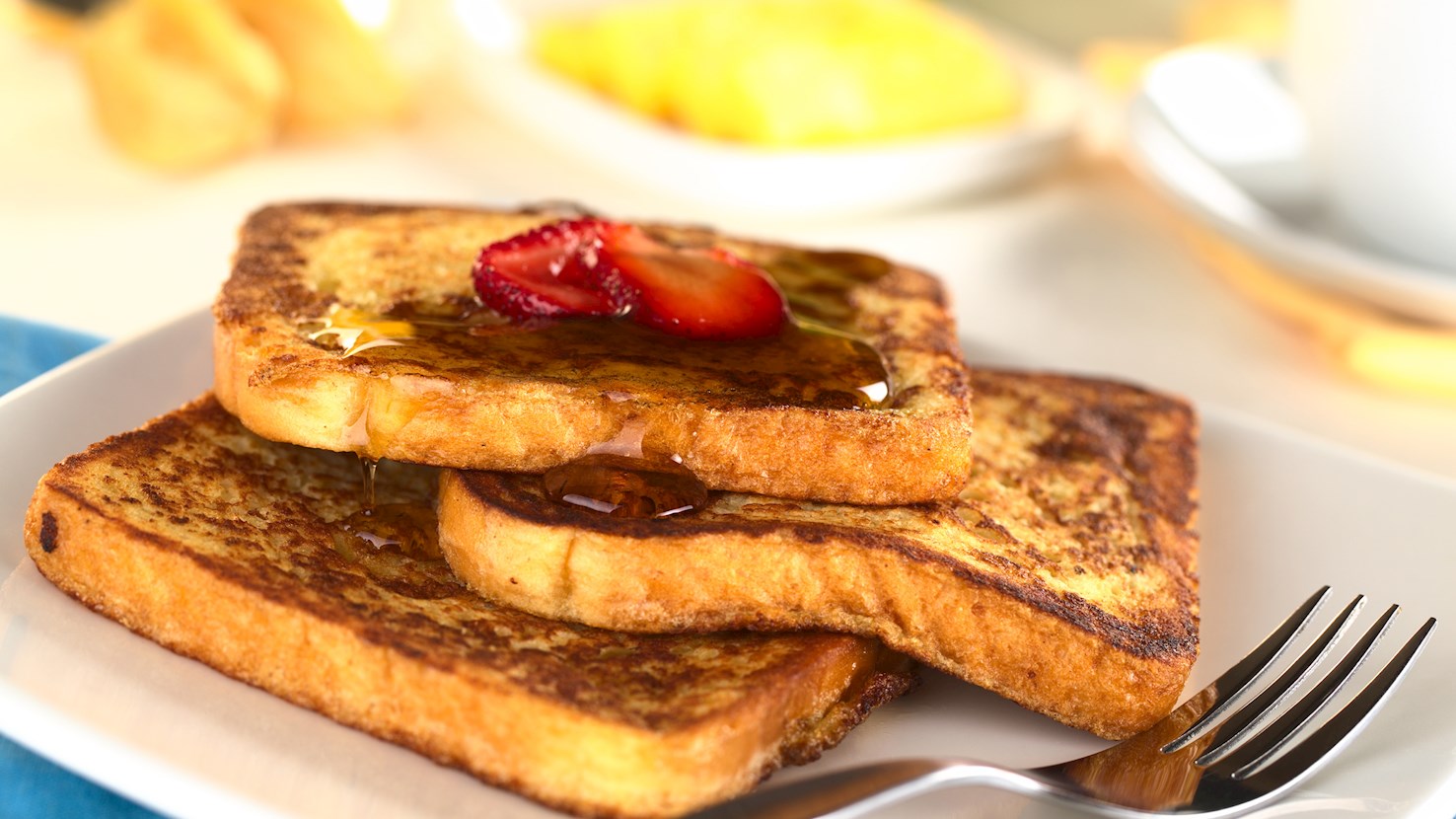
Eggy bread is the British version of French toast. Also known as Poor Knights of Windsor, the dish is usually prepared with a combination of crustless sandwich bread, milk, icing sugar, eggs, butter, cinnamon, and often a bit of sherry and strawberry jam. The bread slices are soaked in a whisked mixture of icing sugar, milk, sherry, and eggs. The bread is then pan-fried in butter until browned on both sides. Once cooked, the bread is sprinkled with sugar and cinnamon, then topped with strawberry jam or blackberry compote, if desired. Eggy bread is typically served as a breakfast or dessert.
TasteAtlas food rankings are based on the ratings of the TasteAtlas audience, with a series of mechanisms that recognize real users and that ignore bot,
nationalist or local patriotic ratings, and give additional value to the ratings of users that the system recognizes as knowledgeable.
For the “Top 25 British Breakfasts” list until September 15, 2026, 1,894 ratings were recorded, of which 1,682 were recognized by the system as legitimate.
TasteAtlas Rankings should not be seen as the final global conclusion about food. Their purpose is to promote excellent local foods,
instill pride in traditional dishes, and arouse curiosity about dishes you haven’t tried.





What People Say