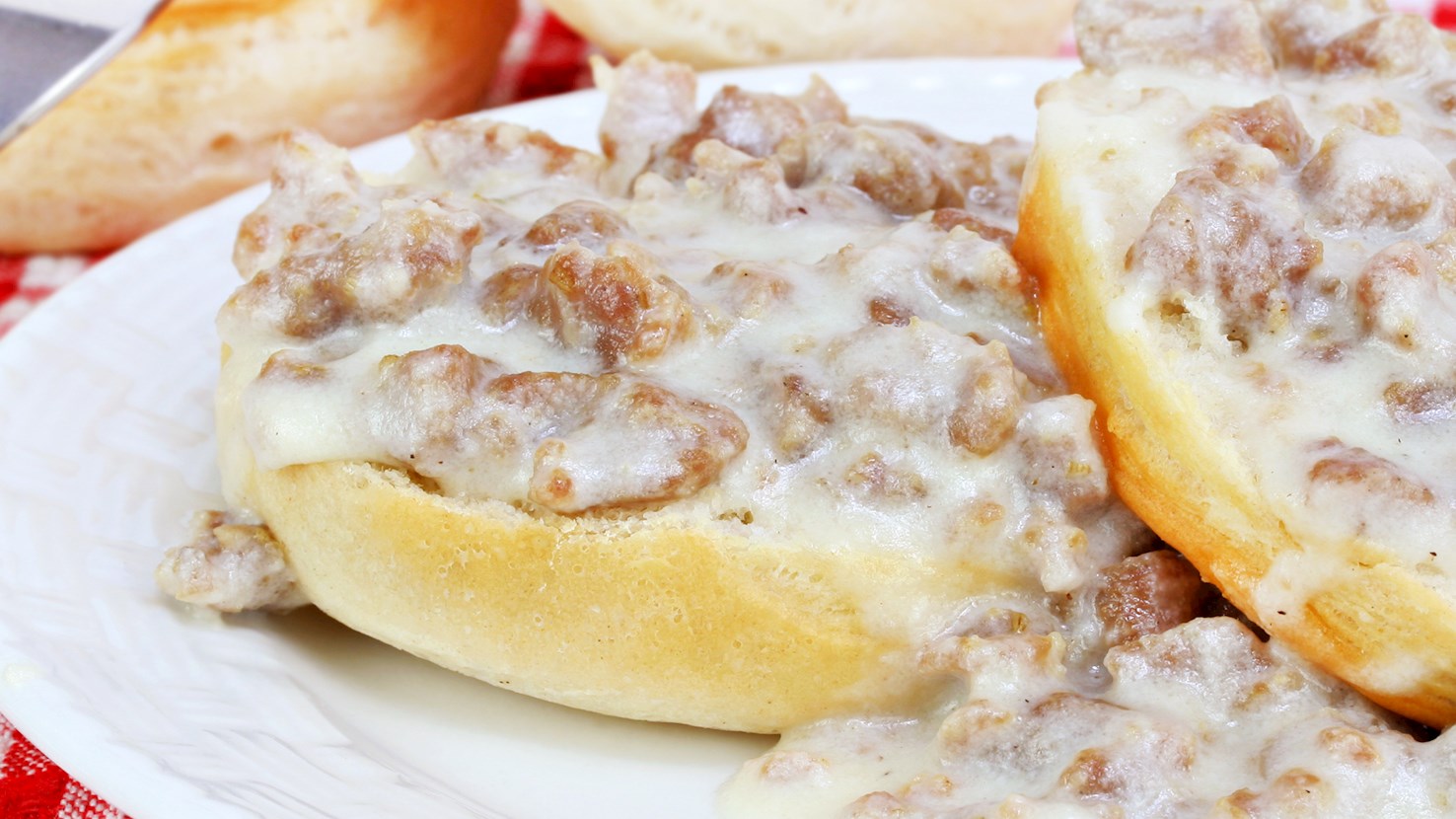
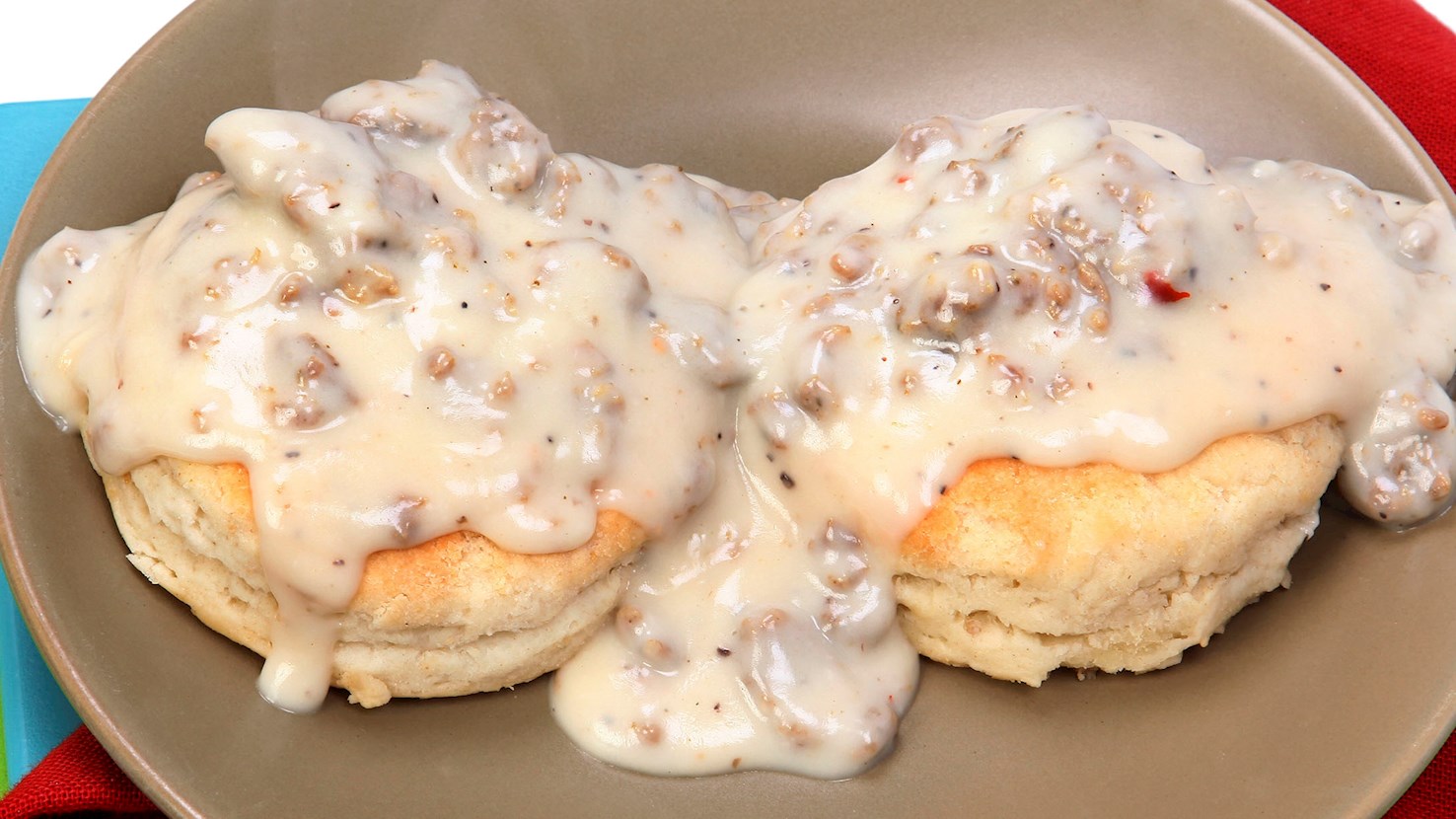
Sausage gravy is a popular breakfast item throughout the Southern parts of the United States of America. It consists of sausage drippings, flour, milk, salt, and pepper. Cooked sausage is added to the combination, sometimes along with some more seasonings such as cayenne pepper. It is a key part of a traditional dish known as biscuits and gravy, often accompanied by bacon, fried eggs, or sliced tomatoes.
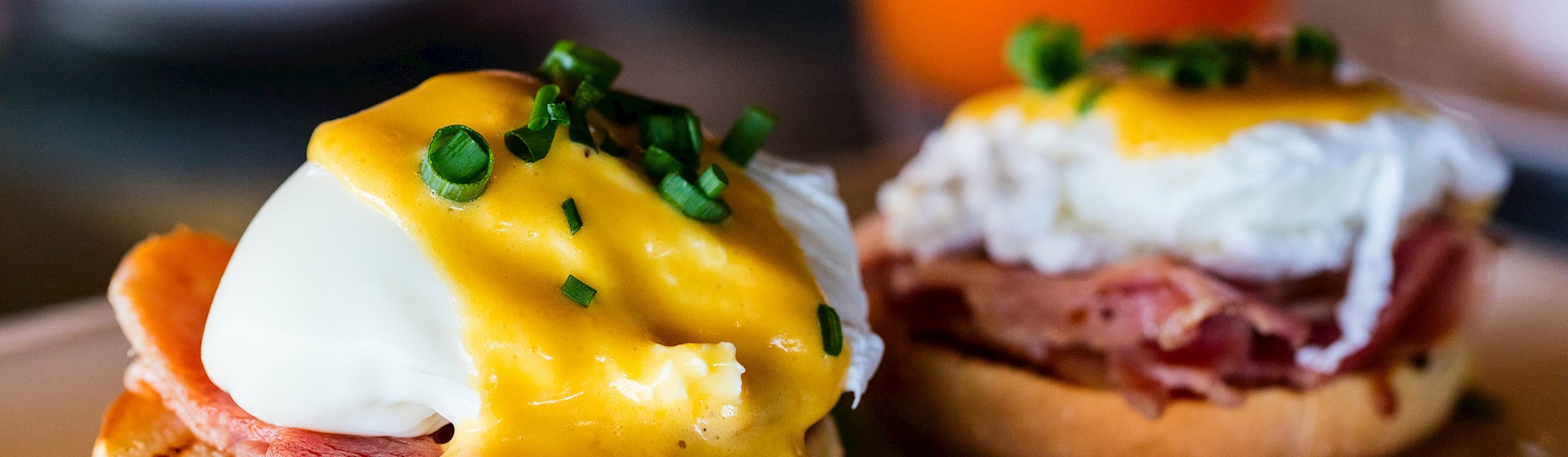
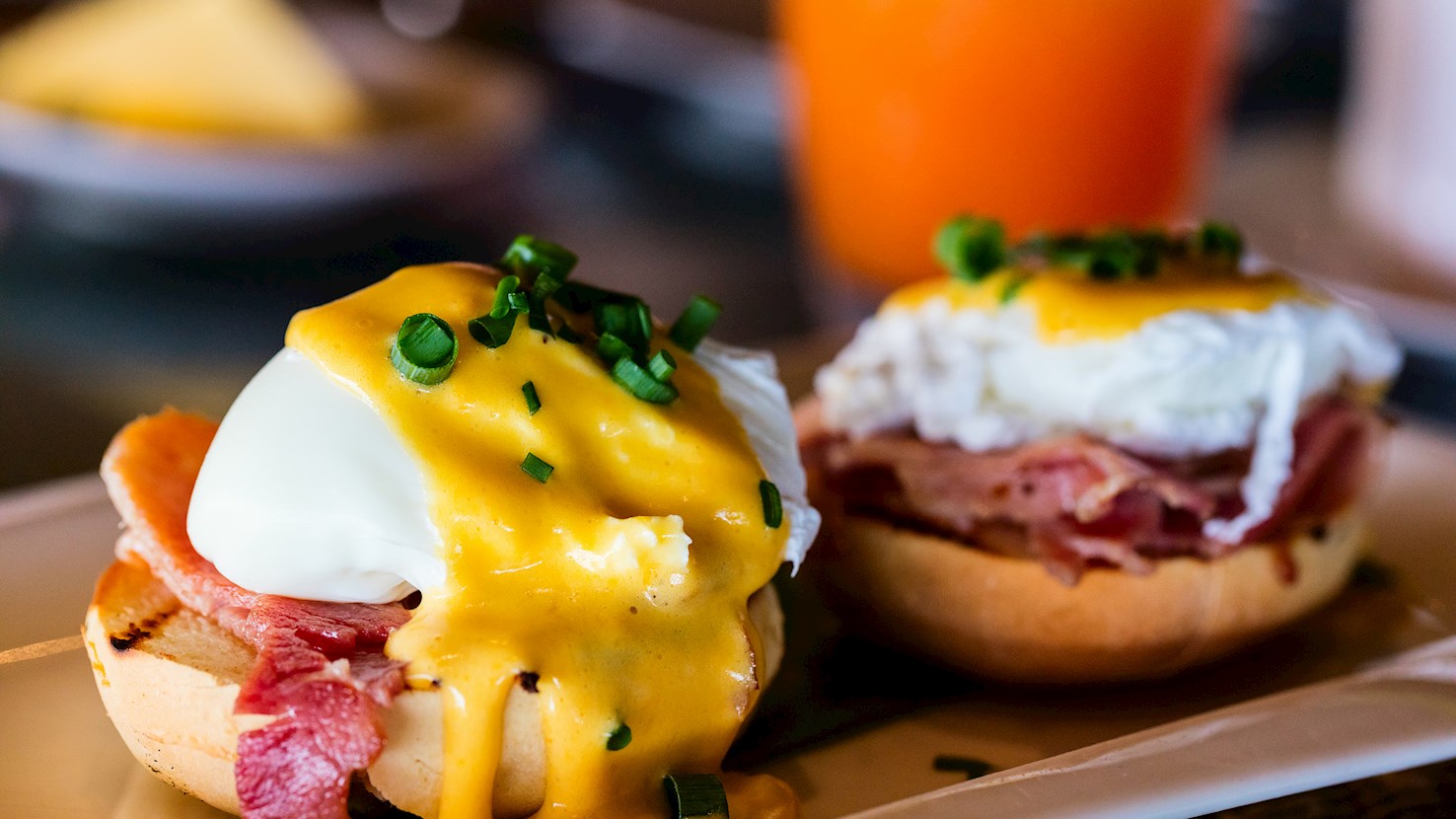
Eggs Benedict is a breakfast or brunch meal consisting of toasted halves of an English muffin that are topped with a slice of ham or bacon, a poached egg, and sauce Hollandaise. Although there are numerous theories about the origin of the dish, most people agree that credit should be given to Delmonico's Restaurant. It is believed that Delmonico's chef named Charles Ranhofer invented the dish in 1860s for a customer named Mrs. LeGrand Benedict, who wanted to eat something new. Ranhofer even published the recipe in his cookbook, The Epicurean, published in 1894. Regardless of the inventor, eggs Benedict are nowadays found throughout the world, in numerous variations such as eggs Mornay, Florentine, Blanchard, Hussarde, and Cochon.
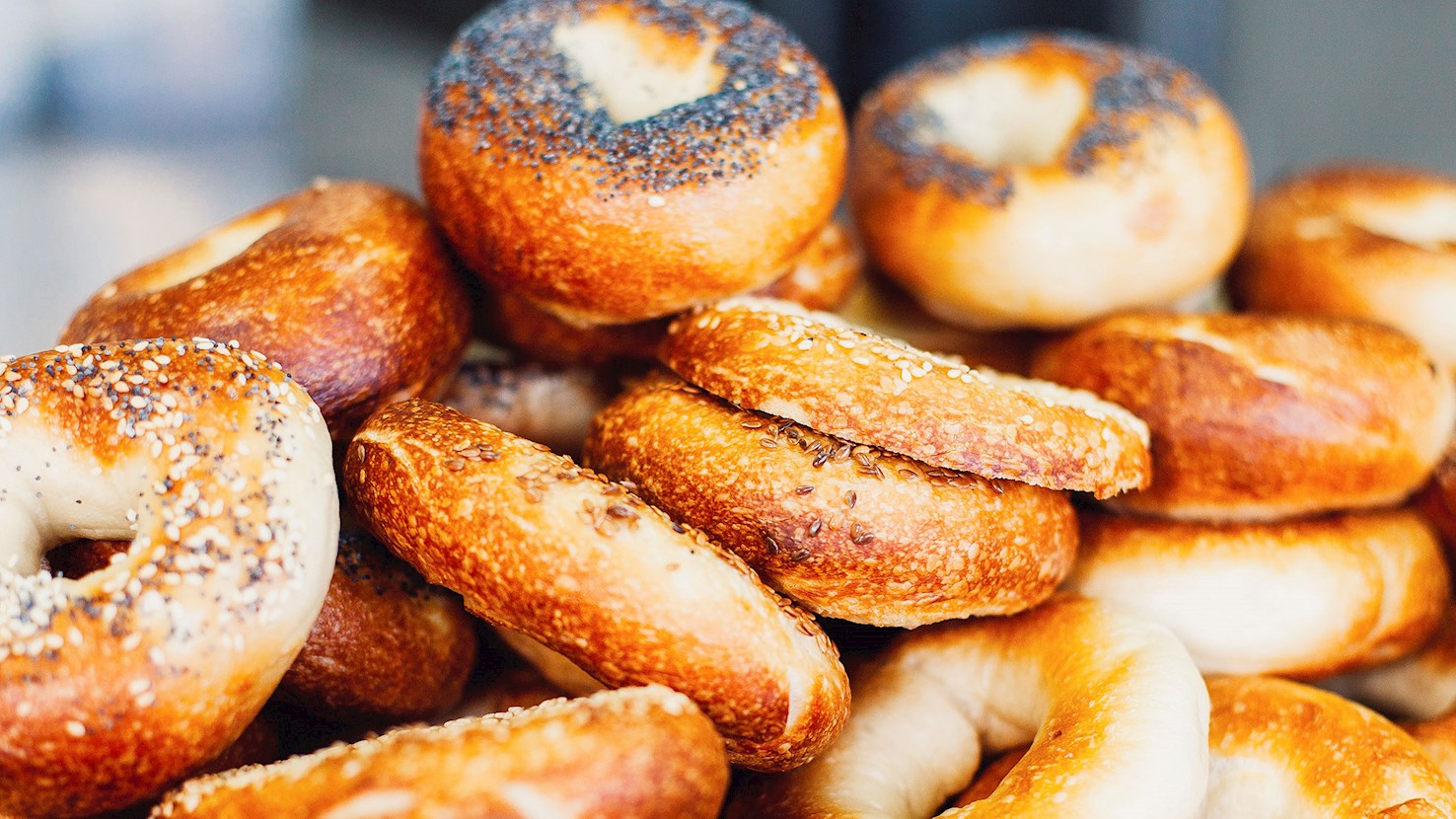
Bagels are an iconic New York City food: boiled, then baked hand-shaped, round rolls with a hole in the middle. It is a small and dense bread with a malty flavor and a dark, shiny, and crunchy exterior which should snap when bitten into it. Originally, they were brought to the United States by Jewish immigrants from Eastern Europe. There is a theory that bagels were popular in the Jewish community because the dough needs to rest for twelve hours before being baked, so it was convenient for Jews to let it rise during the Sabbath, when work is forbidden. New Yorkers claim that their bagels are the best due to the water's softness, as there are low levels of calcium and magnesium that could toughen the dough when combined with gluten. In the past, bagels were made in four original varieties: plain, poppy, salt or sesame, but nowadays they are made with garlic, onion, cinnamon, and raisins, best enjoyed fresh out of the oven and paired with butter, scallions, lox, and cream cheese.
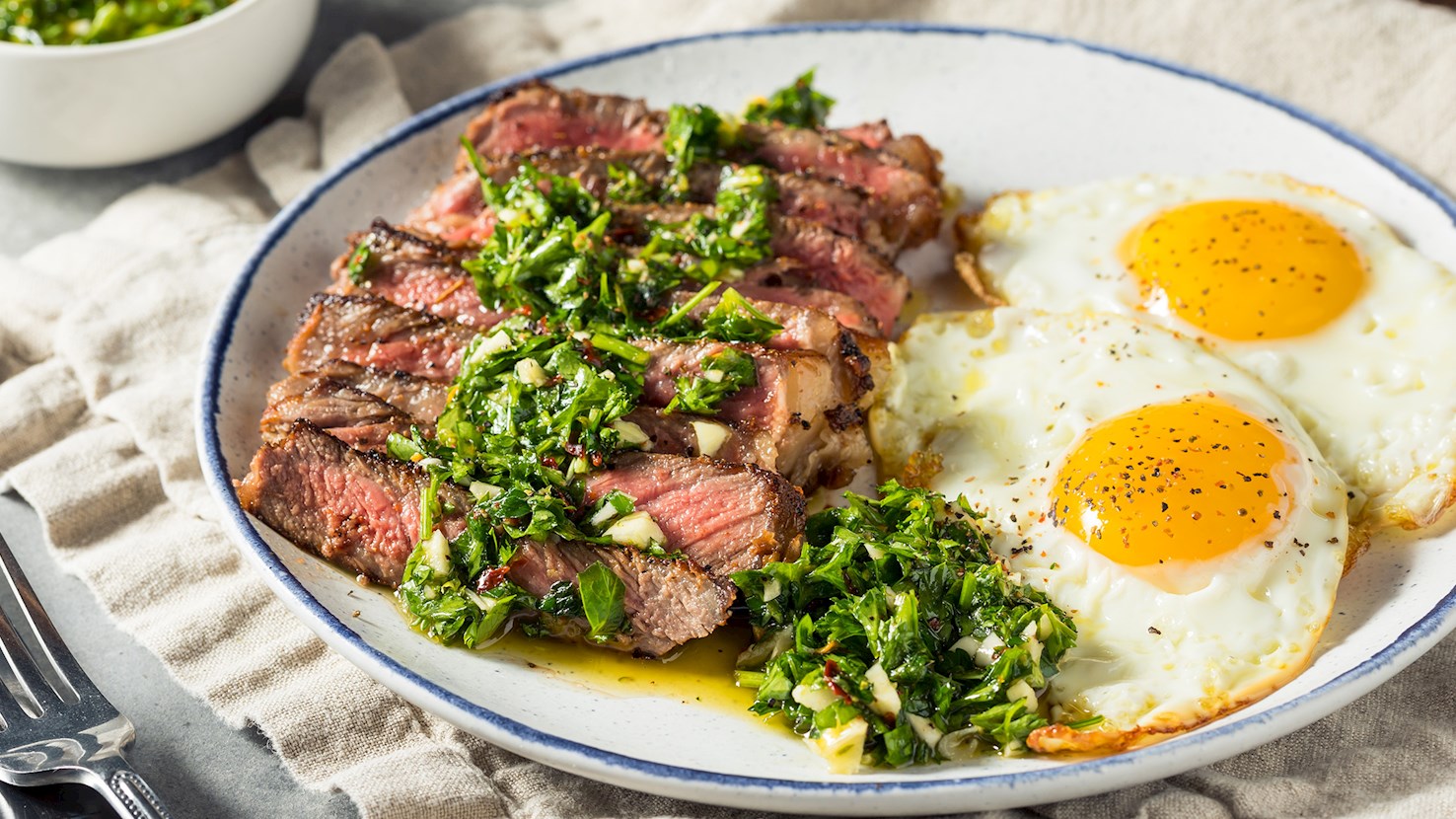
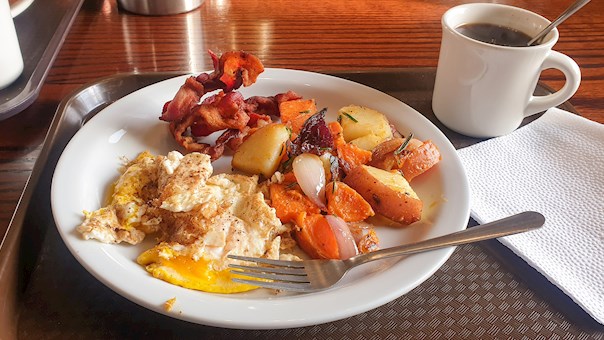
Steak and eggs is a classic American breakfast dish that combines a grilled or pan-fried steak with eggs, usually cooked to the diner's preference (such as scrambled, fried, poached, or over easy). It's a popular choice for a filling breakfast or brunch, especially after a night out or before a long day that demands sustained energy. The dish can be served with various side items, including toast, hash browns, breakfast potatoes, or fresh vegetables, making it a versatile option that can be tailored to individual tastes. Steak cuts used in this dish can vary widely, from more affordable options like sirloin or flank steak to more premium cuts like ribeye or filet mignon, depending on personal preference and budget. Steak and eggs is a staple in many diners, steakhouses, and breakfast spots across the United States, embodying the country's love for substantial, meat-centric meals.
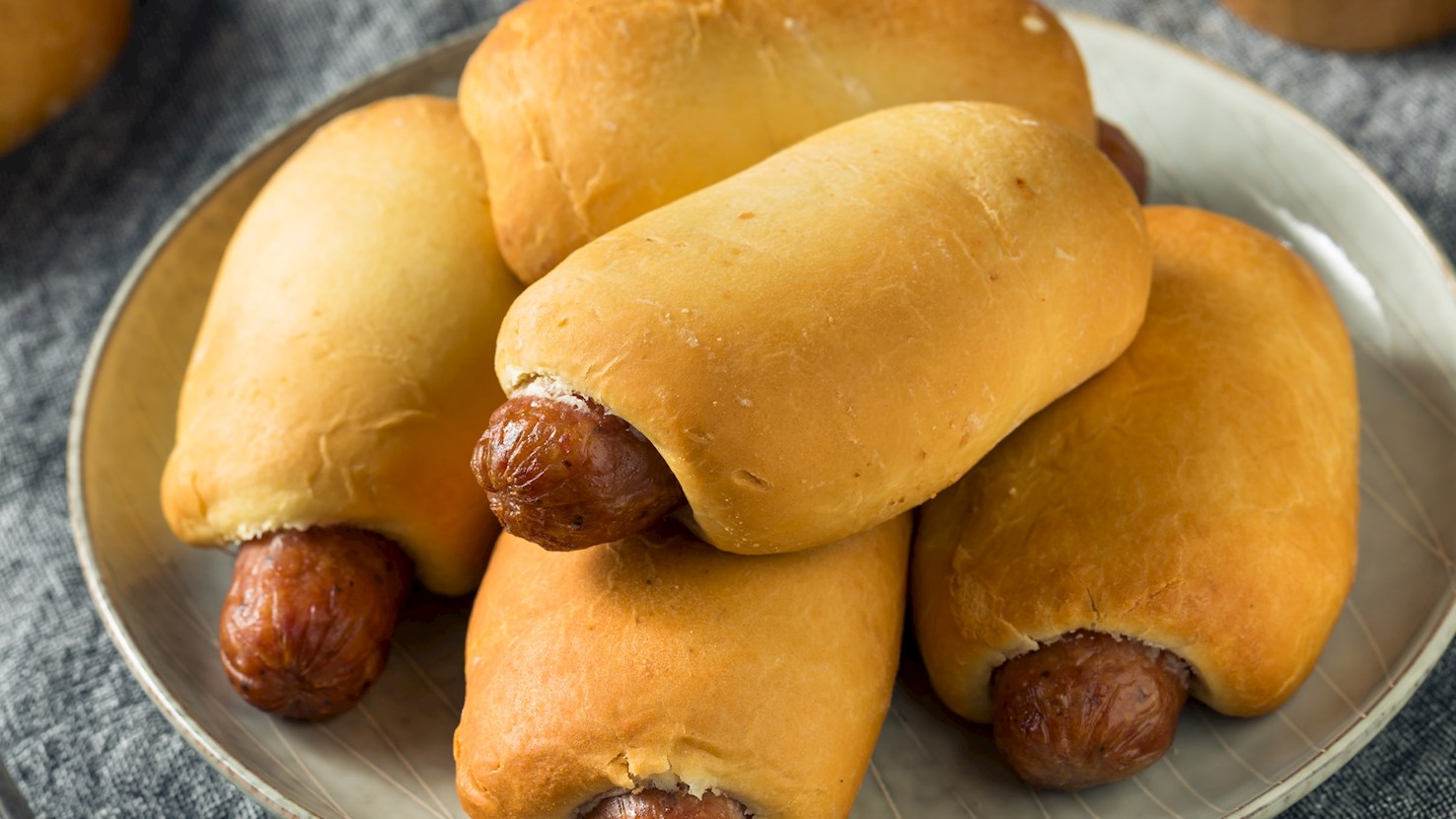
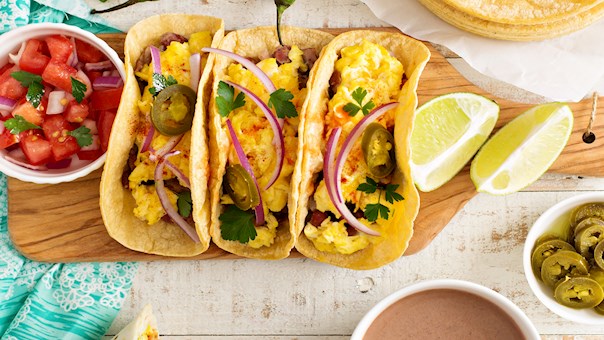
Klobasnek is a savory snack that was first made by Czechs who settled in Texas. The snack consists of the same dough that's used to make kolaches, but it is filled with a kielbasa sausage instead of fruit. It is believed that the first klobasnek (plural: klobasniky) was made in 1953 in The Village Bakery, located in the town of West, Texas. Nowadays, klobasniky can be enriched with the addition of cheese and jalapeño peppers, and even though some people like to add eggs or ham to the snack, Mimi Montgomery Irwin, the owner of The Village Bakery draws a hard line over any other additions to the klobasniky. This Texan snack is usually eaten for breakfast or lunch.
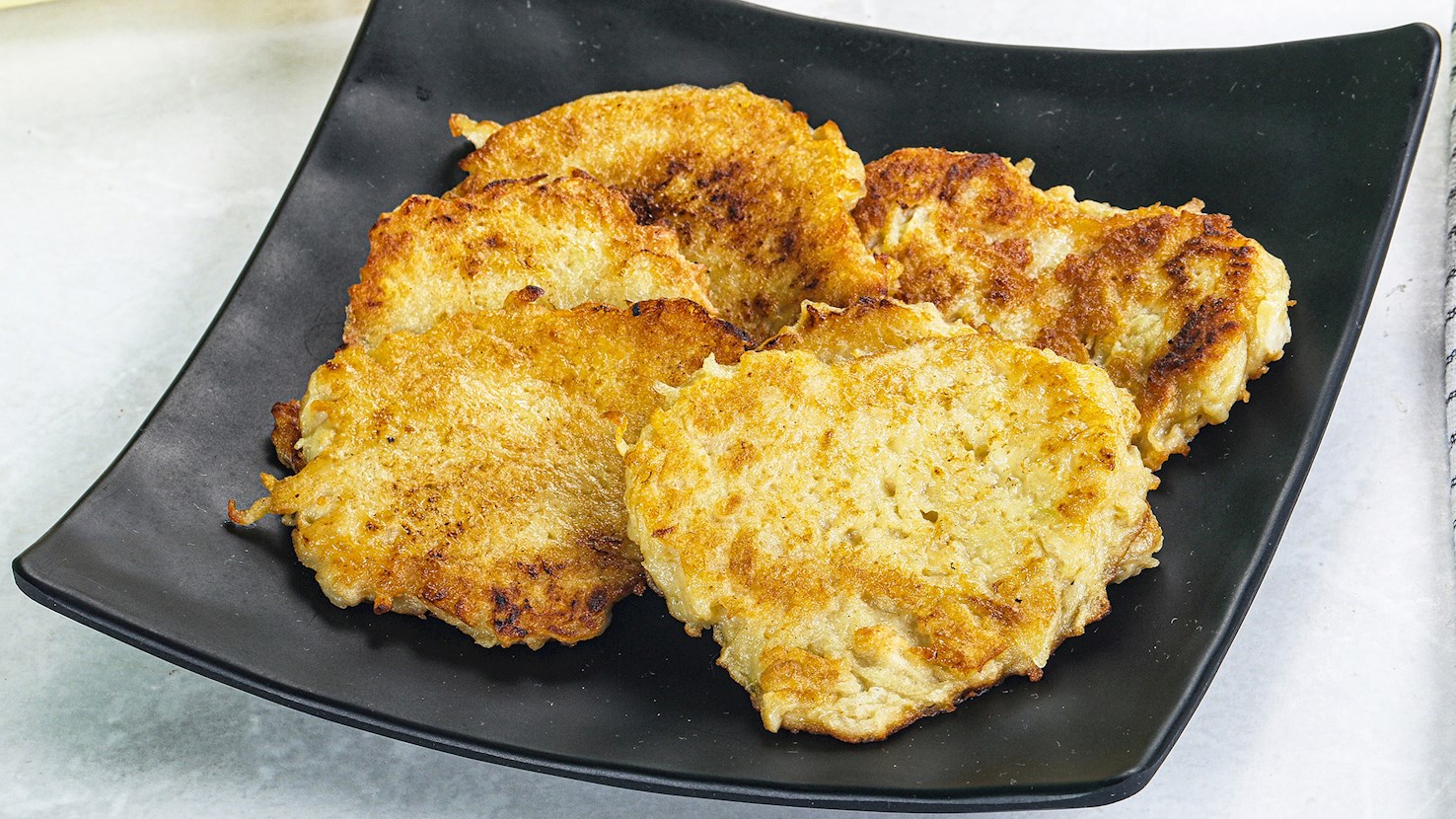
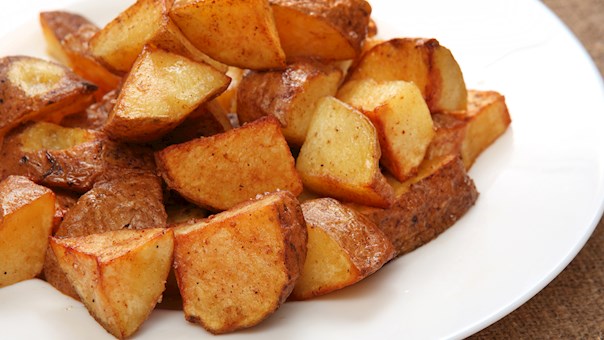
Hash browns are a fried potato dish made from grated or finely chopped potatoes that are pan-fried until golden and crisp, most commonly associated with American breakfast cuisine. The dish originated in the United States in the late 19th century and gained popularity through diners and hotel breakfasts, particularly in the Northeast. The term “hashed brown potatoes” first appeared in American cookbooks in the 1880s, referring to boiled potatoes that were chopped, fried, and browned. Over time, the name was shortened and the preparation adapted to use raw, grated potatoes, resulting in the crisp-textured version recognized today. The basic preparation involves peeling and grating raw potatoes, then rinsing and squeezing them to remove excess starch and moisture. The grated potatoes are then seasoned with salt and sometimes pepper or onion, and shaped into patties or left loose in the pan. They are fried in a skillet with oil or butter over medium heat until browned on the outside and tender inside. Some versions use a binding agent such as egg or flour, but many rely solely on the starch from the potatoes to hold the shape together. Hash browns are widely served across the United States, especially as a side dish for breakfast or brunch. They are often paired with eggs, bacon, toast, or pancakes and are available in a range of formats, from hand-formed patties in diners to preformed frozen rounds in fast food chains. Variations exist that include added onions, cheese, or herbs, and the dish is sometimes layered in casseroles or served as a base for other ingredients, such as in a breakfast skillet or hash. While hash browns are most closely associated with American cuisine, similar preparations exist internationally. In Switzerland, rösti is made in a similar way but is often cooked in a larger, round cake. In the UK, hash browns have become a staple of English breakfasts, usually in triangle-shaped, industrially prepared portions. The American version, however, is notable for its simplicity, crisp texture, and its role as a core component of the modern breakfast plate.
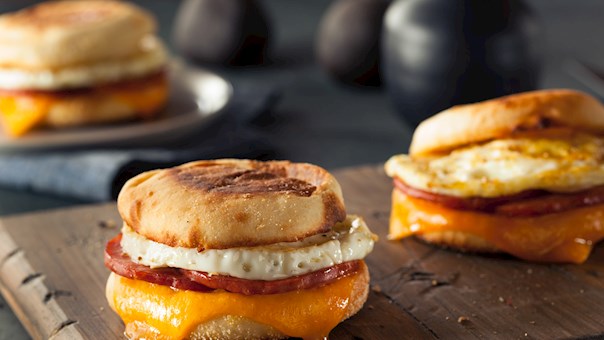
A breakfast sandwich refers to any kind of sandwich filled with foods that are usually considered a breakfast staple such as cured meats, eggs, cheese, and various types of bread. Before the explosion of breakfast sandwiches in the United States, they were often consumed by factory workers of the 19th century London, where they were called bap sandwiches, named after the soft (and back then, often slightly stale) rolls filled with fried eggs, crispy bacon, and melted cheese. During the industrial revolution, the breakfast sandwich became popular in the USA, filled with eggs, green peppers, onions, and ham. It was a staple of blue-collar workers, and the first recipe can be found in a cookbook that was published in 1897. With the rise of the fast food industry, these sandwiches became even more popular, and today they can be found in most fast food restaurants, delis, and convenience stores in numerous varieties.
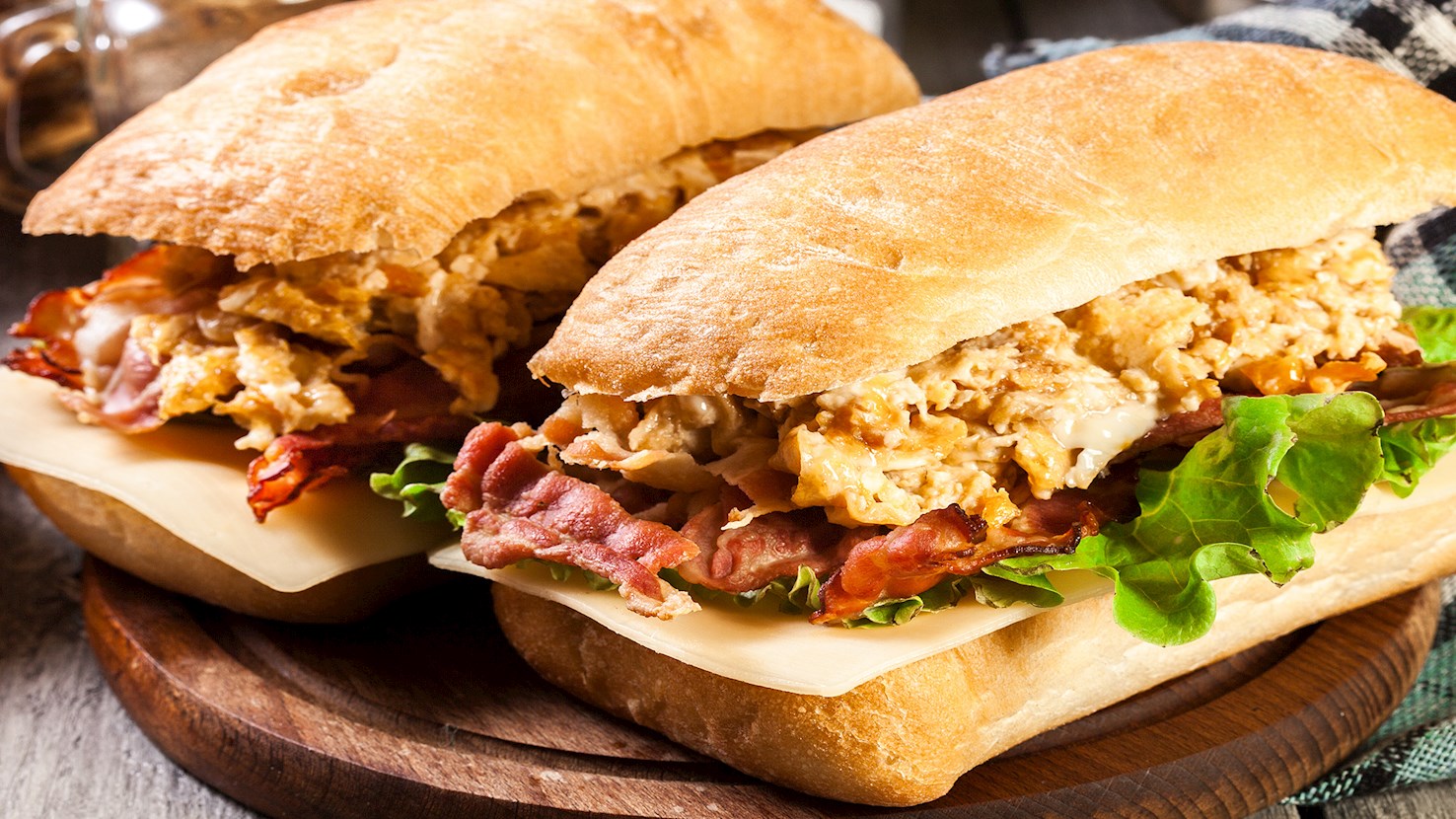
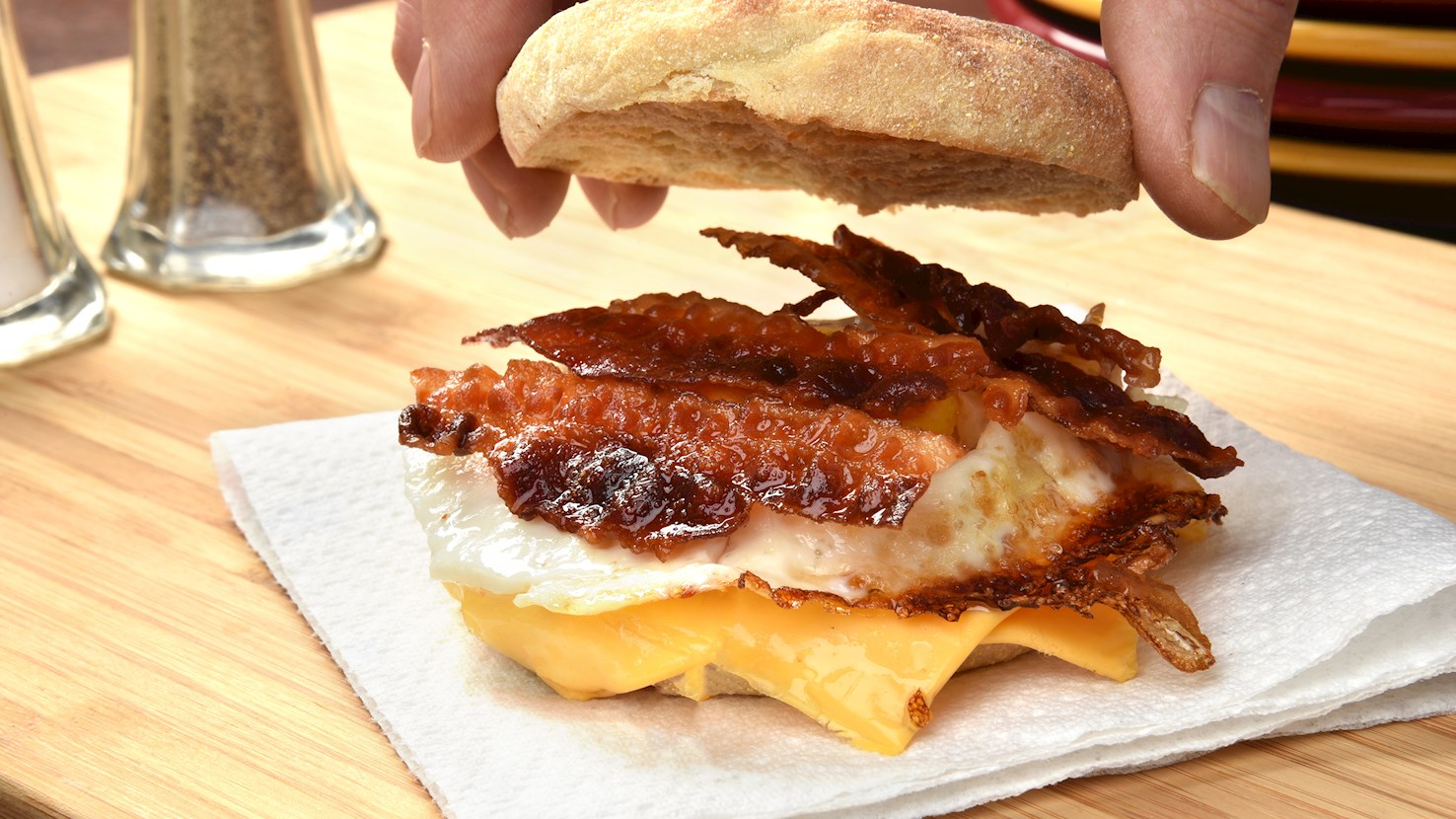
This American sandwich belongs to the group of breakfast sandwiches and consists of bread that is often toasted or buttered, crispy bacon, fried or scrambled eggs, and cheese. It is often served with a cup of coffee on the side. There are numerous versions of this sandwich, depending on the types of ingredients used in it. The most common options regarding the choice of cheese include cheddar, Swiss cheese, or American cheese, while bacon may be replaced with ham, back bacon, or sausages. As for the commercial versions, McDonald's Egg McMuffin is the most popular variety.
A popular breakfast dish throughout the United States of America, especially in the Southern parts of the country, biscuits 'n' gravy consists of tender dough biscuits that are covered in a thick gravy, usually made from the drippings of pork sausages, flour, and milk. Although the word biscuit usually refers to twice-baked bread, the American version of a biscuit is more reminiscent of a European scone. The dish originated in the South just after the Revolutionary War, before the United States was even a country. It was invented due to the fact that the supplies were scarce, and the breakfast meal had to be as inexpensive as possible. It's easy to see why biscuits 'n' gravy is so loved - it illustrates the Southern theme of a simple life and brings the familiarity and nostalgia of a traditional family breakfast.
Eggs Florentine is a classic breakfast or brunch dish that features poached eggs served on a bed of cooked spinach and topped with a creamy hollandaise sauce, sometimes substituted with béchamel or Mornay sauce. The dish is often served on a toasted English muffin or a slice of toasted bread, making it similar to Eggs Benedict, but with spinach replacing the ham or bacon. The combination of the soft, poached eggs with the slightly tangy flavor of the spinach and the richness of the sauce creates a well-balanced and nutritious dish. Eggs Florentine is named after Florence, Italy, to denote the use of spinach, which is believed to have been a favorite ingredient in the region. Despite its name, the dish is more commonly associated with American cuisine rather than Italian cuisine.
TasteAtlas food rankings are based on the ratings of the TasteAtlas audience, with a series of mechanisms that recognize real users and that ignore bot,
nationalist or local patriotic ratings, and give additional value to the ratings of users that the system recognizes as knowledgeable.
For the “Top 35 American Breakfasts” list until June 15, 2026, 3,555 ratings were recorded, of which 3,278 were recognized by the system as legitimate.
TasteAtlas Rankings should not be seen as the final global conclusion about food. Their purpose is to promote excellent local foods,
instill pride in traditional dishes, and arouse curiosity about dishes you haven’t tried.