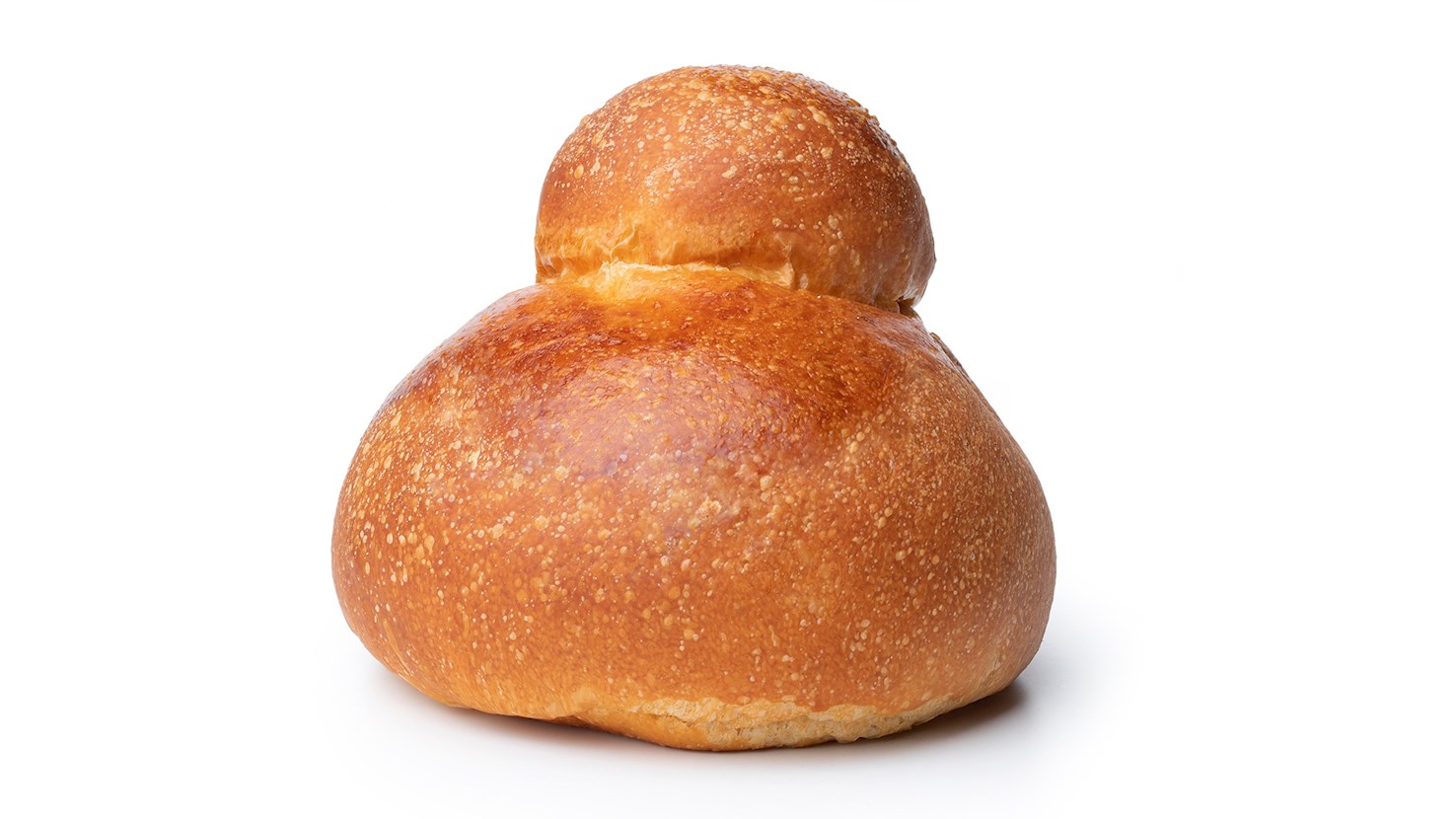
Brioche col tuppo is an Italian version of a brioche hailing from Sicily. It is characterized by its rounded top bun, called tuppo, which also gives this brioche its name. The tuppo should be removed and eaten first. The brioche is made with milk, yeast, flour, salt, sugar, eggs, butter, and honey. It can also be enriched with orange or lemon rind, saffron, or apples. This Sicilian treat is not eaten on its own – the brioche should be accompanied by granita, available in flavors such as lemon, pistachio, strawberry, etc. Another way of eating brioche col tuppo is to split it in half and fill it with gelato.
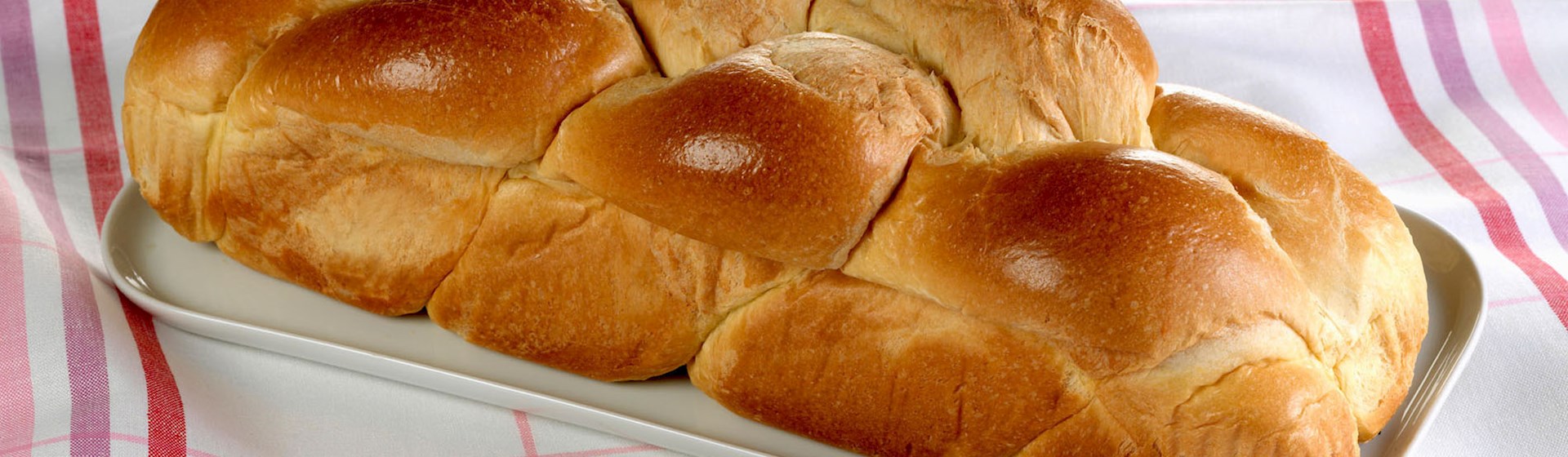
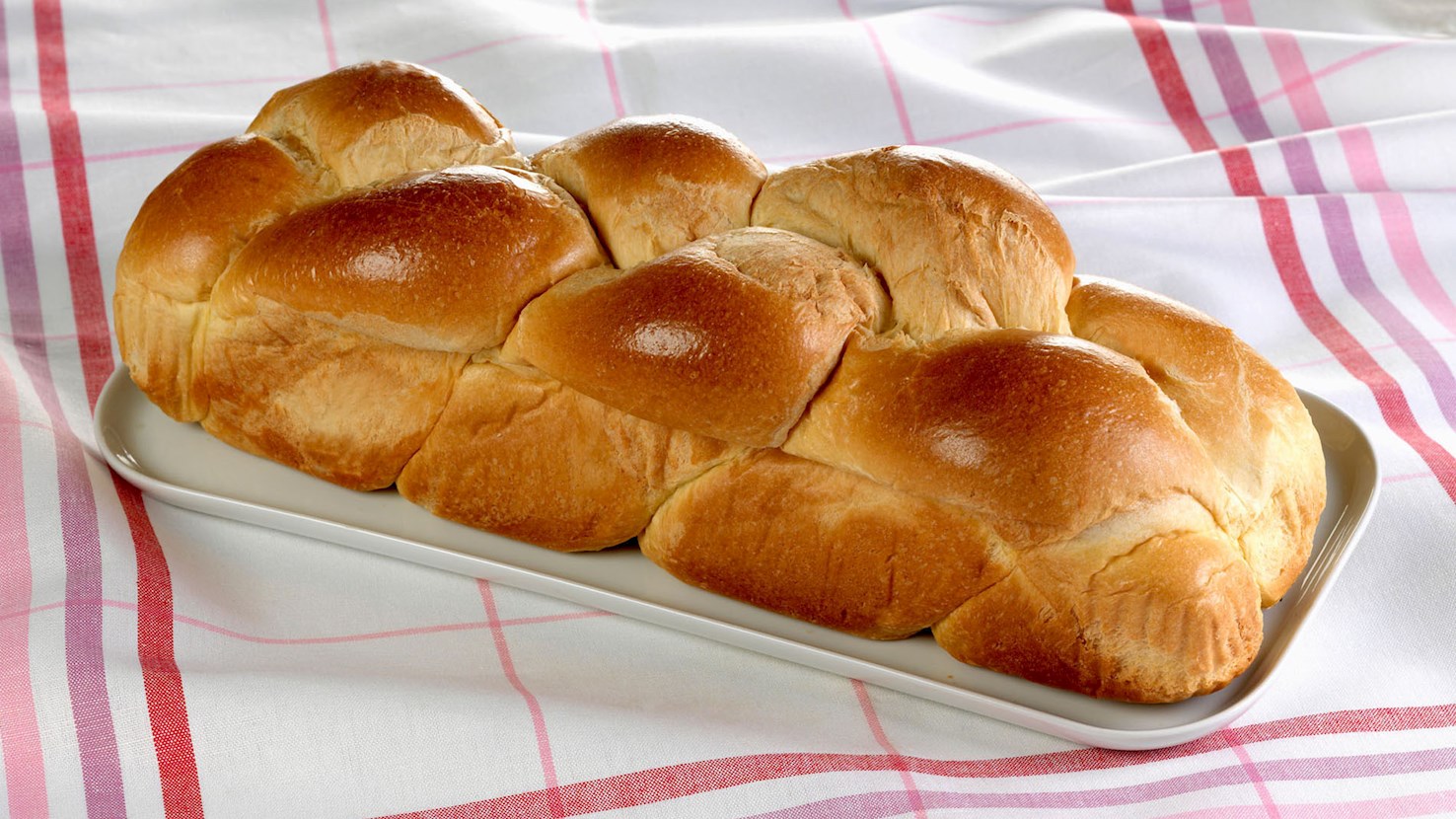
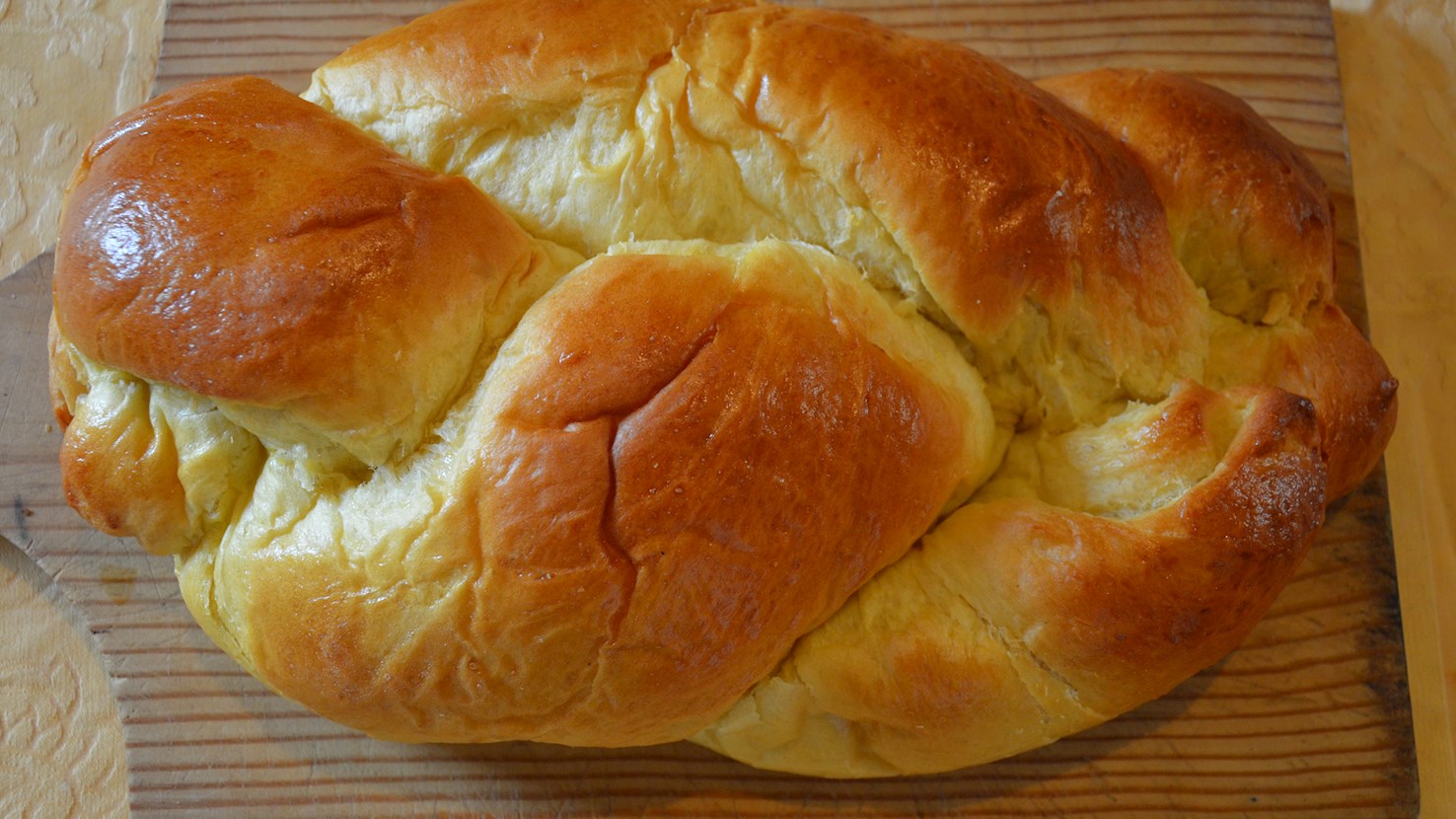
Brioche Vendéenne is a French braided brioche. The braids on its top are called barres in French. It is golden-colored and available in various shapes - round, oval, or in the shape of a stick. The brioche can never be sold frozen - only fresh, either whole or sliced into smaller pieces. The dough is rich in eggs and sugar, with a fragrant aroma of alcohol, vanilla, orange, and butter when baked. On the interior, the brioche is yellow and has a light, airy, and stringy texture with melt-in-the-mouth qualities. It's made in the Vendée region in France and is especially popular at Eastertime and at weddings, when it is made in gigantic proportions, weighing between 10 and 20 kilos! Try brioche Vendéenne on its own or pair it with a nice fruit jam and a cup of tea.
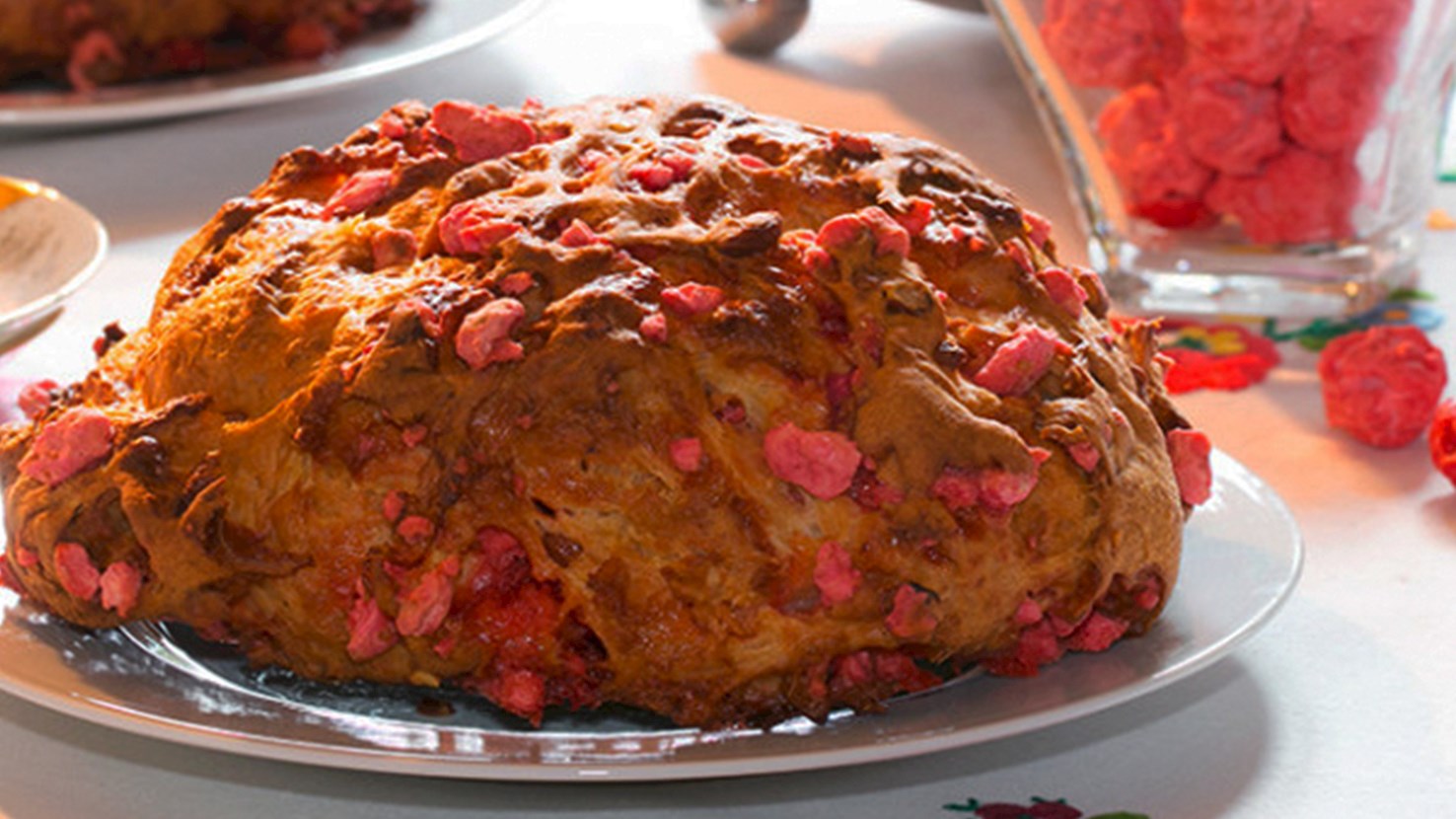
This traditional French brioche was invented in 1880 by a pastry chef Pierre Labully at his family-owned pâtisserie in Saint-Genix-sur-Guiers. It consists of a leavened brioche base that is enriched with crushed pink pralines—sugar-coated nuts that are traditionally associated with Lyon. Brioche Saint Genix is usually formed in a large round loaf, while the top is decorated with whole pralines and pearl sugar.
Gâche vendéenne is a pastry product that must be oval in shape, with a fine golden crust that is slit lengthwise. It must always be sold fresh and whole, never sliced, and packaged in the French region of Vendée. The pastry has a soft texture and melt-in-the-mouth qualities, while the flavor is milky, with aromas of fresh cream and butter, and undertones of vanilla and oranges. Gâche vendéenne weighs at least 300 grams and consists of flour, eggs, butter, fresh cream, sugar, starter, yeast, sea salt, flavorings, milk, and water. It was traditionally made on festive days such as Easter or weddings, when people wanted nicer things, so fresh cream was always included, and that is what distinguishes it from other similar products. Eat it on its own or pair it with fruit jams.
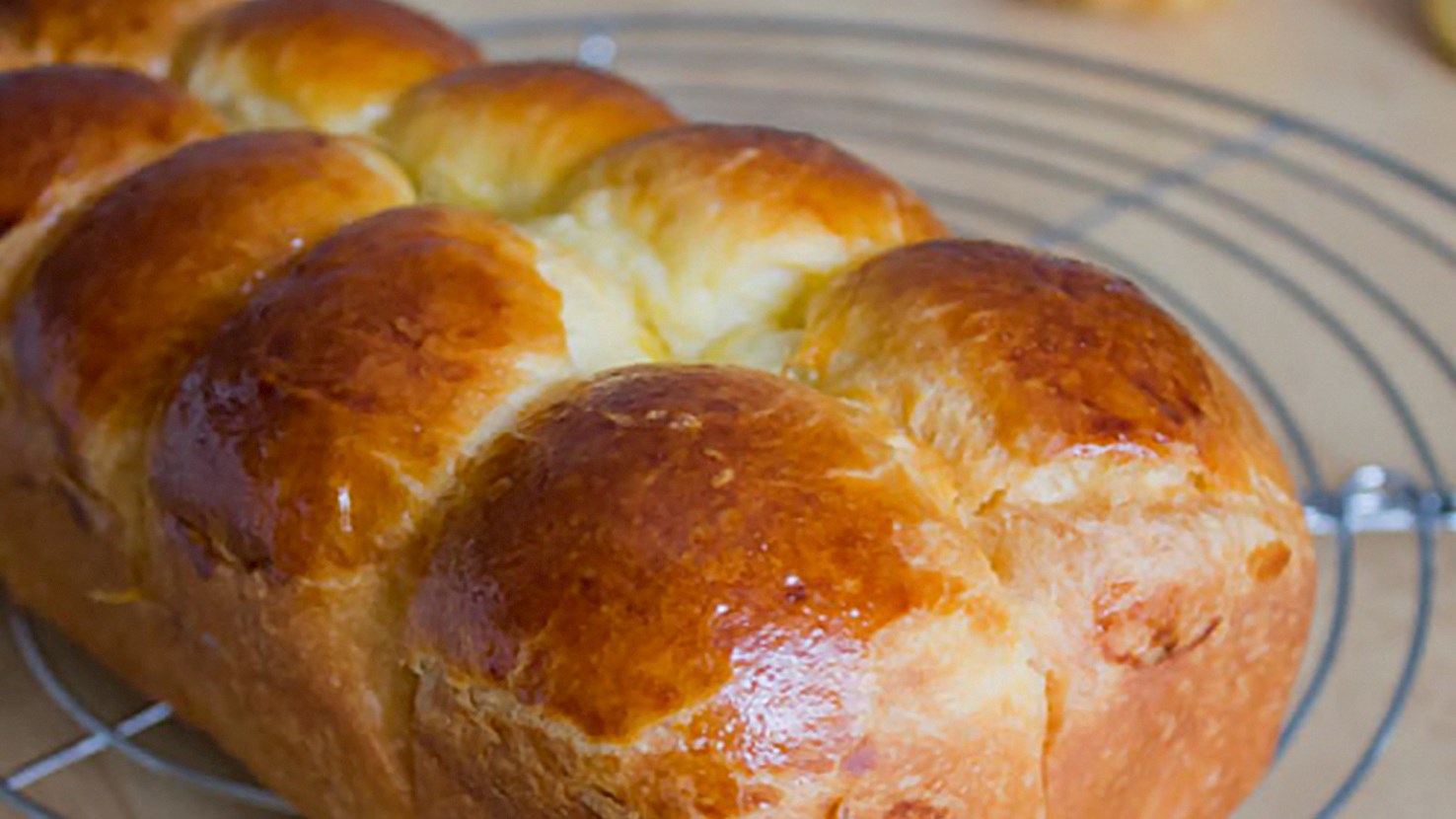
This classic brioche variety is prepared with a yeast-risen dough that is enriched with butter and eggs. The dough is divided into eight individual portions that are neatly arranged in a loaf pan and left to rise. During baking, the pieces partially merge, while they remain clearly visible on top. Nanterre brioche should always have a crispy golden crust, and a soft, buttery interior. It is recommended to serve it with butter and jam on the side.
This sweet bread is prepared with a leavened, brioche-like dough that is enriched with orange blossom water. It is typically shaped into a large, round loaf with a top that is occasionally decorated with pearl sugar. The recipe is believed to have first appeared in the Middle Ages, and it was originally made as a traditional Easter bread. Its origin is closely associated with the Rhône-Alpes region.
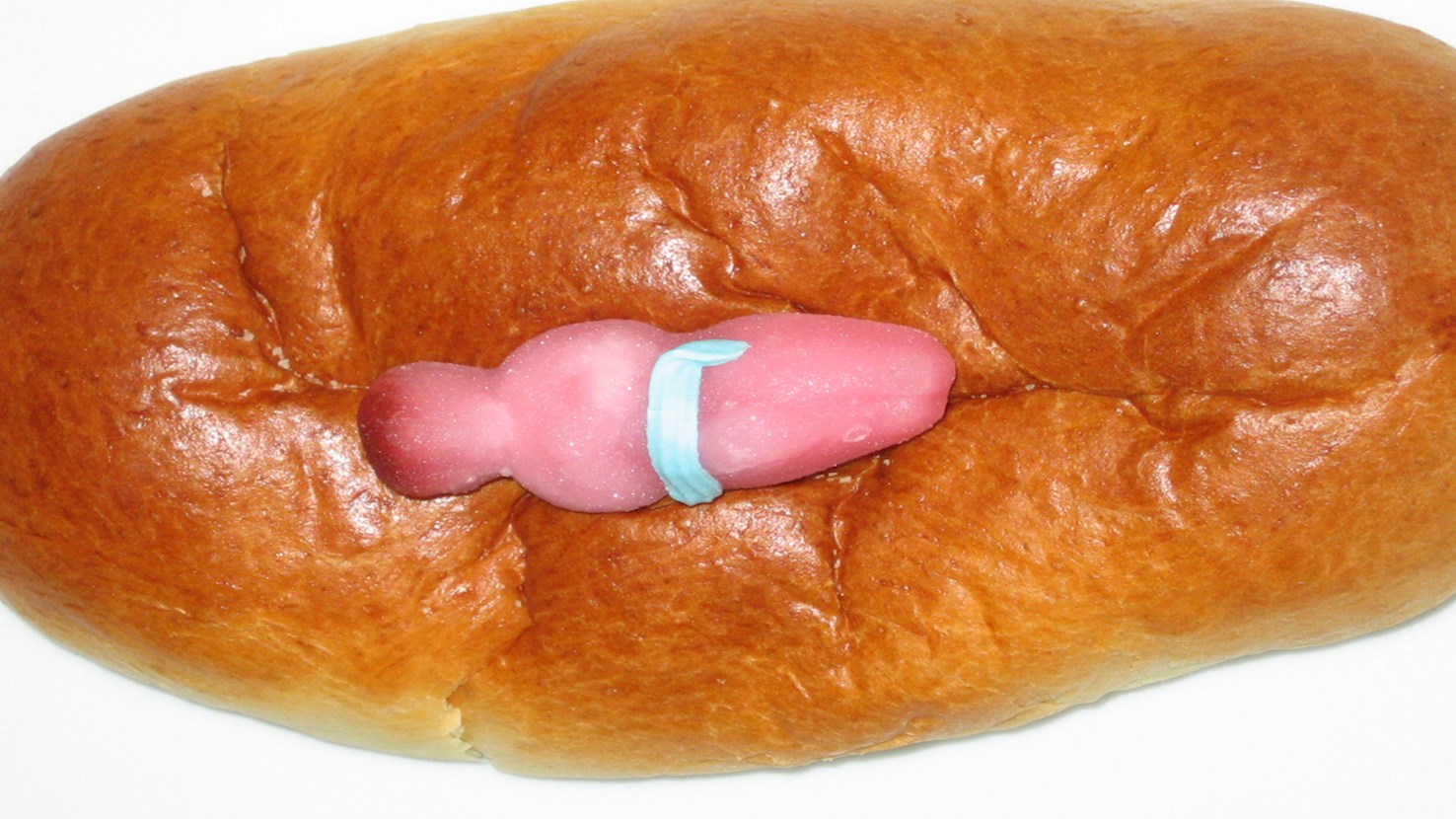
This sweet brioche-like bread is prepared with a yeasted dough that is often enriched with raisins, chocolate chips, and occasionally comes topped with pearl sugar. The usual shape of the bread is reminiscent of a swaddled baby, hence its alternative name – the bread of Jesus. Cougnou is believed to have originated in Hainaut and is mainly associated with Christmastime when it is often given to children and served with a cup of hot chocolate on the side. Nowadays, it is mainly found in Belgium and some parts of northern France.
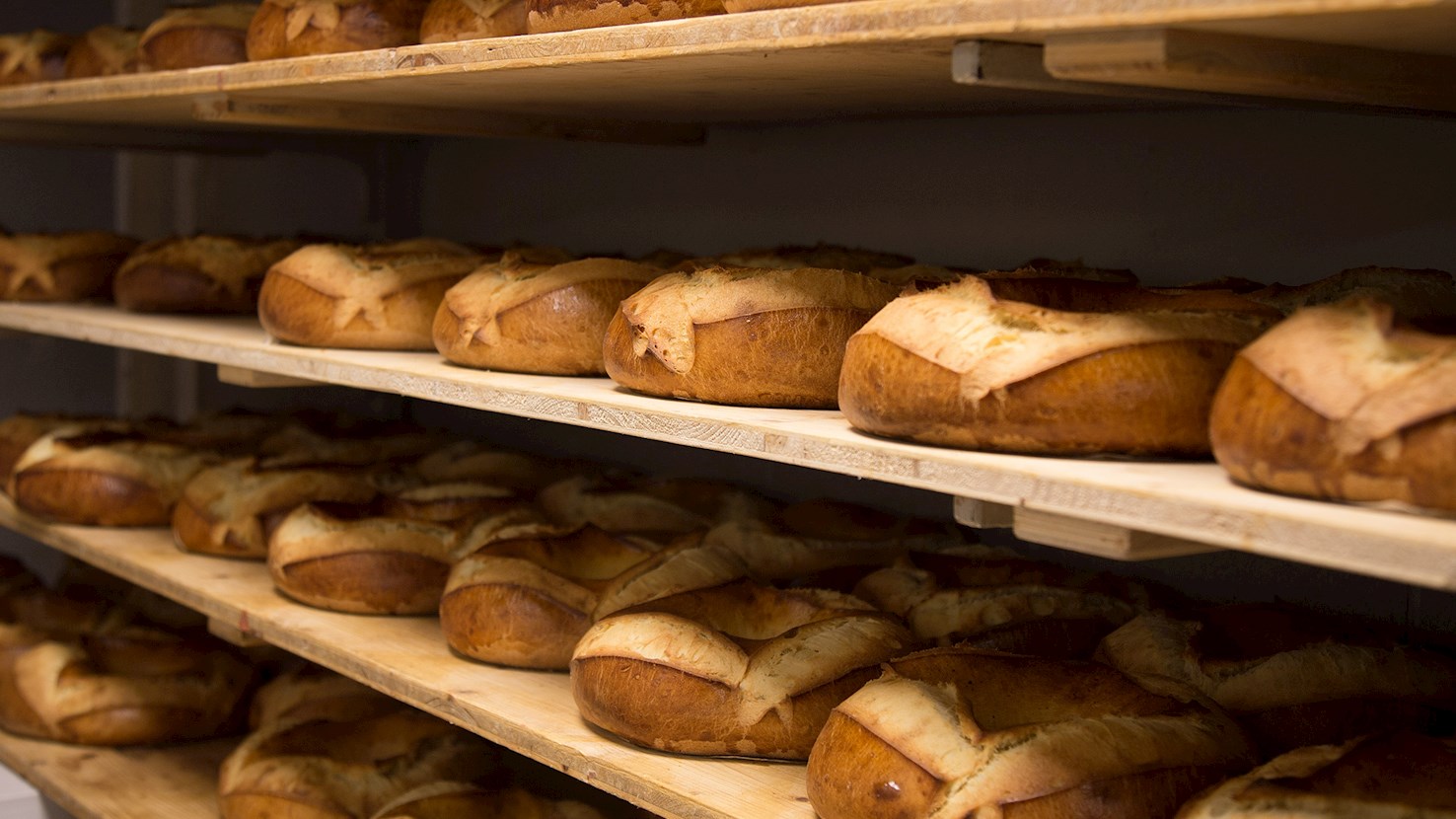
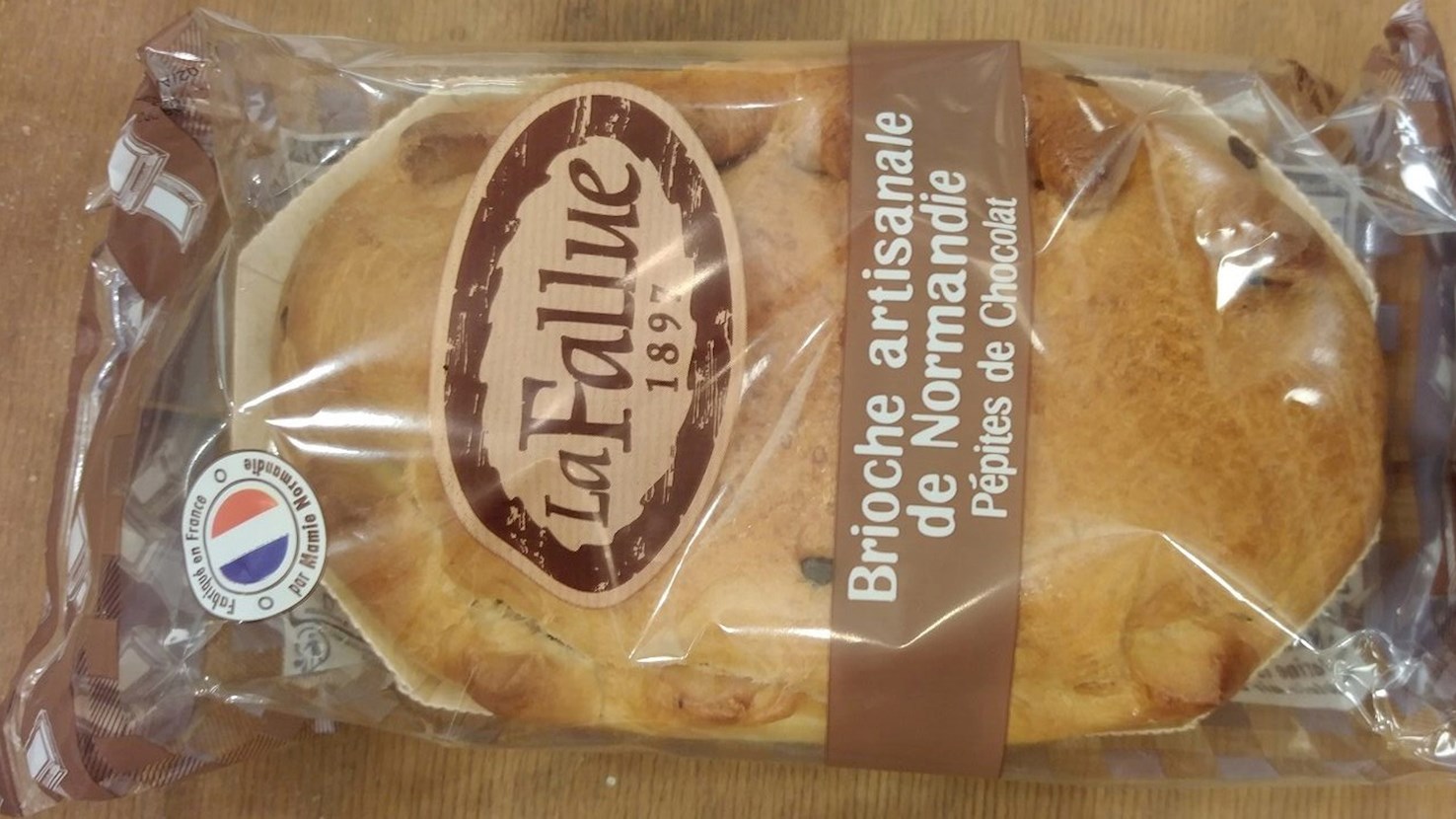
Fallue is a traditional old-fashioned brioche originating from Normandy. The brioche is easily recognizable for its oval shape and thorny top. The simple dough is made with eggs, butter, flour, sugar, salt, yeast, and crème fraîche. The dough should rise two times before it's shaped into an oval log, brushed with eggs, cut with scissors to create a ''hat'', and it's then baked in the oven until golden. Fallue is traditionally served with a creamy rice pudding known as teurgoule, but it can also be served for breakfast with fruit jam, honey, or butter.
Pompe aux grattons is a savory brioche from France made with pork cracklings incorporated into a yeast-raised dough. It emerged in the centre of the country, especially within the Allier and Auvergne regions, where rural households and village bakers developed enriched breads using pork fat and cracklings to enhance simple flour-based doughs. The dough is made by mixing flour, butter or pork fat, eggs, and water with baker’s yeast and salt, kneading it into a smooth, elastic mass, then folding in pieces of grattons (cracklings); after a rest period the dough is shaped into a round loaf or crown, brushed with egg for gloss, and baked until the surface is golden and the interior soft and light. Variations include replacing some of the butter with pork fat entirely, adding extra cracklings for stronger flavor, or shaping the loaf into smaller portions for apéritif service; one distinctive feature is the use of grattons as a primary fat source in the dough rather than butter alone, which gives the brioche a rich savoury scent and slightly crisp texture. It is typically served warm or at room temperature, often at apéritifs, family gatherings or village events, and pairs naturally with a green salad or pickles, and with light red wines or crisp whites from the centre of France, as well as with coffee or a local liqueur when enjoyed after a meal.
Craquelin is a sweet, enriched brioche-style bread from Belgium, distinguished by pieces of sugar embedded in its dough that melt and caramelise during baking. Its origins date back several centuries in Belgian home baking, particularly in the French-speaking regions, where enriched breads were central to festive and Sunday meals. Historically, it was prepared for family gatherings, holidays, and religious celebrations such as Easter and Christmas, where its rich texture and pockets of sweetness were considered a sign of generosity and abundance. Over time, craquelin became a defining element of Belgian pâtisserie and remains a staple of bakeries across the country. The preparation begins with a yeast-leavened dough made from flour, eggs, milk, butter, sugar, and salt, mixed and kneaded until smooth and elastic. After an initial rise, chunks of sugar — typically large pearl sugar — are soaked in orange liqueur, orange juice, rum, or another aromatic liquid and then pressed into the dough. The dough is folded gently to distribute the sugar evenly without crushing the pieces, then shaped into a loaf or boule and placed into a buttered tin for a second rise. During baking, the sugar partially melts and caramelises, creating irregular pockets of sweetness and a distinctive aroma inside the soft, buttery crumb. Once baked to a golden-brown crust, it may be brushed with syrup or dusted with fine sugar to enhance its flavour and appearance. Variations include flavouring the dough with citrus zest, vanilla, or liqueur to complement the caramelised sugar. Some bakers enrich the dough further with extra egg yolks or cream for a softer, richer texture. A distinctive characteristic of Belgian craquelin is the balance between the soft, slightly elastic crumb and the bursts of molten sugar inside, which give the bread its name and unique texture. Unlike many enriched loaves, craquelin is defined by this internal sweetness rather than toppings or fillings, making it stand out within Belgian bakery traditions. Craquelin is most often served at breakfast or brunch, sliced and eaten plain or with butter. It is also enjoyed as part of afternoon tea, often paired with coffee or hot chocolate, and it complements dessert wines and fruit liqueurs. It remains closely associated with festive meals and family gatherings, particularly around Easter and Christmas, when its rich flavour and caramelised sugar make it a celebratory centrepiece. Today, it is a fixture in Belgian bakeries year-round and continues to embody the country’s love of sweet, comforting baked goods with simple but carefully crafted flavours.
TasteAtlas food rankings are based on the ratings of the TasteAtlas audience, with a series of mechanisms that recognize real users and that ignore bot,
nationalist or local patriotic ratings, and give additional value to the ratings of users that the system recognizes as knowledgeable.
For the “11 Brioche Varieties Ranked From the Best To the Worst” list until June 17, 2026, 777,524 ratings were recorded, of which 504,674 were recognized by the system as legitimate.
TasteAtlas Rankings should not be seen as the final global conclusion about food. Their purpose is to promote excellent local foods,
instill pride in traditional dishes, and arouse curiosity about dishes you haven’t tried.