shutterstock

Top 4 European Brittles

Last updated on June 06, 2026

Best European Brittles
01

Kartuli Kalata

4.2 ·
Kartuli Kalata is a Georgian concept brand that combines the selection, presentation, and distribution of authentic local products, with a strong focus on origin, quality, and cultural identity. Founded in 2015 in Tbilisi, it operates as a curated gourmet space where traditional Georgian food and beverages are brought together in a contemporary retail format. The assortment includes wine, chacha, cheeses, honey, tea, spices, dried fruits, and various artisanal preserves, all sourced from local producers and small-scale farms. A key aspect of the concept is careful product curation, ensuring that each item reflects a specific region, raw material, or traditional production method. Beyond food, the brand also incorporates handcrafted items and souvenirs, positioning itself at the intersection of gastronomy and cultural heritage. Packaging plays a central role, with products often designed and assembled as structured gift sets intended for both personal and corporate use. Kartuli Kalata functions not only as a retail outlet but also as a platform that supports and promotes Georgian producers through a unified and recognizable identity. Its overall positioning is built on translating traditional flavors into a format that is accessible, organized, and aligned with modern market expectations.

Best European Brittle Types

01

Gozinaki

4.2 ·

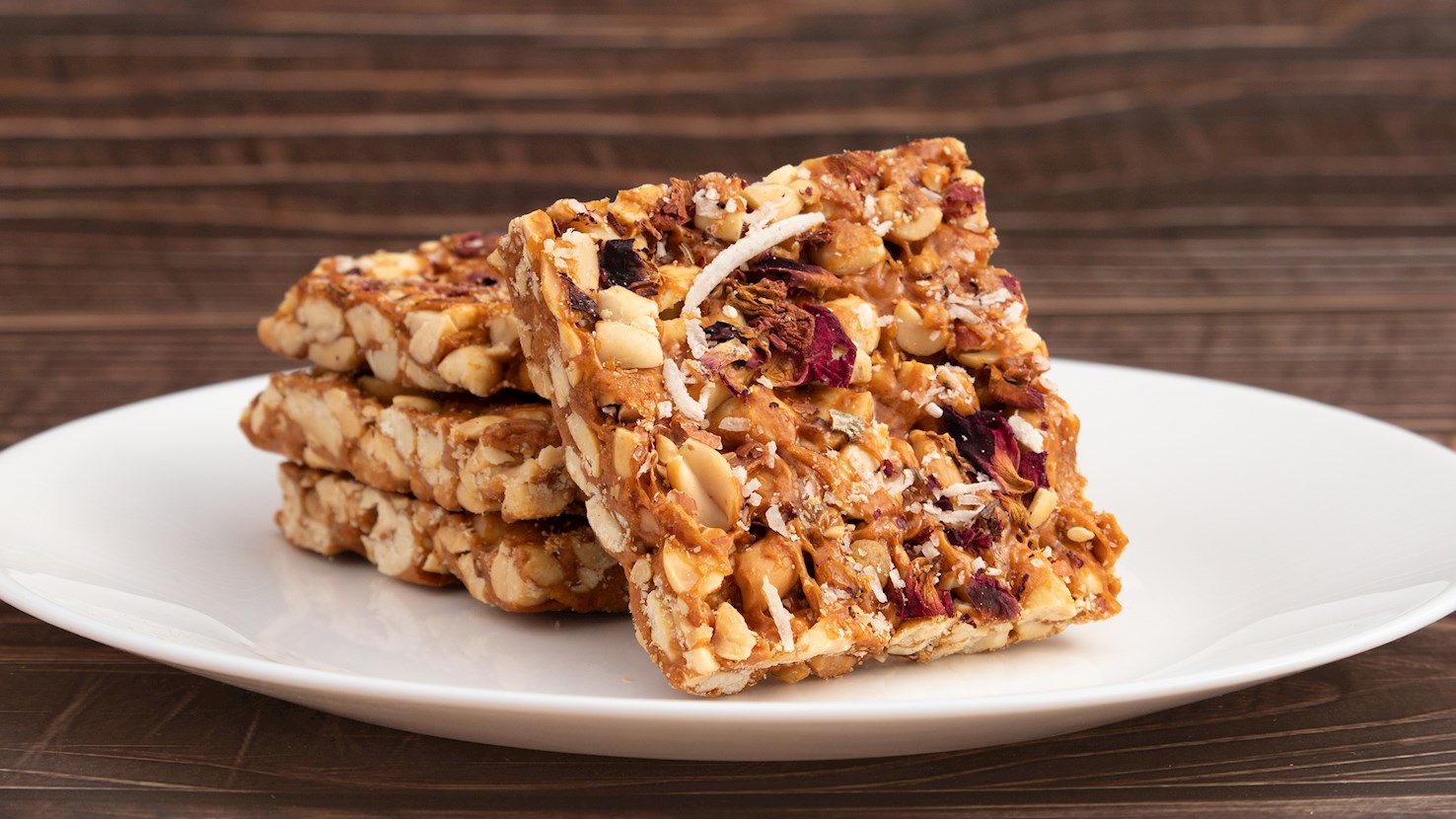
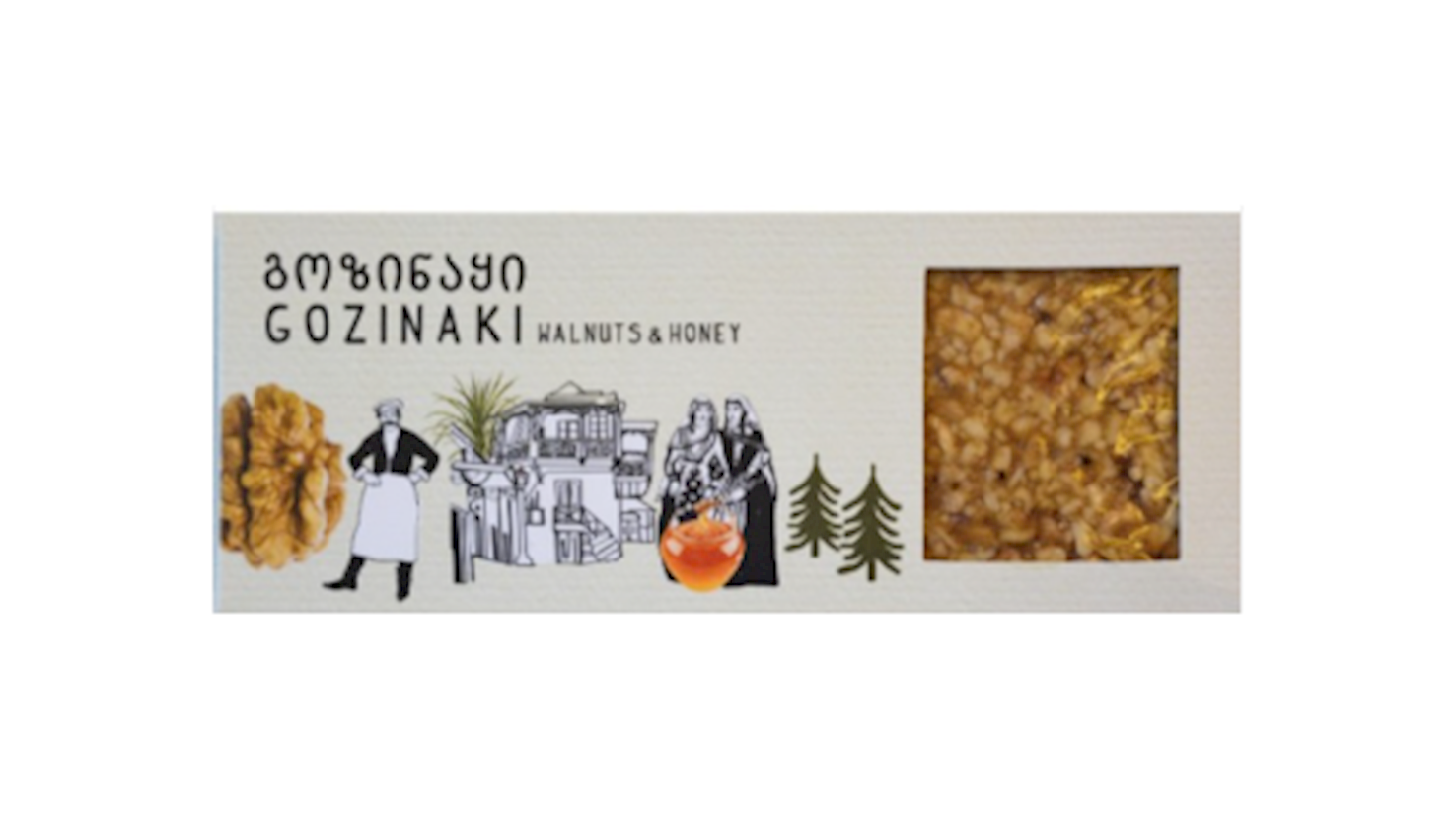
Gozinaki is a sweet confection from Georgia made primarily of caramelized nuts, most often walnuts, bound together with honey into crisp, golden sheets that are cut into small portions. It is closely tied to Georgian festive culture and is especially associated with New Year’s celebrations, though its presence at other special gatherings is also common. The roots of the dish lie in the longstanding Georgian reverence for walnuts and honey, both of which have played essential roles in the country’s agriculture and cuisine for centuries. These two ingredients were not only abundant but also symbolically rich, which helped the confection secure a special place at times of celebration. Preparation begins with carefully toasting walnuts until they develop a deep aroma, after which honey is heated in a heavy pan until it thickens and gains a darker, more intense flavor. The toasted nuts are then folded into the honey, forming a mixture that is spread onto a flat surface, pressed, and sliced while still warm. The balance between crunchy texture and honey’s natural sweetness is central to its appeal, and the use of walnuts gives it a distinctive earthy taste that differs from similar confections found elsewhere. In some households, other nuts such as hazelnuts or almonds may be used, though walnuts remain the defining choice. Today, Gozinaki is eaten primarily in Georgia, both in cities and rural areas, with families continuing to prepare it at home while shops and markets sell ready-made versions during the festive season. It pairs well with strong black tea, coffee, or Georgian wines, which help balance its richness. Outside of Georgia, it has also gained recognition among the Georgian diaspora, where it remains a culinary link to festive traditions and family gatherings.

Best producers
02

Pasteli

3.6 ·

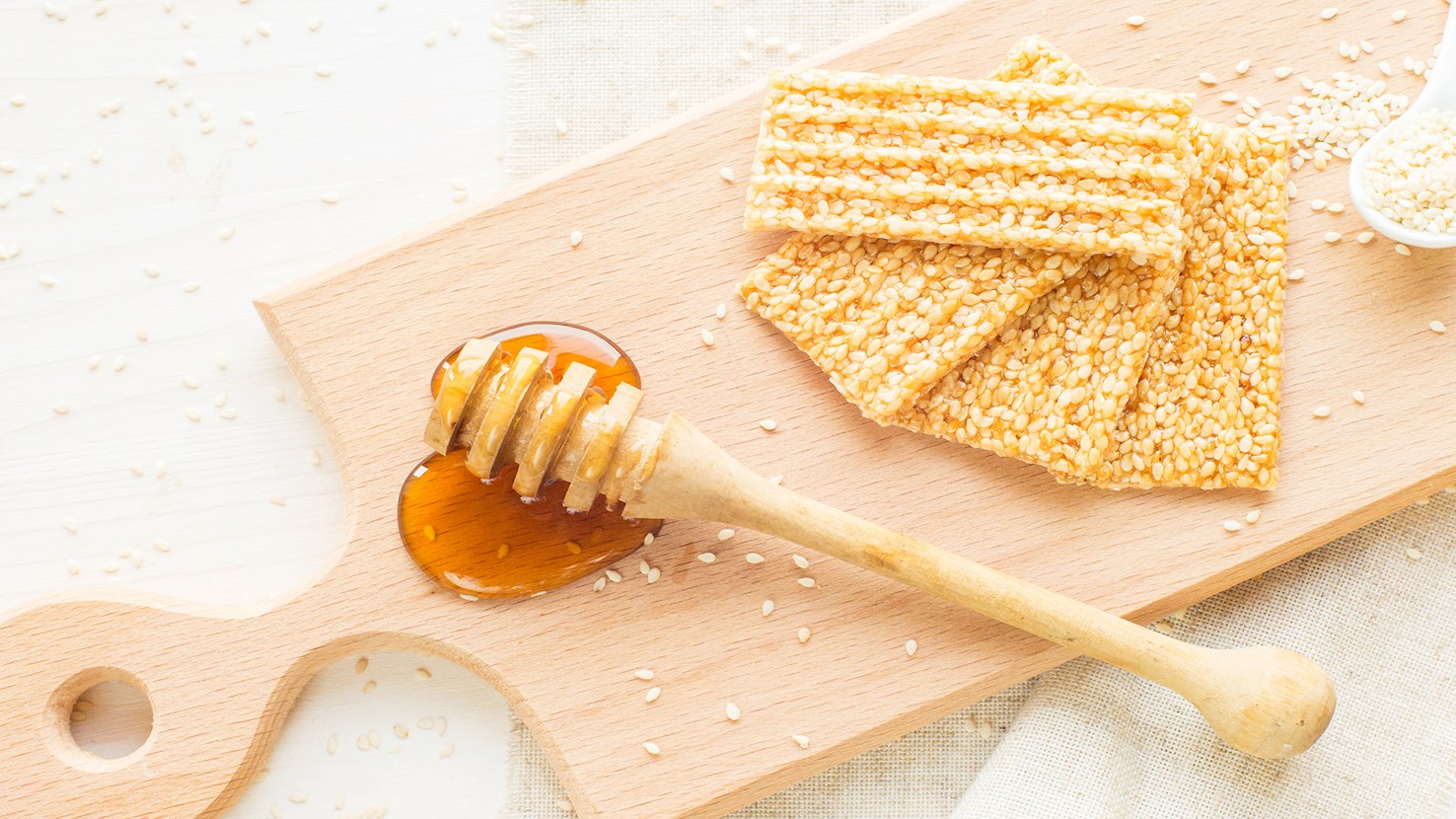
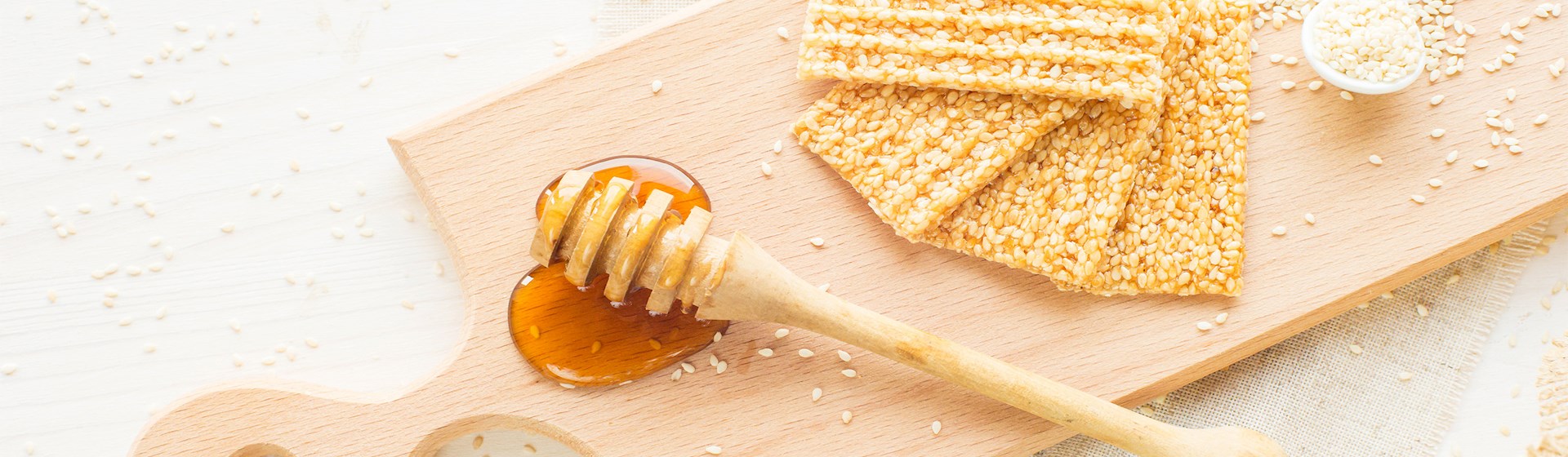
Pasteli is a sesame and honey confection from Greece, considered one of the simplest and oldest sweets of the region. It is essentially a bar made by binding toasted sesame seeds with honey, creating a chewy or brittle texture depending on the preparation method. Its name, derived from Italian, reflects the centuries of cultural exchange in the Mediterranean, but the practice of making sesame-honey confections in Greece is much older, with references reaching back to antiquity. In ancient Greek texts, mixtures of honey and sesame appear not only as food but also as offerings and symbols of fertility and nourishment. Sesame was cultivated widely across the eastern Mediterranean, and honey was one of the most important sweeteners before the introduction of sugar. Together, they provided an energy-rich and portable food that could be eaten by travelers, soldiers, and workers. Over time, pasteli became associated not just with sustenance but also with festivals and family gatherings, where it symbolized abundance and good fortune. Preparation is straightforward yet requires precision. Honey is gently boiled until it thickens into a syrup, and then toasted sesame seeds are stirred in to form a uniform mixture. This is spread onto a greased surface or parchment paper, pressed flat, and cut into bars once cooled. Depending on cooking time, the result can be soft and chewy or firm and brittle. In some variations, nuts such as almonds or pistachios are added, or spices like cinnamon are included for additional aroma. The quality of the honey is central, as it defines both the flavor and fragrance of the sweet. Pasteli is eaten year-round in Greece, sold in markets, bakeries, and packaged for easy consumption. It is especially popular as a snack or a light dessert, often paired with coffee or tea. In some households it appears during festive occasions, offered alongside other sweets as a gesture of hospitality.

03

Gattò de mendula

n/a ·

Gattò de mendula, also known as gâteau di mandorle or su gattò, is a hard almond brittle originating from the island of Sardinia. It is defined by its rigid, crystalline structure and an amber color produced by the caramelization of sugar and honey around toasted almonds. Documentation from 1614 in the Cagliari state archives identifies the item as a distinct variety of "black nougat." The name is a Sardinian adaptation of the French word for cake, gâteau, reflecting the influence of various Mediterranean administrations on the island’s culinary development. Preparation involves boiling granulated sugar and honey until they reach a deep caramel state, at which point whole toasted almonds and lemon zest are added. The smoothing process involves using a halved lemon to level the molten mass on a marble slab; the heat of the sugar releases the lemon’s essential oils, scenting the confection. While still warm, the brittle is cut into diamond shapes and frequently decorated with small, colorful sugar sprinkles. A unique serving custom involves placing the pieces on fresh lemon leaves, which provide an aromatic barrier between the sugar and the hands. It is primarily consumed during festive events, such as weddings and the Christmas season. The item is most frequently paired with Malvasia di Bosa, a Sardinian dessert wine, or a glass of Mirto, a bitter myrtle liqueur that balances the high sugar concentration.

04

Giurgiulena

n/a ·

Giurgiulena is a hard, seed-dense brittle made with sesame seeds, honey, and sugar, originating from Sicily. It is physically defined by its compact structure and a glossy, dark-gold surface resulting from the caramelization of its sugars. The item is a culinary vestige of the Arab administration of Sicily between the 9th and 11th centuries, a period that introduced both sesame cultivation and advanced sugar refining to the Mediterranean. Its name is derived from the Arabic juljulān, meaning sesame, while its alternative name, cubaita, comes from qubayt, referring to a preserved sweet. Preparation involves heating wildflower honey and sugar until they reach a boiling state, at which point toasted sesame seeds and often toasted almonds are incorporated. Finely zested orange peel is frequently added to provide an aromatic citrus component. The viscous mass is poured onto a marble surface, flattened to a one-centimeter thickness, and manually cut into diamond or rectangular shapes before it fully crystallizes. A unique characteristic of this confection is its extremely long shelf life, facilitated by the high sugar concentration and the natural oils in the sesame. It is primarily consumed during the winter months, served as a hard snack or dessert portion. It is most frequently paired with Passito di Pantelleria, whose acidity balances the honey, or a glass of Limoncello. The roasted notes of the seeds also make it a common accompaniment to a strong, unsweetened espresso.

Read more
View all
View map
About this ranking

TasteAtlas food rankings are based on the ratings of the TasteAtlas audience, with a series of mechanisms that recognize real users and that ignore bot, nationalist or local patriotic ratings, and give additional value to the ratings of users that the system recognizes as knowledgeable. For the “Top 4 European Brittles” list until June 06, 2026, 248 ratings were recorded, of which 124 were recognized by the system as legitimate. TasteAtlas Rankings should not be seen as the final global conclusion about food. Their purpose is to promote excellent local foods, instill pride in traditional dishes, and arouse curiosity about dishes you haven’t tried.

The initial list of top producers was compiled based on available reviews, awards, local recommendations, media and blog coverage, and consumer reviews. The list will be updated with ratings from TasteAtlas local ambassadors and TasteAtlas users.

Similar lists