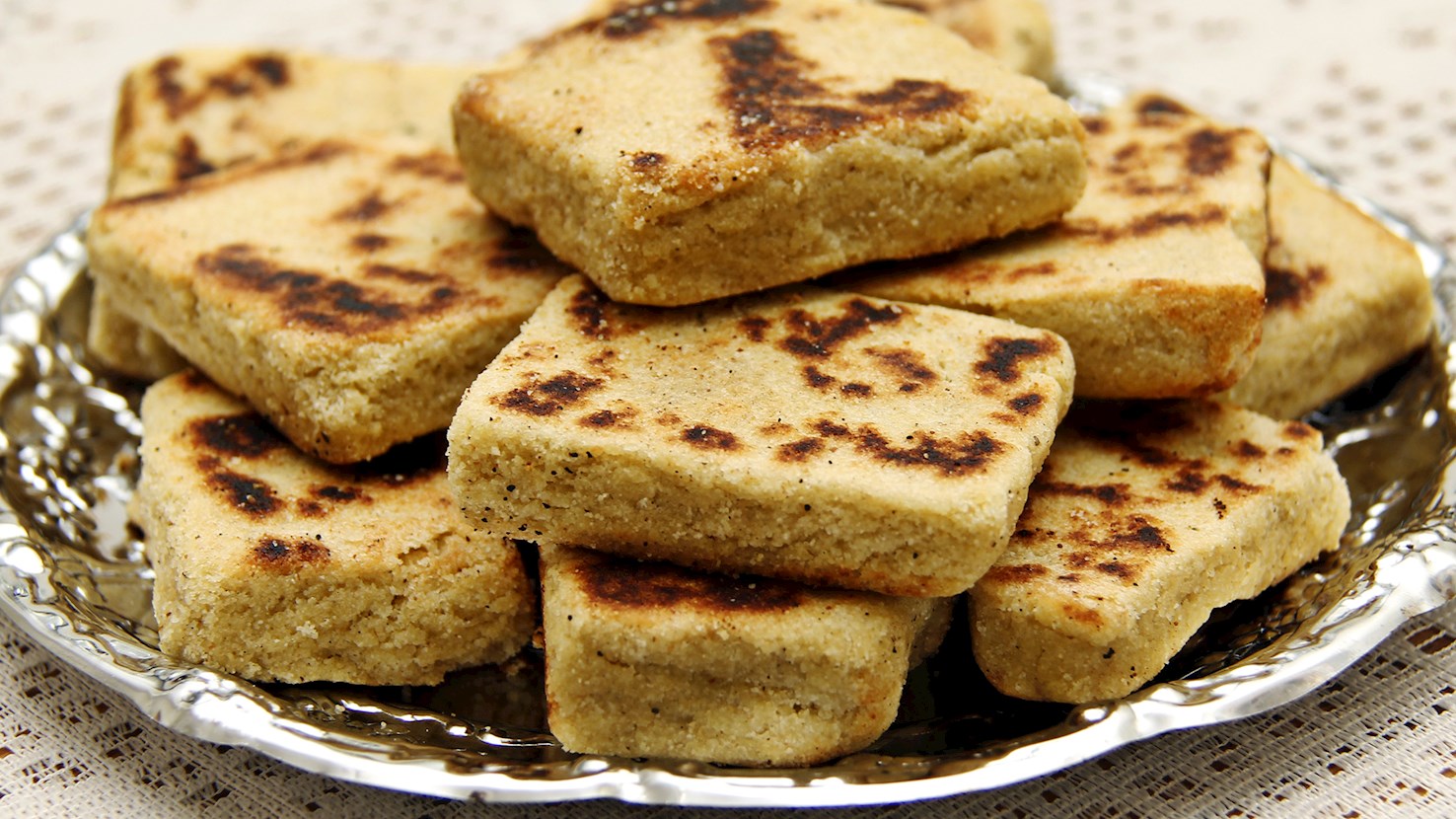
Mbesses, also known in some parts of Algeria as mtekba or mtaqba, is a thick semolina galette made with durum-wheat semolina, fat, salt, and water. It has a crisp, golden exterior and a tender, crumbly interior and is commonly eaten warm with honey, butter, jam, coffee or tea. The dough is based on medium or coarse semolina rather than ordinary wheat flour. Melted butter, clarified butter known as smen, vegetable oil, or a combination of fats is worked thoroughly into the semolina. The mixture is rubbed between the hands so that the grains are evenly coated with fat, a step that gives mbesses its characteristic sandy, crumbly texture. Water is then added gradually until the semolina holds together as a firm dough. Some versions perfume the water with orange-blossom water, while others use plain water and keep the flavor almost entirely focused on the toasted semolina and butter. The dough is handled gently rather than kneaded like bread, since too much kneading can make the finished galette tougher. After resting, the dough is flattened into a relatively thick round or slab and cut into diamonds, squares, or individual rounds. One common method is to cook the pieces on a dry Algerian tajine, griddle, or heavy frying pan over moderate heat. They are cooked slowly on both sides until golden and lightly crisp outside while remaining soft and crumbly in the center. Another way to prepare it is to fry it in oil rather than cook it on a dry griddle. The semolina pieces are fried until golden, drained, and often dipped in warm honey while still hot. This produces a richer, sweeter mbesses with a slightly crisper surface. Both fried and griddled versions appear in Algerian cooking, rather than one being a modern modification of the other. Honey is one of the most familiar accompaniments. It may be drizzled over the warm mbesses or used to soak the surface more generously. Butter, jam and olive oil can also be served alongside it. Nuts and sesame seeds can be added, but they are not essential to the traditional version. Mbesses can be mildly sweet or almost savory depending on the recipe. Some versions contain a little sugar, while others contain none at all. Some regional and household versions also include aromatic additions such as fennel, anise, nigella, or thyme. The dish belongs to Algeria's long tradition of foods made from durum-wheat semolina, an ingredient that also forms the basis of couscous, several flatbreads and numerous pastries. Its precise date and place of origin are not documented, so it cannot reliably be traced to early-20th-century farm workers or described as having been invented specifically as a portable food for agricultural laborers. Mbesses is commonly served for breakfast or as an afternoon snack and pairs especially well with coffee, mint tea, or lben, a fermented milk drink. It is best eaten warm or at room temperature, when the outside remains lightly crisp, and the fat-rich semolina interior is still tender. One closely related use of mbesses is in rfiss, particularly in eastern Algeria. The cooked semolina galette is crumbled and combined with ingredients such as butter and sugar to make a richer dish served on celebrations and special occasions.
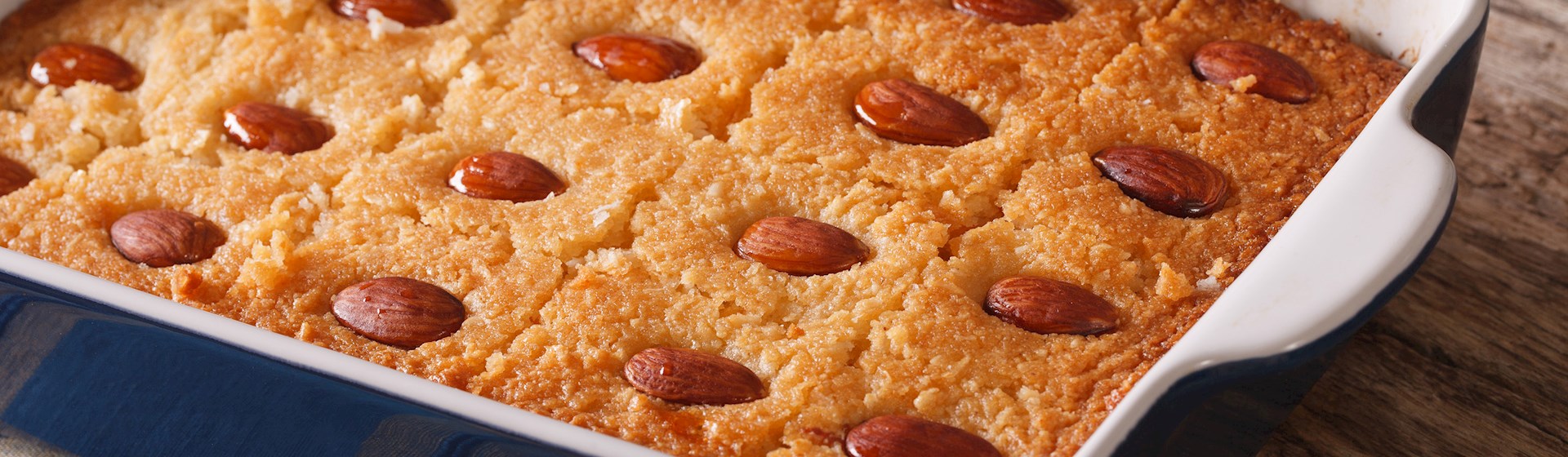
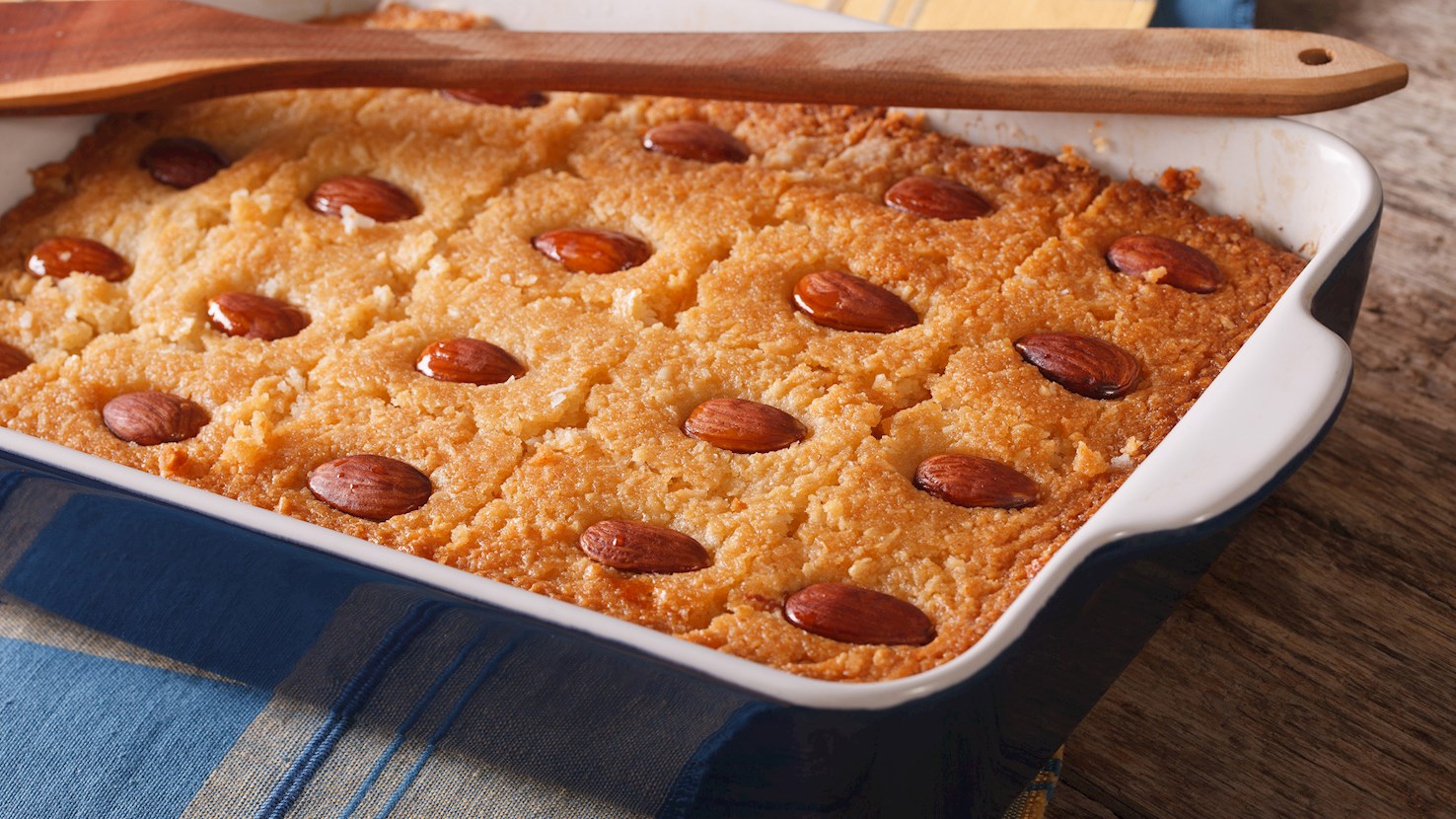
Basbousa is a traditional Arabian semolina-based cake that is soaked in syrup, then studded with almonds. This Libyan variety includes desiccated coconut in the cake mixture and date-paste that is sandwiched between the two layers of semolina cake. The cake is made with semolina, regular flour, desiccated coconut, sugar, butter, milk, date-paste, and baking powder. It is typically flavored with cinnamon. Libyans enjoy their basbousa bil tamr with qashta cream, and pair it with Arabic cardamom coffee on the side.
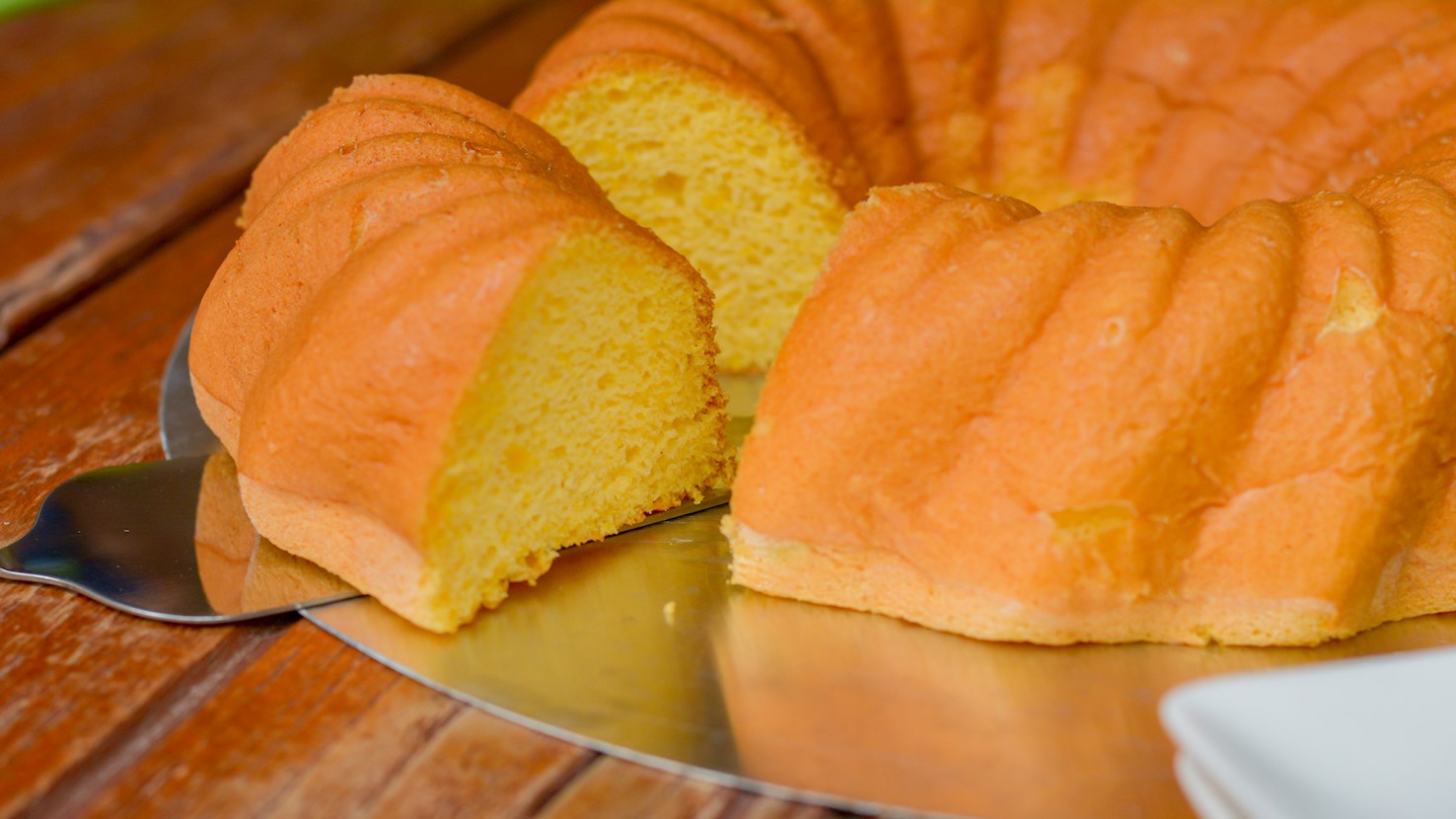
Meskouta is a traditional cake originating from Morocco. This orange and almond cake is made with a combination of almonds, eggs, sugar, honey, orange juice, lemon juice, orange flower water, oil, flour, baking soda, and baking powder. Once prepared, the batter is poured into a pan and baked until golden. This cake is traditionally prepared in the winter, when oranges ripen. It's often accompanied by hot mint tea or coffee on the side.
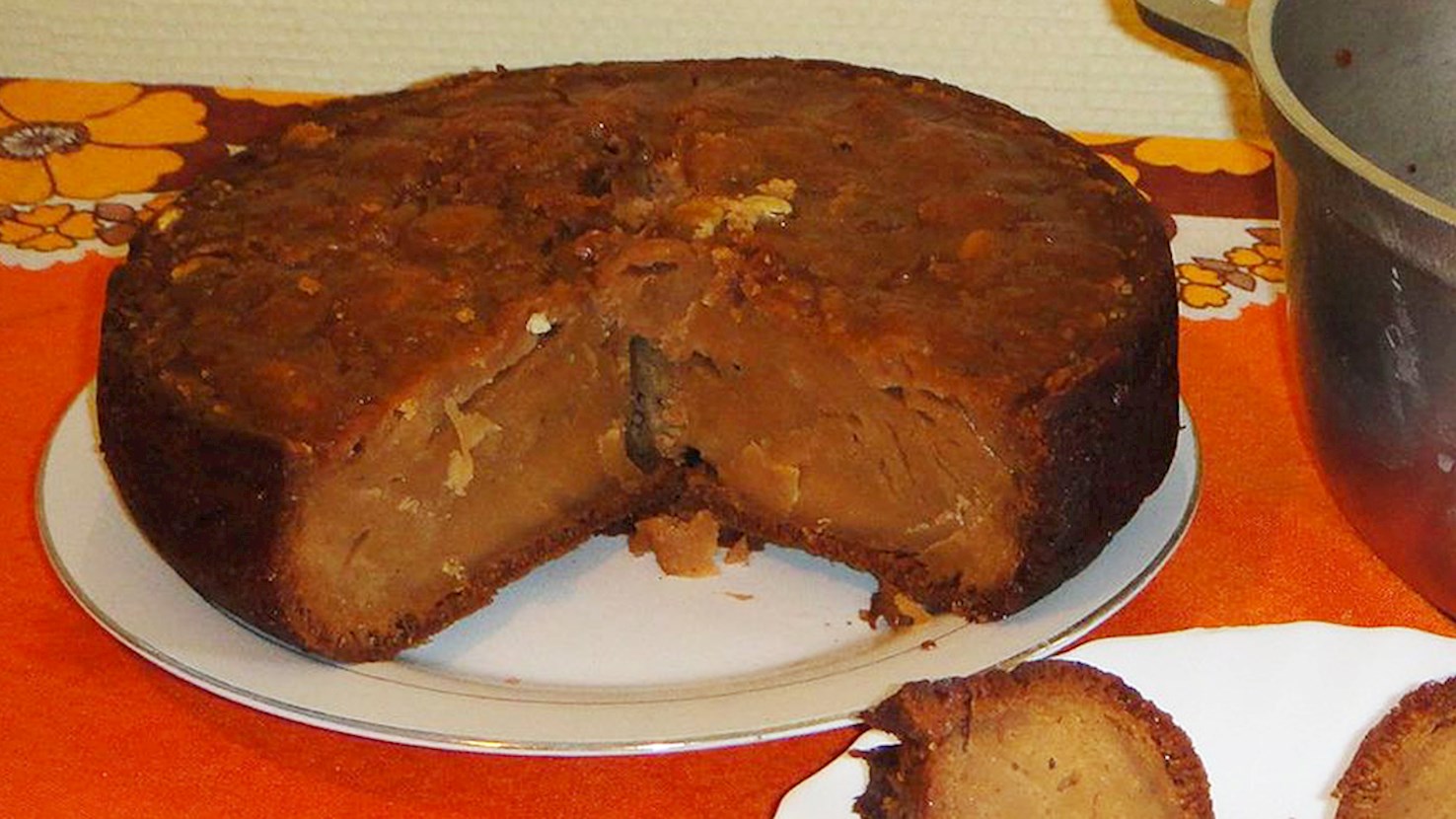
Bolo Polana is a traditional cashew and potato cake originating from Mozambique. It's made with a combination of mashed potatoes, ground cashews, eggs, orange zest, lemon zest, vanilla essence, sugar, and butter. The egg whites are folded into the batter, and the cake is then baked until golden brown. If properly prepared, bolo Polana should have a rich and nutty flavor. This cake is often made for special occasions and it's named after Polana, the suburb of Maputo (Mozambique's capital city). If desired, the cake can be garnished with a few roasted cashew nuts.
Godrogodro is a traditional cake originating from Madagascar. Although there are some variations, the cake is usually made with a combination of rice flour, coconut milk, sugar, vanilla, cinnamon, nutmeg, and oil. In order to prepare the cake, caramel is first made, and it’s mixed with coconut milk. The mixture is heated over low heat, and the nutmeg, vanilla, and cinnamon are mixed into the pot along with rice flour. Once the mixture becomes slightly thick, it’s poured into a greased baking tray and baked in the oven for about half an hour. Godrogodro is left to cool down a bit, and it’s then cut into slices and served. In the past, Malagasy didn’t have ovens, so they baked the cake over charcoal in a cocotte pot.
Chikenduza is a traditional African dessert hailing from Zimbabwe. These candy cakes are made with a combination of flour, butter, vanilla, milk, sugar, yeast, eggs, salt, powdered sugar, and red food coloring. The dough is rolled into balls and baked in muffin tins or similar baking vessels until puffed. Once done, these candy cakes should be double the size of a muffin. The cooled cakes are topped with a thick pink icing made from powdered sugar, water, and food coloring.
Baseema is a traditional cake made with eggs, yogurt, baking powder, flour, shredded coconut, oil, and vanilla extract. The mixture is typically spread into a wide pan, then baked. The cake is then glazed with a combination of granulated sugar, lemon juice, and water. When served, baseema is usually cut into squares. The name of this fluffy golden cake means delicious, and it’s easy to see why.
TasteAtlas food rankings are based on the ratings of the TasteAtlas audience, with a series of mechanisms that recognize real users and that ignore bot,
nationalist or local patriotic ratings, and give additional value to the ratings of users that the system recognizes as knowledgeable.
TasteAtlas Rankings should not be seen as the final global conclusion about food. Their purpose is to promote excellent local foods,
instill pride in traditional dishes, and arouse curiosity about dishes you haven’t tried.





What People Say