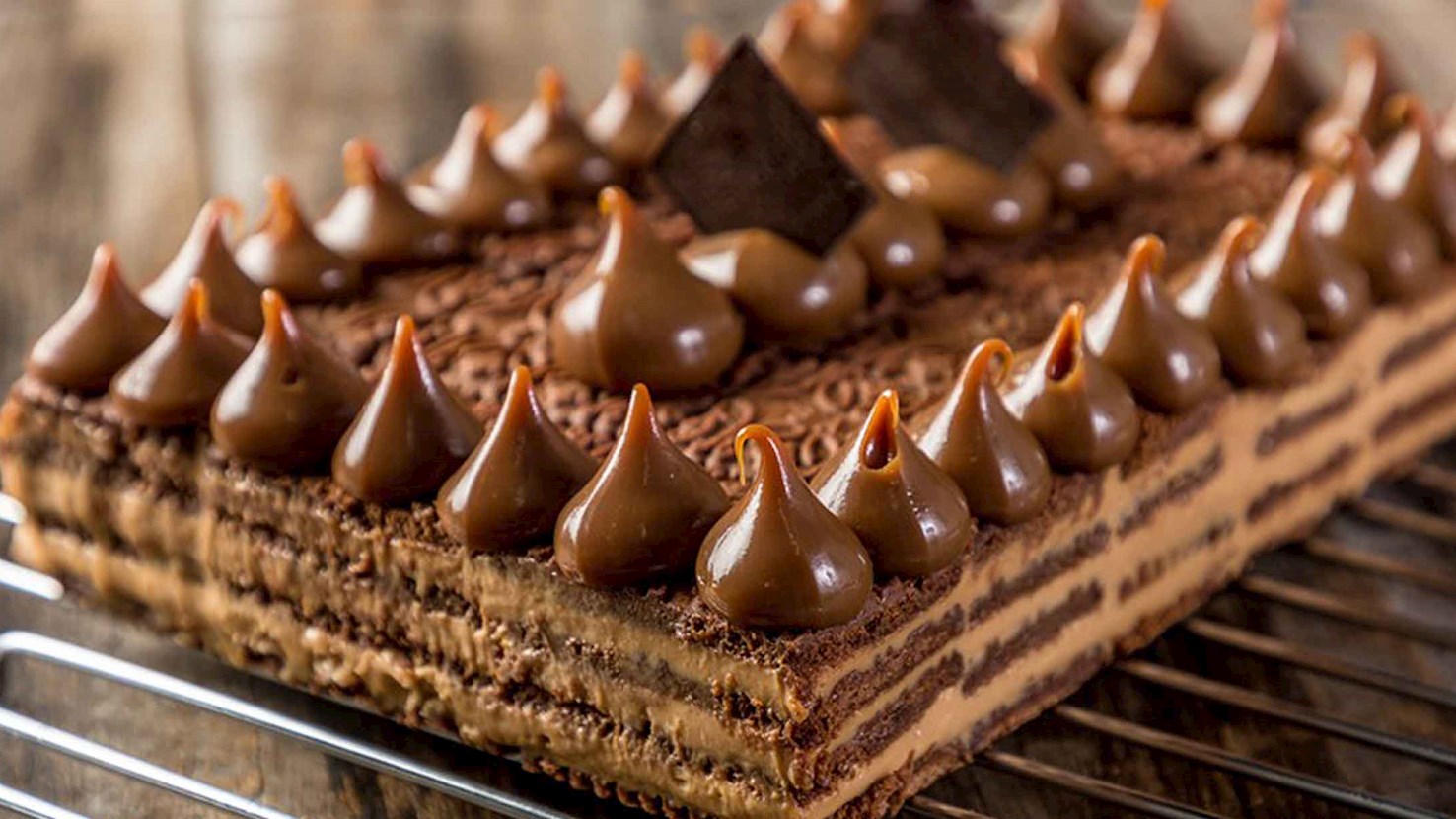
Translated as chocolate cake, this no-bake Argentinian dessert was influenced by Italian cuisine and modeled on the famous Italian tiramisu. It is made with three Argentinian staple ingredients: chocolate biscuits, dulce de leche, and cream cheese. The cookies are softened in milk and layered with a combination of cream cheese and dulce de leche. The shapes of chocotorta can vary, while the biscuits can be soaked with chocolate milk, coffee, or even coffee liqueur. The most common theory about its origin says that it was invented as a part of a marketing campaign designed to promote Chocolinas chocolate cookies, and the recipe was included in the packaging. Chocotorta is rarely found in restaurants and remains a novel dessert outside of Argentina.
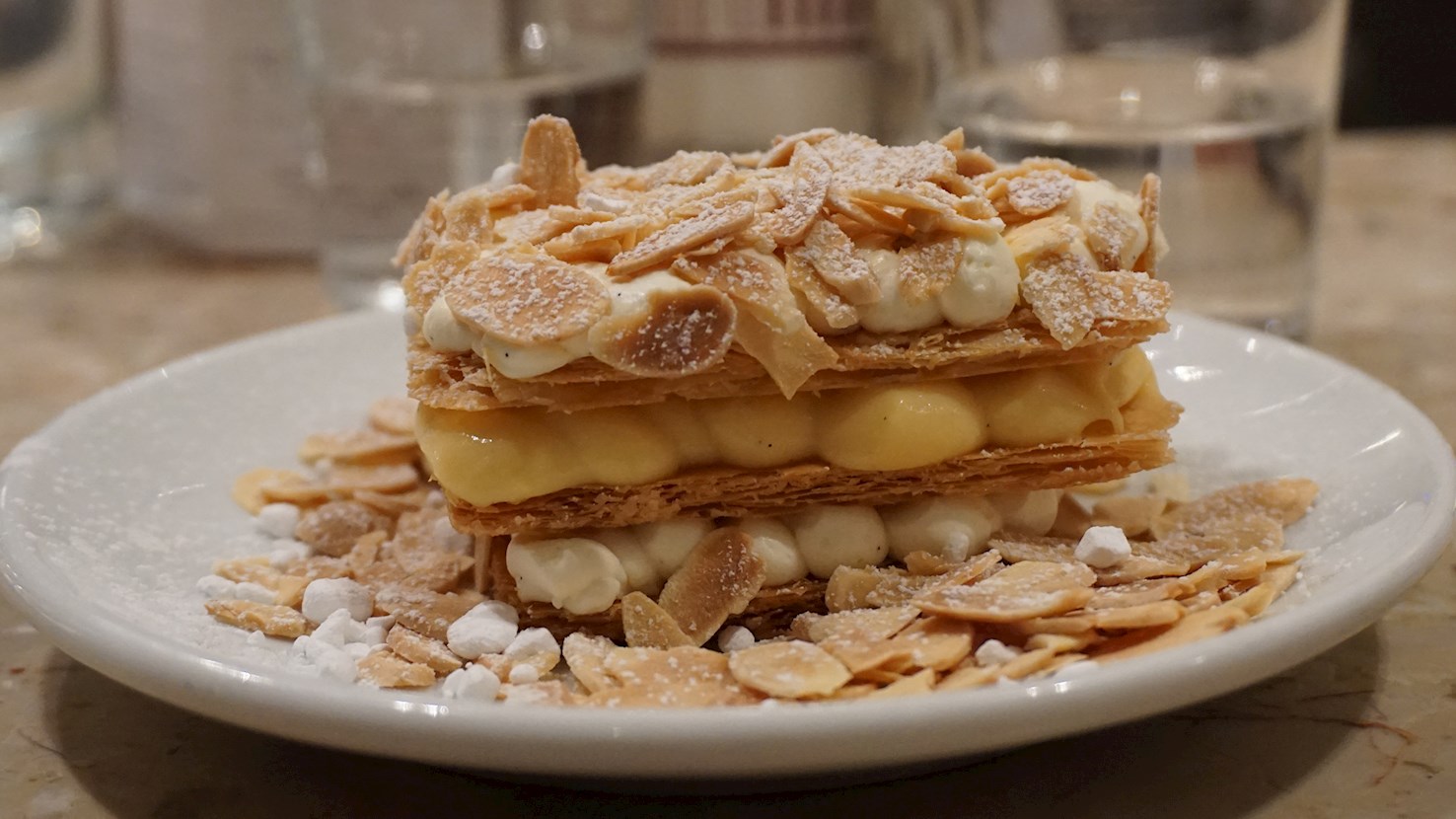
This Argentinian dessert combines layers of crispy puff pastry with dulce de leche. The layers are occasionally coated with crème pâtissière, while the top is sometimes decorated with Italian meringue. It is believed that the cake was modeled on mille-feuille – a classic French dessert consisting of thin layers of pastry and cocoa, almond, or vanilla icing. Apart from Argentina, similar milhojas varieties are also enjoyed in other South American countries.
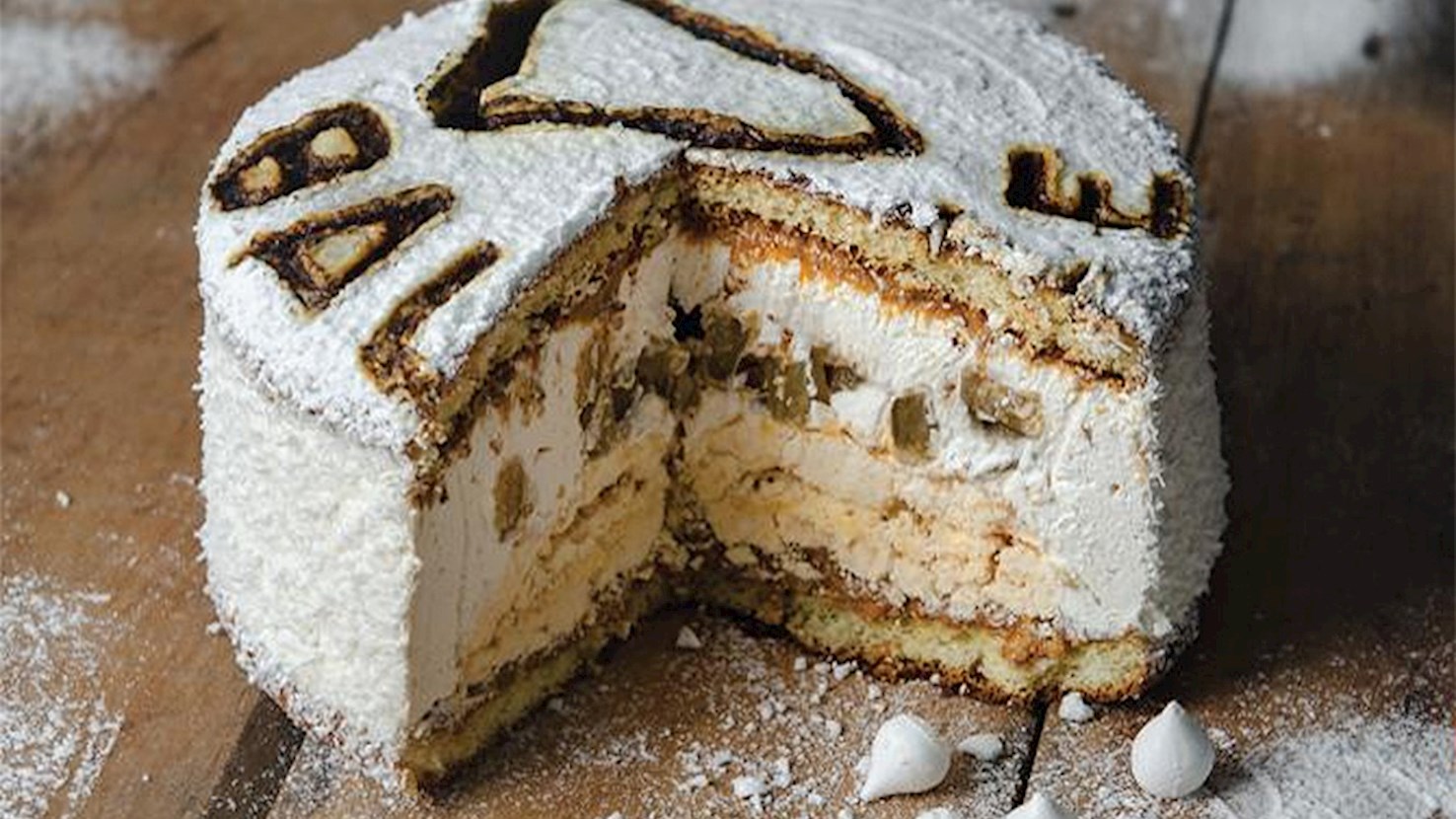
This Argentinian dessert is a luscious combination of sponge cake, whipped cream, almond paste, dulce de leche, meringue, walnuts, and candied chestnuts, while the top is dusted with powdered sugar and coconut. Created in 1958, the cake was invented by a pastry chef at a small pastry shop in Balcarce. The owner Guillermo Talou eventually opened Comoantes – another pastry shop which still operates and sells this traditional cake following the original recipe. Interestingly, Talou sold the recipe to a pastry shop from Mar del Plata, where they gave the cake its current name.
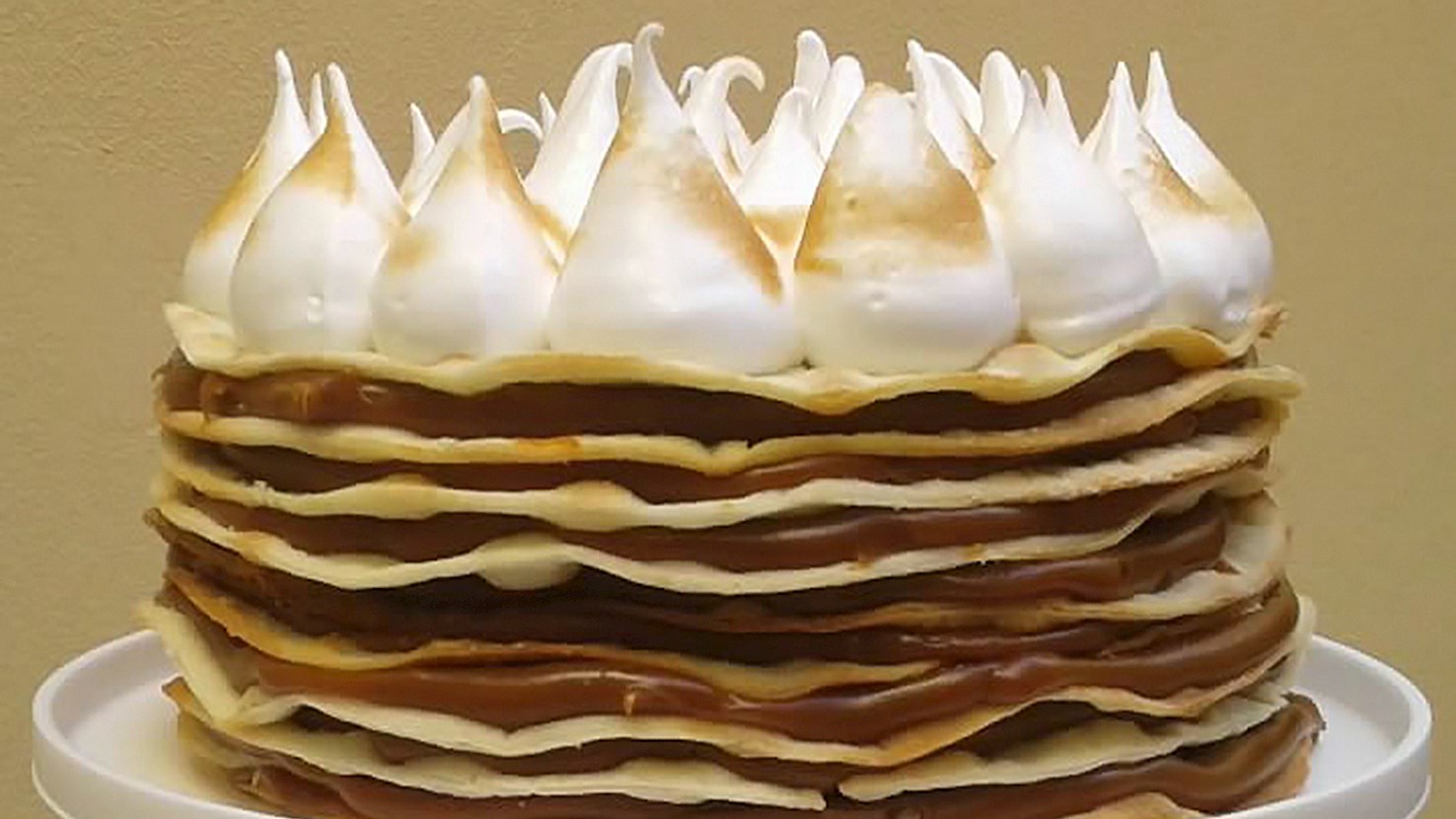
Rogel is a classic Argentinian dessert consisting of numerous thin layers of dough that are topped with a creamy dulce de leche spread. The cake traditionally includes eight layers, while the top is usually decorated with Italian meringue. Although not much is known about its origin, rogel is a staple on every special occasion in Argentina. It is also known as alfajor rogel, due to its similarity to sandwiched alfajor cookies.
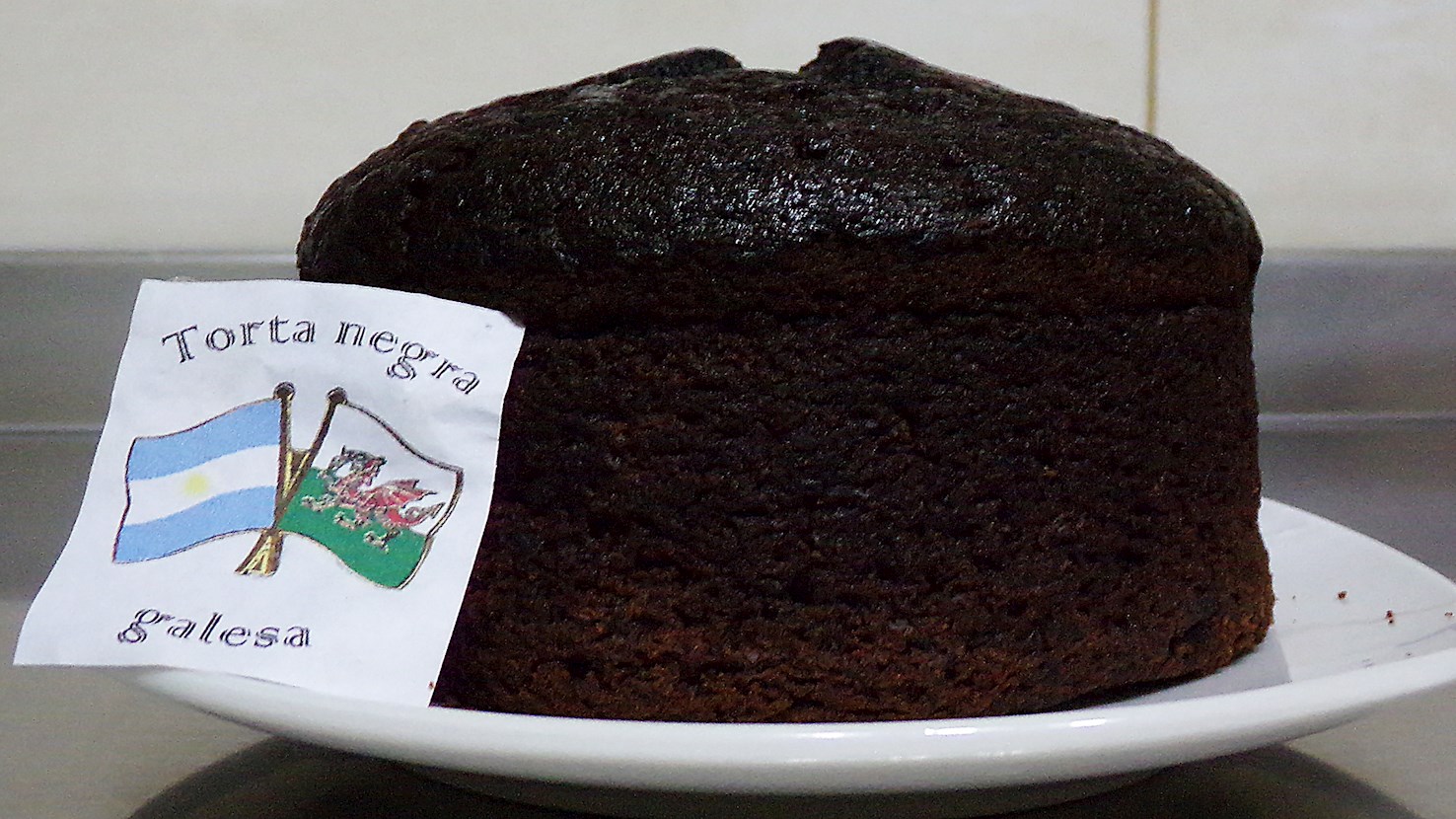
Torta negra galesa (or black Welsh cake) is a Patagonian fruitcake invented by Welsh settlers in the Chubut River region in the late 18th century. The settlers wanted to make a cake that would remind them of home and would keep well for weeks or months. It consists of flour, sugar, butter, almonds, walnuts, candied fruit, and a generous serving of rum. In the region, the fruitcake is typically served as a part of afternoon tea, which is another Welsh tradition.
Torta matera is an Argentine snack cake made specifically for the country’s afternoon mate ritual, a simple homemade bake that sits somewhere between a sponge cake and a casual coffee cake. Its name comes from mate, since the cake is closely associated with merienda, the late-afternoon meal when mate is commonly shared with something sweet. Rather than having one fixed formula, torta matera developed as a practical home-style cake built from inexpensive pantry ingredients, and Argentine versions vary considerably from family to family: some are plain and citrus-scented, others have a crisp sugar crust, and one of the most recognizable versions is topped with lines or a lattice of pastry cream baked directly onto the batter. The batter is usually based on flour, eggs, sugar, neutral oil, milk or another liquid, and baking powder, with lemon or orange zest and vanilla often used for flavor. Oil is especially common in home recipes because it keeps the crumb soft and makes the cake quick to mix without creaming butter. In the pastry-cream version, a thick vanilla or lemon-scented custard is piped over the uncooked batter before baking, forming pale lines across the golden surface while adding extra moisture to each slice. Other versions may be finished with moistened sugar for a crunchy top, dulce de leche, quince paste, nuts, coconut, or simply powdered sugar. Torta matera is generally baked as one round, ring-shaped, or rectangular cake and cut into generous slices once cooled or just slightly warm. What defines it more than any single topping is its purpose: it is uncomplicated, easy to portion, and made to accompany a long round of mate rather than serve as an elaborate dessert. It is eaten throughout Argentina at home, at family gatherings, during weekend afternoons, and anywhere mate is shared, and it pairs most naturally with unsweetened or lightly sweetened yerba mate, although coffee, black tea, or milk are also common companions.
TasteAtlas food rankings are based on the ratings of the TasteAtlas audience, with a series of mechanisms that recognize real users and that ignore bot,
nationalist or local patriotic ratings, and give additional value to the ratings of users that the system recognizes as knowledgeable.
TasteAtlas Rankings should not be seen as the final global conclusion about food. Their purpose is to promote excellent local foods,
instill pride in traditional dishes, and arouse curiosity about dishes you haven’t tried.





What People Say