shutterstock

Top 18 Austrian Cakes

Last updated on July 15, 2026

Best Austrian Cakes

01

Sacher

4.0 ·

Sacher is one of Austria’s most iconic hospitality and confectionery brands, internationally synonymous with the Original Sacher-Torte and Vienna’s grand café culture. Its story began in 1832, when Franz Sacher created the now-famous chocolate cake for Prince Metternich’s court, establishing the foundation of a culinary legacy that would become a symbol of Austrian gastronomy.

The Sacher name was further elevated in 1876 when Franz’s son, Eduard Sacher, opened the Hotel Sacher in Vienna, transforming the family name into a hallmark of luxury hospitality. Today, Sacher represents a blend of historic elegance, premium hospitality, and refined confectionery craftsmanship, operating the legendary Hotel Sacher Wien, Hotel Sacher Salzburg, cafés, and an internationally recognized gourmet retail business centered around the Original Sacher-Torte.

The brand remains closely associated with Viennese sophistication, imperial heritage, and classic Austrian dessert culture. The Original Sacher-Torte continues to be handmade according to the historic recipe and remains one of Austria’s most famous culinary exports.

Beyond the iconic cake, Sacher also offers chocolates, pralines, jams, pastries, and curated gourmet specialties that reflect the same premium positioning. More than a hotel or confectionery name, Sacher has become a cultural institution representing Austrian luxury, tradition, and gastronomic identity.

02

Aïda Cafe-Konditorei

3.2 ·

Aïda Café-Konditorei is one of Vienna’s most recognizable confectionery café chains, with a history dating back to 1913, when Josef Prousek and his wife Rosa took over the confectionery shop “Bonsaing & Söhne” in Vienna. The Aïda brand developed more distinctly from 1921, when production began in Porzellangasse and the business became “Chocolaterie & Grosskonditorei Aïda.” During the 1930s, the company expanded across Vienna, reaching 11 locations in the city by 1939.

A significant milestone came in 1946, when the first espresso machine in Austria was introduced at Aïda’s Wollzeile location, helping establish its identity as a true café-confectionery. Today, Aïda is known for its distinctive pink visual identity, cakes, pastries, strudels, cream slices, doughnuts, ice cream, and coffee.

Since 1974, production has been based in Schönthalergasse in Vienna’s 21st district, where traditional Viennese confectionery products are prepared daily. Unlike historic luxury establishments such as Demel or Sacher, Aïda represents a more accessible, everyday model of Viennese café-confectionery culture, deeply integrated into the city’s urban rhythm.

The brand remains family-run by the Prousek family across multiple generations, preserving continuity in Viennese confectionery tradition.

Best Austrian Cakes

01

Cremeschnitte

4.0 ·

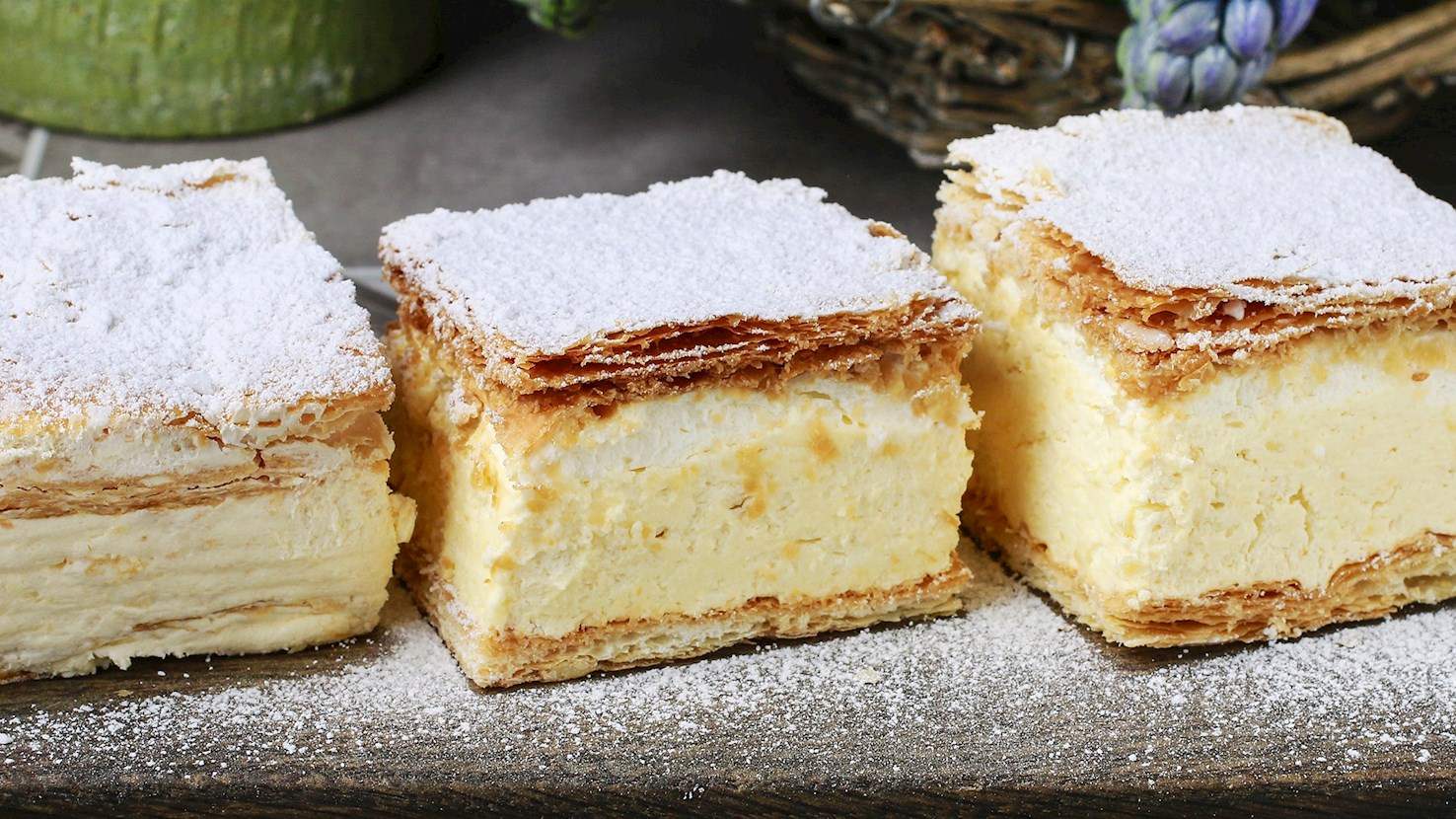
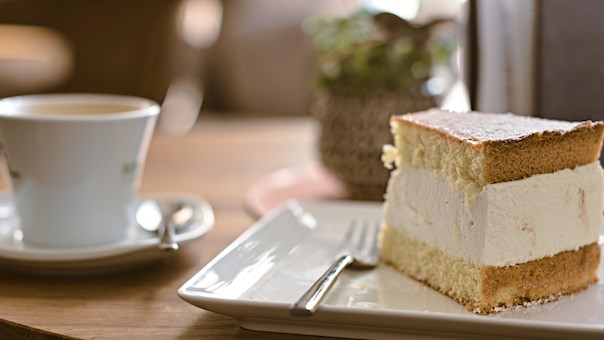
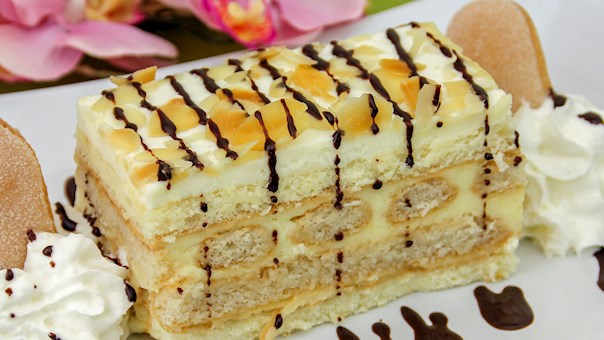
Cremeschnitte is a vanilla-flavored custard cream cake and an absolute classic among central and eastern European desserts. It is known by many names, most of which have stemmed from the German cremeschnitte, and literally translate to either cream slice or, in some cases, cream pie. According to Historical Sociolinguistics, it is believed that the origins of the cremeschnitte date back to the blend of two cuisines in the Austro-Hungarian empire. However, its Polish name Napoleonka indicates that this dessert might have possibly originated from the French mille-feuille, which is also known as the Napoleon - another pastry whose exact origin is unknown, even though its modern form was said to be influenced by improvements of Marie-Antoine Carême, the famous French chef-extraordinaire. Still, while the Napoleon is made up of three layers of puff pastry alternating with two layers of pastry cream, the typical cremeschnitte is made with only two layers of puff pastry held together by a hefty amount of vanilla-flavored pastry cream, which is sometimes topped with a thin layer of whipped cream. Cremeschnitte is most often simply sprinkled with icing sugar, but it can also be topped with a glossy and smooth glacé icing, and nicely decorated with a traditional chevron design. Two of the most popular cremeschnitte varieties include the aforesaid Polish Napoleonka or kremówka, which was known to be the favorite dessert of Pope John Paul II, and Slovenian kremna rezina, the signature dessert of Bled; a popular Alpine resort settled on the shores of the eponymous lake.

02

Sacher-Torte

4.0 ·

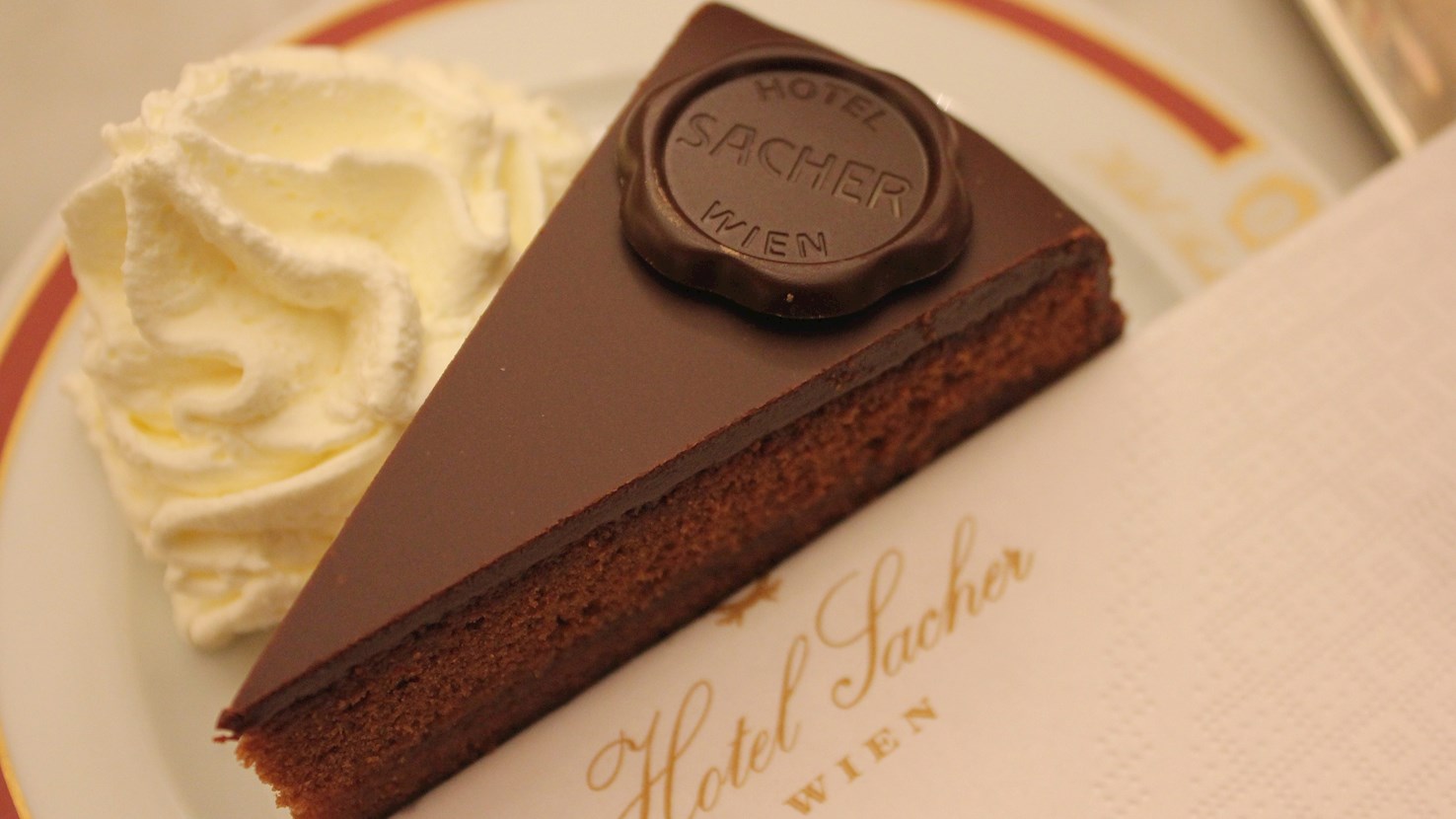
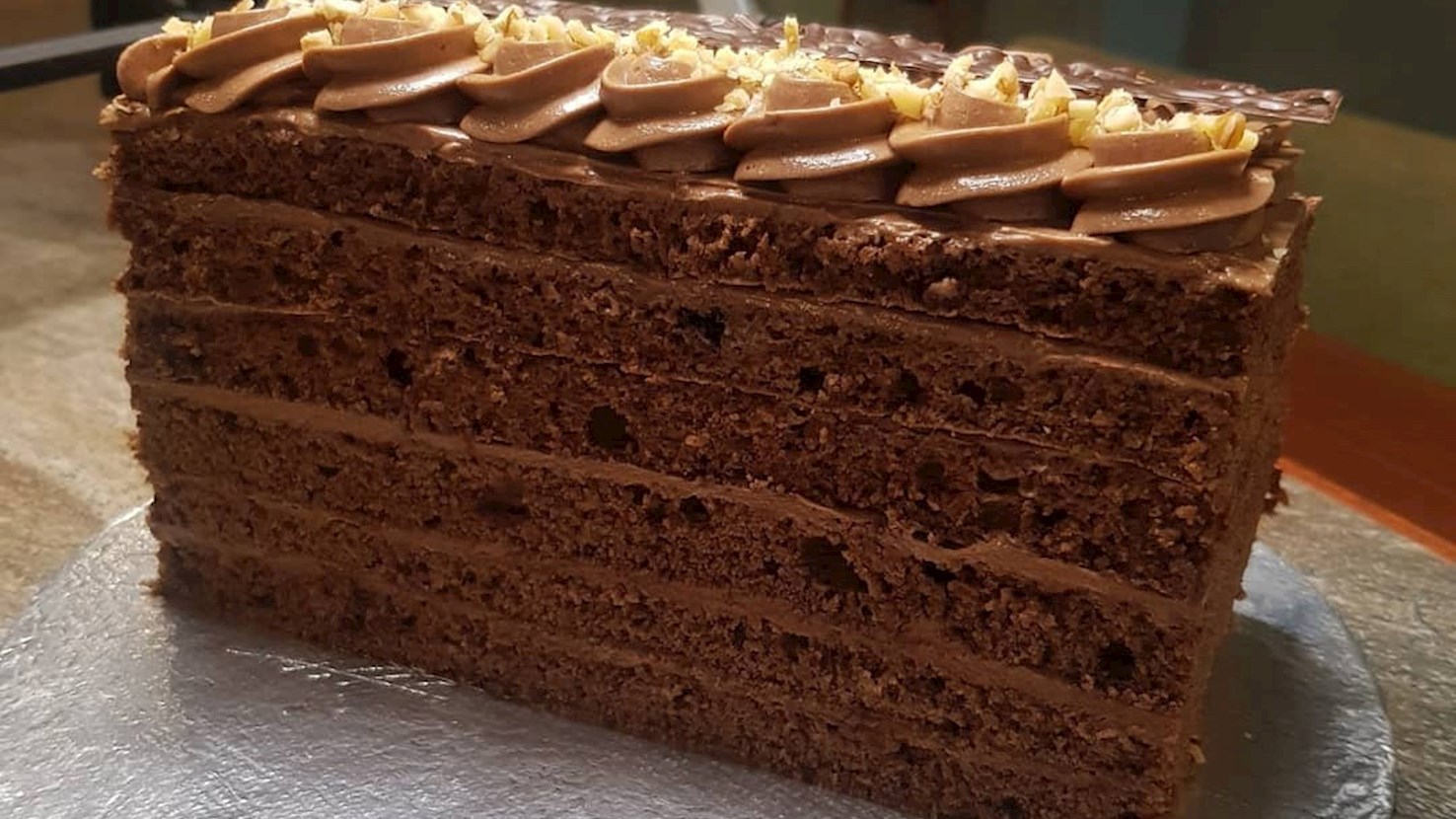
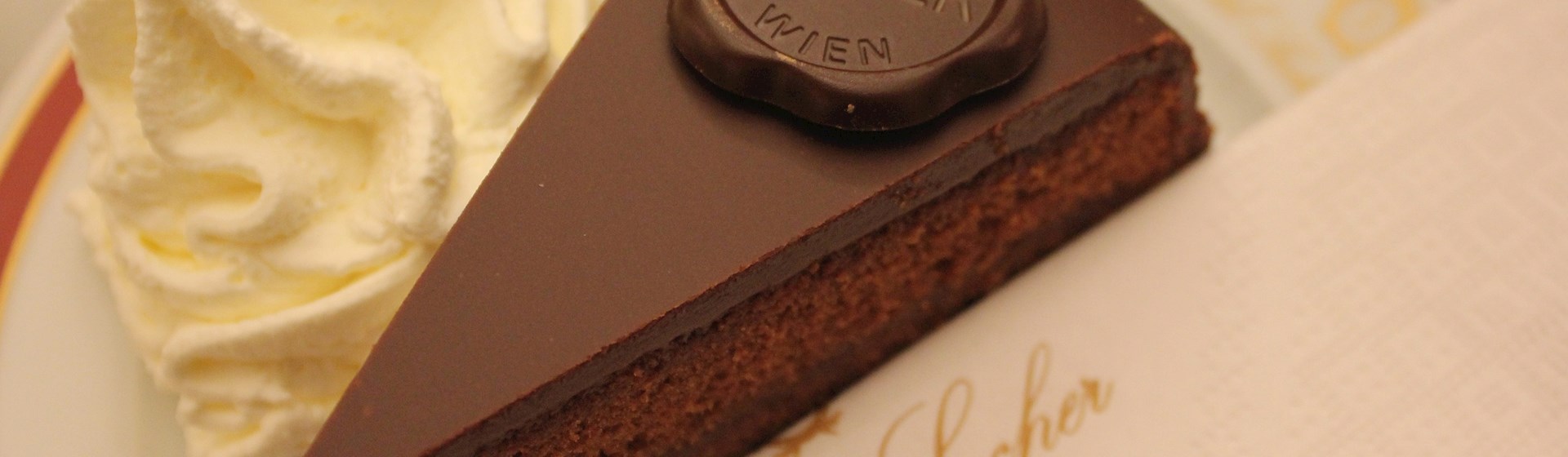
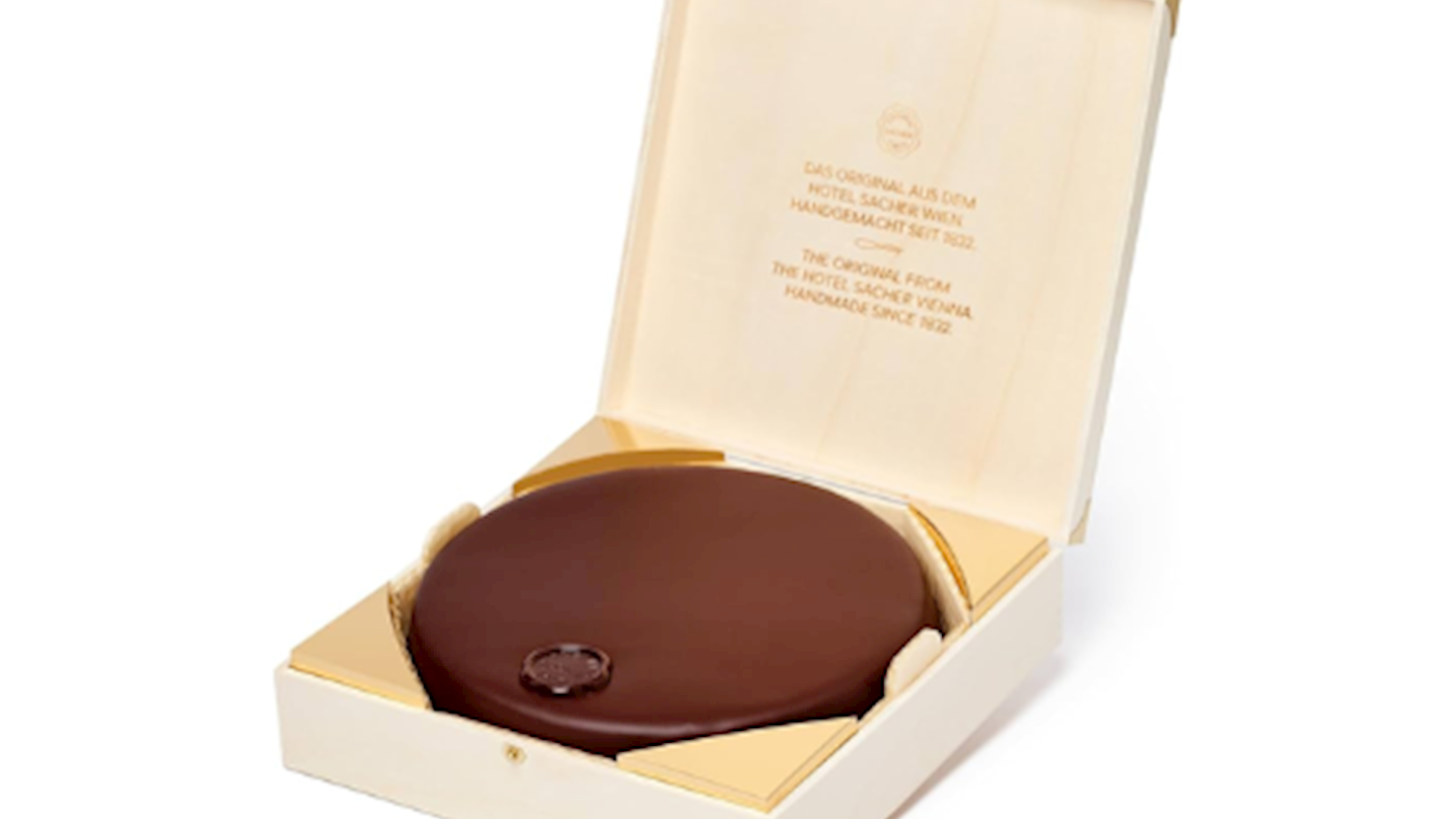
The original Sacher-Torte is the most famous Austrian cake. It is a classic, layered chocolate sponge cake that is thinly coated with high-quality apricot jam and topped with chocolate icing. Sacher-Torte is said to taste the best when accompanied by a small cloud of unsweetened whipped cream on the side. It was invented in 1832 by Franz Sacher, a pastry chef for Prince Clemens Lothar Wensel Metternich, the State Chancellor of Austria at the time. The prince wanted a new cake, and Sacher, 16 years old at the time, obliged him by creating something new from ingredients that were readily available in the kitchen. Suffice to say, the cake was a huge hit, and Franz's son Eduard opened a hotel called Sacher in 1876, serving the popular cake up to this day. Today, almost every coffee house in Vienna has its own version of the cake, but no two cakes are quite alike. In order to avoid confusion, it is recommended to look for the official Sacher chocolate seal on top of the cake, which can only be found on the Original Sacher, produced by Hotel Sacher in a quantity of approximately 360,000 cakes per year. Interestingly, from 1954 to 1963, Hotel Sacher went through a legal battle with their rival, Demel cafe, and the court proceedings focused on which one had the right to call its Sacher-Torte the original. The issues that were discussed included whether the cake should have an additional layer of apricot jam in the middle, and whether to use margarine or butter. Following a long seven-year dispute, the parties have reached an agreement—and the original Sacher-Torte is now only found at the Hotel Sacher. Nevertheless, Demel version, which does not have the additional layer of apricot jam in the middle, is almost equally popular.

03

Marillenfleck

4.0 ·

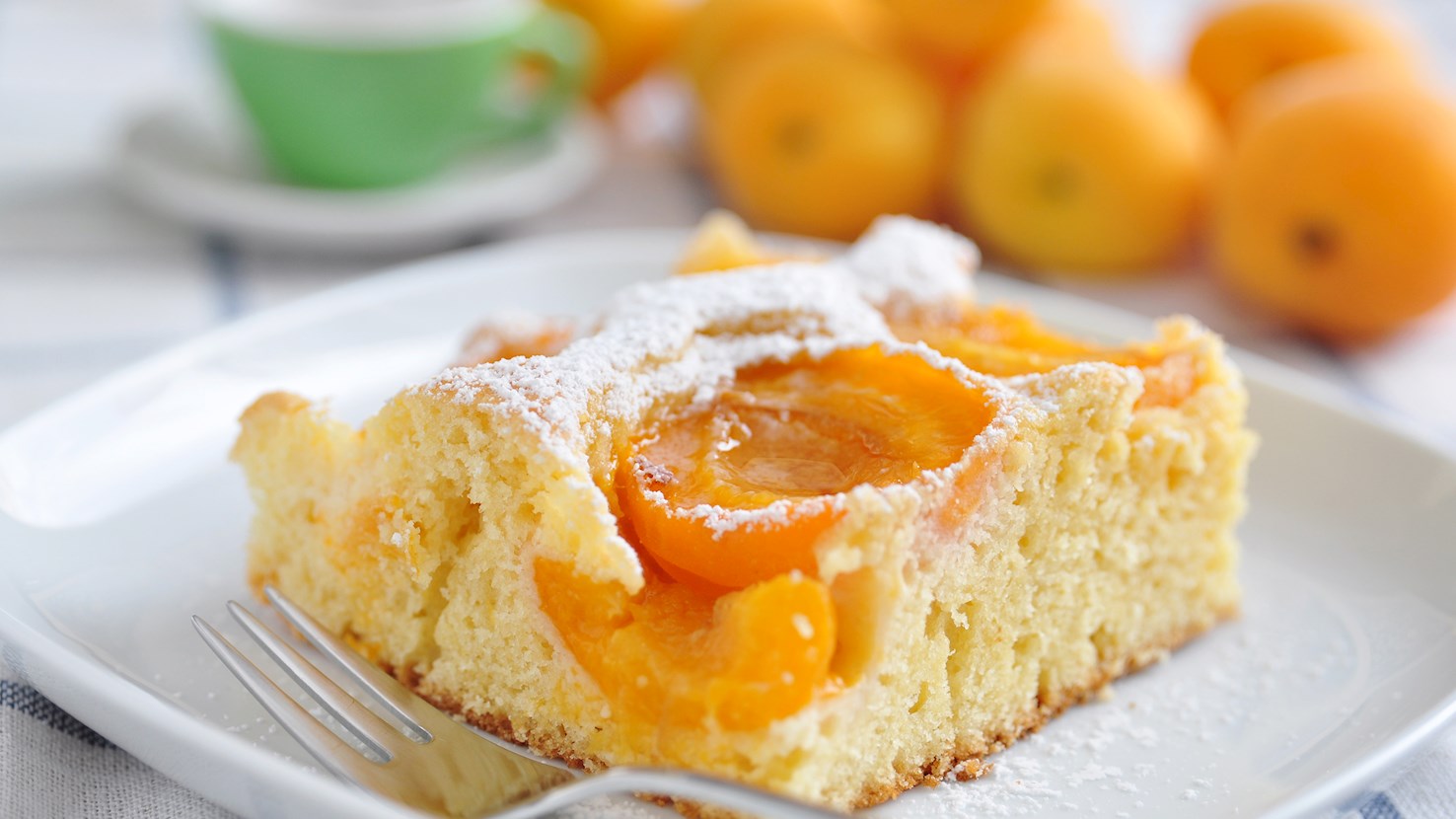
Marillenfleck is a traditional apricot cake originating from Austria, where it's a coffeehouse staple. Although there are slight variations, the cake is usually made with a combination of apricots, butter, sugar, eggs, flour, baking powder, lemon juice and zest, salt, and vanilla extract. The butter is beaten and mixed with sugar, eggs, vanilla, flour, baking powder, salt, and lemon juice and zest in order to make the batter. It is spread evenly in a buttered baking pan, and the apricots are arranged on top of the batter. The apricots are usually cut into quarters or halves for a uniform appearance. The cake is baked until golden brown, and it's then left to cool. Before serving, powdered sugar is sprinkled over the top and the cake is traditionally cut into squares.

04

Linzer Torte

3.8 ·

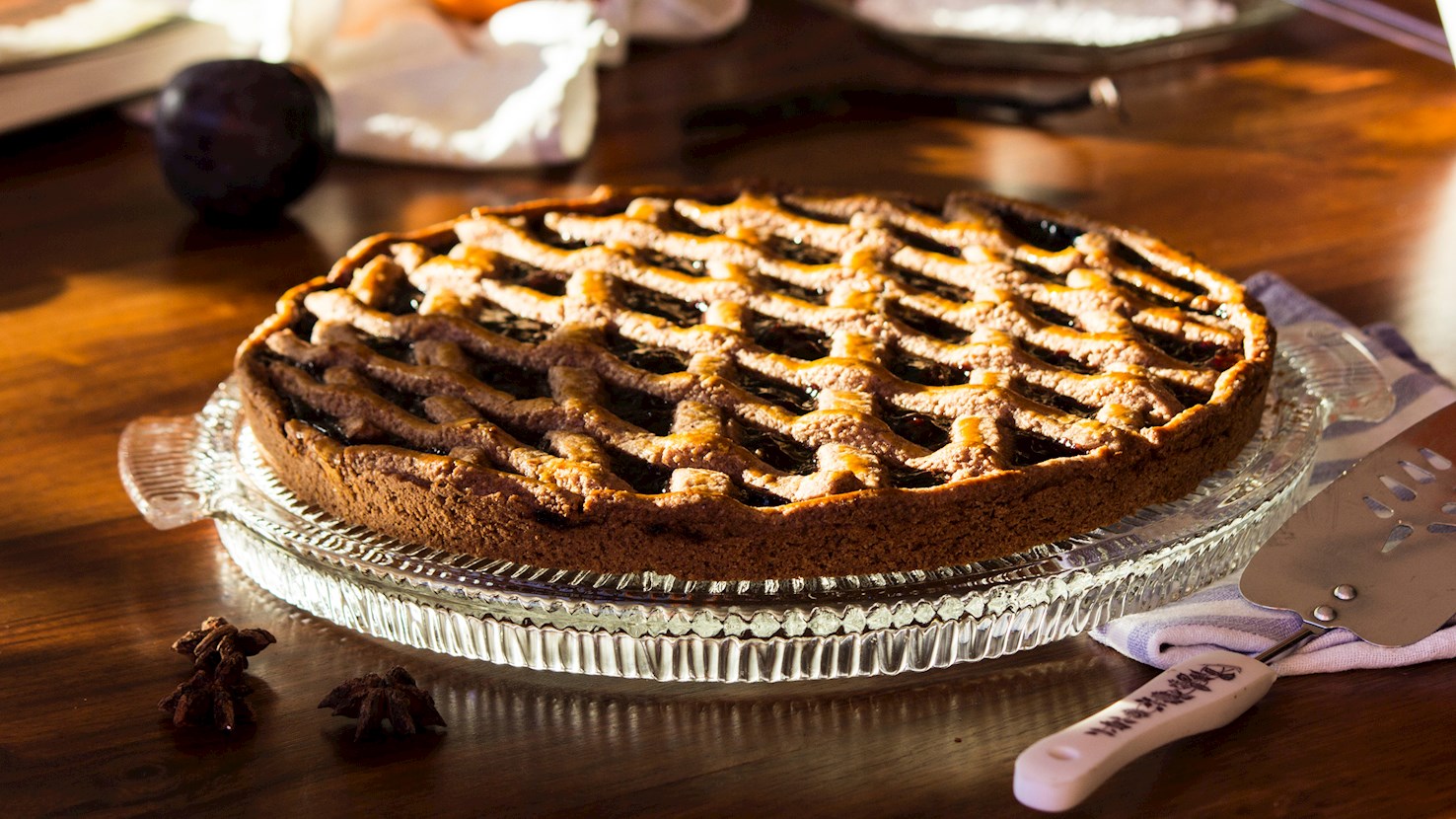
Named after the Austrian city of Linz, Linzertorte is a short cake with a crumbly, buttery pastry shell that is accentuated by lemon juice, cinnamon, and either almonds, walnuts, or hazelnuts. It's also the oldest cake named after a city. This sweet delicacy is ideally filled with redcurrant jam, but it can be replaced by raspberry or apricot jam. On the top of the cake is a lattice crust, carefully arranged in a criss-cross design, giving it a unique visual appearance. The cake can be traced back to 1696, according to Jindrak, an Austrian confectioner famous for their Linzertorte, but whoever named the recipe or invented the cake will remain a mystery. Today, the famous cake is a true Austrian holiday classic, often consumed at Christmas, when it's ideally served warm, accompanied by a big dollop of whipped cream, and dusted with some confectioners' sugar on top.

05

Donauwelle

3.8 ·

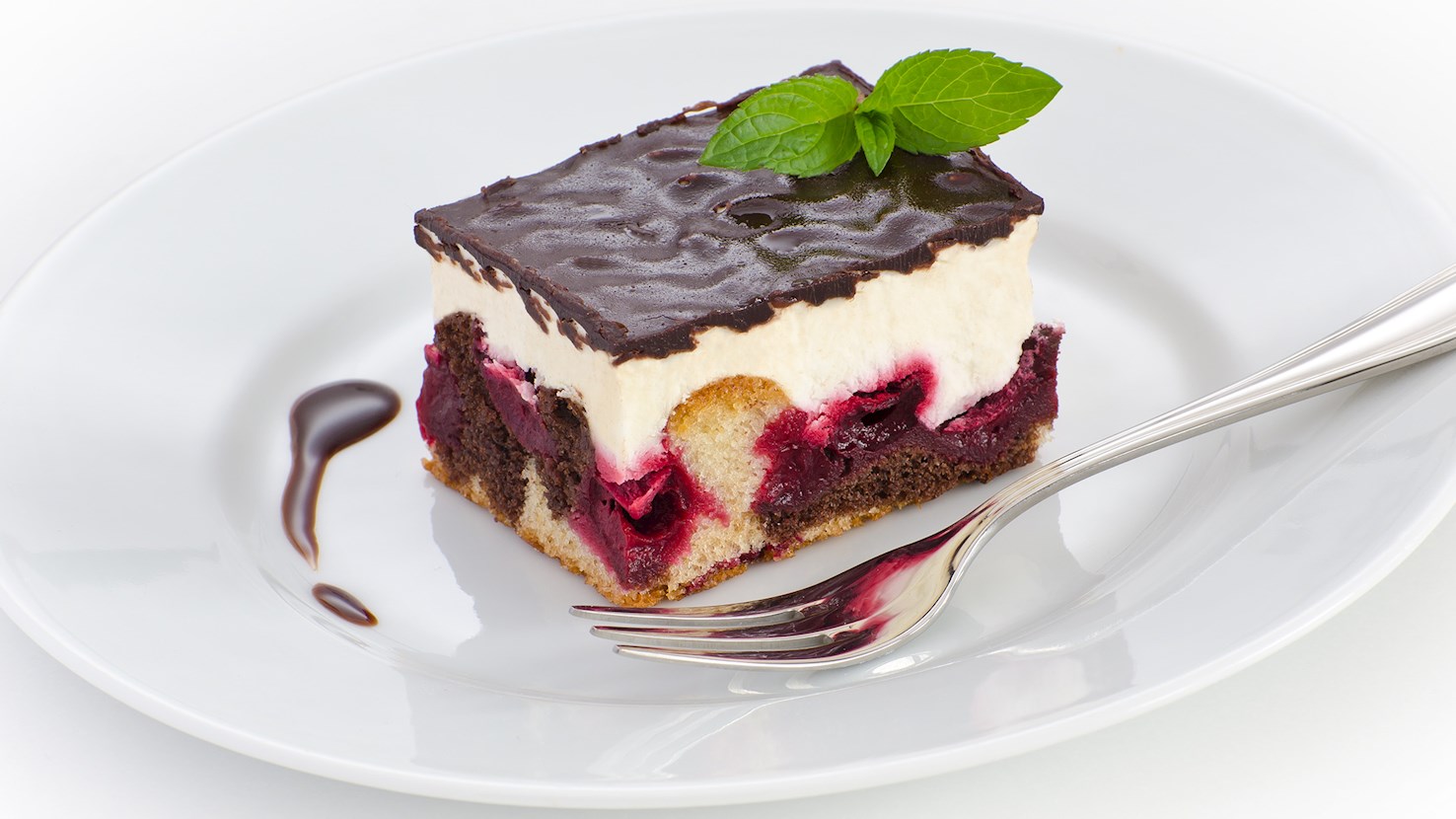
Donauwelle is a German and Austrian sheet cake. It consists of two pound cakes, one on the bottom, flavored with vanilla, and one on top of it, flavored with chocolate. Cherries, buttercream, and chocolate ganache are then added to the top, and as the cake bakes, the tart cherries will fall down through the batter, making a wavy pattern (maybe reminiscent of the Danube river?) in the cross-section of the cake. It's also known as Schneewittchenkuchen and Schneewittchentorte, which means Snow White cake, referring to the colors – black, white, and red.

06

Prügeltorte

3.8 ·

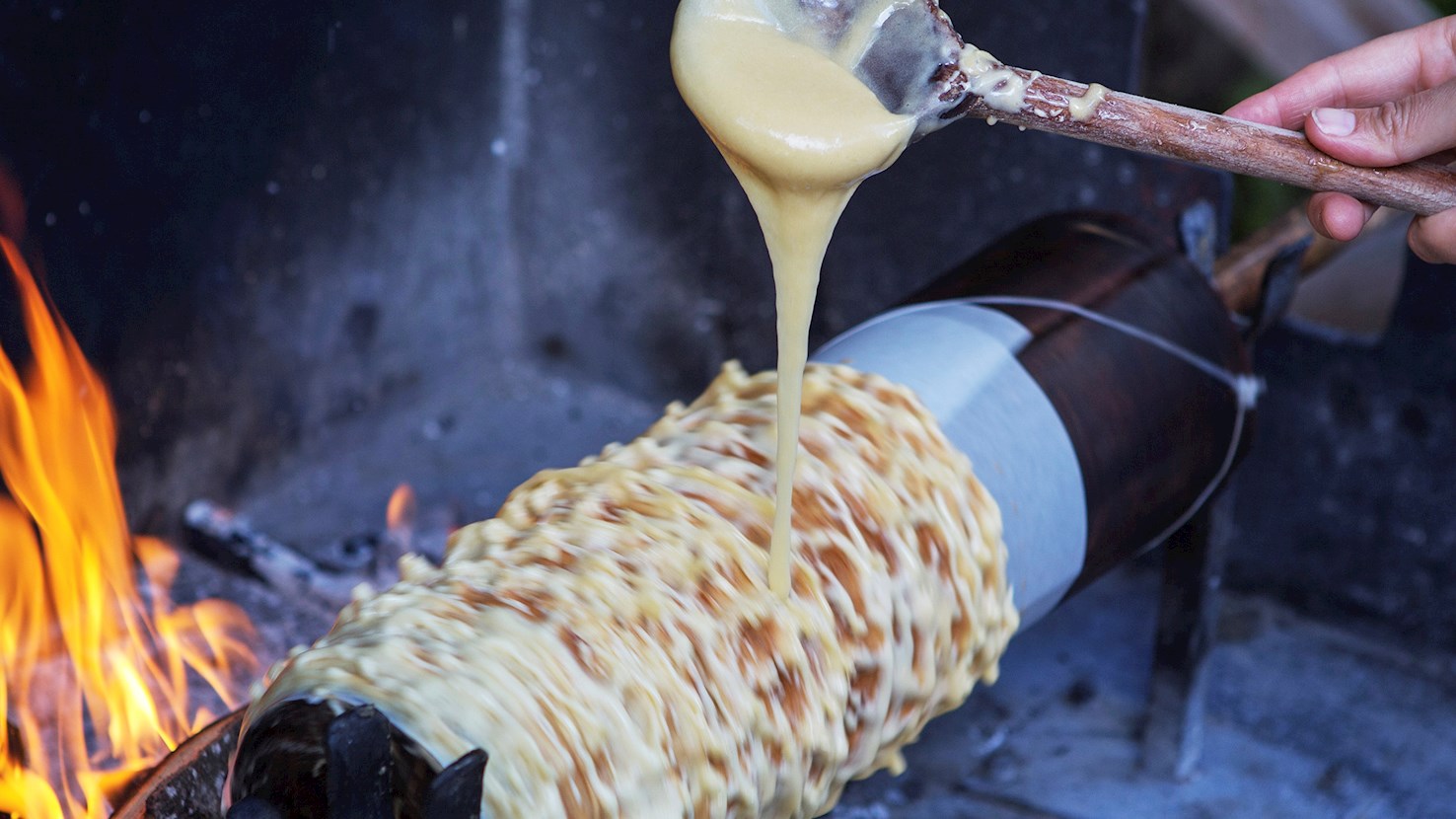
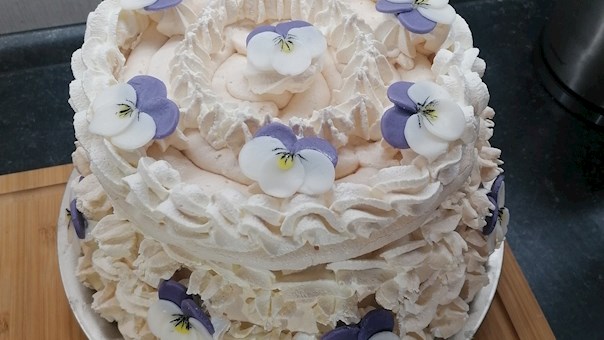
Prügeltorte is a famous Austrian variety of a spit cake that is commonly found at festive events such as christenings, weddings, and Christmas. It is made by pouring liquid dough onto a spit. The dough is made with eggs, butter, sugar, flour, and a bit of lemon zest. Its hollow center can be filled with cream or decorated with flowers, while its sides are sometimes covered in icing. Although prügeltorte has a very long shelf life, it is extremely odor-sensitive. When the late Queen Elisabeth visited Tirol, she was served this royal cake that is also known as the cake of Kings.

07

Topfentorte

3.7 ·

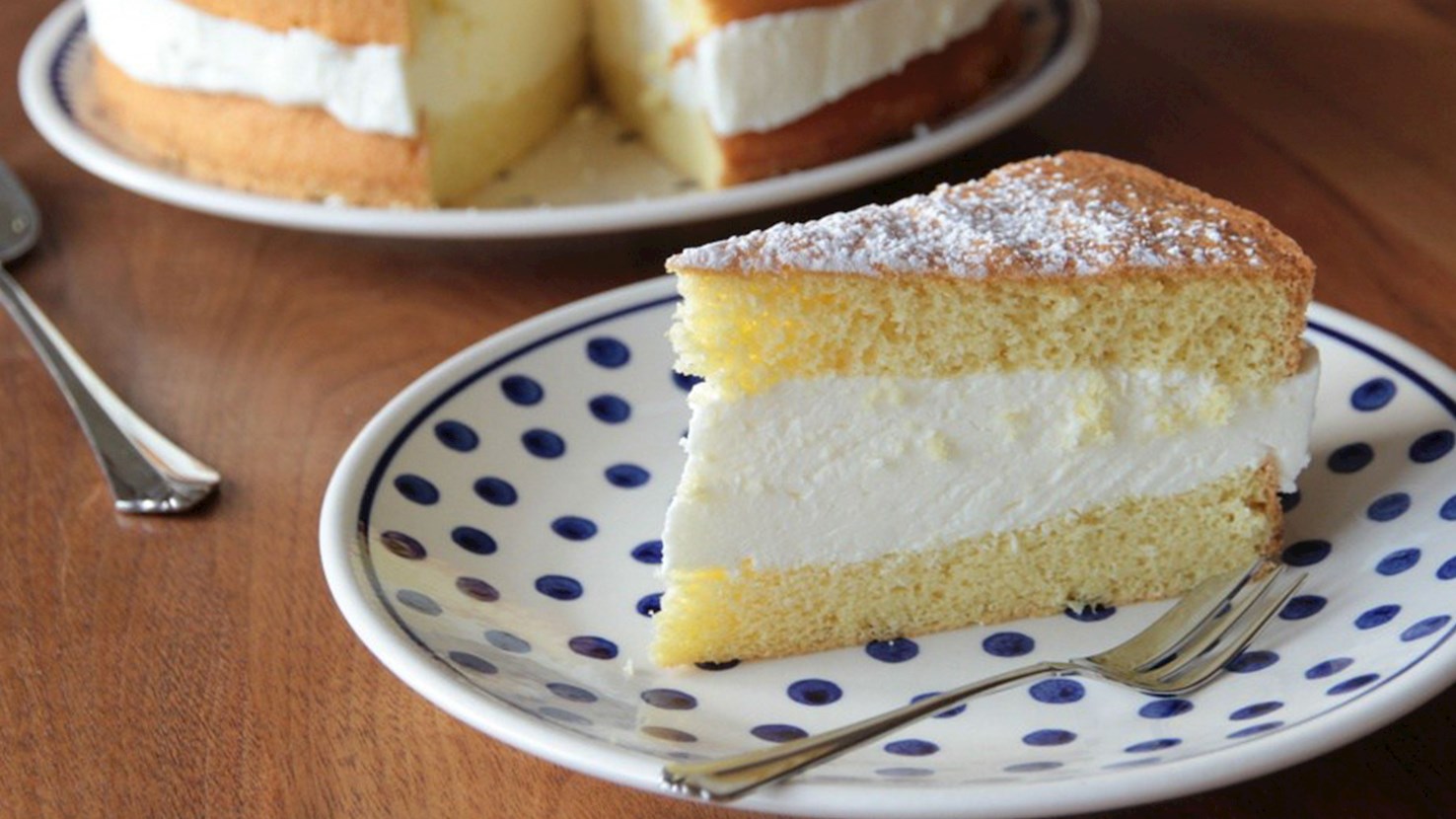
Topfentorte is an Austrian-style cheesecake made with topfen or quark cheese as the main ingredient. Apart from topfen, the cake is made with eggs, sugar, flour, lemon juice and zest, whipping cream, and gelatin. The tangy topfen filling is typically sandwiched between two layers of sponge cake. Once baked, the cake is usually chilled in the fridge before serving. If needed, topfentorte can be dusted with powdered sugar before consumption.

08

Kardinalschnitte

3.7 ·

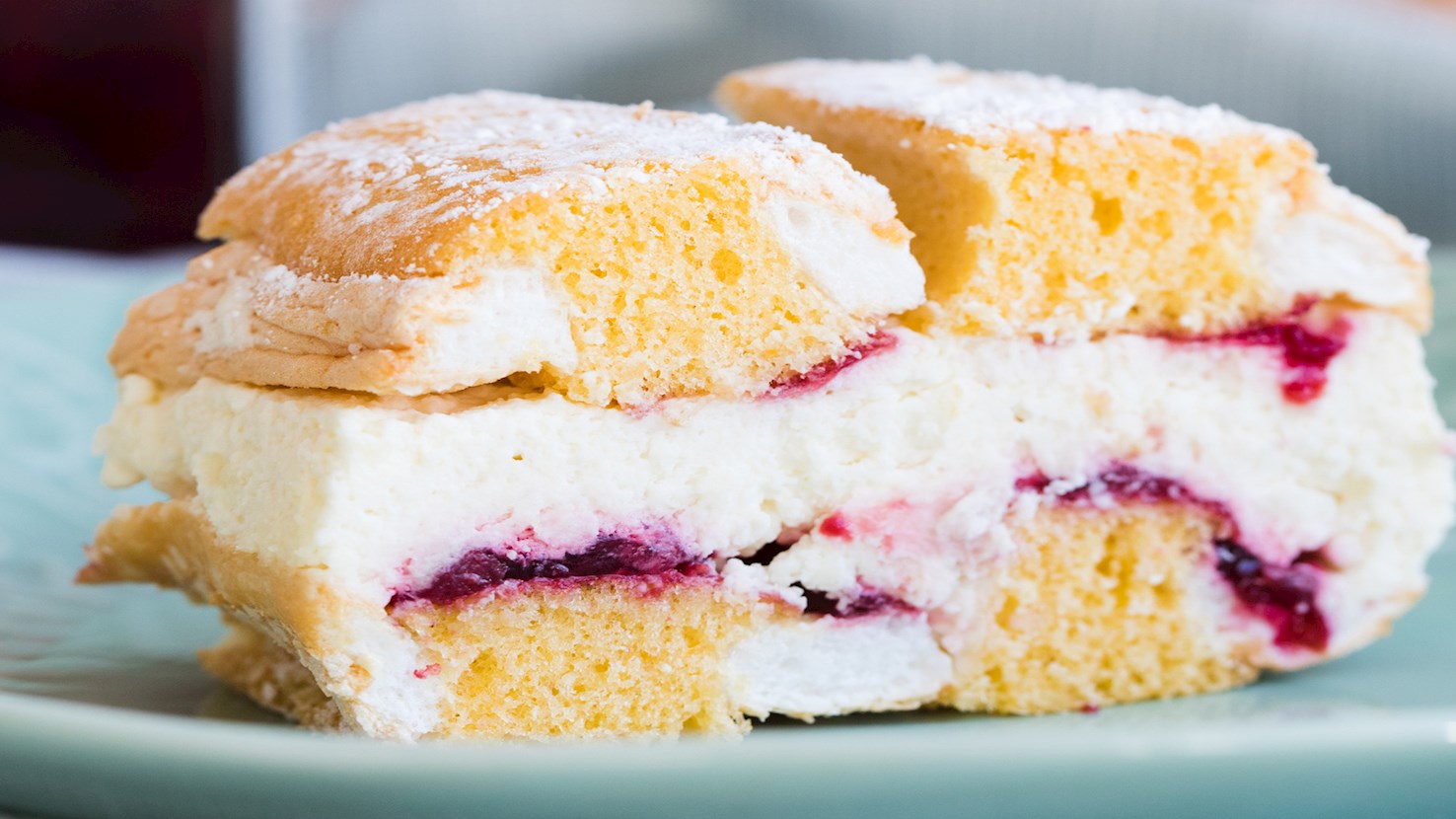
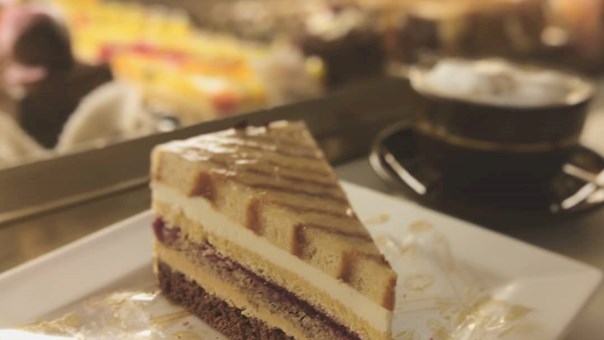
Kardinalschnitte is a layered meringue-based dessert, typically associated with the city of Vienna. Its name, translated as cardinal slice, alludes to the colors of the Catholic church - white and gold - which are the result of the soft meringue and the genoise sponge mixture. The interior is made with a thick cream that is usually flavored with coffee and topped with fresh berries or jam, while the interplaced walls are made with cornmeal batter. The texture of the cake is light and airy, with the slightest crunch on the outer layers. For the best experience, the cake should be dusted with powdered sugar and enjoyed with a glass of sweet wine.

09

Punschkrapfen

3.5 ·

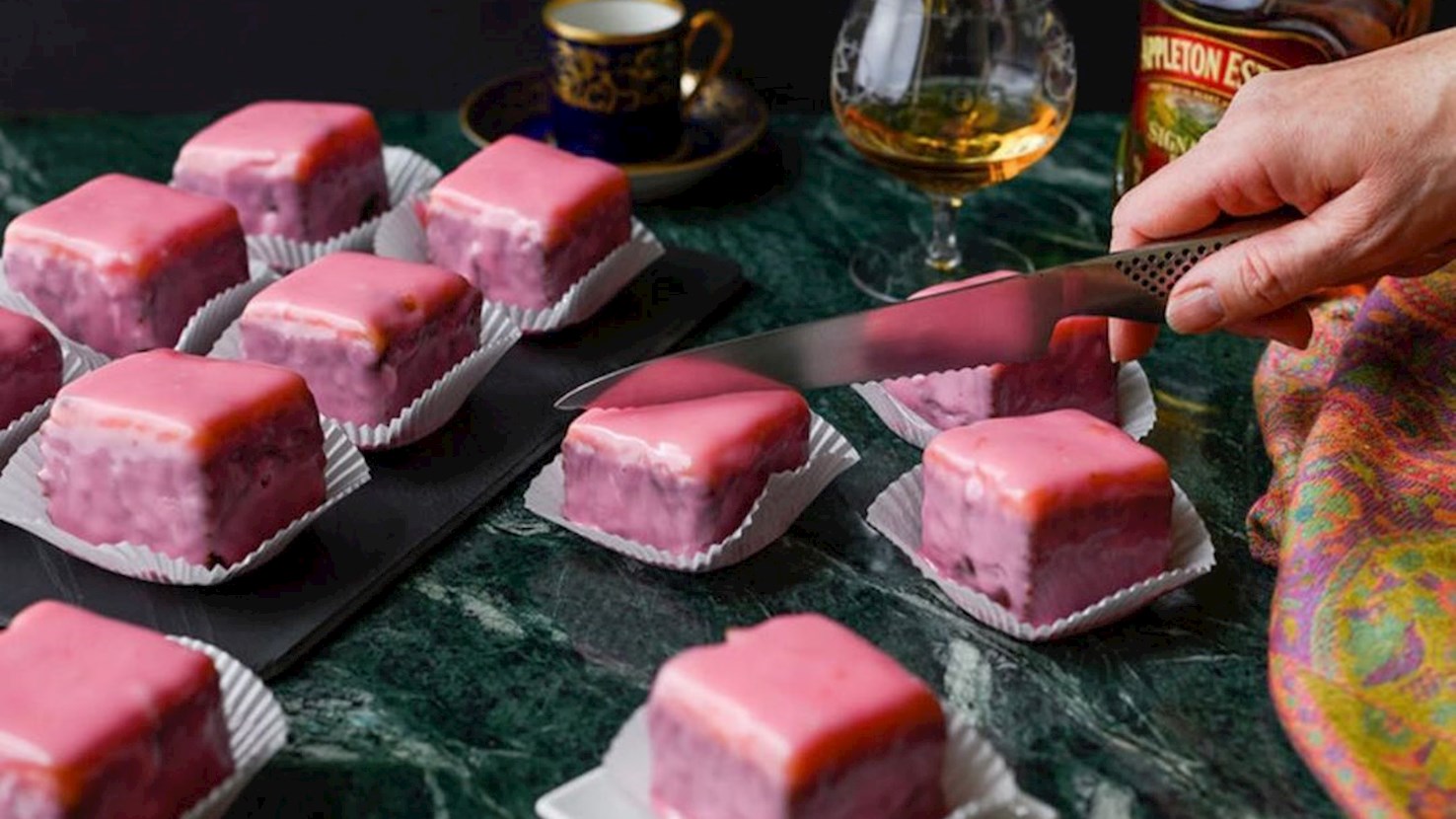
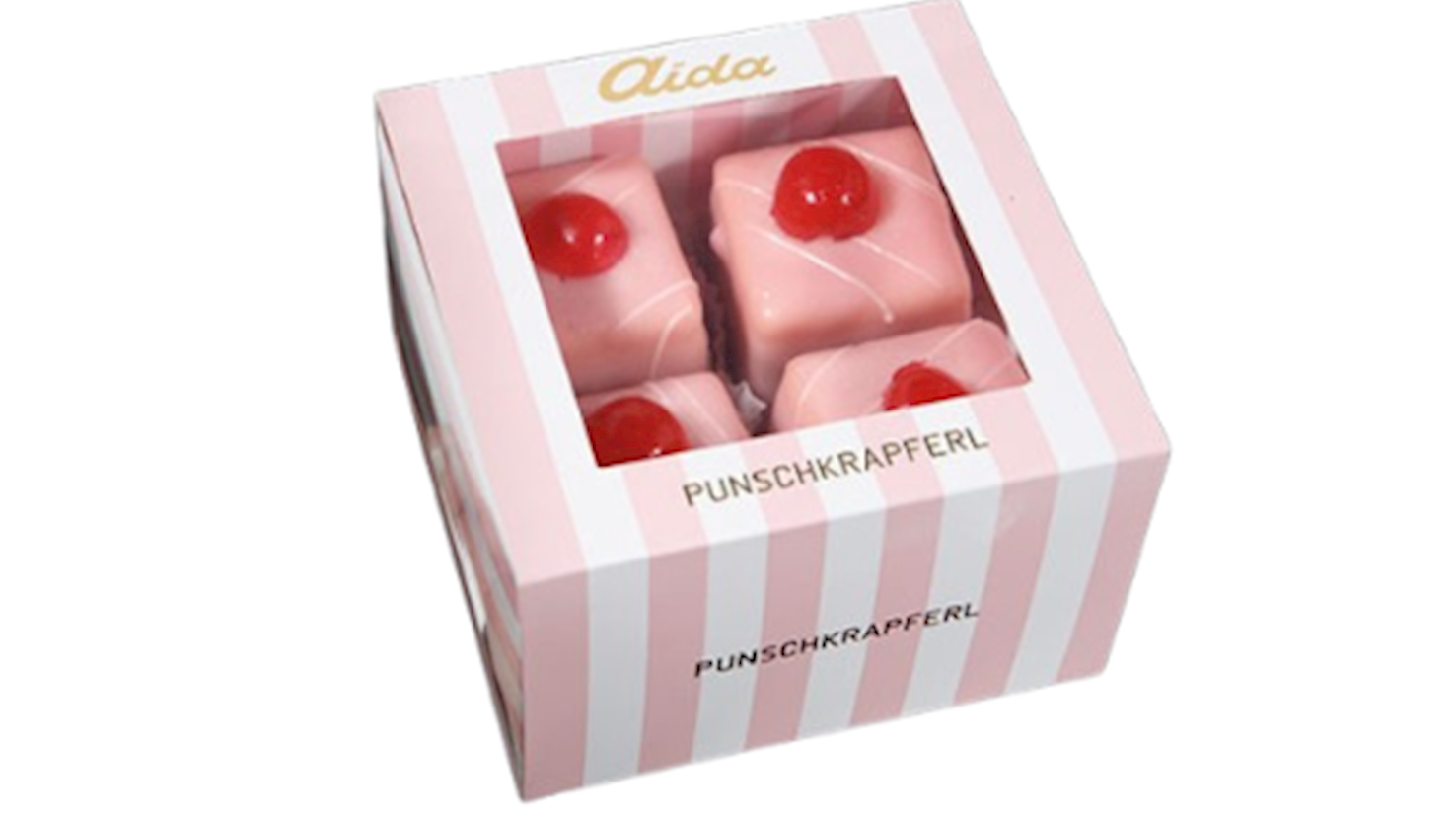
Hiding underneath the adorable pink fondant are cubes made from two rum-soaked biscuit sponges that have been layered with a combination of nougat and jam. Once assembled, they are typically drizzled with chocolate or topped with a cocktail cherry. Punschkrapfen or punch cakes have been enjoyed for centuries in Austria, and although the origins of the cake are still a subject of debate, some believe that they can be traced all the way back to the Middle Ages. Today, these iconic Viennese cakes come in many shapes and sizes and are sold in pastry shops and bakeries throughout Austria.

10

Panama Torte

n/a ·

Panama torte is a traditional chocolate-almond cake originating from Austria. It was invented to commemorate the opening of the Panama Canal in 1914, and usually consists of breadcrumbs, almonds, dark chocolate, eggs, sugar, vanilla extract, butter, almond extract, and blanched and toasted almonds. The yolks are beaten with sugar, chocolate, vanilla, and almond extract. The whites and sugar are beaten into stiff peaks and then folded into the chocolate batter along with the nuts. The batter is spread in a buttered baking pan, baked, and left to cool. The cake is cut in two and layered with chocolate icing in between and on top. The sides of the cake are also frosted with the icing, and then studded with almonds. Before serving, Panama torte should be well chilled.

Read more
View all
View map
About this ranking

TasteAtlas food rankings are based on the ratings of the TasteAtlas audience, with a series of mechanisms that recognize real users and that ignore bot, nationalist or local patriotic ratings, and give additional value to the ratings of users that the system recognizes as knowledgeable. For the “Top 18 Austrian Cakes” list until July 15, 2026, 1,184 ratings were recorded, of which 983 were recognized by the system as legitimate. TasteAtlas Rankings should not be seen as the final global conclusion about food. Their purpose is to promote excellent local foods, instill pride in traditional dishes, and arouse curiosity about dishes you haven’t tried.

The initial list of top producers was compiled based on available reviews, awards, local recommendations, media and blog coverage, and consumer reviews. The list will be updated with ratings from TasteAtlas local ambassadors and TasteAtlas users.

Similar lists