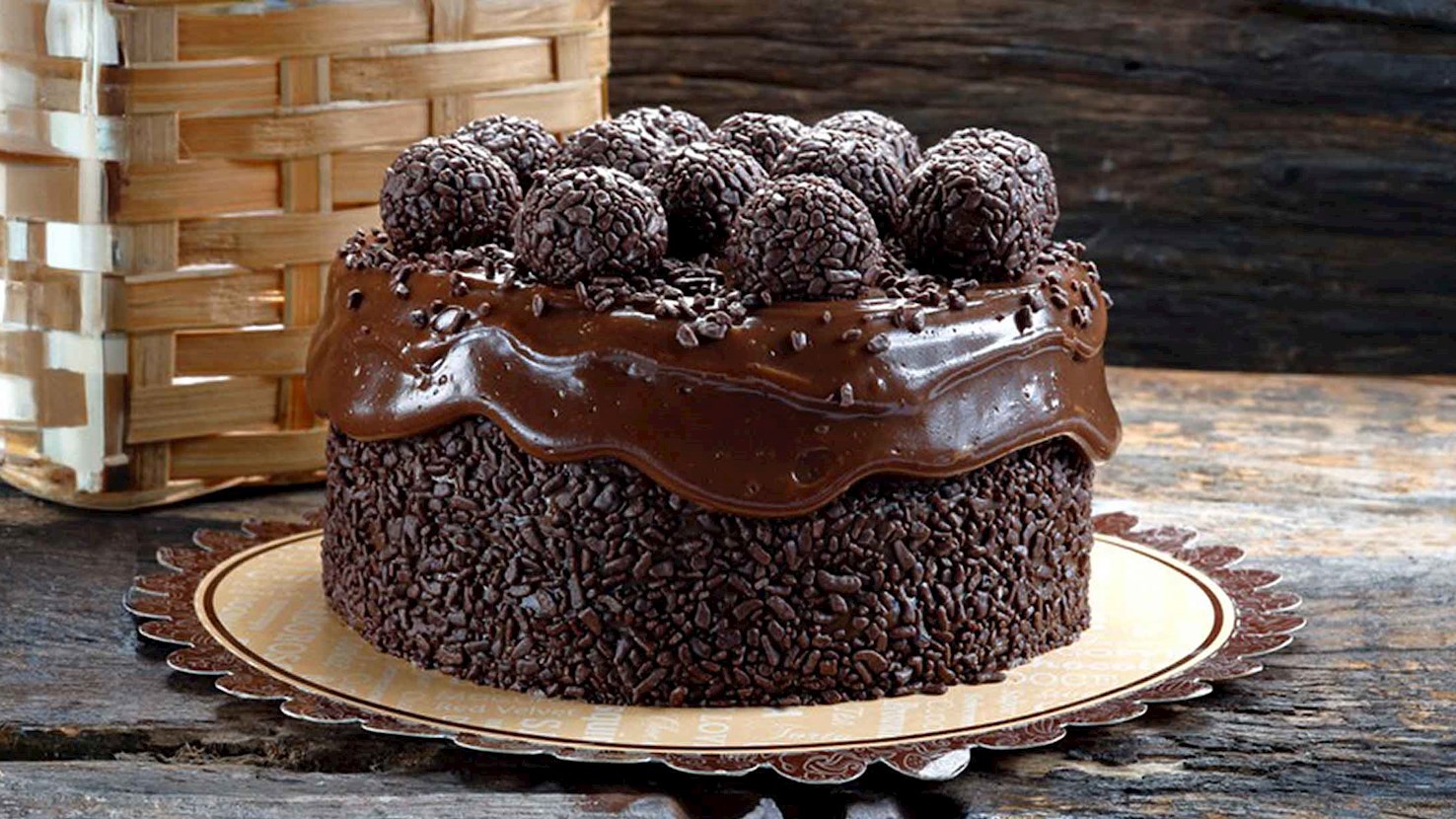
Bolo de brigadeiro is a traditional cake that's a staple at birthday parties. The cake consists of three layers of tender and moist crumb, chocolate cake, and the fudgy brigadeiro filling and frosting that's made with a combination of condensed milk, table cream, margarine, chocolate powder, full fat milk, and cornstarch. The base layer is made with sugar, butter, oil, eggs, vanilla, flour, cocoa powder, baking powder, baking soda, and whole milk. Once assembled and frosted, this cake is decorated with chocolate sprinkles on all sides. Some people also like to decorate this decadent chocolate cake with a few brigadeiro balls on top.
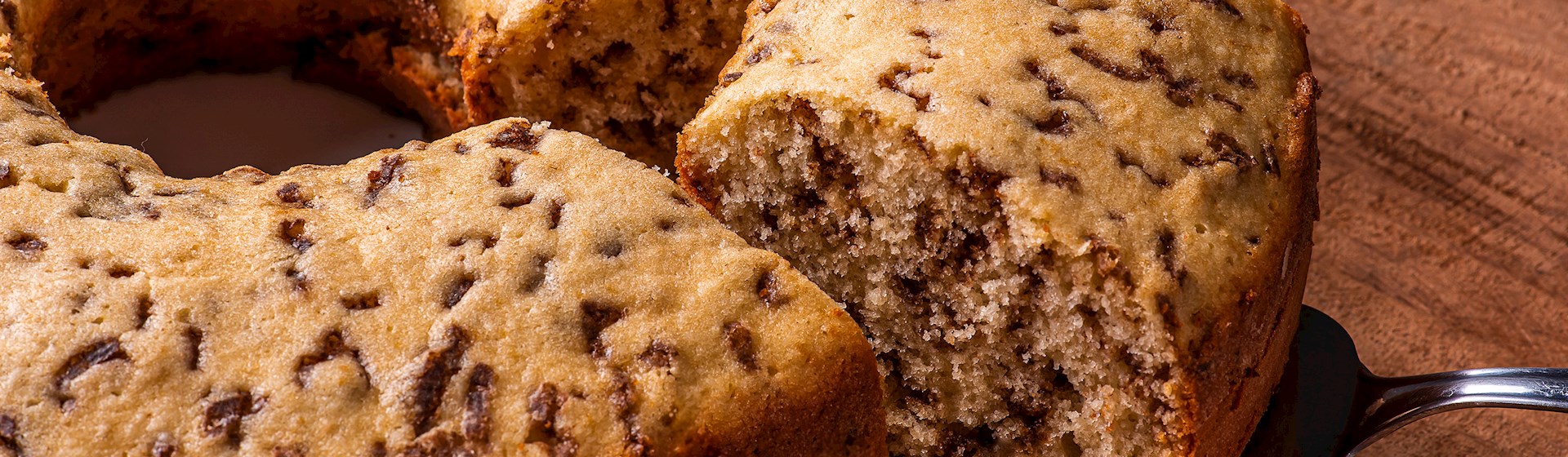
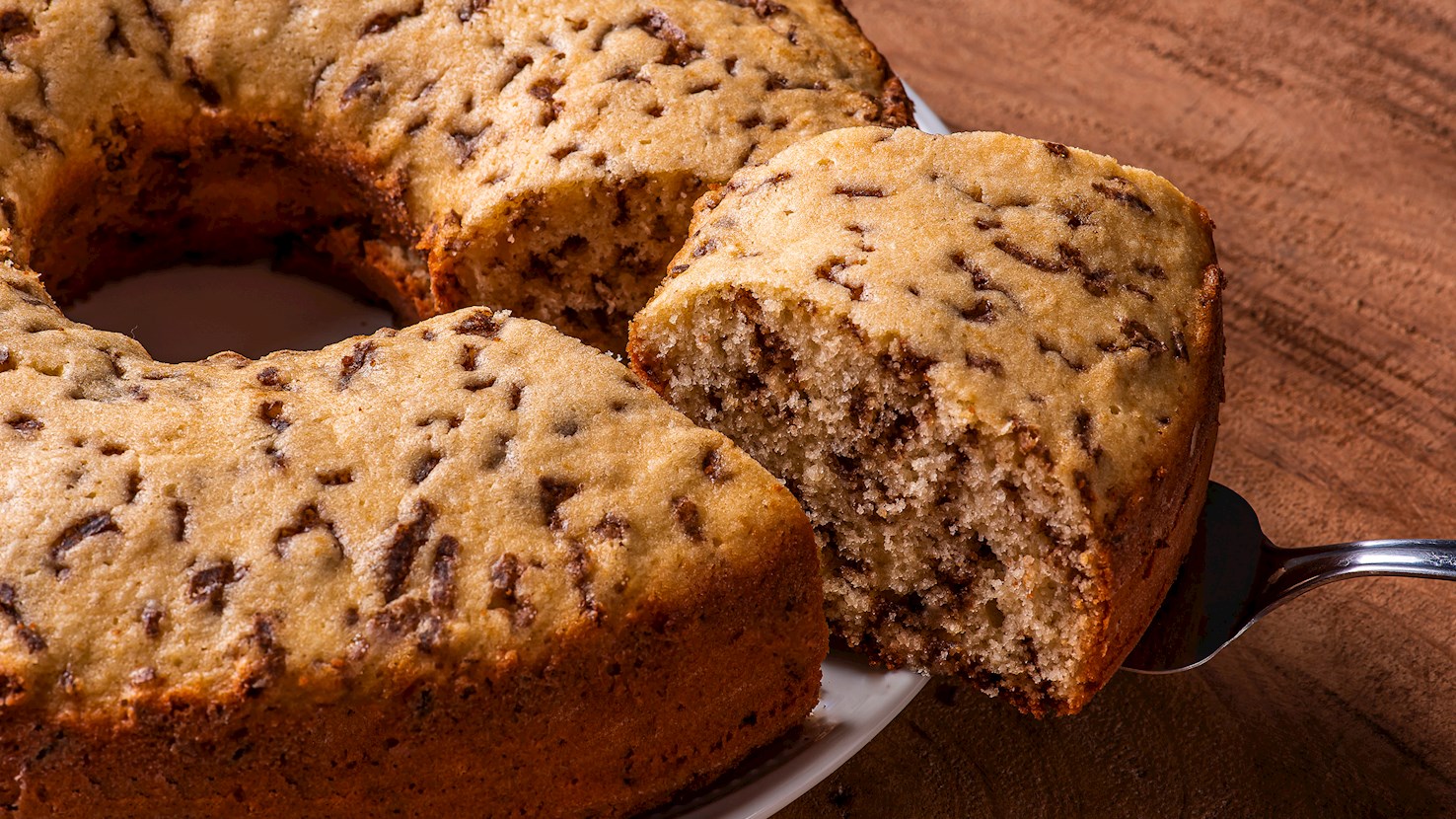
Bolo formigueiro is a traditional cake originating from Brazil. Essentially, it's a sponge cake with chocolate shavings running throughout the dough, hence the name, which means anthill cake. The cake is usually made with a combination of flour, butter, sugar, eggs, milk, vanilla, salt, dark chocolate shavings, and baking powder. The cake is baked until an inserted toothpick comes out clean, and it's then sprinkled with chocolate shavings once it cools down a bit. The cake can also be glazed, if desired. Bolo formigueiro is especially popular during family celebrations and similar festive occasions.
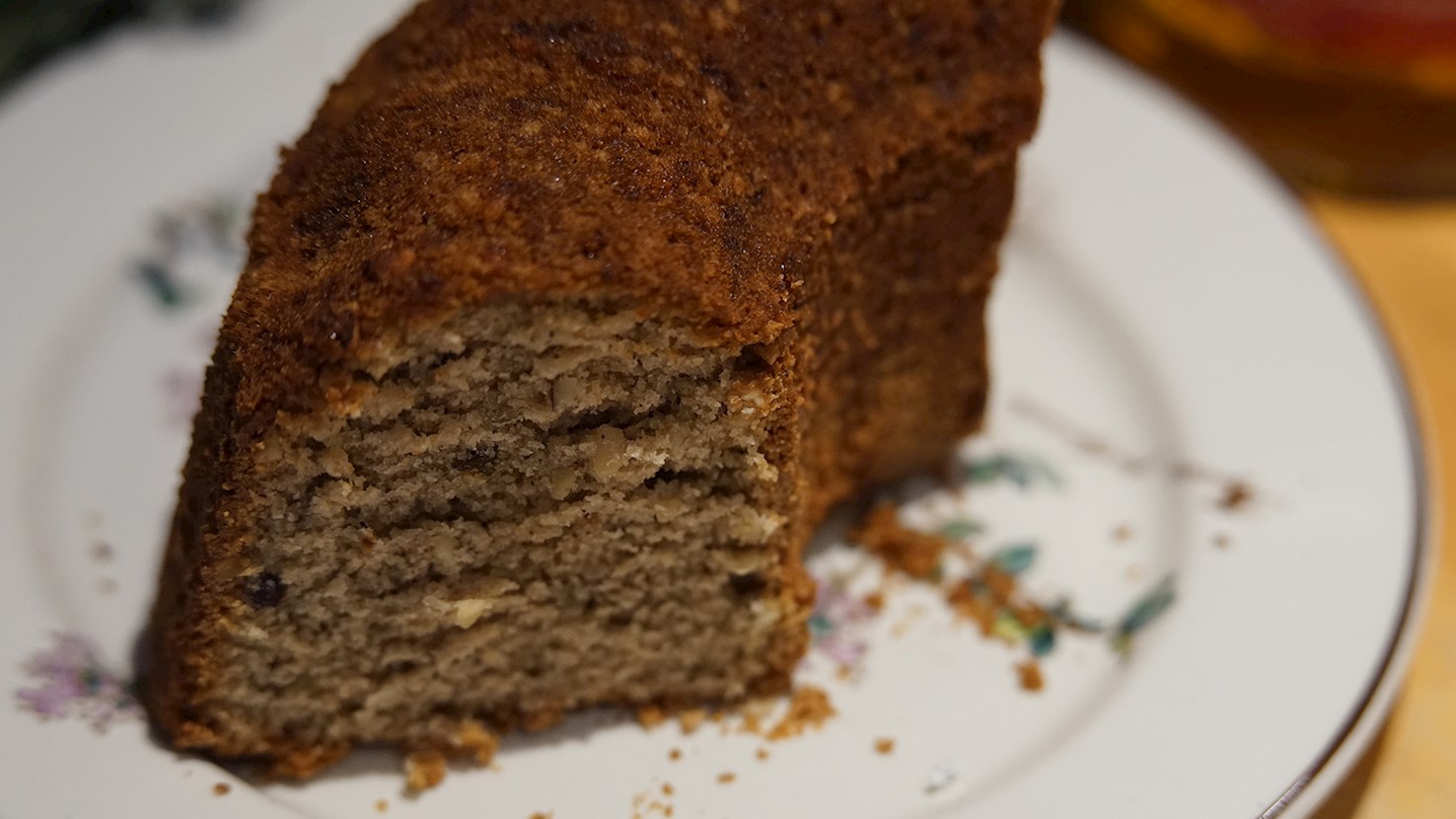
Bolo de bruxa or witch's cake is a traditional cake originating from Brazil. The cake is usually made with a combination of eggs, flour, apples, cinnamon, walnuts, raisins, sugar, salt, oil, baking powder, and baking soda. The apples are grated and mixed with eggs, sugar, salt, oil, and cinnamon. The nuts, raisins, flour, baking powder, and baking soda are stirred into the mixture, and the batter is then poured into a Bundt pan. The cake is baked for about 45 minutes, and it's then unmolded and ready to be enjoyed, ideally with a cup of coffee on the side.
Bijajica is a traditional cookie with indigenous origins, and it's especially popular in Santa Catarina. It's made with a combination of peanuts, cassava, sugar, cloves, fennel, and cinnamon. Traditionally, the Guarani people grind the peanuts in wooden pestles and dry the cassava in tipiti, a braided straw vessel. After the ingredients have been mixed together, the concoction is wrapped in banana leaves and steamed or roasted over flames.
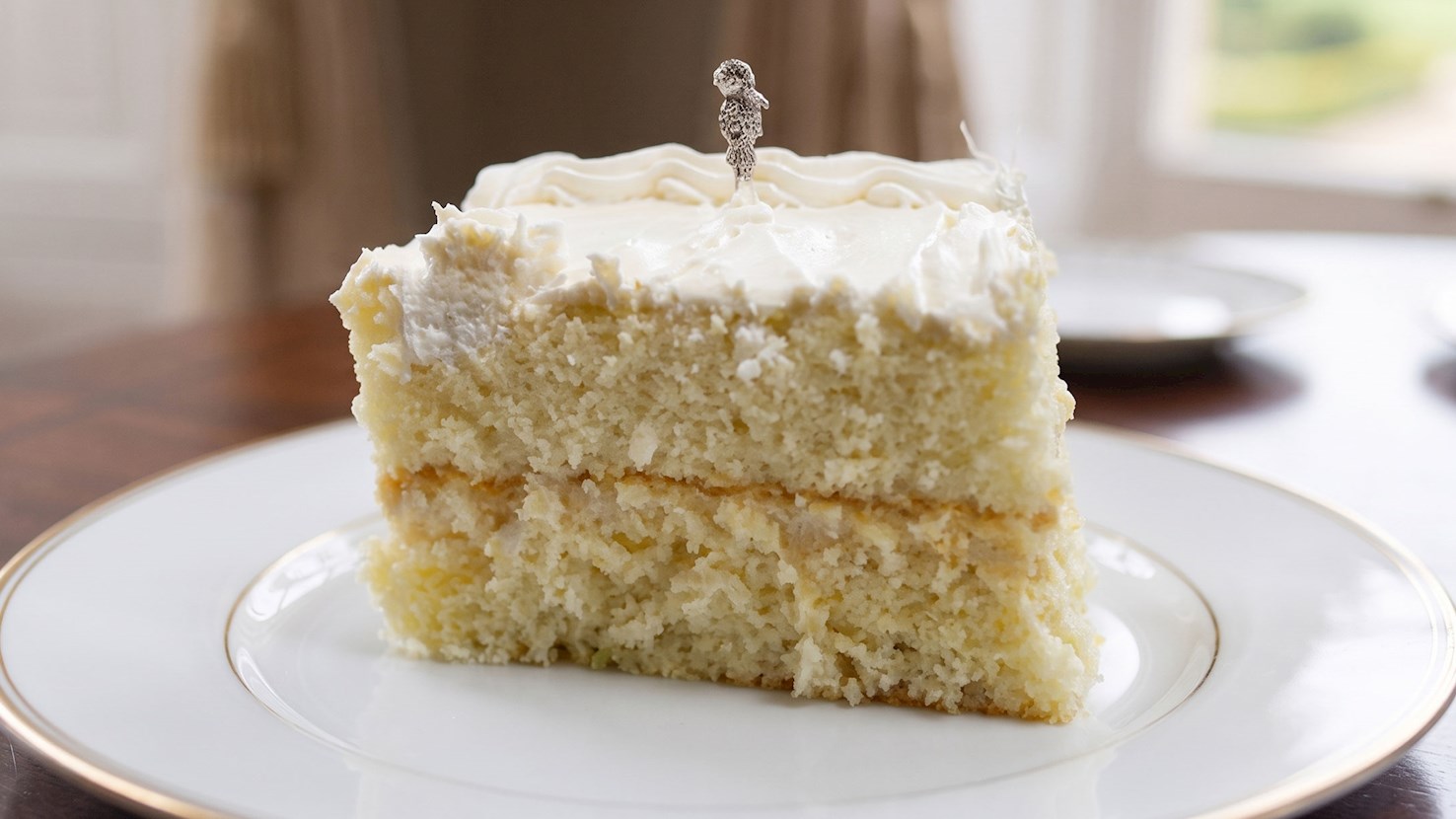
Bolo de Santo Antônio is a traditional Brazilian celebration cake baked specifically for the June 13th feast of Saint Anthony, serving less as a strict, everyday dessert and more as an elaborate, edible matchmaking ritual. Saint Anthony is heavily venerated in Brazil as the santo casamenteiro (the matchmaking saint), and the defining characteristic of this dessert is that bakers intentionally hide a small, symbolic object—traditionally a tiny zinc medal of the saint or a miniature ring—directly into the batter before it goes into the oven. According to widespread folklore, the unmarried person who receives the slice containing the hidden object is guaranteed to find a spouse within the year. While the cake's primary function is to conceal this token and be distributed among crowds at Festa Junina gatherings, the authentic culinary architecture of the dessert is surprisingly delicate. The traditional iteration relies on a refined, nutty foundation made from finely ground Brazil nuts (castanha-do-pará)—or frequently, roasted peanuts—blended with butter, wheat flour, milk, and a fragrant touch of vanilla essence. To achieve its signature texture, bakers carefully fold stiffly whipped egg whites (claras em neve) into the batter at the very end, creating a crumb that is light and airy, yet miraculously structured enough to suspend its hidden metal treasure during the bake. In modern urban centers like São Paulo and Curitiba, the tradition has been supersized by local parishes into massive, block-long commercial cakes layered heavily with sweet fillings like doce de leite, weighing thousands of pounds, and distributed to lines of thousands of hopeful devotees.
Brazilian cobu (frequently spelled cubu and sometimes affectionately referred to regionally as pau a pique or joão deitado) is a sweet cornmeal cake, defined by being enveloped and baked entirely inside fresh, charred banana leaves. Emerging from the rugged, mountainous interior of the state of Minas Gerais—specifically tracing its origins to the municipality of Gouveia, which proudly bills itself as the "land of cobu"—this dessert has a texture that sits somewhere between a sturdy cornbread, a dense steamed pudding, and a rich, spiced biscuit, designed to be broken apart by hand and consumed alongside a scalding cup of black, unfiltered farm coffee. Initially developed by enslaved African people—specifically from the Mina and Cobu nations working in the diamond- and gold-rich regions of Minas Gerais—the earliest iterations of the dish were tough, pragmatic survival rations made solely of indigenous cornmeal (fubá) and dark sugarcane molasses, roasted directly over an open fire. However, as the centuries progressed, the recipe absorbed the dairy-rich bounty of the surrounding Minas Gerais farmlands. Today, the foundational cornmeal and raw, unrefined sugar (rapadura) are enriched with luxurious, locally sourced additions: heavy dollops of coalhada (a traditional, slightly tart, curdled milk), generous amounts of sharp, salty local cheese, and copious amounts of butter or pork fat. This dense paste is then perfumed with a fragrant, warming blend of whole cloves and ground cinnamon, creating a complex sweet-and-savory flavor profile that is immediately identifiable to anyone raised in the Brazilian interior. The heavy, spiced batter is never poured into a metal tin; instead, it is meticulously spooned into the center of large, freshly cut banana leaves that have been briefly passed over an open flame to render them pliable. The leaves are folded securely around the batter to form tight, rectangular parcels, which are then traditionally slid into the blistering heat of a domed, wood-fired clay oven. As the parcel bakes, a magical transformation occurs: the banana leaf effectively steams the cake from the inside out, trapping every ounce of moisture while simultaneously infusing the cornmeal with a distinct, smoky, and intensely herbal aroma that no modern baking pan could ever replicate. Upon opening the charred, steaming green wrapper, the resulting pastry boasts a beautifully irregular, caramelized surface and a soft, chewy interior.
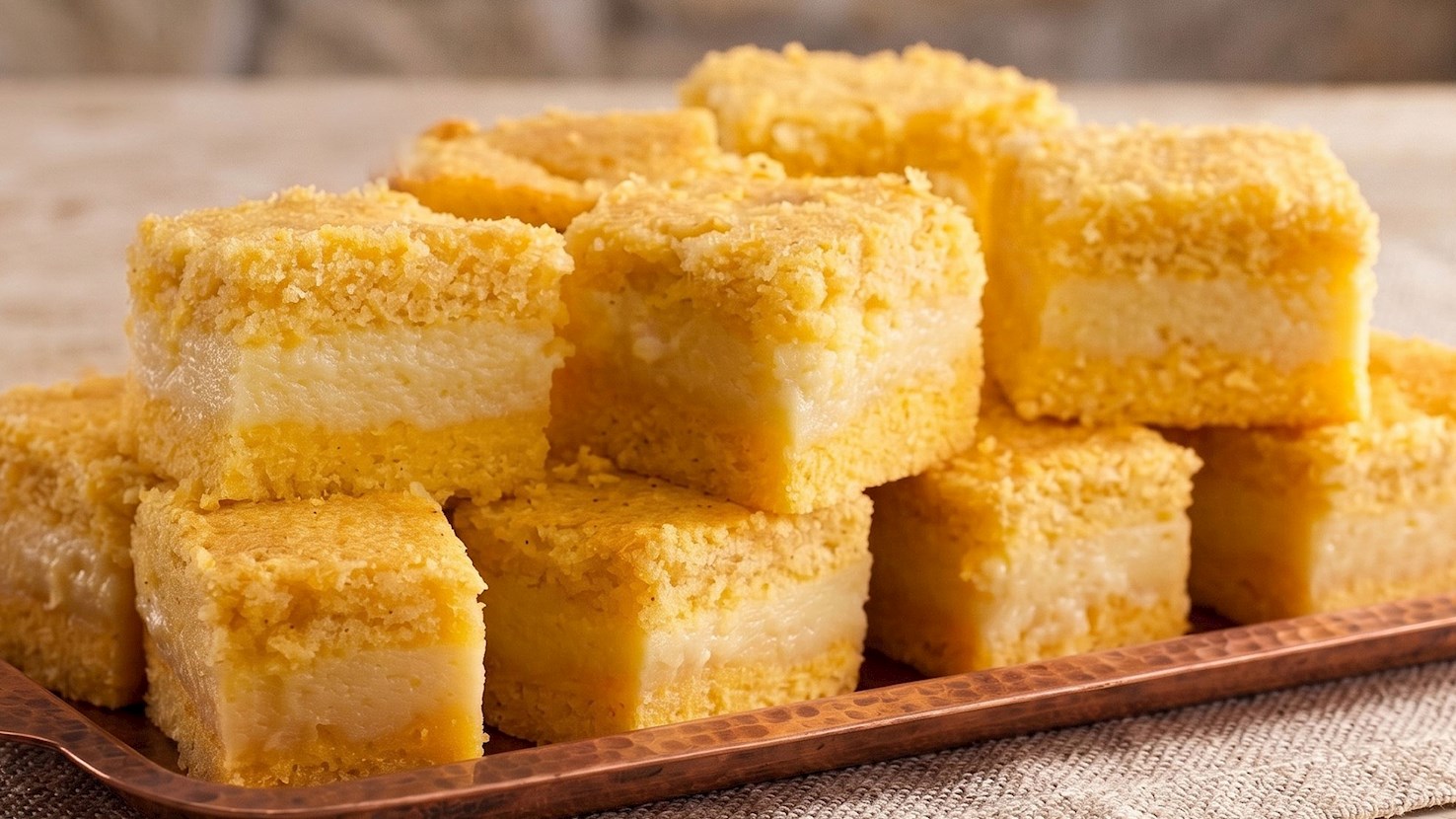
Bolo de fubá cremoso is a Brazilian dessert in which a surprisingly watery cornmeal batter is formed into three perfectly distinct textural layers during baking. Originating in the rural farmhouses of Gerais and the southeastern Brazilian countryside, this cake is an opulent, custard-heavy evolution of the country's standard cornmeal pound cake. While the everyday version is a sturdy, crumbly bake designed to be dunked into hot beverages, the cremoso variation is a hybrid that sits somewhere between a rustic flan, a dense pudding, and a traditional sponge. The secret to this architectural marvel lies in its intentionally broken baking ratios: the batter demands an astonishing volume of milk and eggs, heavily fortified with a generous handful of sharp, salty grated cheese—typically queijo coalho or a half-cured queijo Minas—while utilizing barely enough fine cornmeal (fubá) and wheat flour to hold the mixture together. When this unctuous, milk-heavy liquid is poured into a pan and baked in the oven, a beautiful physical separation naturally occurs. The heaviest component—the hydrated cornmeal—sinks to the bottom, forming a dense, slightly chewy, and beautifully caramelized foundation. In the middle, the massive quantities of milk, sugar, and cheese coagulate slowly, creating a thick, velvety, and intensely rich custard center that jiggles slightly when the pan is moved. Meanwhile, the lighter elements of the batter, specifically the aerated eggs and the trace amounts of wheat flour, rise to the absolute top to bake into a thin, delicate, golden-brown sponge crust. The inclusion of the sharp cheese is the brilliant anchor of the entire flavor profile, providing a distinct, savory counterpoint that cuts directly through the aggressive sweetness of the custard and the earthy, sweet notes of the corn base. This elaborate creation must be allowed to cool completely—and is often deliberately chilled in the refrigerator—to allow the delicate central custard layer to fully set and firm up. Sliced into hefty, cool squares, the resulting bite offers a delicate top crust, a meltingly soft, sweet-and-salty center, and a sturdy corn base.
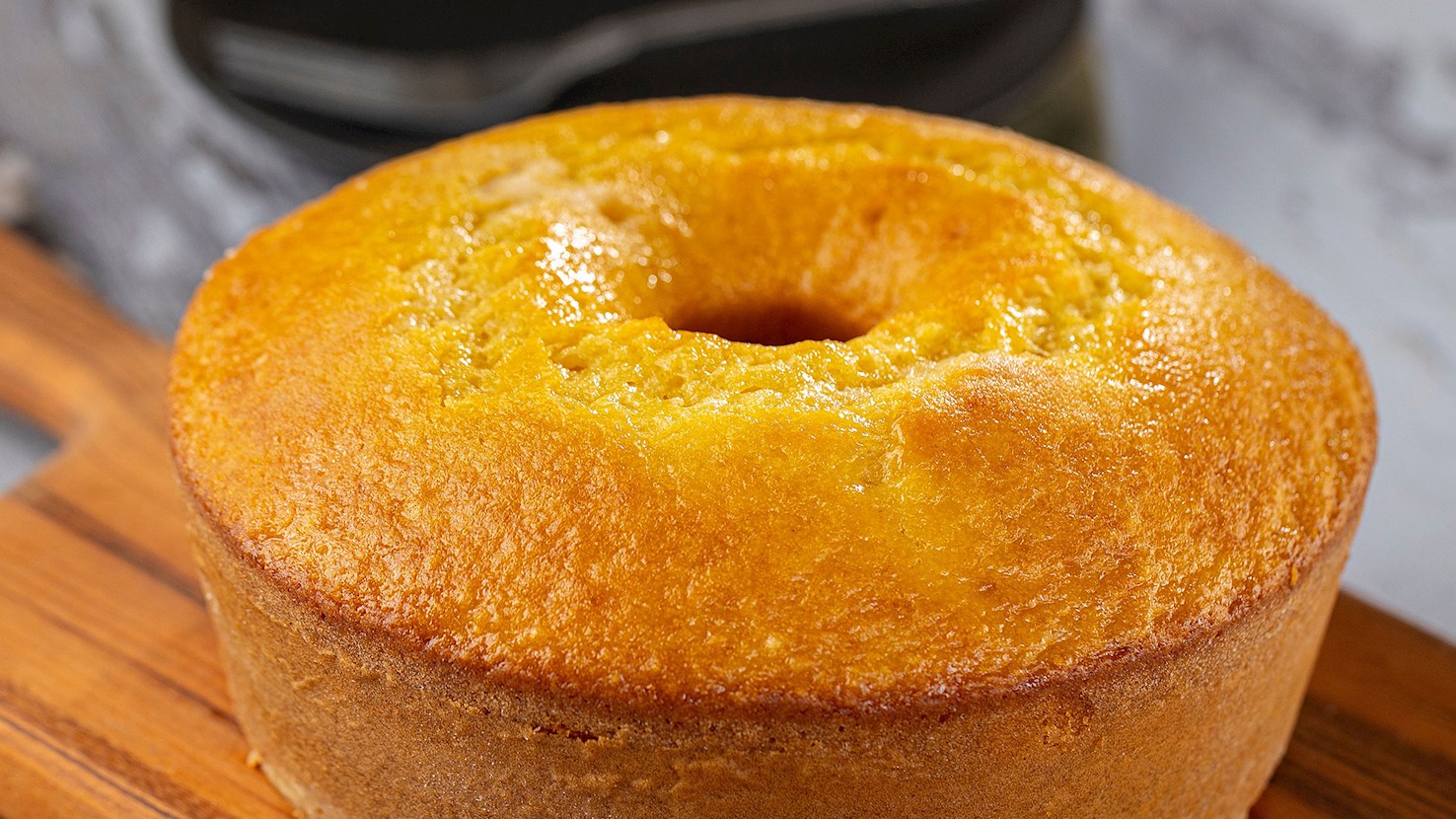
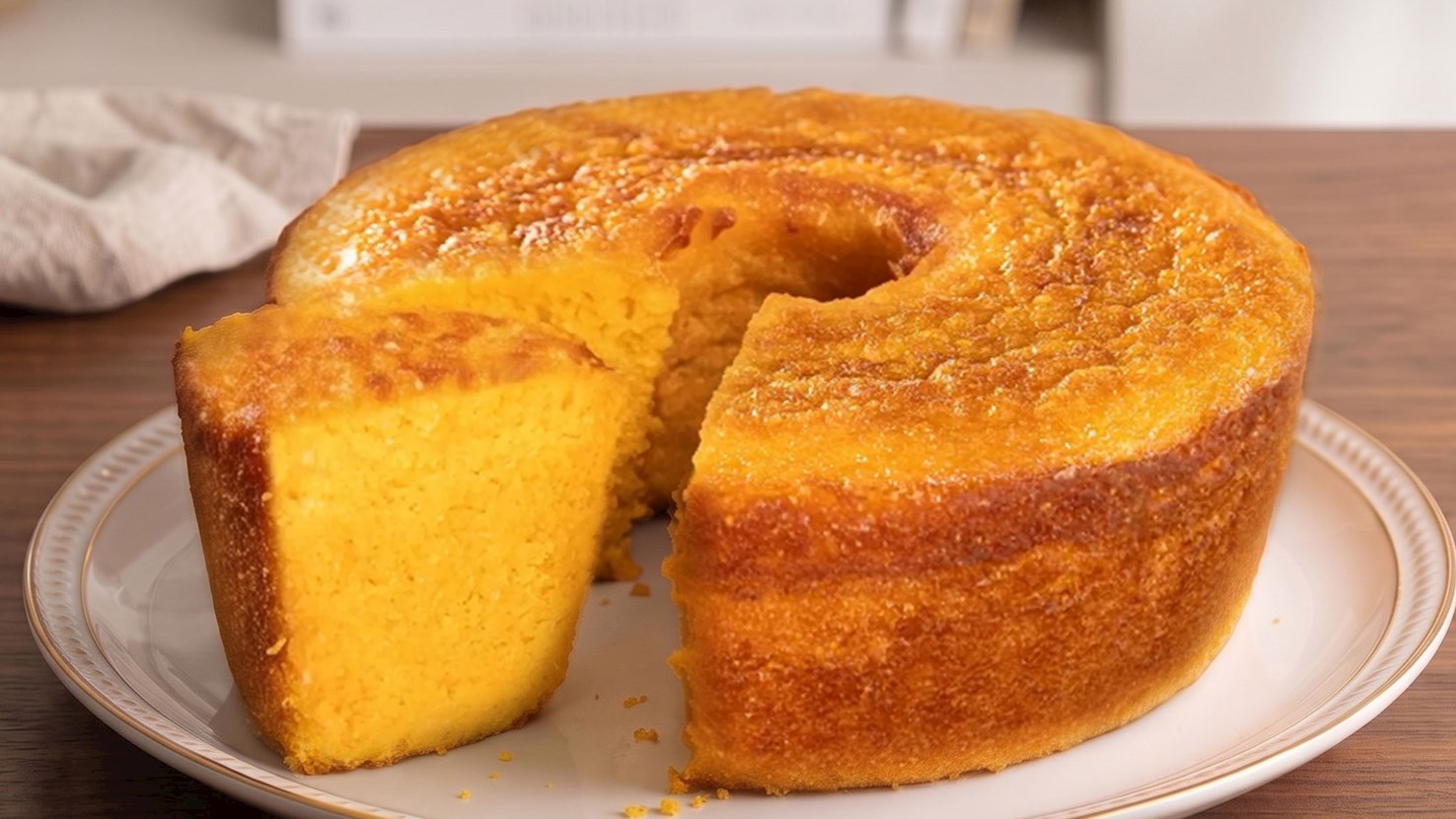
Bolo de fubá is a vibrantly yellow, beautifully unpretentious Brazilian pound cake made primarily from fine cornmeal, standing as the absolute, undisputed king of the country's afternoon coffee tables. It is a humble, everyday masterpiece rooted directly in the colonial history of Minas Gerais and the vast rural interiors of Brazil. Bolo de fubá emerged from an era when refined European wheat flour was scarce and exorbitant, prompting ingenious domestic cooks to turn to indigenous corn—milled into a fine, powdery meal known as fubá—to craft their daily sweets. The architecture of this cake relies on a rich, straightforward emulsion of eggs, milk, sugar, and oil, yielding a texture that is distinctly different from a standard sponge, where it is simultaneously dense and incredibly tender, with a moist, slightly granular crumb that practically melts on the tongue. The cake is almost universally perfumed with a generous scattering of whole fennel seeds (erva-doce). These seeds provide a sharp, herbal, almost licorice-like counterpoint to the deep, earthy sweetness of the corn, creating a flavor that Brazilians can immediately identify blindfolded. Traditionally baked in a classic ring pan to ensure an even bake and a beautifully caramelized, golden-brown crust, the cake is fiercely protected in its simplicity, though brilliant regional variations exist. The most famous is the bolo de fubá cremoso, which deliberately disrupts the ratio by incorporating massive quantities of liquid and sharp local cheese, causing the cake to magically separate in the oven into three distinct textures: a firm base, a gooey, custard-like center, and a soft top. Ultimately, regardless of the variation, bolo de fubá is never intended to be a grand dessert following a heavy dinner; it is functionally and spiritually designed for the café da tarde. It is sliced into a thick, still-steaming wedge and dunked into a freshly brewed, scalding hot cup of heavily sweetened black coffee.
Bolo de São Pedro (St. Peter's cake) is a robust, heavily spiced, and incredibly dense Brazilian celebration cake baked almost exclusively during the massive, fire-lit Festas Juninas (June Festivals) to honor Saint Peter, the patron saint of fishermen and widows, whose feast day marks the final crescendo of the month-long winter festivities. It is a rugged, deeply agrarian dessert built entirely around the staples of the rural winter harvest, completely eschewing refined white wheat flour in favor of a heavy, textured foundation of coarse cornmeal (fubá) or grated cassava. This starchy base ensures a dense, moist, and intentionally grainy crumb. The dense corn or cassava batter is heavily spiked with warming spices—massive quantities of cinnamon, cloves, and occasionally fennel seeds—which immediately fill the kitchen with the distinct, sweet-and-spicy aroma that Brazilians universally associate with June. To provide a textural contrast against the crumb, bakers fold in generous handfuls of grated fresh coconut or sharp, salty local cheese (like queijo coalho or queijo minas). The cake is typically baked in a massive, ring-shaped bundt pan until the exterior forms a deeply caramelized, almost crunchy crust. Once pulled from the oven, it is rarely frosted or glazed. On the night of June 29th, as the final bonfires of the season are lit, massive wedges of the Bolo de São Pedro are handed out to the crowds, invariably washed down with steaming mugs of quentão (a potent, boiling mixture of cachaça, ginger, and spices) or vinho quente (mulled wine).
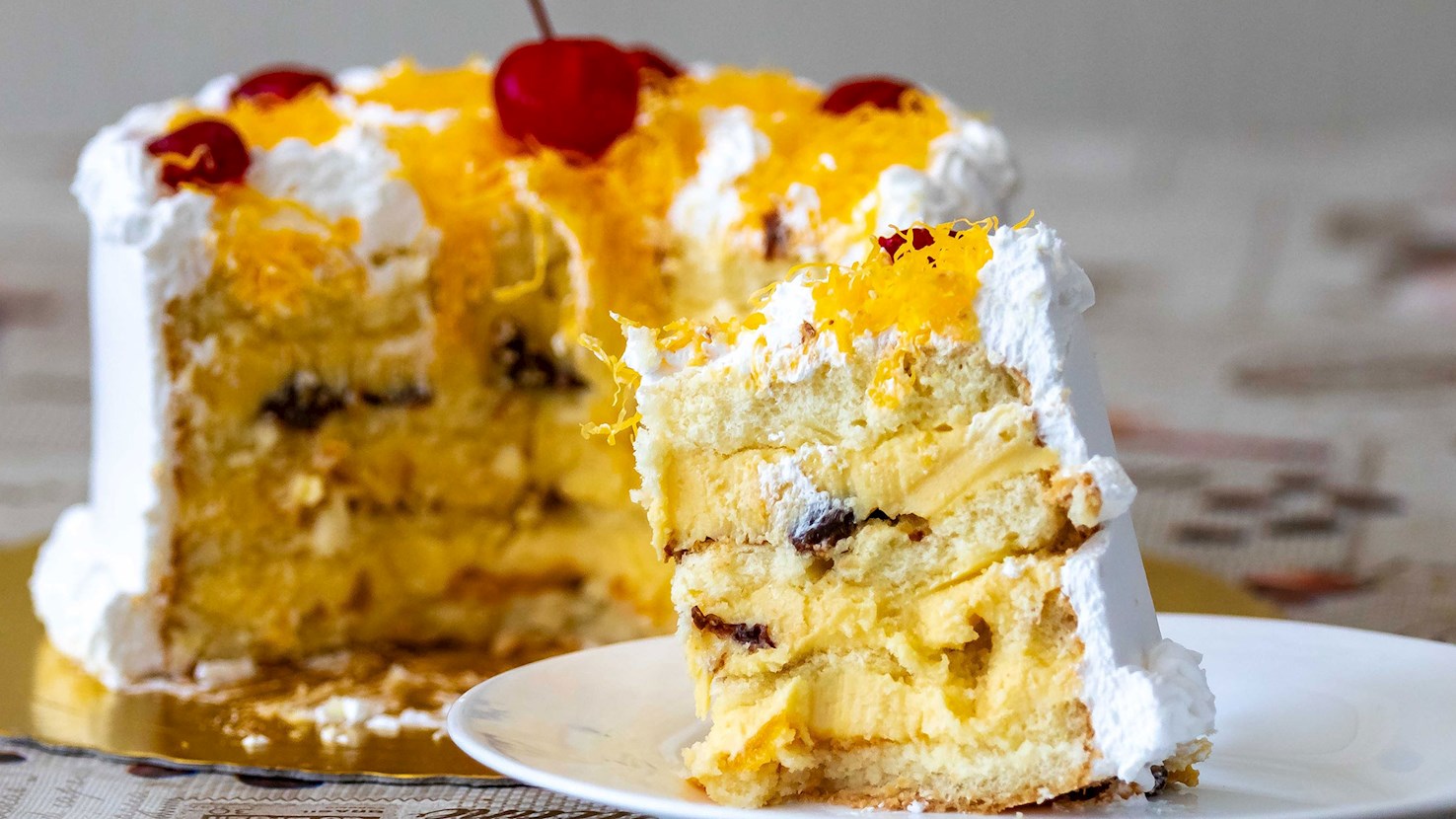
Marta Rocha, also known as Bolo Marta Rocha, is a complex, multi-layered sponge cake originating from the state of Paraná. It is defined by its substantial height and a structured internal composition consisting of alternating layers of vanilla and chocolate sponge cake, egg-yolk cream, crushed nut praline, and a distinct layer of baked meringue. The ca was developed in the city of Curitiba during the mid-1950s by Dair da Costa Terzado, a local confectioner. Its creation served as a tribute to Maria Martha Hacker Rocha, the first winner of the Miss Brazil pageant in 1954, who famously lost the Miss Universe title that same year. Preparation requires the separate baking of two distinct sponge cakes (pão de ló): one flavored with vanilla and the other with cocoa powder. Between these bases, several specific fillings are integrated. The first is baba de moça, a dense, velvety cream made from egg yolks, sugar syrup, and coconut milk, which reflects the Portuguese influence on Brazilian confectionery. A second layer consists of a crunchy nut brittle, typically made by caramelizing granulated sugar and incorporating chopped walnuts. A unique structural element is the inclusion of a whole disc of baked meringue (suspiro), which provides a dry, airy contrast to the moist cake layers.A unique characteristic of the cake is its height, which was designed to represent the "two extra inches" on the hips of Martha Rocha that reportedly cost her the Miss Universe crown in a tie-breaker with Miss USA. To maintain this vertical stability, the cake is often assembled within an acetate collar and chilled for several hours before the final exterior coating of whipped cream is applied. The topping is frequently finished with fios de ovos (delicate, golden threads of egg yolk cooked in sugar syrup) and additional walnut halves. Marta Rocha is served at room temperature or slightly chilled and is a staple of celebratory events, particularly weddings and birthday parties in Southern Brazil. It is most frequently paired with a strong espresso or a cafezinho, as the bitterness of the coffee balances the high sugar concentration of the meringue and egg cream. In formal settings, it is also paired with Espumante, a Brazilian sparkling wine, which provides the necessary acidity to cut through the richness of the walnut praline and whipped cream.
TasteAtlas food rankings are based on the ratings of the TasteAtlas audience, with a series of mechanisms that recognize real users and that ignore bot,
nationalist or local patriotic ratings, and give additional value to the ratings of users that the system recognizes as knowledgeable.
TasteAtlas Rankings should not be seen as the final global conclusion about food. Their purpose is to promote excellent local foods,
instill pride in traditional dishes, and arouse curiosity about dishes you haven’t tried.




What People Say