shutterstock

Top 100 Central European Cakes

Last updated on July 15, 2026

Best Central European Cakes
01

Marcinek

4.3 ·

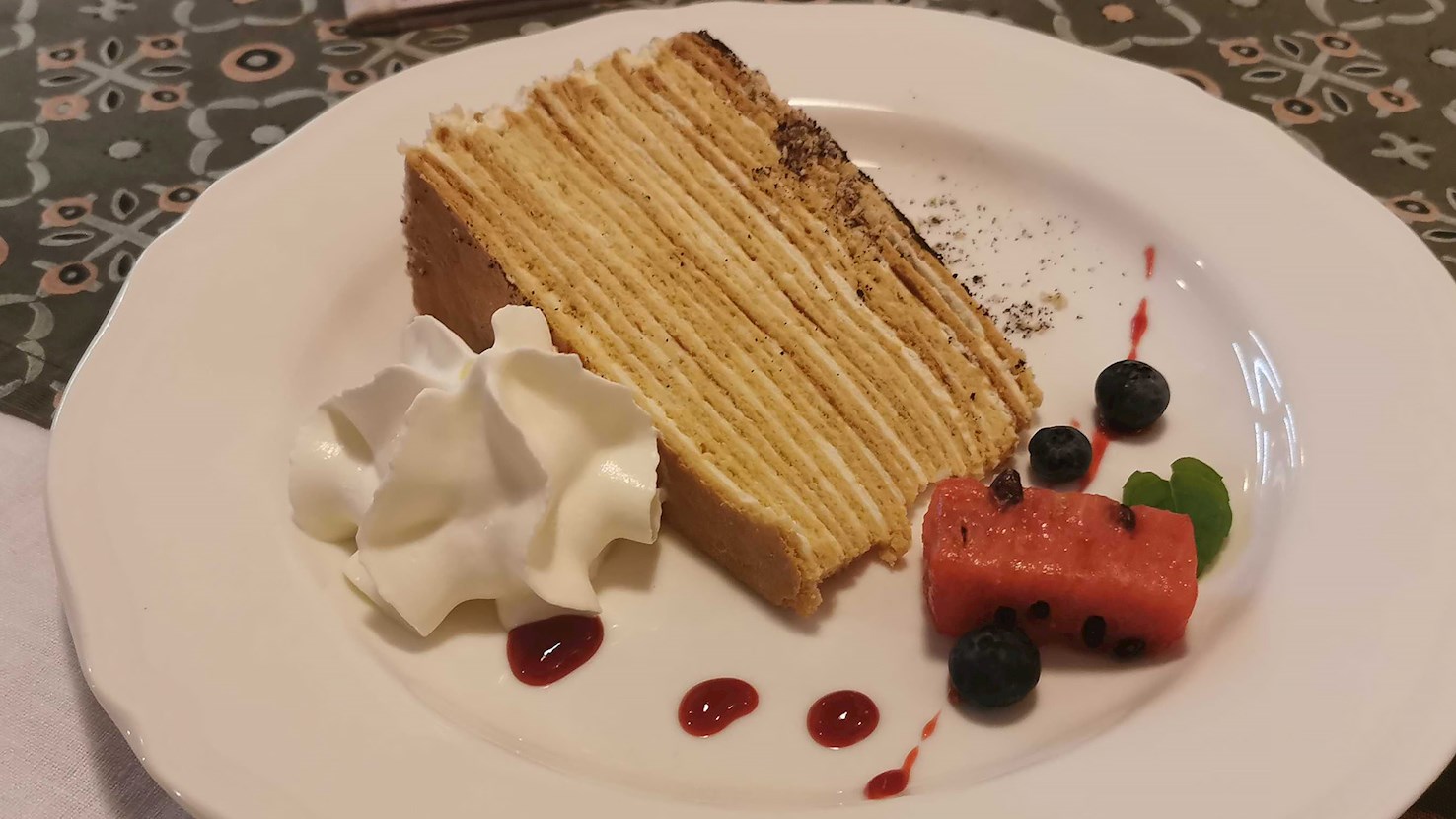
Hailing from Podlaskie region, marcinek is a dessert consisting of layers of dough, usually around twenty thin layers, which are coated with cream and stacked to form a cake-like dessert. Similar to a shortcrust pastry, the dough for the cake is made from a combination of butter, flour, sugar, and eggs, while the coating cream typically incorporates sweetened sour cream, whipping cream and flavorings such as lemon zest, almond extract, or vanilla. The preparation of marcinek is a time-consuming process since each layer is rolled into a circle and baked separately. When the cake is layered and coated, the remaining cream is usually used to cover and decorate the sides and the top of the cake. Optionally, it can be garnished with cookie crumbs, coconut flakes, or cocoa. Marcinek is prepared and enjoyed throughout Podlaskie region and the area of Białowieża Forest, but it is usually associated with the city of Hajnówka. In 2018, the dessert was included on the list of traditional products from the Podlaskie region (listę produktów tradycyjnych). It is assumed that marcinek has a tradition that dates back to the beginning of the 20th century.

02

Valašský frgál

4.3 ·

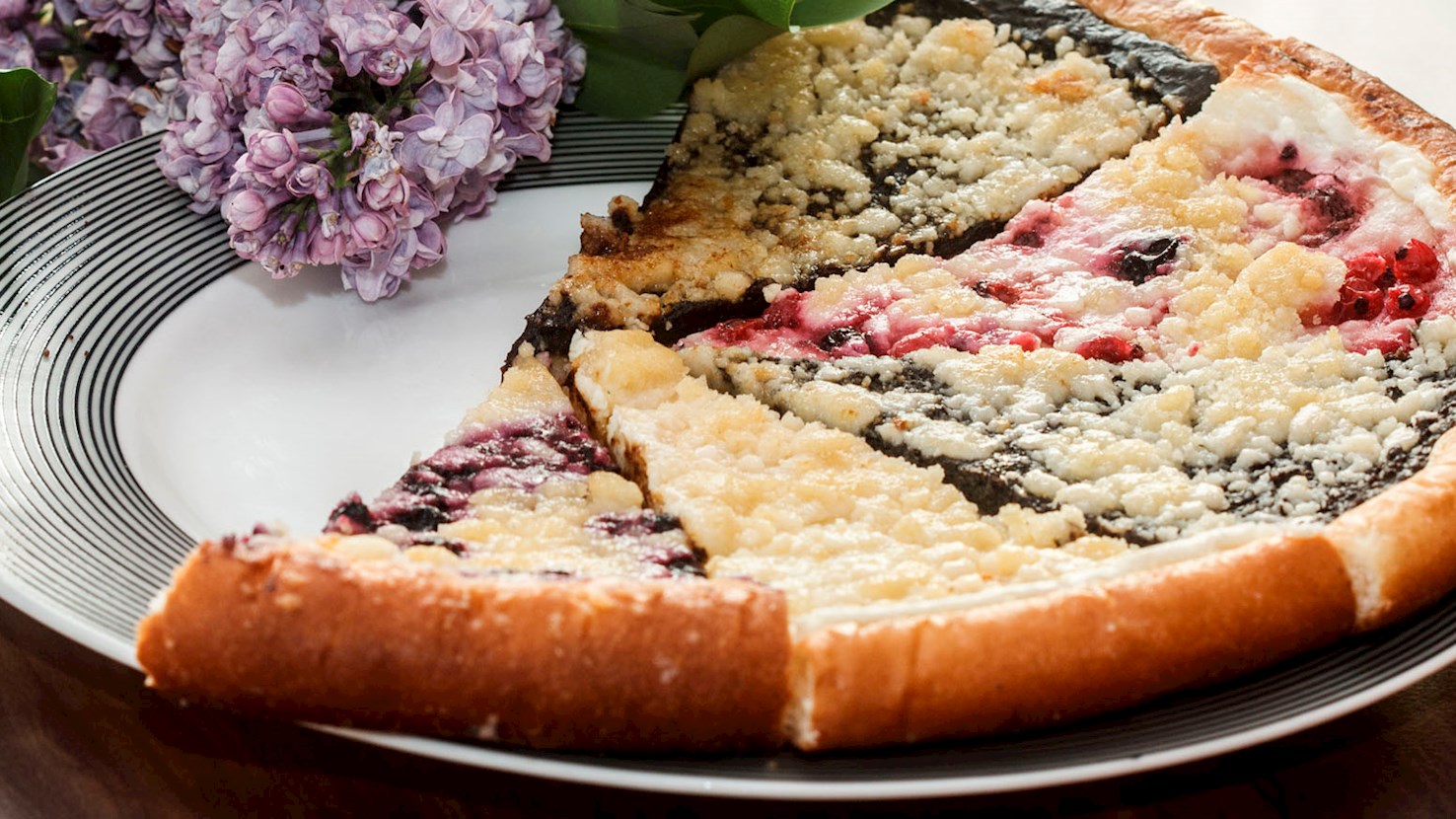
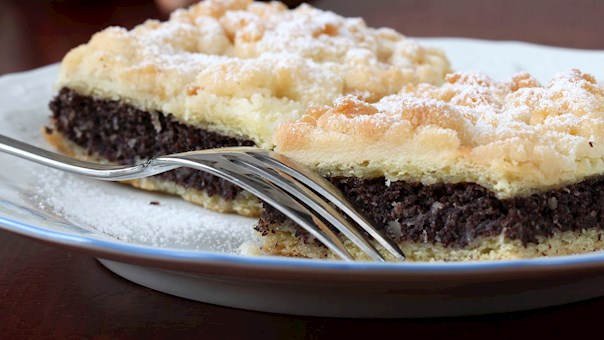
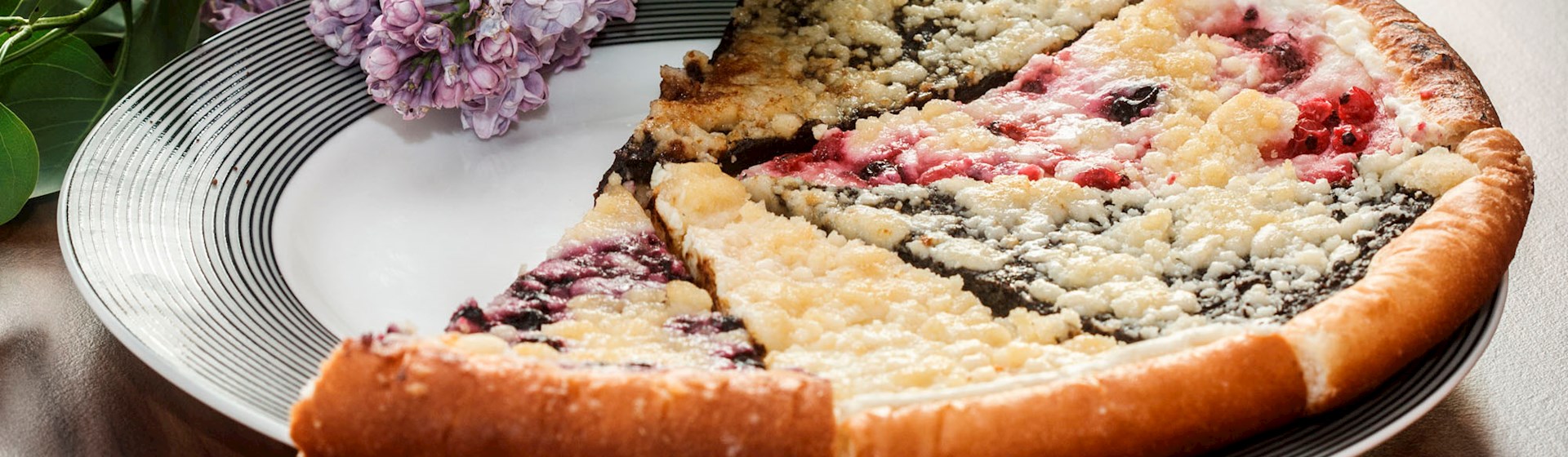
Also known as vdolek, pecák or lopaták, Valašský frgál is a traditionally made, round-shaped sweet cake with toppings, produced in the Moravian Wallachia region in the south-eastern part of the Czech Republic. The cake has a diameter of about 30 centimetres and is golden in color when fully baked. On the surface, there is a crumble that can be additionally sprinkled with sugar, cinnamon, and gingerbread crumbs, or drizzled with butter. Nearly half of the finished product (42-48%) consists of the topping, which can be made from dried pears (the most popular variety), jam, fruits, curd cheese, poppy seeds, walnuts, cabbage, kohlrabi, or carrots. The toppings are never combined. Once the cake is finished, it weighs from 600 to 700 grammes in total and can be sold either fresh or frozen. The recipe for this delicacy dates back to 1826 and is associated with festive occasions such as weddings, Christmas, and Easter.

03

Sernik

4.3 ·

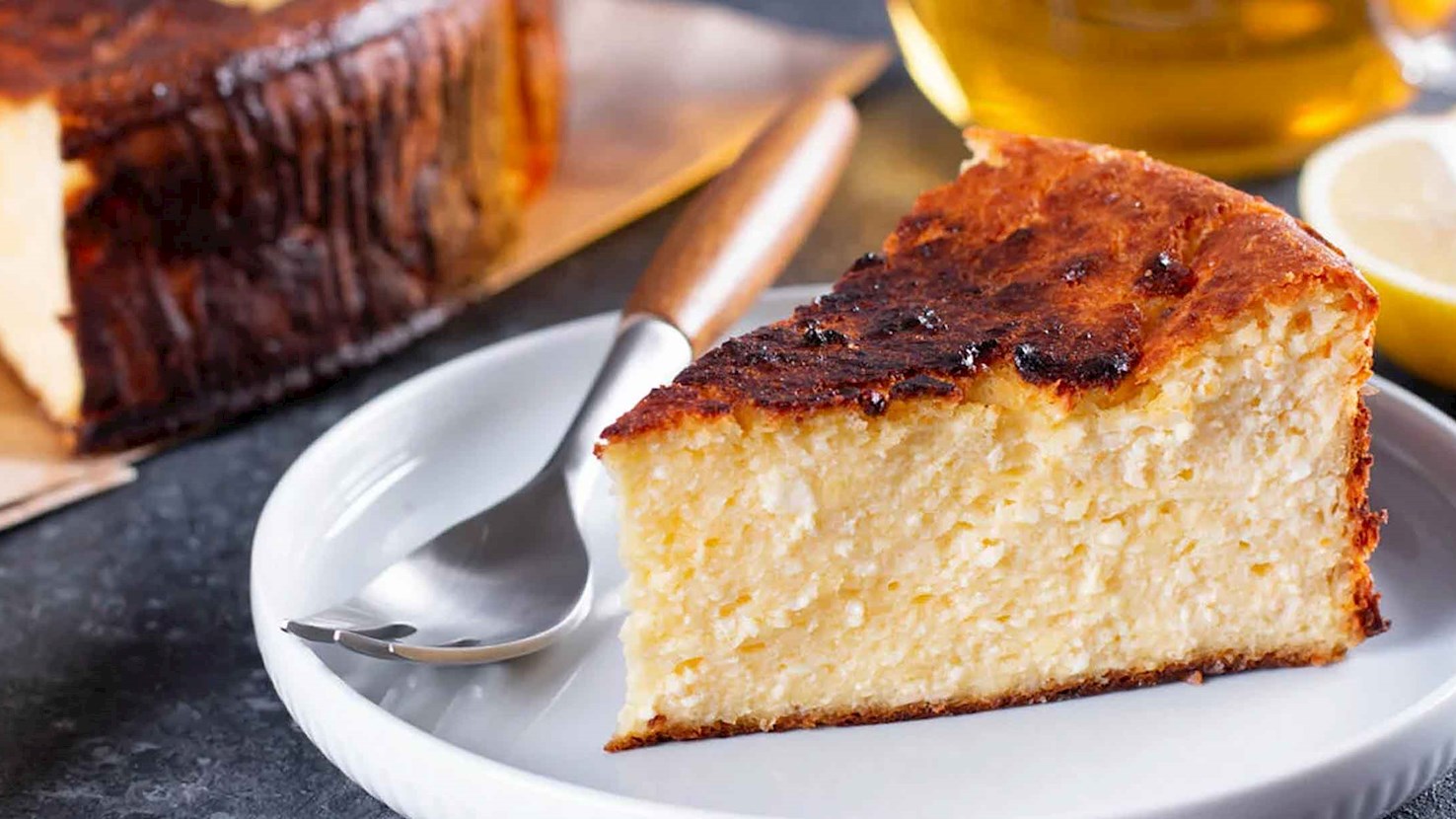
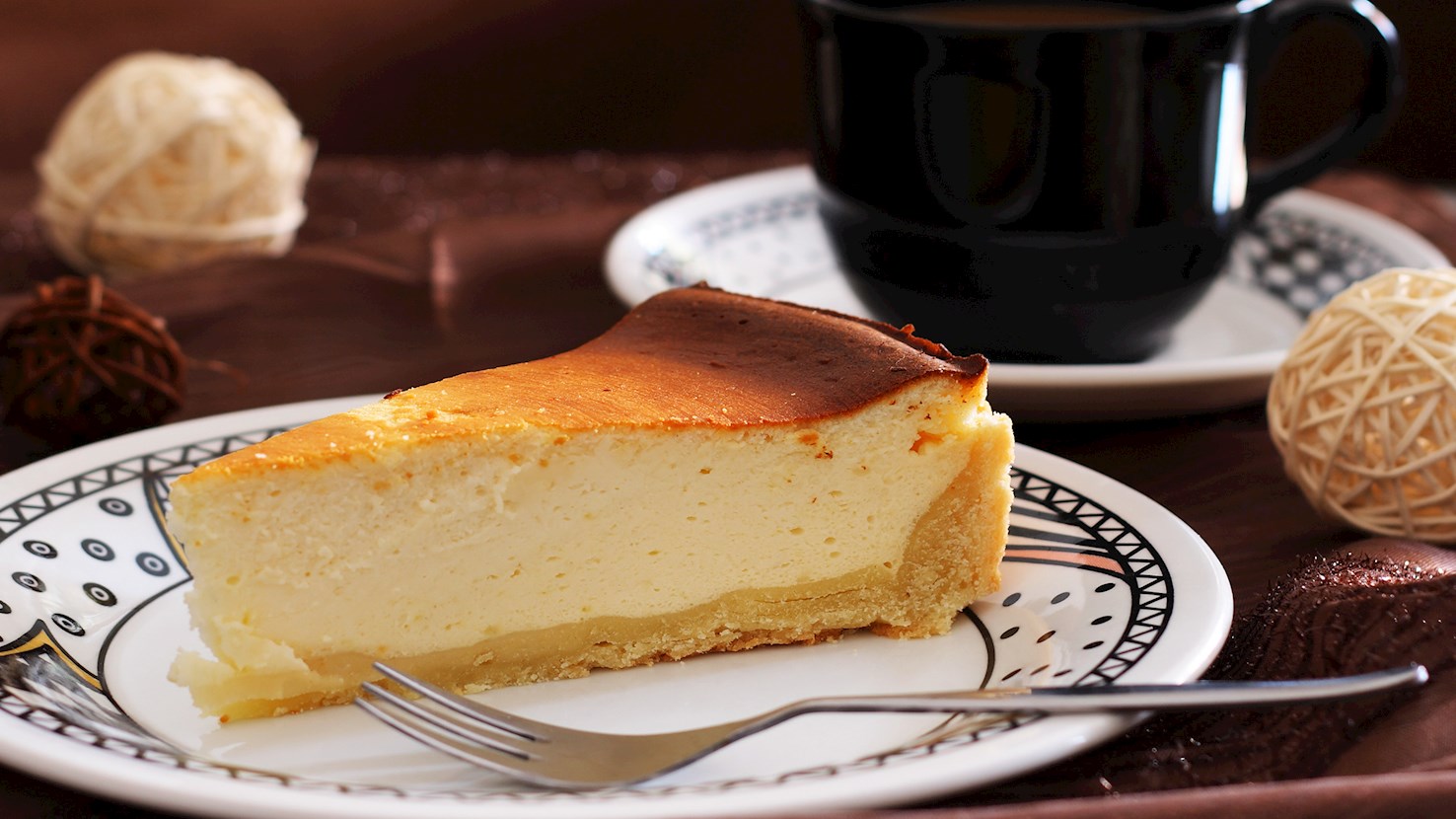
Sernik is a cheesecake from Poland, stemming from old Christian and Jewish traditions. It is made with eggs, sugar, and twaróg - a type of curd cheese that has been used in desserts for hundreds of years. It is believed that sernik originated in the 17th century, when King Jan III Sobieski brought the recipe with him after his victory against the Turks at the Battle of Vienna. Today, there are many varieties of sernik, some baked, some unbaked, but it is usually made on a layer of crumbly cake. Often times raisins, chocolate sauce, or fruits are also added to sernik, and one of the most popular varieties of the dessert has a sponge cake as its base and is covered with jelly and fruit on top. The krakowski version of sernik has a lattice crust on top to differentiate it from other types of this cheesecake. Sernik can either be prepared at home or found in many Polish stores and supermarkets.

04

Karpatka

4.3 ·

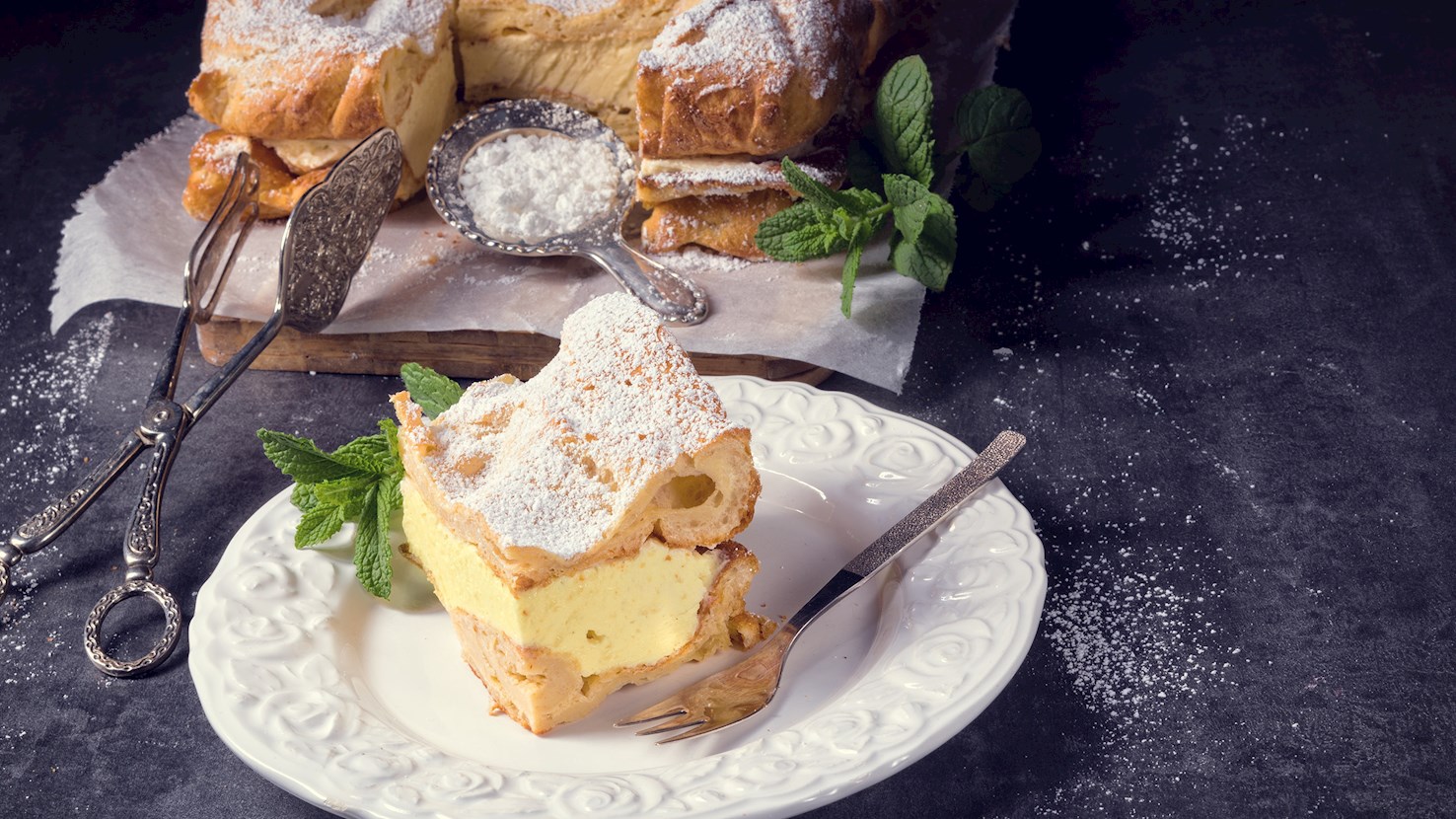
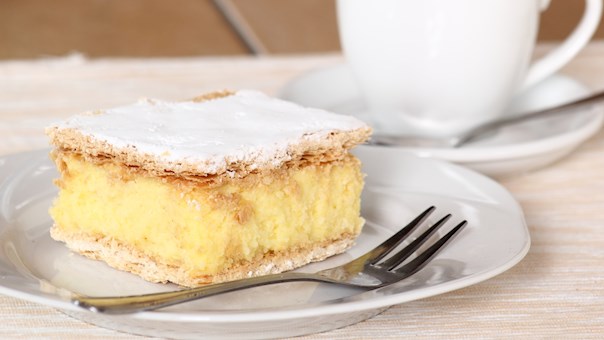
This popular Polish cream cake usually consists of two layers of pâte à choux coupled with a thick layer of creamy, vanilla-flavored pastry cream. Occasionally, the bottom crust is replaced with shortcrust pastry, while the top is always made with pâte à choux. When sprinkled with powdered sugar, the uneven top of the cake resembles the snow-capped Carpathian mountains, hence the name. Though not much is known about its origin, the earliest mention of karpatka dates back to 1972. Considered to be a close relative of the more popular kremówka, the cake is a staple in Polish pastry shops, but it is also a common home-cooked dessert.

05

Jabłecznik (Polish Apple Cake)

4.2 ·

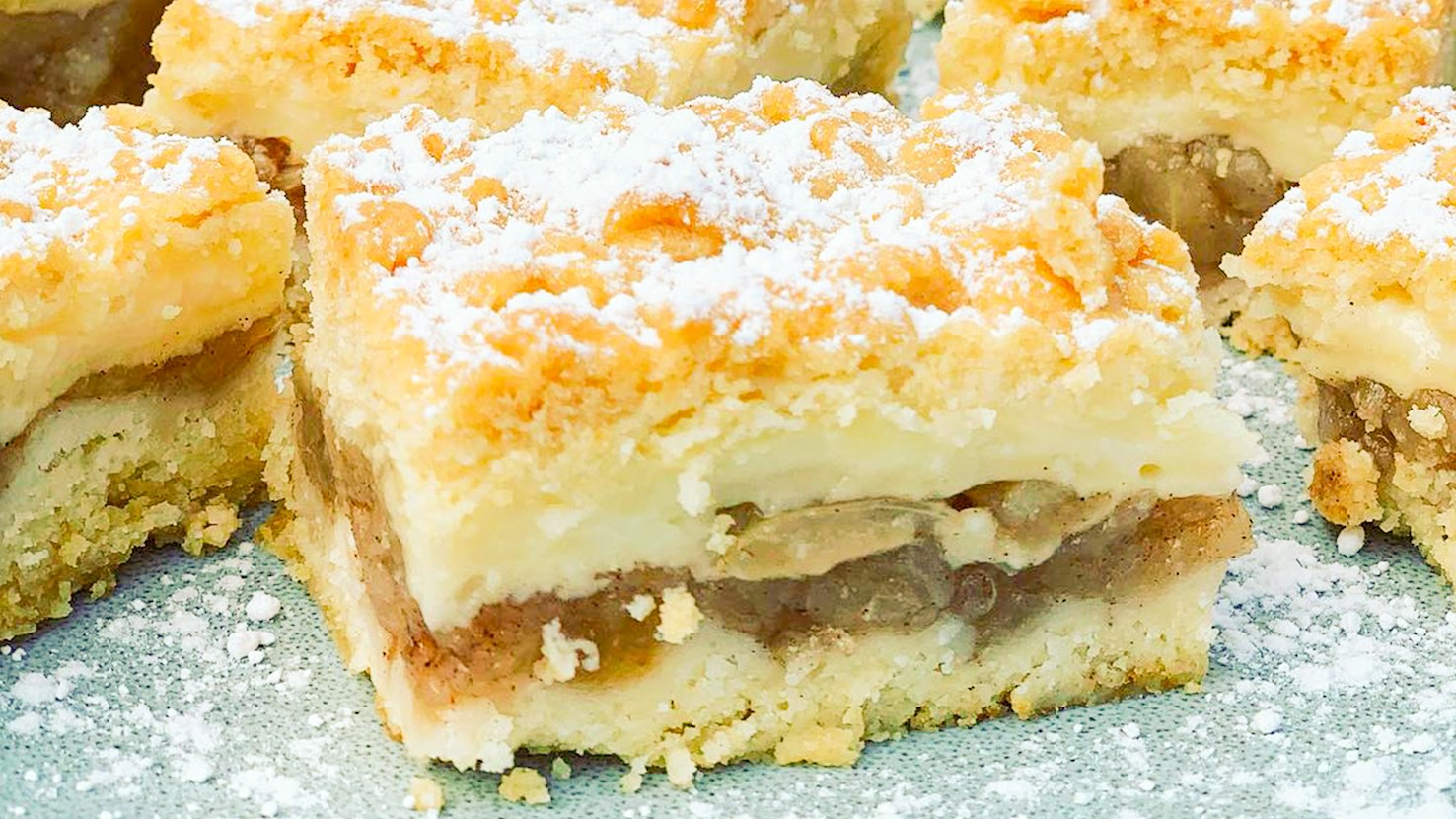
Jabłecznik, also known as Polish apple cake, is a traditional dessert in Poland. It consists of a layer of spiced apple filling sandwiched between two layers of sponge cake. The more popular szarlotka is similar but has shortcrust pastry in place of sponge cake. The apples are often mixed with cinnamon, sugar, and sometimes a touch of lemon juice, creating a sweet and slightly tart flavor profile. This cake is commonly dusted with powdered sugar before serving and is enjoyed as a comforting treat, especially during the autumn and winter months. Jabłecznik is beloved for its simplicity and the use of fresh, seasonal apples.

06

Boterkoek

4.2 ·

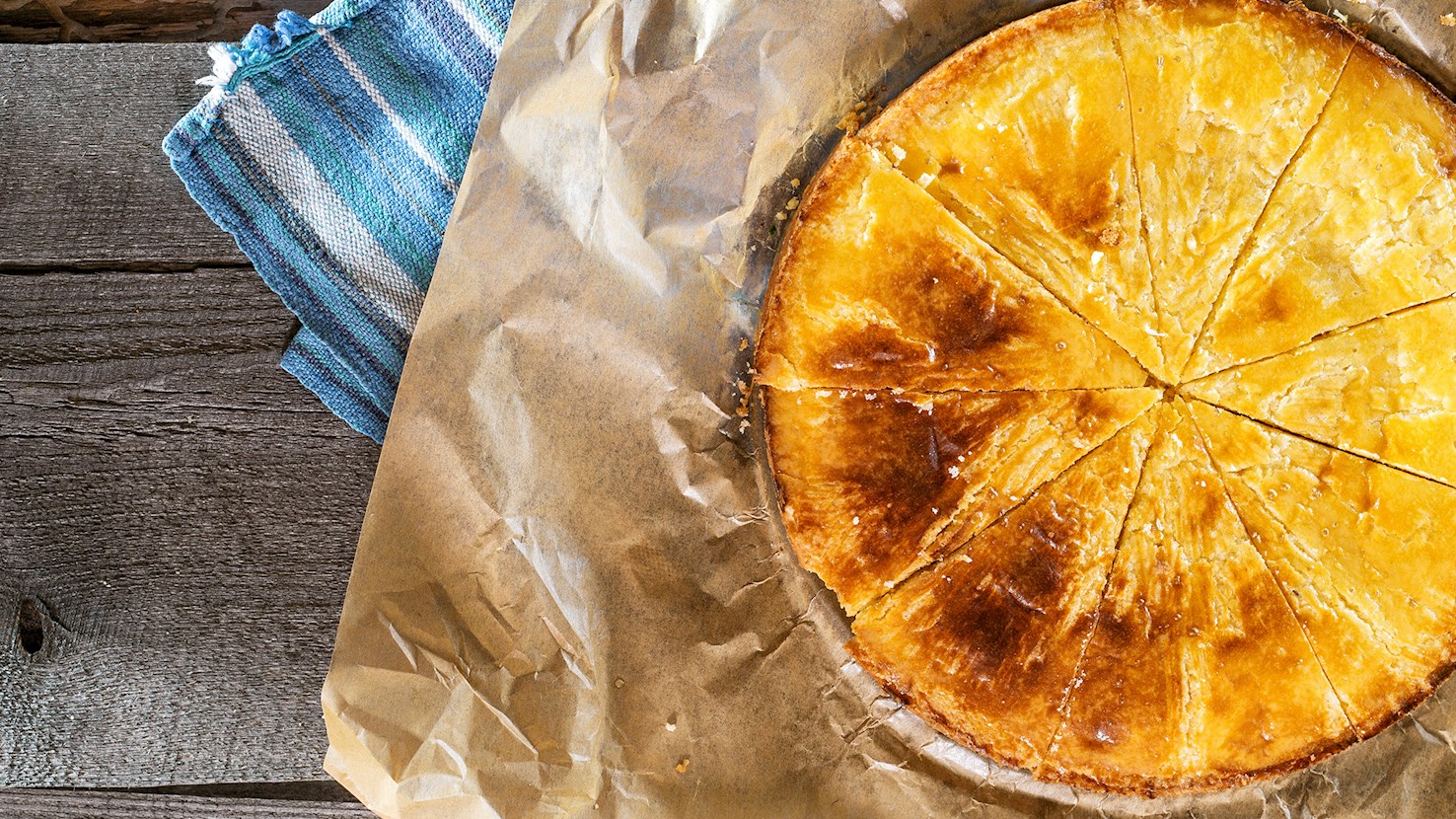
Boterkoek is a traditional cake made with a combination of butter, flour, sugar, eggs, and vanilla. If desired, almond extract, almond shavings, and lemon zest can be added to the ingredients for extra flavor. The sticky dough is simply brushed with beaten eggs and decorated with a criss-cross pattern on top before being baked in the oven until golden brown. Once done, the cake is cut into narrow slices or squares. This dense butter cake is usually served with a cup of coffee on the side in the Netherlands.

07

Kremna rezina

4.1 ·

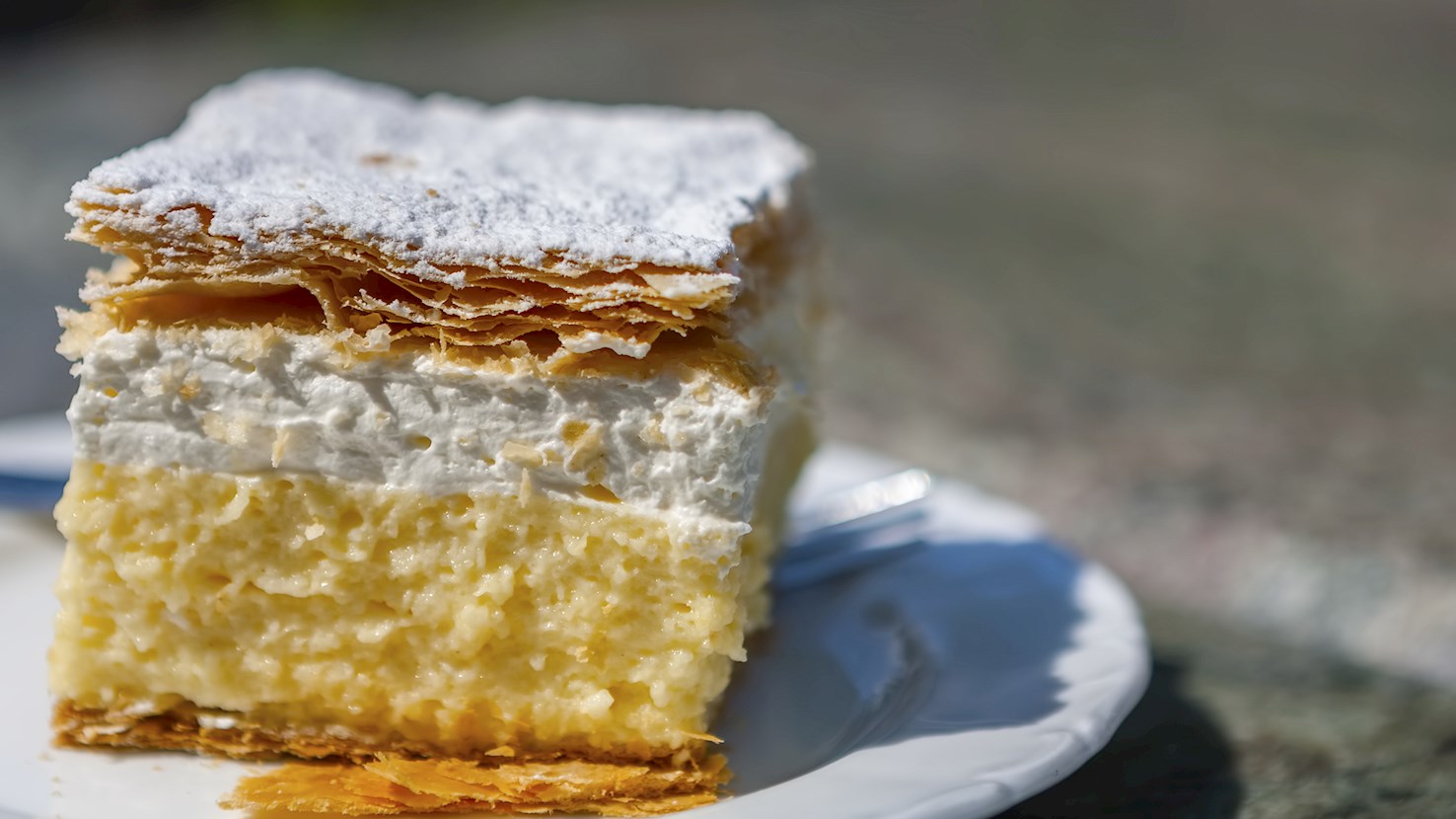
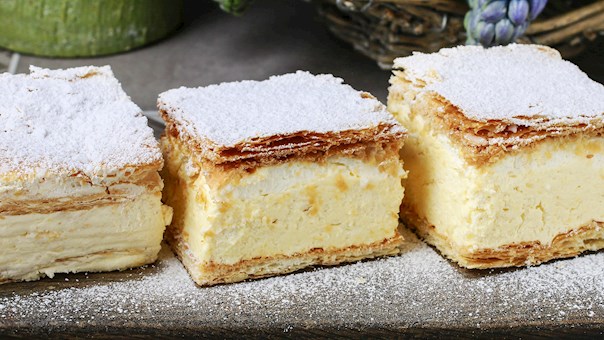
Kremna rezina is a specialty of the Slovenian Lake Bled area. It is a luscious cream cake with a golden, crispy, buttery pastry acting as its base. The base is topped with flavorful vanilla custard, whipped cream, and a layer of thin, buttery dough. The whole cake is traditionally dusted with icing sugar and served sliced in cubes. The story of kremna rezina (or Bled cream cake) began with the arrival of chef Ištvan Lukačević to Bled's Park Hotel, where he modified the Hungarian cream cake by adding the right proportions of whipped cream into it, and in 1953, the hotel presented Lukačević's invention to the public. The new dessert was a huge success and became a popular tourist treat, with up to 3,500 slices sold per day. The authentic kremna rezina is not just a cake, but a piece of art – it is said that the pastry is folded seven times before it's left to rest, the custard is cooked for exactly seven minutes, and each cake is cut into a seven-by-seven centimeter square.

08

Apfelkuchen

4.1 ·

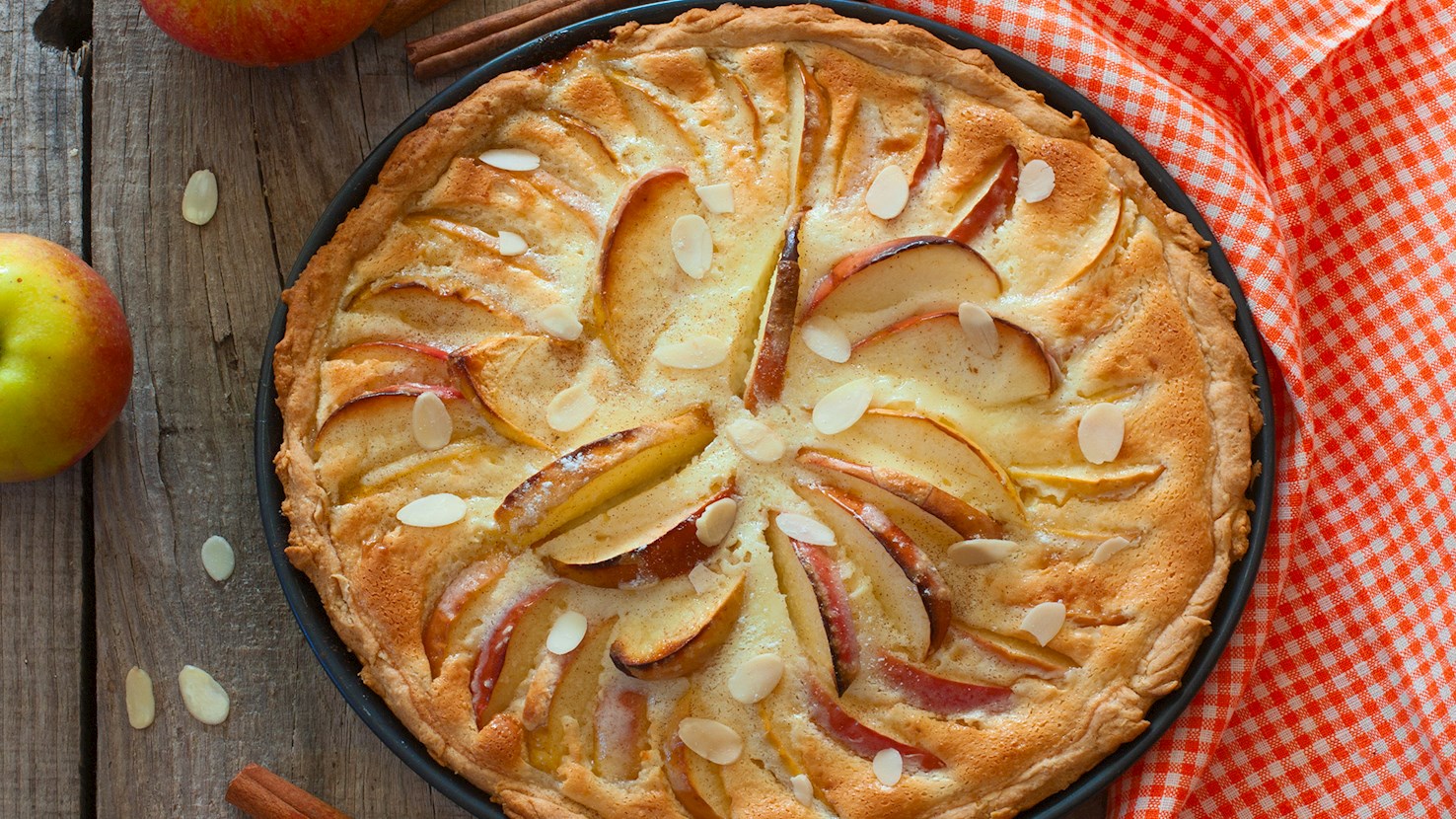
German apple cake is a delightful combination of dense, buttery dough and sliced, halved, or diced apples. Depending on the region, the cake is often dusted with cinnamon sugar, covered in crumbly streusel, or doused in vanilla-flavored custard. Traditionally baked in round tins, sliced apple cake is usually enjoyed as a filling afternoon dessert that is often paired with coffee or tea.

09

Krémes

4.1 ·

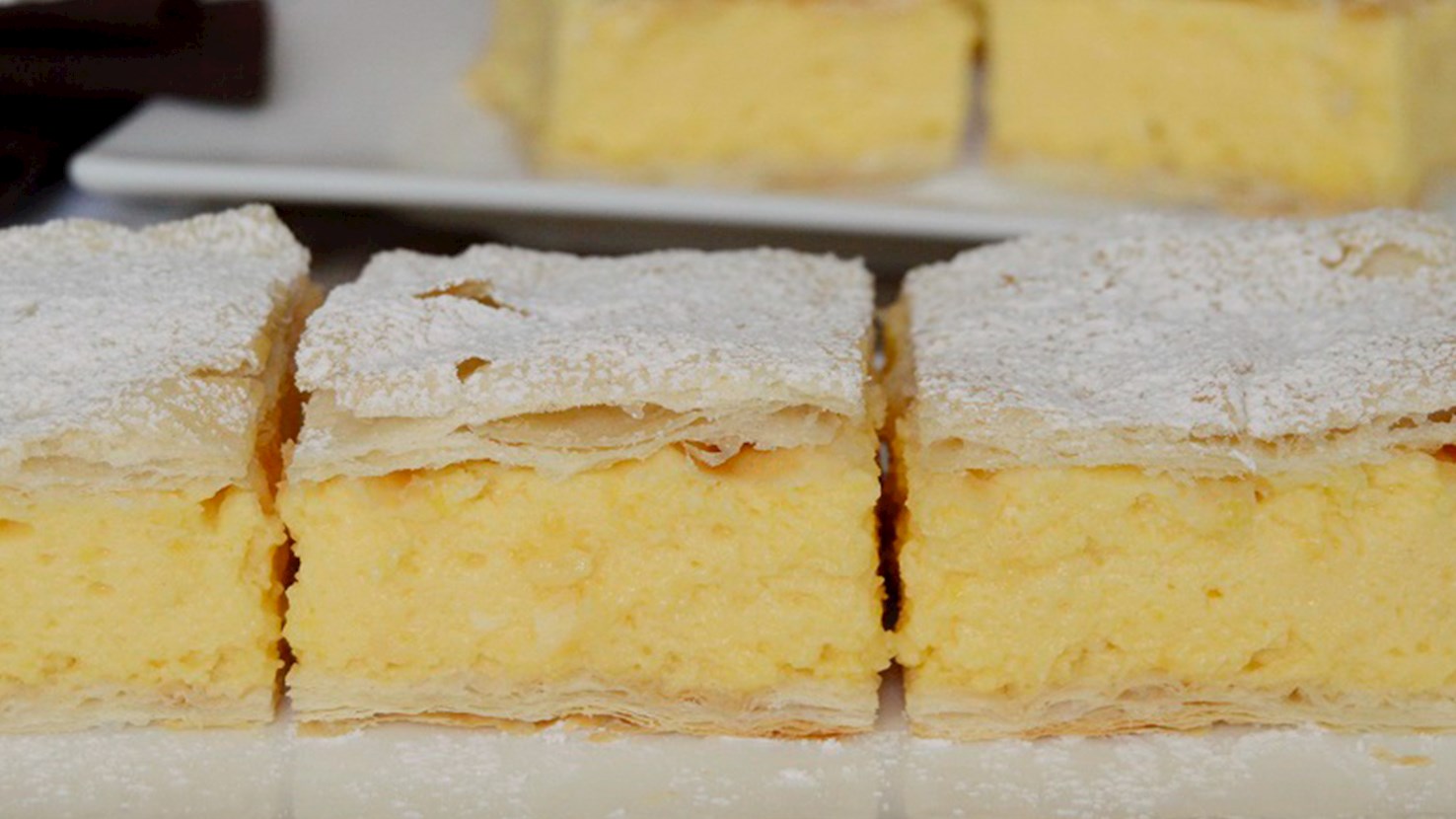
The Hungarian version of the famous cremeschnitte goes under the name krémes, meaning creamy. It combines two layers of puff pastry held together with a generous amount of smooth pastry cream. Though the recipe has been slightly modernized, the classic krémes pastry cream should be light and airy, while the top is usually dusted with powdered sugar. Traditionally served cut into large, rectangular slices, the dessert is a Hungarian classic and a staple at numerous pastry shops throughout the country.

10

Käsekuchen

4.1 ·

German-style cheesecake is a traditional dessert consisting of a thin layer of shortcrust pastry that is topped with a creamy combination of quark cheese, eggs, and (occasionally) various fruits. Even though käsekuchen is often compared to the classic American cheesecake, the use of lightly acidic quark cheese results in a light, scrumptious treat that perfectly combines sweet and sour flavors. Usually served dusted with powdered sugar, käsekuchen is a classic German dessert that is commonly enjoyed as an everyday treat alongside coffee or tea.

Best Central European Cakes

01

Sacher

4.0 ·

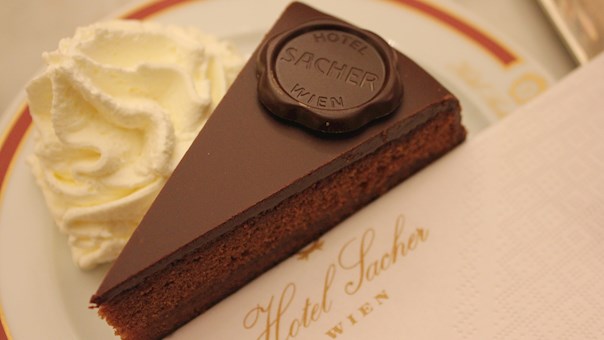
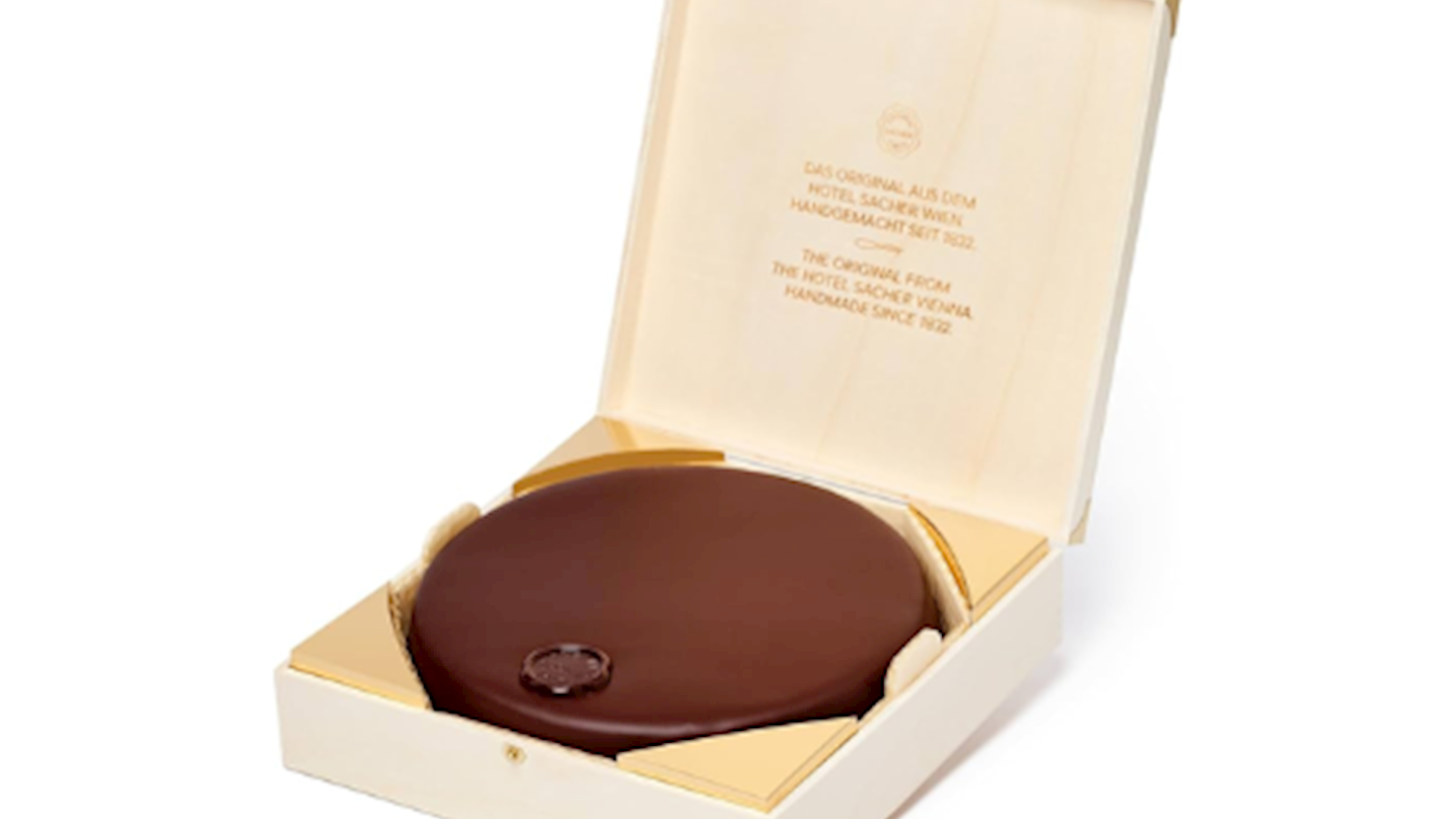
Sacher is one of Austria’s most iconic hospitality and confectionery brands, internationally synonymous with the Original Sacher-Torte and Vienna’s grand café culture. Its story began in 1832, when Franz Sacher created the now-famous chocolate cake for Prince Metternich’s court, establishing the foundation of a culinary legacy that would become a symbol of Austrian gastronomy.

The Sacher name was further elevated in 1876 when Franz’s son, Eduard Sacher, opened the Hotel Sacher in Vienna, transforming the family name into a hallmark of luxury hospitality. Today, Sacher represents a blend of historic elegance, premium hospitality, and refined confectionery craftsmanship, operating the legendary Hotel Sacher Wien, Hotel Sacher Salzburg, cafés, and an internationally recognized gourmet retail business centered around the Original Sacher-Torte.

The brand remains closely associated with Viennese sophistication, imperial heritage, and classic Austrian dessert culture. The Original Sacher-Torte continues to be handmade according to the historic recipe and remains one of Austria’s most famous culinary exports.

Beyond the iconic cake, Sacher also offers chocolates, pralines, jams, pastries, and curated gourmet specialties that reflect the same premium positioning. More than a hotel or confectionery name, Sacher has become a cultural institution representing Austrian luxury, tradition, and gastronomic identity.

02

Aïda Cafe-Konditorei

3.2 ·

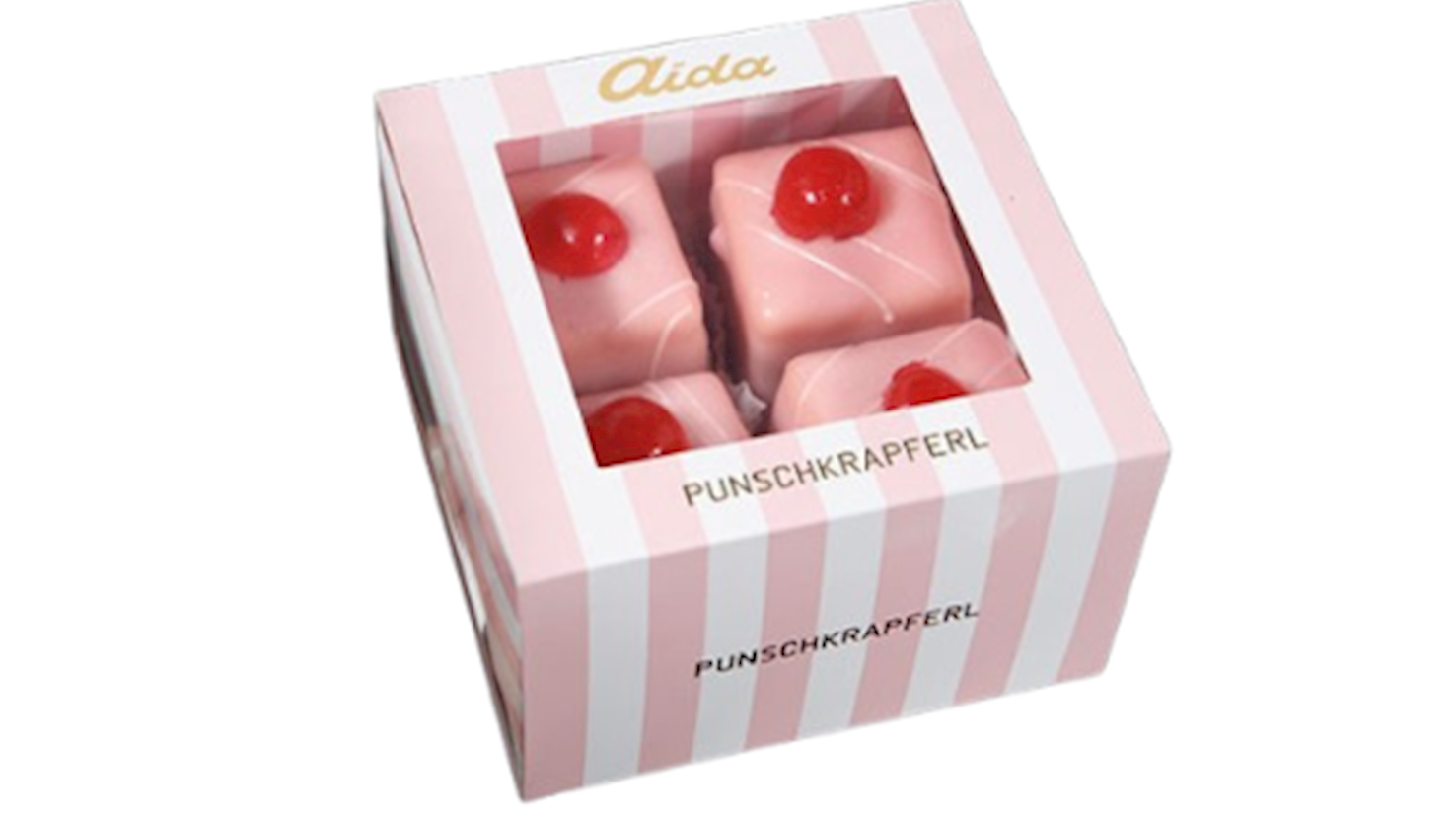
Aïda Café-Konditorei is one of Vienna’s most recognizable confectionery café chains, with a history dating back to 1913, when Josef Prousek and his wife Rosa took over the confectionery shop “Bonsaing & Söhne” in Vienna. The Aïda brand developed more distinctly from 1921, when production began in Porzellangasse and the business became “Chocolaterie & Grosskonditorei Aïda.” During the 1930s, the company expanded across Vienna, reaching 11 locations in the city by 1939.

A significant milestone came in 1946, when the first espresso machine in Austria was introduced at Aïda’s Wollzeile location, helping establish its identity as a true café-confectionery. Today, Aïda is known for its distinctive pink visual identity, cakes, pastries, strudels, cream slices, doughnuts, ice cream, and coffee.

Since 1974, production has been based in Schönthalergasse in Vienna’s 21st district, where traditional Viennese confectionery products are prepared daily. Unlike historic luxury establishments such as Demel or Sacher, Aïda represents a more accessible, everyday model of Viennese café-confectionery culture, deeply integrated into the city’s urban rhythm.

The brand remains family-run by the Prousek family across multiple generations, preserving continuity in Viennese confectionery tradition.

Read more
View all
View map
About this ranking

TasteAtlas food rankings are based on the ratings of the TasteAtlas audience, with a series of mechanisms that recognize real users and that ignore bot, nationalist or local patriotic ratings, and give additional value to the ratings of users that the system recognizes as knowledgeable. For the “Top 100 Central European Cakes” list until July 15, 2026, 7,471 ratings were recorded, of which 5,825 were recognized by the system as legitimate. TasteAtlas Rankings should not be seen as the final global conclusion about food. Their purpose is to promote excellent local foods, instill pride in traditional dishes, and arouse curiosity about dishes you haven’t tried.

The initial list of top producers was compiled based on available reviews, awards, local recommendations, media and blog coverage, and consumer reviews. The list will be updated with ratings from TasteAtlas local ambassadors and TasteAtlas users.

Similar lists