


shutterstock

Top 21 German Cakes

Last updated on June 15, 2026
01

Apfelkuchen

4.1 ·

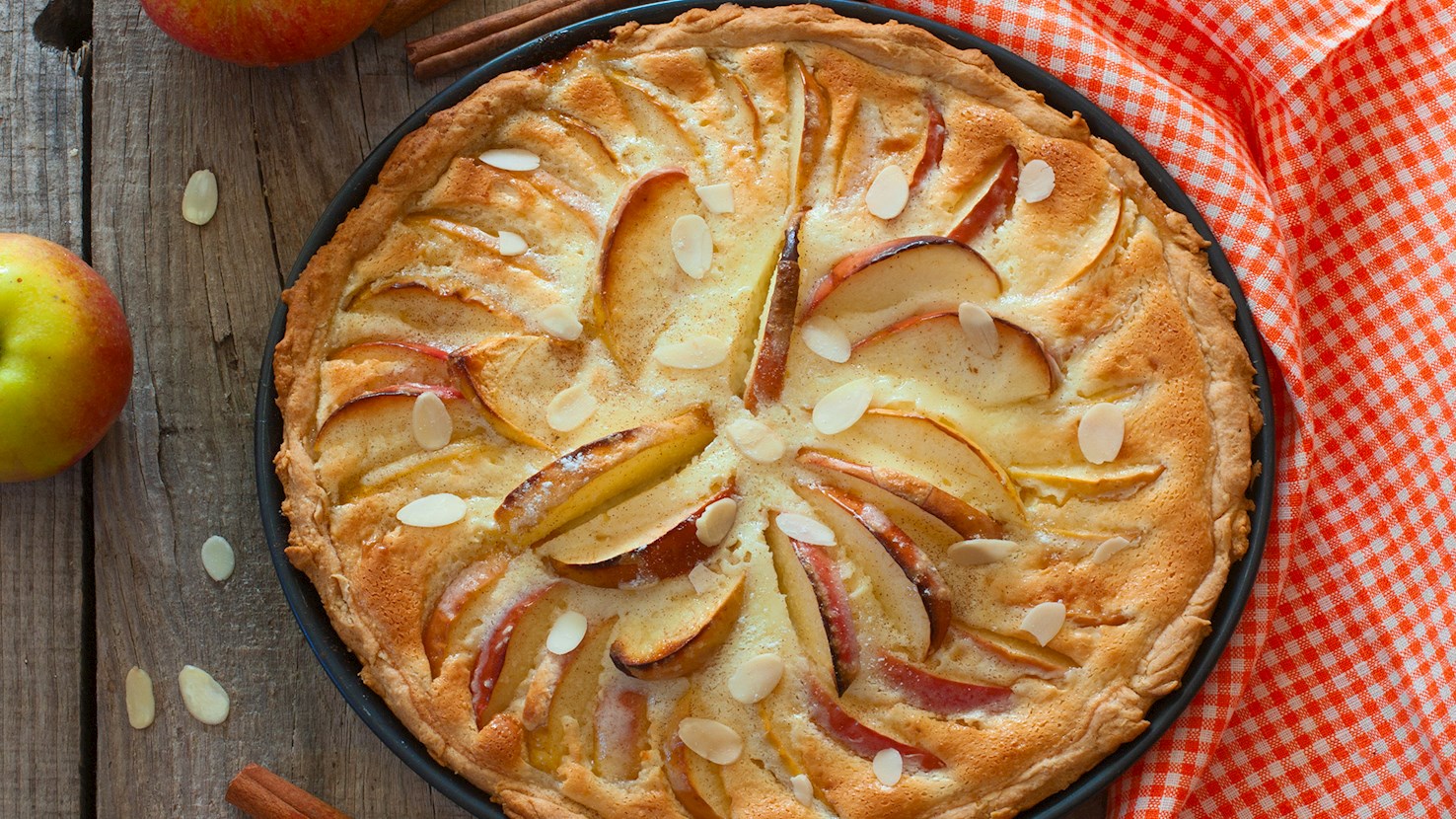
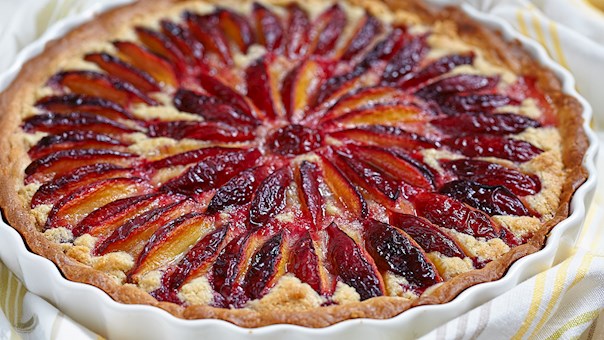
German apple cake is a delightful combination of dense, buttery dough and sliced, halved, or diced apples. Depending on the region, the cake is often dusted with cinnamon sugar, covered in crumbly streusel, or doused in vanilla-flavored custard. Traditionally baked in round tins, sliced apple cake is usually enjoyed as a filling afternoon dessert that is often paired with coffee or tea.

02

Käsekuchen

4.1 ·

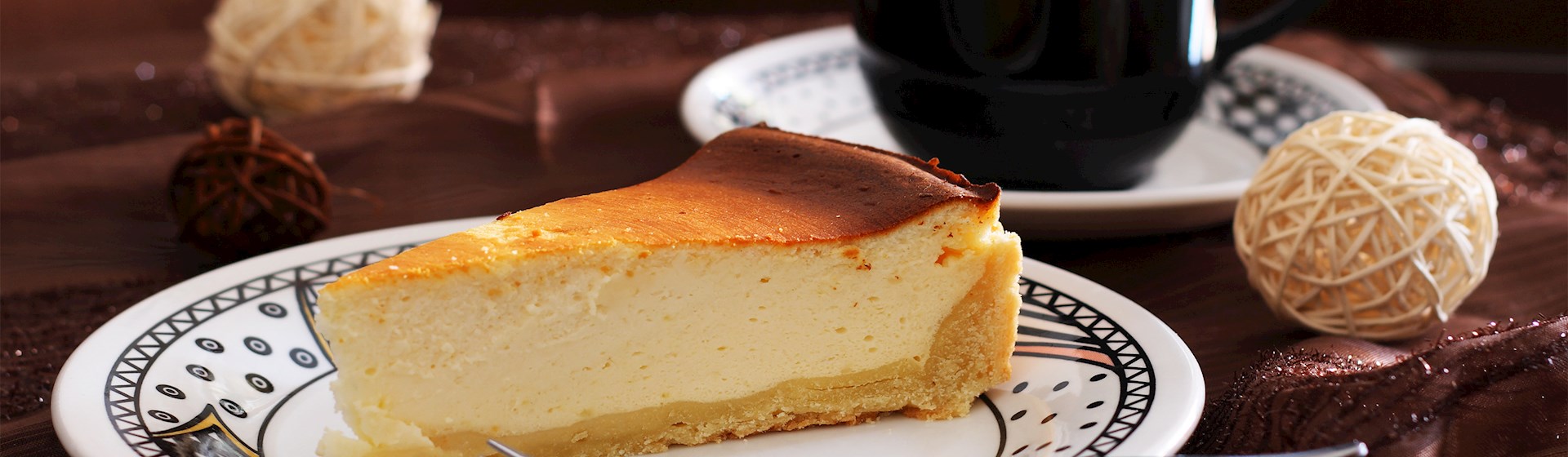
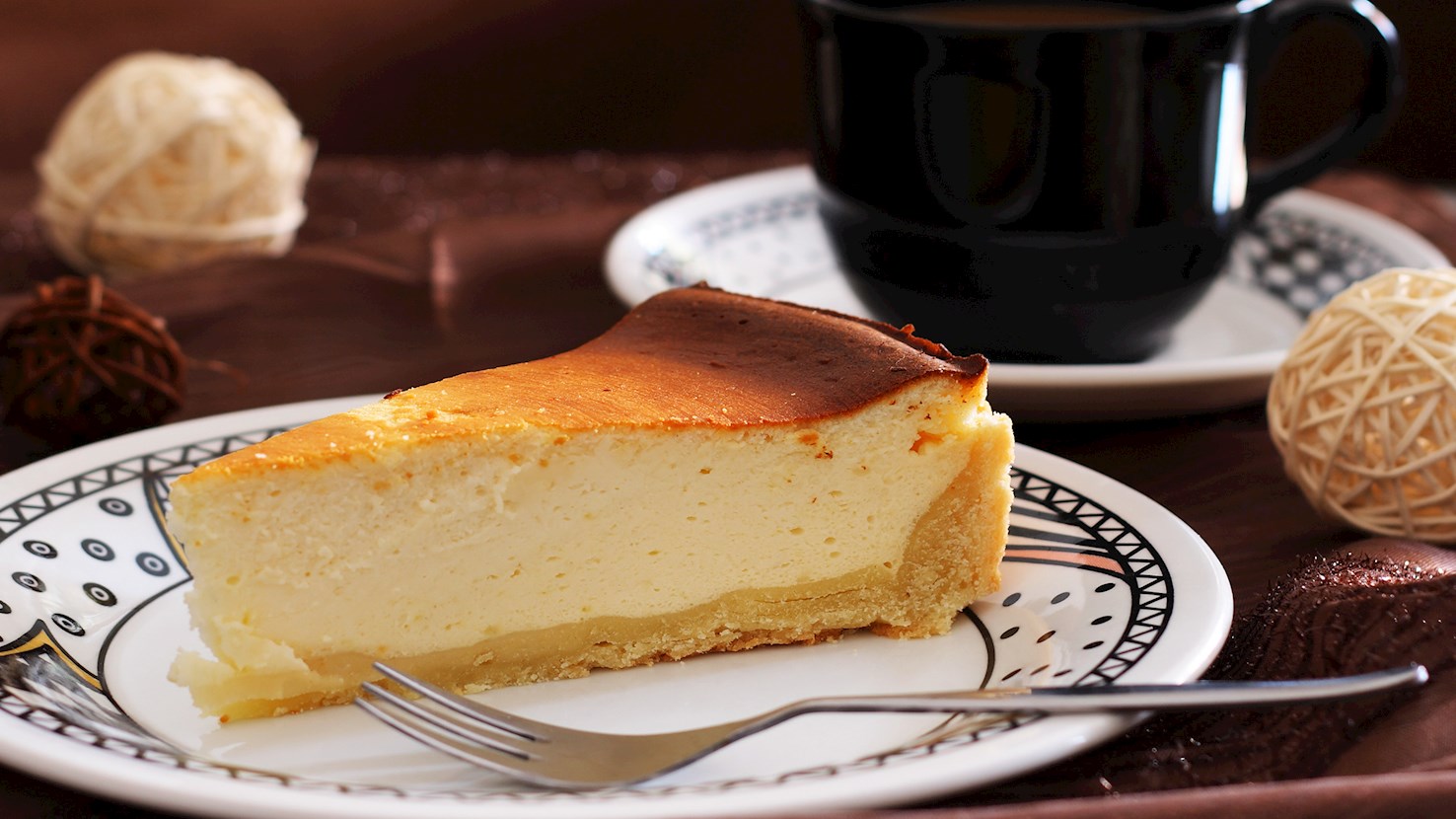
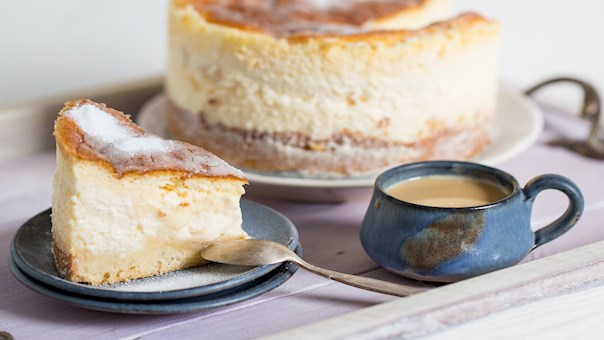
German-style cheesecake is a traditional dessert consisting of a thin layer of shortcrust pastry that is topped with a creamy combination of quark cheese, eggs, and (occasionally) various fruits. Even though käsekuchen is often compared to the classic American cheesecake, the use of lightly acidic quark cheese results in a light, scrumptious treat that perfectly combines sweet and sour flavors. Usually served dusted with powdered sugar, käsekuchen is a classic German dessert that is commonly enjoyed as an everyday treat alongside coffee or tea.

03

Baumkuchen

4 ·

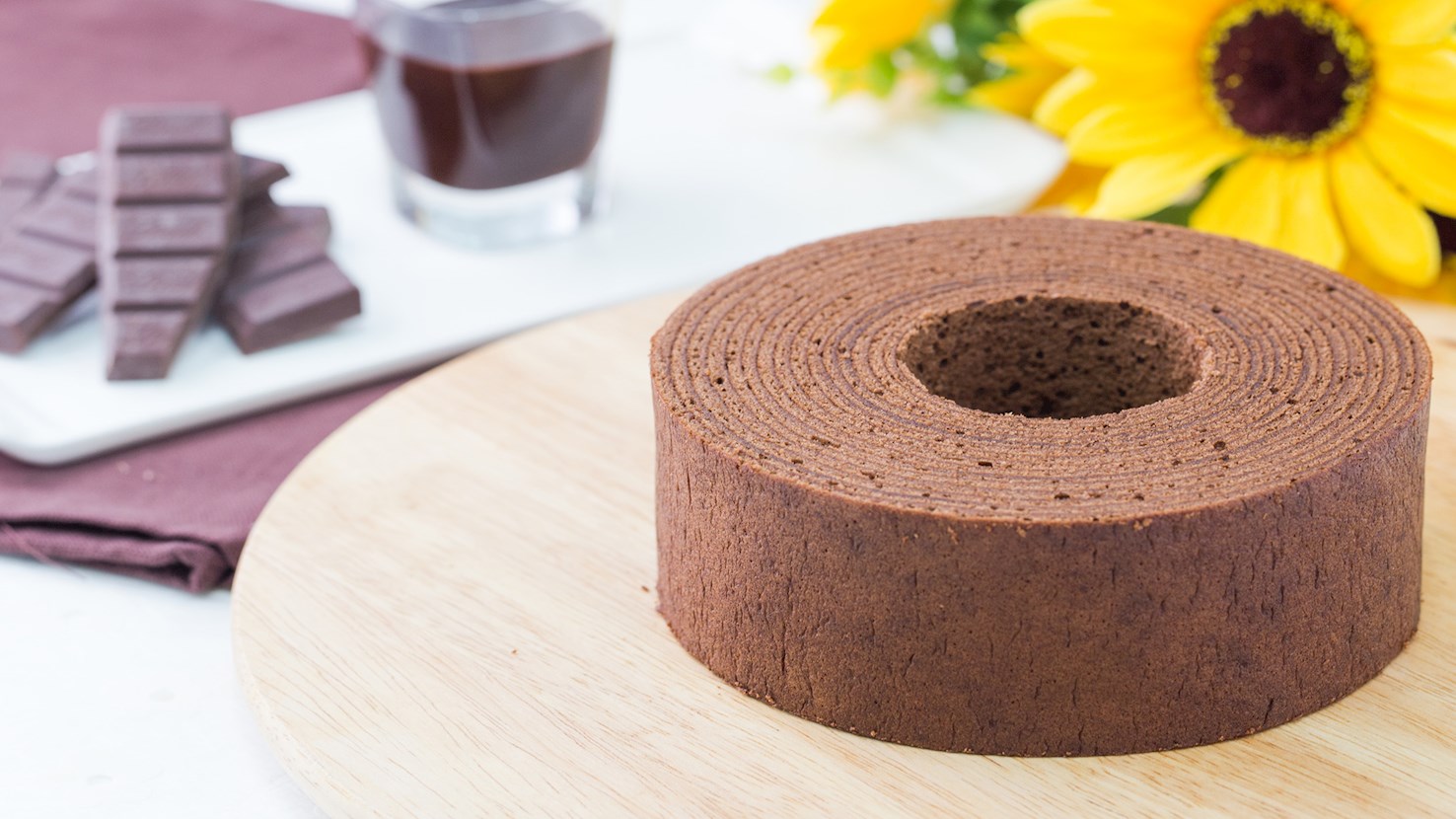
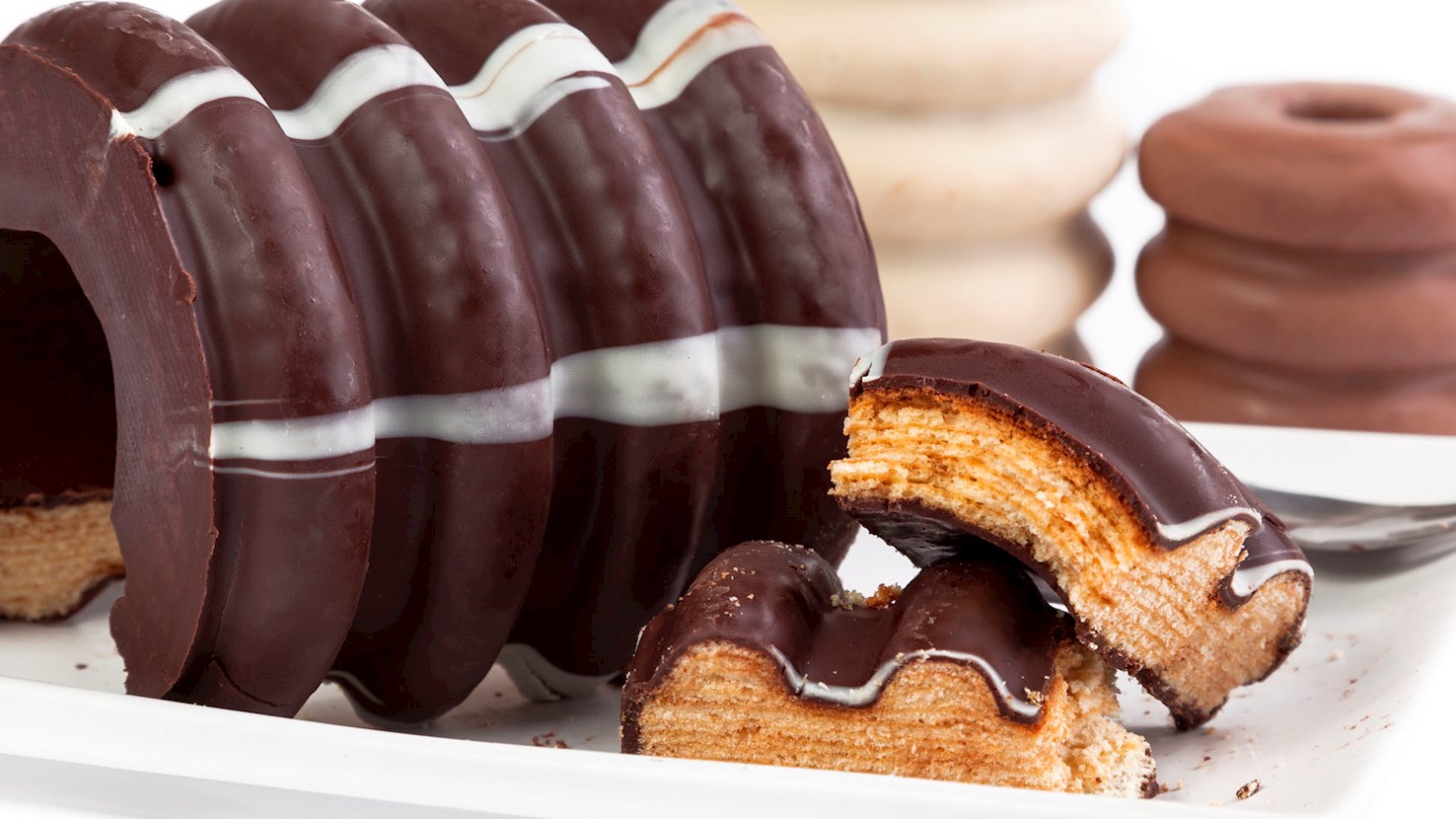
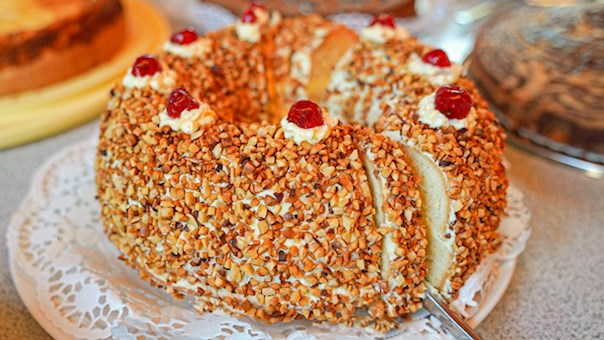
The German version of spit cake, known as baumkuchen, is just one of many similar cakes found throughout Europe. There are various conflicting theories about its origin—one points in the direction of a German town called Salzwedel in the 19th century, while others say it’s a descendant of the Hungarian wedding cake. The batter–typically made from flour, eggs, sugar, vanilla, salt, and butter–is thinly coated on a spit that’s rotating over a heat source. Before each new layer is applied, the previous one must be fully dry. Once sliced, the cake has a lovely texture and appearance which resembles growth rings, hence its name–baumkuchen or tree cake. The basic dough can be enriched by various ingredients such as nuts, honey, and brandy. The cake is often additionally coated with sugar or chocolate glaze. Miniature, cut up slices of this cake - called baumkuchenspitzen or tree cake tips - are usually glazed in chocolate and sold individually.

04

Schwarzwälder Kirschtorte

4 ·

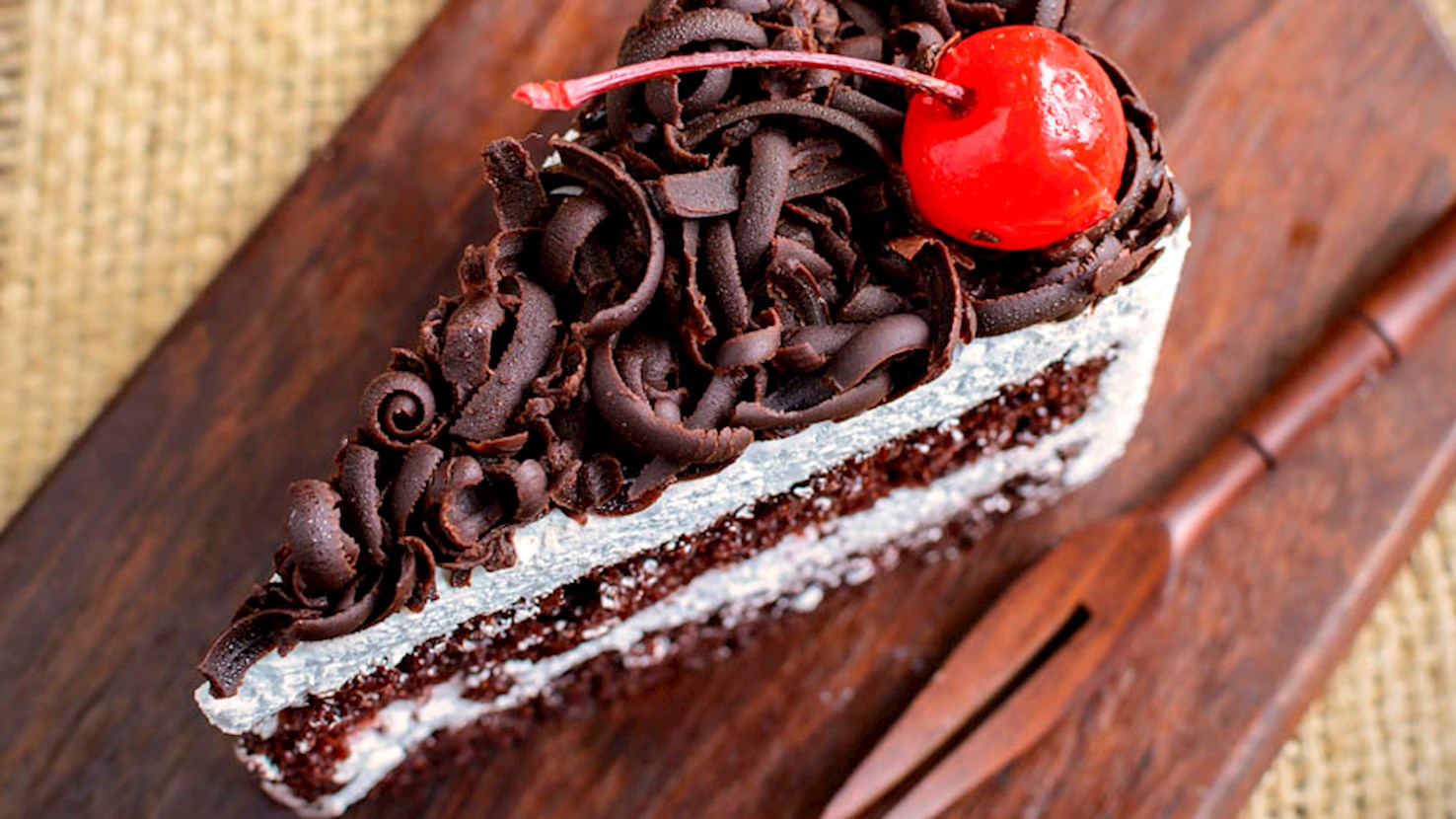
Black Forest cherry cake is a popular German dessert consisting of chocolate sponges that are coated in whipped cream and dotted with kirschwasser-infused cherries. Some varieties use the kirschwasser brandy to soak the chocolate layers or to lightly flavor the whipped cream. When assembled, the cake is lavishly decorated with whipped cream, chocolate shavings, and cherries. Among the numerous theories about its invention, it is still debated whether the cake was created by confectioner Josef Keller or pastry chef Erwin Hildenbrand. What is certain is that Schwarzwälder Kirschtorte originated in the Black Forest area and was in all likelihood modeled on the colors of the regional folk dresses. Since its first appearance in written form in 1934, it has become a well-known German dessert that is enjoyed throughout the country.

05

Bienenstich

4 ·

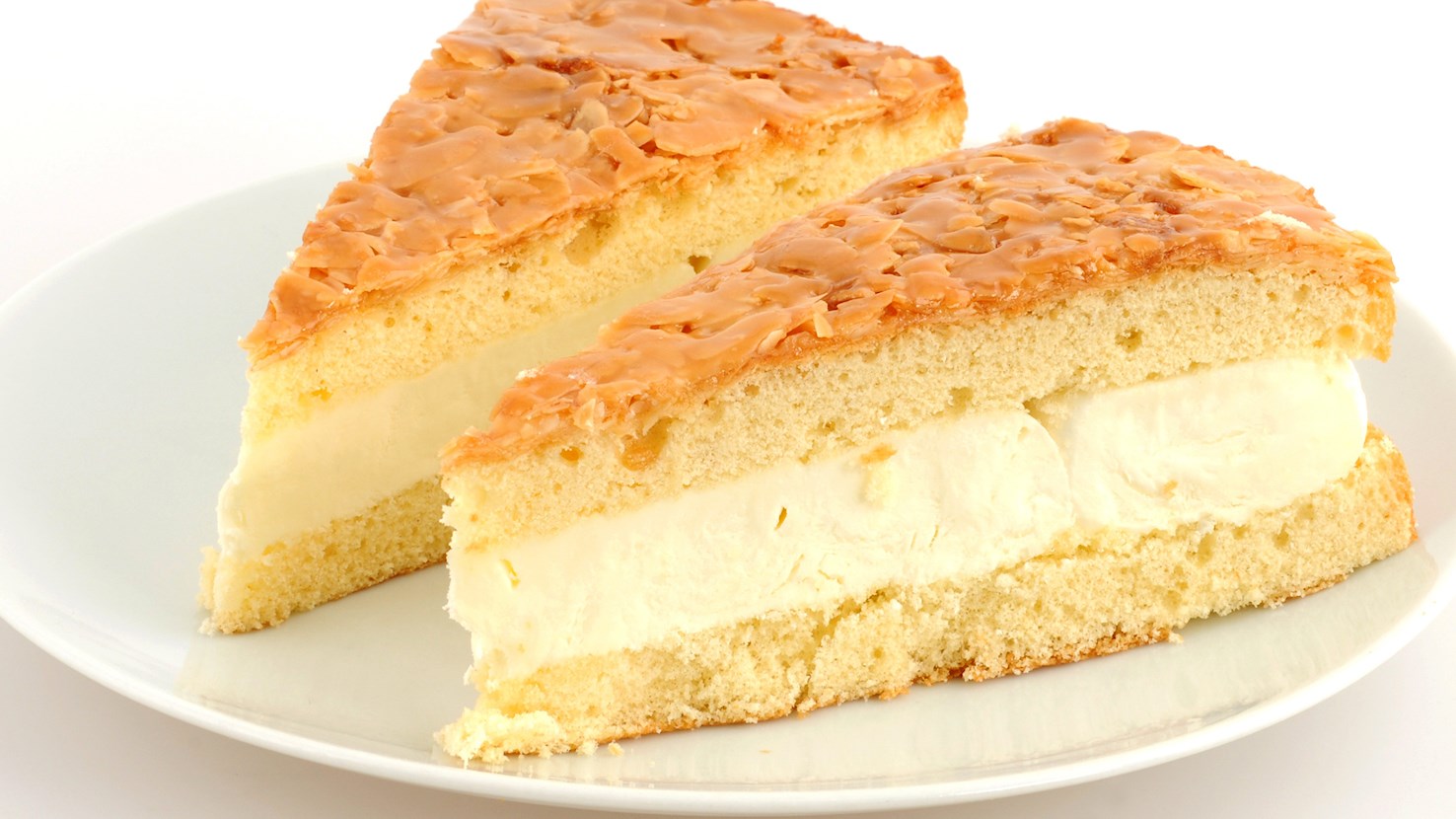
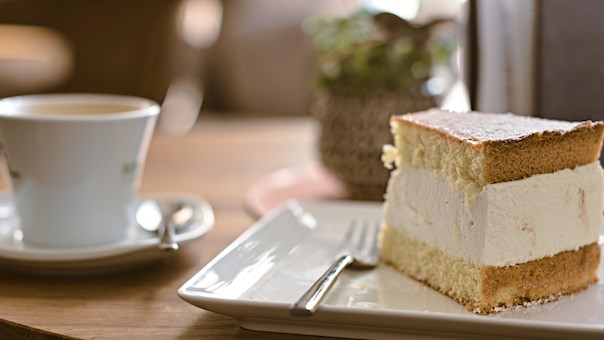
This classic German cake consists of a creamy filling that is enclosed between two layers of yeasted pastry dough. The cake is topped with a gooey combination of sugar or honey, cream, and slivered almonds, while the fillings typically include sweetened whipped cream or crème pâtissière. When baked, the honey-almond glaze is caramelized and gives the cake a glossy, crispy top. This sweet treat, which translates as bee sting cake, was allegedly named after the fact that bees were attracted to the sweet, honey-based glaze.

Best restaurants
06

Butterkuchen

3.9 ·

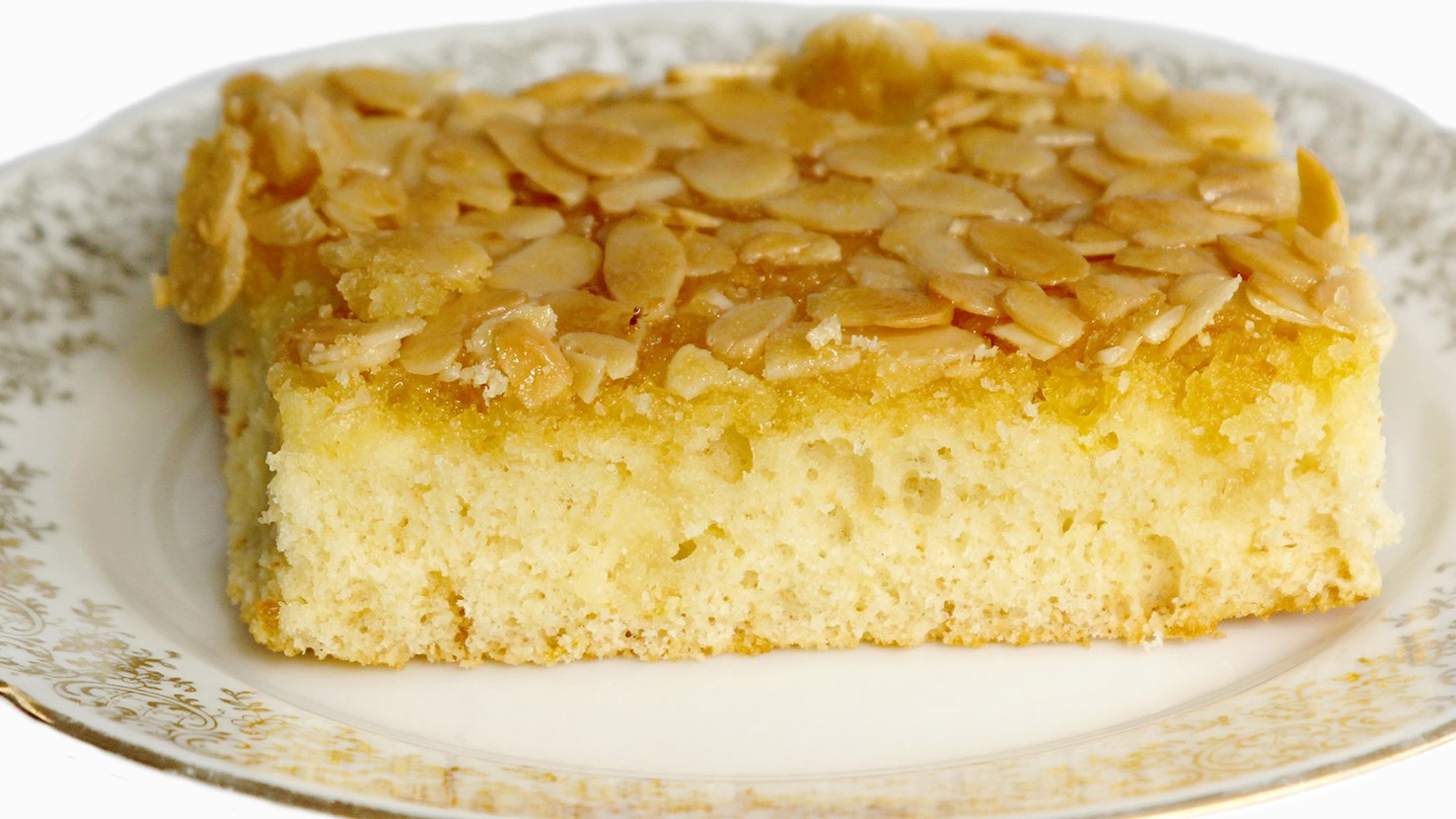
Butterkuchen is a simple cake that is mostly sold in bakeries and typically enjoyed with afternoon coffee. In some parts of Germany, it has become such an integral part of life that it’s served for special occasions such as weddings and funerals. Butter cake, as the name translates, is made with yeasted dough consisting of flour, sugar, butter, and milk. The dough is thinly rolled out in the shape of a rectangle, then poked in order to appear dimpled. Those little holes are filled with butter shavings or small butter cubes, and the entire cake is sprinkled with vanilla sugar and chopped almonds.

07

Donauwelle

3.8 ·

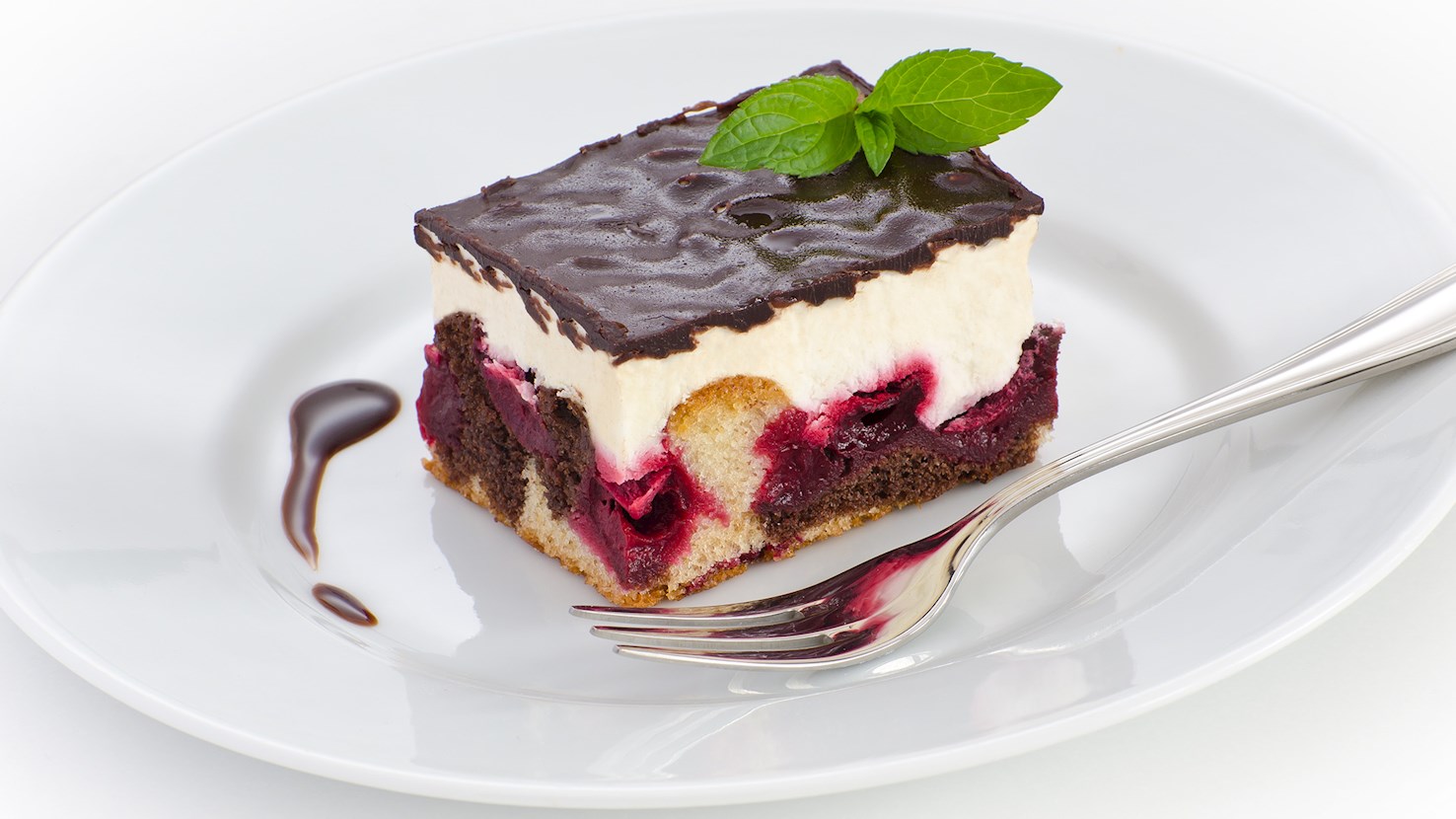
Donauwelle is a German and Austrian sheet cake. It consists of two pound cakes, one on the bottom, flavored with vanilla, and one on top of it, flavored with chocolate. Cherries, buttercream, and chocolate ganache are then added to the top, and as the cake bakes, the tart cherries will fall down through the batter, making a wavy pattern (maybe reminiscent of the Danube river?) in the cross-section of the cake. It's also known as Schneewittchenkuchen and Schneewittchentorte, which means Snow White cake, referring to the colors – black, white, and red.

08

Mohnkuchen

3.8 ·

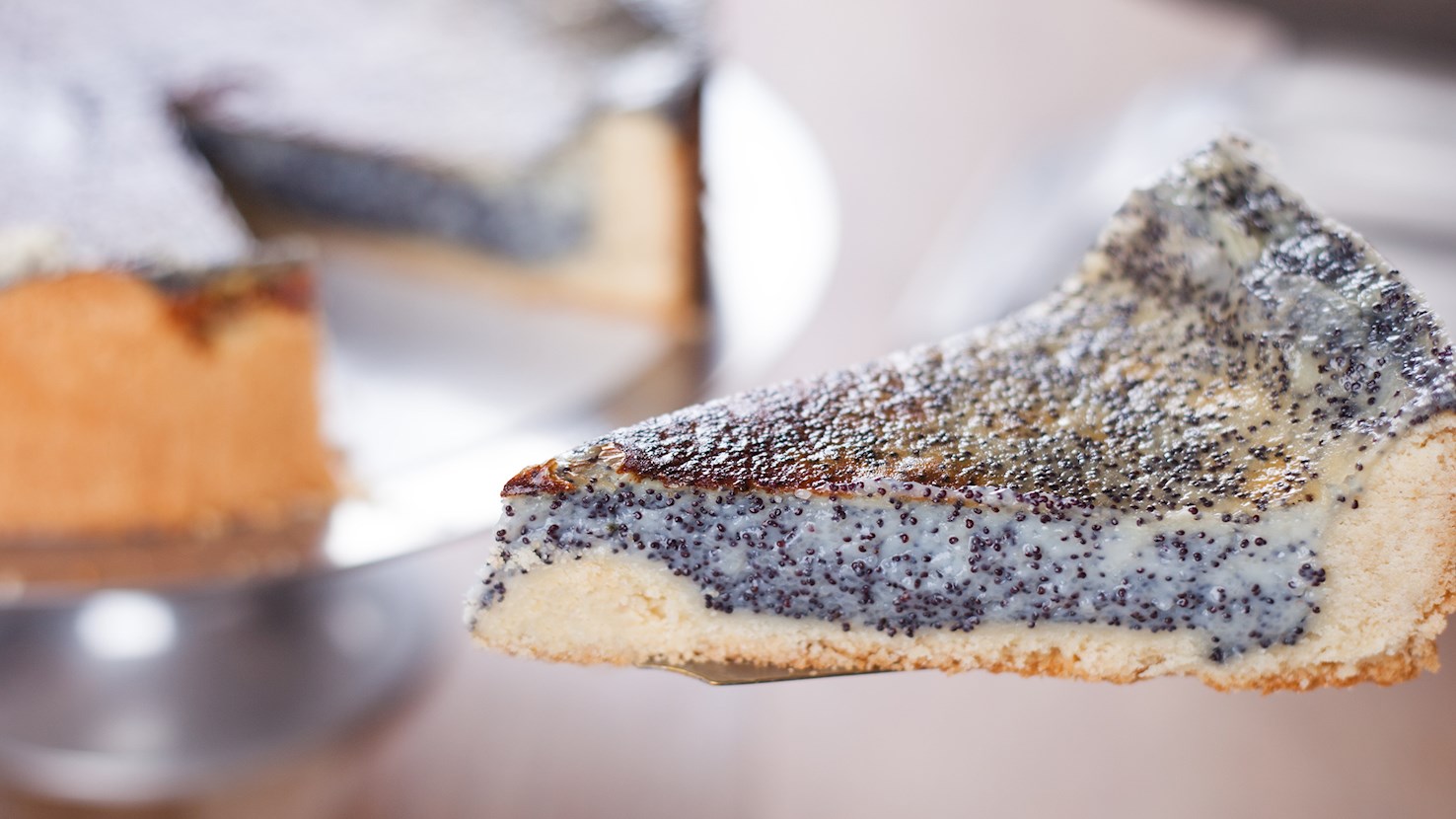
Mohnkuchen is a German term that encompasses a variety of desserts that are prepared with poppy seeds. Most commonly, it refers to various types of open-faced and streusel cakes that couple the creamy poppy filling with a shortcrust pastry and a crumbly topping, but it can also include different types of sponge or bundt cakes. Poppy seeds are often enriched with spices, citrus zest, or liquors, and the cakes are often complemented by fruit, marzipan, or sweetened cheese. Mohnkuchen cakes are popular throughout Germany and Austria and can be enjoyed on special occasions or as a simple afternoon dessert.

09

Salzwedeler Baumkuchen

3.7 ·

This German variety of the spit cake is sometimes called the king of cakes, as it was served at the courts of German royalty. This layered pastry was invented in the old Hanseatic League town of Salzwedel in Saxony-Anhalt some 200 years ago. Salzwedeler Baumkuchen is prepared using a unique baking process – twelve to fifteen layers of batter are applied layer by layer to a spit and baked over an open fire. The typical ingredients are butter, flour, eggs, vanilla, sugar, and salt. Baking powder is not used. Various ground nuts, marzipan, honey, or brandy can be added as fillings. Spices such as cardamom are used to emphasize the cake’s special aroma. Finally, the cake is either coated with dark chocolate or a sugar glaze.

10

Prinzregententorte

3.6 ·

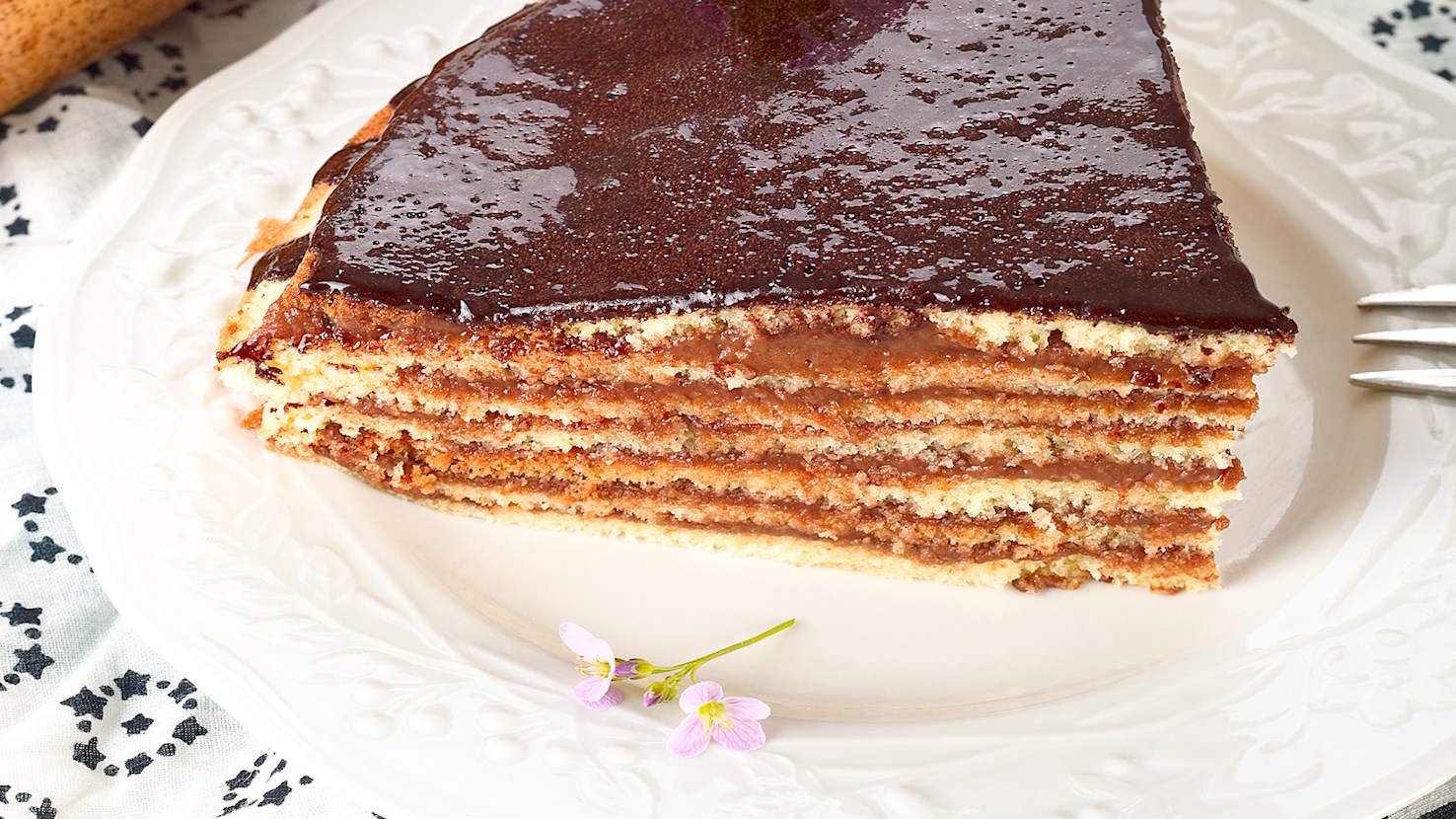
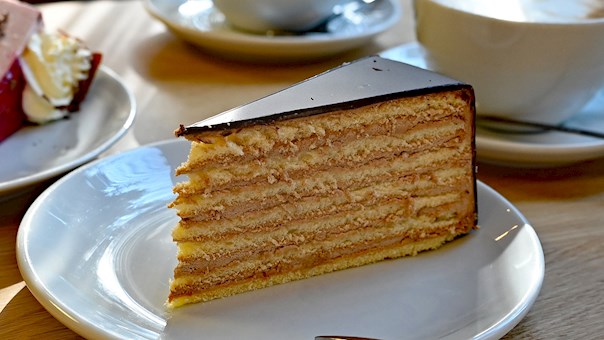
A Bavarian specialty dessert called prinzregententorte is a smooth, chocolate-covered layer cake with a chocolate buttercream filling. The cake is comprised of thin cake layers that are smeared with chocolate buttercream and then finished off with a satin-like chocolate coating. It is sometimes enhanced with apricot or raspberry preserves and is usually adorned with whipped cream or chocolate cream and chocolate shavings on top. Originally, the cake had eight layers which represented the eight districts of Bavaria, but since there are only seven Bavarian districts today, the cake nowadays typically features seven layers. Prinzergententorte was created in honor of Prince Luitpold of Bavaria, who later became Prince Regent, thus the name of the cake. A piece of this authentic German dessert can be savored in numerous cake shops found throughout the region.

Read more
View all
View map
About this ranking

TasteAtlas food rankings are based on the ratings of the TasteAtlas audience, with a series of mechanisms that recognize real users and that ignore bot, nationalist or local patriotic ratings, and give additional value to the ratings of users that the system recognizes as knowledgeable. For the “Top 21 German Cakes” list until June 15, 2026, 1,606 ratings were recorded, of which 1,402 were recognized by the system as legitimate. TasteAtlas Rankings should not be seen as the final global conclusion about food. Their purpose is to promote excellent local foods, instill pride in traditional dishes, and arouse curiosity about dishes you haven’t tried.

Similar lists