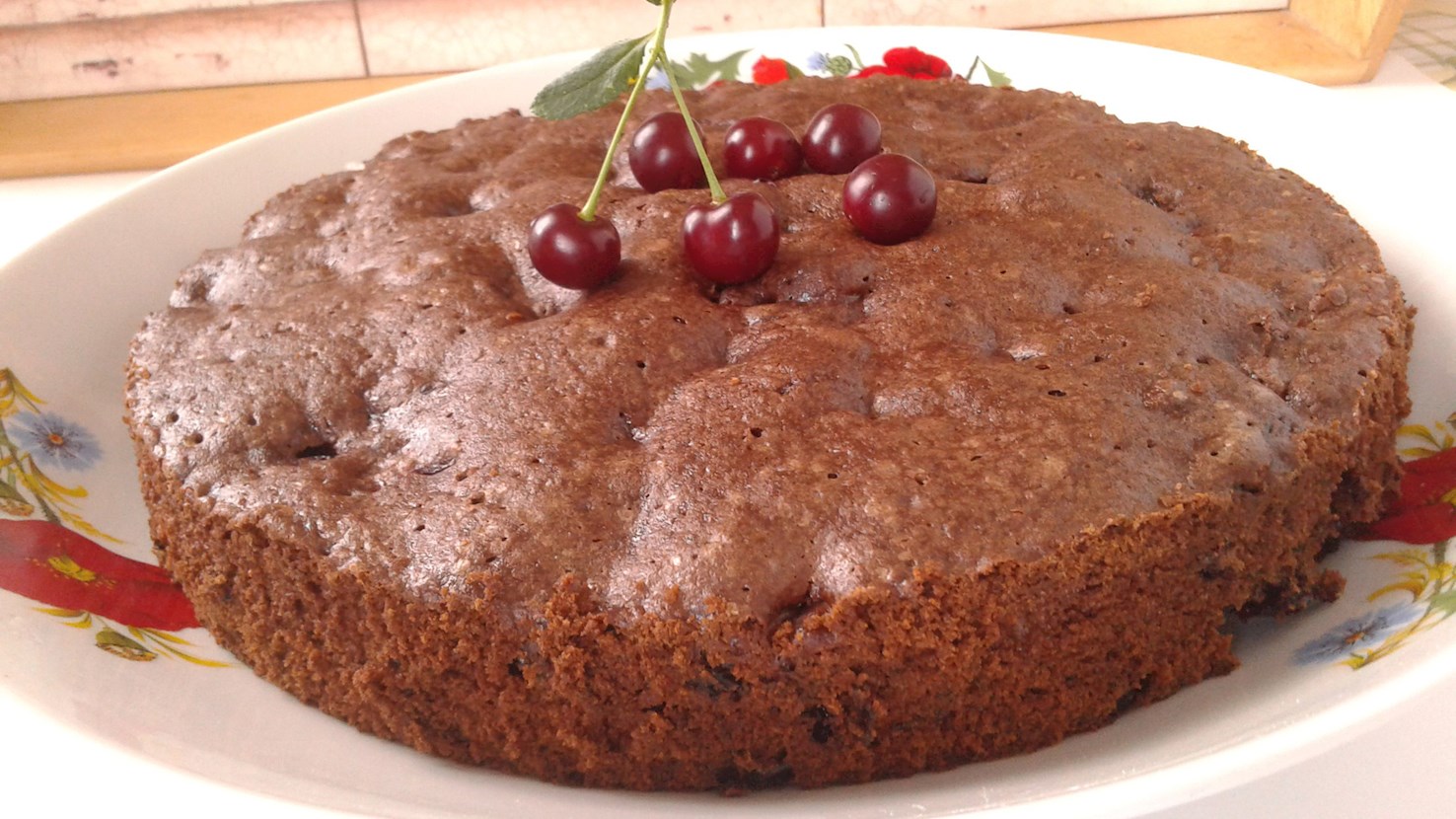
Jamaican rum cake is a dense, fruit-filled cake made with soaked dried fruits, browning, warm spices, and Jamaican rum, served throughout Jamaica especially during the Christmas season and at weddings, formal gatherings, and family celebrations. It is produced in homes, bakeries, and commercial kitchens and is closely associated with Jamaican festive cooking. The cake developed as cooks combined British-style fruitcake techniques with Caribbean ingredients such as overproof rum, local wine, pimento, and burnt sugar syrup used for coloring. In Jamaica, dried fruits were often preserved in rum for long periods, and this practice shaped the structure of the cake, which requires the fruit to be soaked in alcohol to create its characteristic texture and flavor. As rum production increased and baking methods evolved, the dish became a fixed part of holiday menus and large events. Preparation begins by soaking raisins, currants, prunes, and cherries in rum, red wine, or a mixture of both. The fruits may be soaked for weeks or months, and they are often blended before use to create a smoother texture. The cake batter is made from butter, sugar, eggs, flour, browning for color, and spices such as nutmeg, cinnamon, and pimento. The blended or chopped fruits are mixed into the batter along with additional rum or wine. The cake is baked slowly at a low temperature until firm and evenly set. After baking, some cooks pour extra rum onto the cake while it cools, which helps preserve it and deepen the flavor. One distinguishing feature of Jamaican rum cake is the use of browning, a cooked sugar syrup that darkens the cake without overwhelming the flavor, giving it its characteristic deep brown appearance. Jamaican rum cake is eaten across Jamaica and in Jamaican communities abroad during Christmas, New Year celebrations, weddings, and family gatherings. It is often served in thin slices due to its richness. Beverage pairings include sorrel drink, ginger beer, coffee, and fortified wines. Some people serve it with a small glass of rum or rum cream, while others enjoy it with tea. In many households, rum cake is prepared in advance of holiday seasons and stored so that the flavors continue to develop, making it a lasting part of Jamaican culinary celebrations.
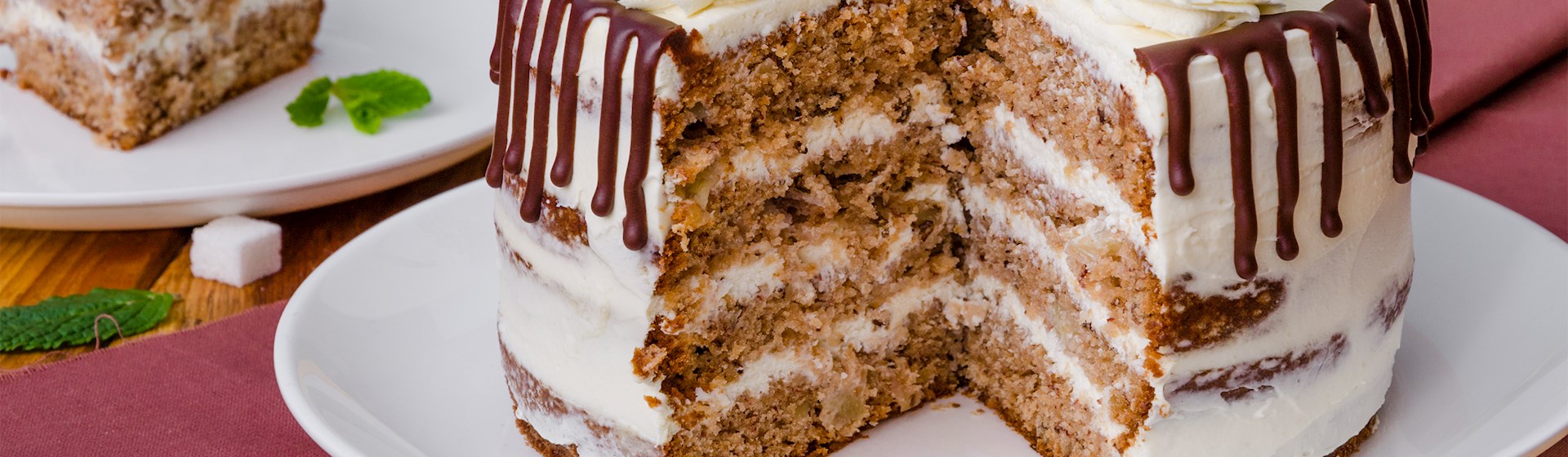
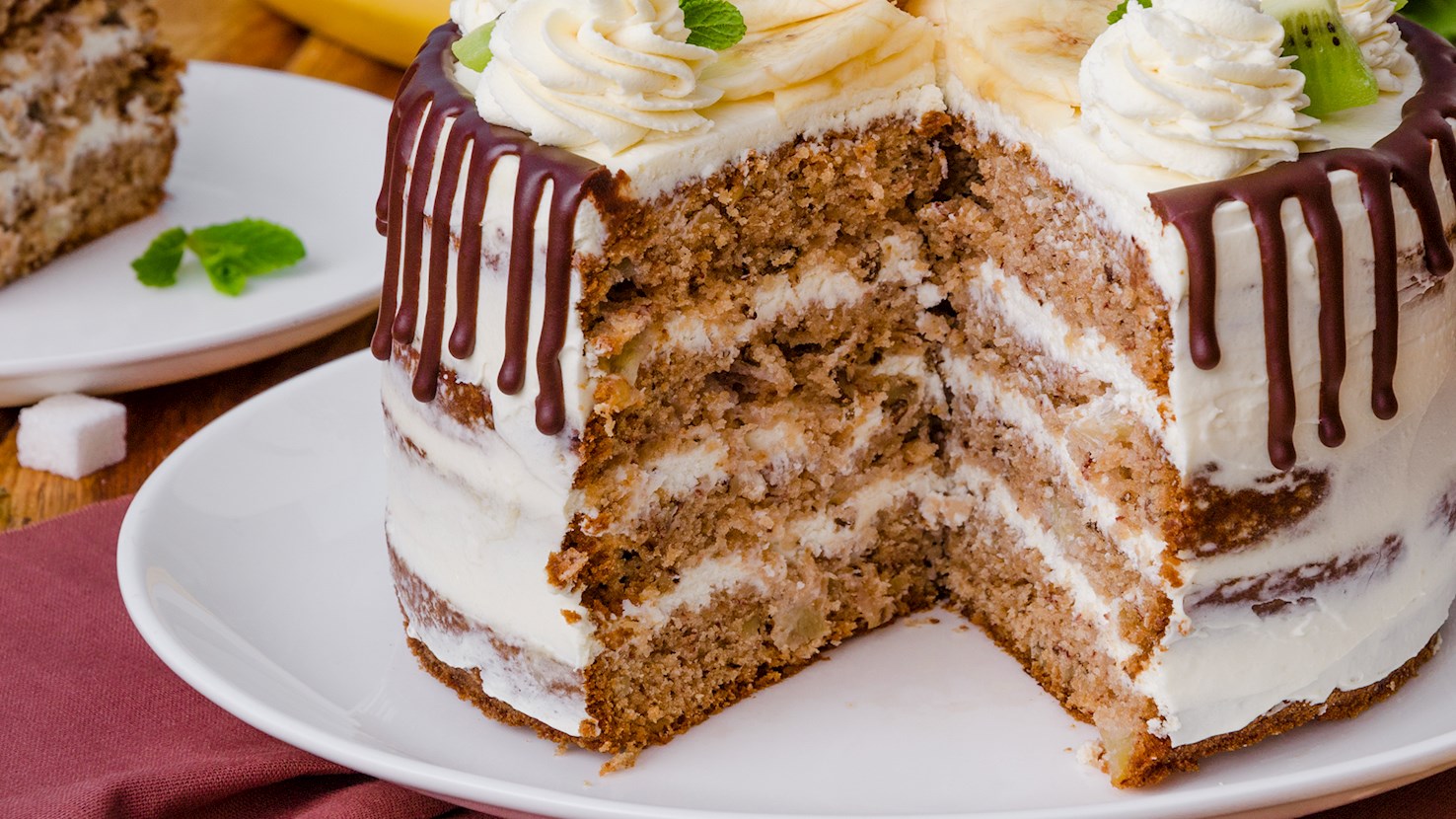
Hummingbird cake is a layered dessert made from mashed bananas, crushed pineapple, vegetable oil, sugar, eggs, and warm spices, commonly finished with cream cheese frosting and chopped pecans. It is widely associated with the American South but originated in Jamaica, where a similar banana–pineapple spice cake was developed using local fruit and pantry ingredients. The earliest version known from Jamaica was called the Doctor Bird cake, named after the island’s national hummingbird, and recipes circulated in community and tourism publications before the cake was adapted by home bakers in the United States. After its introduction to American food magazines in the late 1970s, the cake became established in Southern baking, where it fit easily into a repertoire of moist, fruit-forward cakes that relied on oil rather than butter. Preparation involves stirring together the mashed bananas, pineapple, oil, sugar, eggs, flour, baking soda, cinnamon, and vanilla without creaming or whipping, creating a dense, moist batter that stays tender for several days. The baked layers are cooled and coated with cream cheese frosting, often accompanied by pecans on top or between layers. Some versions use pecans in the batter as well, while others keep them as a garnish. The cake is served at celebrations, gatherings, and potlucks throughout the United States and continues to appear in cafes and bakeries that specialize in American desserts. It is typically eaten as a dessert or with coffee, tea, or iced drinks, and it pairs well with lightly sweet beverages such as sweet tea, cold brew coffee, or mild fruit punches that do not overpower its fruit-and-spice profile.
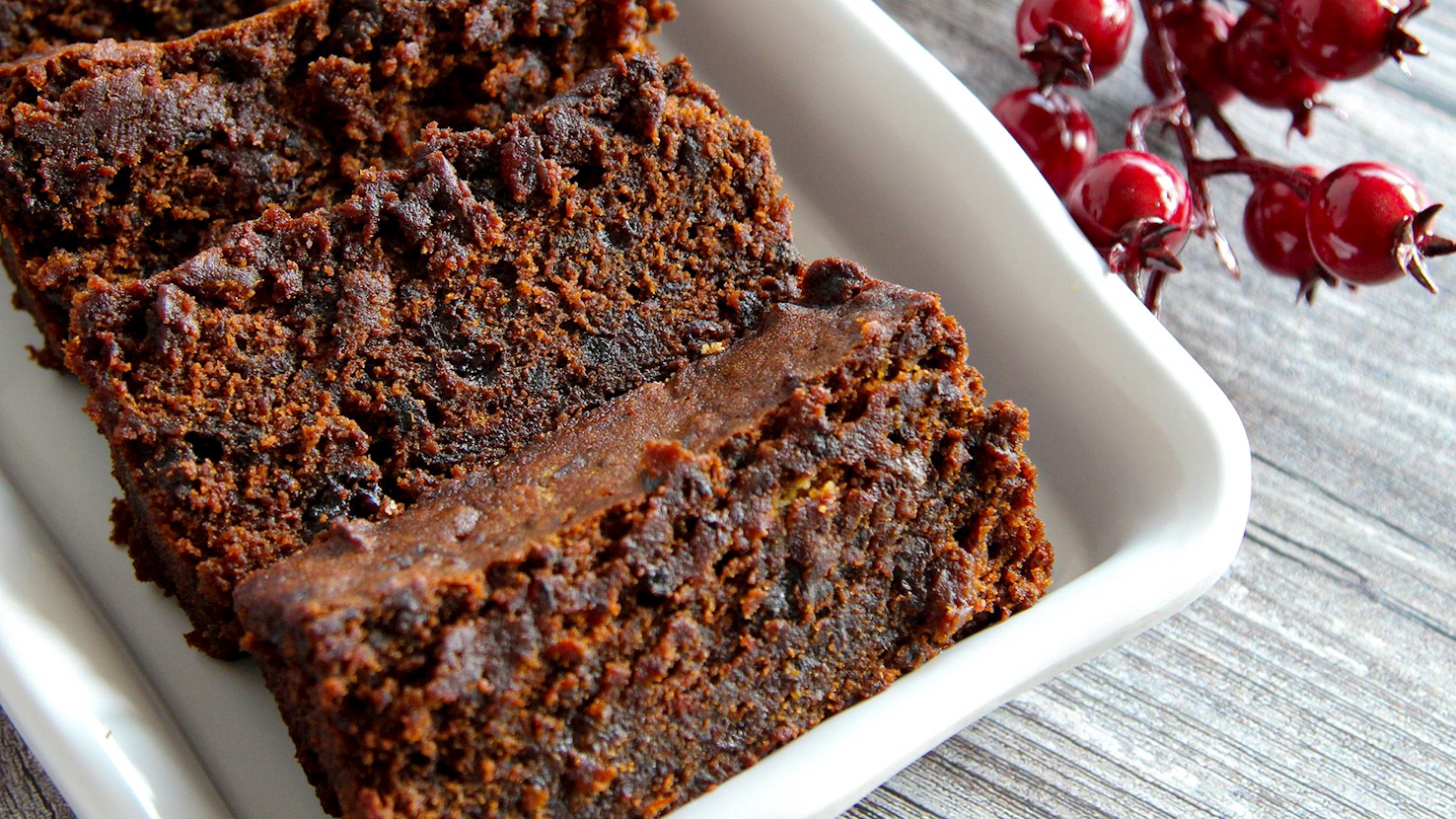
Black fruit cake is a dense, dark Caribbean cake made with rum-soaked dried fruits, browning, warm spices, and a slow-baked batter that produces a moist, heavily flavored dessert. It is prepared throughout the English-speaking Caribbean, especially in Jamaica, Belize, Trinidad, and Guyana, where it is commonly eaten during Christmas and at weddings. The cake is defined by its deep color, which comes from browning (a cooked sugar syrup) combined with puréed fruit that has been soaked for extended periods in rum, wine, or both. While each island has its own style, the core preparation, an alcohol-infused fruit base baked into a soft, dark cake, remains consistent. Its development is connected to British fruitcake brought to the Caribbean, which Caribbean cooks adapted by incorporating locally available rum, adding regional spices, and using browning to achieve a uniform dark color not present in European versions. Over time, the technique of soaking fruits for months and blending them to a smooth consistency became a defining feature. Preparation begins with raisins, currants, prunes, and cherries combined in a jar and covered with rum and red wine. These fruits are left to soak for weeks or months, and in many households the fruit mixture is replenished and reused from year to year. Before baking, the fruits are blended to a thick puree, though some cooks leave a portion chopped for texture. The cake batter is made from creamed butter and sugar, eggs, flour, baking powder, spices such as nutmeg and allspice, and browning added for color. The pureed fruits are mixed into the batter along with extra rum or wine from the soaking liquid. The batter is thick and poured into lined pans, then baked slowly at low heat to prevent scorching and to allow moisture to remain in the finished cake. After baking, some cooks brush the cake with additional rum, which helps preserve it and deepens its flavor as it rests. Black fruit cake is eaten across the Caribbean during December festivities, at weddings, and at formal gatherings. It is usually sliced thinly due to its density and richness. In Jamaica and Trinidad, it may appear alongside lighter pastries during holiday spreads, while in Barbados and Guyana it often serves as the central Christmas dessert. Beverage pairings include sorrel drink, ginger beer, rum punch, coffee, and occasionally fortified wine. When served at weddings, it may be paired with champagne or sparkling drinks. Outside the Caribbean, black fruit cake is prepared by Caribbean communities maintaining festive customs and is sold in bakeries during the holiday season, where it remains one of the most recognizable Caribbean baked goods.
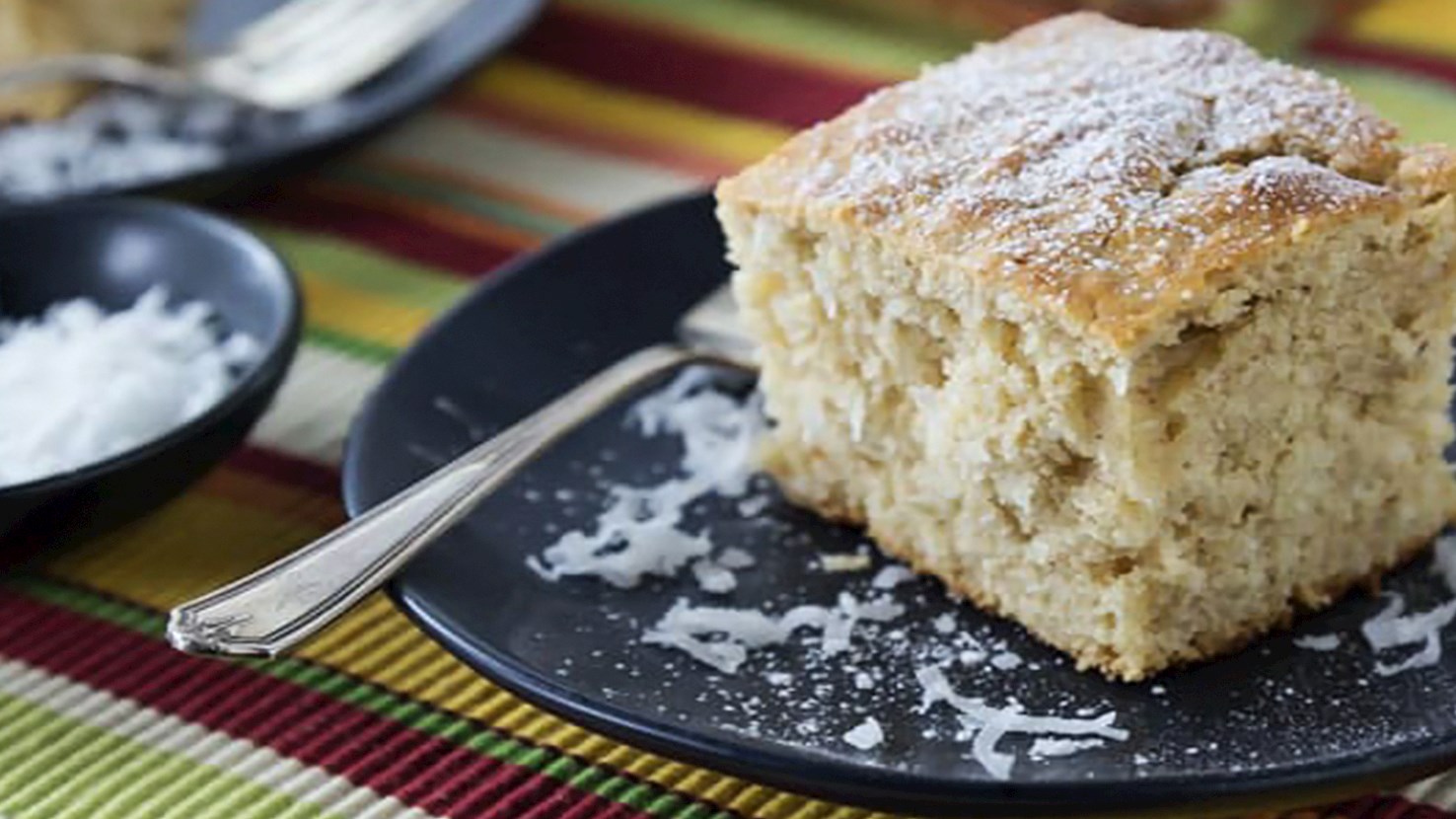
Toto is a baked coconut cake associated with Jamaica, made from grated coconut combined with flour, sugar, spices, and fat to produce a dense, moist cake that sits between a bread and a dessert. Its development is linked to the long-standing use of coconut as a staple ingredient in Jamaican cooking, shaped by African and European baking practices and by the availability of coconuts as a local, reliable source of flavor and texture in home kitchens and small bakeries. Preparation involves mixing grated coconut with flour, brown sugar, baking powder, spices such as nutmeg and cinnamon, and either butter or oil, sometimes with added coconut milk, to form a thick batter that is baked until set and lightly browned, resulting in a cake that retains moisture due to the coconut rather than relying on icing or syrup. The finished cake is usually left plain, without fillings or toppings, and its structure allows it to be sliced cleanly while remaining compact. Toto is typically served at room temperature and cut into squares or wedges. It is commonly eaten as a snack or light meal component in homes, schools, and bakeries, often paired with cheese or butter, and it is frequently consumed alongside tea, coffee, or other warm drinks that balance its sweetness and density.
TasteAtlas food rankings are based on the ratings of the TasteAtlas audience, with a series of mechanisms that recognize real users and that ignore bot,
nationalist or local patriotic ratings, and give additional value to the ratings of users that the system recognizes as knowledgeable.
For the “Top 4 Jamaican Cakes” list until June 15, 2026, 56 ratings were recorded, of which 41 were recognized by the system as legitimate.
TasteAtlas Rankings should not be seen as the final global conclusion about food. Their purpose is to promote excellent local foods,
instill pride in traditional dishes, and arouse curiosity about dishes you haven’t tried.