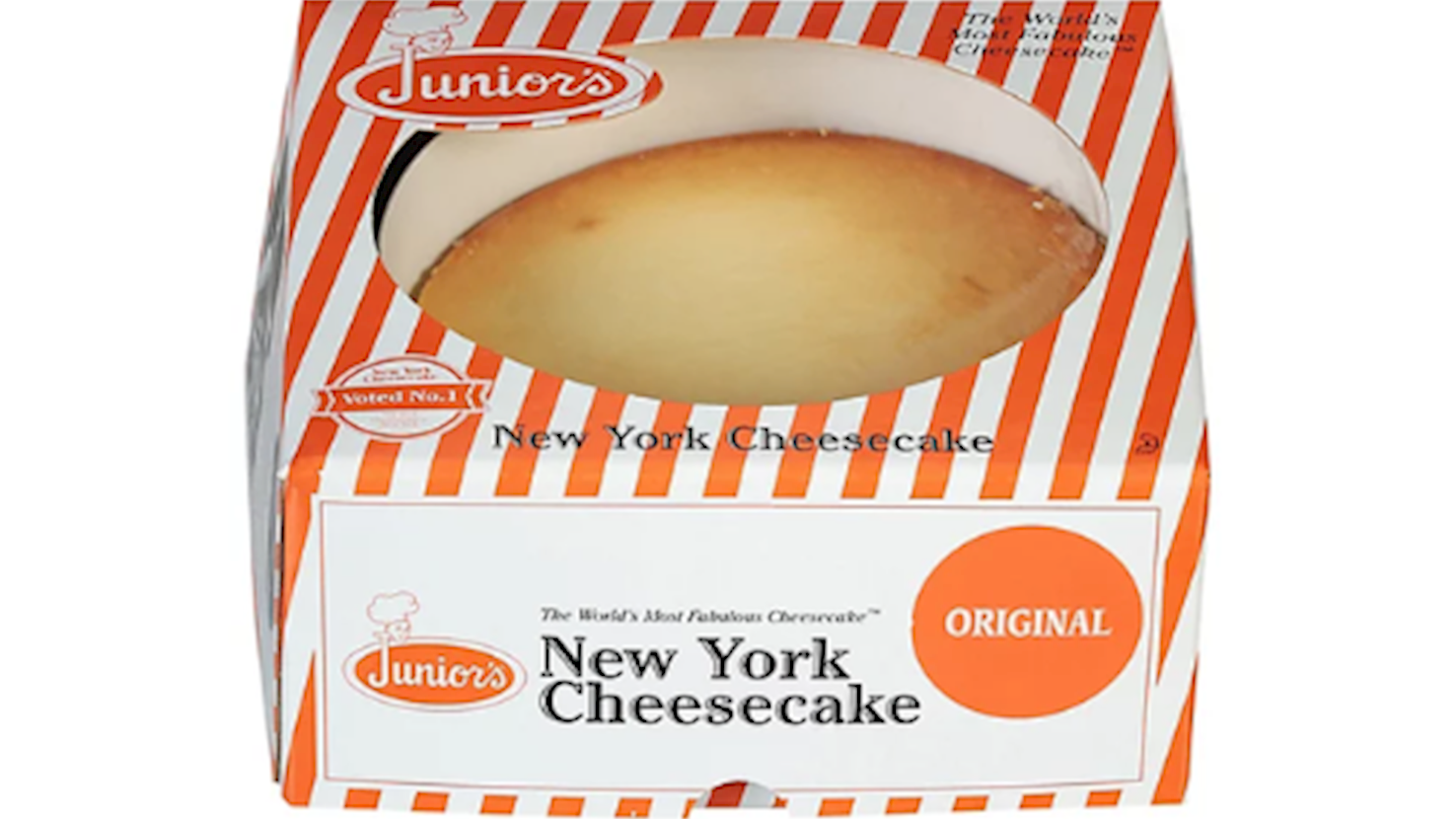
Junior's is one of New York City’s most iconic bakeries and restaurants, best known for its legendary New York-style cheesecake, widely regarded as one of the most famous cheesecakes in the United States. Founded in 1950 by Harry Rosen in Brooklyn, the company grew from a family restaurant tradition that dates back to 1929.
Junior’s was created with the vision of combining a classic American restaurant experience with exceptional baked desserts, but it was its cheesecake that ultimately became the brand’s defining product. The original recipe was developed in collaboration with master baker Eigel Peterson and is distinguished by its unique sponge cake crust rather than the traditional graham cracker base commonly used in American cheesecakes.
Over the decades, Junior’s has become a culinary landmark of New York, attracting both local customers and visitors from around the world. The bakery is celebrated for its rich, creamy texture, premium ingredients, and commitment to traditional baking methods.
While the company offers numerous cheesecake variations featuring fruit, chocolate, caramel, and other flavors, the Original New York Cheesecake remains its most recognized product. Junior’s has expanded beyond its flagship Brooklyn location with additional restaurants and bakeries while also shipping its cheesecakes nationwide.
Today, the brand is considered a symbol of authentic New York dessert culture and one of the most influential names in American cheesecake making.
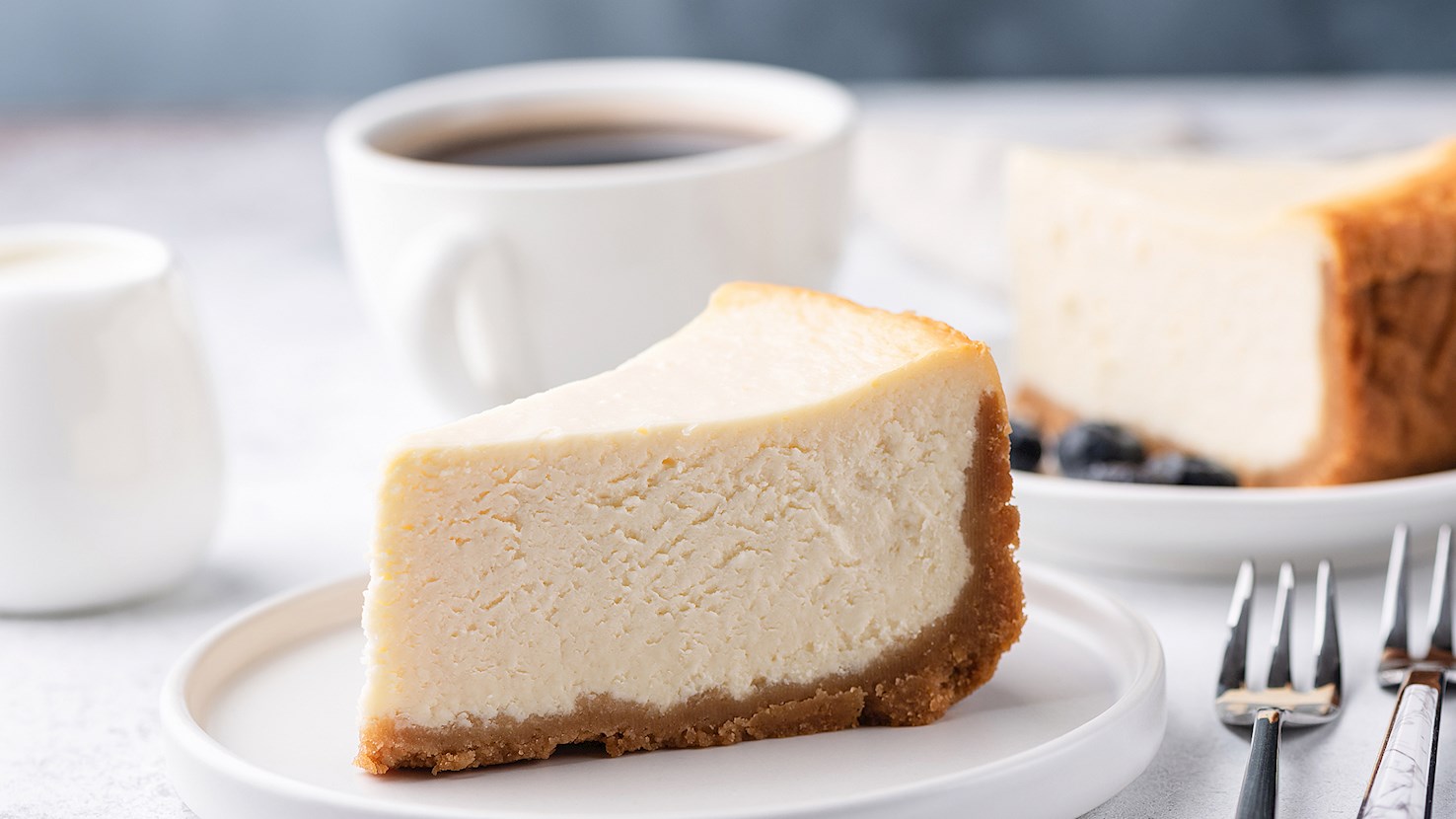
New York-style cheesecake is different from other cheesecakes mainly because of its heavy and dense texture that feels extremely smooth and rich. Its flavor should be sweet and tangy, not citrusy, chewy, or starchy. It is believed that the first New York-style cheesecake was made by Junior’s in the 1950s. The magic formula includes heavy cream, eggs, vanilla, cream cheese, and (optionally) sour cream, while the base usually consists of a sponge cake crust or graham cracker crust.
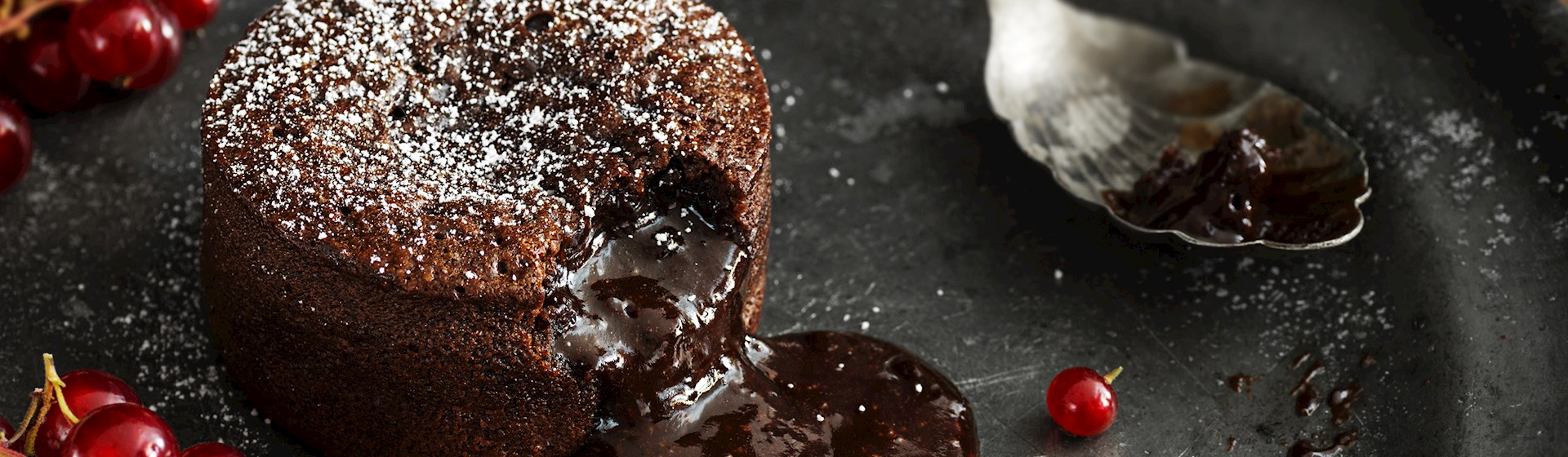
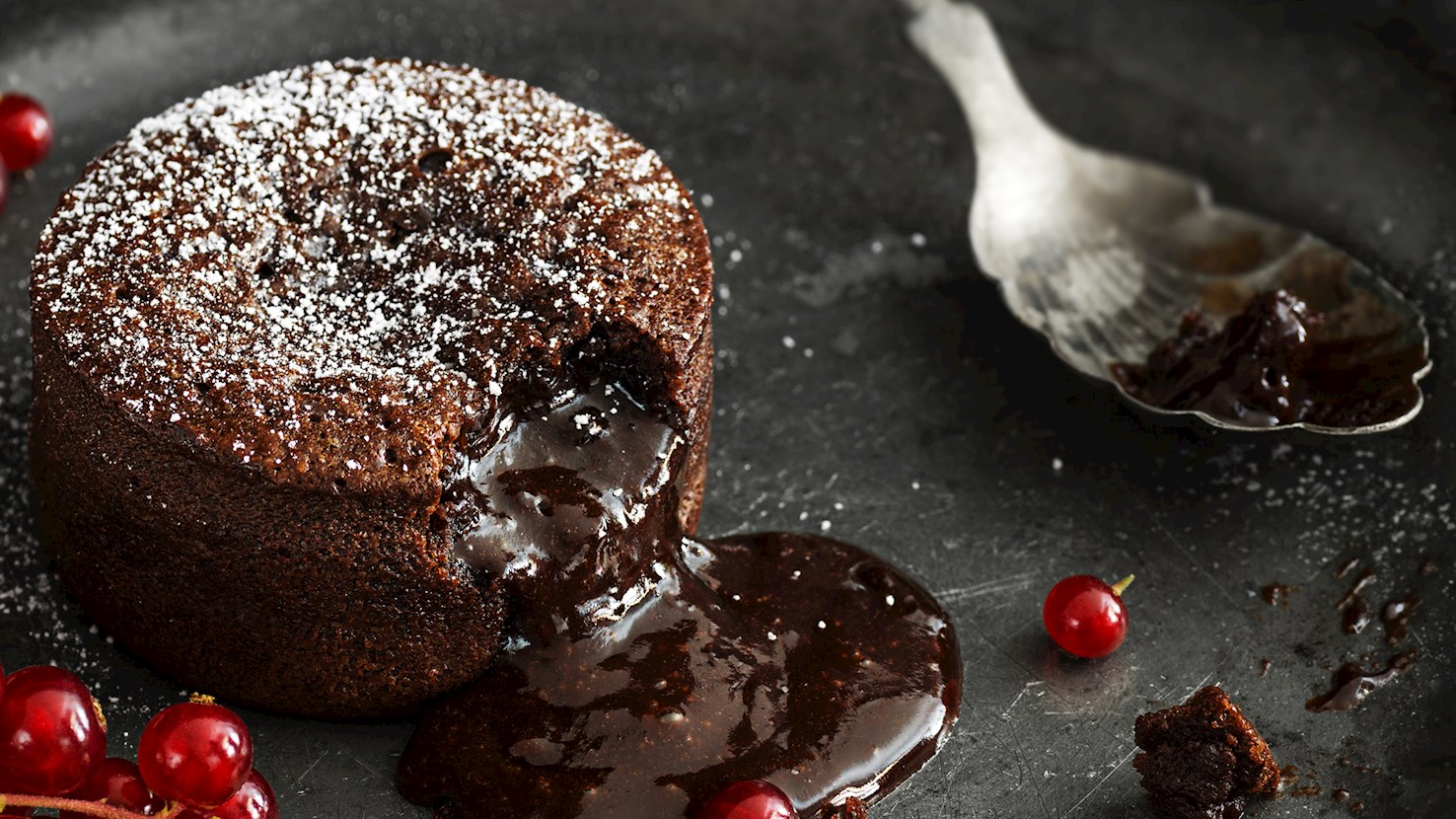
Molten chocolate cake is an American chocolate dessert made as a small individual cake with a baked outer layer and a warm, fluid center, and it became one of the defining restaurant desserts of the United States in the late 20th century. It is especially associated with chef Jean-Georges Vongerichten, who popularized his version in New York in the 1980s after discovering that a chocolate cake pulled from the oven early could hold its shape while remaining liquid inside. A related French dessert, Michel Bras’s coulant au chocolat, had already appeared in France and used a different construction based on a frozen ganache center enclosed in batter, so the two desserts are closely related in appearance but not quite the same in method. The American version is usually simpler: dark chocolate and butter are melted together, then combined with eggs, sugar, and a small amount of flour before being portioned into buttered ramekins or metal molds. The cakes are baked at relatively high heat for only a short time, just long enough for the outer walls and surface to set while the center stays molten. That timing is the key technical point, because the center is not usually a separate filling; it is part of the same batter and remains liquid because it has not fully set. The texture therefore depends heavily on oven temperature, mold size, batter depth, and serving time, and a difference of even one or two minutes can change the result from flowing to merely soft. The exterior should be firm enough to unmold cleanly, while the inside should release a smooth pool of warm chocolate as soon as the cake is cut. Recipes vary in richness, with some using extra egg yolks for a denser texture and others using bittersweet chocolate with a high cocoa percentage to keep the dessert from becoming overly sweet. Some versions are dusted with cocoa or powdered sugar, while others are left completely plain so the chocolate remains the focus. Molten chocolate cake spread quickly from fine-dining restaurants into steakhouses, hotel dining rooms, chain restaurants, and home kitchens, helped by the fact that the batter can be prepared ahead of time and baked to order in individual portions. It is usually served immediately, because the molten texture begins to firm as it cools, and common accompaniments include vanilla ice cream, whipped cream, raspberries, strawberries, crème anglaise, or a tart fruit coulis. The contrast between the hot center and a cold accompaniment such as ice cream has become one of the standard ways to serve it, while coffee and espresso work well because they cut through the richness. Fortified wines such as port, Banyuls, or Maury can also pair well, especially with darker, less sweet versions, while a small amount of fresh berries provides enough acidity to balance the chocolate without distracting from the cake itself.
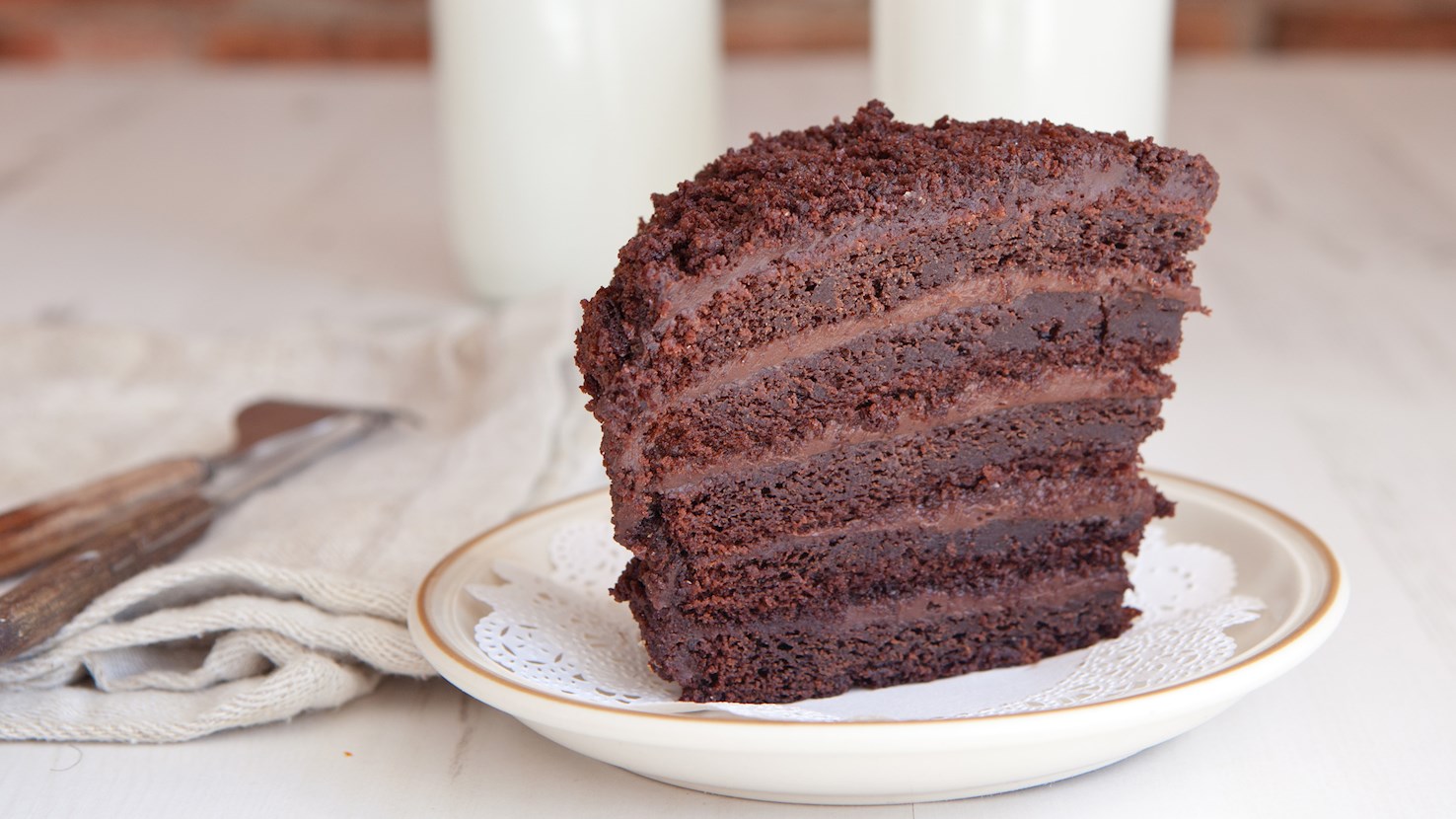
Blackout cake is a traditional chocolate cake originating from Brooklyn's Ebinger's Bakery, where it was first made in 1942. This rich, dark sponge cake is filled with thick pudding-like chocolate custard and topped with crumbs of chocolate cake. The ingredients used for the cake typically include dark chocolate, espresso powder, flour, cocoa powder, baking soda and powder, butter, salt, sugar, eggs, and milk. Once prepared, the cake is often decorated with buttercream, but it's completely optional. Its dark visual appearance is a nod to the mandatory blackouts that happened at the time (WWII) in order to protect the Brooklyn Navy Yard.
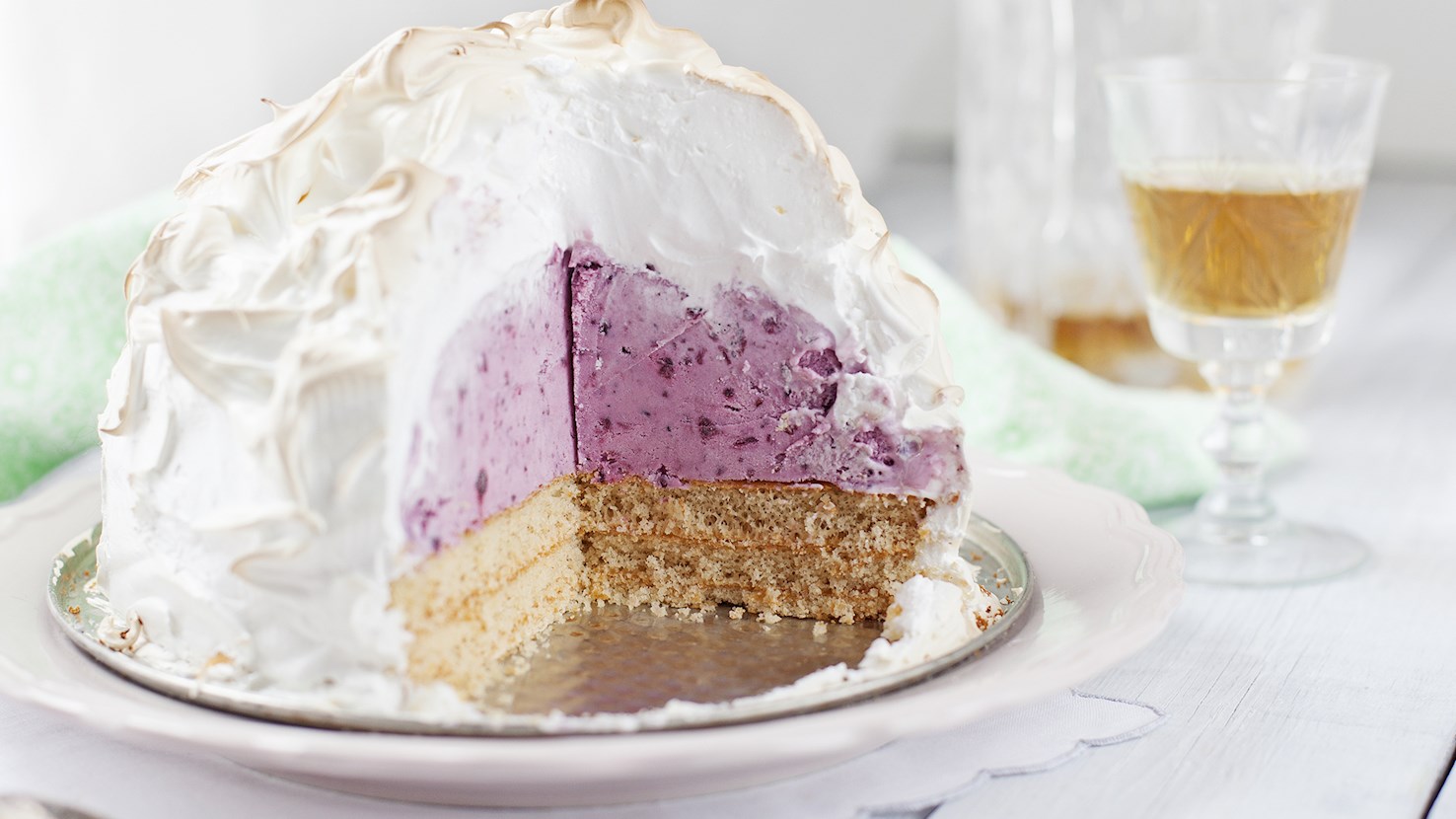
This timeless classic consists of a sponge cake base that is topped with ice cream, and the whole combination is then encased in lightly torched or browned meringue. There are many conflicting stories regarding its origin, but it is believed that a predecessor of baked Alaska might be omelette Norvegienne - a French invention that featured layers of cake and ice cream that were covered in meringue and then broiled. In the US, it is accepted that baked Alaska first appeared under the name Alaska Florida at Delmonico's restaurant in New York sometime in the mid-1850s. It was an invention of pastry chef Charles Ranhofer, and it originally consisted of banana ice cream, walnut spice cake, and meringue. Regardless of its origins, baked Alaska nowadays comes in many classic and contemporary versions that also include a rum-based meringue that is flambéed before serving and typically goes under the name bombe Alaska.
TasteAtlas food rankings are based on the ratings of the TasteAtlas audience, with a series of mechanisms that recognize real users and that ignore bot,
nationalist or local patriotic ratings, and give additional value to the ratings of users that the system recognizes as knowledgeable.
For the “Top 4 New York Cakes” list until October 15, 2026, 1,151 ratings were recorded, of which 1,031 were recognized by the system as legitimate.
TasteAtlas Rankings should not be seen as the final global conclusion about food. Their purpose is to promote excellent local foods,
instill pride in traditional dishes, and arouse curiosity about dishes you haven’t tried.
The initial list of top producers was compiled based on available reviews, awards, local recommendations, media and blog coverage, and consumer reviews.
The list will be updated with ratings from TasteAtlas local ambassadors and TasteAtlas users.



What People Say