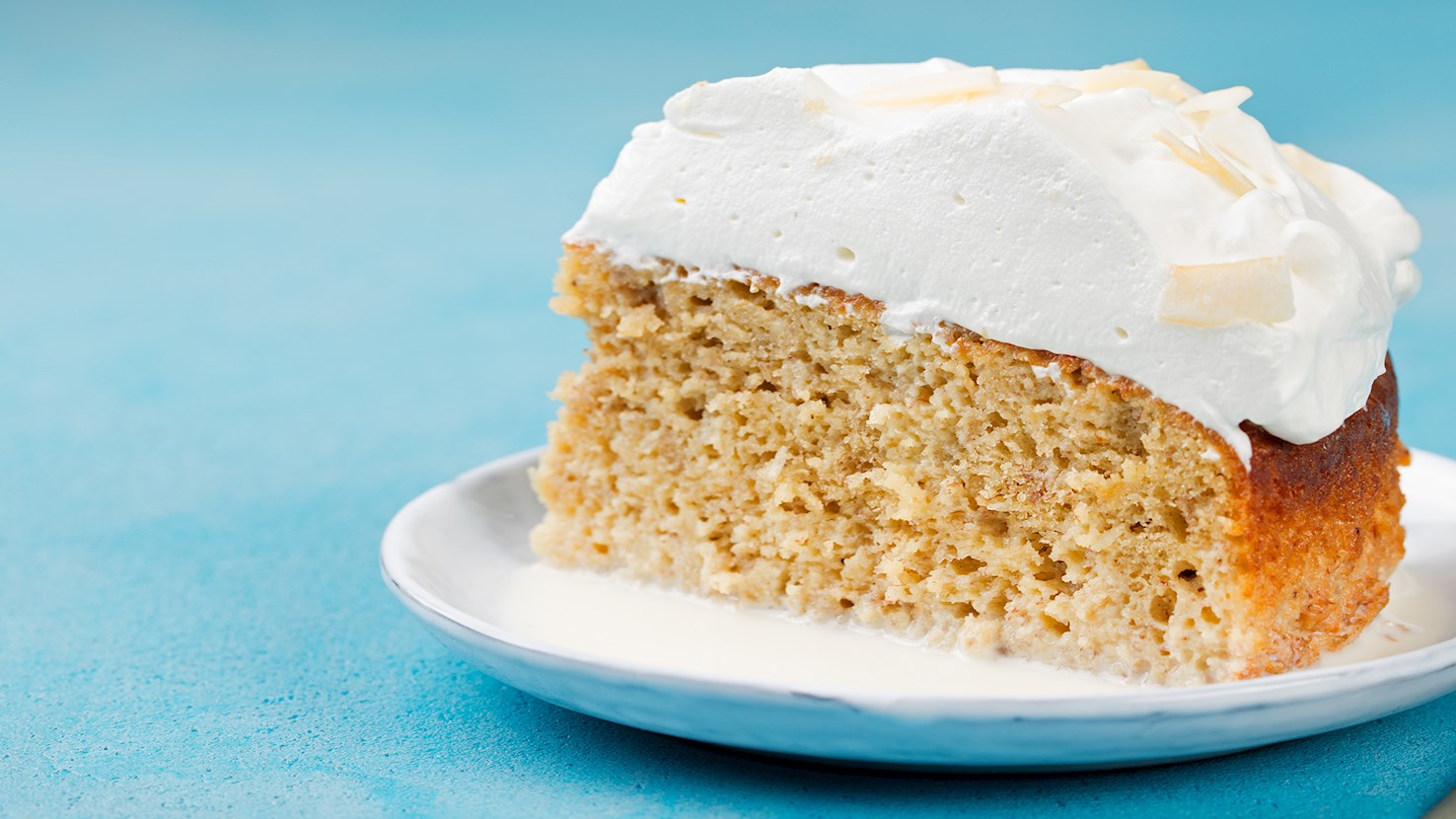
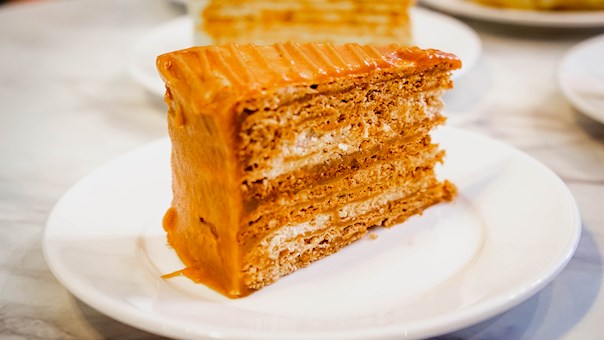
Tres leches cake is a dense, highly saturated sponge cake soaked in a specific mixture of three distinct dairy components consisting of evaporated milk, sweetened condensed milk, and heavy cream or whole milk, which is then topped with whipped cream and distributed widely throughout Latin America, with Mexico, Nicaragua, and coastal regions of the Caribbean basin serving as its primary cultural and commercial hubs. The widespread formulation of this dessert proliferated during the mid-twentieth century following the commercial mass-marketing of shelf-stable canned milk products by transnational food corporations such as Nestlé, who printed structured soaking recipes directly onto the labels of evaporated and condensed milk cans across Central and South America to stimulate consumer demand for manufactured dairy commodities, effectively modifying older European wine-soaked sponge configurations, like British trifles and Italian tiramisu, to suit regional supply chains. Preparation requires baking a light, aerated sponge cake containing a high volume of whipped egg whites and minimal fat, which produces an open, resilient crumb structure that prevents the matrix from collapsing when saturated. Once the cake cools completely, the entire upper surface is punctured repeatedly with a fork or skewer to create vertical fluid pathways, and a thoroughly blended mixture of equal parts evaporated milk, sweetened condensed milk, and heavy cream is poured slowly over the top until the liquid is fully absorbed into the cellular cavities of the baked crumb. Tres leches cake is served chilled directly from the refrigeration unit to stabilize the saturated dairy matrix, sliced into square portions, and standardly garnished with a dusting of ground cinnamon or a single fresh berry to introduce a mild aromatic contrast to the high concentration of sugar. It is eaten globally within pan-Latino restaurants, local bakeries, and domestic households, acting as a centerpiece dessert during birthdays, weddings, Mother's Day celebrations, and quinceañeras across Mexico, Central America, and Latino communities within the United States. For food and beverage pairings, the high sugar concentration and intense dairy fats of the soaked sponge demand bitter, acidic, or highly roasted flavor compounds to strip the palate between bites, meaning it is eaten alongside fresh acidic fruits like mango, passion fruit, or kiwi, and paired with unsweetened hot black coffee, bold espresso, dark roasted chicory teas, or small pours of aged dark rum.
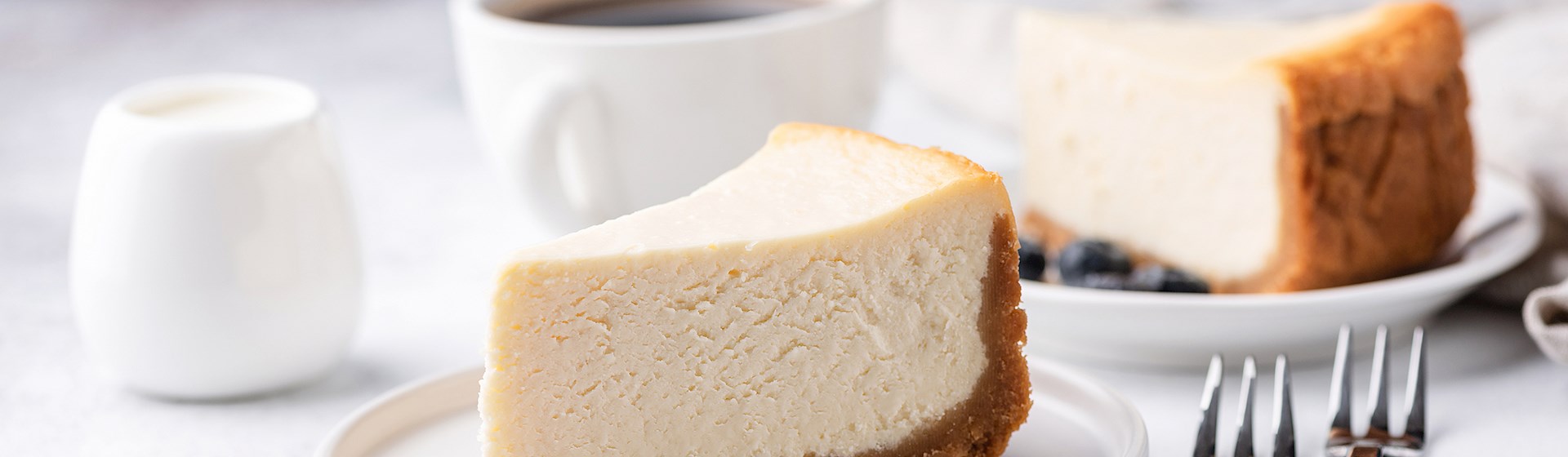
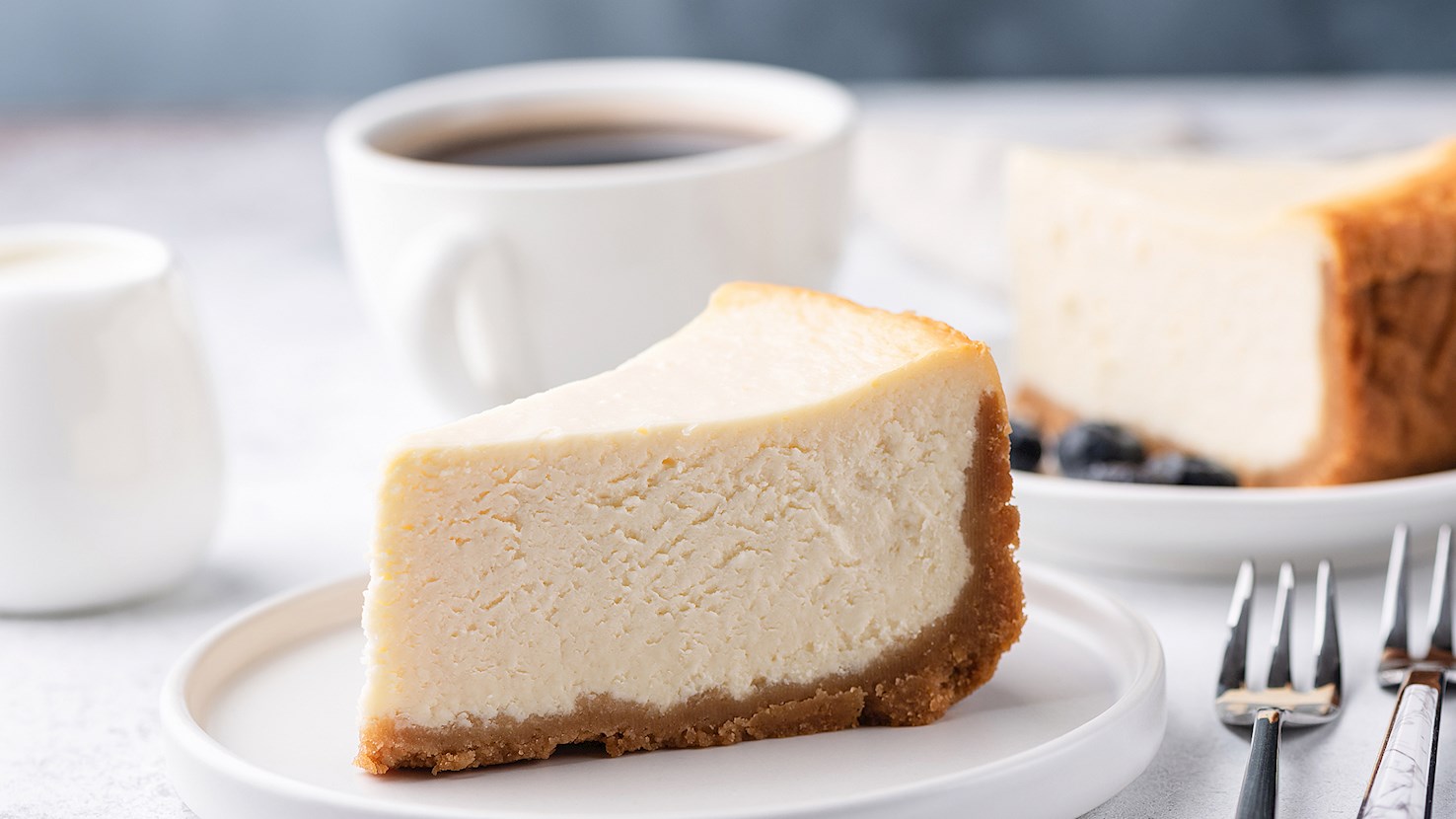
New York-style cheesecake is different from other cheesecakes mainly because of its heavy and dense texture that feels extremely smooth and rich. Its flavor should be sweet and tangy, not citrusy, chewy, or starchy. It is believed that the first New York-style cheesecake was made by Junior’s in the 1950s. The magic formula includes heavy cream, eggs, vanilla, cream cheese, and (optionally) sour cream, while the base usually consists of a sponge cake crust or graham cracker crust.
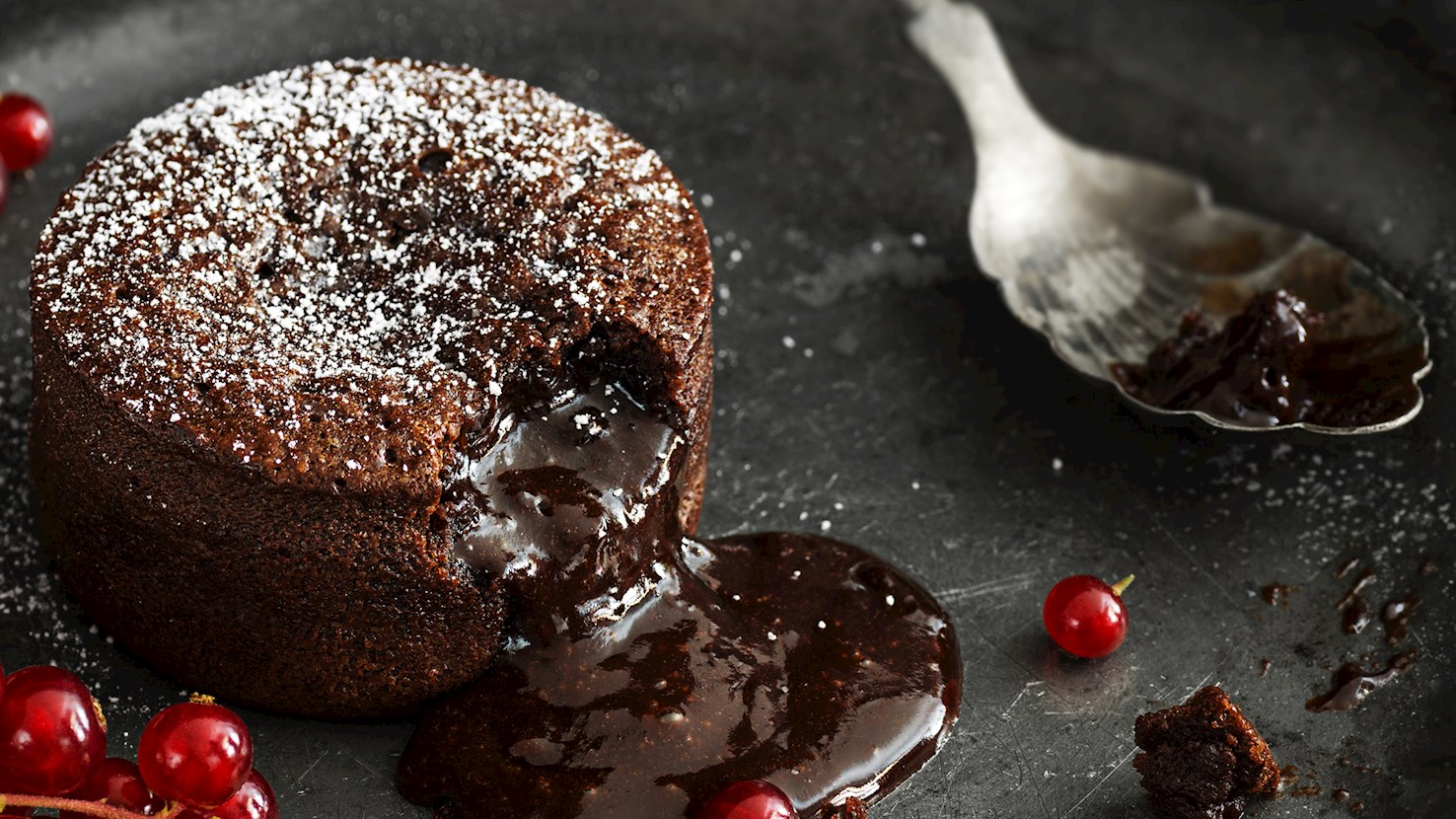
Molten chocolate cake is an American chocolate dessert made as a small individual cake with a baked outer layer and a warm, fluid center, and it became one of the defining restaurant desserts of the United States in the late 20th century. It is especially associated with chef Jean-Georges Vongerichten, who popularized his version in New York in the 1980s after discovering that a chocolate cake pulled from the oven early could hold its shape while remaining liquid inside. A related French dessert, Michel Bras’s coulant au chocolat, had already appeared in France and used a different construction based on a frozen ganache center enclosed in batter, so the two desserts are closely related in appearance but not quite the same in method. The American version is usually simpler: dark chocolate and butter are melted together, then combined with eggs, sugar, and a small amount of flour before being portioned into buttered ramekins or metal molds. The cakes are baked at relatively high heat for only a short time, just long enough for the outer walls and surface to set while the center stays molten. That timing is the key technical point, because the center is not usually a separate filling; it is part of the same batter and remains liquid because it has not fully set. The texture therefore depends heavily on oven temperature, mold size, batter depth, and serving time, and a difference of even one or two minutes can change the result from flowing to merely soft. The exterior should be firm enough to unmold cleanly, while the inside should release a smooth pool of warm chocolate as soon as the cake is cut. Recipes vary in richness, with some using extra egg yolks for a denser texture and others using bittersweet chocolate with a high cocoa percentage to keep the dessert from becoming overly sweet. Some versions are dusted with cocoa or powdered sugar, while others are left completely plain so the chocolate remains the focus. Molten chocolate cake spread quickly from fine-dining restaurants into steakhouses, hotel dining rooms, chain restaurants, and home kitchens, helped by the fact that the batter can be prepared ahead of time and baked to order in individual portions. It is usually served immediately, because the molten texture begins to firm as it cools, and common accompaniments include vanilla ice cream, whipped cream, raspberries, strawberries, crème anglaise, or a tart fruit coulis. The contrast between the hot center and a cold accompaniment such as ice cream has become one of the standard ways to serve it, while coffee and espresso work well because they cut through the richness. Fortified wines such as port, Banyuls, or Maury can also pair well, especially with darker, less sweet versions, while a small amount of fresh berries provides enough acidity to balance the chocolate without distracting from the cake itself.
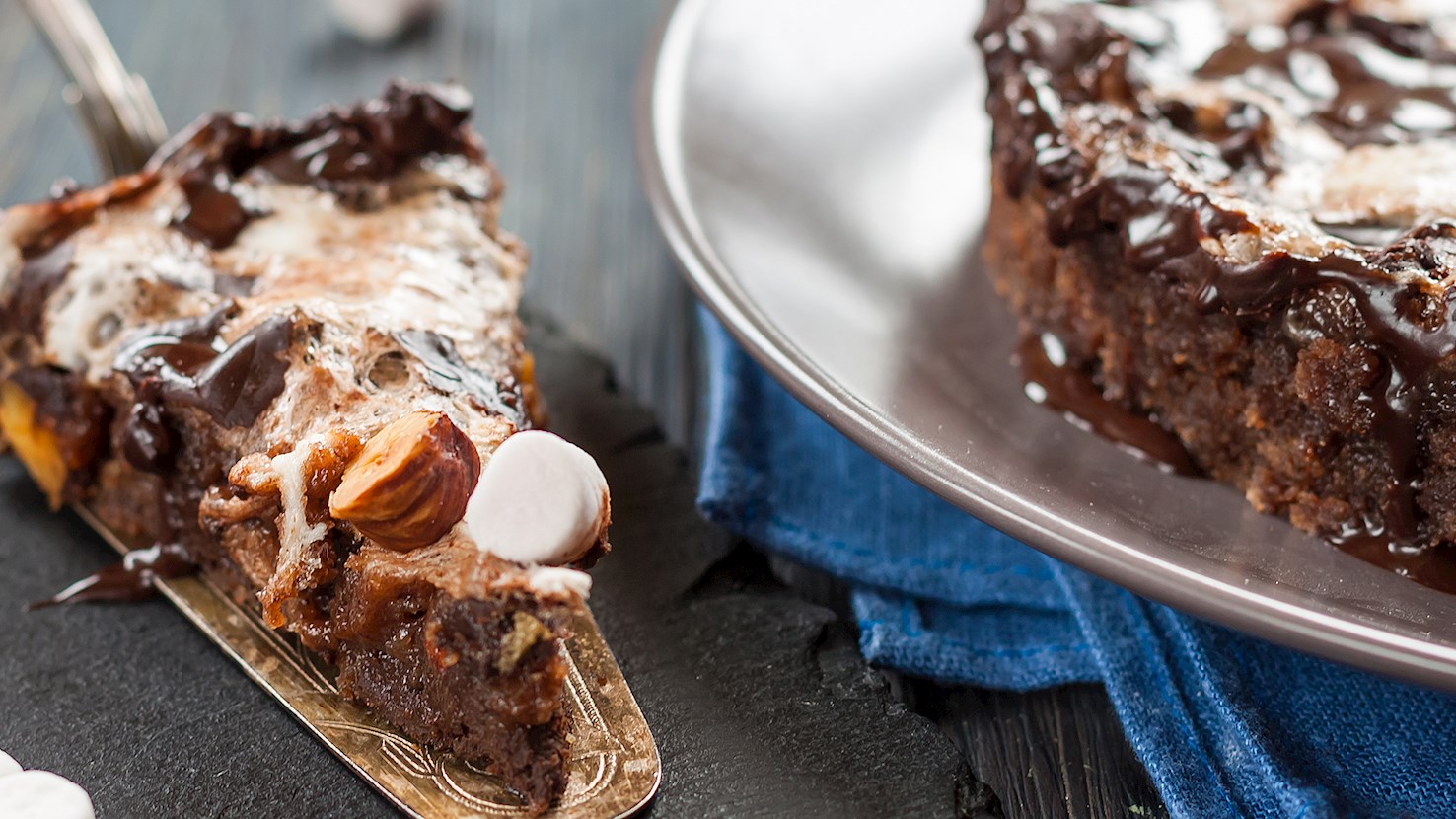
Mississippi mud pie is a flavorful American dessert consisting of a cookie crust filled with numerous variable ingredients such as biscuits, ice cream, pudding, whipped cream, liqueur, and marshmallows. The pie is usually prepared in layers and often topped with almonds, pecans, chocolate syrup, or marshmallows. The origins of the dessert are still murky, so some believe that the pie is an updated version of Mississippi mud cake from the 1970s, while others claim that the pie was invented much longer ago in the Vicksburg-Natchez region near Jackson.
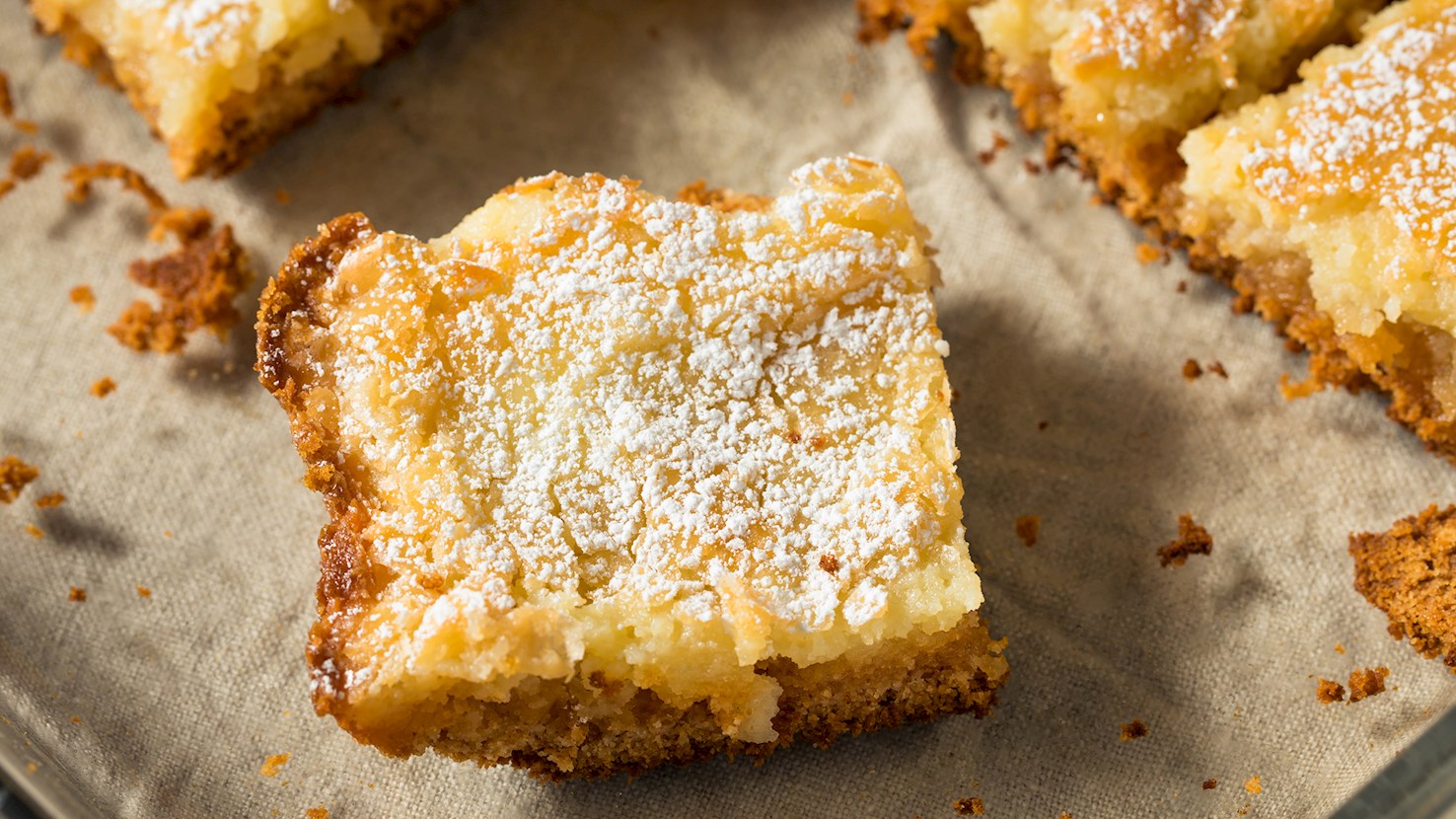
A hallmark of the city of St. Louis, gooey butter cake almost certainly originated in the southern part of town, where most of the German bakers lived in the past. It is a flat cake consisting of wheat flour, butter, sugar, and eggs. The cake is traditionally garnished with powdered sugar and a few raspberries. Sweet, dense and firm, it is similar in texture to a brownie. Originally, it was invented by a baker in the 1930s who was making a yellow cake but put in too much sugar, butter, or shortening. As those were the times of the Depression, he couldn't throw away the gooey, sticky mess, so he sold it, and the consumers wanted more and more. Some versions of the cake incorporate cream cheese, cherries, or pineapple slices in the cake, but if you ask any St. Louisan, it's not the real deal until you try the original in St. Louis.
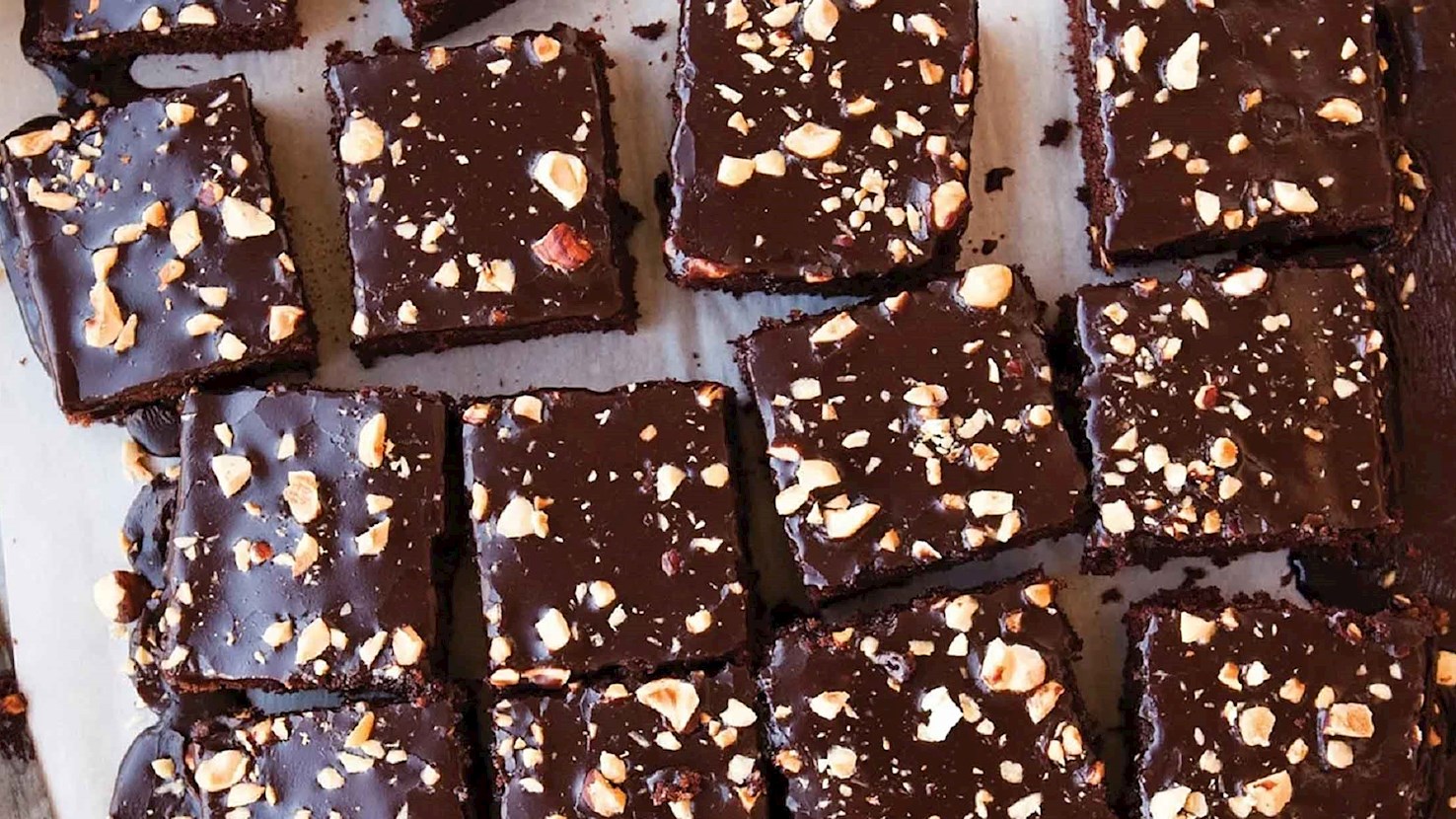
Texas sheet cake is an American dessert made with a combination of buttermilk, eggs, vanilla, baking soda, sugar, flour, butter, and cocoa. Once baked, the hot chocolate cake is topped with a crunchy icing featuring pecan pieces. In Texas, it is a staple at funerals, but it is also often seen in churches. The cake is beloved because it is easy to prepare and has a moist and gooey texture. Although its place of origin is still unknown, most people agree that it was invented in Texas due to the usage of local ingredients such as buttermilk and pecans.
Jamaican rum cake is a dense, fruit-filled cake made with soaked dried fruits, browning, warm spices, and Jamaican rum, served throughout Jamaica especially during the Christmas season and at weddings, formal gatherings, and family celebrations. It is produced in homes, bakeries, and commercial kitchens and is closely associated with Jamaican festive cooking. The cake developed as cooks combined British-style fruitcake techniques with Caribbean ingredients such as overproof rum, local wine, pimento, and burnt sugar syrup used for coloring. In Jamaica, dried fruits were often preserved in rum for long periods, and this practice shaped the structure of the cake, which requires the fruit to be soaked in alcohol to create its characteristic texture and flavor. As rum production increased and baking methods evolved, the dish became a fixed part of holiday menus and large events. Preparation begins by soaking raisins, currants, prunes, and cherries in rum, red wine, or a mixture of both. The fruits may be soaked for weeks or months, and they are often blended before use to create a smoother texture. The cake batter is made from butter, sugar, eggs, flour, browning for color, and spices such as nutmeg, cinnamon, and pimento. The blended or chopped fruits are mixed into the batter along with additional rum or wine. The cake is baked slowly at a low temperature until firm and evenly set. After baking, some cooks pour extra rum onto the cake while it cools, which helps preserve it and deepen the flavor. One distinguishing feature of Jamaican rum cake is the use of browning, a cooked sugar syrup that darkens the cake without overwhelming the flavor, giving it its characteristic deep brown appearance. Jamaican rum cake is eaten across Jamaica and in Jamaican communities abroad during Christmas, New Year celebrations, weddings, and family gatherings. It is often served in thin slices due to its richness. Beverage pairings include sorrel drink, ginger beer, coffee, and fortified wines. Some people serve it with a small glass of rum or rum cream, while others enjoy it with tea. In many households, rum cake is prepared in advance of holiday seasons and stored so that the flavors continue to develop, making it a lasting part of Jamaican culinary celebrations.
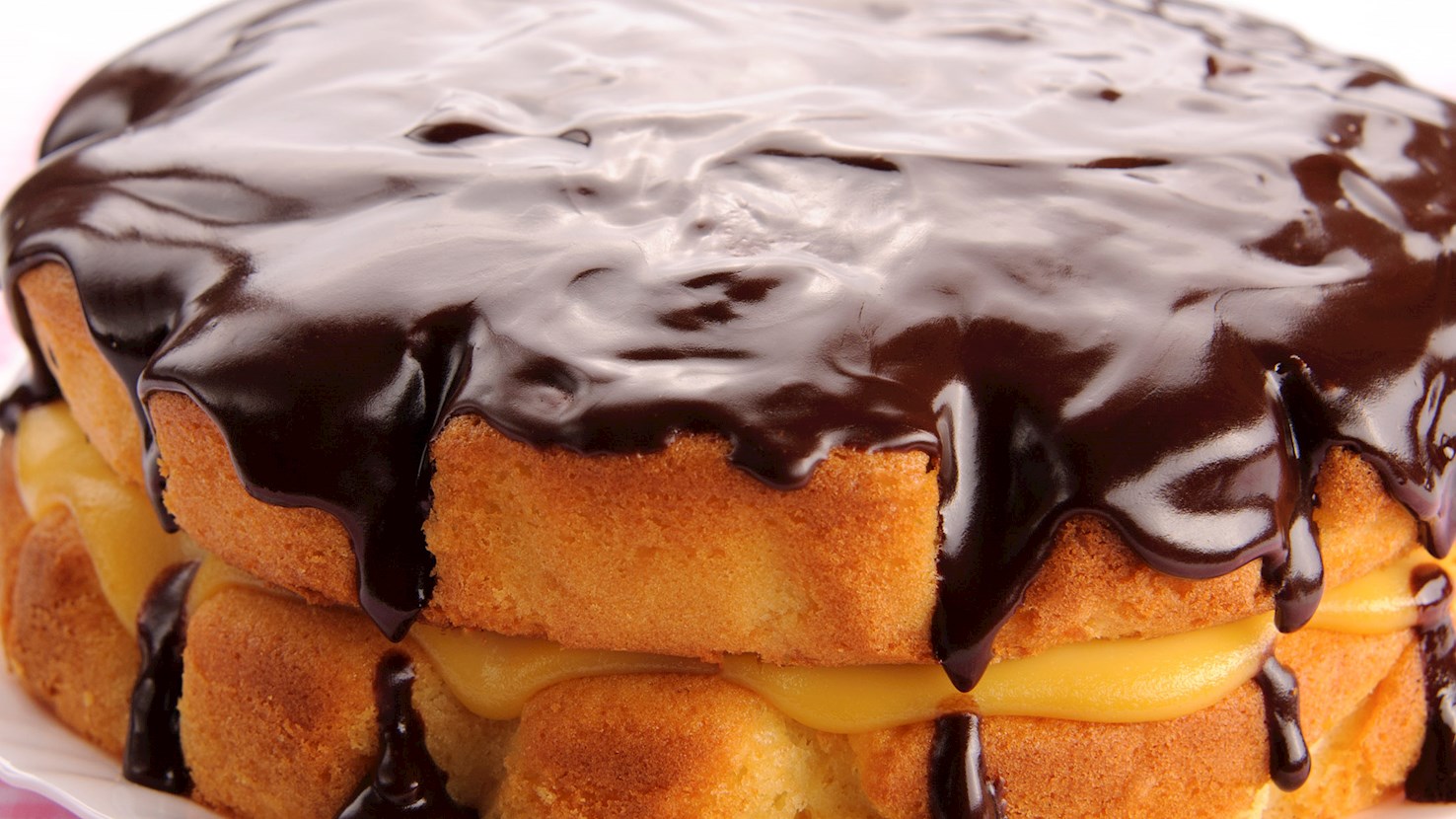
Although the name suggests otherwise, Boston cream pie is not a pie, but a cake consisting of two layers of sponge cake which are filled with a rich vanilla custard, while the whole thing is finished with a chocolate glaze, or in some cases, with sprinkled confectioners' sugar. It was named a pie because the first versions were baked in pie tins, which were more common than cake pans in the mid-19th century. The inventor of the Boston cream pie is a French chef named Sanzian, who worked in the Parker House, a hotel that claims to have served the dessert since its opening in 1856. Originally, the cake was served under the name Parker House Chocolate Cream Pie. Today, this classic cake is a favorite throughout the country, not just in Massachusetts where it became the official state dessert in 1996.
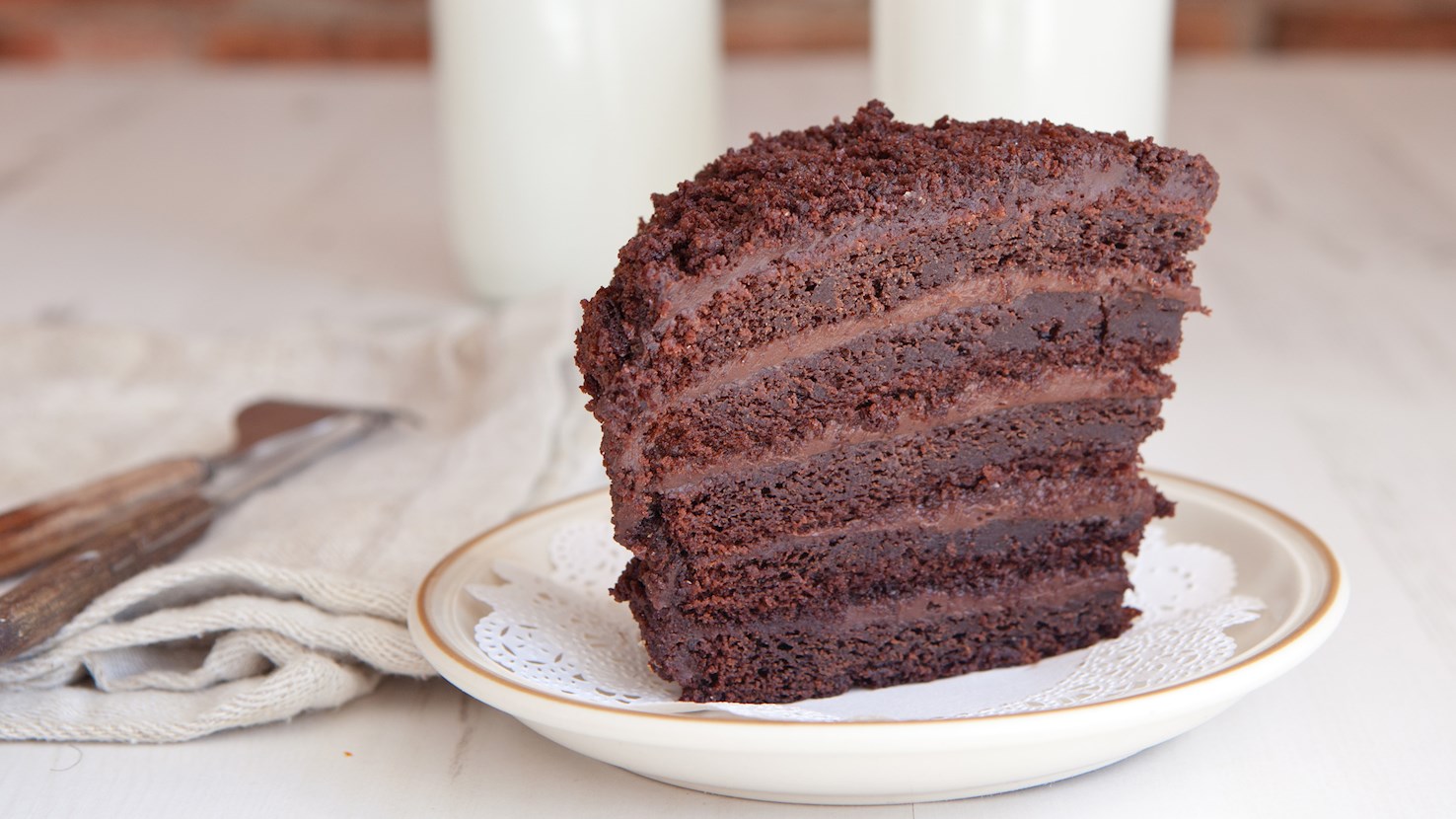
Blackout cake is a traditional chocolate cake originating from Brooklyn's Ebinger's Bakery, where it was first made in 1942. This rich, dark sponge cake is filled with thick pudding-like chocolate custard and topped with crumbs of chocolate cake. The ingredients used for the cake typically include dark chocolate, espresso powder, flour, cocoa powder, baking soda and powder, butter, salt, sugar, eggs, and milk. Once prepared, the cake is often decorated with buttercream, but it's completely optional. Its dark visual appearance is a nod to the mandatory blackouts that happened at the time (WWII) in order to protect the Brooklyn Navy Yard.
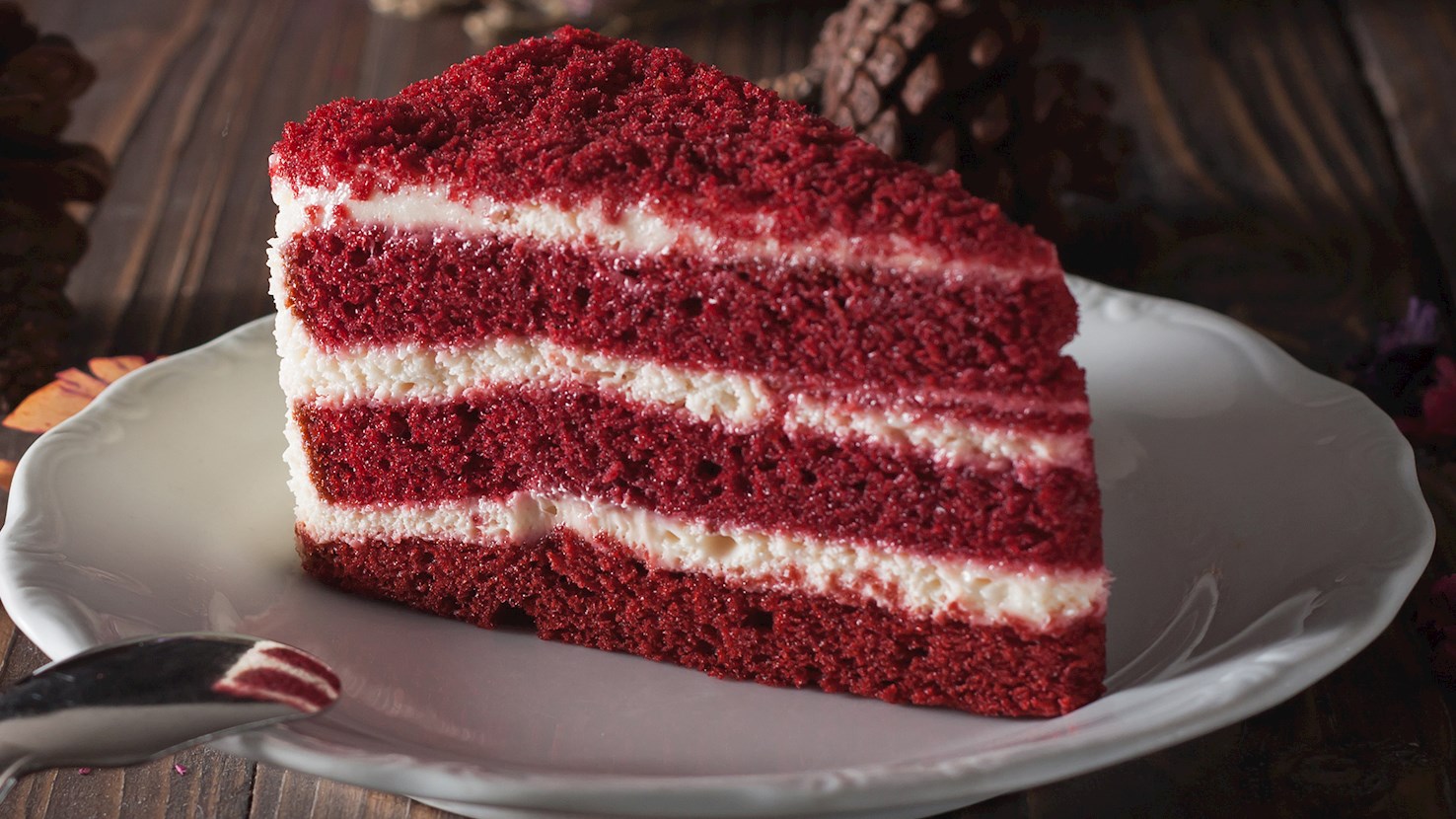
This American classic is traditionally made for Valentine’s Day and Christmas. Red velvet cake is typically covered in a French-style butter roux icing, though recently cream cheese frosting and buttercream have both been used as a simpler and tastier alternative. During World War II and the Depression, this moist cake got its vibrant coloring from boiled beets, but has since adapted into red food coloring courtesy of a Texan company called Adams Extract. The cake gets its light and fluffy texture from the reaction caused by mixing buttermilk and vinegar together in addition to eggs, sugar, butter, baking soda, flour, cocoa powder, and salt. Interestingly enough, even though this cake is a typical southern American dessert, a department store in Canada called Eaton's promoted it as an exclusive recipe, mistakenly fooling many people into believing it was created by the store's matriarch, Lady Eaton.
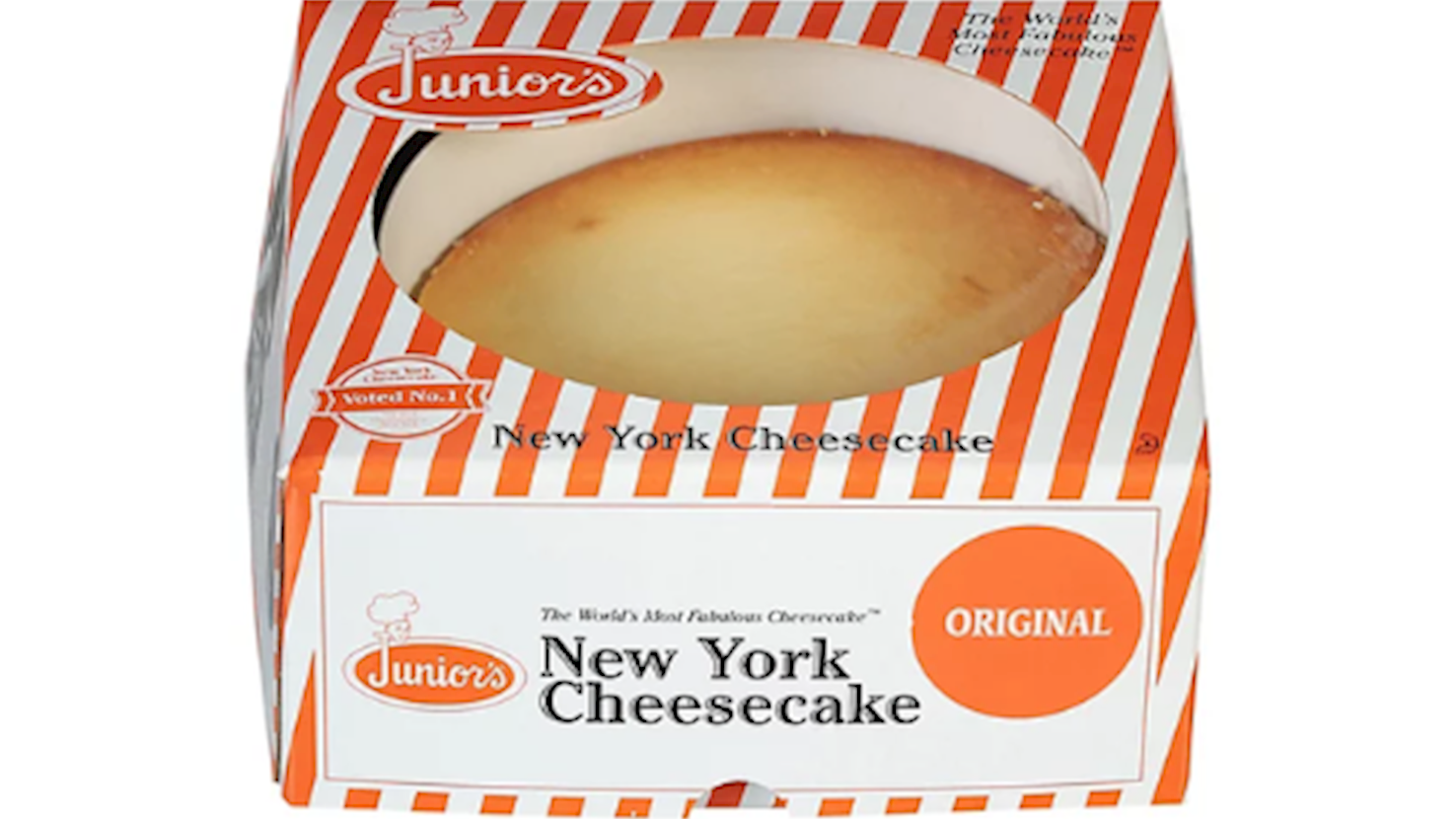
Junior's is one of New York City’s most iconic bakeries and restaurants, best known for its legendary New York-style cheesecake, widely regarded as one of the most famous cheesecakes in the United States. Founded in 1950 by Harry Rosen in Brooklyn, the company grew from a family restaurant tradition that dates back to 1929.
Junior’s was created with the vision of combining a classic American restaurant experience with exceptional baked desserts, but it was its cheesecake that ultimately became the brand’s defining product. The original recipe was developed in collaboration with master baker Eigel Peterson and is distinguished by its unique sponge cake crust rather than the traditional graham cracker base commonly used in American cheesecakes.
Over the decades, Junior’s has become a culinary landmark of New York, attracting both local customers and visitors from around the world. The bakery is celebrated for its rich, creamy texture, premium ingredients, and commitment to traditional baking methods.
While the company offers numerous cheesecake variations featuring fruit, chocolate, caramel, and other flavors, the Original New York Cheesecake remains its most recognized product. Junior’s has expanded beyond its flagship Brooklyn location with additional restaurants and bakeries while also shipping its cheesecakes nationwide.
Today, the brand is considered a symbol of authentic New York dessert culture and one of the most influential names in American cheesecake making.
TasteAtlas food rankings are based on the ratings of the TasteAtlas audience, with a series of mechanisms that recognize real users and that ignore bot,
nationalist or local patriotic ratings, and give additional value to the ratings of users that the system recognizes as knowledgeable.
For the “Top 50 North American Cakes” list until October 15, 2026, 3,393 ratings were recorded, of which 3,022 were recognized by the system as legitimate.
TasteAtlas Rankings should not be seen as the final global conclusion about food. Their purpose is to promote excellent local foods,
instill pride in traditional dishes, and arouse curiosity about dishes you haven’t tried.
The initial list of top producers was compiled based on available reviews, awards, local recommendations, media and blog coverage, and consumer reviews.
The list will be updated with ratings from TasteAtlas local ambassadors and TasteAtlas users.



What People Say