





shutterstock

Top 7 Néo-Aquitain Cakes

Last updated on June 15, 2026
01

Dacquoise

4.1 ·

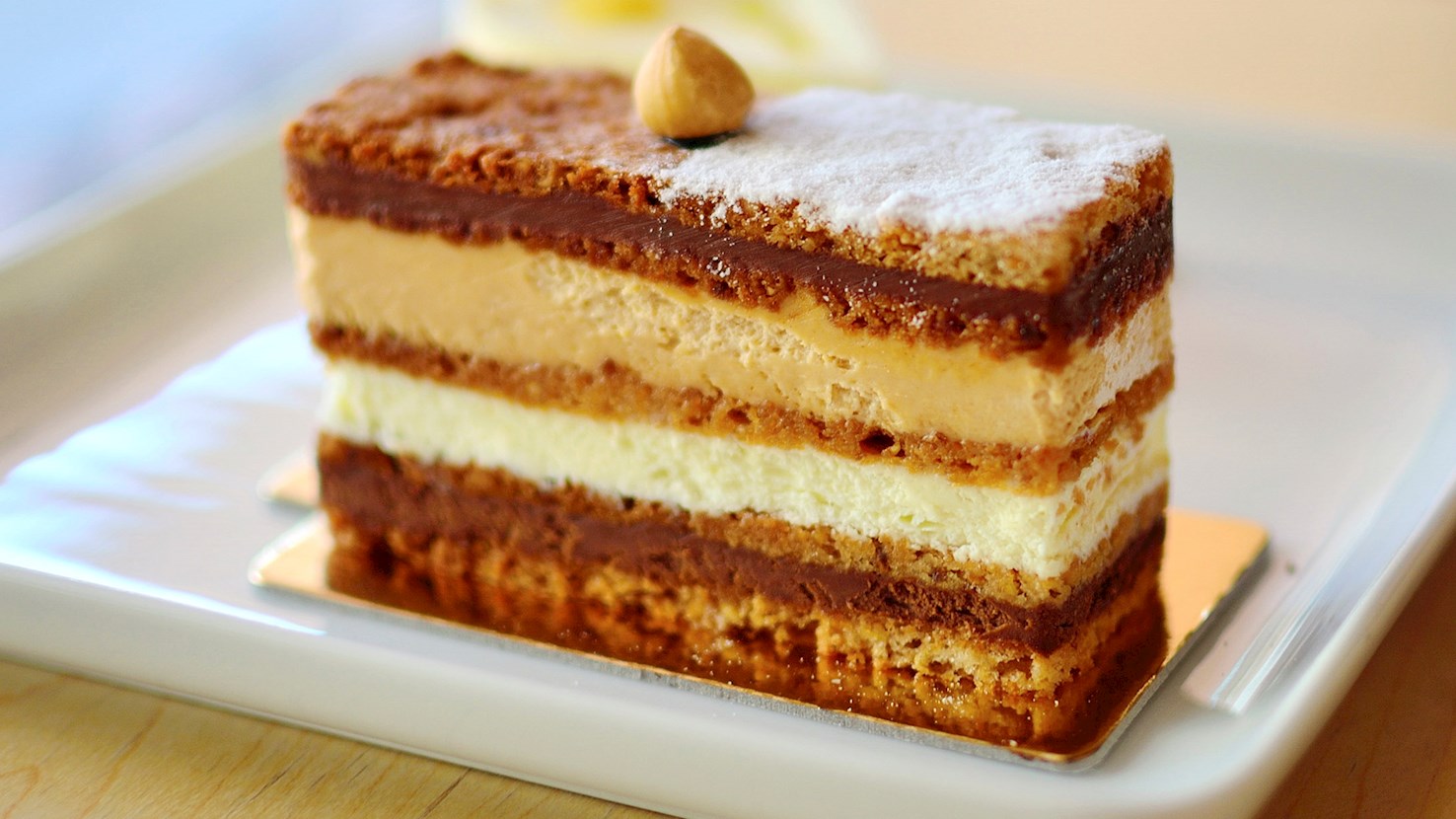
Both crispy and creamy in texture, this French cake is traditionally made with almond or hazelnut meringue sponge cake separated with layers of whipped cream or buttercream. The cake takes its name from the French word dacquois, meaning from Dax, referring to a town located in southwestern France, but the term dacquoise itself has come to signify any dessert with layers of nut meringue sponge cake. The cake is believed to have originated in the 17th century, when it was invented as a luxurious dessert for the people of the French court. The recipe later became very popular in England, after numerous French chefs moved there to cook for the upper class. Its huge popularity generated a wave of different versions of the cake, such as the infamous marjolaine, a rectangular variety of dacquoise known as the mother of all French desserts, which is made with meringue sponge cake and chocolate buttercream.

02

Gâteau Basque (Basque cake)

4.1 ·

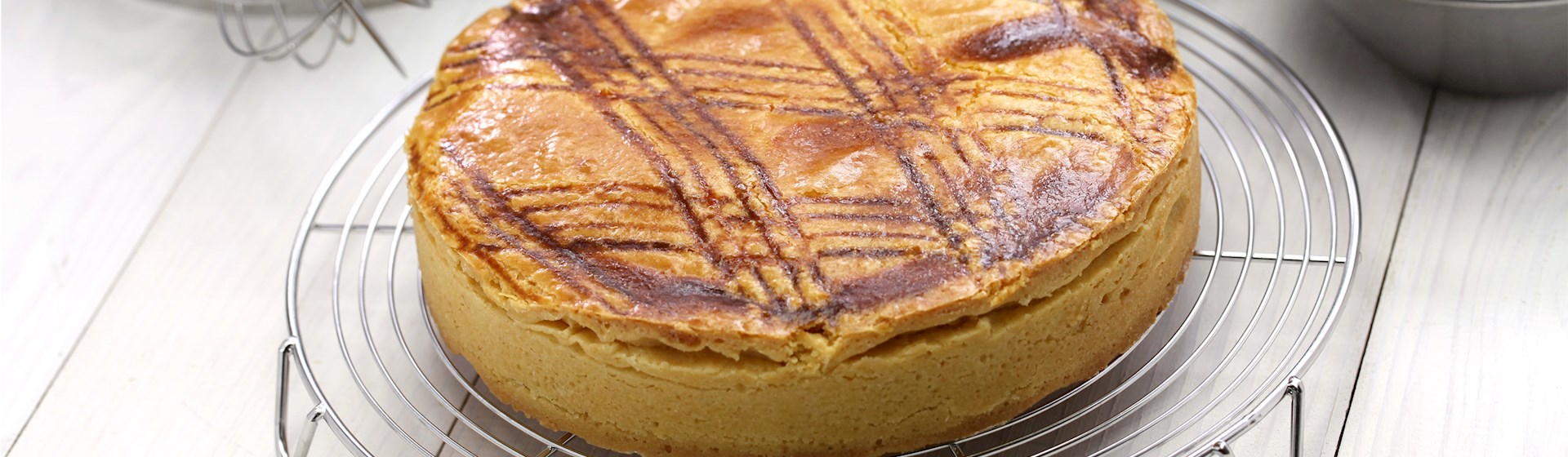
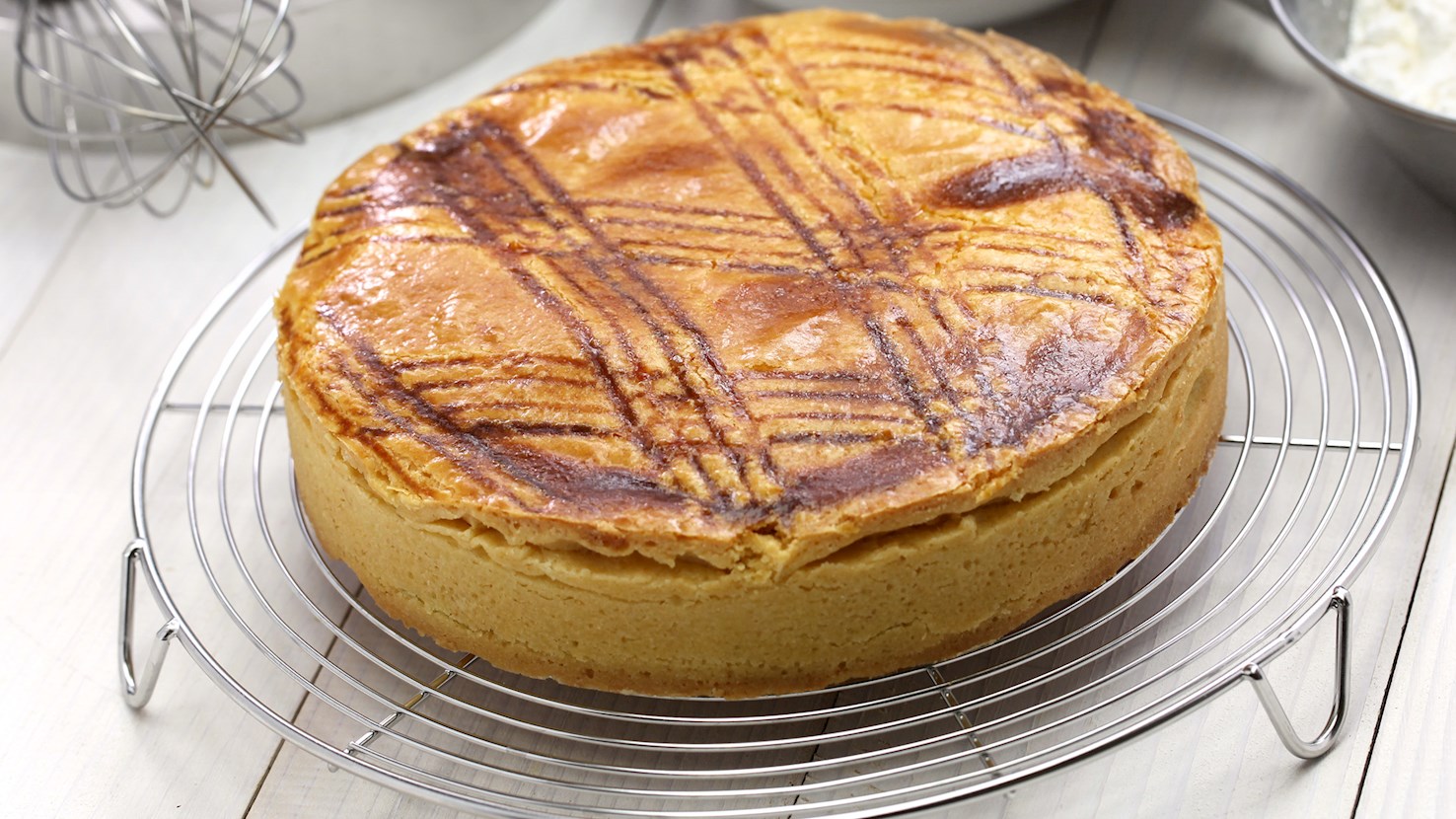
This classic Basque cake consists of two layers of shortcrust pastry and either a filling made with black cherry preserve or, more often, vanilla-flavored pastry cream. If made with black cherries, the top of the cake is usually decorated with the Basque cross (lauburu), while the version with pastry cream typically comes with a crosshatch pattern. Apart from vanilla, common flavorings may also include lemon zest, rum, or almond extract. Although it is traditionally associated with the entire French Basque Country, it is believed that the cake originated in the former French province of Labourd.

03

Gâteau creusois

n/a ·

Gâteau Creusois is a traditional French cake originating from Creuse. It's made with a combination of egg whites, flour, sugar, ground hazelnuts, and butter. The egg whites shouldn't be beaten too much as the cake will rise too much and it will most probably be dry. This cake is often served with custard made from egg yolks, sugar, flour, vanilla, and milk. In the 1960s, a recipe from the 15th century has been found in an old monastery, and it says that the cake used to be cooked in a tile-lined oven. Nowadays, it makes for a great Christmas dessert, ideally served with whipped cream or raspberry coulis.

04

Tourteau fromagé

n/a ·

Tourteau fromagé is a traditional pastry from the Poitou region in France, made with fresh goat cheese. Originating from the Pays Mellois, its name derives from "tourterie," meaning "cake" in the Poitevin dialect. Historically baked in rounded earthenware dishes, it features a distinctive blackened dome crust contrasting with a soft, creamy white interior. The filling is made with eggs, sugar, flour, fresh goat cheese, and a pinch of salt and is encased in shortcrust pastry. Traditionally enjoyed at weddings, it remains popular during Easter and other convivial gatherings.

05

Russe

n/a ·

The russe is a classic French cake from the Béarn region, first created in 1925 by pastry chef Adrien Artigarrède as an adaptation of the Algerian castel cake. Its name refers to both the historical almond trade with Crimea and the cake’s snowy, powdered sugar coating. Unlike many ornate French pastries, the Russe is a single-layered, nut-forward cake made from a dense batter of whole almonds, hazelnuts, ground nut powders, eggs, butter, and a small amount of flour. This combination produces a compact, tender crumb with visible nuts and a clean, dry finish. The preparation involves mixing the nuts with eggs and sugar before folding in the liquid ingredients and flour. Once baked and cooled, the cake is generously dusted with powdered sugar, which provides a pale surface and mild sweetness without adding moisture. Because the Russe lacks layers, fillings, or syrups, it maintains a firm structure and a restrained sweetness. It is typically served at room temperature, sliced like a loaf, and pairs perfectly with black coffee, tea, or dessert wines that complement its rich, nutty flavor.

06

Pastis béarnais

n/a ·

Pastis béarnais is a sponge cake from France made with flour, melted butter, sugar, eggs, baking powder, and a measure of pastis that perfumes the cake. Preparation starts by sifting flour with baking powder and bicarbonate and combining this with salt, then whipping eggs with sugar until pale and creamy and gradually adding melted butter blended with pastis before folding in the dry ingredients; the batter is poured into a well-buttered and floured pastis or kugelhopf-style mold and baked at a moderate temperature until a knife inserted in the center comes out clean, after which the cake is unmolded and decorated with a dusting of icing sugar. Pastis béarnais is eaten at room temperature as a dessert or sweet course that fits breakfast or afternoon refreshment, often accompanied by a fruit coulis or compote if desired, and it pairs well with coffee, tea, sweet dessert wines, or even a small glass of pastis on the side that echoes the flavor used in the cake batter.

07

Treipaïs

n/a ·

Treipaïs is a layered dessert from Limousin that has a distinctive triangular shape and combines multiple textures and flavors in a single presentation, with layers of hazelnut praline crunch, nut-based dacquoise, chestnut mousse, and dark chocolate mousse, finished with a chocolate glaze and typically topped with a glazed chestnut and small decorative elements, creating a dessert with contrasts of crunchy, creamy, and airy components. Its creation emerged in the early 2000s when a group of pastry chefs from the Limousin region set out to develop a dessert that symbolized the union of the three departments of the area; the name treipaïs comes from the Occitan phrase for “three countries,” and the triangular form reflects this concept, with each point representing one of the departments. Preparation involves first making the components that contribute distinct textures: a base of crispy hazelnut praline mixed with feuilletine, a dacquoise made from hazelnut and meringue, and two separate mousses — one flavored with cooked chestnuts and the other with dark chocolate; these elements are assembled in layers within a triangular mold, chilled to set, and then coated with a smooth chocolate glaze before being decorated with a glazed chestnut and almond-paste leaves. Variations appear in slight differences in the balance of flavors between the chestnut and chocolate mousses, minor adjustments in the thickness of the dacquoise or praline layer, and occasional use of alternate garnishes, while the defining feature remains the integration of the four main components in a triangular form that highlights the regional symbolism rather than a single homogeneous filling. Treipaïs is eaten chilled as a dessert, often served in individual slices that reveal the layered structure, and it pairs well with coffee, black tea, or dessert wines that complement its rich chocolate and chestnut profiles without masking the delicate contrasts between creamy and crunchy elements.

Read more
View all
View map
About this ranking

TasteAtlas food rankings are based on the ratings of the TasteAtlas audience, with a series of mechanisms that recognize real users and that ignore bot, nationalist or local patriotic ratings, and give additional value to the ratings of users that the system recognizes as knowledgeable. For the “Top 7 Néo-Aquitain Cakes” list until June 15, 2026, 120 ratings were recorded, of which 101 were recognized by the system as legitimate. TasteAtlas Rankings should not be seen as the final global conclusion about food. Their purpose is to promote excellent local foods, instill pride in traditional dishes, and arouse curiosity about dishes you haven’t tried.

Similar lists